


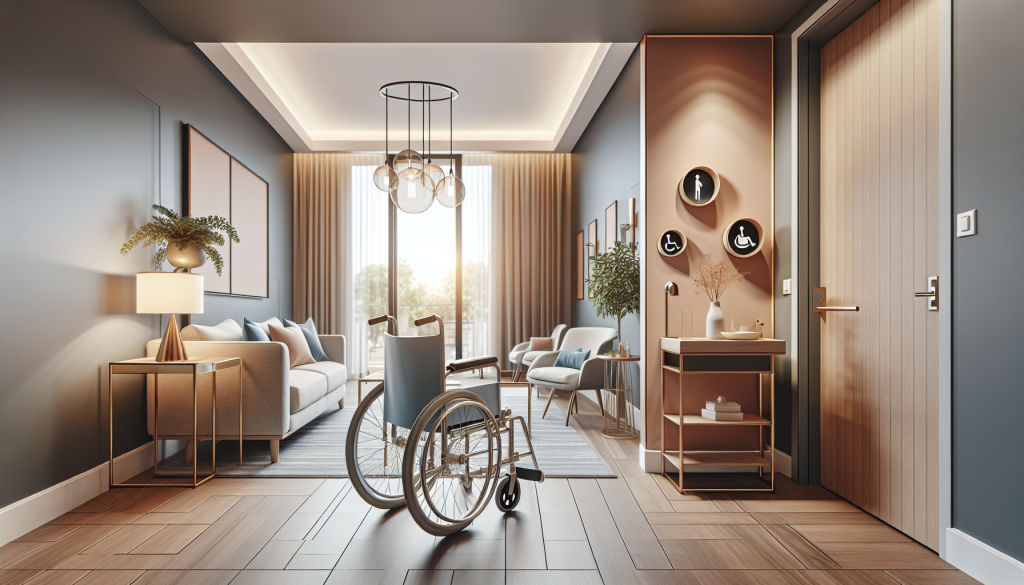
Remodeling a guest room for accessibility is one of the most practical upgrades a homeowner can make because it turns occasional sleeping space into a safe, flexible room that works for aging relatives, visitors with temporary injuries, and guests who live with long-term mobility, sensory, or balance limitations. In this context, accessibility means designing the bedroom and any attached bath so a person can enter, move, transfer, rest, bathe, and use switches, storage, and fixtures with as little physical strain and risk as possible. A well-planned accessible guest room is not the same thing as a hospital room, and that distinction matters. The best projects preserve comfort, privacy, and visual appeal while quietly removing barriers such as narrow doorways, high thresholds, poor lighting, hard-to-reach controls, slippery floors, and bathrooms that cannot support safe transfers.
I have worked on remodels where the room looked beautiful on reveal day yet failed the first real-world test because a walker clipped the bed frame, the bathroom vanity blocked wheelchair knee clearance, or the toilet paper holder was installed where a grab bar needed to go. Those mistakes are expensive because accessibility is driven by clearances and user movement, not just finishes. When homeowners ask what matters most, the answer is simple: circulation space, stable support points, lighting, and bathroom usability. Get those right, and the room serves far more people. Get them wrong, and even premium materials will not fix the underlying problem.
This guest room topic sits at the center of bathroom and bedroom accessibility because the room is a small ecosystem. The bedroom affects transfers, dressing, device charging, and emergency egress. The bathroom affects hygiene, fall risk, and independence. Decisions in one area influence the other. Bed height changes transfer ease. Door swing affects walker access. Flooring transitions determine trip hazards. Outlet placement affects whether a guest can safely use a CPAP, scooter charger, or nightlight. For homeowners building an accessibility and mobility solutions plan, this room often becomes the first project because it offers immediate benefit without requiring a full-house remodel.
The goal of this guide is to give you a complete foundation for planning bathroom and bedroom accessibility in a guest room remodel, including space planning, fixture selection, lighting, storage, flooring, safety details, and budget priorities. It also helps you think like an occupant rather than a contractor. Can someone approach the bed from both sides? Can they get from mattress to toilet at night without sharp turns and glare? Can they lock the bathroom door yet still be assisted if needed? These are the questions that separate decorative updates from truly accessible design.
Start with circulation, doorways, and approach paths
The first step in any accessible guest room remodel is mapping how a person enters the room, moves around furniture, reaches the bathroom, and exits in an emergency. I start with a simple floor plan and trace likely movement paths for a wheelchair user, a person with a walker, and a guest who is steady by day but unsteady at night. This quickly reveals pinch points. A guest room can feel spacious to an able-bodied adult and still be functionally unusable for someone who needs turning radius or side transfer space. Wherever possible, provide clear approach routes rather than relying on diagonal squeezes around furniture corners.
Doorways are one of the most common hidden barriers. A nominal 32-inch door does not always deliver enough clear opening once hinges, trim, and door slab are considered. Wider doors, offset hinges, pocket doors, or well-designed barn-style solutions can improve usability, but each has tradeoffs. Pocket doors save swing space, yet the pulls and latching details must be easy to use. Barn doors can work for some remodels, but privacy and acoustic sealing are usually weaker than with hinged or pocket doors. Thresholds should be minimized because even small changes in level can catch a walker or cane tip. If the guest room is on a different level from the main living area, the approach to the room matters as much as the room itself.
| Area | Recommended design target | Why it matters |
|---|---|---|
| Bedroom entry door | 36-inch door where framing allows | Improves clear opening for wheelchairs, walkers, and assisted entry |
| Bedside clearance | At least 36 inches on primary access side | Supports transfers, walker movement, and caregiver assistance |
| Path from bed to bath | Direct route with no threshold or rug edge | Reduces nighttime fall risk |
| Turning space | Open area sized for mobility device maneuvering | Prevents backing into furniture and walls |
| Bathroom doorway | Same width priority as bedroom entry | A usable bedroom fails if the bath remains inaccessible |
Furniture layout should be driven by access, not symmetry. In many rooms, centering a queen bed under a window looks balanced but leaves inadequate transfer space on one side. Sometimes moving to a full-size bed or using slimmer nightstands creates a far better result for guests. If a lift chair, portable hoist, or oxygen equipment may be used, reserve floor area now. Accessibility is easier and less expensive when circulation is designed before finishes are selected.
Design the bedroom for transfers, reach, and overnight safety
The bedroom must support getting into bed, getting out of bed, dressing, reading, charging devices, and navigating in low light. Bed height is often overlooked, yet it directly affects transfer safety. A mattress that is too high makes it difficult to plant feet firmly before standing. One that is too low increases strain on knees and hips. In practice, the best height is individualized, but I often aim for a top-of-mattress height that allows the user to sit with thighs roughly parallel to the floor and feet flat. Adjustable beds can be worthwhile when the room serves older parents or frequent guests with changing needs.
Nightstands should be stable, with open knee space or easy reach to lamps, outlets, call devices, and water. Wall-mounted sconces, rocker switches, and motion-activated nightlights reduce fumbling after dark. Place controls where they can be reached from bed and from the doorway. If the home uses smart lighting, keep physical controls too. Voice systems are helpful, but they should never be the only method, especially for guests unfamiliar with the setup or for users with speech limitations.
Closet design matters more than most remodel plans acknowledge. Traditional closets with deep reaches, heavy bifold doors, and high rods frustrate users with limited shoulder mobility or seated reach. Better solutions include lever handles, sliding doors with smooth tracks, lower rods, pull-down hanging hardware, and shelves that avoid dead zones near the ceiling. A sturdy bench with arm support can help with dressing. If the room doubles as a care space, reserve an uncluttered wall for temporary medical equipment or luggage so paths remain open.
Bedroom flooring should be firm, stable, and low glare. Thick plush carpet can make wheelchair rolling and walker movement harder, while polished tile can become slick with socks. Low-pile carpet tile, quality sheet vinyl, luxury vinyl plank with good slip resistance, cork in dry areas, or matte-finish hardwood can all work if transitions are flush. Area rugs are a frequent hazard; if they are used at all, they need secure backing and beveled edges, though in most accessible guest rooms I advise skipping them.
Build an attached bathroom that works in real life
An accessible guest room reaches its full value when the attached or adjacent bathroom is remodeled with the same level of planning. The safest accessible bathrooms are not defined by one product. They are defined by a sequence of actions that can be completed with dignity: entering, closing the door, turning, transferring to the toilet or shower seat, reaching towels and controls, and exiting on a dry floor. This means every dimension, fixture location, and support point should be considered together.
Curbless showers are usually the most versatile choice because they eliminate one of the most dangerous barriers in the room. A true curbless shower requires correct floor slope, drain placement, waterproofing, and enough bathroom depth to contain water. Linear drains can simplify slope direction, but execution matters more than drain style. Include a handheld shower on a slide bar, an easy-to-operate pressure-balanced or thermostatic valve, and a built-in or wall-mounted seat sized and anchored for actual load. Glass enclosures should not block caregiver assistance or create hard-to-clean tracks that trap water and soap residue.
Toilets need proper placement as much as proper height. Comfort-height toilets can help many adults, but they are not universally better for every user, especially shorter individuals. What matters is transfer compatibility, adjacent support, and adequate clear space. Reinforced walls for grab bars are essential even if bars are not installed immediately. In remodels, I specify backing at the toilet, shower, and key wall locations because opening finished walls later is far more disruptive. Sinks should allow reasonable approach, with insulated pipes if knee space is provided. Faucets should be lever, sensor, or other easy-control designs rather than tight knobs.
Bathroom storage should support independence. Place towels, toiletries, and paper products within comfortable reach from standing and seated positions. Recessed niches in showers should be mounted where a seated user can access them without twisting. Mirrors should work for guests of different heights, often by using a larger mirror mounted lower or a slight tilt. Ventilation is another practical accessibility issue. A quiet, properly sized exhaust fan reduces humidity, mold risk, and condensation that can make floors slippery. Good bathroom design reduces effort before it reduces style, and the best rooms achieve both.
Use lighting, contrast, and controls to support vision and cognition
Accessibility is not only about wheelchairs and grab bars. Many guest room users have reduced contrast sensitivity, depth perception changes, hearing loss, arthritis, mild cognitive impairment, or medication-related dizziness. Lighting should therefore be layered and predictable. Ambient light provides general visibility, task light supports grooming and reading, and low-level night lighting guides movement without causing glare. I have seen beautifully renovated baths fail because mirrored sconces created reflected hotspots that made it harder, not easier, to see edges and controls.
Contrast is a powerful safety tool when used thoughtfully. A white toilet against a white wall and white floor can visually disappear for someone with low vision. Distinguishing key surfaces with tonal contrast helps define boundaries. The same principle applies to stair nosings outside the room, door hardware, switch plates, and shower controls. Avoid busy patterns that mask puddles or make floor changes difficult to interpret. Matte finishes generally perform better than glossy ones because they reduce reflected glare.
Control design should minimize dexterity demands. Lever door handles are easier than round knobs for people with arthritis or limited grip strength. Rocker switches are easier to locate and use than tiny toggles. Thermostatic valves reduce scald risk because they hold temperature more consistently if water pressure changes elsewhere in the house. Clearly labeled fan and light switches help guests who are unfamiliar with the space. In larger homes, consider illuminated switch locations, occupancy sensors in closets, and backup lighting on circuits that remain reliable during storms or outages.
Choose durable materials and details that reduce maintenance burdens
The best accessible remodels hold up under daily use and remain safe as the room ages. Material choice is therefore not just aesthetic; it is operational. In wet areas, use flooring and wall finishes that can be cleaned thoroughly without becoming slick or degrading at seams. Large-format tile can reduce grout lines, but tile size must still work with floor slope in showers. Smaller mosaics often provide better traction on shower floors because they follow slope changes and create more grout joints for grip. Grout should be stain resistant and sealed if required by the manufacturer.
Hardware and accessories should be selected for load, cleanability, and long-term availability. Decorative towel bars are not grab bars. If a product is intended to support body weight, it must be rated, anchored correctly, and installed into blocking or approved structural fastening points. The same practical standard applies to fold-down shower seats, hand-held shower brackets, and wall-hung vanities. I prefer products from established accessibility-focused lines because replacement parts and finish continuity are easier to source years later.
Sound control and thermal comfort also affect accessibility. Guests recovering from illness, living with chronic pain, or using hearing devices often benefit from quieter HVAC operation, insulated plumbing walls, and window treatments that control temperature without requiring excessive force. Motorized shades can be valuable, but as with lighting, manual backup should remain available. Durable design means the room keeps working when technology fails.
Plan the project around actual users, budget priorities, and future flexibility
The most successful guest room remodels begin with a user profile, not a fixture catalog. Ask who will realistically use the room over the next five to ten years. An older parent with balance issues has different needs than a wheelchair user, a guest recovering from knee surgery, or a visitor with low vision. If multiple profiles are likely, prioritize no-step access, wider doors, reinforced walls, better lighting, and a bathroom layout that permits assistance. Those changes provide the broadest benefit across user types.
Budget should be allocated first to structural and layout elements that are hard to change later: door widths, bathroom footprint, curbless shower construction, wall blocking, electrical placement, drainage, and flooring transitions. Decorative finishes can be upgraded in phases. This is where many remodels go off track. Homeowners spend heavily on tile and cabinetry, then discover there is no budget left for widening the bathroom door or moving a drain to create a proper no-threshold shower. If funds are limited, future-proof the room now so fixtures and accessories can evolve later without demolition.
Finally, test the plan before construction starts. Tape furniture and fixture footprints on the floor. Simulate opening doors while standing in likely positions. Sit beside the planned toilet location. Walk the bed-to-bath route in low light. If possible, have the intended user review the setup. This simple mock-up process catches more design errors than most people expect. A guest room remodel done well becomes an inclusive space that supports comfort, safety, and independence without announcing itself as specialized. Start with movement, build around real routines, and make every detail earn its place. If you are planning bathroom and bedroom accessibility upgrades, use this hub as your blueprint and evaluate your current guest room one barrier at a time.
Frequently Asked Questions
What are the most important accessibility upgrades to prioritize when remodeling a guest room?
The best place to start is with the features that affect safety, entry, and everyday usability. A guest room should be easy to reach without navigating stairs whenever possible, and the doorway should provide generous clear width so someone using a walker, wheelchair, or cane can enter without difficulty. Inside the room, open floor space matters just as much as the door itself. Guests need enough room to move around the bed, turn, and approach windows, seating, and storage without squeezing through tight pathways or stepping over rugs and clutter.
Bed height is another major priority. A bed that is too low can make transfers difficult for older adults and anyone with limited leg strength, while a bed that is too high can be just as unsafe. Stable seating with arms, reachable lighting controls, lever-style door handles, and slip-resistant flooring all add meaningful function without making the room feel institutional. If the guest room connects to a bathroom, that space deserves equal attention: a curbless or low-threshold shower, blocking in the walls for future grab bars, a comfort-height toilet, and enough maneuvering space around fixtures are among the most practical upgrades. In most remodels, the smartest strategy is to first address circulation, surfaces, lighting, and bathroom access, then add convenience features such as lowered storage, smart controls, and visual contrast.
How much clear space should be planned around the bed and furniture in an accessible guest room?
A well-designed accessible guest room should provide clear, unobstructed pathways that allow a guest to move comfortably and safely from the door to the bed, closet, seating area, and bathroom. In practical terms, that means avoiding narrow furniture layouts and leaving enough room on at least one side of the bed for easier approach and transfer. Wider circulation paths are especially helpful for guests who use mobility aids, need caregiver assistance, or simply benefit from more stable footing and less crowded movement. Even for guests who do not use wheelchairs, extra space reduces fall risk and makes the room feel calmer and easier to navigate.
Furniture placement should support real-life use, not just visual symmetry. Nightstands should not pinch the passage around the bed, benches at the foot of the bed should only be included if they do not interfere with mobility, and decorative pieces should never create obstacles at knee or shin level. If possible, include turning space that allows a mobility device to change direction without repeated backing up. Also think vertically: shelves, rods, and controls should be reachable from both seated and standing positions. An accessible room is not simply a larger bedroom; it is a room laid out intentionally so movement, transfer, and rest happen with less effort and fewer hazards.
What bathroom features should be included if the guest room has an attached bath?
If there is an attached bathroom, it should be treated as an essential part of the accessibility plan rather than an afterthought. The most valuable upgrades usually begin with the shower. A curbless or very low-threshold entry makes bathing easier for guests with limited balance, joint pain, or mobility devices, and a handheld showerhead on a slide bar adds flexibility for both seated and standing use. A built-in or fold-down shower seat can make bathing more comfortable and safer, especially for older adults or visitors recovering from surgery or injury.
Grab bars are another key feature, but they work best when they are installed with intention and proper structural support. It is wise to add wall blocking during the remodel even if bars are not installed immediately, because this preserves flexibility for future needs. A comfort-height toilet, adequate transfer space beside fixtures, non-slip flooring, and good drainage all help reduce risk. The vanity should allow easy access to faucets and provide usable mirror placement and task lighting. Lever or touch-operated fixtures can be easier to use than small knobs, particularly for guests with arthritis or limited hand strength. Just as important, the bathroom should be bright, easy to interpret visually, and free of abrupt level changes that increase the chance of slips and falls.
How can lighting, switches, and other controls make a guest room more accessible?
Lighting is one of the most overlooked parts of accessibility, yet it has an outsized impact on comfort and safety. A guest room should have layered lighting that supports different needs throughout the day and night. General overhead lighting helps with orientation, task lighting at the bedside supports reading and medication use, and low-level nighttime lighting can guide guests to the bathroom without forcing them into a dark, unfamiliar space. Reducing glare is also important, especially for older adults and guests with visual sensitivity, because overly bright bulbs, shiny finishes, and harsh contrast can make navigation harder rather than easier.
Switches and controls should be easy to find, easy to reach, and easy to operate. Place light switches near the entrance and within convenient reach of the bed so guests do not have to cross the room in the dark. Rocker switches, illuminated switches, smart bulbs, voice controls, and large-button remotes can all improve usability. Window coverings should operate smoothly without requiring strong grip strength, and thermostats should be mounted at a practical height with readable displays. Even outlets deserve attention; placing some higher on the wall can make plugging in medical equipment, chargers, or lamps much easier. The overall goal is simple: guests should be able to control the room independently, with minimal bending, stretching, guesswork, or fine motor effort.
How can a guest room be made accessible without looking clinical or overly specialized?
Accessibility and good design are not opposites. In fact, many of the best accessible features also make a room feel more comfortable, organized, and welcoming for everyone. Wider pathways, better lighting, slip-resistant flooring, easy-to-use hardware, and thoughtfully selected furniture all improve function while still supporting a warm residential look. Lever handles are available in elegant finishes, grab bars now come in styles that resemble high-end towel bars, and curbless showers are often seen as premium design features rather than medical additions. The key is to integrate accessibility from the start instead of trying to hide it later.
Choosing durable, low-glare materials, strong color contrast for visibility, and furniture with clean lines and stable construction can create a space that feels intentional and stylish. A supportive chair, a sturdy bed frame, and neatly organized open storage can blend seamlessly into a well-designed room. You can also future-proof the space subtly by reinforcing bathroom walls, selecting doors and layouts that allow easier movement, and using hardware and fixtures that accommodate a wide range of users. The most successful accessible guest rooms do not announce themselves as specialized spaces; they simply feel easy to use, safe to move through, and comfortable for guests with different ages, abilities, and temporary or long-term needs.