


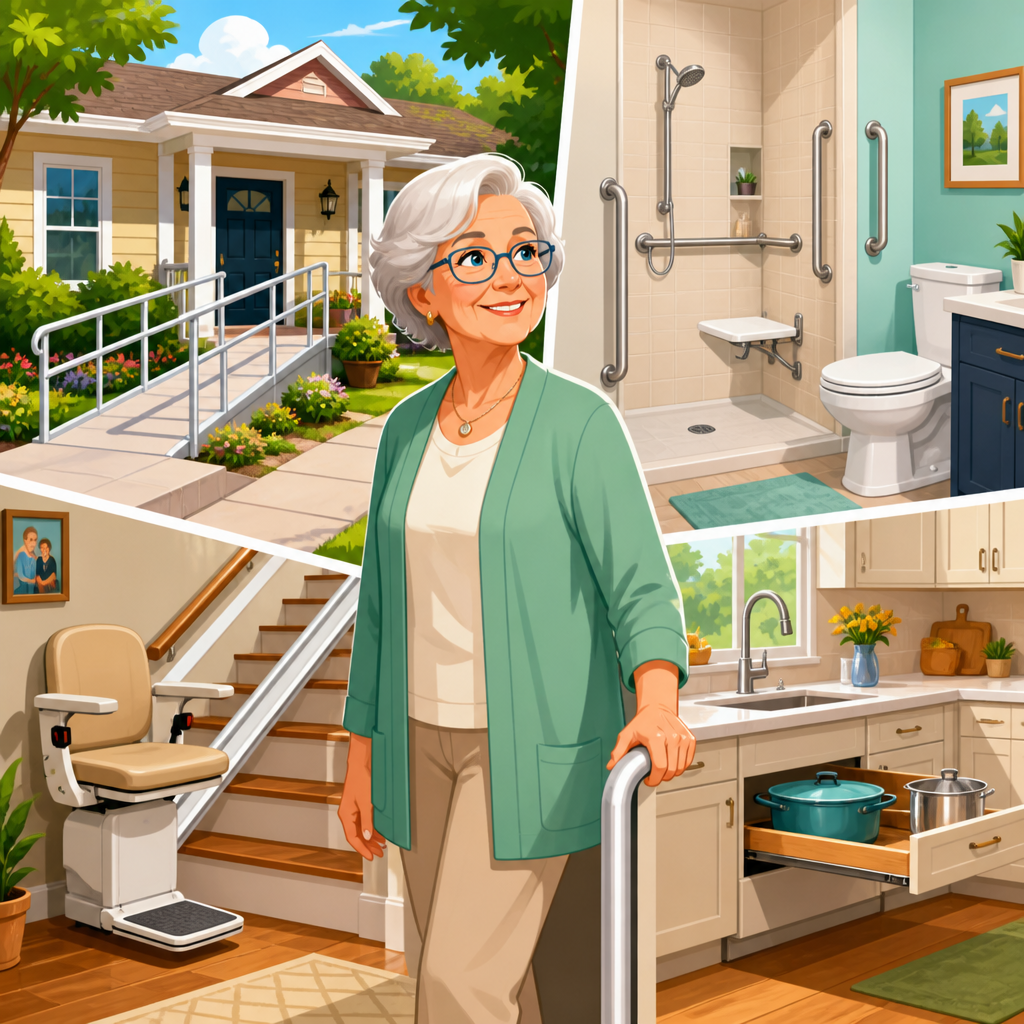
Aging in place after 75 means staying safely and comfortably in your own home as mobility, balance, vision, strength, and memory change with age. For most older adults, that goal is deeply personal: home holds routines, neighbors, possessions, and a sense of control that can be hard to replace in a facility setting. Yet remaining at home longer is only realistic when the environment fits the person. I have walked through many homes with occupational therapists, contractors, and family caregivers, and the same pattern appears again and again: small barriers become major risks after 75, while the right home accessibility upgrades can preserve independence for years.
Home accessibility upgrades are modifications that reduce physical strain, lower fall risk, support daily tasks, and make emergency response easier. They range from simple changes such as brighter lighting and lever door handles to major projects like zero-threshold showers, stair lifts, and first-floor bedroom suites. Aging in place strategies go beyond construction alone. They include planning for future decline, coordinating medical and mobility needs, choosing durable products, and sequencing improvements before a crisis forces rushed decisions. This matters because adults 65 and older account for the highest rates of fall-related injury, and the risk rises substantially with advanced age. A home that worked at 68 may be poorly matched at 78 or 85.
This hub article explains which upgrades matter most, how to prioritize them, and where each category fits into a broader aging in place plan. It covers entrances, bathrooms, kitchens, flooring, lighting, stairs, smart technology, caregiver support, financing, and timing. If you are deciding what to tackle first for yourself, a parent, or a spouse, start with the principle professionals use: focus first on the changes that protect mobility, bathing, toileting, transfers, and nighttime movement, because those are the tasks most strongly tied to injury, loss of independence, and hospitalization.
Start With a Whole-Home Safety Assessment
The best aging in place upgrades are not chosen room by room in isolation. They follow an assessment of how the resident walks, transfers, bathes, cooks, manages medications, responds to emergencies, and uses mobility equipment. In practice, the most useful assessment is usually done by an occupational therapist or a certified aging-in-place specialist, often called a CAPS professional through the National Association of Home Builders program. A good assessor measures doorway widths, turning radius, stair geometry, lighting levels, threshold heights, toilet height, shower entry, and the clear floor space needed for walkers or wheelchairs.
Assessment also identifies hidden constraints that families routinely miss. A client may look steady during a daytime visit but become unsafe when getting up at 2 a.m. to use the bathroom. Another may manage front steps in dry weather but not when carrying groceries or using oxygen tubing. Cognitive changes matter too. People with mild impairment may need simpler appliance controls, color contrast at transitions, and fewer trip hazards rather than only structural modifications. The point is prioritization. Before spending on cosmetic updates, document the exact barriers interfering with safe daily living and rank them by injury risk and impact on independence.
Entryways and Exterior Access Usually Come First
If a person cannot enter and leave the home safely, every other upgrade becomes less useful. Exterior access affects medical appointments, social contact, grocery delivery, emergency evacuation, and the ability to age in place during temporary illness. After 75, even one or two steps without a secure handrail can become a serious obstacle. The highest-value entry upgrades are a no-step entrance whenever feasible, slip-resistant walking surfaces, sturdy handrails on both sides where possible, weather-protected landings, motion-sensor lighting, and door hardware that works with limited grip strength.
Ramps help in selected cases, but they must be designed correctly. ADA slope guidance of 1:12 is a helpful benchmark, meaning one inch of rise for every foot of ramp, though private homes may need customized design based on space and user ability. Short, steep ramps installed as quick fixes are common and often unsafe. Thresholds should be minimized, ideally under half an inch for wheeled devices. A video doorbell, keyless lock, and clear house numbers improve both convenience and emergency response. For many households, a better first project than a full remodel is simply creating one dependable accessible entrance used every day.
Bathrooms Deliver the Greatest Safety Return
When families ask which single room deserves the most attention, the bathroom is usually the answer. Bathing and toileting combine wet surfaces, balance challenges, urgency, bending, and transfers in a compact space. The most important bathroom upgrade after 75 is a curbless or low-threshold shower with slip-resistant flooring. Add a secure shower seat, a handheld showerhead on a slide bar, pressure-balanced or thermostatic anti-scald controls, and properly anchored grab bars placed for actual transfers, not decoration. Towel bars are not substitutes for grab bars.
Toilets deserve equal attention. Comfort-height models or raised toilet seats reduce the effort of sitting and standing. What matters most is transfer support, so place grab bars where the user can push effectively from the side or front. Flooring should provide traction when wet and contrast visually with walls and fixtures. Good lighting around the vanity and toilet reduces nighttime missteps. In larger projects, widening the bathroom door and ensuring enough turning space for a walker can prevent a move to assisted living. I have seen households spend heavily on kitchen finishes while leaving a dangerous tub-shower combo untouched; that is almost always the wrong priority.
| Upgrade | Primary Benefit | Best Use Case |
|---|---|---|
| Curbless shower | Safer entry, easier transfers | Balance issues, walker use, future wheelchair planning |
| Grab bars | Fall prevention during transfers | Toilet area, shower entry, shower seat position |
| Comfort-height toilet | Less strain on knees and hips | Arthritis, weakness, post-surgery recovery |
| Handheld showerhead | Seated bathing and caregiver assistance | Limited endurance, bathing support needs |
| Slip-resistant flooring | Better traction on wet surfaces | All older adults, especially with neuropathy |
Stairs, Flooring, and Interior Movement Shape Daily Independence
Many homes become unsafe not because of one dramatic hazard, but because routine movement requires too much effort. Stairs are the clearest example. If essential living spaces remain on an upper or lower floor, the long-term solution is often relocating daily living to the main level. A first-floor bedroom, full bath, laundry, and basic food prep area reduce dependence on stairs and help during illness. Stair lifts can work well for people who can sit safely, transfer independently, and use the controls reliably, but they are not ideal for every body type or every stair configuration. Curved stair lifts are effective, though significantly more expensive than straight models.
Flooring matters just as much. Remove loose rugs, repair uneven transitions, and avoid thick carpet that catches walkers. Low-pile carpet, luxury vinyl plank with adequate slip resistance, cork, and matte-finish tile can all work when properly installed. Highly glossy surfaces often look upscale but perform poorly for older adults with depth-perception changes. Hallways should have enough width for mobility devices and enough contrast to distinguish walls, floors, and door frames. Lever handles are easier than round knobs for arthritic hands. In many homes, the winning strategy is not glamorous: clear pathways, reduce clutter, stabilize flooring, and shorten the distance between the bed and the toilet.
Kitchens Should Reduce Reach, Lift, and Burn Risk
A safe aging in place kitchen allows an older adult to prepare simple meals without overreaching, carrying heavy items, or managing confusing controls. The most useful upgrades usually involve layout and storage rather than a total renovation. Place everyday dishes, medications, and small appliances between shoulder and hip height. Pull-out shelves, full-extension drawers, D-shaped cabinet pulls, and contrasting countertop edges reduce strain and improve visibility. For clients with limited stamina, a seated work area with knee clearance can extend independent meal preparation significantly.
Appliance choices matter. Induction cooktops reduce burn risk because the surface stays cooler than conventional electric or gas after the pan is removed. Wall ovens installed at an accessible height can be safer than bending to a low range oven. Side-opening or drawer microwaves often work better than over-the-range units. Good task lighting over counters and the sink prevents cut injuries and spills. If cognition is changing, simpler controls, automatic shutoff devices, and clearly labeled storage zones can be more valuable than luxury features. The goal is a kitchen that supports nutrition and routine without requiring excessive standing balance, grip strength, or memory.
Lighting, Vision Support, and Smart Technology Prevent Quiet Failures
Lighting is one of the most underestimated home accessibility upgrades. Aging eyes need more illumination, better contrast, and more time to adjust between bright and dim spaces. The homes that function best after 75 typically have layered lighting: ambient overhead light, task lighting where work happens, and night lighting along routes to the bathroom. Motion-activated fixtures in hallways, closets, and bathrooms reduce fumbling for switches. Rocker switches are easier to use than small toggles, and switches should be placed consistently at accessible heights.
Technology adds a second layer of protection when it is simple and reliable. Medical alert systems, fall detection wearables, video doorbells, smart smoke and carbon monoxide alarms, medication reminders, and remote thermostat controls can all support aging in place. The best systems are not the most complex; they are the ones the resident will actually use every day. Broadband reliability, battery backup, and caregiver permissions matter more than novelty. For some households, a voice assistant helps with reminders, calls, and lights. For others, too many alerts create confusion. Choose technology that solves a defined safety problem, and test it under real conditions rather than assuming it will work when needed.
Plan for Caregiving, Emergencies, and Financing Before a Crisis
The strongest aging in place strategies anticipate change. A home may be workable for independent living today but fail quickly after a hospitalization, stroke, or fracture. Plan for caregiver access early. That means enough space beside the bed, in the bathroom, and at key transfer points for another person to assist. It may also mean reinforcing walls for future grab bars, installing blocking during renovations, or choosing doors wide enough for a wheelchair before one is necessary. If a spouse is the likely caregiver, design around that person’s strength and height, not an idealized helper.
Emergency planning is equally practical. Ensure clear access for EMS, visible address numbers, lockbox or smart lock entry, and backup power for critical medical equipment. Then address financing. Medicare generally does not pay for most permanent home modifications, though it may cover certain durable medical equipment. Funding often comes from personal savings, long-term care insurance, Medicaid waiver programs in some states, Veterans Affairs benefits for eligible veterans, local nonprofit repair programs, or home equity strategies. Because budgets are finite, phase the work: first prevent falls and unsafe transfers, then improve function, then invest in comfort and convenience. If you want to stay home after 75, schedule an assessment and create a prioritized upgrade plan before an emergency makes the decisions for you.
Frequently Asked Questions
What home accessibility upgrades matter most after age 75?
The most important upgrades are the ones that reduce fall risk, make daily routines easier, and support independence in the rooms used most often. In practical terms, that usually means prioritizing safer entryways, better lighting, bathroom modifications, and easier movement through the home. A no-step entrance or a ramp with proper handrails can make a major difference for someone who uses a cane, walker, or simply feels less steady than before. Inside the home, removing trip hazards such as loose rugs, raised thresholds, and cluttered walkways often delivers immediate safety benefits.
Bathrooms deserve special attention because they are one of the most common places for slips and injuries. Walk-in showers, grab bars anchored into wall studs, non-slip flooring, handheld showerheads, and comfort-height toilets are among the most valuable upgrades for aging in place. Good lighting is another high-impact improvement that is often underestimated. Brighter, evenly distributed lighting in hallways, stairways, kitchens, bathrooms, and entrances helps compensate for age-related vision changes and makes hazards easier to see. Lever-style door handles, rocker light switches, and easier-to-reach storage can also reduce strain on hands, shoulders, and backs. The right upgrades are not necessarily the most expensive ones. The best plan focuses first on the changes that improve safety, support daily routines, and match the older adult’s current and likely future needs.
How should families decide which accessibility improvements to do first?
The smartest approach is to start with a room-by-room safety review and then rank upgrades by urgency, not by appearance. Begin by asking where the person has the most difficulty today. If getting in and out of the shower feels risky, that should move to the top of the list. If stairs are causing fatigue or near-falls, then stair safety, railings, or a first-floor living arrangement may be more urgent than cosmetic renovations. A good priority framework is to address fall prevention first, then ease of essential daily activities such as bathing, toileting, meal preparation, and getting in and out of the home.
It also helps to consider changes that offer both immediate and long-term value. For example, adding grab bars now is useful whether someone is fully independent or may need caregiver help later. Widening doorways, replacing round doorknobs with lever handles, and creating a bedroom and full bath on the main floor can support a wide range of mobility changes over time. Families should also think ahead rather than waiting for a crisis. After 75, recovery from a fall, surgery, or illness can be slower, so proactive upgrades are often easier and less stressful than rushed changes after an emergency. If possible, involve an occupational therapist, aging-in-place specialist, or experienced contractor who understands senior safety. Their input can help families avoid spending money on upgrades that look helpful but do not truly improve day-to-day function.
Which bathroom modifications make the biggest difference for safety and independence?
Bathroom upgrades often provide the greatest return because they address one of the highest-risk areas in the home. The most effective changes usually include a curbless or low-threshold shower, properly installed grab bars, slip-resistant flooring, and a shower setup that allows seated bathing if needed. A built-in bench or a sturdy shower chair can reduce fatigue and lower the chance of slipping. A handheld showerhead makes bathing easier whether someone stands, sits, or has a caregiver assisting. Grab bars should be installed where they are functionally useful, such as at the shower entry, inside the shower, and beside the toilet. Decorative towel bars are not a substitute because they are not designed to bear body weight.
Toilet access is another major factor. A comfort-height toilet or a raised toilet seat can make transfers easier for people with arthritis, reduced leg strength, or balance concerns. Adequate space around the toilet and shower matters too, especially if a walker, wheelchair, or helper may be involved. Good lighting, especially overnight pathway lighting from the bedroom to the bathroom, can also prevent falls. Anti-scald devices are worth considering for those with slower reaction time or reduced sensation. One important point is that bathroom safety is not just about equipment. The layout matters just as much. If the bathroom is too narrow, has an awkward door swing, or requires stepping over a high tub wall, then a more substantial remodel may be justified. When done well, bathroom modifications can preserve privacy, reduce caregiver strain, and make aging in place far more realistic.
Is it better to remodel the whole house or focus only on key areas?
For most people, it is better to focus first on key areas rather than attempt a full-house remodel all at once. The spaces that usually matter most are the entrance, bathroom, bedroom, kitchen, and any stairs or hallways used every day. These are the areas that affect safety, energy use, and independence the most. A targeted approach is often more affordable and less disruptive, and it allows families to direct resources to the upgrades that truly solve problems. In many homes, a relatively small number of strategic improvements can dramatically improve day-to-day function without requiring a major renovation.
That said, the right answer depends on the home’s layout and the older adult’s health trajectory. If someone is already struggling with multiple stairs, narrow doorways, and a second-floor bathroom, then piecemeal fixes may only postpone larger changes. In those cases, creating single-floor living or making broader circulation improvements may be the wiser investment. It is also worth considering future flexibility. Even if a whole-house remodel is not necessary now, planning upgrades so they work together can save money later. For example, if flooring is being replaced, this is a good time to reduce thresholds and choose slip-resistant surfaces. If walls are being opened, adding reinforcement for future grab bars can be a smart preventive step. The goal is not to make the home look institutional. It is to make it safer, easier to use, and better matched to the realities of aging after 75.
Can simple, lower-cost accessibility upgrades still make a meaningful difference?
Yes, and in many homes, lower-cost upgrades are the best place to begin. Not every important improvement requires a contractor or a major remodel. Increasing bulb brightness, adding motion-sensor night lights, securing loose carpets, improving contrast on stair edges, and reorganizing storage so everyday items are between waist and shoulder height can all make a noticeable difference. Lever handles on doors and faucets are often easier for aging hands than knobs. Stable railings on both sides of stairs, a second handrail in a hallway, or a sturdy outdoor rail by a few front steps can improve confidence immediately.
Other practical upgrades include non-slip mats with secure backing, furniture rearrangement to widen walking paths, and replacing unstable seating with chairs that have arms and the right seat height for easier standing. Smart home features can also help at a modest cost. Video doorbells, voice-controlled lighting, automatic shutoff devices, and medication reminders may support safety and reduce mental load, especially for those with mild memory changes. The key is to choose solutions based on real habits and risks, not gadgets for their own sake. Small changes may not be as dramatic as a full bathroom remodel, but together they can significantly reduce hazards, conserve energy, and make daily life feel more manageable. In many cases, these modest upgrades buy time, improve confidence, and help an older adult remain at home more safely while larger decisions are made.