


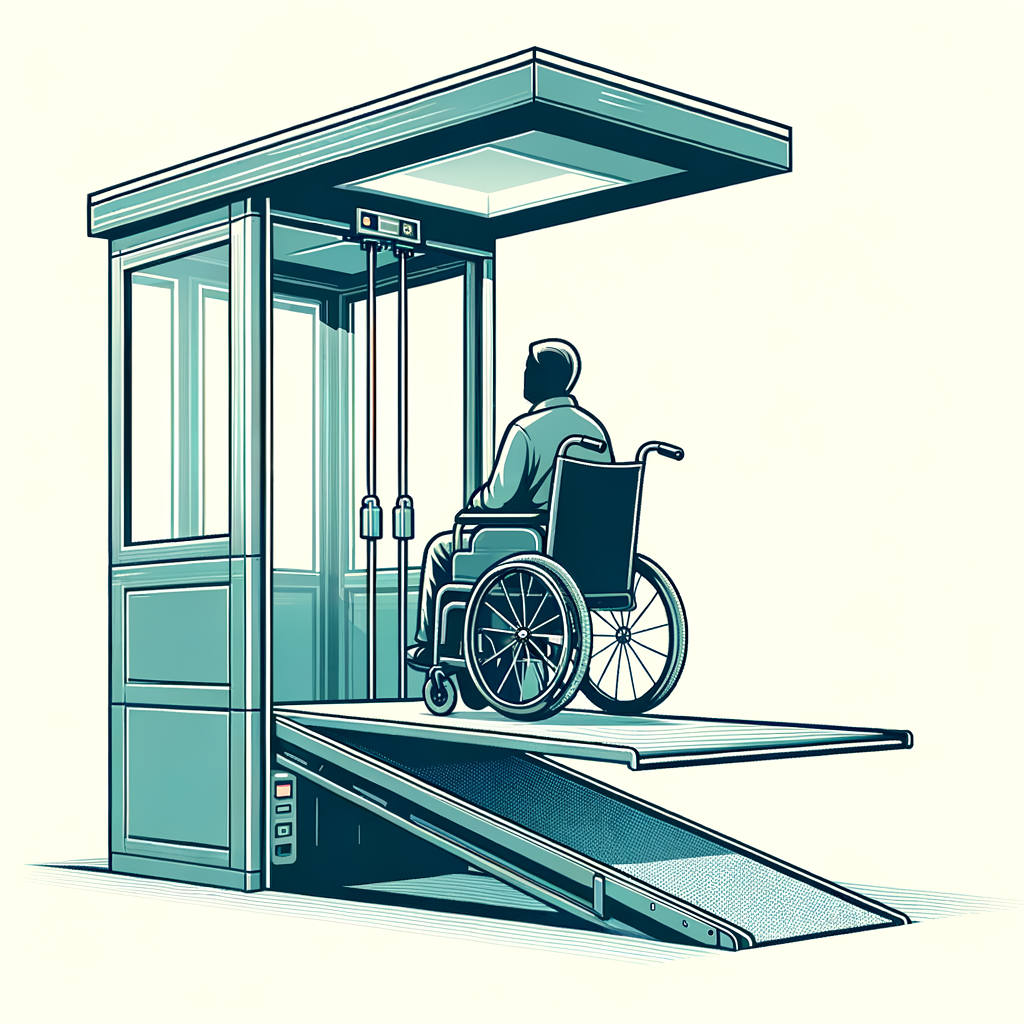
Ensuring accessibility is crucial in today’s world, and vertical platform lifts have become essential tools for providing wheelchair access. These lifts are designed to transport individuals in wheelchairs vertically between different levels, making buildings and homes more accessible. With numerous options available, selecting the best vertical platform lift can be overwhelming. In this article, we will explore the best vertical platform lifts that provide wheelchair access effectively and efficiently. We will delve into their features, advantages, and what sets them apart, while also considering the needs of users and building requirements.
Vertical platform lifts serve as a vital link for individuals with mobility challenges, enhancing their freedom and autonomy. Whether it’s a commercial establishment or a residential home, these lifts facilitate easy movement and ensure compliance with disability access laws. Choosing the right lift involves understanding different models, their specifications, ease of use, and reliability. By assessing these factors, individuals, caregivers, and businesses can make informed decisions that align with their accessibility goals.
In this guide, we will examine the most reputable vertical platform lifts in the market, scrutinizing their build quality, safety features, and user-friendliness. These elements are pivotal in ensuring not only seamless access but also peace of mind for users and facility managers alike. Furthermore, we’ll offer insights into installation considerations, warranty aspects, and customer support offerings, which are equally significant in making a sound investment.
Top Vertical Platform Lifts in the Market
When it comes to selecting the best vertical platform lifts for wheelchair access, various manufacturers offer top-of-the-line options tailored to different needs. Whether the requirement is for a commercial setting or a private residence, each lift is designed with specific features to match user requirements. Below, we’ll detail some of the top picks in the market, exploring their unique selling propositions, capacity, and overall user experience. These insights will aid prospective buyers in making informed decisions.
Bruno Vertical Platform Lifts
Bruno is a well-regarded name in the world of accessibility solutions, offering a range of vertical platform lifts known for their durability and performance. The popular Bruno VPL-3100 is an excellent example of the brand’s commitment to quality. Designed for residential and light commercial use, it boasts a lift capacity of up to 750 pounds, accommodating wheelchairs of various sizes. The Bruno VPL-3100’s residential-friendly design is complemented by straightforward installation and minimal maintenance requirements, making it a top choice for home settings.
Safety is paramount with Bruno lifts, and the VPL-3100 is equipped with obstruction sensors that automatically halt the lift if an obstacle is detected. This feature, combined with a non-skid platform and secure handrails, ensures a safe ride for users. The lift’s weather-resistant finish protects against the elements, ensuring longevity in outdoor installations. Additionally, Bruno offers various customization options, including platform sizes and colors, to match different architectural aesthetics. Users can expect reliable performance backed by strong customer support and warranties.
Harmar Vertical Platform Lifts
Harmar is another renowned manufacturer, offering vertical platform lifts focused on versatility and ease of use. The Harmar Highlander Residential VPL is particularly notable for its range of lifting heights and customizability. With a notable lift capacity of up to 750 pounds and a rise of approximately 14 feet, it accommodates various accessibility needs. The Highlander series’ standout feature is its bottom-mounted drive system, reducing noise and enhancing the aesthetic appeal of installations.
The Harmar Highlander is also equipped with advanced safety features, including pressure-sensitive sensors that ensure the lift stops upon encountering an obstruction. The user interface is intuitive, designed for easy operation by individuals of all ages and abilities. Harmar offers a robust warranty and valuable customer service, ensuring peace of mind for users. The lifted height and flexible configuration options make this lift suitable for both residential and commercial properties, providing a safe, smooth ride every time.
Garaventa Vertical Platform Lifts
Garaventa Lift is a leading provider of accessible solutions, known for manufacturing high-quality vertical platform lifts. One of their most popular models is the Genesis Enclosure Model. This lift is encased in its own tower, making it ideal for both indoor and outdoor use. It’s particularly favored for commercial applications due to its sturdy design and sophisticated appearance.
The Garaventa Genesis Enclosure Model offers various features enhancing user safety and convenience, such as battery backup during power failures and emergency stop buttons. It supports a lifting capacity of up to 750 pounds and can ascend up to 171 inches, catering to many environments. Its platform is spacious, facilitating easy maneuvering for wheelchairs, scooters, and attendants. Garaventa’s commitment to reliability is backed by excellent customer support, providing users with resources and guidance throughout the lift’s lifecycle.
Savaria Vertical Platform Lifts
Savaria is favored for its technologically advanced vertical platform lifts that integrate high-end engineering with practicality. The Savaria V-1504 lift is a prominent model characterized by its expansive customizability and adaptability to various building configurations. This lift is renowned for its quiet operation, which is attributed to its screw-driven system and precision-engineered components.
With a capacity of up to 750 pounds and a travel distance exceeding 10 feet, the Savaria V-1504 is ideal for diverse settings, from residential homes to public spaces. Its safety features include an under-panel safety sensor and emergency lowering capabilities. Additionally, the lift is designed to blend seamlessly with its surroundings, offering multiple finish options and sleek finishing touches. Savaria’s dependable warranty service and supportive customer engagement further commit to offering comprehensive accessibility solutions for all users.
Conclusion
When it comes to providing efficient wheelchair access, selecting the right vertical platform lift is imperative. The models explored in this article—Bruno, Harmar, Garaventa, and Savaria—represent some of the best vertical platform lifts available, each offering unique features tailored to different user needs and installation environments. While durability, capacity, and safety features are crucial, consideration should also be given to installation implications, ongoing maintenance, and support services.
Bruno and Harmar lifts are especially noted for their user-friendliness and cost-effectiveness, while Garaventa and Savaria stand out for their adaptability and aesthetic integration into various structures. As the demand for accessibility solutions continues to rise, these manufacturers remain committed to innovation, ensuring users can access facilities with dignity and independence.
Ultimately, the best lift will depend on individual requirements, including the specific architectural constraints and user preferences. Professional consultation with manufacturers or installation experts can also provide valuable insights. By investing in a top-quality vertical platform lift, property owners not only enhance accessibility but also contribute to a more inclusive environment for everyone.
Frequently Asked Questions
1. What are vertical platform lifts, and why are they important for wheelchair access?
Vertical platform lifts are innovative devices specifically designed to facilitate wheelchair users’ access between different levels of a building or home. These lifts operate by moving vertically, similar to an elevator, providing a secure and efficient means of transport for people who use wheelchairs or have mobility challenges. They are vital because they help overcome architectural barriers that prevent individuals from living independently or accessing essential areas easily.
Ensuring that spaces are accessible is not just about meeting regulatory requirements; it’s about inclusivity and making environments more welcoming for everyone. Vertical platform lifts play a crucial role in this, offering a practical solution where installing a ramp or elevator may not be feasible due to space constraints or the building’s design. Their compact size, ease of installation, and ability to blend into various architectural styles make them an attractive option for improving accessibility in residential and commercial spaces alike.
2. What should I consider when choosing the best vertical platform lift for wheelchair access?
Selecting the best vertical platform lift involves several considerations to ensure safety, comfort, and seamless integration into your space. First, assess the lift’s weight capacity to accommodate the wheelchair and user, ensuring it can safely handle the maximum load. Opt for a model with a higher capacity if future requirements or multiple users are anticipated.
Space availability is another critical factor. Measure the dimensions where the lift will be installed to choose a model that fits without compromising the existing layout. Consider the travel height requirement—how high the lift needs to transport the user—and pick a lift model that meets this without any issues.
Additional features such as emergency stop buttons, smooth and quiet operation, non-slip platforms, and ease of control significantly enhance the user experience. Seek models with reliable safety features, including obstruction sensors and power backup systems, to ensure uninterrupted service in the event of a power outage.
It’s also wise to review the lift’s maintenance requirements and warranty terms to gauge the long-term reliability and customer service support offered by the manufacturer. By weighing these factors, you can find a lift that best meets your unique needs.
3. How do indoor and outdoor vertical platform lifts differ?
Indoor and outdoor vertical platform lifts are designed to cater to different environmental conditions and user needs. Indoor lifts are often installed within buildings where environmental factors are controlled. They are typically sheltered from the elements and are crafted with materials that suit indoor settings, often offering more aesthetic options to blend seamlessly with interior decor.
In contrast, outdoor lifts are engineered to withstand various weather conditions, ranging from heat and sunlight to rain, snow, and freezing temperatures. They are built with robust, weather-resistant materials like corrosion-resistant steel and powder-coated finishes to prevent rust and deterioration over time. Outdoor lifts often come with features like weatherproof controls, slip-resistant platforms, and protective coverings to ensure safety and durability year-round.
When choosing between indoor and outdoor vertical platform lifts, assess the environment in which they will operate to ensure the chosen lift can deliver reliable and safe service for its intended purpose.
4. Are vertical platform lifts cost-effective solutions for enhancing wheelchair accessibility?
Yes, vertical platform lifts are considered cost-effective solutions for enhancing wheelchair accessibility, especially when compared to alternative access solutions like elevators. Not only are they generally lower in cost upfront, but they also require less space, reducing renovation costs significantly. This makes them an ideal choice for small to medium-sized spaces that need an efficient accessibility solution without extensive structural changes.
Moreover, as they are often easier to install and more energy-efficient, they contribute to lower operational and maintenance costs. Many users find the investment worthwhile because vertical platform lifts enhance quality of life by improving access, independence, and convenience for wheelchair users without the need for costly building expansions or extensive modifications.
However, it’s essential to consider additional factors like installation complexity, local building codes, and ongoing maintenance expenses when evaluating the overall cost-effectiveness of a vertical platform lift.
5. How do I maintain a vertical platform lift to ensure its longevity and reliable use?
Proper maintenance of a vertical platform lift is essential to ensure its longevity and dependable operation. Start by following the manufacturer’s maintenance schedule and guidelines to preserve the lift’s functionality. Routine checks should be conducted to inspect the lift’s mechanical and electrical components, ensuring everything is operating smoothly.
Key areas of focus include regularly checking the lift’s power source, examining the control panels for any software or hardware issues, and ensuring moving parts such as cables, pulleys, and hydraulics are lubricated and free from wear and tear. Regular inspections and cleaning of the lift’s platform and surrounding areas can help prevent obstruction and ensure a safe, clean environment for all users.
Safety measures like testing the emergency stop and alarm system should also be part of the regular maintenance routine. Professional servicing by certified technicians can be invaluable, providing expert evaluation and necessary repairs that may not be visible to the untrained eye. By committing to regular maintenance practices, you can greatly extend the life of your vertical platform lift, ensuring it remains a safe and reliable access solution for years to come.