


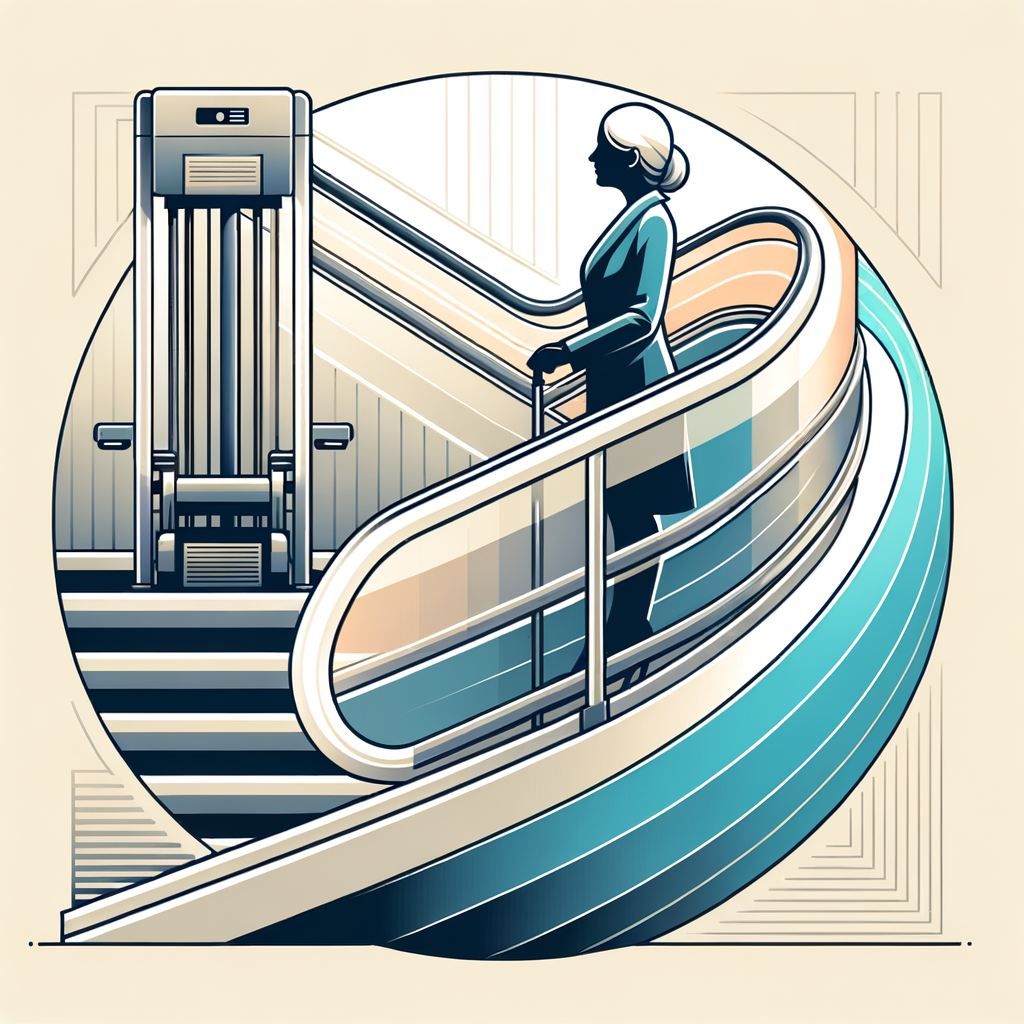
Choosing the right stair lift can significantly enhance the quality of life for individuals with mobility challenges. Stair lifts provide a safe and reliable means to navigate between floors, allowing those with physical limitations to maintain independence in their homes. When considering a stair lift, two primary types emerge: straight and curved stair lifts. Deciding between these options requires an understanding of the differences in design, installation, cost, and functionality. This comprehensive guide will delve into all facets of straight and curved stair lifts to help you make an informed decision that meets your specific needs and preferences.
Understanding Stair Lifts
Before discussing the distinctions between straight and curved stair lifts, it’s essential to grasp the basic functionality and purpose of stair lifts. They are mechanical devices mounted to the stair treads, equipped with a rail and a chair or platform. Typically powered by household electricity, they can also come with battery backup options. Stair lifts cater to a range of users, from the elderly to those recuperating from surgery or individuals with permanent disabilities.
The need for a stair lift often arises when navigating stairs becomes cumbersome or dangerous. With multiple models available in the market, selecting the right type ensures comfort, safety, and cost-effectiveness. Assessing one’s physical needs, stair design, and budget are critical first steps in the selection process, setting the foundation for a more detailed exploration of straight and curved stair lifts.
Straight Stair Lifts
Straight stair lifts are designed for staircases that run in a direct line with no curves or landings. They typically feature a rail fixed to the stair tread over which the chair travels. The straightforward design of straight stair lifts usually translates to easier installation and lower costs compared to their curved counterparts.
A significant advantage of straight stair lifts is the speed of installation. Many manufacturers stock ready-made tracks that can be quickly fitted to standard staircases, often within just a few hours. This efficiency reduces labor costs and ensures minimal disruption in the home environment. Furthermore, the simplicity of straight stair lifts means that they are often available as off-the-shelf products, making them accessible for immediate needs.
However, they are not limited to basic models. Some advanced versions come with features like remote controls, adjustable seat heights, and swivel options for improved comfort and convenience. These additional features can enhance the user experience, although they may slightly increase the base price.
Curved Stair Lifts
Curved stair lifts are custom-designed for staircases with bends, corners, or intermediate landings. Every curved stair lift is bespoke, tailored specifically to the unique contours and dimensions of your stairs. This custom nature allows the lift to navigate complex stair configurations, providing a seamless ride from start to finish.
The design and installation of curved stair lifts are more complex compared to straight lifts due to the need for precision in measurement and fabrication of the track. Installation can take longer, as expert craftspeople must create and fit the lift. The custom track ensures that it fits the staircase perfectly, accommodating any turns or landings.
On the downside, the complexity and customization required for curved stair lifts make them more expensive and time-consuming to install. The process can take several weeks from measuring to final setup. Additionally, if there are changes to the stair arrangement in the future, the track cannot be easily altered or reused. Despite these considerations, the tailored alignment means users benefit from a smooth ride tailored exactly to their home’s architecture.
Cost Considerations
The cost of stair lifts varies immensely due to several factors, including type, features, and installation requirements. Straight stair lifts tend to be more affordable, given their simpler design and easier installation process. On average, a straight stair lift could cost between $2,000 and $5,000, including installation.
Conversely, curved stair lifts start at significantly higher price points, ranging from $8,000 to $15,000 or more when factoring in the custom manufacturing costs and specialized installation. The complexity of the stairway’s shape and length directly impacts the price, as does the selection of additional features such as powered swivel seats or foldable rails.
It’s important to anticipate additional expenses beyond the base price of the lift. These may include ongoing maintenance, warranty extensions, and possible future adjustments or repairs. Many suppliers offer financing options and payment plans that can make the cost manageable. Selecting a lift that provides long-term value tailored to specific needs is integral to justifying the expense.
Installation and Customization
Installation processes for stair lifts differ significantly between straight and curved models. Straight stair lifts typically involve a quick installation, since their tracks are pre-fabricated to fit standard staircases. Many professional installers can complete the job in under a day with minimal disruption to the household.
On the other hand, curved stair lifts necessitate a more involved process. After choosing a supplier, a specialist will take detailed measurements of the stairs to ensure the lift is manufactured accurately. The bespoke track is custom-built to accommodate the specific turns and landings found in the staircase. Given the complexity, installation may require several days, though the result is a precise fit that guarantees smooth operation.
Customization options further enhance the functionality and aesthetic appeal of both types. Users can often select from various seat fabrics, colors, and control options to match the home decor. For added convenience, some models offer features such as power swivels, folding rails, or armrests. These options, while adding attractiveness and versatility, can also increase the overall cost.
Safety Features
Both straight and curved stair lifts come equipped with numerous safety features designed to protect users during operation. Standard safety components include seatbelts, obstruction sensors, and back-up batteries. These elements ensure that the lift can halt in the event of an obstacle on the stairs, or continue to function during a power outage.
Additionally, most stair lifts incorporate over-speed governors that prevent the lift from exceeding a safe speed. Other safety aspects to consider include easy-to-use joystick controls and remote call/send features that permit recalling the chair from either end of the staircase. User control is paramount, and many manufacturers focus on ergonomics and accessible design to accommodate individuals with limited dexterity or strength.
Enhanced safety features, such as diagnostic displays or automatic stop/start mechanisms, may be available as optional extras. Evaluating what safety features are essential based on the user’s mobility challenges and preferences will play a crucial role in the decision-making process.
Factors to Consider When Choosing
Selecting the right stair lift involves an evaluation of several factors beyond simply choosing between straight or curved models. Firstly, you must assess the staircase’s physical characteristics. A straight lift is ideal for uninterrupted staircases, while a curved model will better serve a complex stair design with turns or landings.
Secondly, consider the user’s mobility needs and preferences, which will dictate necessary features or accessories. Users should be able to sit comfortably and operate the controls easily. Accessibility to the staircase and household logistics may also influence decisions; for instance, in narrow halls, a foldable track might be beneficial.
Furthermore, budget constraints will inevitably play a role. It’s advisable to obtain multiple quotes from different suppliers to compare costs and assess the value offered. Ensuring the supplier is reputable and offers comprehensive after-sales support, such as maintenance and warranty services, is essential for long-term satisfaction.
Conclusion
In conclusion, choosing between straight and curved stair lifts is a decision guided by various factors that reflect the specific needs of the user and the stair configuration itself. Straight stair lifts offer a pragmatic and cost-effective solution for standard, uninterrupted staircases, boasting ease of installation and availability. Conversely, curved stair lifts, with their tailored design, provide the flexibility and customization necessary for more complex staircases with turns and landings.
Considerations around cost will inevitably influence the decision; thus, obtaining multiple quotes and understanding the lifecycle cost implications are crucial steps. Beyond the financial aspects, the focus should remain on safety, user comfort, and the quality of post-installation services. With a clear understanding of personal needs and the pros and cons of each stair lift type, you can make a decision that ensures safety and independence in your living space. Investing time in research and connecting with reputable suppliers will guarantee that the chosen solution aligns perfectly with both the immediate and future mobility needs.
Frequently Asked Questions
1. What are the main differences between straight and curved stair lifts?
Straight and curved stair lifts serve the primary purpose of helping individuals with mobility challenges move safely between floors, but they are designed for different types of staircases. A straight stair lift is intended for stairs with no bends or curves and generally has a straightforward rail that runs in a straight line. This simplicity means they are often quicker to install and usually less expensive. On the other hand, curved stair lifts are custom-designed to follow the contour of a staircase that includes curves, landings, or multiple angles. The rail is specifically tailored to fit the exact dimensions and shape of the staircase, making its installation more complex and costly, but essential for non-linear staircases. Therefore, understanding the configuration of your staircase is the first step in deciding between these two options.
2. How do installation processes differ between straight and curved stair lifts?
The installation process for straight stair lifts is typically less complicated and faster compared to curved stair lifts. Since straight stair lifts are manufactured in standard sizes to fit typical straight staircases, they can often be installed within a few hours. Measurements are straightforward and the installation is usually done without too much disruption to the home environment. Curved stair lifts, however, require a detailed survey of your staircase to account for the bends and unique shapes present. The rail for a curved stair lift must be custom built, which involves precise measurements and a longer lead time to manufacture. Installation can take longer, as it needs to ensure the rail fits seamlessly with the contours of the staircase, offering a smooth and tailored ride. This process ensures that the lift aligns perfectly with the staircase’s unique path, delivering a seamless experience for the user.
3. What should I consider in terms of cost when choosing a stair lift?
Cost is an important factor to consider when deciding between a straight and a curved stair lift. Generally, straight stair lifts are less expensive due to their standard design and quicker installation process. They are pre-made to standard dimensions and can be fitted quickly. Curved stair lifts, conversely, are significantly more expensive. Their custom nature means each lift is individually tailored to fit a unique staircase, requiring more time and attention during both the manufacturing and installation phases. Additionally, if your staircase includes multiple landings or complex curves, this can further increase the cost due to extra materials and labor involved. It’s crucial to obtain quotes from multiple providers and assess all aspects of the purchase, including durability, warranty, and potential additional costs, before making your decision.
4. How does functionality differ between straight and curved stair lifts?
While the core functionality of providing mobility support between floors remains the same, the functional capabilities of straight and curved stair lifts differ due to their intended environments. Straight stair lifts are ideal for straightforward tasks, navigating a single flight of uninterrupted stairs, offering a smooth, simple transition from one level to another. These lifts are often equipped with straightforward controls, ensuring ease of use. Curved stair lifts, on the other hand, are designed to navigate more complex staircases, providing smooth travel around corners and curves. They often come with additional features to facilitate this, such as variable speed control to handle turns smoothly and adjustable seats for improved comfort and safety. These features make curved stair lifts adaptable and versatile for various architectural designs and personal needs.
5. What considerations should I make regarding my future needs?
When choosing between straight and curved stair lifts, it’s essential to think about not just your current mobility requirements but also consider future needs. If your health or mobility is expected to change over time, or if household members may develop mobility issues, it’s worth factoring potential future scenarios into your decision. For instance, even if you have a straight staircase now, you might plan renovations that add complexity to your stair layout. Additionally, consider any potential changes in residence that might impact your decision; a curved stair lift is specific to its staircase, while a straight stair lift can sometimes be relocated, offering more flexibility if moving is a possibility. Sustaining your independence with a stair lift is a long-term investment, so selecting the appropriate type now can save you considerably on adjustments or replacements in the future.