


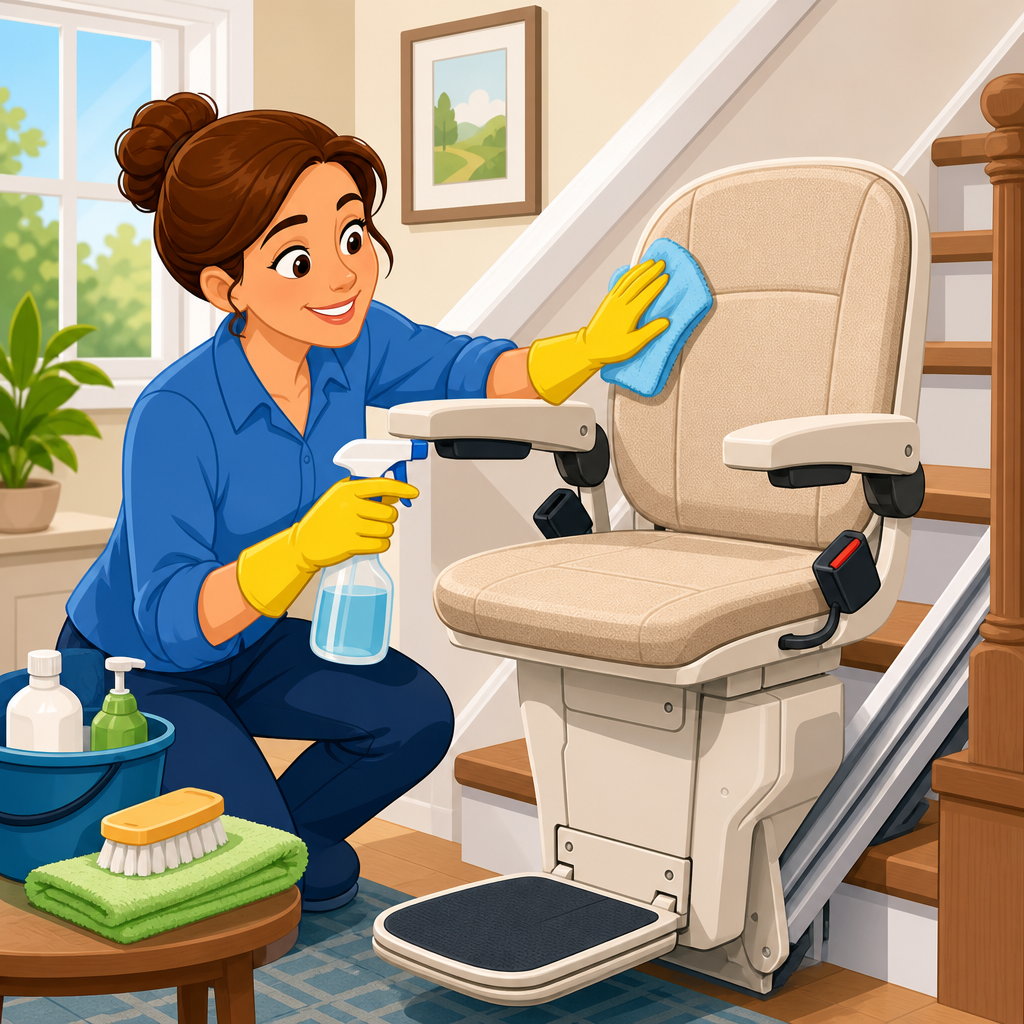
Keeping a stair lift clean is not just about appearance; it is a practical part of routine maintenance that protects comfort, hygiene, and safe operation. When I service home mobility equipment, I often find that the dirtiest parts are not the rail or carriage but the surfaces touched every day: the upholstery, armrests, seat edges, and footrest. These areas collect skin oils, dust, food residue, pet hair, and moisture, and if they are cleaned incorrectly, they can crack, stain, become slippery, or allow grime to migrate into switches and moving joints.
This guide explains how to clean stair lift upholstery, armrests, and footrests safely, while also serving as a central resource for routine maintenance tips within the wider subject of stair lift maintenance, troubleshooting, and safety. In plain terms, upholstery means the padded vinyl, fabric, or synthetic seat and backrest covering. Armrests are the side supports, often plastic, vinyl-wrapped, or painted metal. Footrests are the lower platforms where shoes rest, typically textured plastic, aluminum, or coated steel. Each material needs a slightly different approach, and the safest method always starts with the manufacturer’s care guidance.
Cleaning matters because a stair lift is assistive equipment, not ordinary furniture. A household chair can tolerate a little neglect; a stair lift must remain stable, dry, predictable, and easy to transfer on and off. A sticky armrest can affect grip. A slick footrest can contribute to slips. Excess liquid around seat-edge controls can damage electronics. Harsh solvents can weaken upholstery seams or fade safety labels. Routine care also helps owners notice early warning signs such as loose arm pads, cracked plastics, rust freckles, frayed edges, or wobble in the seat assembly before those issues become safety problems.
Most manufacturers, including well-known brands such as Bruno, Stannah, Handicare, and Acorn, broadly recommend non-abrasive cleaning with a damp cloth and mild detergent, followed by drying. That sounds simple, but the details matter. The right process depends on material type, the user’s mobility needs, and the installation environment. Homes with pets, coastal humidity, heavy use, or frequent food handling on the stairs need more frequent attention. The goal is not aggressive deep cleaning. The goal is controlled, repeatable routine maintenance that keeps surfaces sanitary without introducing chemical or moisture damage.
Start with safe preparation and the right supplies
Before cleaning any stair lift, park it on a level landing if possible, switch it off using the main power or isolation switch specified in the owner’s manual, and remove the key if the model has a keyed control. This reduces the chance of accidental movement while you are wiping down the seat or footrest. I also recommend folding components into their stable cleaning position only if the manual allows it and only if the user can do so safely. Never kneel on a footrest or use the stair lift itself as support while cleaning adjacent stairs.
Use soft microfiber cloths, a bowl of warm water, a small amount of pH-neutral dish soap, cotton swabs for tight seams, and a second dry cloth for buffing moisture away. For vinyl upholstery, a cleaner labeled safe for coated vinyl can be useful, but avoid bleach, ammonia, acetone, strong degreasers, furniture polish, and abrasive pads. These products can strip finishes, harden plastics, and make transfer surfaces slippery. If disinfecting is necessary because of illness or caregiving needs, test the product in an inconspicuous area first and confirm compatibility with the seat covering and printed labels.
Routine maintenance tips begin with documentation. Check the owner’s manual, note the seat material, and create a simple cleaning log. In practice, that log can be as basic as dates and observations written on paper inside a utility cupboard. This hub page supports that habit because surface cleaning should connect to the broader maintenance schedule: checking seatbelt condition, listening for unusual noises, inspecting charging points, confirming remote controls work, and arranging annual professional service. A clean lift is easier to inspect accurately than one coated in dust and residue.
How to clean stair lift upholstery without damaging it
The safest method for stair lift upholstery is gentle wiping, not soaking. Start by dry removing loose debris with a microfiber cloth or a vacuum fitted with a soft brush attachment. Pay attention to stitched seams, piping, and the gap where the seat base meets the backrest. Then lightly dampen, never saturate, a cloth with soapy water and wipe the surface in overlapping strokes. Follow immediately with a clean damp cloth to remove soap residue, then dry thoroughly. Excess moisture is the main enemy because it can seep into foam, adhesive layers, sensors, or switch housings beneath the seat.
Material identification matters. Most residential stair lifts use marine-grade or healthcare-style vinyl because it resists spills and is easy to sanitize. Some premium models use woven fabric inserts, and outdoor units may use weather-resistant polymer skins. Vinyl tolerates mild soap well but can crack if repeatedly treated with alcohol-heavy cleaners. Fabric traps odor more easily and should be blotted, not scrubbed, if stained. For textured synthetic covers, use a soft-bristled detailing brush only with very light pressure. If a stain remains after two gentle passes, stop and consult the manufacturer rather than escalating to harsher chemicals.
One mistake I see often is overusing multipurpose sprays intended for kitchen counters. Those products may leave residue that feels clean at first but later becomes tacky, attracting more dirt. Another mistake is applying cleaner directly onto the seat. Spray should go onto the cloth, not onto the stair lift, because overspray can run into seat swivel releases, joystick housings, or charging contacts. If there is body oil buildup on a headrest or seat edge, repeated gentle cleaning over several sessions is safer than one aggressive scrubbing session that removes surface coating.
For routine maintenance tips, frequency should match use. In a single-user home with low traffic, weekly dusting and monthly damp cleaning may be enough. In a caregiving environment or a home with children and pets, clean touch surfaces two to three times per week and perform a fuller wipe-down monthly. Odor control should focus on source removal and ventilation, not perfumed sprays. If the upholstery has become brittle, split, or permanently sticky, cleaning will not solve the underlying issue; replacement of the cover or cushion may be the correct maintenance decision.
Best methods for armrests, controls, and high-touch areas
Armrests need careful cleaning because they combine hand-contact surfaces with structural support during sitting and standing transfers. Begin by checking whether the armrests lift, fold, or contain controls. Many stair lifts place rocker switches, joystick controls, or call/send buttons on one arm. Use a barely damp cloth on those areas, and never let liquid pool around seams or switch bezels. For smooth plastic arm caps, mild soap is usually enough. For padded vinyl arm pads, use the same method as for the seat but with extra attention to underside edges where skin oils collect.
Transfer safety is the reason cleanliness matters here. During boarding, many users push down on one or both armrests. If polish, disinfectant residue, or hand lotion buildup makes them slick, the arm can slide unexpectedly. That is why I never recommend silicone-based shine products on any handhold. After cleaning, the armrest should feel clean and dry, not glossy. While wiping, gently test for movement. A little upholstery flex is normal; looseness at the mounting point is not. If an armrest wiggles, creaks, or does not lock into position correctly, that is a maintenance issue for a qualified technician.
High-touch areas also include seat-edge levers, swivel handles, remote controls, and seatbelt buckles. Clean these with a cloth rather than by dipping them into any solution. Seatbelts deserve special attention because soiling can hide fraying or buckle contamination. Wipe webbing with diluted mild soap, then dry fully before retracting if the design retracts. If the buckle sticks, avoid lubricants unless the manufacturer specifically approves them. Sticky controls are often caused by residue migration from hands, food, or aerosol cleaners, and careful surface cleaning usually resolves the issue without disassembly.
Cleaning footrests safely and preventing slip hazards
Footrests get the heaviest dirt load because they collect grit, mud, salt, carpet fibers, and moisture from footwear. That makes them one of the most important surfaces in routine maintenance tips. Start by folding the footrest only as directed by the manual and brushing or vacuuming off dry debris. Then wipe it with a damp cloth and mild detergent, focusing on grooves or anti-slip texture. Dry it completely. A damp footrest can become dangerously slick, especially on smooth molded plastics. In winter climates, road salt tracked inside should be removed promptly because it can attack coatings and metal fixings over time.
Never apply wax, oil, or household floor polish to a stair lift footrest. Anti-slip performance depends on clean texture, not shine. If the footrest has rubber inserts, inspect them for curling edges or separation. If it has pressure-sensitive obstruction sensors, avoid pressing hard into seams with tools. Dirt buildup around footrest hinges can also affect folding action, but cleaning visible grime is different from lubricating mechanisms. Unless the service manual instructs otherwise, homeowners should not oil hinges or moving joints on a stair lift. Incorrect lubrication can attract debris or migrate onto walking surfaces.
The table below summarizes a practical care routine for the three main contact areas:
| Part | Recommended cleaning method | What to avoid | Routine inspection point |
|---|---|---|---|
| Upholstery | Microfiber cloth, mild soap solution, wipe and dry immediately | Bleach, soaking, abrasive pads, direct spray | Cracks, splits, sticky residue, seam wear |
| Armrests | Barely damp cloth on controls, mild soap on pads, dry finish | Silicone polish, heavy moisture around switches | Loose mountings, slippery residue, control response |
| Footrests | Vacuum or brush debris, damp wipe, full drying | Wax, oil, wet leave-behind cleaners | Grip texture wear, hinge stiffness, sensor-area dirt |
Building a complete routine maintenance habit around cleaning
This hub page sits within the wider subject of maintenance, troubleshooting, and safety because cleaning should trigger a broader monthly check. After wiping surfaces, run through a short inspection: confirm the seat swivels and locks properly, verify the footrest folds correctly, examine the seatbelt for wear, check that call/send remotes respond, and make sure the unit charges at its parked position. Most modern stair lifts use charging contacts at the top, bottom, or one end of the rail. If those contacts are dusty or oxidized, batteries may not charge consistently, leading to intermittent faults that owners often misread as motor problems.
Listen during travel for changes in sound. A healthy stair lift usually has a consistent motor and gearbox note. Clicking, scraping, or a sudden beeping pattern can indicate obstruction sensors, battery issues, or drivetrain wear. Surface cleaning will not fix those faults, but a regular hands-on routine helps you notice them early. The same applies to rails and stairs around the lift. Dust and pet hair on the rail can be wiped away with a dry or slightly damp cloth if the manufacturer permits, but grease should not be removed from protected drive components unless a technician instructs you to do so.
Routine maintenance tips also include knowing when not to clean. If the stair lift has exposed wiring, cracked control housings, fluid ingress, corrosion near electrical parts, or an unexplained operating fault, stop and arrange service before continuing. Likewise, if the user depends on the lift several times a day, plan cleaning for a time when another person is present or when alternate access is available. A disabled lift drying after cleaning is inconvenient; a disabled lift with no safe stair access is a serious household problem. Preparation matters as much as the cloth and cleaner you choose.
Safe cleaning keeps stair lift upholstery, armrests, and footrests comfortable, hygienic, and dependable without risking damage to finishes or electronics. The essential method is straightforward: power down correctly, use soft cloths, choose mild non-abrasive cleaners, keep moisture controlled, dry every surface thoroughly, and inspect as you clean. Upholstery should be wiped gently, not soaked. Armrests and controls should be cleaned with minimal liquid. Footrests should be cleared of grit and left completely dry so grip is preserved.
As the central guide for routine maintenance tips, this page supports a bigger habit: use every cleaning session to look for wear, looseness, charging issues, and changes in operation. That approach saves money, extends component life, and reduces the chance that a small comfort issue becomes a safety problem. If you maintain a stair lift at home, build a simple monthly checklist today, review the owner’s manual, and schedule professional service at the interval recommended by the manufacturer. Clean surfaces are the visible part of good maintenance; consistent inspection is what keeps the lift truly safe.
Frequently Asked Questions
What is the safest way to clean stair lift upholstery without causing damage?
The safest approach is to start gently and keep moisture under control. Before cleaning, switch the stair lift off if your model allows it and make sure the seat is parked securely so you can work without the unit moving. Begin by removing loose dust, crumbs, and pet hair with a soft microfiber cloth or a vacuum fitted with a brush attachment. This prevents dirt from being rubbed deeper into the upholstery while you clean.
For routine cleaning, use a mild solution of warm water and a small amount of gentle dish soap. Dampen a cloth rather than soaking it, then wipe the upholstery in small sections. The key is to avoid saturating the fabric or vinyl, because excess moisture can seep into seams, padding, or nearby electrical components. After wiping, go back over the area with a second cloth lightly dampened with plain water to remove any soap residue, then dry thoroughly with a clean towel.
If the stair lift has vinyl or faux leather upholstery, avoid abrasive pads, strong degreasers, bleach, ammonia, and solvent-based cleaners, as these can dry out the surface, cause cracking, or remove protective finishes. If it has fabric upholstery, do not scrub aggressively, because that can fray fibers and spread stains. In either case, always test any cleaner on a small hidden area first. A gentle, low-moisture cleaning routine protects the material, preserves comfort, and reduces the risk of slippery or damaged seating surfaces.
Can I use disinfecting wipes or household cleaners on armrests and footrests?
Sometimes, but with caution. Many people reach for general-purpose household cleaners or disinfecting wipes because they seem convenient, but not every product is suitable for stair lift surfaces. Armrests and footrests may be made from vinyl, plastic, textured coatings, metal, or painted finishes, and harsh chemicals can fade, dry out, or weaken these materials over time. Some wipes also leave a slick residue, which is exactly what you do not want on parts that support the user’s arms and feet.
The safest option is usually a manufacturer-approved cleaner or a mild soap-and-water solution applied with a soft cloth. If disinfection is needed, use a product labeled safe for the specific surface and avoid anything excessively wet. Wipes should be damp, not dripping, and you should never allow liquid to run into switches, seat controls, charging points, hinge areas, or the edges of the footrest. After using any disinfecting product, wipe again with a clean damp cloth if the label allows, then dry the surface completely.
Pay special attention to the footrest, because residue there can create a slipping hazard. The same goes for armrests, which users rely on for balance during sitting and standing. If you are unsure about a product, check the owner’s manual or the manufacturer’s care instructions before using it. In practice, mild cleaning done regularly is safer for the lift’s materials than infrequent deep cleaning with aggressive chemicals.
How do I remove stains, sticky residue, or greasy buildup from a stair lift seat and armrests?
Start with the least aggressive method first. For most everyday marks such as food residue, body oils, or light grime, a microfiber cloth dampened with warm water and a little mild soap is enough. Wipe gently and repeatedly rather than scrubbing hard in one pass. This gradual approach is safer for upholstery coatings and stitched seams. Once the buildup loosens, wipe the area with a clean damp cloth to remove residue, then dry it fully.
For sticky spots, hold a slightly damp cloth on the area for a short time to soften the residue before wiping. Avoid scraping with fingernails, blades, or stiff tools, because these can gouge vinyl, pull fabric fibers, or damage protective surface layers. For greasy buildup on armrests, especially where hands rest every day, multiple gentle passes may be needed. A soft-bristled brush can help around textured surfaces or seams, but only if used lightly.
If a stain remains, resist the temptation to move immediately to strong stain removers. Products containing alcohol, bleach, solvents, or heavy fragrances may discolor the material or make it brittle. It is much better to spot-test a safer specialty upholstery cleaner approved for the material. Persistent staining can sometimes be a sign that the finish is wearing or that oils have penetrated the surface, in which case professional servicing or replacement upholstery may be the better long-term solution. Cleanliness matters, but preserving the integrity and safety of the seat matters more.
How often should stair lift upholstery, armrests, and footrests be cleaned?
For most homes, light cleaning once a week and a more careful wipe-down as needed is a sensible schedule. High-touch areas like the seat edges, armrests, seatbelt buckle area, and footrest collect oils, dust, moisture, and debris much faster than people expect. In homes with pets, frequent use, or users who eat or drink near the stair lift, these surfaces may need attention several times per week. The goal is not only to keep the lift looking tidy, but also to prevent grime from building up to the point where surfaces become sticky, stained, or slippery.
A good routine is to vacuum or dust first, then wipe the seat, armrests, and footrest with a lightly damp microfiber cloth. This regular maintenance reduces wear because it removes abrasive particles before they can grind into upholstery or textured surfaces. It also helps you notice small issues early, such as cracked vinyl, loose trim, worn padding, or a footrest surface becoming smooth and less grippy.
Seasonal or monthly deeper cleaning can be useful, but it should still be gentle and controlled. More important than a strict calendar is cleaning promptly after spills, muddy shoes, pet accidents, or any exposure to body lotions or hair products that can leave residue. Consistent, mild care extends the life of the materials and supports safe transfers on and off the stair lift.
What cleaning mistakes should I avoid to keep a stair lift safe and in good condition?
The biggest mistake is using too much liquid. Stair lifts include electrical components, controls, joints, and charging contacts near the same areas you are cleaning, so oversaturating cloths or spraying cleaner directly onto the seat or footrest can allow moisture to travel into places it should not go. Always apply cleaner to the cloth first, not to the lift itself, and keep everything only lightly damp.
Another common mistake is using harsh products such as bleach, ammonia, abrasive creams, solvent-based sprays, furniture polish, or rough scrubbing pads. These can crack vinyl, remove texture from footrests, make armrests slippery, and shorten the life of upholstery finishes. Even products that appear harmless can leave behind shine or residue that reduces grip. On mobility equipment, a glossy finish is not always a good result if it also makes contact surfaces less secure.
People also sometimes forget to dry the cleaned area completely. Any remaining dampness can attract new dirt, encourage odor, or create a slick surface. Finally, avoid focusing only on appearance. If you notice frayed upholstery, split seams, loose armrest coverings, worn anti-slip surfaces on the footrest, or anything that feels unstable, cleaning alone is not enough. Those are maintenance issues that should be addressed promptly. A safe stair lift is clean, dry, intact, and free from residues that could affect comfort, grip, or confident use.