


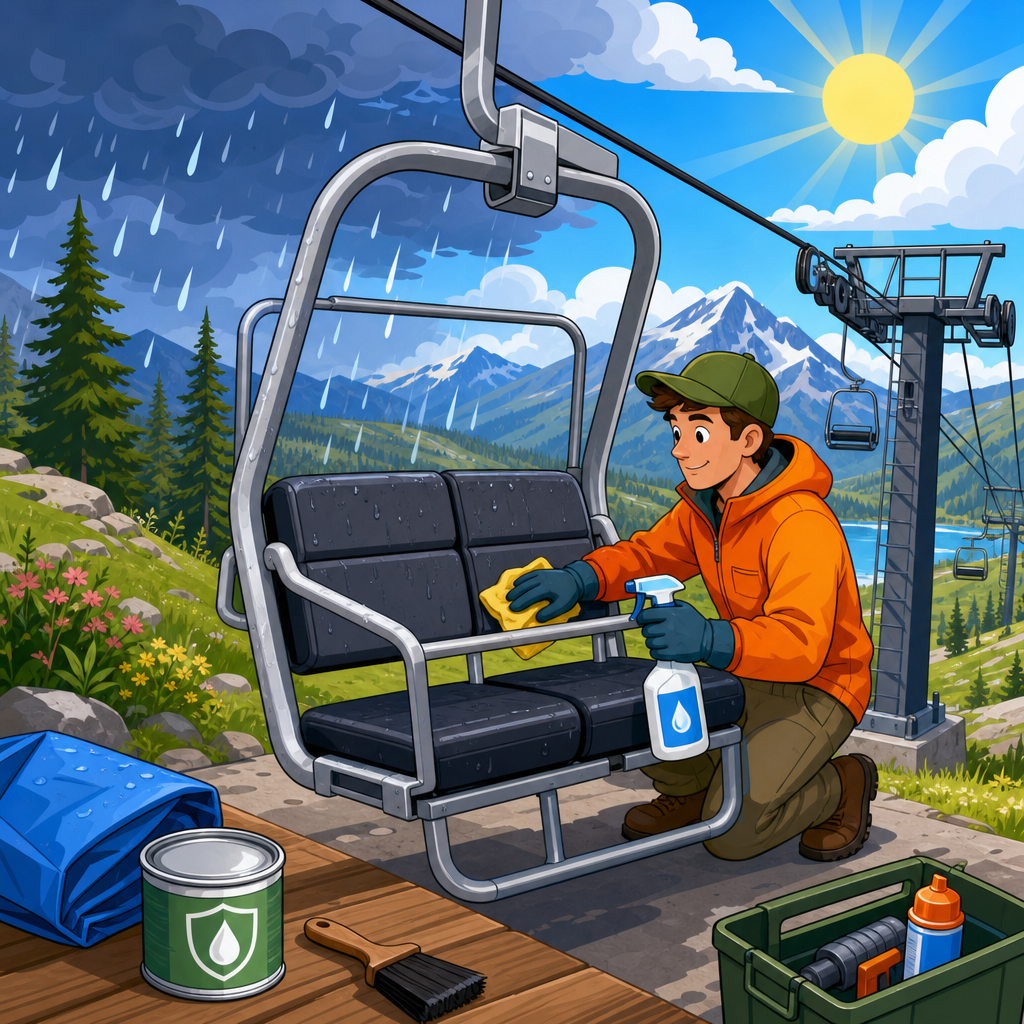
Outdoor chair lifts expand access, independence, and safety at home, but they operate in one of the harshest environments any mobility device faces. Sun, rain, wind, ice, salt air, blowing dust, and large temperature swings all attack metal, upholstery, electronics, and moving parts. Weatherproofing an outdoor chair lift means protecting the system so it remains reliable, comfortable, and safe through every season. For homeowners, caregivers, and property managers, that protection matters because an outdoor lift is not a decorative feature; it is a daily access route that often determines whether someone can enter or leave the property without assistance.
An outdoor chair lift is a motorized seat that travels along a rail mounted to exterior stairs, porches, decks, or garden access steps. Unlike indoor units, outdoor chair lifts use sealed components, corrosion-resistant materials, UV-stable finishes, and protective covers designed for exposure. Even so, “weather resistant” does not mean maintenance free. In my experience working with lift specifications, installation checklists, and long-term service planning, the biggest failures usually come from small preventable issues: water entering a charging point, debris building up on the rack, a torn cover trapping moisture, or freeze-thaw cycles loosening anchors over time.
This guide serves as the hub for outdoor chair lifts within the broader chair lift types and designs category. It explains how outdoor models are built, what weatherproofing actually includes, how to choose materials and features, and what upkeep keeps the system dependable. It also helps readers understand the tradeoffs between straight and curved rails, battery and charging designs, and manufacturer protections. If you are comparing products, planning an installation, or trying to extend the life of an existing lift, the goal is straightforward: keep the equipment dry, clean, secure, and fully operational without compromising code compliance or user safety.
What Makes Outdoor Chair Lifts Different
Outdoor chair lifts differ from indoor models in both construction and risk profile. The rail and chassis typically use aluminum, powder-coated steel, stainless steel fasteners, and marine-grade or weather-treated plastics because exterior environments accelerate corrosion. Seats often use closed-cell foam and water-resistant vinyl that can tolerate humidity and occasional wetting better than indoor upholstery. Critical electrical components are housed in sealed enclosures, and reputable manufacturers design outdoor units to tolerate splash exposure, condensation, and direct sun. However, no residential lift should be treated like industrial equipment left fully exposed without care.
The first design distinction is environmental sealing. Outdoor lifts usually include gaskets around control housings, sealed call/send stations, covered charging contacts, and coated circuit boards. A second distinction is temperature tolerance. Batteries lose capacity in cold weather, lubricants thicken, and plastics become brittle when temperatures drop. In very hot climates, UV radiation fades seats, degrades covers, and can increase motor compartment temperatures. Third, outdoor lifts face contamination that indoor lifts rarely see: pollen, leaf litter, insects, airborne salt, sand, and runoff from nearby landscaping. Those contaminants shorten service life if cleaning is neglected.
Most outdoor chair lifts are battery powered, even though they charge from household electricity. That matters for weatherproofing because the batteries drive the lift while the charge system replenishes power at parking points. During a power outage, a healthy battery system allows continued use, which is essential for accessibility. Weatherproofing therefore includes preserving both the batteries and the charging contacts. I advise homeowners to think of the charging points as precision components rather than simple metal tabs. If they oxidize, get coated with grime, or sit misaligned after impact, the lift may appear functional but fail when needed most.
Core Weatherproofing Features to Look For
The best outdoor chair lift starts with product selection. Weatherproofing is easier when the lift is engineered for exterior use from the factory rather than adapted after installation. Look for a manufacturer that explicitly labels the model for outdoor installation and provides exterior-specific warranty terms. Key features include powder-coated or anodized rails, stainless steel hardware, UV-resistant seat materials, sealed diagnostic and control systems, and a fitted protective cover that sheds water without trapping condensation. A swivel seat lock, folding footrest, and covered arm controls also help keep user touchpoints safer and cleaner in bad weather.
Ingress protection details matter. While residential manufacturers may not always publish a formal IP rating for every assembly, they should specify weather-resistant controls and sealed electronics. Ask whether the call stations are wireless or hardwired, how the charging contacts are protected, and whether the motor gearbox housing is rated for exterior use. A quality outdoor unit should also include anti-slip footrest surfaces and obstruction sensors because wet leaves, slush, and small branches create more trip and pinch hazards on exterior stairs than inside the home.
Another feature to prioritize is rail design. Straight outdoor chair lifts generally weatherproof better than curved systems because the rail is simpler, easier to clean, and less likely to have multiple custom joints where debris can collect. Curved outdoor lifts are absolutely viable, especially for wraparound decks or garden approaches, but they require more precise fabrication and often more careful service planning. Parking the chair at a sheltered upper or lower landing also makes a measurable difference. If the rail allows a hinged section or overrun that positions the chair under a porch roof, exposure drops substantially.
| Feature | Why It Matters Outdoors | What to Ask Before Buying |
|---|---|---|
| Powder-coated or anodized rail | Reduces corrosion and surface breakdown from rain and UV exposure | Is the finish exterior rated, and how is damage repaired? |
| Stainless steel fasteners | Resists rust that can seize joints and weaken anchor points | Are all exterior fasteners stainless, or only selected parts? |
| Sealed controls and electronics | Helps prevent moisture intrusion and intermittent faults | Which housings are sealed, and are replacement parts outdoor specific? |
| Weatherproof cover | Protects seat, armrests, and controls from sun, dirt, and pooled water | Does the cover fit tightly and allow the unit to dry? |
| Battery-powered drive | Maintains operation during power outages and reduces wiring complexity | Where are the charging points, and how are contacts protected? |
| UV-stable upholstery | Limits cracking, fading, and surface hardening over time | What material is the seat, and what is the expected outdoor lifespan? |
Installation Choices That Improve Weather Resistance
Even a well-built outdoor chair lift can fail early if installation decisions ignore water flow, prevailing wind, or freeze-thaw stress. The rail should be aligned so the parked chair avoids roof runoff, sprinkler overspray, and drip lines from gutters whenever possible. I have seen installations where the unit itself was sound, but the top landing sat directly under an overflowing gutter. The result was constant water on the seat, repeated icing on the footrest, and corrosion at the charge point within one winter. Fixing the drainage issue solved the recurring lift problem more effectively than replacing parts.
Stair substrate matters too. Exterior stairs may be concrete, pressure-treated wood, masonry, steel framing, or composite decking over joists. Each material requires correct anchors, torque values, and spacing to keep the rail stable as temperatures change. Loose brackets allow vibration, and vibration accelerates wear at joints, gear interfaces, and limit switches. On wood stairs, installers should verify structural soundness, not just surface appearance. On masonry, they should avoid weakened edges and use anchors suited to exterior moisture conditions. On coastal properties, fastener choice becomes even more important because salt speeds galvanic corrosion between dissimilar metals.
Electrical planning is another weatherproofing decision, not just a code item. The dedicated outlet or power supply for the charger should be GFCI protected where required, installed in a proper weather-rated enclosure, and positioned to avoid extension cords entirely. Exterior conduit, fittings, and disconnects should match local code and environmental demands. If the lift includes powered hinges or advanced controls, cable routing must be secured and protected from abrasion and standing water. A clean electrical install reduces nuisance faults and makes future service more straightforward, which lowers lifetime ownership cost.
Seasonal Maintenance That Prevents Common Failures
Routine maintenance is the practical core of weatherproofing. A homeowner can handle basic care, but annual professional service remains essential. Start with regular cleaning. Wipe the seat, arms, and controls with a mild cleaner approved by the manufacturer. Clear the rail of leaves, dust, grit, bird droppings, and insect nests. Never apply random grease to the rail unless the manufacturer specifically calls for it; many modern stair lift rails use drive systems that perform poorly when coated with the wrong lubricant because dirt sticks and turns the surface abrasive. Follow the service manual rather than generic internet advice.
The protective cover deserves more attention than most owners give it. A cover should be used whenever the lift is parked outdoors and not in use, but it must be dry and intact. A torn or poorly fitted cover can funnel water into seams or trap damp air against the upholstery. In humid regions, I recommend periodically removing the cover on a dry day to let the chair air out completely. Check stitching, elastic hems, and any venting points at the start of each season. Replacing a worn cover is inexpensive compared with replacing cracked arm controls or sun-damaged seats.
Battery health should be checked proactively. Most outdoor stair lifts use sealed lead-acid batteries, though some newer systems use improved battery chemistries. Cold temperatures reduce available capacity, so a lift that works fine in summer may struggle in winter if batteries are already aging. Common warning signs include slower travel, beeping faults, reduced trips during outages, or failure to park precisely on charge points. Manufacturers often recommend battery replacement on a schedule of roughly two to five years, depending on use patterns, climate, and charging consistency. If the home is vacant seasonally, the lift still needs proper charging management.
How Climate Affects Materials, Performance, and Service Needs
Different climates damage outdoor chair lifts in different ways, so weatherproofing should match the location. In snowy northern regions, the biggest threats are ice accumulation, freeze-thaw expansion, road salt tracked onto stairs, and battery performance loss in low temperatures. In hot southern climates, UV exposure, thermal expansion, fading, and oxidation dominate. In coastal areas, airborne salt is the main enemy because it penetrates tiny gaps and accelerates corrosion on rails, brackets, and connectors. Dry desert climates seem easier, but fine dust can infiltrate moving assemblies and reduce charging contact reliability.
Snow and ice management requires restraint. Users should clear stairs and landings promptly, but they should not chip ice aggressively around rails, brackets, or wiring. Metal tools can damage finishes and expose bare surfaces to rust. De-icing chemicals also need caution. Calcium chloride and sodium chloride can attack finishes and hardware over time, especially if residue is not rinsed away. If de-icer is necessary for safe access, choose a product the lift manufacturer does not prohibit and clean affected areas afterward. A better long-term strategy often includes improved drainage, handrail placement, and sheltering the top landing.
Sun exposure is more destructive than many buyers expect. Constant ultraviolet radiation breaks down vinyl, plastic housings, and some painted finishes. Dark-colored seats can also become uncomfortably hot, creating a user comfort and burn-risk issue in extreme summer conditions. Parking the chair in shade, under a canopy, or under a porch roof lengthens component life considerably. On coastal homes, more frequent washing of exposed metal with fresh water can reduce salt buildup, but that should be done carefully to avoid directing water into electrical interfaces. Climate-specific service intervals are not optional; they are part of safe ownership.
Safety, Inspections, and When to Call a Professional
Weatherproofing should never be confused with improvised sealing or DIY modification. Owners should not caulk housings, drill drainage holes, replace hardware with nonapproved parts, or wrap motors in plastic. Those changes often trap moisture, block service access, and void warranties. Instead, use the manufacturer’s approved cover, cleaning method, and replacement parts. A professional inspection is warranted immediately if you notice rust streaks near anchors, inconsistent charging, unusual noises, water inside the seat controls, rail movement, or repeated fault codes. Small issues outdoors become safety issues quickly because exposure accelerates deterioration.
A competent technician will inspect bracket stability, charging contact condition, battery voltage under load, seat switch operation, overspeed protection, limit sensors, gear wear, and corrosion at fasteners and connectors. They should also verify that the stairs themselves remain structurally sound and free of movement. If the lift serves a user with limited transfer ability, downtime planning matters as much as repair quality. Ask about local parts availability, emergency response times, and whether the brand has a strong dealer network. Outdoor chair lifts are highly dependable when maintained, but support infrastructure still matters because access routes cannot stay out of service for long.
The key takeaway is simple: weatherproofing an outdoor chair lift is a system, not a single accessory. Choose a true outdoor-rated model, install it with drainage and structural conditions in mind, keep it clean and covered, and service it on schedule. Those steps protect reliability, preserve safety, and extend the value of the lift for years. If you are evaluating products under the outdoor chair lifts category, use this hub as your starting point, then compare model-specific guides, straight versus curved layouts, and maintenance requirements before you buy. A well-weatherproofed lift does more than survive the elements; it keeps daily life accessible in every season.
Frequently Asked Questions
What does it really mean to weatherproof an outdoor chair lift?
Weatherproofing an outdoor chair lift means taking deliberate steps to protect every major part of the system from moisture, ultraviolet exposure, dirt, corrosion, temperature extremes, and general outdoor wear. It is not just about putting a cover over the seat. A properly weatherproofed lift includes corrosion-resistant rails and hardware, sealed or protected electrical components, durable upholstery designed for outdoor use, and routine maintenance that keeps moving parts clean and operating correctly. The goal is to preserve safe performance, reduce breakdowns, and extend the life of the equipment.
Because an outdoor stair lift is exposed year-round, even small amounts of water intrusion, salt buildup, or sun damage can become bigger problems over time. Metal parts may rust, plastic components can become brittle, batteries can lose efficiency, and debris can interfere with the carriage or track. Weatherproofing addresses these risks before they cause reliability or safety issues. In practical terms, that usually means choosing a lift specifically rated for outdoor use, using a fitted protective cover when the lift is not in service, following a regular inspection schedule, and addressing wear immediately instead of waiting for a malfunction.
How can I protect an outdoor chair lift from rain, snow, and ice?
The best protection starts with using an outdoor-rated chair lift that is designed to handle wet conditions. These models typically include weather-resistant finishes, sealed control systems, and materials selected to tolerate moisture better than indoor units. Even so, rain, snow, and ice should never be ignored. A heavy-duty weather cover is one of the most important tools you can use. It helps shield the seat, controls, and carriage from direct precipitation when the lift is parked. The cover should fit securely without trapping excessive moisture underneath, and it should be used consistently whenever the lift is idle.
Snow and ice require extra attention because they can affect both mechanical movement and user safety. Before operating the lift in winter conditions, clear snow from the seat, footrest, armrests, and rail. Remove any ice buildup carefully rather than forcing the lift to run through it. Never use rock salt directly on lift components, since it can accelerate corrosion. Instead, keep the surrounding stairs and landing areas treated with products approved for the surface and safe for mobility equipment nearby. If freezing rain or severe winter weather is common in your area, schedule more frequent service checks during the cold season so a technician can inspect seals, batteries, switches, and moving parts for weather-related stress.
What maintenance helps prevent rust, corrosion, and weather damage?
Consistent maintenance is one of the most effective forms of weatherproofing. Start with regular cleaning. Wipe down the rail, seat, footrest, and exposed surfaces to remove dirt, pollen, moisture residue, and airborne contaminants before they can cause damage. In coastal regions or places where de-icing chemicals are common, rinsing away salt residue is especially important because salt dramatically increases corrosion risk. Use manufacturer-approved cleaning products and avoid harsh chemicals that may degrade finishes, seals, or protective coatings.
Routine inspections matter just as much as cleaning. Look for rust spots, chipped paint, cracked plastic, loose fasteners, frayed wiring covers, stiff hinges, or unusual noise during operation. Lubrication should only be done according to the manufacturer’s recommendations, because applying the wrong product can attract grit or damage parts. Battery condition, charging contacts, and safety sensors should also be checked regularly, especially after storms or long periods of disuse. Most importantly, have the lift professionally serviced on a scheduled basis. A qualified technician can spot early signs of corrosion or weather intrusion that homeowners may miss, helping prevent costly repairs and ensuring the lift remains dependable and safe.
Are protective covers enough, or do I need additional weatherproofing measures?
Protective covers are essential, but they are only one part of a complete weatherproofing strategy. A quality cover helps reduce direct exposure to sun, rain, dust, leaves, and bird droppings, which can all shorten the life of exterior components. However, a cover does not replace proper installation, outdoor-rated materials, regular cleaning, and ongoing maintenance. If the lift was not designed for exterior use, or if water is getting into electrical connections or hardware, a cover alone will not solve those underlying problems.
Additional weatherproofing measures include verifying that the unit is installed to manufacturer specifications, making sure drainage around the staircase is adequate, and keeping nearby landscaping trimmed so wet leaves and debris do not collect around the rail. In high-sun climates, UV exposure can fade and weaken seats and plastic trim, so a cover and strategic parking position can help reduce direct sun load. In windy or dusty environments, more frequent cleaning may be necessary to prevent abrasive particles from affecting the track and moving assemblies. If your property faces unusually harsh conditions such as salt air, blowing sand, or repeated freeze-thaw cycles, ask the installer or service provider whether upgraded finishes, replacement intervals, or a more aggressive maintenance plan are recommended.
How often should an outdoor chair lift be inspected and serviced to stay safe year-round?
For most homes, an outdoor chair lift should be visually checked by the user or caregiver on a regular basis and professionally serviced at least once a year. In harsher climates or higher-use settings, twice-yearly service is often the better standard. Frequent use, severe winters, coastal air, dust exposure, and dramatic seasonal temperature swings all increase wear and justify closer attention. A quick routine check before use can help catch obvious issues such as water on the seat, debris on the track, unusual sounds, hesitation during travel, or damage to the cover or controls.
Professional service should include a full inspection of the rail, carriage, charging system, batteries, seat components, safety edges, call/send controls, mounting points, and weather seals or protective housings. The technician should also verify smooth travel, proper stopping, and reliable operation under expected outdoor conditions. If the lift has been exposed to a major storm, extended freezing weather, or a long period without use, it is wise to schedule an extra inspection before relying on it again. Staying proactive with service is one of the simplest ways to protect independence and safety, because weather-related problems are far easier and less expensive to address early than after a failure occurs.