


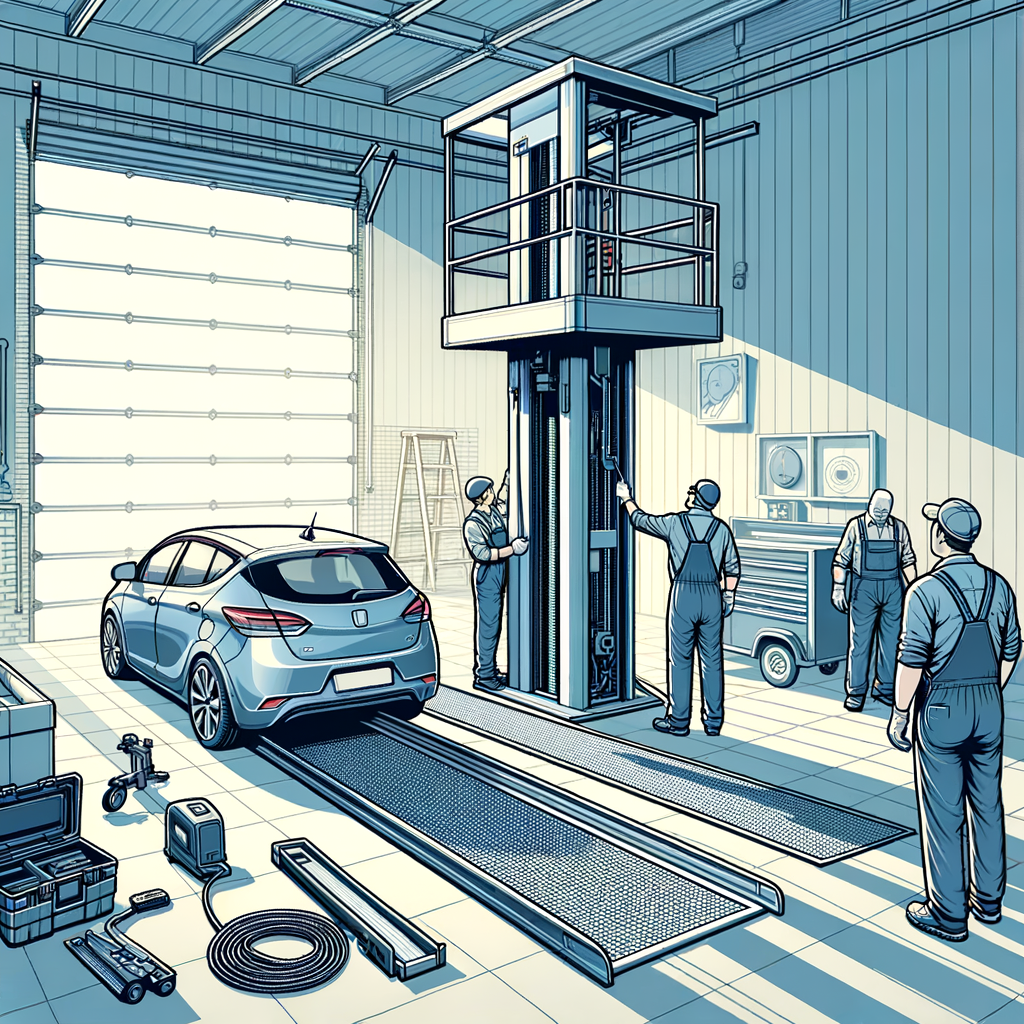
Installing a vertical platform lift in your garage can significantly enhance accessibility and convenience, whether for residential purposes or a commercial setup. These lifts, often referred to as wheelchair lifts, are designed with the specific intent to improve mobility for individuals who face difficulties navigating stairs. Whether you’re seeking to increase the accessibility of your home for a family member with mobility issues, enhance the functionality of your garage workspace, or simply add an element of modern convenience, a vertical platform lift can be an ideal solution.
Choosing the right vertical platform lift involves several considerations, ranging from the lift’s purpose, the intended location within the garage, the size and weight capacity of the lift, to compliance with safety standards and local building regulations. Additionally, understanding the installation process, and knowing the potential challenges and solutions, is vital. In this comprehensive guide, we’ll explore in detail how to meticulously plan and execute the installation of a vertical platform lift in your garage. Armed with this knowledge, you can ensure a successful addition to your space that enhances its utility and accessibility.
The installation of a vertical platform lift in your garage requires a methodical approach right from the planning stage through to the actual setup and subsequent maintenance phases. This guide is crafted to illuminate each critical aspect of this procedure, offering practical steps and insights to help you navigate through each stage smoothly. Join us as we delve into the specifics of creating a space that caters to the needs of all its users while maintaining a focus on safety, efficiency, and functionality.
Planning and Preparation
The cornerstone of a successful vertical platform lift installation is careful planning and preparation. Begin by assessing your space to determine the most suitable location for the lift. Consider factors like ease of access, existing structural limitations, and the proximity to both power sources and entry points. It’s vital to ensure the designated area can accommodate the lift’s dimensions while still allowing for adequate room to maneuver around it without hindrance.
Next, examine the primary purpose of the lift. Is it for personal use in aiding a family member, or do you envision it serving multiple purposes, such as facilitating heavy lifting tasks for garage-based projects? These considerations will guide your selection regarding the size, type, and specifications of the lift. When choosing a lift model, pay close attention to the weight capacity, platform size, and the presence of features like safety gates or automatic controls. Consult with specialists who can provide professional assessments tailored to your specific requirements. They can offer insights into the best configurations suited to your garage’s layout and your personal needs.
Incorporate local building codes and safety regulations into your preparation stage. Understanding these requirements can help you avoid compliance issues that could arise later in the process. These regulations often encompass specific aspects like emergency outages, backup power solutions, and particular structural requirements. Consult local authorities or a certified contractor to ensure all your planning aligns with these important standards.
It’s also important to factor in budget considerations. The cost of purchasing and installing a vertical platform lift can vary significantly, depending on the complexity of the installation and the type of lift chosen. Obtain multiple quotes for a detailed cost analysis to get a comprehensive understanding of what the project entails financially. Remember to include potential maintenance costs or warranty considerations in your budget planning.
Installation Process
The installation of a vertical platform lift is a process best left to professionals who have the necessary expertise in ensuring a safe and efficient setup. Selecting a qualified installer is crucial. Check the credentials of the installation services available and verify their experience with similar setups, particularly in garage environments. Professional installers bring specialized tools and knowledgeable techniques that ensure the lift is securely installed and compliant with all safety guidelines.
The installation journey begins with preparing the site. This may involve reinforcing flooring to accommodate additional weight if needed, as well as ensuring that the area around the lift is level and clear of obstacles. Electricity is a critical component for vertical lifts; thus, secure timely arrangements for electrical connections before the lift’s installation day. Skilled professionals can guide and assist in coordinating these elements effectively for a seamless start.
As the construction stage begins, the priority should be on structural integrity and safety. The installer will typically mount the base of the lift securely to the floor, which might necessitate the use of heavy-duty anchors. The framework is then assembled and aligned, with meticulous attention to ensuring it is level and stable. This is followed by wiring the lift to the power supply and testing its electrical systems for safety and functionality.
Next comes the installation of the platform itself, which must be securely fastened and thoroughly tested to confirm it can handle the expected loads. Once the platform is in place and operational, the focus shifts to finishing touches such as installing safety gates, ensuring appropriate signage is visible, and confirming that any automated controls are programmed correctly. Throughout this entire process, communication with the installation team is key, particularly to address any concerns or last-minute adjustments that may arise.
Testing is an integral part of the installation process. Prior to declaring the lift operational, rigorous testing should be conducted to verify its safety and reliability under expected conditions. Testing involves operating the lift numerous times, checking the responsiveness of safety features, and ensuring the emergency systems are fully functional. The installer should educate you on the operation and safety protocols associated with the lift to ensure optimal and safe usage in the future.
Post-Installation Adjustments and Maintenance
Once the vertical platform lift is installed, it is essential to consider the maintenance strategy to keep it in prime condition. Regular maintenance not only extends the lifespan of the lift but also ensures safety and operational efficiency. Establish a maintenance schedule tailored to the lift’s usage intensity and manufacturer’s recommendations. This typically involves periodic inspections, lubrication of mechanical parts, and addressing any wear and tear that inevitably occurs over time.
Maintenance should also include regular checks on the lift’s electrical systems to ensure there aren’t any issues, such as frayed wires or defective components, which could compromise safety. During these checks, the stability of the lift and its foundational anchors should also be examined, as constant usage might affect their integrity over prolonged periods. Contracting professional servicing either directly through the manufacturer or a certified third-party service provider can be beneficial in maintaining high-quality service standards.
It’s equally vital to train users adequately on how to operate the lift safely. Even the best-maintained lift may pose risks if used improperly. Include safety guidelines in a visible area near the lift, and conduct regular user refresher trainings, especially if new or infrequent users are expected to operate the lift.
Moreover, keep documentation such as the lift’s manual and warranty details easily accessible for any reference needs. This documentation is crucial for troubleshooting any potential issues and can expedite service calls when maintenance is due. Should any glitches arise, or should the lift begin to operate outside of its normal conditions, these documents are instrumental in quickly diagnosing and resolving problems.
Compliance with regulations shouldn’t end post-installation. Renew any permits as required and stay updated on local or national code changes that might necessitate modifications to your setup. Regular engagement with these compliance measures will ensure your lift remains legally operable and aligned with safety expectations.
Conclusion
Installing a vertical platform lift in your garage stands to not only enhance accessibility but also to provide a practical solution for navigating multilevel environments. The process, though intricate, offers immense value, particularly for those with family members or visitors with mobility challenges. By ensuring that your space remains functional and accommodating to all, you open up possibilities for increased convenience and greater ease in daily tasks.
The key to a successful installation lies in a meticulously planned approach starting with pre-installation preparations, through to the precision-driven actual installation, and into the essential maintenance phases. Each stage demands its own set of considerations and strategy to ensure the lift operates smoothly and safely for the long term. Familiarity with and adherence to safety regulations is an enduring part of this strategy, ensuring both user safety and avoidance of compliance penalties.
Ultimately, the benefit of such a project extends far beyond the mere addition of equipment. It’s about transforming your space to better serve its users, promoting independence, safety, and creating a more inclusive environment. Vertical platform lifts in garages strike a balance between form and function, and when implemented with care and expertise, they stand to offer a durable, efficient solution that meets a diverse range of mobility needs.
Choosing a vertical platform lift involves a commitment to improved quality of life and ease of accessibility. With the guidance provided herein, you are equipped to make informed decisions that will facilitate a successful installation, yielding positive outcomes for all users involved. The process is not just about the lift itself, but about enriching the user experience in innovative and meaningful ways.
When approached thoughtfully and thoroughly, the installation of a vertical platform lift is an investment in your home’s accessibility and functionality, promising to deliver sustained benefits and satisfaction for years to come.
Frequently Asked Questions
1. What is a vertical platform lift and how does it work?
A vertical platform lift, often known as a wheelchair lift, is a type of powered device designed for individuals who need assistance with mobility, particularly in accessing elevated or multi-level areas. In simple terms, it’s like an elevator but primarily used for wheelchairs, although it can also transport other items. These lifts typically consist of a platform that moves vertically along a straight track. The user would wheel or step onto the platform, engage the controls (usually a simple push-button system), and be transported effortlessly to the next level. The mechanism is powered either by hydraulic or electric motor systems, which ensure smooth and stable operation, making it a reliable solution for accessibility concerns in various settings, such as your garage.
2. Why should I consider installing a vertical platform lift in my garage?
There are several compelling reasons to consider installing a vertical platform lift in your garage. First and foremost, these lifts greatly enhance accessibility, particularly for households with residents facing mobility challenges. If navigating stairs has become a hurdle due to age, injury, or disability, a vertical platform lift can provide seamless access to different levels of your home, ultimately improving quality of life. Additionally, in a garage setting, these lifts can augment the functionality of the space. Whether you’re transporting heavy tools and supplies to an upper storage level or simply need a reliable way to move from the driveway into the home’s interior, these lifts can be invaluable. Moreover, a platform lift can significantly raise the resale value of your property by ensuring it meets accessibility standards, appealing to a broader market.
3. What factors should I consider before installing a vertical platform lift?
Before proceeding with the installation of a vertical platform lift, several key factors need to be evaluated. First, identify the primary use of the lift. Is it intended solely for residential family use, or will it serve multiple occupants in a commercial or public setting? This will dictate the size, weight capacity, and design specifications of the lift you should choose. Next, measure the space available in your garage to ensure the selected lift will fit correctly without obstructing other garage functionalities. Consider the power supply setup; most modern lifts require access to a standard power outlet but may require additional wiring for optimum performance and safety. Also, assess the ease of use, as the operation should be intuitive for all intended users. Lastly, review local building codes and regulations to ensure compliance with safety standards and obtaining necessary permits, particularly as these codes can vary widely and may affect installation choices.
4. How complex is the installation process, and can I do it myself?
Installing a vertical platform lift is a complex process that typically requires professional expertise for several reasons. First, proper installation is crucial for safety, ensuring that the lift operates efficiently and reliably under all circumstances. This involves aligning the lift perfectly within your garage and securing it adequately, a task that demands precise measurements and the right tools. Additionally, there may be electrical work required to ensure the lift is adequately powered and integrates seamlessly with your existing infrastructure. Incorrect wiring can pose significant safety risks, including electrical shock or fire hazards. Due to these complexities, along with potential building code compliance issues, hiring a certified professional with experience in lift installations is highly recommended. Many manufacturers or providers offer installation services alongside the purchase, providing peace of mind and ensuring all safety standards are met. Attempting to install a lift on your own, without the requisite knowledge or expertise, could result in functional issues, increased liability, and elevated repair costs in the future.
5. Are there maintenance requirements after installing a vertical platform lift?
Like any mechanical system, vertical platform lifts require routine maintenance to ensure optimal performance and longevity. Periodically, components need to be inspected for wear and tear, such as the lift’s motor, gears, and brakes. Neglecting these can lead to malfunctions or even safety hazards. Most manufacturers provide a maintenance schedule or guide, often recommending checks by a qualified technician at least once a year. These checks might include lubrication of moving parts, testing the lift’s emergency features, and adjusting mechanical settings. It’s also important to keep the lift’s pathway clear of debris and obstructions to ensure smooth operation. Maintaining records of all service and maintenance activities is good practice, which can also help when troubleshooting or if resale becomes a consideration. Following the prescribed maintenance schedule not only ensures user safety but can also prolong the lifespan of the lift, ultimately providing a more reliable and satisfactory user experience.