


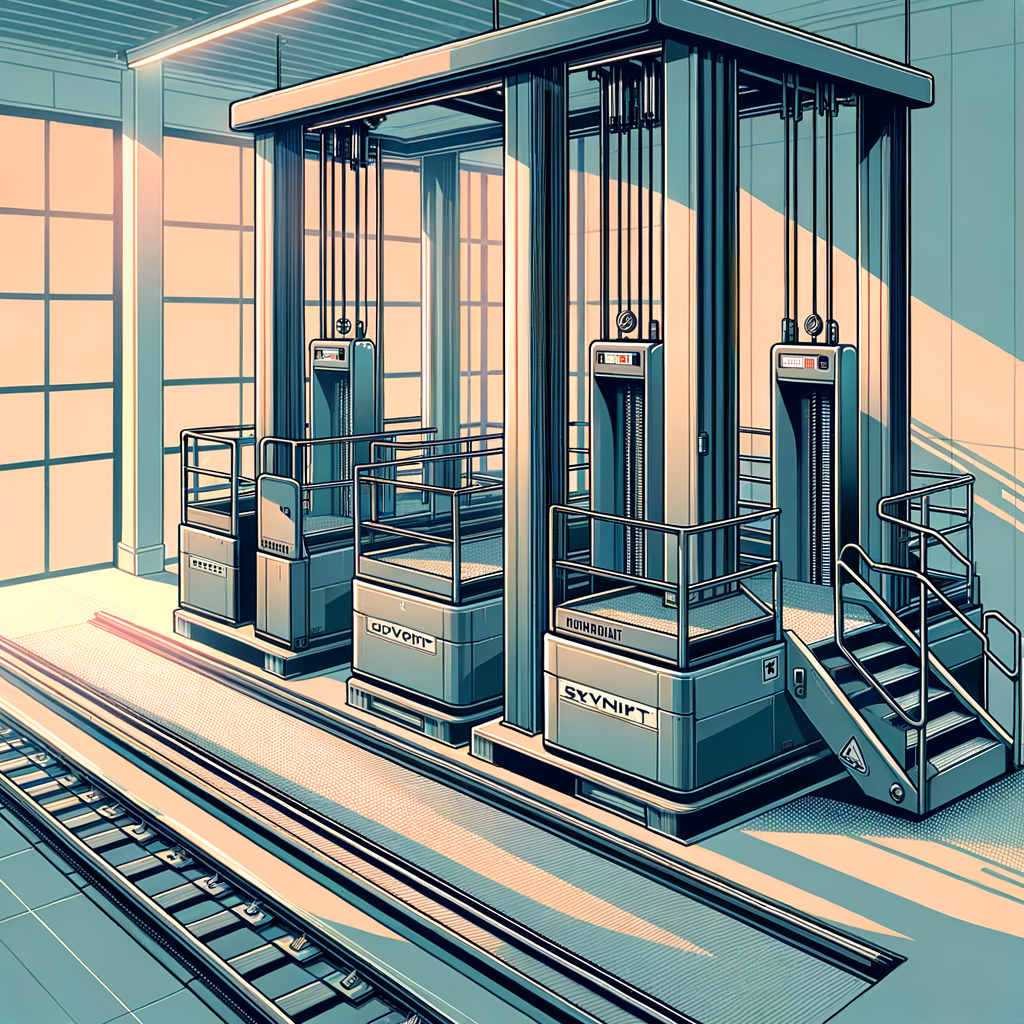
In the realm of accessibility, incline platform lifts have become increasingly significant, aiding countless individuals in overcoming mobility challenges. Their practicality, combined with technological advancements, has rendered them indispensable in residential and commercial settings alike. However, one persistent question hovers around these devices: Are incline platform lifts noisy? Given that many potential users prioritize both functionality and the acoustic environment, understanding the noise levels associated with these lifts is vital. In today’s culture, where quiet operation is often equated with quality, exploring this topic becomes essential not just from an engineering standpoint but also from the perspectives of comfort, convenience, and user experience.
The significance of noise considerations cannot be underestimated. Noise pollution is a growing concern across the globe, impacting everything from health outcomes to quality of life. For people with disabilities or those who rely on lifts for convenience, the last thing they need is an additional stressor in the form of loud or disruptive equipment. At first glance, such concerns may seem trivial, but in spaces that aim for relaxation or focus, like homes and businesses, they become paramount. As we delve deeper into this topic, we will explore the various elements that contribute to the sound levels of incline platform lifts, and why understanding and evaluating this aspect is crucial for potential buyers.
In this article, our aim is to provide a comprehensive look at incline platform lifts, particularly focusing on their acoustic characteristics. By addressing the construction, technological mechanisms, situational factors, and the expectations of users, we can draw a more precise picture of what one might encounter in terms of noise when choosing an incline platform lift. For those considering the addition of such a lift to their living or working space, understanding these factors will aid in making a more informed and satisfying decision. With this foundation established, we now move into the core elements that constitute the noise levels of incline platform lifts.
Understanding Incline Platform Lifts
Incline platform lifts have become a vital instrument in making environments accessible. Unlike traditional elevators, these devices operate along staircases, offering people with mobility challenges an opportunity to traverse different levels of a building without having to climb stairs manually. At their core, they consist of a platform that travels along a rail system, allowing users in wheelchairs or with limited mobility to be transported safely. However, as with any mechanical device, the operational noise generated can be a critical consideration.
Most incline platform lifts, depending on their design and technology, possess various components that contribute to their noise levels. The principal components include the drive mechanism, rollers or wheels, the guide rails, and the lifting platform itself. Each of these parts can generate sound to varying extents during operation. The drive mechanism is usually powered by an electric motor and may produce sound resulting from the motor itself or from the friction of moving parts. Meanwhile, the wheels or rollers that engage with the guide rails add another layer of potential sound, especially if not well-lubricated or if their quality degrades over time.
Technological Advances and Noise Reduction
Contemporary incline platform lifts benefit from numerous technological innovations aimed at reducing noise. Modern lifts often employ advanced materials such as high-grade rubber and polyurethane for components that slide or roll, thereby minimizing friction-related noise. The use of quieter, brushless motors is also becoming increasingly common, as these motors generally produce less noise compared to their traditional brush motor counterparts.
Furthermore, several manufacturers have advanced electronic controls that contribute to a quieter ride. These systems can manage the lift’s acceleration and deceleration, reducing abrupt starts or stops, which consequently cuts down on potential noise. Advances in sound-dampening technology, such as isolation pads and precision-engineered guide rails, have also improved the acoustics. All these improvements indicate a clear trend towards a reduction in operational noise, meeting user demand for quieter home and commercial environments.
Factors Influencing Noise Levels
While inherent design and technology play pivotal roles, situational factors also heavily influence the noise levels experienced with incline platform lifts. For instance, the installation environment can significantly impact acoustics. If the lift is positioned in a narrow stairwell with hard surfaces, the sound can reverberate, amplifying perceived noise levels. Conversely, in an open space with soft furnishings, the noise is likely to be absorbed more effectively, leading to a quieter experience.
Regular maintenance is another critical factor. Even the quietest systems can become noisy over time if they are not properly serviced. Components such as guide rails and lifting mechanisms must be routinely checked and lubricated to prevent squeaks or grinding sounds. Proactively replacing worn-out parts can also mitigate excess noise and prolong the lifespan of the lift.
The load on the lift, as well as its speed settings, can additionally affect sound levels. Heavier loads can put more strain on the motor and moving parts, potentially increasing noise. Similarly, some lifts offer adjustable speed settings, and operating at higher speeds might result in more noticeable sounds. By optimizing these factors, users can experience quieter operation without sacrificing performance.
User Experiences and Perceptions
User feedback plays an essential role in understanding the real-world noise impact of incline platform lifts. Many users report that modern lifts are surprisingly quiet, with noise being largely unobtrusive and comparable to, if not quieter than, common household appliances. However, perceptions of noise can vary depending on individual sensitivities; what one person finds acceptable, another might perceive as disruptive.
It is important to note that expectations also influence perceptions of noise. People unfamiliar with incline platform lifts might expect absolute silence, which can lead to disappointment if they are not prepared for the operational sounds a lift naturally makes. Educating potential users upfront about what to anticipate can align expectations with reality. Moreover, demonstrations by companies or trial runs can provide firsthand experience, enabling better judgment regarding noise tolerance.
Market Expectations and Trends
In today’s market, there is a strong emphasis on user-friendly, quiet machines across industries. Incline platform lift manufacturers are well aware of this trend, continuously upgrading their designs to minimize noise and enhance user satisfaction. The accessibility device market competitiveness urges manufacturers to prioritize noise reduction to stay ahead.
Several companies now offer models explicitly designed with noise reduction as a primary feature. Additionally, consumers are increasingly consulting reviews and seeking recommendations specific to noise, pushing manufacturers to ensure that their devices meet elevated preferences. As increased urbanization brings people into closer proximity, these trends will likely evolve, emphasizing even quieter technology.
Conclusion
The question of whether incline platform lifts are noisy does not have a one-size-fits-all answer. While it is undeniable that such devices produce some level of sound during operation, modern advancements and thoughtful design considerations have significantly reduced noise levels. Manufacturers are keenly focused on aligning their products with market demands for quietness, ensuring that users can enjoy the practical benefits of these lifts without distraction.
For prospective buyers, understanding the multifaceted nature of noise production and reduction in lift systems is crucial. From mechanical design to situational variables, every factor plays a part in the overall acoustic impact. By equipping oneself with comprehensive knowledge and clear expectations, coupled with proper maintenance and consideration of installation settings, individuals can find incline platform lifts that meet their noise sensitivity and functional needs.
Overall, incline platform lifts are becoming quieter with each innovation. The continuous push for quieter mechanisms reflects a commitment to enhancing the quality of life for users. As technology progresses, we can anticipate even more refined solutions that further suppress noise while enhancing performance, fostering accessibility environments that are as peaceful as they are functional.
“`htmlFrequently Asked Questions
1. Are incline platform lifts noisy while in operation?
Incline platform lifts are surprisingly quieter than one might expect, thanks to modern technological innovations. These lifts, designed to help individuals with mobility challenges navigate stairs, typically use smooth, electric motor-driven systems. This design results in a gentle and subtle hum rather than a disruptive noise, making them quite user-friendly in terms of noise pollution. Additionally, manufacturers are consistently working to enhance the quietness of these devices by implementing advanced sound-dampening materials and engineering quieter motor systems. Most users find that the sound they emit is minimal and certainly manageable, especially when considering the significant freedom and accessibility these lifts provide.
2. How does the installation of an incline platform lift affect noise levels in different settings?
The noise levels of a properly installed incline platform lift are typically low enough to be almost imperceptible in both residential and commercial environments. Installation plays a crucial role in the quiet operation of these lifts. Proper alignment and secure mounting can significantly reduce any excess vibrations or sounds. In residential settings, these lifts can be placed discreetly in staircases and are designed to blend into the acoustic environment of a home seamlessly. In commercial settings, where ambient noise is generally higher, the operational sound of these lifts often goes unnoticed. As always, a professional installation is key to ensuring optimal performance and minimal noise.
3. What kind of maintenance is required to keep incline platform lifts operating quietly?
Regular maintenance is essential to ensuring that incline platform lifts operate quietly and efficiently. It is recommended that these lifts undergo routine inspections and servicing by qualified technicians. This includes checking and adjusting the alignment of the lift rails, lubricating moving parts to prevent squeaking or grinding noises, and ensuring that the motor is operational without strain. Regularly cleaning the device and checking for any wear and tear can also prevent unusual noises from developing over time. With consistent upkeep, the noise levels can remain low, allowing users to focus more on the functionality and less on any acoustic disturbances.
4. What features contribute to the quiet operation of incline platform lifts?
Several features contribute to the quiet operation of incline platform lifts. One of the primary components is the electric motor, which is designed to operate smoothly without excessive noise. The use of high-quality materials in the construction of the lift, such as sound-dampening composite materials and precision engineering, helps minimize vibrations and unwanted sound. Furthermore, modern incline platform lifts often include advanced control systems that enable a smooth start and stop, preventing jolts or jerks that could generate additional noise. These thoughtful design elements collectively contribute to a near-silent operation that doesn’t disturb the tranquility of the surrounding environment.
5. Are newer models of incline platform lifts quieter than older ones?
Yes, newer models of incline platform lifts are generally quieter than their older counterparts, thanks to ongoing advancements in technology and engineering. The push to improve accessibility and user experience has led manufacturers to focus heavily on reducing noise levels. Enhancements in motor technology, better materials for noise reduction, and refined manufacturing processes all play a role in making modern lifts quieter. Additionally, newer models often benefit from improved design features like smoother tracks and noise-canceling technology, further minimizing any operational sound. For users concerned about noise, opting for the latest models is a wise decision to balance functionality, aesthetics, and acoustics.
“`