


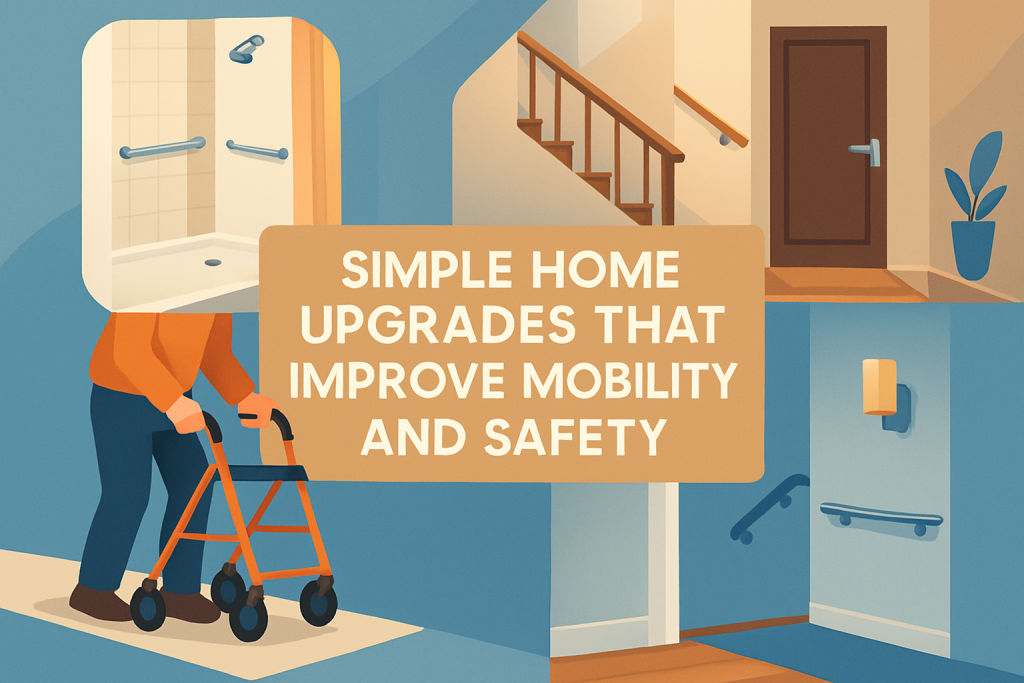
Simple home upgrades can dramatically improve mobility and safety, especially for older adults, people recovering from injury, and anyone living with a disability. Home accessibility modifications are changes that reduce physical barriers, lower fall risk, and make daily tasks easier to perform with less pain, strain, or assistance. In practice, these upgrades range from inexpensive fixes like brighter lighting and lever door handles to larger projects such as zero-threshold showers, stair lifts, and widened doorways. As a hub topic within accessibility and mobility solutions, home accessibility modifications matter because they directly affect independence, caregiver burden, emergency readiness, and long-term housing choices.
I have worked with families planning accessibility improvements after hospital discharges, progressive neurological diagnoses, and age-related mobility loss, and the same pattern appears repeatedly: small changes made early prevent larger crises later. A loose rug may seem minor until it causes a fall. A standard bathtub may feel manageable until balance decreases. A narrow bathroom doorway may not matter until a walker or wheelchair enters the picture. Good accessibility design anticipates changing needs instead of reacting only after an injury. That is why the best home upgrades are not purely cosmetic improvements. They are functional decisions tied to safer movement, better transfers, easier bathing, and more reliable access throughout the home.
When people ask what makes a home accessible, I define it in plain terms: an accessible home supports entering, moving through, using, and exiting the space with the least possible physical difficulty. Mobility refers to safe movement from one position or place to another, including walking, turning, transferring, reaching, and navigating stairs. Safety includes fall prevention, fire egress, support during transfers, and reduction of hazards such as slippery floors, poor lighting, and obstructed pathways. The most effective modifications match the resident’s current abilities while allowing room for future changes. This article explains the core categories of home accessibility modifications, the practical upgrades that often deliver the biggest gains, and how to prioritize improvements room by room.
Start With Entryways, Flooring, and Circulation Paths
The first accessibility barriers usually appear before someone even reaches the kitchen or bathroom. Entryways, thresholds, steps, hallway widths, floor surfaces, and turning space determine whether a person can move into and through the home safely. A single exterior step can block access for a wheelchair user and create a tripping hazard for someone with poor balance. The most effective upgrade at the entrance is often a no-step approach using a properly graded walkway or ramp. In the United States, the ADA slope benchmark of 1:12 is widely referenced for ramp planning, meaning one inch of rise for every twelve inches of run, though private homes may require individualized design based on available space and user strength.
Thresholds deserve close attention because even small height changes can catch toes, walkers, and wheelchair casters. Offset hinges can add usable doorway width without reframing, while full doorway widening may be necessary to accommodate a wheelchair or bariatric equipment. Inside the home, flooring should be stable, level, and slip resistant. Low-pile carpet can work in some rooms, but thick plush carpet increases rolling resistance and makes walker use harder. I usually recommend removing loose rugs entirely, replacing broken transitions, and choosing hard surfaces with matte finishes rather than polished materials that become slick when wet. Hallways and primary routes should remain clear of furniture, baskets, cords, and decorative stands that narrow passage width.
Lighting is a circulation upgrade that many people underestimate. Adequate illumination improves depth perception, highlights edges and obstacles, and helps those with low vision identify transitions between rooms. Install bright, even lighting at entrances, hallways, stairs, and bathroom routes. Motion-sensor lights are especially useful for nighttime trips to the toilet. Rocker switches are easier to operate than small toggles, and smart bulbs can support voice or app control when reaching switches is difficult. If a resident uses a walker, cane, or wheelchair, verify that there is enough turning radius in major rooms and that frequently used items are stored between shoulder and hip height to reduce risky bending and overreaching.
Bathroom Modifications Deliver the Greatest Safety Gains
Bathrooms are the highest-priority area in most accessibility plans because they combine water, hard surfaces, tight spaces, and frequent transfers. Falls commonly occur entering the tub, standing from the toilet, or turning on a wet floor. The simplest bathroom upgrade is the installation of properly anchored grab bars near the toilet and in the bathing area. These are not the same as towel bars and must be mounted to support body weight. Placement matters. A vertical bar near a shower entrance can improve stepping stability, while horizontal bars along the side wall support standing and controlled lowering. Textured, slip-resistant flooring and secure bath mats add traction, but they should supplement, not replace, structural support.
For bathing, a curbless or low-threshold shower is usually the most future-ready option. It reduces the need to step over a tub wall and allows easier access for a shower chair or caregiver support. Handheld showerheads on adjustable slides, pressure-balanced valves, and built-in or fold-down seating improve both safety and comfort. In homes where a full shower remodel is not immediately possible, tub transfer benches and clamp-free handheld sprayers can serve as interim measures. Toilets also deserve evaluation. Comfort-height toilets or raised toilet seats reduce the effort needed to sit and stand, and they can significantly lower strain for people with arthritis, hip weakness, or limited knee flexion.
Sink design is another overlooked factor. Pedestal sinks look clean but often provide limited knee clearance and less support surface for assistive use. A vanity with open space below can better accommodate seated use, provided plumbing is insulated or protected. Faucets with lever handles are easier than round knobs for users with reduced grip strength. Mirrors should be usable from both standing and seated positions, and storage should place toiletries within easy reach. In real homes, the best bathroom accessibility modifications balance clinical function with residential comfort. The goal is not to make the room feel institutional. It is to make personal care safe, dignified, and repeatable without unnecessary risk every day.
Kitchen and Living Area Upgrades Support Daily Independence
The kitchen is where accessibility intersects with routine independence. Preparing meals, getting drinks, putting away groceries, and cleaning up all involve standing tolerance, reach range, grip strength, and safe carrying. Inaccessible kitchens push people toward dependence quickly. Start with the work triangle: refrigerator, sink, and cooking surface should be reachable without tight turns or obstacle-filled pathways. Frequently used items should move to waist-to-shoulder height. D-shaped pulls and lever-style hardware are easier to use than small knobs. Pull-out shelves, full-extension drawers, lazy Susans, and pull-down shelving systems improve access and reduce the need to kneel or climb.
Appliance selection can also improve mobility and safety. Side-opening wall ovens may be easier than deep bend-to-reach ranges. Induction cooktops lower burn risk because the surface around the pan stays cooler than gas or conventional electric elements. French-door refrigerators can reduce door swing conflicts in tighter spaces. In some projects, I recommend creating a seated work area with knee clearance under part of the counter so a wheelchair user or someone who fatigues easily can prepare food more comfortably. Anti-fatigue mats can help some standing users, but they must lie flat and have beveled edges to avoid becoming a trip hazard.
Living rooms and bedrooms should support transfers, rest, and emergency movement. Chairs and sofas that are too low make standing difficult, especially after joint replacement or for those with lower-body weakness. Firmer seating with stable arms improves sit-to-stand mechanics. Bed height should allow feet to rest flat on the floor before standing; too high or too low creates instability. In bedrooms, clear paths from bed to bathroom are essential. Install bedside lighting, eliminate extension cords crossing walkways, and consider voice-controlled lamps or emergency call devices. These upgrades may seem modest, but they often provide the biggest quality-of-life improvements because they affect routine activities repeated many times each day.
Stairs, Vertical Access, and High-Impact Upgrades
Stairs are one of the clearest dividing lines between a manageable home and an unsafe one. If a resident avoids part of the house because the stairs feel dangerous, accessibility has already broken down. The first stair upgrade is sturdy handrails on both sides whenever possible. Rails should be easy to grip, continuous, and extend beyond the top and bottom risers when feasible. Improve stair visibility with contrasting edge strips and bright lighting at both landings. Remove patterned runners that obscure step depth and repair uneven treads immediately. For some people, these changes are enough. For others, they are only a temporary bridge.
When stairs remain a persistent barrier, evaluate alternatives such as relocating a bedroom to the main floor, installing a vertical platform lift, or adding a stair lift. A stair lift can be an excellent solution for users who can transfer safely on and off the seat and have adequate trunk stability. It is less suitable when severe balance loss, significant contractures, or caregiver transfer demands are present. Wheelchair users may benefit more from a platform lift or residential elevator, though these options require greater structural planning and budget. Exterior access may also need a modular ramp, porch lift, or regraded pathway. Product choice should follow a clinical and architectural review, not just a catalog comparison.
| Upgrade | Best For | Main Benefit | Key Limitation |
|---|---|---|---|
| Grab bars | Bathroom transfers | Immediate fall-risk reduction | Must be properly anchored |
| Low-threshold shower | Older adults, walker users | Safer bathing access | Requires remodeling budget |
| Door widening | Wheelchair access | Improves room usability | May affect framing and trim |
| Stair lift | Users who can transfer seated | Maintains access to upper floors | Not ideal for all disability types |
| Improved lighting | Nearly all households | Better visibility and navigation | Does not solve structural barriers |
High-impact upgrades should be chosen based on actual function, not assumptions. I have seen families invest in expensive equipment before addressing basic hazards like missing railings and slippery flooring. That sequence is backwards. Start with hazards, then transfers, then circulation, then major structural access. A home assessment from an occupational therapist, aging-in-place specialist, or qualified accessibility contractor can clarify the right order. Trusted references include universal design principles, CAPS training for aging-in-place professionals, and manufacturer specifications for lifts and support equipment. The best result is a home that works reliably during ordinary mornings, difficult flare-up days, and emergencies, without requiring constant improvisation from the resident or caregiver.
How to Prioritize Modifications and Plan for the Future
Home accessibility modifications work best when they are prioritized according to risk, frequency, and trajectory. Risk means the places most likely to cause injury, usually bathrooms, stairs, entrances, and nighttime routes. Frequency means the spaces used most often, including the bedroom, kitchen, and main bathroom. Trajectory means whether the resident’s needs are expected to improve, remain stable, or decline. Someone recovering from knee surgery may need temporary supports, while a person with Parkinson’s disease, multiple sclerosis, or advanced arthritis often benefits from upgrades designed for progression. Planning with trajectory in mind prevents costly rework and preserves independence longer.
Budget matters, but thoughtful sequencing can stretch it. Begin with low-cost, high-return improvements: remove trip hazards, add brighter lighting, install lever handles, secure railings, and place grab bars where transfers happen. Next, address difficult daily tasks such as bathing, toileting, and entering the home. Then consider larger structural changes like shower conversion, doorway widening, or vertical access equipment. Always verify measurements for walkers, wheelchairs, shower chairs, and commodes before construction begins. A modification that looks accessible but fails on clearances is expensive to correct. If you are building a long-term plan, document priorities room by room and consult qualified professionals before purchasing products or starting demolition. The right upgrades make a home safer, easier to use, and far more livable over time.
Simple home upgrades that improve mobility and safety are rarely simple in their effect. They protect independence, reduce falls, ease caregiving, and make everyday routines more manageable. The most valuable home accessibility modifications are the ones that align with how a person actually lives: how they enter, bathe, cook, rest, transfer, and move during the day and at night. Small changes like lighting, hardware, and flooring corrections often create immediate benefits, while larger changes such as accessible showers, widened doors, and stair solutions can preserve the use of an entire home for years.
As a hub for home accessibility modifications, this guide shows the central principle that should shape every decision: function first. Assess entryways, bathrooms, kitchens, living areas, and stairs based on real tasks and real limitations. Prioritize hazards before aesthetics, measure carefully, and choose upgrades that support both current ability and future needs. If you are planning improvements now, start with one walkthrough of your home and identify the top three barriers that create the most risk or frustration. Then build from there with professional guidance where needed.
Frequently Asked Questions
What are the easiest home upgrades to improve mobility and safety right away?
The quickest and most effective upgrades are usually the simplest ones. Start with better lighting throughout the home, especially in hallways, stairways, bathrooms, entryways, and bedrooms. Poor visibility is a major contributor to trips and falls, so adding brighter bulbs, motion-sensor lights, under-cabinet lighting, and night-lights can make everyday movement much safer. Another easy improvement is removing tripping hazards such as loose rugs, cluttered walkways, electrical cords, and unstable furniture. Even small changes like securing carpeting and keeping commonly used items within easy reach can reduce unnecessary bending, stretching, and risk.
Door hardware and faucet controls are also worth upgrading early. Lever-style door handles are easier to use than round knobs for people with arthritis, limited grip strength, or hand injuries. In kitchens and bathrooms, single-handle faucets or touchless fixtures can simplify daily tasks and reduce strain. Adding grab bars near toilets and inside showers is another high-impact safety upgrade, and modern grab bars are available in attractive finishes that blend with home decor. Non-slip mats, shower chairs, and raised toilet seats can further improve confidence and independence without requiring a full renovation.
For many households, the best strategy is to focus first on high-use, high-risk areas. Bathrooms, stairs, entrances, and bedrooms usually offer the biggest safety gains for the least investment. These upgrades are practical, relatively affordable, and often fast to install, making them an excellent first step for older adults, people recovering from surgery or injury, and anyone who wants to prevent falls before a serious problem occurs.
Which rooms should be prioritized when making a home safer and more accessible?
The bathroom is usually the first room to prioritize because it combines water, slippery surfaces, tight spaces, and frequent transfers in and out of showers or near toilets. Installing grab bars, non-slip flooring, a handheld showerhead, a shower seat, and a comfort-height toilet can significantly reduce fall risk and make personal care easier. If a larger remodel is possible, a zero-threshold shower is one of the most valuable accessibility improvements because it removes the need to step over a tub wall or raised shower curb.
After the bathroom, focus on entrances and hallways. A home entry should allow safe access with minimal climbing, balancing, or maneuvering. This may involve adding railings, improving exterior lighting, reducing thresholds, repairing uneven walkways, or installing a ramp where needed. Hallways should be clear, well lit, and wide enough to accommodate mobility aids if necessary. Interior doors may also need attention, especially if someone uses a walker or wheelchair and has difficulty moving through narrow spaces.
The bedroom and kitchen are also important because they support daily independence. In the bedroom, consider bed height, clear walking paths, night lighting, and easy access to clothing, medication, and emergency communication. In the kitchen, small changes can make a big difference, such as storing frequently used items at waist level, replacing cabinet knobs with pulls, improving task lighting, and creating more open floor space for safer movement. If stairs are part of the home, they should be addressed immediately with secure handrails, strong lighting, non-slip treads, and, when needed, a stair lift. Prioritizing the areas where daily routines happen most often helps create the greatest improvement in both safety and comfort.
Are accessibility upgrades only necessary for seniors or people with major disabilities?
No. While home accessibility modifications are especially helpful for older adults and people living with disabilities, they are valuable for a much wider group of people. Anyone recovering from surgery, managing chronic pain, healing from an injury, or experiencing temporary mobility limitations can benefit from a safer, easier-to-navigate home. Even parents carrying children, people with balance concerns, and individuals with reduced strength or flexibility may find that simple upgrades make daily life more manageable and less physically demanding.
Accessibility improvements are also a smart form of prevention. Many people wait until after a fall, medical event, or hospitalization to make changes, but proactive upgrades can reduce the chance of an emergency in the first place. Better lighting, safer stairs, easier-to-use hardware, and improved bathroom support are practical solutions that help people stay independent longer and avoid unnecessary strain. In that sense, accessibility is not only about accommodating serious limitations; it is about designing a home that supports safer movement for everyone.
There is also a long-term benefit to making changes before they become urgent. A home that is easier to move through today is more likely to remain functional in the future. This is often described as aging in place, but the concept applies broadly. Creating a home with fewer barriers can improve comfort, confidence, and usability at every stage of life. Rather than thinking of accessibility as a specialized feature, it is more accurate to see it as practical design that supports health, safety, and independence.
What is the difference between low-cost safety fixes and larger accessibility renovations?
Low-cost safety fixes are usually fast, simple improvements that reduce immediate hazards without changing the structure of the home. These include adding brighter lighting, installing night-lights, securing rugs, using non-slip mats, replacing knobs with lever handles, adding portable shower seats, improving storage placement, and installing grab bars in key locations. These upgrades are often affordable, minimally disruptive, and highly effective for reducing falls and making routine tasks easier. For many people, these changes provide a meaningful improvement in daily safety and comfort without requiring major construction.
Larger accessibility renovations, on the other hand, involve more substantial modifications to improve long-term mobility and usability. Examples include widening doorways, installing a ramp, creating a zero-threshold shower, lowering countertops, changing floor surfaces, modifying bathroom layouts, or adding a stair lift. These projects are typically more expensive and may require planning, permits, or professional installation, but they can dramatically improve independence for someone who uses a walker, wheelchair, or other mobility aid. Larger renovations are often necessary when the current layout creates ongoing barriers that simple fixes cannot solve.
The best approach is usually to combine both. Start with immediate improvements that address fall risk and daily strain, then evaluate whether more permanent modifications are needed based on current and future mobility needs. A home assessment by an occupational therapist, aging-in-place specialist, or experienced accessibility contractor can help identify which upgrades will deliver the greatest benefit. This ensures that money is spent wisely and that improvements support both short-term safety and long-term function.
How do I know which home upgrades will be most effective for my specific mobility or safety needs?
The most effective upgrades are the ones that address the real barriers a person encounters during everyday routines. A good starting point is to look closely at where difficulty, pain, fatigue, or near-falls happen most often. Is getting into the shower challenging? Are stairs becoming harder to manage? Is poor lighting making nighttime trips to the bathroom risky? Is reaching into lower cabinets causing strain? Identifying the exact moments where movement feels unsafe or difficult helps prioritize improvements that will have the greatest practical impact.
It is also important to consider both current and future needs. Someone recovering from an injury may need temporary supports such as a shower chair, handheld showerhead, bedside lighting, or a raised toilet seat. Someone with progressive mobility changes may benefit from more durable solutions like grab bars, wider clearances, a ramped entrance, or a stair lift. Thinking ahead can prevent repeated renovations and help create a home that remains usable as needs evolve. This is especially important when planning more expensive projects such as bathroom remodels or entryway changes.
When possible, involve a qualified professional. Occupational therapists can evaluate how a person moves through the home and recommend modifications based on strength, balance, endurance, and daily activities. Certified aging-in-place specialists and accessibility-focused contractors can translate those needs into practical design solutions. The goal is not simply to add products, but to create a safer environment that supports independence, reduces fall risk, and makes everyday life easier with less effort and more confidence.