


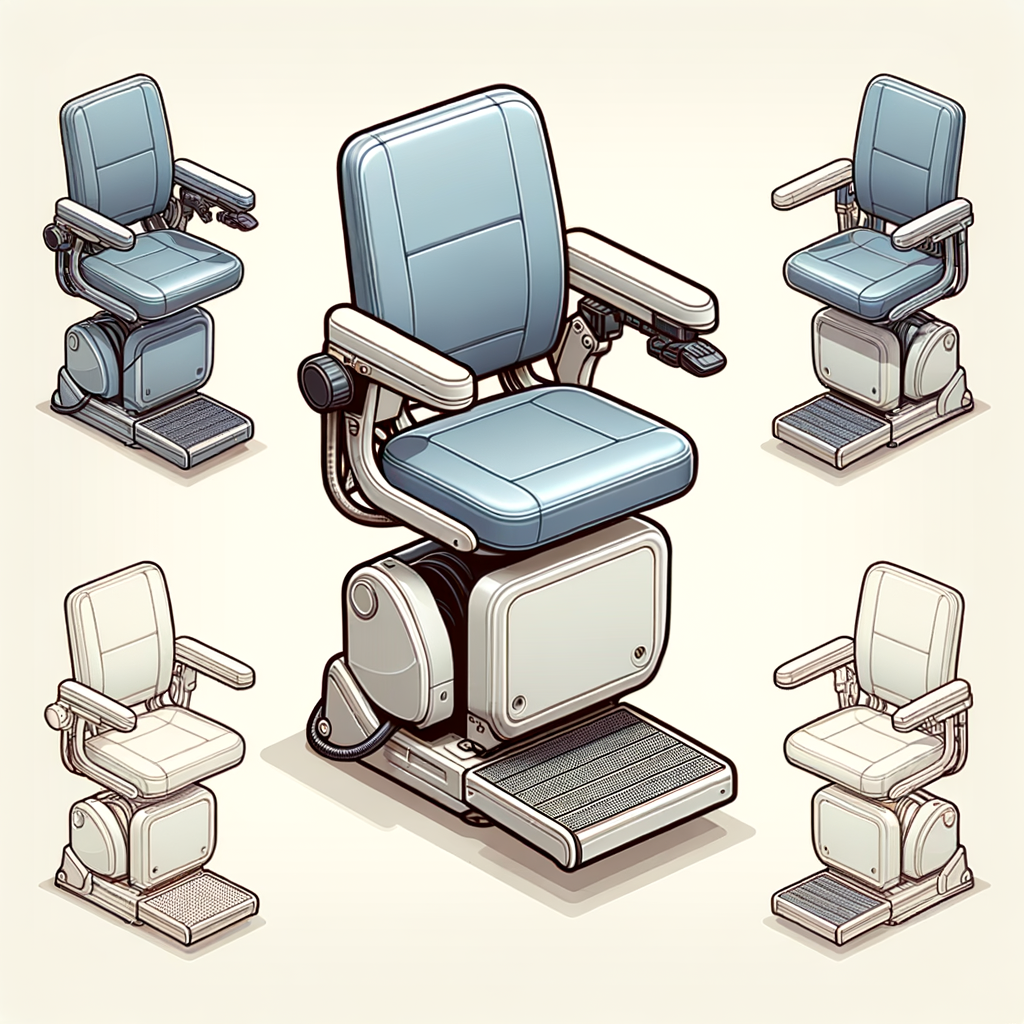
When it comes to enhancing mobility within a home, particularly for those facing challenges with stairs, stair lifts provide an invaluable solution. Choosing the right stair lift involves more than selecting a simple transport device. An often overlooked but essential aspect of this decision is the type of seat the stair lift offers. Depending on one’s needs, comfort level, and workspace constraints, the suitable seat style can dramatically improve daily comfort and ease of access. There are several seat options available, each designed to cater to various requirements and preferences; namely, swivel, foldable, and perch styles. Understanding the differences and benefits of these seat types is critical in selecting the most beneficial option for the user. Therefore, this article delves into the distinctions, functionalities, and advantages of each type, helping you make a well-informed decision tailored to specific needs.
For individuals or families considering a stair lift as a solution to enhance mobility and simplify movement around multi-story homes, exploring these seat options can ensure the choice is both practical and aligned with the user’s personal comfort. Moreover, each seat type comes with unique features and modifications designed to comply with specific mobility challenges and spatial constraints. Selecting the appropriate style involves understanding the interplay between the design of these seats and individual needs. Therefore, in this comprehensive guide, we will explore each variant in detail, examining their respective functionalities, ergonomics, and suitability for different users. By shedding light on the perks and limitations of each option, this article aims to assist individuals and their families in choosing the best stair lift, ensuring comfort, safety, and convenience. It’s kind of like looking for hearing aids for a deaf child.
Swivel Seats: Enhancing Accessibility and Safety
A swivel seat on a stair lift allows the seat to rotate, typically up to 90 or even 180 degrees, at the top landing of the staircase. This feature is a game changer for users who need added ease when getting on and off the chair, significantly enhancing safety and user independence. Upon reaching the top of the stairs, this feature allows the chair to rotate away from the stairwell, giving the user a smooth transition onto the next floor without the risk of slipping or losing balance. The ease of entry and exit is a crucial advantage of swivel seats, particularly for those with limited mobility or strength.
The mechanism of swivel seats is designed to lock securely into place when the chair is either in motion or when positioned for mounting or dismounting. This built-in locking system prevents accidental swiveling, reducing the risk of accidents. For those with significant mobility limitations, automatic swivel seats, which do not require manual effort to rotate, offer even greater comfort and reduce the physical strain. Automatic swivel seats are ideal for individuals who may have difficulties handling mechanical motions, catering precisely to those who need assistance with such functions. These settings enhance the overall safety features of the stair lift, providing an excellent solution for users in need of extra support.
Additionally, swivel seats become particularly beneficial in homes where there might not be an extensive landing area at the top of the stairs. They facilitate ease of movement when stepping onto a limited landing area or hall, making the entire experience more streamlined and user-friendly. The comfort inherent in swivel seats is often accompanied by padded designs, armrests, and ergonomic contours that contribute to a more comfortable ride, beneficial over extended periods of use. Moreover, since their primary function centers around enhancing access and ensuring a safe transition, swivel seats are often the go-to choice for many users seeking a stair lift that maximizes both functionality and security.
Foldable Seats: Maximizing Space Efficiency
Foldable seats in stair lift designs are a hallmark of space-saving and efficiency. Ideal for homes with narrow staircases or limited space, these seats can be folded up when not in use, reducing obstruction and allowing more room for others to move freely on the staircase. This feature is particularly beneficial for tight spaces where every inch of available space counts. Once folded, the chair, along with footrests and often armrests, retracts neatly against the rail, ensuring minimal intrusion into the stair passage.
Moreover, foldable seats come equipped with a balance of lightweight frames and strong, durable materials, ensuring they remain sturdy in use yet effortless to fold and unfold. The ease of manipulation is essential, allowing users with limited strength or dexterity to manage the seat without assistance. For homes with multiple family members utilizing the staircase, this style of seat ensures compatibility and accessibility for different needs while not impeding traffic flow for those who do not require the aid of a stair lift.
Beyond the strategic space-saving benefits, foldable seats are also designed for simplicity and practicality, appealing to users who prefer a straightforward, no-frills approach. While they might lack some of the padded comfort found in other seat types, advancements in design have introduced cushioning and supporting elements that do not compromise the folding function of the seat. These practical seats cater to myriad needs, balancing functionality with a minimalist design ideal for contemporary living environments where efficiency reigns supreme.
Perch Seats: A Standing or Semi-Seated Solution
Perch seats present an innovative solution for users who find it difficult or impossible to sit down fully or bend at the knees. Designed as more of a standing support than a traditional chair, perch seats provide support for users in a semi-seated position, standing partially while resting against the seat. This design is highly advantageous for those with knee or hip problems where bending significantly is not feasible or recommended by medical professionals.
This style is supported by well-placed, padded bars or cushions on which users lean, creating a stable ride without the need for full sitting. Perch seats grant users the unique ability to remain in almost an upright position during transit, which often feels more secure and less cumbersome for those with decreased joint mobility. Such designs are especially accommodating in homes with steep or winding staircases where conventional seating methods may be challenging to maneuver or unsafe due to the user’s physical condition.
Another notable advantage of perch seats is their effectiveness in extremely narrow stair environments where a full seat may not fit. In situations where tight turns or limited space make standard and swivel seats impractical, perch-style seating manages these constraints efficiently without compromising the necessity of safe stair navigation. Furthermore, these seats often include additional stability features like safety arms or supportive side panels, delivering extra assurance in terms of security and balance.
Opting for a perch seat places priority on offering a balance of stability and flexibility, often tailored to fit the specific contours and confines of a stairway. The flexibility inherent in perch seats caters to individual circumstances magnificently, meeting the needs of users who prefer maintaining partial autonomy in their movements without being confined to a traditional seated position. Consequently, they serve a niche of users while providing all the necessary elements for secure and reliable stairway navigation.
Conclusion
When it comes to enhancing home mobility for individuals with stair negotiation difficulties, stair lifts stand out as practical and necessary solutions. Selecting the right stair lift, however, isn’t merely about securing the plank that moves up and down the stairwell, but ensuring the integrated seating options align with personal comfort, safety, and the home’s spatial needs. Swivel seats offer a space-efficient, safe exit strategy at the landing, blend functionality with optimal support, and ultimately cater to individuals requiring confident, stable transitions. Foldable seats maximize staircase space, providing sleek and compact solutions that blend seamlessly with the home’s design while catering to the collective needs of joint or familial spaces. Meanwhile, perch seats address areas of personal mobility challenges, offering a boon to those needing semi-standing assistance over the traditional sitting required by most stair lifts.
Each seat type provides unique benefits, ensuring there is an optimal solution for every person needing the aid of a stair lift. The choice of seat can significantly impact the ease and comfort of mobility, reassuring users and their families that the best solution doesn’t merely solve a problem but enhances the user’s comfort and staircase safety. A detailed understanding of swivel, foldable, and perch seat styles means that individuals can genuinely cater to personal requirements, choose the furnishings they actually need, and transform everyday movements into seamless experiences. This essential decision-making factor impacts every ride’s safety and comfort—an investment in a harmonious blend of functionality, independence, and well-being.