


Introduction: Understanding Straight Stair Lifts
For many individuals, maintaining independence and safety at home is crucial. As we age or face mobility issues, navigating staircases can become a significant challenge. Straight stair lifts provide an ideal solution for people with simple, uncomplicated staircases. These devices are designed to assist those who find it difficult to travel between different levels in their homes due to physical limitations. This article explores the advantages, installation, and features of straight stair lifts, making the case for why they are an optimal choice for straightforward stairway designs.
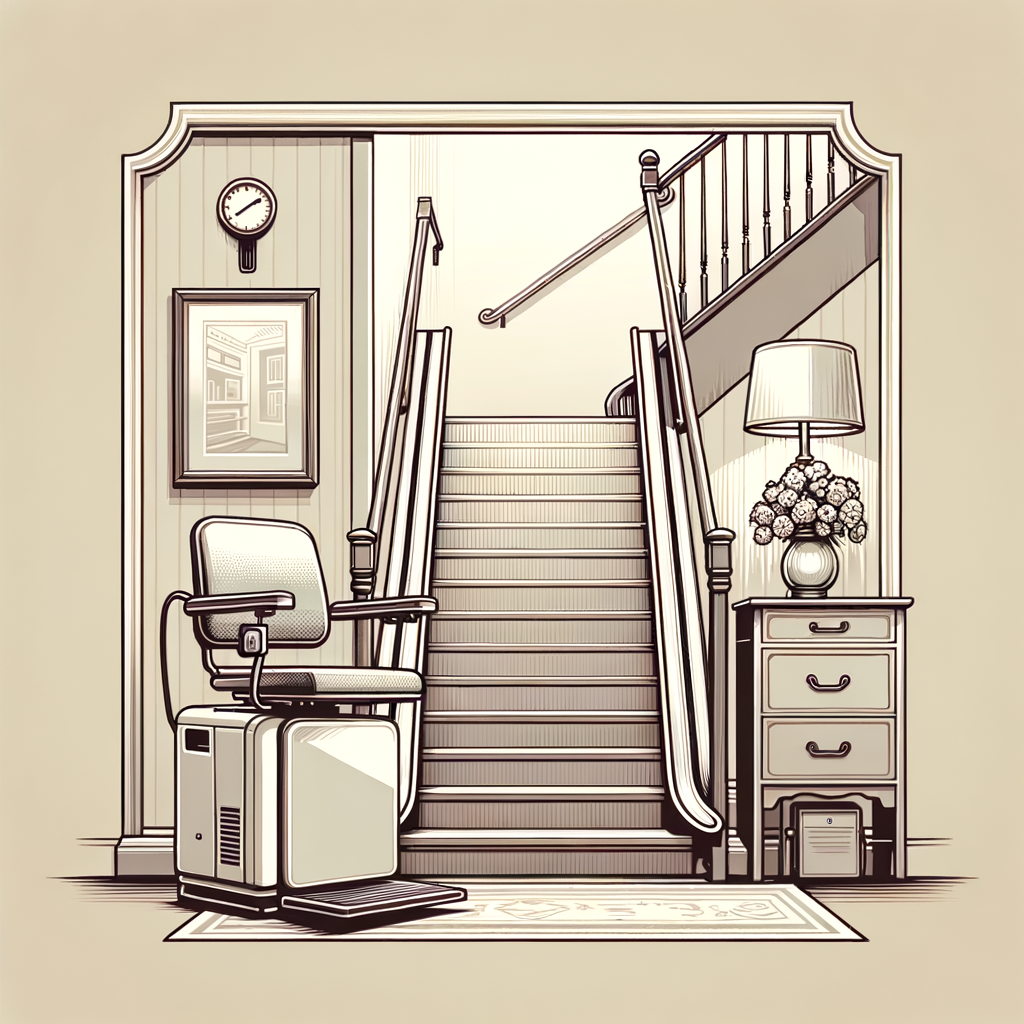
Straight stair lifts are a type of mobility device specifically designed to assist users in ascending and descending a straight staircase. Unlike curved stair lifts, which accommodate staircases with turns and landings, straight stair lifts cater exclusively to linear staircases without bends. This focus allows for straightforward installation, affordable pricing, and reliable operation. They stand out due to their simplicity and effectiveness, ensuring users can effortlessly traverse their homes without assistance.
In recent years, the demand for straight stair lifts has grown significantly as more people recognize the need to adapt living spaces for enhanced accessibility. These lifts not only provide safety and security but also help maintain independence and promote a higher quality of life. By exploring the various aspects of straight stair lifts, including their benefits, installation processes, and features, we aim to offer a comprehensive understanding of why these systems are the ideal choice for homes with simple staircases.
Benefits of Straight Stair Lifts
Straight stair lifts offer numerous advantages for homeowners with straightforward staircases. One of the most significant benefits is the ease of installation. Since straight staircases do not have curves or intermediate landings, the rail systems required for these lifts are simpler and less intrusive. This simplicity reduces the time and cost associated with installation. In contrast, curved stair lifts often necessitate custom fittings, which can be time-consuming and expensive. With a straight stair lift, the installation is typically done swiftly, allowing homeowners to enjoy the benefits almost immediately.
Cost-effectiveness is another major benefit of straight stair lifts. Due to their straightforward design and easier installation process, they tend to be more economical than their curved counterparts. For individuals and families with budget constraints, this affordability makes accessing both floors of a home possible without an excessively high expenditure. The savings achieved during installation means that more people can afford these accessibility solutions and retain the ability to move freely around their homes.
Beyond economic and installation considerations, straight stair lifts provide significant safety enhancements. These lifts are equipped with sturdy and comfortable seating, seatbelts, and easily accessible controls, all designed with user safety in mind. Sensors are integrated to detect possible obstructions on the stairs, preventing accidents and ensuring a safe ride. This reassures users and their families that movement between floors can be achieved without the risk of slipping or falling—a common concern, particularly for older adults or those with reduced mobility.
Installation Process of Straight Stair Lifts
The installation of a straight stair lift is typically a straightforward process, particularly when compared to more complex stair lift systems. This simplicity begins with a thorough assessment of the staircase by a professional installer. During this phase, measurements are taken to ensure that the straight track can be securely fitted along the staircase. The installer’s examination ensures that the stair lift will operate smoothly and safely along the entire length of the stairs.
Once the initial assessment is completed and measurements are confirmed, the actual installation process can commence. This involves securing a straight metal rail to the stair treads, which the stair lift carriage will travel up and down. The installation steps are structured to ensure minimal disruption to daily home life, as the process typically spans a few hours rather than several days. The installer carefully mounts the rail components and attaches the chair unit securely, running test cycles to ensure everything functions flawlessly before leaving the site.
Following the mechanical installation, the technician provides detailed guidance on operating the stair lift. This instruction includes how to safely use the seatbelt, the importance of sitting securely in the chair before operating, and how to utilize the joystick or remote control for smooth ascension and descension. Additionally, homeowners receive education about regular maintenance practices and small troubleshooting steps they can perform to maintain the system’s effective operation. The attention to installation detail and user training significantly enhances the overall experience and satisfaction with straight stair lifts.
Key Features and Customizations
Straight stair lifts come equipped with various features that aim to maximize user comfort, safety, and convenience. Modern designs typically include padded seating, foldable footrests, and armrests that provide comfort with every journey up or down the stairs. These features ensure that users are comfortable during operation, encouraging regular use without discomfort or inconvenience.
Safety is a paramount concern in straight stair lift designs. Key safety features include sensors that detect potential obstacles on the stairway. If an object is detected, the stair lift halts its operation to prevent any accidents. Additionally, safety edges stop the lift when something blocks the track. Moreover, most models are fitted with a swivel seat that locks into position at the top and bottom of the stairs, allowing users to safely exit the chair with ease.
Customizations are available to meet specific user needs and accommodate aesthetic preferences. Upholstery comes in various colors and materials, allowing integration with existing home decor. Some models offer different seat widths and weight capacities, catering to a broader range of user needs. Optional features, such as power swivel seats and powered footrests, can further enhance the utility and ease of use for individuals needing additional assistance. Such custom options allow users to tailor the stair lift to their specific preferences and needs, ensuring that they are not only functional but also harmonious with the home environment.
Maintaining Straight Stair Lifts: Tips and Best Practices
Consistent maintenance ensures the longevity and reliable performance of straight stair lifts. Routine checks should be conducted to confirm the integrity of the rail system and electrical components. Dust and debris should be regularly cleaned from the tracks and chair to prevent operational issues. While it is vital to perform minor cleaning and checks regularly, professional technicians should be engaged periodically to conduct detailed inspections and maintenance.
Battery maintenance is crucial for ensuring the stair lift’s reliability. Modern stair lifts generally come with rechargeable batteries that provide smooth operation even during a power outage. Regular testing of the battery backup system is recommended to ensure it is functioning correctly. Should any issues arise with the battery, it is important to act promptly by consulting professionals to avoid disruptions in stair lift operations.
For users experiencing any issues with their stair lift, immediate attention to troubleshooting is advisable. While some minor problems can be solved by referring to the manufacturer’s manual, more significant issues should prompt a call to the service provider. Timely intervention prevents damage worsening and promises the quick restoration of the stair lift’s functionality. The combination of routine maintenance, prompt troubleshooting, and professional servicing guarantees long-term satisfaction and usability of the straight stair lift.
Conclusion: Straight Stair Lifts as the Optimal Solution
In summary, straight stair lifts present an ideal solution for individuals seeking accessibility options for simple staircase designs. Their ease of installation, cost-effectiveness, and robust safety features make them highly attractive for homeowners. As this article has highlighted, these lifts not only enable safe passage between floors but also contribute significantly to preserving independence and enhancing the quality of life.
The streamlined design tailored for straight staircases facilitates quicker and less expensive installation, appealing to individuals and families looking for effective yet economical mobility solutions. Enhanced safety features, such as obstruction sensors and safety belts, ensure maximum protection and confidence for users. Furthermore, the customizations available allow them to cater to specific needs and preferences, ensuring integration within any home decor and functional requirements.
The importance of comprehensive training and consistent maintenance is pivotal for ensuring these devices operate optimally, providing peace of mind and reliability. Straight stair lifts reassure homeowners that they can stay in their multi-level homes safely and comfortably for years to come. As the demand for such accessibility solutions continues to rise, straight stair lifts stand out as a reliable, efficient, and personalized choice for those with simple staircases.
Frequently Asked Questions
1. What are straight stair lifts and how do they differ from curved stair lifts?
Straight stair lifts are devices designed to help individuals move safely and easily between different levels of their homes, especially when they face mobility challenges. These lifts travel along a straight rail installed on the staircase, moving in a direct line from one floor to the next. They are specifically designed for simple, uncomplicated staircases that don’t have turns, curves, or landings within the straight span.
In contrast, curved stair lifts are customized for staircases that include bends, corners, or intermediate flat areas. Curved stair lifts have tracks that are tailored to accommodate the specific curve of your staircase, which makes them inherently more complex and costly than straight stair lifts. Thus, for homes with simple, straight staircases, straight stair lifts offer a more economical and straightforward solution.
2. Who can benefit the most from using straight stair lifts?
Straight stair lifts are particularly beneficial for individuals who face mobility challenges due to aging, injury, disability, or any other condition that makes it difficult to navigate stairs. They are ideal for anyone with a simple, straight staircase in their home. These devices can often offer peace of mind to both the users and their families by significantly reducing the risk of falls and injuries. Additionally, individuals who are recovering from surgery or medical treatments that temporarily impair mobility can also benefit from the use of straight stair lifts, as they help maintain independence while recuperating.
Beyond personal health benefits, straight stair lifts enable people to remain in their homes longer, avoiding the need for expensive home renovations or moving to a single-level residence or assisted living facilities. This self-sufficiency is invaluable for those who wish to live independently in their familiar surroundings.
3. How safe are straight stair lifts and what features ensure safety?
Safety is a top priority in the design and function of straight stair lifts. They come equipped with several safety features to ensure a secure ride for users. Common safety features include seat belts to keep the rider safely seated, safety sensors that detect obstacles on the stairway and stop the lift until the pathway is clear, and swivel seats that assist the user to safely get on and off the lift at the top and bottom of the stairs.
Furthermore, straight stair lifts are designed with a smooth start-and-stop function, which prevents jarring movements that could unseat the user. Most models also come with battery backup systems, so users won’t be stranded during power outages. These lifts undergo rigorous safety testing and meet international safety standards, providing users with confidence and security during every use.
4. What is the installation process like for a straight stair lift?
Installing a straight stair lift is generally a quick and straightforward process, especially when compared to curved stair lifts. Because straight stair lifts are designed for simple, linear staircases, the installation often does not require extensive customization. Typically, a professional technician can complete the installation in just a couple of hours.
The process involves securely mounting the rail to the staircase, often using brackets to avoid any damage to the wall. The lift chair is then attached to the rail, and all electrical components are installed and tested to ensure proper function. Always employ a certified installer to ensure the lift is safely and securely installed, meeting all relevant safety standards.
5. Are straight stair lifts compatible with all types of straight staircases?
Straight stair lifts are highly versatile and can be compatible with most types of straight staircases, whether they are made of wood, concrete, or metal, and regardless of the width or steepness of the stairs. There are various models available that can cater to different weight capacities and specific user needs.
However, it’s essential to conduct a professional assessment to ensure that the specific lift model chosen will fit appropriately and work efficiently in the intended space. Some older or very narrow staircases may present challenges, but many manufacturers offer solutions for these scenarios as well. In most cases, straight stair lifts can be adapted to fit perfectly, providing a convenient solution for those in need.