


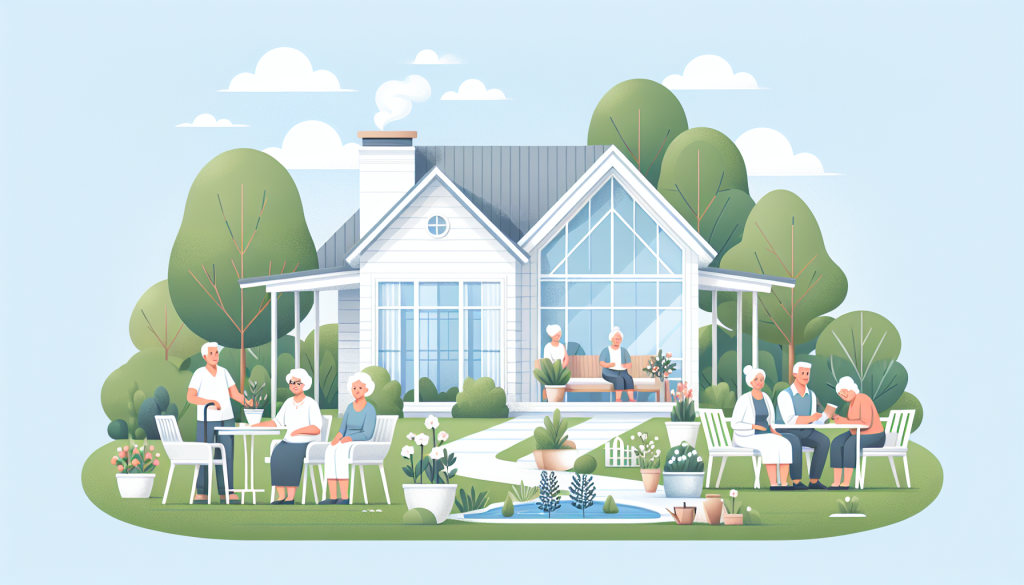
Aging in place means living safely, independently, and comfortably in your own home and community as you grow older, rather than relocating because daily life has become difficult. The phrase sounds simple, but in practice it covers housing design, mobility, healthcare planning, finances, caregiving, technology, transportation, and social connection. When I assess homes for older adults and their families, I explain that aging in place is not just about staying put; it is about matching a person’s abilities, routines, and risks to an environment that supports them over time. That distinction matters because a house can remain familiar while still becoming unsafe.
For most people, the goal is not merely to avoid a move. It is to preserve autonomy, dignity, and quality of life. According to AARP surveys, most adults over 50 want to remain in their homes as long as possible. The desire is understandable: home holds memories, neighborhood ties, daily habits, and a sense of control. Yet wanting to age in place and being prepared to do it are different things. A realistic plan addresses fall prevention, access to bathrooms and kitchens, medication management, emergency response, transportation alternatives, and support for changing health needs.
Key terms help clarify the conversation. Accessibility refers to features that reduce barriers, such as no-step entries, wider doorways, lever handles, good lighting, and curbless showers. Mobility solutions include devices and home modifications that help people move safely, from grab bars and stair lifts to walkers and transfer benches. Universal design means spaces are usable by people of different ages and abilities without looking institutional. Home safety covers hazards like loose rugs, poor lighting, uneven thresholds, and difficult stairs. Long-term care planning includes both paid services and family support. Together, these pieces form practical aging in place strategies.
This topic matters because aging changes are common, but crisis planning is still the norm. Many families wait until after a fall, hospitalization, or dementia diagnosis to make decisions. By then, choices are narrower, stress is higher, and costs often increase. The better approach is proactive: evaluate the home early, prioritize improvements, and create a phased plan for the next five to ten years. A strong aging in place strategy helps reduce preventable injuries, supports caregivers, and makes it more likely that an older adult can continue living where they prefer. It also creates a clear hub for related decisions, from bathroom accessibility and home mobility aids to smart home monitoring and transportation planning.
The Core Components of Aging in Place Strategies
Aging in place strategies work best when they are built around six core areas: home access, movement inside the house, personal care, health support, daily living, and emergency readiness. In real homes, these categories overlap. A single front step can become a major barrier after knee surgery. A second-floor bedroom may be manageable at 68 and exhausting at 78. A beautiful bathroom with a high tub wall can quickly turn into the most dangerous room in the house. That is why the first step is always function, not style. Ask what tasks are becoming harder, what risks are present now, and what changes are likely within a few years.
Home access starts outside. Look at parking, walkway surfaces, lighting, railings, and the number of steps required to enter. A no-step entry is one of the most valuable features for long-term accessibility. Inside, focus on routes between the bedroom, bathroom, kitchen, and living areas. Hallways and doors should accommodate walkers and, ideally, wheelchairs. Flooring should be stable and slip resistant. For personal care, bathroom design matters most: grab bars anchored into framing, a shower with low or zero threshold, a handheld showerhead, non-slip flooring, and enough turning space all improve safety. In kitchens, aging in place planning often includes better task lighting, easy-to-grip hardware, appliances with front controls, and storage that reduces reaching or climbing.
Health support includes medication organization, hearing and vision accommodations, and communication tools. Daily living covers meal preparation, laundry access, housekeeping, and pet care. Emergency readiness means smoke and carbon monoxide alarms, clearly marked house numbers, backup power considerations for medical devices, and a plan for falls or sudden illness. When these areas are addressed together, aging in place becomes an operational system, not a vague intention.
How to Evaluate Whether a Home Can Support Aging in Place
A home assessment should begin with observation of actual routines. I do not just ask whether someone can use the stairs; I ask how many times they climb them each day, whether they carry laundry, whether they hold the railing, and what happens at night when they are tired. Functional details reveal more than broad answers. Occupational therapists are especially valuable in this process because they connect physical ability to specific tasks and can recommend targeted modifications. Certified Aging-in-Place Specialists, physical therapists, and accessible design professionals also help identify barriers that families often overlook.
The highest-risk zones are usually entrances, bathrooms, stairs, and poorly lit circulation paths. Start with measurable questions. Is there at least one accessible entrance? Can the resident reach a bathroom without using stairs? Are there secure handholds where transfers happen, such as beside the toilet and in the shower? Are commonly used items stored between knee and shoulder height? Can a walker pass through key doorways? If an injury temporarily reduces mobility, could the person still sleep, bathe, and prepare simple meals on one level?
Costs should be assessed in tiers. Some improvements are low-cost and high-impact, including brighter bulbs, contrasting stair-edge tape, offset door hinges for a little more width, motion-sensor night lights, and removal of trip hazards. Mid-range updates include grab bar installation, comfort-height toilets, improved railings, and replacing a tub with a shower. Larger projects involve ramps, stair lifts, widened doorways, first-floor suites, and major bathroom renovations. The key is sequencing. Families often overspend on cosmetic remodels while delaying the modifications that actually determine whether a home remains livable.
| Priority Area | Common Problem | Practical Modification | Typical Benefit |
|---|---|---|---|
| Entry | Steps without railing | No-step entrance or ramp, secure handrail, brighter lighting | Safer access after surgery, with walker, or during bad weather |
| Bathroom | Tub wall and slippery floor | Curbless shower, grab bars, non-slip tile, shower seat | Lower fall risk during bathing and transfers |
| Stairs | Poor balance or fatigue | Dual railings, better tread contrast, stair lift if needed | Reduced strain and safer movement between levels |
| Kitchen | Reaching overhead or bending low | Pull-out shelves, task lighting, accessible storage zones | Easier meal prep with less strain |
| Bedroom/Living | Cluttered path and dim lighting | Clear walking routes, night lights, stable seating | Safer transfers and fewer nighttime falls |
Home Modifications, Assistive Technology, and Design Choices That Matter
The best home modifications are the ones that solve real problems before those problems create a crisis. Grab bars are a classic example. Installed correctly, they are not signs of decline; they are load-bearing safety tools. The same is true of lever door handles, rocker light switches, anti-scald valves, and handrails on both sides of stairs. These upgrades are inexpensive compared with the cost of an emergency room visit or a rushed move. The Centers for Disease Control and Prevention has repeatedly emphasized that falls are a leading cause of injury among older adults, which is why prevention should anchor any aging in place plan.
Assistive technology expands what a home can do. Video doorbells reduce rushed trips to the door. Smart locks allow caregivers or home health workers to enter without hidden keys. Voice assistants can set medication reminders, control lights, and make calls. Medical alert systems now range from basic pendants to wearables with automatic fall detection and GPS. Remote patient monitoring can track blood pressure, glucose, weight, or oxygen saturation for people managing chronic conditions. These tools are useful, but only when they fit the person. A complicated app is not a solution for someone with low vision, hearing loss, or cognitive impairment unless setup and support are equally strong.
Universal design choices help homes remain attractive and usable for everyone. A zero-threshold shower looks modern. Wider doorways improve furniture movement and stroller access as well as wheelchair clearance. Better lighting helps older eyes, but it also improves comfort for guests of every age. That is one reason the most successful aging in place renovations do not feel medical. They feel thoughtful. Design should reduce effort, improve visibility, and support safe movement while preserving the character of the home.
Care Planning, Community Support, and the Human Side of Staying Home
Aging in place is often framed as a housing issue, but housing alone is never enough. People remain at home successfully when a support network exists around the home. That network may include family caregivers, neighbors, home care aides, visiting nurses, meal delivery, transportation services, senior centers, faith communities, and telehealth providers. In my experience, plans fail less often because of a missing grab bar than because no one clarified who would help with groceries, medication pickups, or rides after a procedure. Independence is rarely solitary. It is usually supported independence.
Care planning should answer direct questions. Who notices if something is wrong? Who has emergency contact information? Is there a backup caregiver? How will appointments be managed if driving stops? What happens after a hospital discharge? A written plan prevents assumptions from becoming problems. For people with progressive conditions such as Parkinson’s disease, arthritis, stroke effects, or dementia, regular reassessment is essential. Needs change, and the home must change with them.
Social connection also belongs in any serious aging in place strategy. Isolation is linked to poorer health outcomes, depression, and higher rates of cognitive decline. A home can be physically accessible and still support a shrinking life if transportation, companionship, and purposeful activity are missing. That is why community proximity matters. Walkable neighborhoods, nearby family, accessible public transit, and local services can be as important as interior modifications. Remaining at home should not mean becoming cut off from the world.
Financial Planning, Tradeoffs, and When Aging in Place Is Not the Best Fit
One of the most common misconceptions is that aging in place is always the cheapest option. Sometimes it is, especially when modest modifications can support many more years at home. Sometimes it is not. Significant remodeling, in-home care, transportation support, and household maintenance can exceed the cost of a move to a more accessible residence or a senior living community. Sound planning compares real numbers, not assumptions. Include renovation costs, ongoing utilities, taxes, insurance, yard care, cleaning, caregiving hours, and likely future needs.
Funding sources vary. Medicare generally does not pay for most long-term home modifications, though some Medicare Advantage plans may offer limited supplemental benefits. Medicaid home- and community-based programs can help eligible individuals in some states. Veterans may qualify for housing adaptation grants through the Department of Veterans Affairs. Long-term care insurance may cover certain services, not structural changes. Local area agencies on aging, nonprofit programs, and state assistive technology initiatives can also provide guidance, loans, or referrals. Because rules differ by location, families should verify current eligibility rather than rely on outdated advice.
There are times when aging in place is not the safest or most sustainable choice. Advanced cognitive impairment, severe wandering risk, repeated falls despite intervention, or intensive medical needs may require a setting with more supervision. Recognizing that reality is not a failure. The goal is not to stay home at any cost; the goal is to live in the least restrictive environment that safely supports well-being. For many people, aging in place works best for years, then transitions into a different plan. Good strategy leaves room for that possibility instead of treating every move as defeat.
Aging in place really means planning ahead so home continues to support safety, independence, and daily life as needs change. It includes accessible design, mobility solutions, assistive technology, care coordination, transportation, and realistic financial planning. The strongest aging in place strategies begin before a crisis, focus on the highest-risk barriers first, and balance personal preference with objective safety. They also recognize that staying home successfully depends on both the physical space and the support system around it.
If you are building an aging in place plan, start with a whole-home assessment and a five-year view. Identify the biggest safety risks, price the most important modifications, and map out who will help with health, transportation, and routine tasks. Then use this hub to explore each connected topic in more detail, from bathroom accessibility and stair solutions to caregiving support and smart home tools. A clear plan made now gives you more options later, and that is the real value of aging in place.
Frequently Asked Questions
What does “aging in place” actually mean?
Aging in place means being able to live safely, independently, and comfortably in your own home and community as you grow older, instead of moving simply because daily life has become harder. At its core, it is about preserving quality of life. That includes more than remaining at the same address. It means having a home setup, support system, and care plan that continue to fit your changing needs over time.
In practical terms, aging in place includes factors such as home layout, fall prevention, mobility, access to medical care, transportation, meal preparation, personal care, finances, emergency planning, and social connection. A person may technically stay in the same home but still struggle if the bathroom is unsafe, stairs are difficult, groceries are hard to get, or isolation becomes a problem. That is why aging in place should be viewed as an active plan rather than a passive hope.
Successful aging in place happens when a person’s abilities, home environment, and available support are well matched. For some people, that may involve small adjustments like better lighting and grab bars. For others, it may mean larger changes such as a first-floor bedroom, in-home care services, medication management, or transportation support. The goal is not just to remain at home, but to remain well at home.
Is aging in place the same as staying in your home no matter what?
No. One of the biggest misunderstandings about aging in place is the idea that it means staying in the same house under all circumstances. In reality, aging in place is about living in the setting that best supports safety, independence, and day-to-day function as needs change. Sometimes that is the longtime family home. Sometimes it is a condo with fewer maintenance demands, a one-level residence, an accessory dwelling unit near family, or another community-based setting that better fits a person’s mobility, health, and support needs.
The key question is not, “Can I stay here at all costs?” but rather, “Does this home still work for me?” A house with multiple levels, narrow doorways, poor bathroom access, or heavy upkeep may become more difficult over time. If the cost of making it safe is too high, or if services and social connection are limited in that location, another housing option may actually support aging in place more effectively.
Thinking about it this way helps families make better decisions. Aging in place is about matching the person to the environment, not forcing the person to adapt to a setting that no longer meets their needs. A flexible mindset usually leads to safer outcomes, less stress, and a plan that is more sustainable over the long term.
What home changes are usually needed to age in place safely?
The most important home changes are the ones that reduce risk and make everyday activities easier. Safety improvements often begin with fall prevention, since falls are one of the most common reasons older adults lose independence. That can include removing loose rugs, improving lighting, adding handrails on both sides of stairways, installing grab bars in bathrooms, using non-slip flooring, and reducing clutter in walkways.
Accessibility upgrades are also common. These may include a walk-in shower, a comfort-height toilet, lever-style door handles, wider doorways for walkers or wheelchairs, ramps or no-step entries, stair lifts, and better bedroom access. In many homes, the ability to live primarily on one floor becomes especially important. If someone can sleep, bathe, and prepare simple meals without climbing stairs, the home often becomes much easier to manage safely.
It is also important to consider usability, not just hazards. Can the person reach kitchen items without climbing? Is there enough space to maneuver with a mobility aid? Are switches, locks, and storage areas easy to use? Technology can help too, including video doorbells, medical alert systems, smart lighting, medication reminders, and remote monitoring tools for family support. The right modifications depend on the individual’s health, mobility, vision, cognition, and budget, which is why a thoughtful home assessment is so valuable.
How do healthcare, caregiving, and transportation affect aging in place?
These three areas often determine whether aging in place works well in real life. A home can be physically safe, but if a person cannot get to medical appointments, manage medications, recover after illness, or receive help with daily tasks, staying at home may quickly become difficult. Aging in place depends on a reliable support structure, not just a familiar living space.
Healthcare planning includes more than doctor visits. It involves managing chronic conditions, understanding medication routines, planning for rehabilitation needs, arranging home health services when appropriate, and preparing for what happens if health changes suddenly. Families should think ahead about who notices warning signs, who communicates with healthcare providers, and how medical information is organized and shared.
Caregiving needs also vary widely. Some older adults only need occasional help with errands or housekeeping. Others may need hands-on support with bathing, dressing, meals, or memory-related supervision. Care can come from family, friends, paid aides, adult day programs, or a combination of services. Transportation is equally important because it affects healthcare access, grocery shopping, religious participation, and social life. If driving becomes limited or unsafe, alternative options such as family rides, community shuttles, ride services, or paratransit become essential. When healthcare, caregiving, and transportation are planned together, aging in place becomes much more realistic and sustainable.
When should someone start planning for aging in place?
The best time to plan is before there is a crisis. Many families wait until after a fall, hospitalization, new diagnosis, or obvious decline in mobility, but early planning gives people more choices, more control, and more time to make thoughtful decisions. Starting sooner also allows gradual improvements instead of rushed, expensive changes made under stress.
Early planning should include a practical review of the home, current health needs, likely future changes, available support, and financial resources. It is also wise to discuss legal and healthcare planning, including powers of attorney, advance directives, emergency contacts, and how decisions will be handled if the person needs more help later. These conversations can feel uncomfortable, but they are much easier when everyone is calm and not responding to an emergency.
Planning early does not mean expecting the worst. It means preparing for normal aging in a smart, proactive way. Even healthy, active adults benefit from improving home safety, building local support, exploring transportation options, and thinking through long-term costs. A strong aging-in-place plan grows with the person. The earlier it starts, the easier it is to protect independence, reduce family stress, and create a living situation that continues to support comfort, dignity, and connection over time.