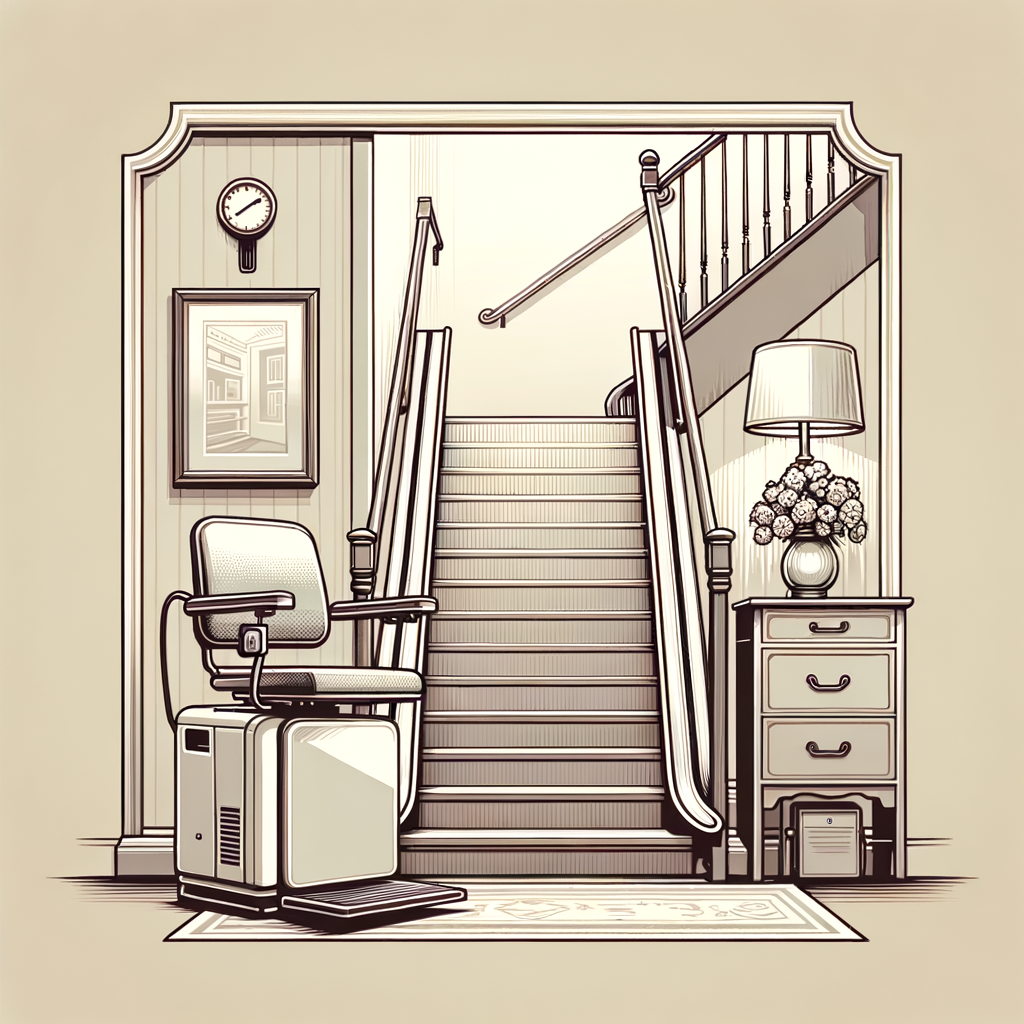
Solar-powered options for outdoor chair lifts are no longer a niche idea reserved for remote cabins or off-grid homes. They have become a practical design path for homeowners who need safe exterior mobility and want greater resilience during utility outages, lower operating costs, or cleaner energy use. An outdoor chair lift is a motorized seat system mounted to a rail along exterior stairs, porches, decks, or sloped pathways. It transports a rider between levels while using weather-resistant components, safety sensors, and battery-backed controls designed for rain, heat, cold, and ultraviolet exposure. When solar power enters the picture, it usually does not mean the lift runs directly from a panel in real time. In most installations I have worked on, solar supports a charging system that keeps dedicated batteries topped up, which then supply the lift’s DC drive and controls.
That distinction matters because many buyers assume a panel can simply plug into any lift. In practice, system design depends on motor draw, battery chemistry, charging profile, site sun exposure, code compliance, and the number of trips required each day. Outdoor chair lifts already rely heavily on batteries, even when connected to household AC, because battery operation provides smoother starts, safer emergency travel, and continued use during blackouts. Solar can complement that architecture well if the lift has compatible charging hardware and the location can deliver consistent solar gain. For homes with long exterior staircases, detached garden access, lakefront paths, or frequent storm outages, solar-assisted charging can turn an outdoor chair lift from a convenience device into a more independent mobility solution.
This guide serves as a hub for outdoor chair lifts with a focus on solar-powered options, how they work, where they fit, what they cost, and which tradeoffs deserve attention before purchase. If you are comparing straight versus curved rails, assessing weatherproofing, planning backup power, or trying to understand whether a photovoltaic panel can truly support daily lift use, the following sections answer those questions directly and in plain terms.
How Solar Power Works With Outdoor Chair Lifts
The most important technical point is simple: outdoor chair lifts are typically battery-driven systems that recharge from an AC-powered charger parked at one or both ends of the rail. A solar-powered setup replaces or supplements that charger with a photovoltaic panel, a charge controller, and an appropriately sized battery bank or integrated battery charger. The panel collects sunlight, the controller regulates voltage and current, and the batteries provide stable power to the lift when the user presses the armrest control or remote call station.
In field terms, think of solar as a charging source, not the motor itself. A typical outdoor stair lift motor may draw substantial current for short periods during acceleration and travel. Solar panels produce power gradually across the day, so stored energy is what makes the system practical. This is why proper battery sizing is essential. If a homeowner expects ten to twenty trips per day on a long exterior rail, the energy budget is very different from a two-trip-per-day porch lift used only to access a front entry.
Manufacturers and installers often use sealed lead-acid or lithium iron phosphate batteries depending on the lift platform and charging design. Lithium iron phosphate offers longer cycle life, better usable capacity, and lower maintenance, but it requires chargers and battery management systems engineered for that chemistry. Sealed lead-acid remains common because it is established, affordable, and well understood. Both can work in outdoor applications, but temperature performance and enclosure protection are critical. In colder climates, battery capacity drops and charging behavior changes, so the panel and controller must be sized with winter conditions in mind, not just ideal summer output.
Best Outdoor Chair Lift Scenarios for Solar Integration
Solar power makes the most sense when outdoor chair lift use intersects with one of three conditions: unreliable grid power, high inconvenience from wiring, or a property layout that already benefits from independent energy systems. I have seen strong results at rural homes where utility outages follow storms, at secondary structures such as guest cottages or pool houses where trenching electrical lines would be expensive, and at waterfront or hillside properties where exterior stair access is long and exposed.
For example, a homeowner with a 32-step exterior run down to a lakeside dock may use an outdoor chair lift to move safely between the house and the water. Extending a dedicated circuit to the lower landing can involve conduit, trenching, ground-fault protection, and weatherproof disconnects. A solar-assisted charging system positioned for full southern exposure can reduce electrical work while maintaining battery readiness. Another common case is an elderly resident who depends on an outdoor chair lift to reach a front entrance during winter. If local outages are frequent, solar charging adds another layer of continuity beyond the standard onboard batteries.
Solar is less compelling where exterior stairs are heavily shaded by mature trees or where daily use is intensive and the rail is exceptionally long. In those situations, conventional AC charging may still be the better primary solution, with solar reserved for backup charging or supplemental trickle charging. The right answer depends on trip count, rail length, rider weight, local climate, and solar access measured across the least sunny months of the year.
System Components, Sizing, and Performance Expectations
A reliable solar-powered outdoor chair lift system consists of more than a panel. The full package includes the lift itself, weather-rated wiring, mounting hardware for the panel, a charge controller, batteries, overcurrent protection, disconnects, and often a lockable enclosure. If the lift’s original manufacturer offers a compatible solar kit, that is usually the best starting point because it preserves warranty clarity and charging compatibility. If not, an experienced mobility installer and licensed electrician or solar technician should calculate a custom system based on the lift’s charging profile and battery specifications.
Performance expectations should be grounded in watt-hours, not marketing claims. Suppose an outdoor chair lift consumes roughly 20 to 40 watt-hours per trip depending on rail length, rider load, and incline. A household needing eight trips per day may require 160 to 320 watt-hours daily, before accounting for charging losses, battery reserve, and cloudy weather. A 200-watt panel in favorable conditions might generate around 600 to 1,000 watt-hours per day seasonally, but winter shade, snow cover, and poor orientation can reduce output sharply. That is why installers build in reserve capacity rather than sizing to average sunshine alone.
| Component | What It Does | Key Sizing Factor | Common Limitation |
|---|---|---|---|
| Solar panel | Generates charging power from sunlight | Daily sun hours and seasonal orientation | Shade can cut output dramatically |
| Charge controller | Regulates power into batteries safely | Battery chemistry and panel voltage | Wrong profile shortens battery life |
| Battery bank | Stores energy for lift operation | Trips per day and reserve days needed | Cold weather reduces usable capacity |
| Weatherproof enclosure | Protects electronics and batteries outdoors | Ingress rating and ventilation | Heat buildup can damage components |
| Outdoor chair lift charger interface | Connects stored power to the lift charging system | Manufacturer compatibility | Improvised connections can void warranty |
For homeowners asking, “Can a small solar panel run my outdoor chair lift?” the honest answer is sometimes, but only if use is light and storage is sufficient. The better question is whether the solar system can recharge the batteries reliably through the worst week of the season. That is the standard professionals should use.
Outdoor Durability, Safety Standards, and Weather Resistance
Outdoor chair lifts live in a harsher environment than indoor models, so solar integration must never compromise the base lift’s safety features. A proper outdoor unit should include corrosion-resistant rails, sealed control boards, UV-resistant seat materials, water-resistant call stations, and obstruction sensors on the footrest and carriage. Many reputable products also include swivel-seat locks, overspeed governors, keyed controls, and diagnostic displays for service technicians.
From a standards perspective, installers should pay attention to manufacturer instructions, local electrical code, grounding and bonding rules, and equipment listing requirements. In the United States, mobility lifts and stair lifts may involve ASME A18.1 considerations depending on device type, while electrical work must comply with the National Electrical Code. Outdoor circuits generally require weatherproof enclosures, proper conduit methods, and ground-fault protection where applicable. Solar equipment should be listed for its intended use, and all disconnect points should remain accessible for maintenance.
Weather resistance deserves a realistic discussion. “Outdoor rated” does not mean invincible. Coastal salt air accelerates corrosion. Snow and ice can obstruct rails and charging contacts. High summer heat can reduce battery life inside sealed boxes. Leaves, pollen, and insects can accumulate around parking points and sensors. In my experience, the homeowners happiest with outdoor chair lifts are the ones who treat them like exterior mechanical equipment, not like patio furniture. They use protective covers when recommended, clear the rail regularly, and schedule annual service before a failure occurs.
Installation Paths, Costs, and Ongoing Maintenance
Installation cost varies widely because the outdoor chair lift is usually the major expense, while solar adds a smaller but important layer. A straight outdoor chair lift often lands in a lower price range than a curved rail system because curved rails are custom fabricated to match stair geometry. Solar costs then depend on panel size, battery capacity, mounting complexity, and whether the installer is integrating with factory-approved charging equipment or building a custom off-grid charging arrangement. For many homes, the solar portion is not the dominant line item, but it can become significant when storage, enclosures, and remote mounting are needed.
Homeowners should request a proposal that separates equipment cost, rail design, seat options, electrical work, solar hardware, and service terms. That makes comparisons easier and reveals whether one bid includes battery replacement assumptions and another does not. Ask specifically about battery lifespan. Sealed lead-acid batteries may need replacement every few years depending on cycling and temperature. Lithium iron phosphate can last substantially longer, but the upfront cost is higher. Also ask whether the charger remains powered when the chair is parked only at designated points or along the entire rail, because parking habits affect charging reliability.
Maintenance is straightforward but not optional. The rail should be cleaned, the seat and folding mechanisms checked, the batteries tested under load, and the solar panel inspected for dirt, bird droppings, branch shading, or snow accumulation. Charge controllers should be reviewed for fault codes, and enclosure seals should be examined for moisture intrusion. If your home relies heavily on the lift, keep a service contract with response times clearly stated. Mobility equipment is part of daily living infrastructure, and downtime has real consequences.
Choosing the Right Solar-Powered Outdoor Chair Lift
The best buying decision starts with the access problem, not the panel. Begin by defining the staircase or pathway: straight or curved, total run length, landing space, exposure to rain and wind, and whether users need features such as a powered swivel seat, folding footrest, perch seat, or heavy-duty weight capacity. Next, quantify usage: number of riders, average daily trips, and whether operation during power outages is essential or merely desirable. Then evaluate the site’s solar resource by looking at seasonal shade, roof or pole mounting options, and snow patterns.
Once those facts are clear, compare manufacturers that have proven outdoor chair lift models and strong dealer networks. Brands commonly discussed in this category include Bruno, Harmar, Stannah, Handicare, and Access BDD, though availability and model fit vary by region. Not every brand offers a packaged solar solution, so compatibility and installer experience matter more than logos alone. A dealer who has completed outdoor chair lift projects with battery-backed or off-grid charging is often more valuable than one who simply offers a broad catalog.
Ask direct questions before signing: What happens after three cloudy days? Can the system be manually charged from AC if needed? Which batteries are specified and why? What ingress rating protects the electronics enclosure? How will winter temperatures affect performance? Is there remote diagnostics? Will the warranty cover a third-party solar charging setup? Clear answers separate engineered systems from improvised ones.
Solar-powered outdoor chair lifts work best when they are designed as complete mobility systems. The lift, batteries, charging method, weather protection, and service plan must fit the property and the user’s daily routine. When that happens, homeowners gain safer exterior access, more independence during outages, and a practical way to support an outdoor chair lift with renewable energy. If you are building an accessibility plan under the broader Chair Lift Types and Designs category, use this page as your starting point, then compare rail layouts, weatherproofing features, and backup power options with a qualified dealer. A well-specified outdoor chair lift should feel dependable every day, not just impressive on installation day.
Frequently Asked Questions
Can an outdoor chair lift really run on solar power?
Yes, in many cases an outdoor chair lift can be supported by solar power, but the setup matters. Most modern chair lifts, including outdoor models, operate from rechargeable batteries housed in the lift carriage, while the charging system is connected to household electricity. A solar-powered approach typically works by supplying that charging system with energy from solar panels, either through a dedicated off-grid battery bank and inverter or through a home solar system that offsets the lift’s electrical use. In practical terms, the lift is not usually driven directly by a solar panel at the exact moment of travel. Instead, solar energy is collected, stored, and then used to keep the chair lift batteries charged and ready.
This distinction is important because it affects performance expectations. Outdoor chair lifts require dependable, consistent power for safe starts, stops, braking, and battery charging. A properly designed solar setup can absolutely meet those needs, especially since chair lifts typically use relatively modest amounts of energy compared with large household appliances. For homeowners focused on backup capability during outages, a solar-plus-battery system can be especially attractive because it adds resilience in addition to energy savings. The key is working with an installer or mobility equipment provider who understands both accessibility equipment and solar energy design so the system is sized correctly for climate, usage frequency, and the lift model’s charging requirements.
What are the main benefits of choosing a solar-powered outdoor chair lift setup?
The biggest benefit is energy resilience. Outdoor chair lifts are often essential mobility devices, not convenience products, so having a way to keep the lift functional during utility interruptions can be a major advantage. If your property experiences storms, grid instability, or frequent outages, a solar-supported system with battery storage can help maintain access to porches, decks, entry stairs, or garden pathways when standard power is unavailable. For households where a lift user depends on the equipment every day, that reliability can have a direct impact on safety and independence.
There are also financial and environmental benefits. Because chair lifts generally consume a modest amount of electricity, solar can offset a meaningful share of the operating cost over time, especially when paired with efficient charging practices and a well-matched battery system. While the lift alone may not create massive utility savings, many homeowners pursue solar integration as part of a broader home energy strategy. In that context, the chair lift becomes one more important system supported by cleaner energy. In addition, some homeowners simply prefer reducing reliance on the grid and choosing a lower-emission solution for essential accessibility equipment. That combination of backup power, predictable operating costs, and cleaner energy use is what has moved solar-powered outdoor chair lifts from a niche concept into a practical design option.
What components are needed for a solar-powered outdoor chair lift system?
A solar-powered outdoor chair lift setup usually includes more than just the lift and a panel. At the most basic level, you need the outdoor chair lift itself, including a weather-resistant rail, motorized seat carriage, onboard batteries if the model uses them, and the manufacturer-approved charging system. To support that with solar energy, you typically add solar panels, a charge controller, energy storage batteries, and, in many designs, an inverter to convert stored energy into the form needed by the lift charger. In a grid-tied home, the setup may also be integrated with the home’s existing solar array rather than built as a standalone system for the lift alone.
System design depends on how independent you want the lift to be. If your goal is simply to offset electricity use, the lift can be part of a household solar arrangement with little visible difference in day-to-day operation. If your goal is backup operation during outages, then battery storage becomes much more important, because it allows the lift to keep charging and remain usable when utility service is down. Some installations also include monitoring equipment, weatherproof disconnects, surge protection, and transfer controls. Since outdoor chair lifts must operate safely in changing temperatures and weather conditions, all components should be selected with attention to local climate, waterproofing requirements, electrical code compliance, and manufacturer specifications. This is one area where proper planning matters more than improvisation, because dependable mobility equipment should never be powered by a system that is undersized or loosely assembled.
How do weather, location, and outdoor conditions affect solar performance and lift reliability?
Weather and location play a major role in both the solar side of the system and the lift itself. Solar output depends on available sunlight, roof or ground-mount orientation, seasonal variation, shading from trees or structures, and regional climate patterns. A home with strong sun exposure year-round may be an excellent candidate for a dedicated solar setup, while a heavily shaded property may need a larger array, more battery storage, or a hybrid design that still relies partly on the grid. Snow cover, debris, salt air, and storm exposure can also affect solar panel performance and maintenance needs over time.
For the chair lift, outdoor durability is just as important. Exterior lifts are built with weather-resistant materials, sealed controls, and protective covers, but they still need an appropriate installation environment. Rain, freezing temperatures, extreme heat, wind-driven debris, and corrosive coastal conditions can all influence long-term performance. A solar-powered design does not change the need for proper rail placement, drainage, protective covers, and regular service. In fact, because the system is intended to provide reliable mobility access, it is even more important to think through site conditions in advance. A well-designed installation takes a complete view: how much sun the property gets, where the panels can be placed, how the batteries will be protected, how the lift rail and charging points will be shielded from weather, and how the entire system will perform during the least favorable parts of the year. Reliability comes from matching the technology to the real-world conditions of the site, not just from choosing solar in principle.
Is a solar-powered outdoor chair lift worth it for most homeowners?
It can be, but the answer depends on your goals. If you are looking only at pure payback from the chair lift’s electricity use, the economics may be modest because chair lifts are not high-energy devices. In many homes, the stronger reasons to consider solar are reliability, energy independence, and integration with a broader home backup or renewable energy plan. For example, if you already have solar panels or are planning a solar-plus-storage installation, supporting an outdoor chair lift through that system can be a very practical move. It helps ensure that an essential accessibility device remains available during outages and aligns with a home design that prioritizes resilience.
It is especially worth considering for homeowners in rural areas, regions with unstable power service, or households where the lift user relies on the equipment multiple times a day. In those situations, keeping the lift operational is about more than convenience; it is part of maintaining safe access to the home. On the other hand, if your property has poor solar exposure or if you are not interested in battery backup, a standard outdoor chair lift connected to utility power may be the simpler and more cost-effective route. The best way to judge value is to look at the full picture: how critical the lift is to daily living, how often outages occur, whether your home already uses solar, what installation conditions are like, and what level of independence you want from the electric grid. When those factors line up, a solar-powered outdoor chair lift can be a smart, forward-looking investment in both accessibility and household resilience.