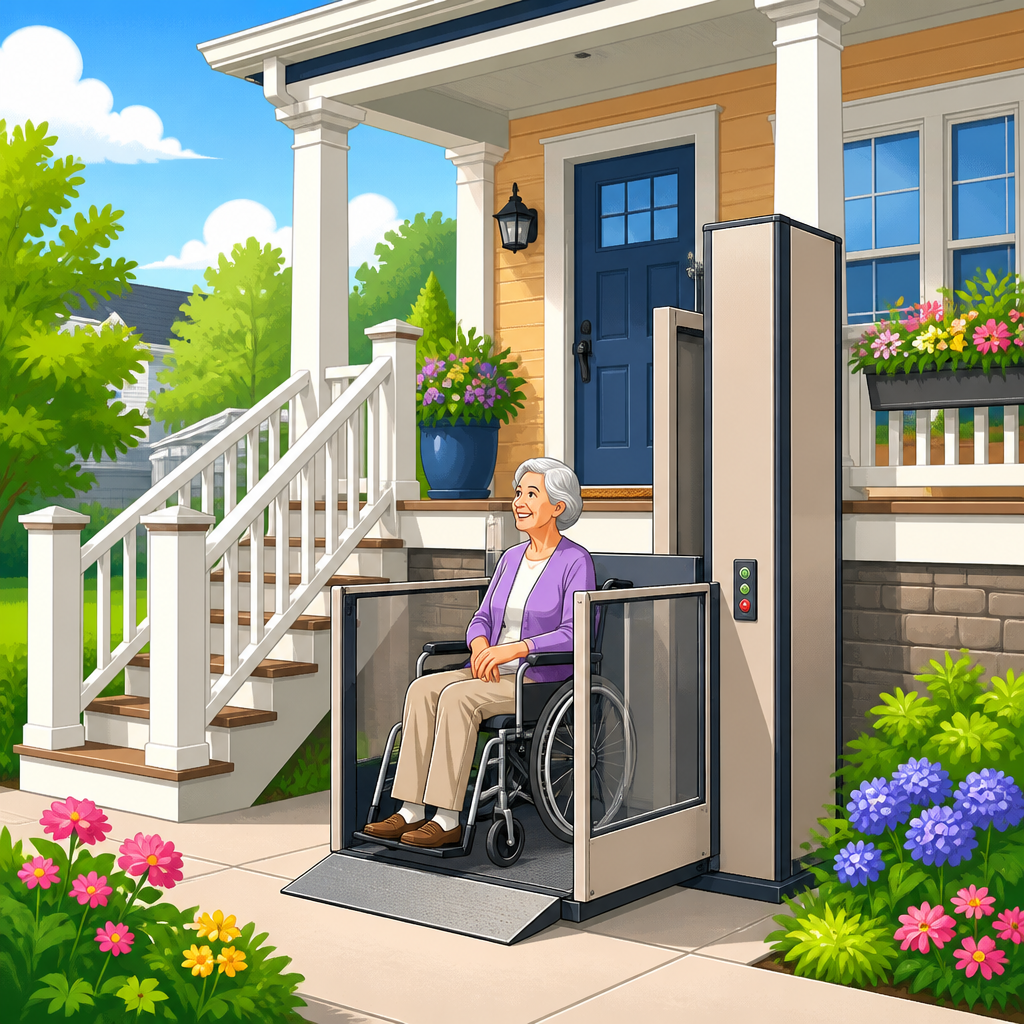
Vertical platform lifts for raised entryways and front porches give wheelchair users and people with limited mobility a safe, code-conscious way to overcome exterior stairs without rebuilding the entire entrance. A vertical platform lift, often called a VPL, is a motorized accessibility device that raises and lowers a passenger standing on a platform or seated in a wheelchair between two landing heights. In residential settings, the most common use is connecting ground level to a porch, deck, garage threshold, or front door landing that sits several feet above grade. I have worked with homeowners comparing ramps, stair lifts, and porch lifts, and the same question always comes up first: what solves access without consuming the whole yard or changing the look of the house? In many cases, a VPL is the most practical answer.
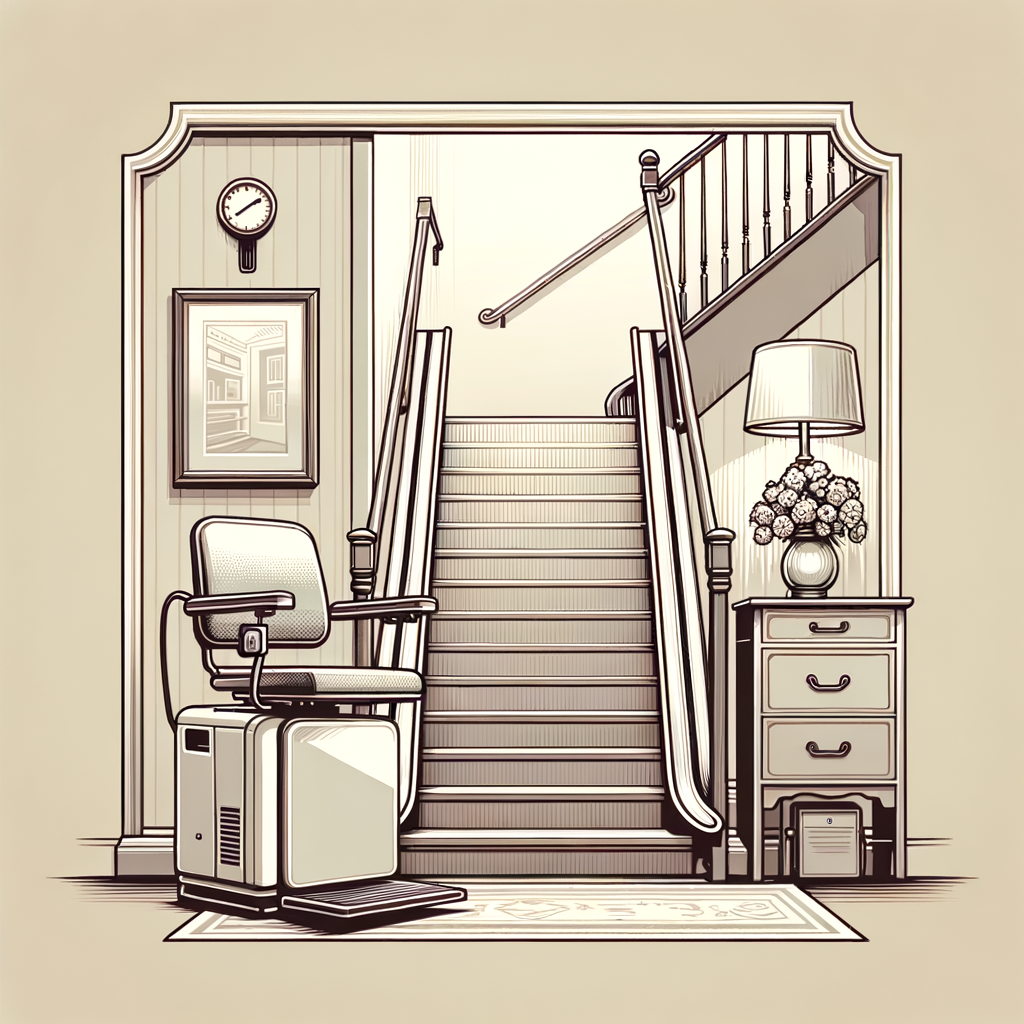
The key terms matter because they are often confused. A porch lift is usually a residential VPL installed outdoors. It is different from an inclined platform lift, which travels along a staircase, and different from a chair stair lift, which carries a seated rider on a rail. It is also different from a home elevator, which typically runs inside a shaft through multiple levels. Most residential VPLs serve rises of a few feet up to around twelve feet, depending on the model, local code requirements, and site conditions. They usually include constant-pressure controls, safety barriers, non-skid platforms, emergency stop functions, and battery lowering or backup features. Capacity commonly ranges from 500 to 750 pounds, with some heavy-duty commercial models going higher.
This topic matters because front-door accessibility is often the difference between independence and dependence. A safe entry route affects basic daily activities: getting to medical appointments, receiving visitors, handling deliveries, and evacuating during emergencies. Exterior ramps can work well, but ADA-style ramp slopes require significant run length. A thirty-inch rise can demand about thirty feet of ramp run before landings, which is unrealistic for many small lots. A VPL can solve that same rise within a compact footprint while preserving landscaping and reducing the physical effort required from the user and caregiver. For homeowners planning aging in place, a vertical platform lift can be one of the most effective accessibility investments because it addresses the entry point every single day.
As a hub article under chair lift types and designs, this guide covers how vertical platform lifts work, where they fit best, how they compare with ramps and stair lifts, what installation involves, what safety and code issues matter, and how to choose the right configuration. If you need a complete overview of vertical platform lifts for raised entryways and front porches, this is the starting point.
How Vertical Platform Lifts Work at Exterior Entrances
A residential VPL raises a platform vertically between two fixed landings using a drive system such as a hydraulic mechanism, lead screw, winding drum, or chain-driven assembly, depending on the manufacturer. Common residential brands in North America include Bruno, Harmar, Savaria, Garaventa, and AmeriGlide, though exact product lines vary by dealer network and region. The user rolls onto the platform, closes the gate or enters a guarded area, presses and holds the control, and rides up to the porch or down to grade level. Most systems use constant-pressure controls so the platform stops if the button is released, which reduces unintended movement. At the upper landing, an interlocked gate prevents roll-off until the lift is level and stopped.
For raised entryways, the platform size is critical. Standard residential platforms are often around 36 by 48 inches or 36 by 54 inches, but larger sizes are available for power wheelchairs and scooters. In practice, I advise clients to measure the mobility device actually used, not the manufacturer brochure dimensions alone. Footplate position, turning radius, joystick clearance, and caregiver space can all affect fit. Exterior models must also handle weather exposure, so powder-coated steel, aluminum components, sealed controls, and drainage-friendly flooring are important details. A unit that looks adequate on paper can become frustrating if the platform puddles, the gate swing conflicts with the storm door, or the call station sits where snow piles up.
Travel height determines both product choice and permitting complexity. Short-rise units for two to six feet of travel are common at front porches. Taller travel may require a more substantial enclosure, additional safety panels, or commercial-grade equipment. Some homeowners assume a VPL is simply bolted down and plugged in, but exterior lifts usually need a proper concrete pad, electrical service, and landing coordination. The best installations look straightforward because they were planned around circulation space, drainage, and approach angles from the start.
When a Porch Lift Is Better Than a Ramp or Stair Lift
The best use case for a vertical platform lift is a home with a raised porch or entry where stairs are the main barrier and space is limited. Compared with a ramp, a VPL uses far less horizontal space. Compared with a chair stair lift, it allows a wheelchair user to stay in the mobility device rather than transfer to a seat. That distinction is not minor. Transfers increase fall risk, often require caregiver help, and may be impossible for users with poor trunk control, severe arthritis, or paralysis. If the goal is independent front-door access in a wheelchair, a porch lift often becomes the preferred solution.
Ramps remain excellent where space allows, especially for users who want a passive system with no motor, no moving parts, and no electrical dependency. However, long ramps can dominate a façade, reduce parking clearance, and create maintenance issues with ice, snow, and leaf buildup. Stair lifts can cost less in some situations, but exterior stair lifts are mainly suited to users who can walk short distances or transfer safely. They do not carry many power wheelchairs or scooters, and they still leave the mobility device on one level unless a second device is stored at the top.
| Option | Best For | Main Advantage | Main Limitation |
|---|---|---|---|
| Vertical platform lift | Wheelchair or scooter users needing direct porch access | Compact footprint and no transfer required | Needs power, permitting, and equipment maintenance |
| Ramp | Sites with enough yard space and gradual approach room | No motorized equipment and simple daily use | Long run length for even modest rises |
| Exterior stair lift | Users who can transfer and sit safely | Can use existing stair path | Not ideal for staying in a wheelchair |
A real-world example illustrates the tradeoff. For a 42-inch porch rise, one homeowner I worked with had room for only ten feet from the front steps to the property line. A compliant-style ramp layout would have required switchbacks and guardrails that overtook the front garden and blocked the walkway. A weather-rated VPL installed beside the porch preserved the path to the door and gave the user direct access from the driveway to the landing. The result was safer and visually cleaner than the ramp concept.
Key Features to Evaluate Before You Buy
Not all vertical platform lifts are equally suited for front porches. Start with travel height, lifting capacity, platform dimensions, and drive type. Capacity should reflect the user plus mobility device plus any carried items. Many power wheelchairs weigh 250 to 450 pounds before the rider, so a 750-pound capacity lift provides a better real-world margin than a 500-pound model. Platform size should allow straightforward entry and exit without tight multi-point turns. If the lower approach is from a sidewalk and the upper exit is to the side, you may need a pass-through or adjacent-entry configuration rather than a straight-through layout.
Weather resistance matters more than many buyers expect. Ask whether the model is specifically rated for outdoor exposure, what the operating temperature range is, and how controls, hinges, and drive components are protected from moisture. In northern climates, snow accumulation and freeze-thaw cycles can affect gate latches, door interlocks, and drainage. In coastal areas, corrosion resistance becomes a priority, and stainless hardware or marine-grade finishes may justify the extra cost. In hot climates, direct sun can affect touch surfaces and electronics enclosures if the unit is not properly specified.
Control and safety features should be reviewed in detail. Standard expectations include obstruction sensing under the platform, emergency stop, keyed operation if needed, non-slip flooring, guard panels, and manual lowering capability in a power outage. Some manufacturers offer automatic folding ramps, remote call stations, and battery backup systems. I strongly recommend discussing who will use the lift in winter gloves, low light, or with limited hand strength. Large tactile controls and clear landing alignment indicators make a meaningful difference for daily usability, especially for older adults with vision or dexterity limitations.
Installation, Site Planning, and Code Considerations
Successful porch lift installation starts with a site assessment, not a product brochure. The installer should verify rise, clearances, slope, drainage, landing dimensions, structural support, and electrical access. The lower approach needs enough room for wheelchair maneuvering, and the upper landing must allow safe door operation without backing into the gate. If the entry door swings outward, the lift landing may need extra depth or the door may need hardware changes. Poor planning here is one of the most common reasons homeowners end up with awkward, unsafe access even after buying a high-quality unit.
Most exterior VPLs require a concrete pad or engineered foundation. The pad must be level and sized to the manufacturer’s anchoring requirements. Electrical service often involves a dedicated circuit, and outdoor disconnect requirements vary by jurisdiction. In many areas, a permit is required because the lift is an accessibility device with structural and electrical components. Installers may reference ASME A18.1, the safety standard that commonly governs platform lifts and stairway chairlifts in the United States, along with local building and residential code provisions. Requirements for gates, landing protection, travel height, pit depth, and enclosures can differ significantly between jurisdictions, so local permitting authority always controls.
Front-porch aesthetics should not be ignored. A well-integrated VPL can look intentional rather than improvised. Matching rail colors, coordinating skirting, screening mechanical components, and aligning the unit with existing porch posts can reduce the institutional appearance some homeowners fear. At the same time, appearance should never override function. I have seen projects where decorative panels trapped snow around the base or where custom gates narrowed the clear opening too much for a power chair. Good design balances curb appeal with turning space, service access, and safe drainage.
Maintenance, Reliability, and Long-Term Ownership Costs
A vertical platform lift is durable equipment, but it is not maintenance-free. Homeowners should expect periodic service for lubrication, fastener checks, limit adjustments, battery testing, gate interlock inspection, and general wear review. Most manufacturers specify regular maintenance intervals, and many dealers offer annual service plans. Exterior lifts especially benefit from proactive inspection because weather exposure accelerates wear. Leaves, ice, and grit can interfere with sensors or platform edges, and neglected drainage can lead to corrosion or slippery surfaces. The most reliable units are usually the ones kept clean, protected, and professionally serviced before problems appear.
Ownership cost includes more than the purchase price. Installation may involve concrete work, electrical upgrades, porch modifications, permits, and sometimes enclosure construction. Depending on model, rise, and site conditions, residential VPL projects often land well above the base catalog price homeowners see online. Operating costs are modest, but repair costs can rise if a unit sits outdoors without a cover, service contract, or seasonal upkeep. Replacement parts availability also matters. Established manufacturers with strong dealer networks typically provide better long-term support than imported, low-volume products with limited local service.
Reliability questions should be direct. Ask the dealer who performs service, average response time, warranty coverage, and whether loaner solutions exist if the lift is out of service. If the home has only one accessible entrance, downtime becomes a serious issue, not a minor inconvenience. I encourage clients to think of a VPL the way they think of a furnace or garage door opener: essential equipment that needs scheduled care. A slightly higher upfront investment in a better-supported model often pays off through lower disruption and safer daily use.
How to Choose the Right VPL for Your Home
The right vertical platform lift matches the user, the house, the climate, and the budget. Begin with a simple checklist: rise from grade to landing, mobility device dimensions, user weight, approach direction, door swing, exposure to weather, and whether independent use is required. Then evaluate manufacturers and local dealers based on site-specific recommendations rather than generic promises. A reputable dealer should measure, explain code implications, provide drawings or layout notes, and identify any needed carpentry or electrical work before the contract is signed. If a salesperson quotes a lift without discussing maneuvering clearance or permit requirements, that is a warning sign.
Also consider future needs. A manual wheelchair user today may transition to a larger power chair later. A spouse may become a secondary user. Deliveries, walkers, and oxygen equipment can change how the platform is used. Choosing a slightly larger platform or higher capacity at the start can prevent an expensive replacement later. For many households, the best VPL decision is not the cheapest model but the one that preserves independence with the fewest daily compromises. That is the central benefit of vertical platform lifts for raised entryways and front porches: they turn an inaccessible entrance into a routine, dignified path home.
If you are comparing accessibility options under the broader chair lift types and designs category, use this page as your starting hub, then gather site measurements and speak with a qualified local installer. The right porch lift is always the one designed around real use, real code, and real conditions.
Frequently Asked Questions
What is a vertical platform lift, and how does it work for raised entryways and front porches?
A vertical platform lift, or VPL, is a powered accessibility device designed to move a person in a wheelchair, scooter, or standing position straight up and down between two different landing heights. For raised entryways, front porches, decks, and small exterior stair runs, it creates a practical alternative to climbing steps. Instead of requiring a long ramp or a major structural rebuild, the lift uses a platform, drive system, safety gates, and simple controls to provide direct access from ground level to the porch or entry landing.
In a typical residential application, the user rolls or steps onto the platform at the lower landing, activates the controls, and the lift travels vertically to the upper stop. Safety features usually include non-skid platform surfaces, guard panels, obstruction sensors, emergency stop controls, and interlocked gates that help keep the lift secure during travel. Many units are built for outdoor use and can be configured to serve a front porch, side entrance, garage entry, or back deck.
Homeowners often choose a VPL when exterior stairs create a daily access barrier but space limitations make a ramp impractical. Because the lift travels vertically, it can fit in a much smaller footprint than a code-compliant ramp, which may need a substantial run and multiple landings depending on the rise. For many homes, that makes a vertical platform lift one of the most efficient ways to provide safer, more independent access without completely redesigning the entrance.
When is a vertical platform lift a better choice than a ramp for a front porch or raised entrance?
A vertical platform lift is often the better choice when the entry height is significant and the available yard or walkway space is limited. A ramp must follow slope requirements and landing rules, which means even a modest rise can demand a surprisingly long structure. On a small front lot, narrow side yard, or home with landscaping, setbacks, or porch constraints, fitting a functional ramp may be difficult or visually overwhelming. A VPL solves the same access issue in a much more compact area by lifting the user straight up to the landing.
It can also be the better option when homeowners want to reduce the amount of structural change to the property. Building a ramp may involve removing stairs, extending walkways, altering railings, regrading terrain, or adding switchbacks and landings. A vertical platform lift can often be integrated alongside an existing porch or stair system with less disruption. That makes it appealing for homes where preserving curb appeal or minimizing construction is important.
From a usability standpoint, many people also find a lift easier to manage than a long ramp, especially if the slope distance would be tiring for manual wheelchair users or caregivers. A VPL can provide a more direct route and may improve day-to-day convenience in bad weather, which matters at a front entrance that gets frequent use. The right choice still depends on the home, the user, and local code requirements, but when space, elevation, and ease of use are key concerns, a vertical platform lift is often the more practical residential solution.
Are outdoor vertical platform lifts safe and code-conscious for residential use?
Yes, when properly selected, installed, and maintained, outdoor vertical platform lifts are designed to be a safe and code-conscious accessibility solution for residential properties. Reputable manufacturers build exterior-rated VPLs to handle weather exposure and to include important safety systems such as platform barriers, gate interlocks, emergency stop buttons, constant-pressure controls, and sensors that can stop the lift if an obstruction is detected. These features are intended to protect the rider during boarding, travel, and exit at the upper landing.
Code-conscious installation is just as important as the equipment itself. A lift must be installed on an appropriate foundation or pad, with the correct clearances, landing configurations, electrical supply, and gate arrangements. The upper landing and lower approach area should allow safe wheelchair maneuvering, and the porch or entry structure must be capable of integrating with the lift as designed. Local building codes, permitting rules, and inspection requirements can vary by jurisdiction, so homeowners should work with experienced accessibility professionals who understand residential applications and local compliance expectations.
It is also important to understand that “safe” depends on proper use and ongoing service. Like any mechanical accessibility system, a VPL should be used according to manufacturer instructions and inspected at recommended intervals. Routine maintenance helps ensure dependable operation, especially in outdoor conditions where moisture, debris, and temperature changes can affect moving components. With quality equipment, professional installation, and regular service, an exterior vertical platform lift can provide reliable and secure access for years.
What should homeowners consider before installing a vertical platform lift on a porch or entryway?
Before installation, homeowners should look at the total rise from ground level to the finished porch or threshold, the available space around the stairs, and how the user will approach and exit the lift. These details affect lift size, platform configuration, gate placement, and whether additional site work will be needed. The goal is not just to make the lift fit, but to make the entire path of travel comfortable, safe, and intuitive for the person using it every day.
Structural and site conditions matter as well. The lift may need a concrete pad or other engineered base, and the porch or deck may require modifications to accommodate the upper landing gate and entry alignment. Drainage, snow exposure, and weather protection should be evaluated for outdoor units. Power requirements are another consideration, since many lifts need a dedicated electrical connection. In some homes, the best location may be at the front porch, while in others a side or garage entrance offers easier installation and more sheltered operation.
Homeowners should also think about long-term usability. Questions worth asking include who will use the lift, how often it will be used, whether a scooter or larger wheelchair needs extra platform space, and whether caregivers will be assisting. Appearance and resale concerns can also influence the design approach. Most importantly, choose a qualified dealer or contractor with experience in residential accessibility equipment, permits, and site assessment. A thorough evaluation upfront helps prevent costly changes later and leads to a lift installation that truly improves daily access.
How much maintenance does a vertical platform lift need, and how long do residential units typically last?
Residential vertical platform lifts generally require routine maintenance rather than constant attention, but that maintenance is essential for safe and dependable performance. Because the lift includes moving parts, electrical components, safety devices, and weather-exposed surfaces in outdoor settings, it should be inspected and serviced on a regular schedule recommended by the manufacturer and installer. Typical maintenance may include checking controls, gates, drive components, batteries if applicable, safety circuits, lubrication points, and the overall condition of the platform and enclosure areas.
Outdoor lifts often need a little more attention than indoor models due to rain, humidity, windblown debris, freezing temperatures, and seasonal wear. Keeping the lift clean, ensuring drainage remains clear, and addressing minor issues early can help avoid larger service problems. Homeowners should also be alert to changes in operation, such as unusual noises, slower travel, gate issues, or intermittent controls, and schedule service promptly if anything seems off. Preventive maintenance is usually far less expensive and disruptive than waiting for a breakdown.
As for lifespan, a well-built residential VPL can often provide many years of service when correctly installed and properly maintained. Actual longevity depends on usage frequency, climate, product quality, and service history. A lift used multiple times every day in harsh outdoor conditions will naturally experience more wear than one used occasionally in a sheltered setting. Choosing a reputable manufacturer, following the maintenance plan, and working with a responsive local service provider are the best ways to maximize durability and keep the lift operating reliably over the long term.