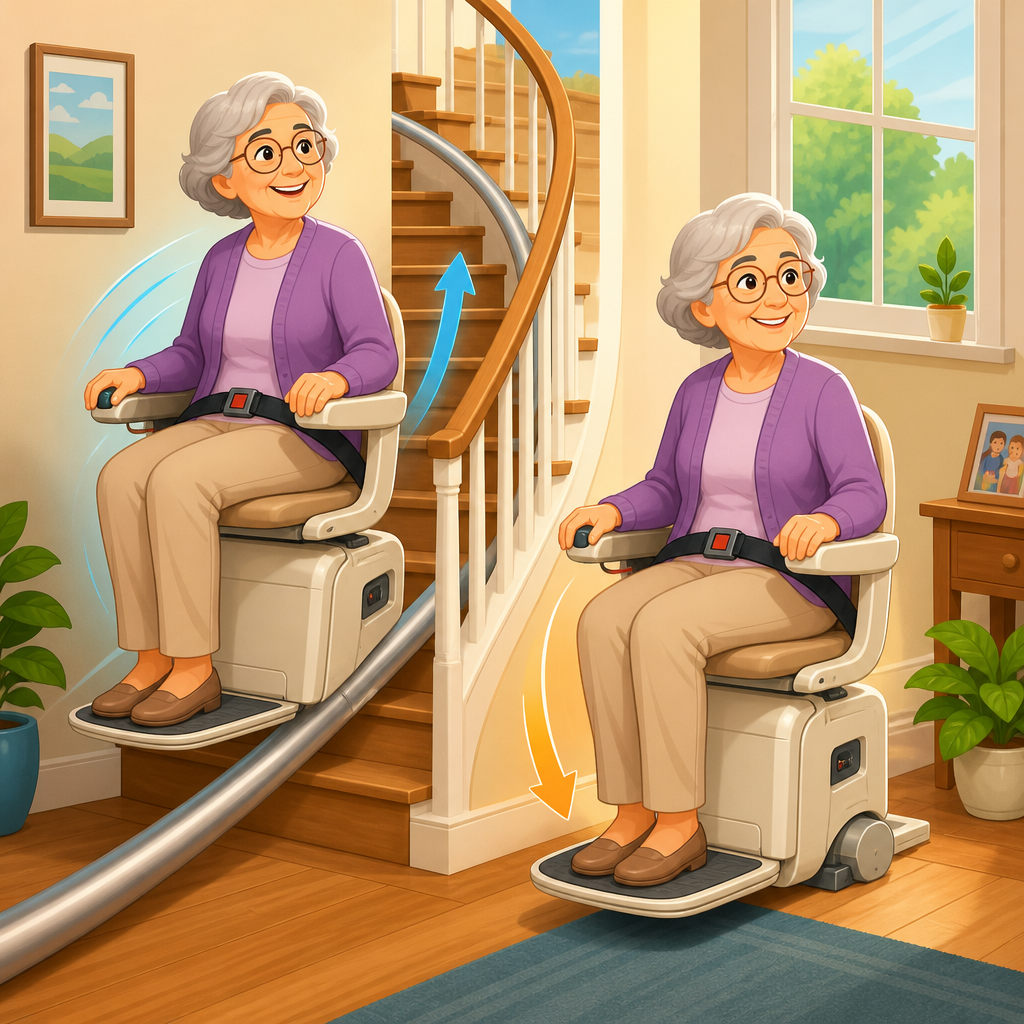
Soft start and soft stop are two of the most important stair lift safety features because they control how the chair begins moving and how it comes to rest, reducing jolts, improving rider stability, and lowering mechanical stress on the lift. In simple terms, soft start means the motor accelerates gradually instead of jumping to full speed, while soft stop means the lift decelerates smoothly before it reaches the charging point or track end. For anyone researching stair lift safety features explained in practical language, these two functions are foundational: they affect user confidence, comfort, transfer safety, and long-term reliability more than many buyers realize.
In day-to-day use, I have seen the difference immediately when testing lifts in homes with older adults recovering from surgery, people with Parkinson’s disease, and riders with limited trunk strength. A stair lift that starts abruptly can pitch the body backward; one that stops sharply can throw a rider forward just as they prepare to stand. Those movements may seem minor to an able-bodied person, but for someone with arthritis, balance impairment, osteoporosis, or a recent hip replacement, they can feel alarming and unsafe. That is why soft start and soft stop should not be treated as marketing extras. They are core movement-control systems that make a stair lift easier to trust and easier to use consistently.
As a hub page under maintenance, troubleshooting, and safety, this guide explains how soft start and soft stop work, why they matter, what components make them possible, how they interact with other stair lift safety features, and what owners should check if ride quality changes over time. Understanding these systems helps buyers compare models more effectively, helps family caregivers ask better questions, and helps current owners recognize when service is needed before a comfort issue becomes a safety issue.
What soft start and soft stop actually do
Soft start and soft stop are motion-control functions built into the stair lift’s drive and control system. Their job is to manage acceleration and deceleration so the chair moves in a controlled curve rather than an abrupt on-off pattern. Most modern battery-powered stair lifts use a DC motor, gearbox, and electronic control board. When the rider presses the armrest toggle or remote, the controller does not instantly deliver full torque. Instead, it increases power in stages over a brief period, often fractions of a second to a few seconds depending on the model. On approach to the end of the rail, the controller reduces motor output in the same measured way.
This matters because the human body reacts strongly to changes in motion, not just to speed itself. Even a stair lift moving at a modest pace can feel harsh if acceleration is sudden. The same principle applies in elevators, cars, and trains. Engineers call this jerk control: minimizing the rate of change in acceleration. Better jerk control produces a smoother ride, and smoother rides improve both safety and perceived stability. In residential accessibility equipment, that smoothness is not cosmetic. It directly supports safer seated posture and safer transfers on and off the chair.
Soft start and soft stop also help keep the chair aligned and settled when a rider is using the seat belt, footrest, and armrests for support. During boarding and dismounting, many users rely on predictable motion. A stair lift that glides into position rather than lurching into it makes the transfer less intimidating. That is especially important on narrow staircases, at top landings where space is limited, and in homes where one caregiver is assisting from the side.
Why smoother motion improves stair lift safety
The biggest safety benefit is stability of the rider. Sudden acceleration can shift a user’s center of gravity backward into the seat, while sudden stopping can pull the torso forward. For riders with weak core muscles, vestibular disorders, neuropathy, or post-stroke deficits, these forces can trigger loss of balance, anxiety, or involuntary bracing. Bracing often leads people to grip the armrests tightly or plant their feet poorly, which increases fatigue and can complicate transfers at the landing.
Soft stop is particularly important at the top landing, where the consequences of instability are highest. If a lift stops sharply at the upper floor, a rider may feel pitched toward the staircase edge just before standing. A smooth deceleration gives the body time to prepare, maintain alignment, and shift weight safely. In many installations, the seat also swivels at the top to move the rider away from the stair opening. That swivel feature is safer when the chair has already come to rest gently, without a final jolt.
Smoother movement also supports cognitive confidence. Many stair lift users are initially hesitant, especially after a fall or hospitalization. In my experience, confidence improves faster when the first ride feels predictable. Families often focus on visible safety components such as seat belts, obstruction sensors, and lockable controls. Those are essential, but confidence often rises or falls on ride quality. If the chair starts and stops gently every time, the user is more likely to continue using it independently, which reduces stair-related fall risk throughout the home.
How soft start and soft stop systems work inside a stair lift
Several components work together to create smooth motion. The motor provides rotational force. The transmission or gearbox converts that force into controlled movement along the rail, often through a rack-and-pinion drive system. The batteries supply consistent low-voltage power, usually 24 volts in many residential models. The control board acts as the system brain, interpreting commands and regulating power delivery. Limit switches, position sensors, and final charge contacts tell the controller where the chair is and when it should begin slowing down.
On well-designed lifts, the control board ramps voltage or pulse-width modulation gradually, preventing a hard surge. Deceleration is triggered before the end point, not at the exact stop position, so the chair can glide into place. Premium units may also coordinate braking logic with motor control to avoid a grabby stop. Mechanical condition matters too. Worn gears, contaminated rails, weak batteries, or a dragging carriage can make even a properly programmed lift feel rough. That is one reason routine stair lift maintenance is inseparable from safety performance.
Battery condition is frequently overlooked. Because most modern lifts run on batteries that charge at the rail ends, they can still operate during a power outage. However, aging batteries may not deliver current smoothly under load. I have inspected lifts where owners described the ride as jerky, and the underlying issue was not the controller at all but battery voltage sag. Replacing the battery pair restored the expected soft start characteristics. Good diagnostics require checking electrical and mechanical causes together.
How soft motion compares with other stair lift safety features
Soft start and soft stop are only part of a complete stair lift safety package, but they influence how effectively other features perform. The table below shows how these systems work alongside the most common protective elements found on modern residential lifts.
| Safety feature | What it does | How it works with soft start and soft stop |
|---|---|---|
| Seat belt | Keeps the rider positioned in the chair during travel | Reduces abrupt body movement against the belt, improving comfort and posture |
| Footrest obstruction sensors | Stop the lift if the footrest contacts an object on the stairs | Smoother motion helps the rider stay calm and balanced if an automatic stop occurs |
| Swivel seat lock | Locks the seat in travel and transfer positions | Gentle stopping improves stability before the rider swivels to exit |
| Overspeed governor or braking system | Prevents uncontrolled descent | Normal soft deceleration reduces unnecessary stress on braking components |
| Call/send controls | Move the lift without a seated rider | Smooth starts and stops reduce rail vibration and noise during remote operation |
| Track overruns | Carry the chair beyond the staircase edge at top or bottom | Controlled deceleration makes entry and exit on the overrun safer |
When buyers ask which single feature matters most, the honest answer is that safety comes from layers. Seat belts restrain, sensors detect, brakes protect, and track overruns improve transfer position. Soft start and soft stop are the movement layer that ties those protections together. They make the ride feel intentional rather than abrupt, which is why they belong in every serious discussion of stair lift safety features explained for homeowners.
Who benefits most from soft start and soft stop
Nearly every stair lift user benefits, but some groups benefit disproportionately. People with arthritis feel less joint strain when the chair does not jerk. Riders with spinal pain or recent orthopedic surgery experience less discomfort from sudden motion. Users with Parkinson’s disease or multiple sclerosis often tolerate gradual acceleration better because rigid or fatigued muscles react poorly to sharp starts. People with limited balance, visual impairment, or anxiety also gain a meaningful sense of control from predictable movement.
Soft stop is especially valuable for users who have difficulty with sit-to-stand transitions. Standing up from a seated position already requires coordination of feet, trunk, and arm support. If the chair has just ended travel with a bump, that transition becomes harder. A smooth arrival gives the rider a moment to reset posture, release the travel control, swivel if applicable, and stand deliberately. In caregiver training, this is one of the first practical differences families notice between an older or entry-level lift and a better-tuned modern model.
Heavier users can benefit as well. Increased body mass can amplify perceived momentum during starts and stops, even when the lift remains within its rated capacity. A chair that accelerates gently feels more secure and reduces the sense of being tugged along the rail. That is one reason heavy-duty stair lifts should be evaluated not only for weight rating and seat width but also for ride-control quality.
Maintenance, troubleshooting, and signs of trouble
If a stair lift that once rode smoothly begins lurching, slowing unpredictably, or stopping harshly, the issue should be inspected promptly. Common causes include aging batteries, dirty charge contacts, rail contamination, loose gear engagement, worn rollers, controller faults, or misadjusted limit points. In straight stair lifts, symptoms may appear only near the top or bottom if the slowdown zone is not being sensed consistently. In curved stair lifts, irregular motion may point to rail alignment, programming, or carriage wear that requires manufacturer-specific service.
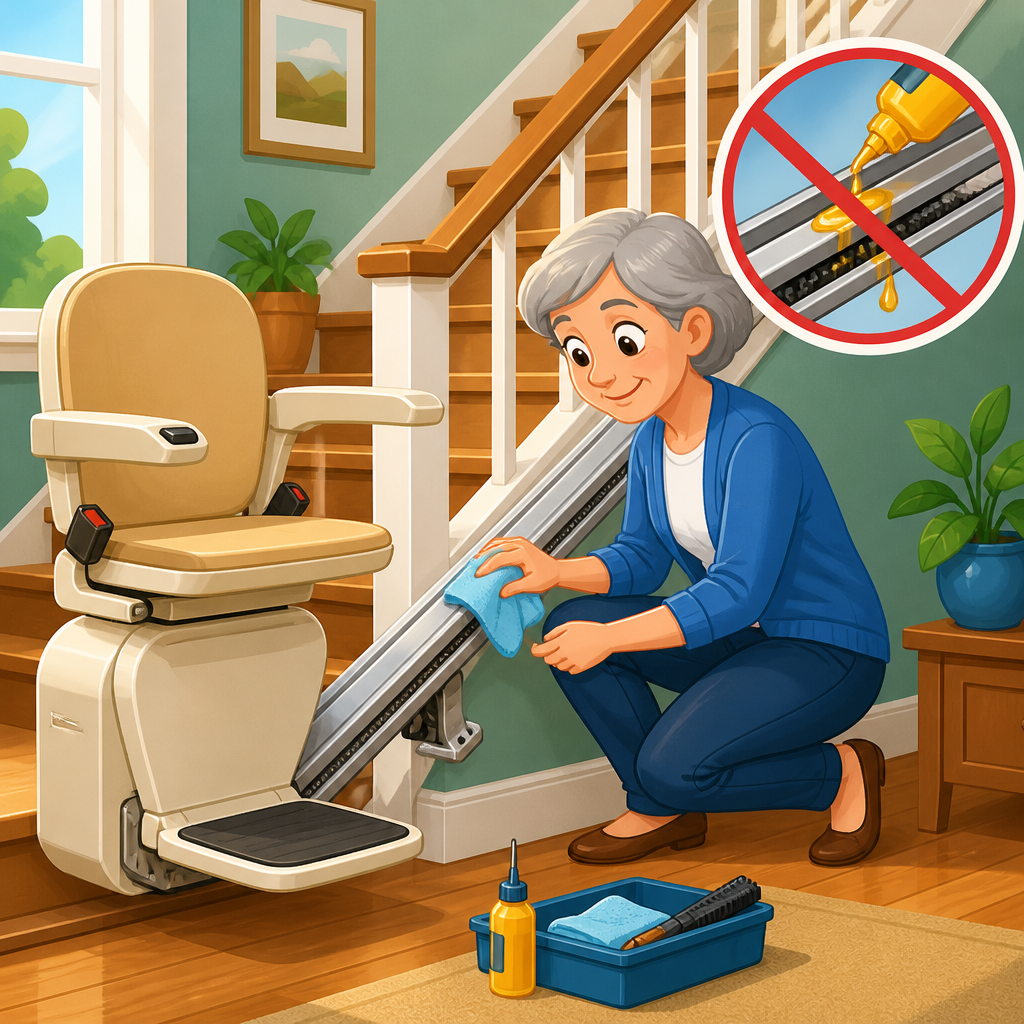
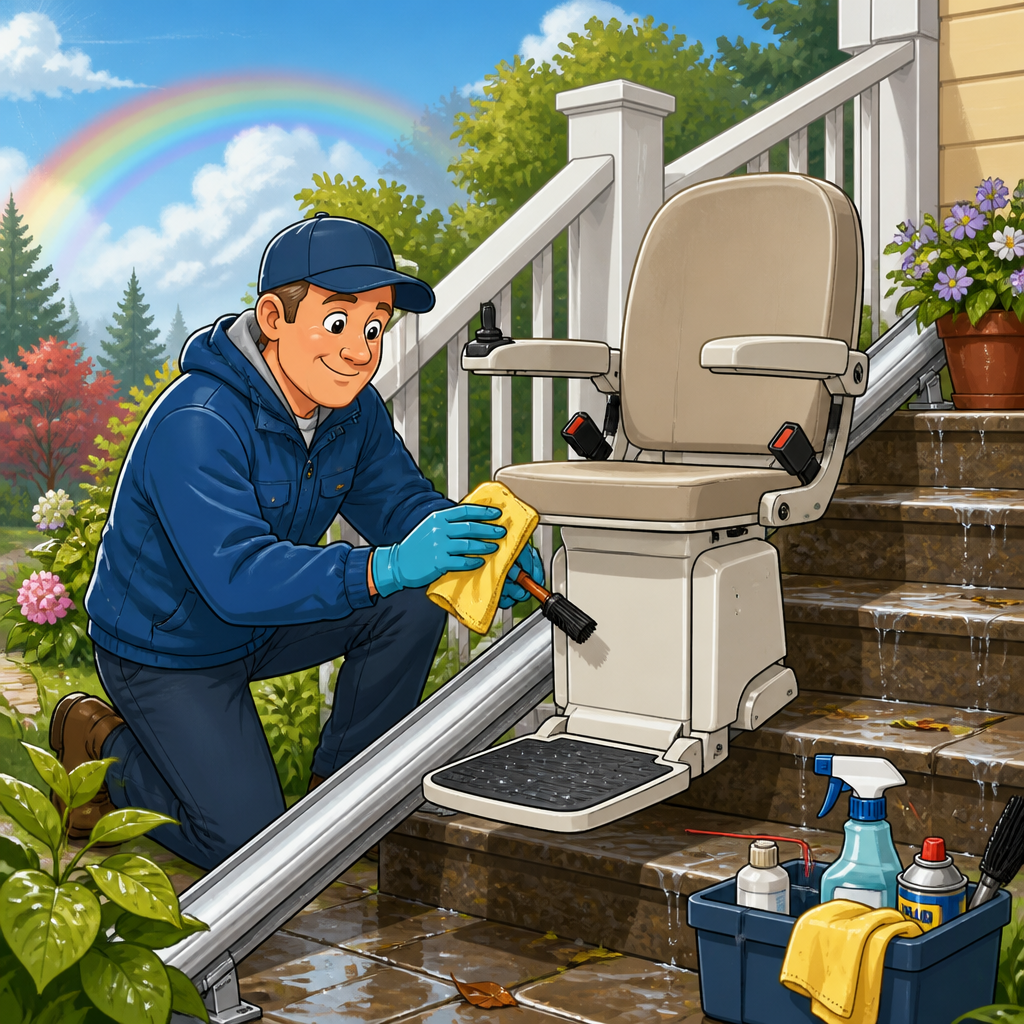
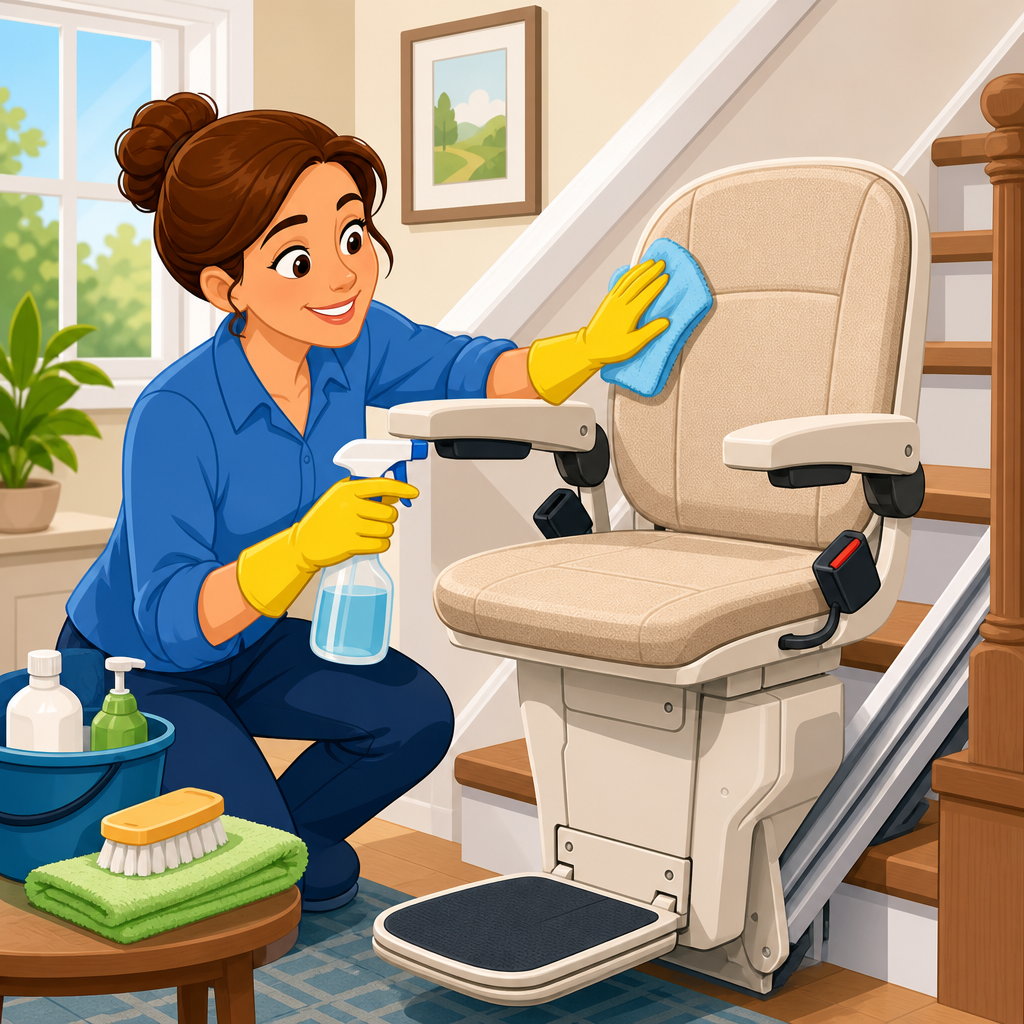
Owners can perform basic checks without opening the machine. Listen for changes in motor sound. Watch whether the lift pauses before moving. Confirm that it charges correctly at the parking point. Look for blinking diagnostic lights if the model has them. Keep the rail clean according to the manufacturer’s instructions, but do not apply random lubricants unless the manual specifically allows them. I have seen more than one lift develop ride problems after a well-meaning owner sprayed household lubricant on a rail designed to stay dry.
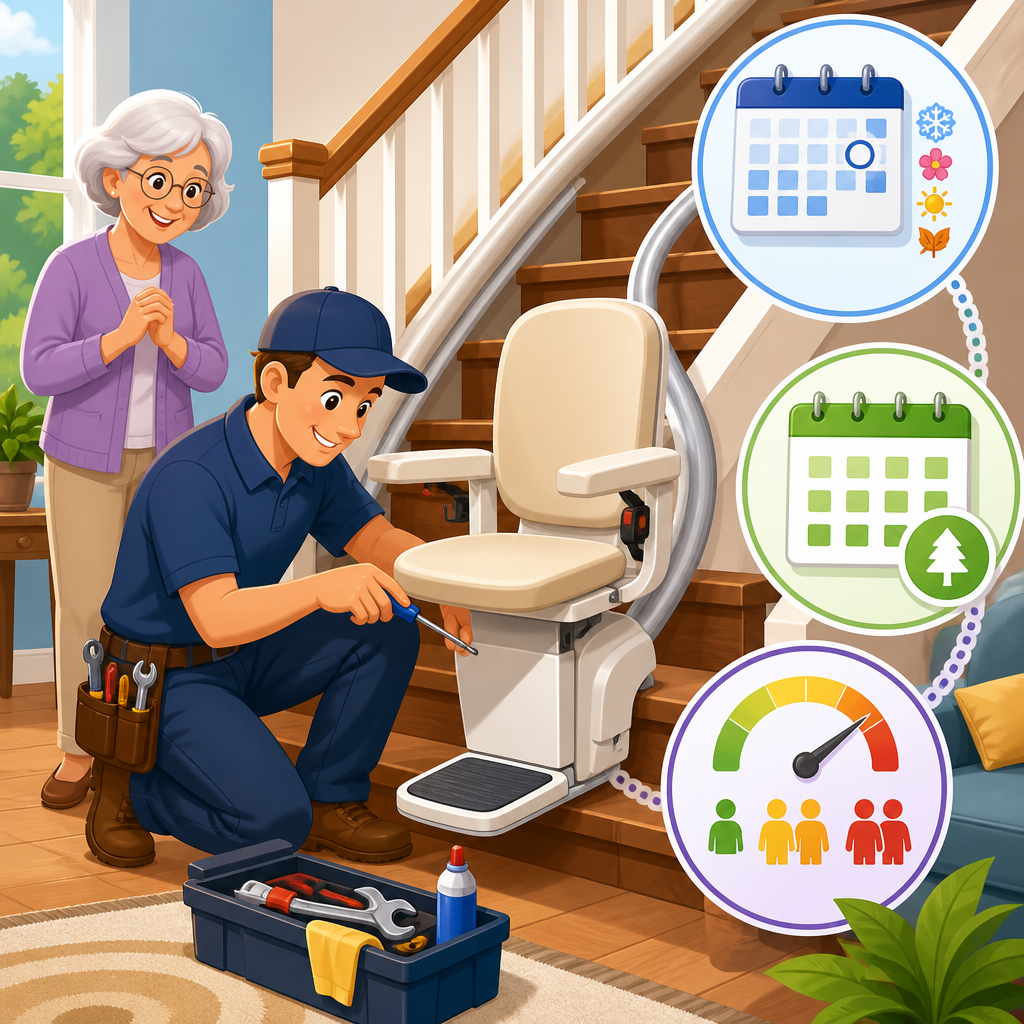
Professional service should include battery testing under load, inspection of the gearbox and drive pinion, sensor verification, seat swivel lock checks, footrest safety edge testing, and confirmation that start-stop behavior matches factory settings. Annual servicing is the minimum many manufacturers recommend, though heavy-use homes may need more frequent attention. If the rider reports a new jolt, do not dismiss it as normal aging of the unit. Ride quality is a safety signal.
How to evaluate these features when choosing a stair lift
When comparing stair lifts, ask the dealer to demonstrate a full trip with a person seated, not just empty operation. Empty chairs can appear smooth while loaded performance reveals more. Pay attention to the first second of movement and the last second before stopping. Ask whether acceleration and deceleration are electronically controlled, how the unit behaves during low battery conditions, and whether the model has diagnostic capabilities that help technicians maintain ride quality over time.
Request details on warranty coverage for batteries, motor, gearbox, and control board because those parts directly affect soft start and soft stop performance. If possible, test more than one brand. Bruno, Harmar, Handicare, and Stannah, for example, all offer models with smooth ride characteristics, but feel can differ based on rail design, seat geometry, weight distribution, and controller tuning. The best choice is the one that matches the user’s body, transfer ability, staircase layout, and service availability in your area.
Also consider the installation environment. Narrow staircases, multi-user households, pets, and frequent call/send use all increase the value of predictable movement and reliable sensors. A good dealer should explain how the lift’s movement profile, track overrun options, and seat features support safe boarding at both landings. If that explanation is vague, keep asking. A stair lift is not just a motor on a rail; it is a medical-access device used in a fall-risk area of the home.
Soft start and soft stop improve stair lift safety and comfort by controlling motion where users feel it most: the instant the chair begins to move and the moment it comes to rest. Those brief phases influence balance, confidence, transfer safety, and wear on the equipment. When combined with seat belts, obstruction sensors, swivel seats, reliable brakes, and proper track design, smooth acceleration and deceleration create a safer and more usable lift for everyday life.
For buyers, the key lesson is straightforward: do not evaluate a stair lift on appearance or weight capacity alone. Test the ride, ask how movement is controlled, and compare how different models handle starts and stops. For current owners, treat any new jerkiness, hesitation, or hard stopping as a maintenance issue worth addressing quickly. In accessibility equipment, comfort is often an early indicator of safety.
If you are building out your understanding of stair lift safety features explained across maintenance, troubleshooting, and home access planning, use this page as your starting point and review related guidance on batteries, sensors, seat functions, rail design, and service intervals before making a final decision.
Frequently Asked Questions
What do soft start and soft stop mean on a stair lift?
Soft start and soft stop describe how a stair lift begins and ends its travel. With a soft start system, the stair lift does not jerk into motion the moment the user presses the control. Instead, the motor increases speed gradually, allowing the chair to ease into movement. Soft stop works the same way at the end of the ride, slowing the chair down in a controlled manner before it reaches the charging point or the end of the rail. Together, these features create a smoother, more predictable ride.
These functions are especially important because stair lifts are often used by people with limited balance, joint pain, reduced mobility, or medical conditions that make sudden movement uncomfortable or risky. A lift that starts too abruptly can shift the rider backward or forward unexpectedly. A lift that stops too suddenly can be just as unsettling. Soft start and soft stop help reduce those sensations, making the stair lift feel safer, more stable, and easier to trust with regular use.
How do soft start and soft stop improve stair lift safety?
Soft start and soft stop improve safety by reducing sudden jolts that can affect rider balance and confidence. Many stair lift users are older adults or individuals recovering from injury, and even a minor lurch can feel significant when seated on a moving chair along a staircase. By controlling acceleration and deceleration, these features help the rider remain centered in the seat and better supported by the armrests, footrest, and seat belt.
They also improve safety during transfers on and off the lift. When the chair slows smoothly before stopping, the rider is not caught off guard by an abrupt halt. That makes it easier to prepare for standing up, swiveling the seat if the model includes that function, and stepping off in a controlled way. In real-world use, comfort and safety are closely linked. A stair lift that feels smooth is often one that inspires better posture, calmer use, and greater confidence, all of which contribute to safer operation over time.
Do soft start and soft stop make a stair lift more comfortable to use every day?
Yes, very much so. Daily comfort is one of the biggest reasons people appreciate these features. Without soft start and soft stop, the ride can feel abrupt at both ends, even if the lift is technically functioning correctly. That sudden motion may be uncomfortable for users with arthritis, back pain, hip or knee issues, muscle weakness, or general sensitivity to movement. A smoother takeoff and landing make the ride feel gentler and less physically demanding.
Comfort matters because stair lifts are often used multiple times per day. A person may ride the lift in the morning, throughout the day, and again at night. If each trip feels stable and controlled, the lift becomes easier to rely on and less intimidating to use consistently. Over time, this can make a meaningful difference in preserving independence at home. For many households, the best stair lift is not just one that moves a person upstairs, but one that does so in a way that feels calm, secure, and comfortable every single time.
Can soft start and soft stop help reduce wear and tear on the stair lift?
Yes. In addition to improving the rider experience, soft start and soft stop can help reduce mechanical stress on the stair lift system. When a machine jumps immediately to full movement or stops too abruptly, more strain can be placed on components such as the motor, drive system, transmission, and rail-mounted carriage. Gradual acceleration and deceleration help distribute that force more evenly, which can support smoother operation over the long term.
While regular maintenance is still essential, these features may contribute to less harsh day-to-day use. That can be beneficial for both reliability and longevity, especially in homes where the stair lift is used frequently. It also often translates into quieter, more refined performance. Homeowners comparing stair lift models should remember that ride quality is not only about comfort in the moment; it can also reflect how thoughtfully the equipment is engineered to handle repeated use with less unnecessary strain.
Are soft start and soft stop standard on all stair lifts, and should buyers ask about them?
Not every stair lift offers the same ride quality, so buyers should absolutely ask about soft start and soft stop when comparing models. Many modern stair lifts include these features, but performance can vary depending on the manufacturer, motor control system, and overall build quality. Two lifts may both advertise smooth travel, yet one may deliver noticeably gentler acceleration and braking than the other. That is why a demonstration or professional consultation can be so valuable.
When shopping for a stair lift, it is wise to ask specific questions: How smoothly does the chair start moving? Does it slow down gradually before stopping? Is the ride designed for users with balance concerns or joint sensitivity? In addition to checking core safety features such as seat belts, obstruction sensors, swivel seats, and battery backup, buyers should pay close attention to ride behavior. Soft start and soft stop are not minor extras. They are important features that directly affect safety, comfort, confidence, and overall satisfaction with the lift.