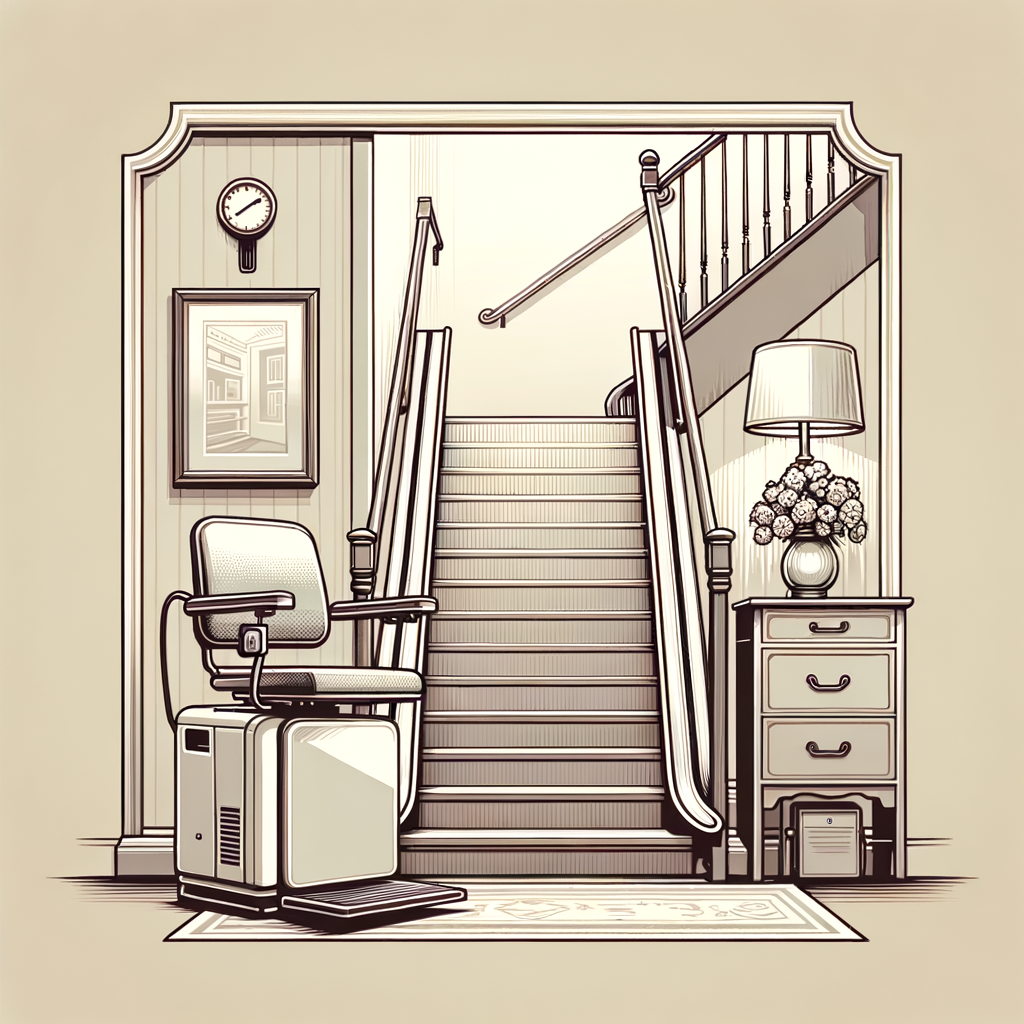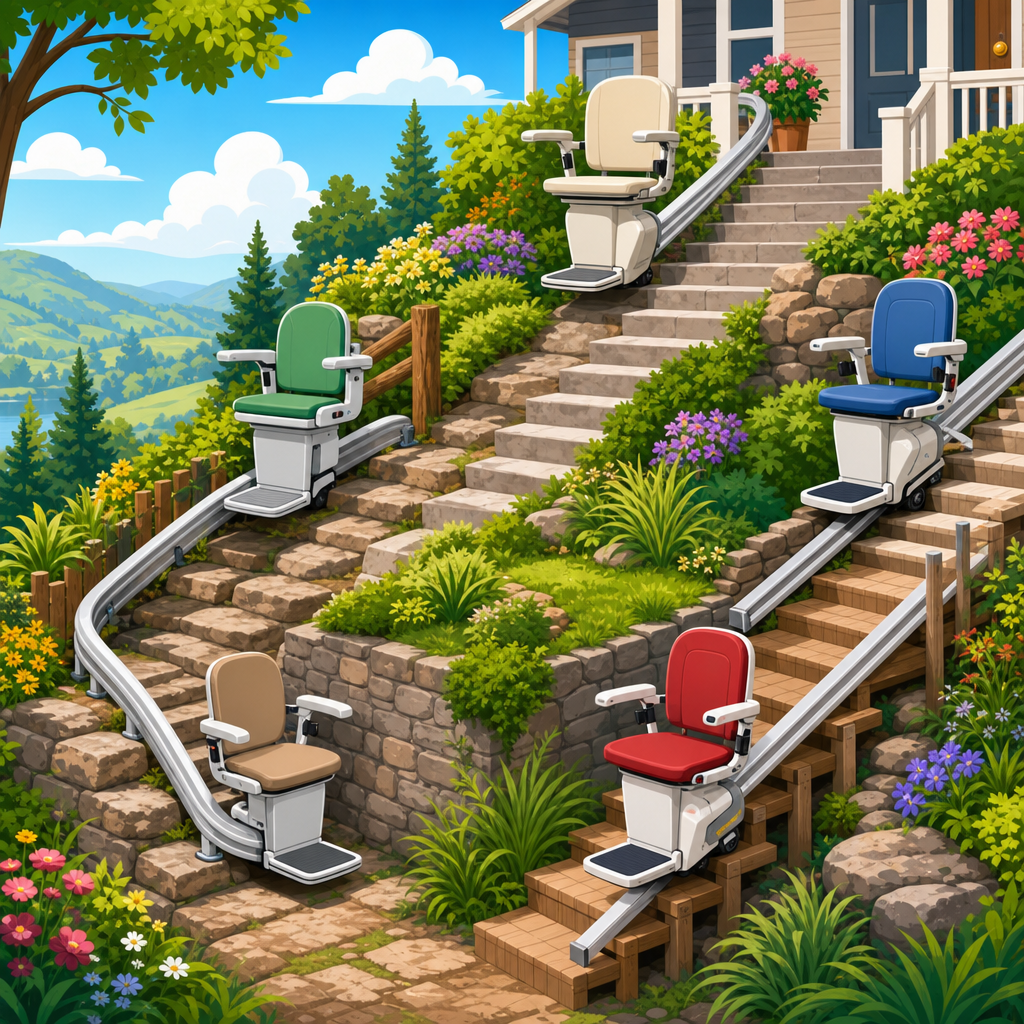
Outdoor stair lifts for uneven terrain solve one of the hardest mobility problems around the home: reaching a porch, garden path, dock, or driveway when the route includes variable rises, landings, curves, or weather exposure. In practical terms, an outdoor chair lift is a powered seat that travels along a rail fixed to stairs, while “uneven terrain” usually means stair runs that are not straight, include intermediate platforms, change pitch, or sit in environments where drainage, frost, salt air, and debris can affect reliability. I have evaluated these systems on residential projects where a standard straight lift would have failed, and the difference between a durable installation and a frustrating one almost always comes down to terrain analysis, rail design, and environmental protection. This guide covers the top 5 outdoor stair lifts for uneven terrain, explains which layouts they fit best, and serves as a central resource for outdoor chair lifts under the broader chair lift types and designs category. If you need a starting point, the short answer is simple: curved and modular outdoor stair lifts outperform basic straight models when the approach is irregular, but the best choice depends on stair geometry, exposure level, weight requirements, and service support in your area.
Why this matters is straightforward. Falls on exterior steps are more common than many homeowners realize, especially where surfaces stay damp, where riser heights vary, or where users rely on canes or walkers before transferring to a seat. Outdoor systems must do more than move someone from point A to point B. They have to maintain traction and braking in rain, resist corrosion, handle temperature swings, and allow safe entry and exit at top and bottom landings that are rarely as tidy as indoor stairs. Cost also matters because uneven terrain often pushes buyers toward custom rails, and a poor specification can add thousands in avoidable fabrication or sitework charges. The goal of this hub article is to make those tradeoffs clear, show where each leading model fits, and help you compare outdoor chair lifts with confidence before you request quotes or schedule a home assessment.
What makes an outdoor stair lift suitable for uneven terrain
The best outdoor stair lifts for uneven terrain share five traits: weatherproof construction, adaptable rail engineering, stable power and charging, safe transfer points, and dealer-backed service. Weatherproofing starts with marine-grade or powder-coated components, sealed controls, UV-resistant upholstery, and a fitted cover. Adaptable rail engineering is even more important. On a perfectly straight staircase, many brands can perform well. On uneven terrain, however, you need a system that can accommodate bends, changing elevations, offset starts, or narrow upper landings without forcing the user into an awkward transfer. Safe transfer points often require powered swivel seats, overruns, or hinged rails so the rider can mount and dismount on level ground rather than directly above an exterior drop.
From field experience, the site survey determines almost everything. A proper survey should record stair width, riser consistency, tread depth, handrail interference, gate swing, drainage paths, nearby electrical access, and the amount of direct sun, wind, or freeze-thaw exposure. Installers should also inspect whether the stair stringers and landing surfaces are structurally sound enough for rail brackets. Outdoor chair lifts mount to the stairs, not the wall, but damaged masonry, loose timber, or shifting concrete can still create alignment and vibration problems. If the path is actually a hillside or garden slope without true steps, you may need an inclined platform lift, hillside tram, or home elevator instead. That distinction saves time and prevents comparing products designed for different use cases.
Top 5 outdoor stair lifts for uneven terrain
These five systems consistently stand out for outdoor chair lifts where the stair layout is challenging. They are not identical, and that is the point. The right model depends on whether you need a custom curved rail, a heavy-duty seat, narrow staircase compatibility, or strong dealer support for exposed environments.
| Model | Best for | Notable strength | Typical limitation |
|---|---|---|---|
| Bruno Elite Outdoor Curved | Complex curves and premium fit | Custom rail precision and strong weather package | Higher price and longer lead time |
| Handicare Freecurve Outdoor | Tight bends and narrow staircases | Very compact single-tube rail geometry | Customization requires exact survey data |
| Stannah Outdoor Curved | Refined ride quality and dealer service | Smooth starts, stops, and strong safety integration | Availability varies by region |
| Harmar Helix Outdoor | Heavy users and robust drive performance | High capacity options and continuous charge design | Needs adequate stair width |
| Access BDD Outdoor | Outdoor straight runs with variable landings | Dependable platform positioning and outdoor resilience | Less suitable for highly intricate curves |
1. Bruno Elite Outdoor Curved: Bruno is one of the first brands I mention when a homeowner has multiple bends, a wraparound porch, or a stair run that approaches the landing at an awkward angle. The Elite Outdoor Curved uses a custom-fabricated rail that can follow complex geometry while maintaining a steady ride. Its outdoor package includes weather-resistant materials, a protective cover, and battery operation with charge points positioned along the route. Bruno’s reputation in North America is strong, and parts support is generally dependable. This is a premium solution, but on difficult exterior layouts the custom rail often prevents usability problems that cheaper systems cannot solve.
2. Handicare Freecurve Outdoor: The Freecurve platform is especially useful where space is tight. Its single rail can negotiate narrow stairs, sharp turns, and unusual starting positions better than many bulkier systems. On uneven terrain, that compact geometry matters because exterior staircases often have one side constrained by a wall, planter, or railing. Handicare’s powered options for swivel and footrest movement can also reduce strain during transfers. The tradeoff is that precise measurement is critical. Even minor survey errors can affect clearances on a compact custom installation, so dealer quality matters as much as product quality.
3. Stannah Outdoor Curved: Stannah has long been respected for ride comfort and safety engineering. On outdoor projects with variable rises and changing direction, that translates into smoother acceleration, dependable obstruction sensing, and practical seat ergonomics for older users who may have reduced trunk strength. I have found Stannah systems particularly strong where the client wants a less industrial appearance without sacrificing durability. The downside is market availability. In some regions, a top-tier local dealer is easy to find; in others, support is thinner, and response time matters when the lift is exposed to weather year-round.
4. Harmar Helix Outdoor: Harmar’s Helix line is a serious contender when you need a curved outdoor stair lift with higher capacity and a robust drive system. For homes where the user is larger, wears heavy outer clothing, or needs a more substantial seat feel, Helix can be the better match. Harmar also benefits from broad recognition in the accessibility market, which can simplify maintenance and parts sourcing. The caution is stair width. Higher-capacity systems and roomier seats can reduce pass-through space, so the staircase must be assessed carefully to ensure others can still use it safely.
5. Access BDD Outdoor: Access BDD is best known as a straight outdoor stair lift, but it earns a place in this top five because many “uneven terrain” situations are not fully curved. Some involve inconsistent landings, drainage slopes near the base, or exposed waterfront stairs that are straight but demanding. In those cases, BDD’s straightforward engineering, weatherproofing, and reliability make it a smart option. It is usually more cost-effective than a fully custom curved system. If your exterior route truly has turns, however, you will likely need one of the curved models above rather than trying to force a straight solution onto a non-straight problem.
How to match the lift to the staircase and environment
The fastest way to narrow your options is to classify the staircase into one of four patterns: straight run, straight run with problematic landings, single-turn curve, or multi-turn complex curve. Straight runs can often use outdoor models like the Access BDD or a brand’s outdoor straight unit. Single-turn and multi-turn layouts usually require custom rail systems from Bruno, Handicare, Stannah, or Harmar. Then look at the environment. Coastal properties need stronger corrosion resistance because salt accelerates metal degradation and can affect exposed connectors. Mountain climates introduce ice, snow buildup, and more dramatic thermal expansion. Garden settings create different issues, including leaf debris, pollen, irrigation overspray, and root movement under adjacent steps.
One common mistake is underestimating transfer space. Homeowners focus on the stair line and forget the top landing. If the rider gets off into a gate, planter, or inward-swinging storm door, the lift becomes unsafe no matter how good the travel path is. Another issue is parking position. Outdoor chair lifts should ideally park under cover or in a location where the seat and charger are somewhat shielded, even if the unit is rated for full exposure. In real use, weather resistance is not the same as weather immunity. A covered porch installation may last longer and need fewer cosmetic replacements than a lift mounted on open seaside steps.
Installation, maintenance, and cost considerations
Installation quality determines long-term reliability more than brochures suggest. The best dealers use photo measurement or digital surveying for curved rails, verify structural anchoring points, and test charging voltage under load before handover. They also train the household on seat folding, key switch operation, remote call/send controls, and emergency lowering procedures. Outdoor stair lifts should include a maintenance plan from day one. Batteries typically last a few years depending on charging consistency and temperature extremes. Covers wear out. Safety edges need inspection. Rails should be cleaned of grit and organic debris because buildup affects ride smoothness and can trigger nuisance stops.
Cost varies widely. Straight outdoor lifts often start far below custom curved systems, while premium curved installations can rise sharply once special overruns, powered hinges, electrical work, or masonry correction are added. In many projects I have reviewed, the largest hidden costs came not from the lift itself but from site preparation: stabilizing crumbling stairs, relocating railings, improving drainage, or creating a safer landing pad. Ask every dealer for a written scope that separates equipment, fabrication, installation, electrical work, and any construction allowances. That level of detail makes quote comparisons fair and exposes whether a lower bid simply omitted necessary sitework.
Warranties deserve close reading. Look for differences between parts, major components, electronics, batteries, and labor. Also ask who actually performs service: the manufacturer, an authorized local dealer, or a third-party contractor. For outdoor chair lifts, response time matters because a stalled unit can block the only practical route into or out of the home. If this page is your hub resource for outdoor chair lifts, the next steps are clear: identify your stair pattern, prioritize local dealer strength, and request detailed surveys from brands that truly support uneven terrain. A well-matched outdoor stair lift restores safe access, protects independence, and reduces fall risk where exterior steps once limited daily life. Use this guide to shortlist the right systems, then book an on-site assessment and compare proposals carefully before you buy.
Frequently Asked Questions
1. What makes an outdoor stair lift suitable for uneven terrain instead of a standard straight stair lift?
An outdoor stair lift built for uneven terrain is designed to handle more than a simple, single-flight staircase. Standard straight models work best on stairs with one consistent incline and no turns, while uneven-terrain installations often involve multiple sections, landings, changing angles, curves, or transitions that require a custom rail system. In real-world settings, that could mean a path from a driveway to a front porch, a stairway down to a garden, or steps leading to a dock where the grade changes along the way.
What separates a true uneven-terrain solution is the engineering behind the rail and the weather protection built into the lift. The rail may need to curve, rise through several segments, or park the chair in a location that keeps it clear of walkways and exposure. The lift itself should include outdoor-rated materials such as corrosion-resistant aluminum or treated steel, sealed electrical components, UV-resistant upholstery, and a protective cover to shield the seat and controls from rain, sun, frost, and debris. Many top models also include diagnostic systems, battery backup, obstruction sensors, swivel seating, and heavy-duty drive systems that maintain stable travel across more complex stair geometry.
In short, the best outdoor stair lifts for uneven terrain are not just “weatherproof versions” of indoor units. They are purpose-built mobility systems that account for stair complexity, environmental stress, and long-term reliability in challenging outdoor conditions.
2. Can an outdoor stair lift be installed on curved stairs, landings, or stairways with changing slope?
Yes, many outdoor stair lifts can be installed on curved stairs or layouts with landings and changing slope, but this usually requires a custom configuration rather than an off-the-shelf straight rail. If the stairway bends around a porch, includes intermediate platforms, or shifts direction between sections, the manufacturer or dealer will typically design a rail system specifically for that route. This custom rail is measured to the exact dimensions of the staircase so the chair can travel smoothly and safely from start to finish.
Changing slope is another important issue. Some outdoor access routes are not perfectly uniform. One section may be steeper than another, or there may be a landing that interrupts the run. A quality custom stair lift can be engineered to accommodate those changes while keeping the seat level and the ride controlled. This is especially important for users with balance concerns, arthritis, or limited trunk stability, because abrupt transitions or poor alignment can make transfers much more difficult.
The key to success is a detailed site evaluation. Installers typically examine tread depth, riser height, total run, clearance, handrail location, gate or door placement, drainage patterns, and the amount of space needed for safe mounting and dismounting. They also evaluate environmental factors such as snow buildup, salt air, standing water, and freezing temperatures. For homes with complex exterior stairs, this design and planning stage is often the difference between a lift that merely fits and one that truly works well every day.
3. How do outdoor stair lifts hold up in rain, snow, salt air, and freezing temperatures?
The best outdoor stair lifts are specifically manufactured to operate in demanding weather conditions, but their performance depends heavily on materials, sealing, installation quality, and routine care. Reputable outdoor models typically feature weather-resistant finishes, rust-resistant rails, sealed control systems, and padded seats made from water-resistant and UV-stable materials. Most also include a fitted cover that should be used whenever the lift is parked outside and not in operation.
Rain alone is usually not the biggest concern for a properly rated outdoor lift. More challenging conditions include freeze-thaw cycles, blowing debris, standing moisture, snow accumulation, and corrosive exposure from salt air or winter de-icing products. In coastal regions, salt can accelerate corrosion if the lift is not cleaned and maintained regularly. In colder climates, ice can affect rail surfaces, footrests, or charging points if drainage and placement are poor. That is why proper installation matters just as much as the equipment itself. A well-designed setup takes into account rail positioning, water runoff, battery charging location, and where the chair parks when not in use.
Most outdoor stair lifts are battery powered, which helps them continue to operate during power outages as long as the batteries remain charged. However, batteries can be affected by extreme temperatures over time, so periodic inspection is important. Owners should also keep the rail clear of snow, leaves, mud, and debris, and schedule professional maintenance according to the manufacturer’s recommendations. With the right model and regular upkeep, an outdoor stair lift can provide dependable service year-round even in harsh environments.
4. What features should I look for when comparing the top outdoor stair lifts for uneven terrain?
When comparing outdoor stair lifts for uneven terrain, start with rail compatibility and customization. If the staircase includes curves, multiple flights, or landings, confirm that the model is designed for custom outdoor applications rather than only straight runs. The next priority is weather durability. Look for corrosion-resistant construction, sealed electronics, marine-grade or exterior-rated finishes, UV-protected upholstery, and a durable protective cover. These details directly affect how well the lift will perform over years of exposure.
Safety and ease of use should be at the center of the decision. Important features include a swivel seat for safer entry and exit, a folding footrest and armrests to preserve stairway clearance, obstruction sensors that stop the lift if something is on the stairs, seat belts, lockable controls, and call/send remotes at each end of the track. A smooth-start and smooth-stop drive system is also valuable, especially on longer or more complex runs where jerky movement could be uncomfortable. For users with limited hand strength or dexterity, simple controls and ergonomic design are especially important.
It is also wise to compare weight capacity, seat size, parked footprint, battery system, warranty terms, and service availability in your area. A stair lift is only as practical as the support behind it. Some premium models cost more because they offer better custom engineering, longer rail life, stronger outdoor protection, or more responsive dealer networks. For uneven terrain, those advantages can be worth the investment because the installation is inherently more specialized and mistakes are more expensive to correct later.
5. How much does an outdoor stair lift for uneven terrain typically cost, and what affects the price?
The cost of an outdoor stair lift for uneven terrain is usually higher than the price of a basic straight indoor unit because the project often involves custom fabrication, more complex installation, and outdoor-rated components. A simple straight outdoor model may be at the lower end of the price range, but once curves, landings, multiple stair sections, or changing pitch are involved, pricing can rise significantly. In many cases, the rail design is the biggest cost driver because it must be tailored to the exact staircase layout.
Other major pricing factors include total track length, number of turns, mounting complexity, electrical access, site preparation, and the need for optional features such as power folding footrests, upgraded seats, hinged rail sections, or heavy-duty weight capacities. Environmental conditions can also affect installation cost. For example, stairs near water, exposed to salt air, or subject to poor drainage may require added protection or special planning to improve long-term performance. If the access path has unusual obstacles such as gates, narrow clearances, or awkward transfer areas, the design process may become more involved as well.
Beyond purchase price, buyers should ask about maintenance, battery replacement intervals, warranty coverage, and local service response times. A lower upfront quote is not always the best value if it comes with limited support or fewer protections against weather-related wear. The most reliable way to understand true cost is to schedule an on-site assessment with a qualified stair lift provider. That evaluation will identify what type of rail system is required, whether the stairs can safely support the installation, and which model is best suited to the terrain, climate, and user needs.