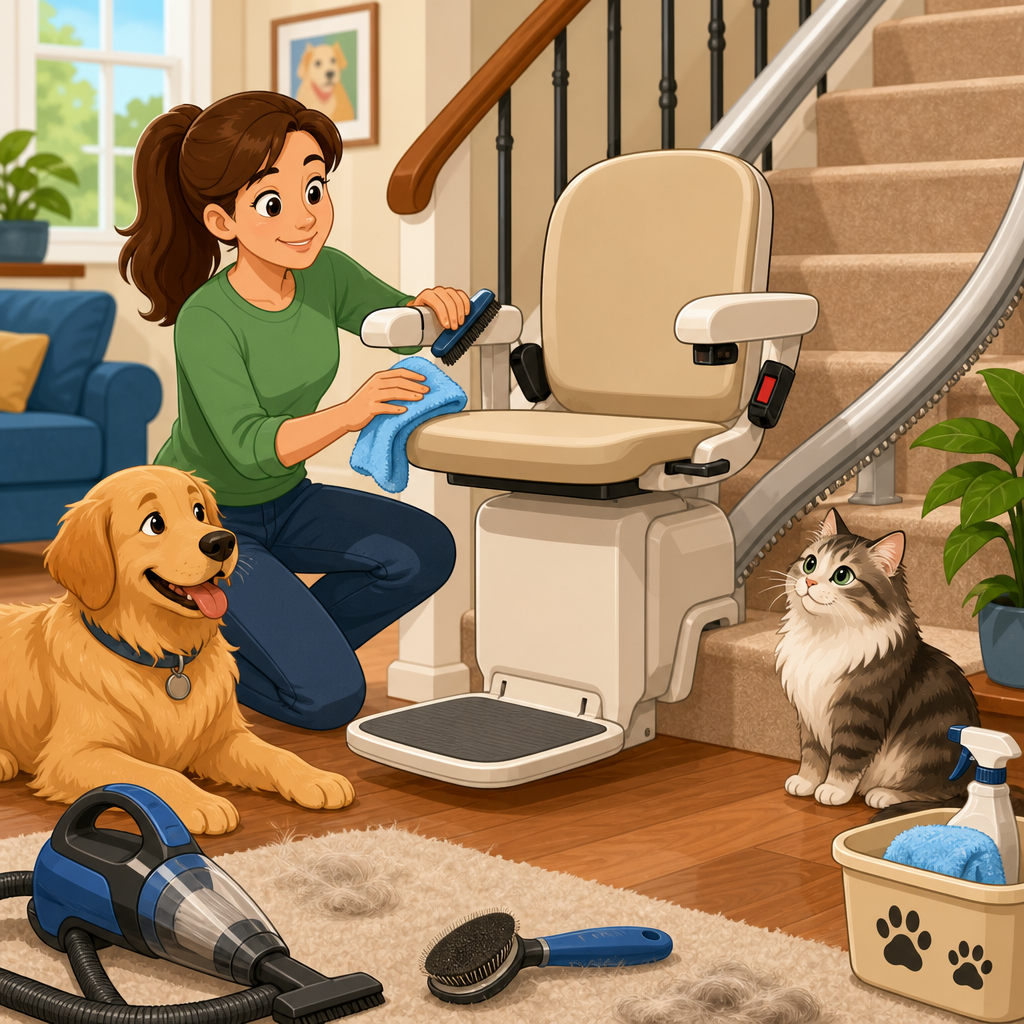
Daily use wears stair lift components in a predictable order, and knowing which stair lift parts wear out first helps owners plan maintenance, avoid breakdowns, and keep riders safe. In service calls I have handled, most failures do not begin with the motor or the rail itself. They usually start with smaller moving or contact parts: batteries that lose capacity, seat swivel latches that loosen, charge contacts that corrode, rollers that flatten, and control switches that stop making clean electrical contact. These are normal wear items, not signs that the entire lift is nearing the end of its life.
A stair lift is a motorized chair or perch attached to a rail that travels along a staircase. Core components include the rail, carriage, transmission, motor, batteries, charger, call-send controls, seat assembly, footrest, and safety sensors. “Wear out” does not always mean a dramatic failure. It often means gradual loss of performance: slower travel, shorter battery runtime, intermittent beeping, rough starts, increased vibration, or a seat that no longer locks crisply into position. Understanding these early changes matters because stair lifts are safety devices, not just convenience products.
This topic sits at the center of maintenance, troubleshooting, and safety because routine care directly affects reliability. A stair lift that stops halfway up the stairs can create a mobility emergency. A lift with dirty charge points may seem fine for weeks, then suddenly fail after a power outage because the batteries were never fully charging. A worn footrest safety edge can become less responsive exactly when obstacle detection is needed. Good maintenance reduces these risks, extends service life, and lowers total ownership cost.
Most manufacturers design stair lifts so the highest-stress parts are replaceable. That is good engineering. The challenge for owners is knowing what to inspect, what to clean, what to leave to a technician, and how often to do each task. This article serves as the hub for routine maintenance tips under maintenance, troubleshooting, and safety. It explains the wear pattern of daily-use components, the causes behind that wear, the maintenance schedule that prevents avoidable failures, and the warning signs that should trigger service before a minor issue becomes a shutdown.
Which Stair Lift Parts Usually Wear Out First
The first stair lift parts to wear out with daily use are usually the batteries, charge contacts, seat and footrest hinges, armrest and directional switches, seat swivel mechanisms, rollers or guide shoes, and any exposed plastic control components. In straight and curved models alike, these parts experience either repeated movement, repeated electrical contact, or both. They are the mechanical and electrical touchpoints used on every trip, so they age faster than the rail, chassis, or motor housing.
Batteries are the most common replacement item. Modern stair lifts typically use sealed lead-acid batteries, often two 12-volt units inside the carriage. Even when they appear to be working, they lose capacity over time through charge cycles, heat exposure, and partial charging. In many homes, batteries last roughly three to five years, though heavy use, frequent power outages, cold hallways, or poor charging alignment can shorten that window. The symptom is rarely instant failure. More often, the lift slows, beeps, or stops after several trips when household power is interrupted.
Charge contacts and charging strips are next. Every parked cycle depends on clean electrical transfer from charger to batteries. Dust, oxidation, pet hair, and humidity can reduce contact quality. I have seen lifts replaced unnecessarily when the real issue was simply blackened charge points. These contacts should be inspected and cleaned according to the manufacturer’s instructions using approved materials, never abrasives that remove protective plating.
Seat swivel latches and footrest hinges also wear early because they carry user-applied force. Riders twist, push, and fold these assemblies every day. If the seat does not lock firmly at the top landing, the problem may be wear in the latch, cable linkage, or alignment hardware. This is not cosmetic. A weak lock can affect transfer safety. Similarly, loose armrests, sagging footrests, or sticky folding joints indicate wear that should be corrected before it affects stability or clearance on the staircase.
| Part | Why It Wears Early | Typical Warning Signs | Common Service Response |
|---|---|---|---|
| Batteries | Daily charge cycles and heat | Beeping, short runtime, slow travel | Load test and replace as a matched pair |
| Charge contacts | Repeated contact, oxidation, dust | Intermittent charging, parked but not charging | Clean, realign, test charger output |
| Seat swivel latch | Frequent locking and user force | Seat will not lock firmly, extra play | Adjust or replace latch components |
| Switches and remotes | Repeated pressing and electrical wear | Delayed response, inconsistent movement | Test circuit, replace switch or remote parts |
| Rollers or guide shoes | Continuous travel under load | Noise, vibration, rough ride | Inspect carriage wear items and replace |
Why Daily Use Creates Predictable Wear Patterns
Stair lift wear is driven by cycles, load, environment, and maintenance quality. Cycles are simple: every ride means startup torque, carriage travel, stopping force, seat use, and charging contact. A lift used six to ten times a day ages differently from one used twice a week. Load matters too. Heavier riders do not necessarily abuse a lift when they stay within rated capacity, but higher loads increase stress on rollers, gear interfaces, and seat hardware. That is one reason matching the user’s weight and body size to the proper model matters at installation.
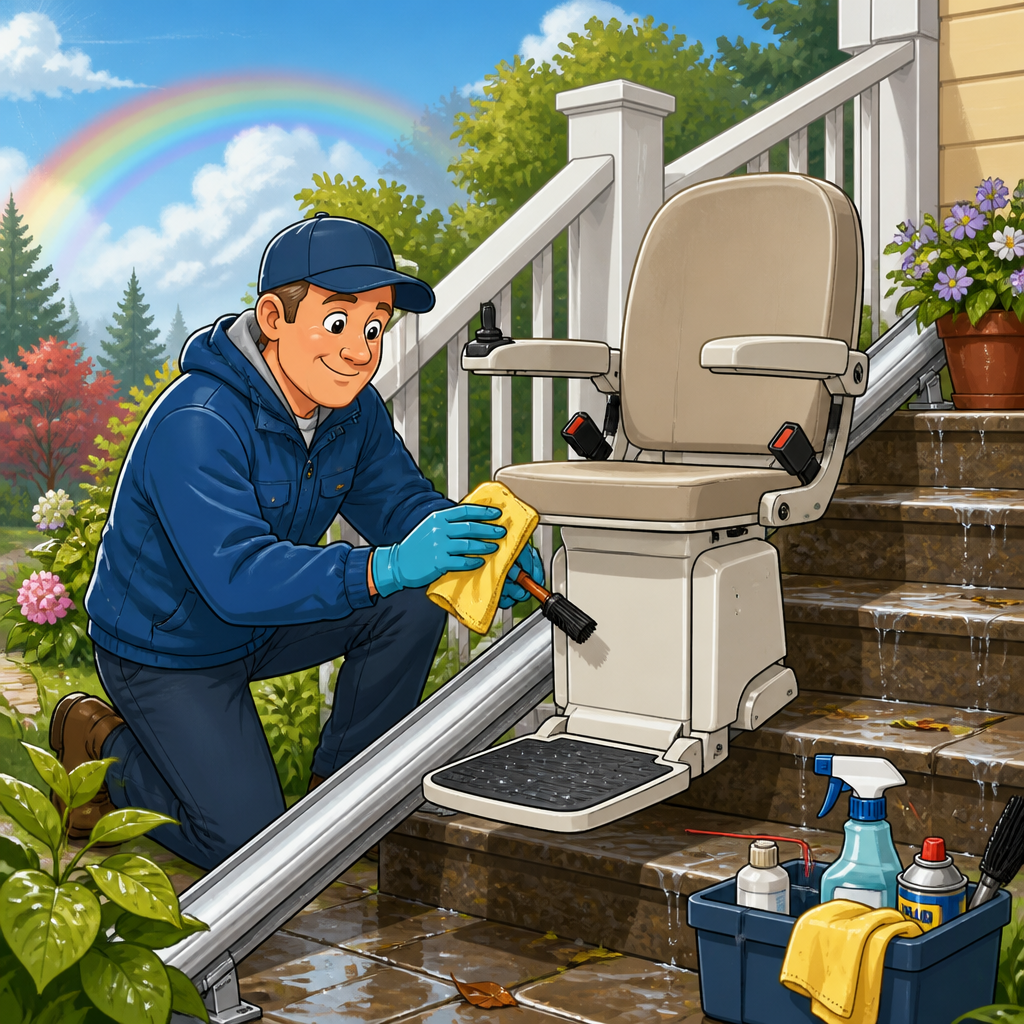
Environment is often underestimated. Dust accumulates along rails and charging points. Pet hair works into hinges and carriage covers. Coastal humidity can accelerate corrosion on exposed contacts. Unconditioned stairwells can swing from winter cold to summer heat, and batteries dislike those extremes. Direct sunlight on top landings can age plastics and upholstery faster than owners expect. These conditions do not guarantee failure, but they shorten maintenance intervals.
The last factor is maintenance quality. Stair lifts are low-maintenance machines, not no-maintenance machines. Problems start when owners use household degreasers on rails, spray lubricants into covers, or ignore small changes in sound and feel. Most manufacturers specify exactly what may be cleaned, what must remain dry, and what should only be adjusted by trained technicians. Following that guidance preserves safety certifications and avoids contamination of rollers, sensors, and drive components.
Routine Maintenance Tips That Prevent Early Failures
The most effective maintenance routine is simple, consistent, and limited to tasks approved for the owner. Start with weekly visual checks. Confirm the seat locks properly, the armrests feel secure, the footrest folds normally, and the lift parks in its charging position without error tones. Listen during travel. New clicking, scraping, humming, or vibration is useful diagnostic information. A stair lift should sound familiar. When its sound changes, something usually has changed mechanically or electrically as well.
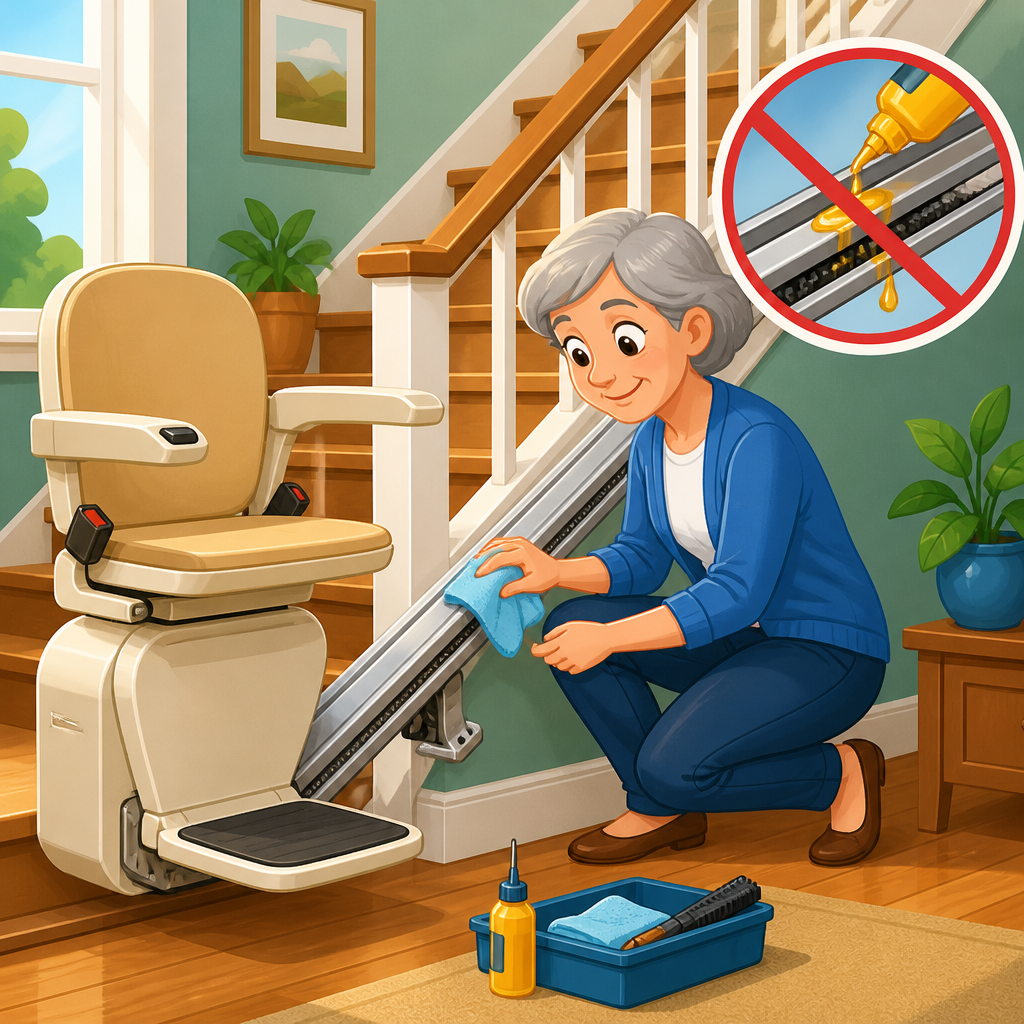
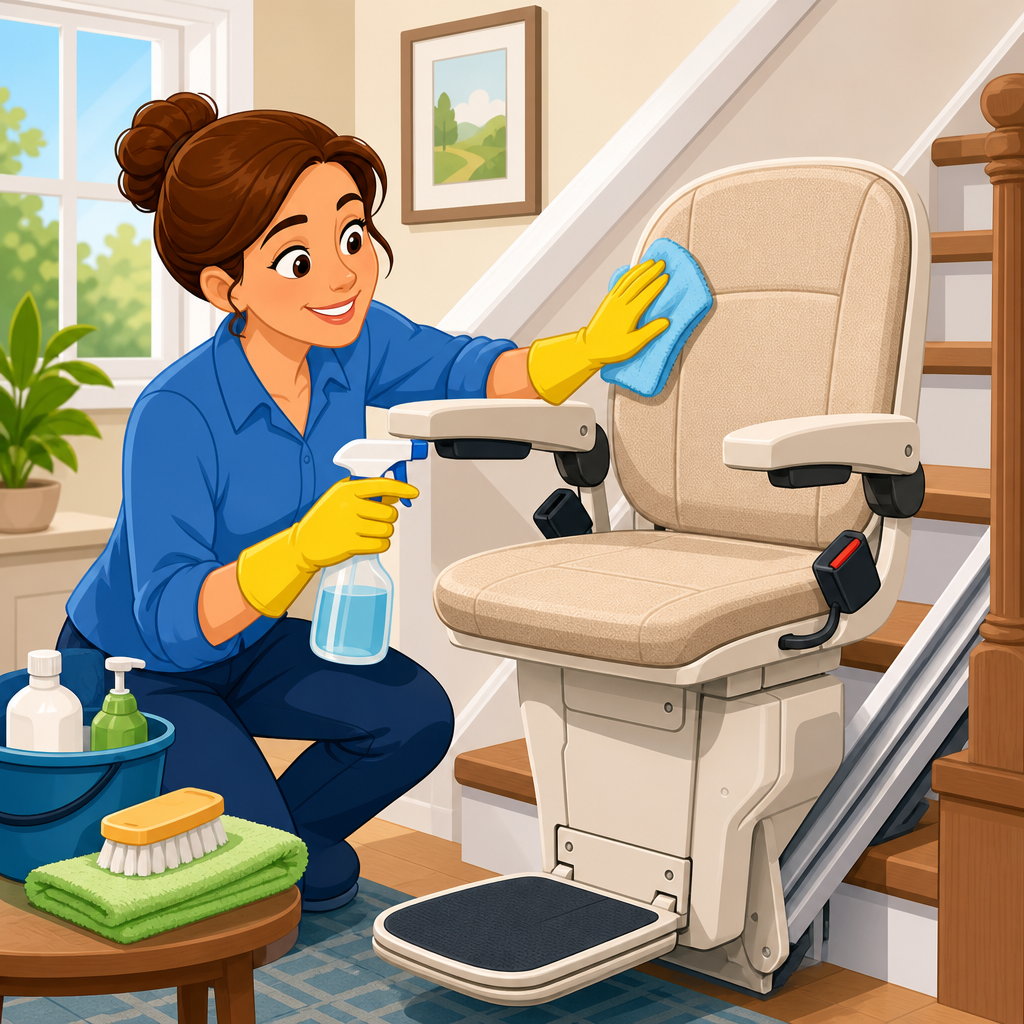
Clean accessible surfaces regularly. Wipe the seat, armrests, and controls with a soft cloth and manufacturer-approved cleaner. Keep the rail free of dust and debris using a dry or slightly damp cloth if allowed by the manual. Do not oil the rail unless the manufacturer explicitly requires it; many lifts use geared or roller systems that are designed to run dry on the rail surface. Adding lubricant can attract grit and worsen wear.
Pay close attention to charging. Make sure the chair is fully parked at the top or bottom charge point after each trip. If the model uses intermediate charge stations, verify the indicator behaves normally there as well. A lift left slightly off the charge point may still look parked but will slowly discharge its batteries. After storms or outages, confirm charging has resumed. This single habit prevents a large share of battery-related service calls.
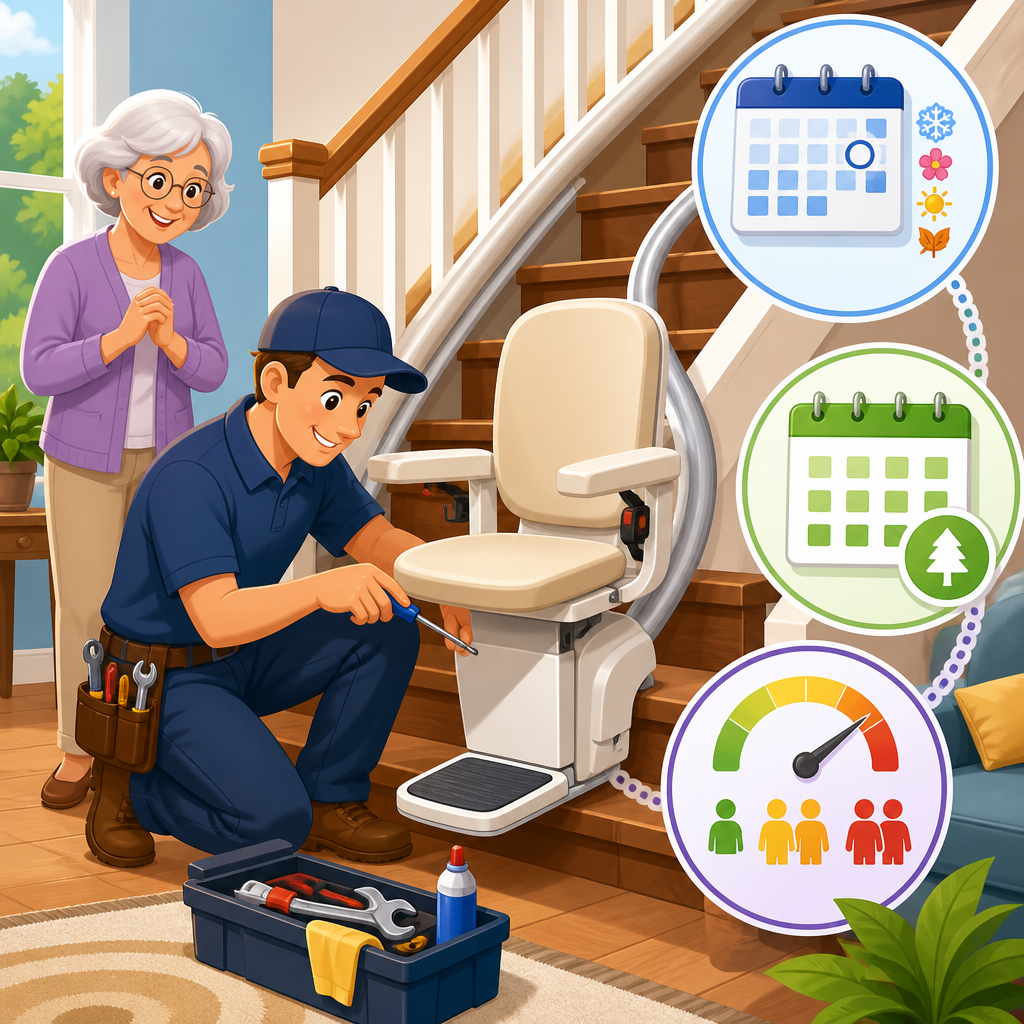
Test safety features on a schedule recommended by the manufacturer. That includes seat swivel interlocks, footrest obstruction sensors, overspeed systems where user-accessible testing is permitted, and call-send controls. If any safety feature behaves differently, stop using the lift until it is checked. Scheduled professional service is equally important. Many dealers recommend annual service for typical residential use and more frequent visits for heavy use. During a proper service, a technician can inspect battery voltage under load, check charger output, tighten seat hardware to specification, examine rollers, verify fault history, and test current draw during travel.
Common Problems, Troubleshooting Clues, and Safety Priorities
Owners often ask what symptoms point to normal wear versus urgent repair. A lift that beeps when parked, moves a short distance then stops, or works only after repeated button presses commonly indicates battery, charger, or contact problems. A lift that travels but feels rough may have worn rollers, debris on the rail, or carriage alignment issues. A seat that swivels too freely or refuses to lock points to latch wear or misadjustment. None of these should be ignored, because small faults can interact. Weak batteries, for example, can make other electrical issues appear worse than they are.
Some troubleshooting is appropriate for owners. Check household power to the charger, confirm the lift is parked correctly, inspect for obvious blockages at the footrest or rail, and review any status lights described in the manual. Replace remote batteries if the remote is unresponsive and your model uses replaceable cells. Beyond that, avoid removing covers or bypassing interlocks. Stair lifts contain pinch points, stored electrical energy, and safety systems that must remain correctly calibrated.
Safety always outranks convenience. If the stair lift jerks, freewheels, emits a burning smell, trips breakers repeatedly, or displays a persistent fault code, stop using it and call for service. The same applies if mounting points feel loose, the rail shifts, or the seat frame has visible play. Structural or braking concerns require immediate professional attention. Reputable technicians follow manufacturer procedures and applicable standards such as ASME A18.1 for platform lifts and stairway chairlifts in the United States, along with local code requirements where applicable.
Building a Long-Term Maintenance Plan for Reliability
A reliable long-term plan combines owner habits, documentation, and timely replacement of wear parts. Keep the manual accessible and note the model number, serial number, installer, and last service date. Record battery replacements, charger issues, unusual noises, and any fault codes. This history helps technicians identify recurring causes instead of treating each visit as an isolated problem. It also supports better budgeting, because stair lift ownership is more predictable when you know which parts are aging.
Plan for consumable replacements before failure. If the batteries are nearing the end of their normal service life, replace them proactively rather than waiting for a shutdown during an outage. If a frequently used seat swivel or hinge has developed play, schedule adjustment before it becomes a transfer hazard. Ask your provider whether your model has firmware updates, revised contact kits, or known service bulletins. Good dealers track these details and can often prevent repeat failures with updated parts.
Routine maintenance tips work best when they are tied to real use patterns. A single user in a climate-controlled home may need only annual service and basic monthly checks. Two users making many daily trips, plus a dusty environment or occasional power interruptions, justify closer monitoring. The main benefit of this maintenance hub is simple: when you know what stair lift parts wear out first with daily use, you can protect reliability, safety, and independence with small actions taken on time. Review your lift this week, schedule service if anything feels different, and treat minor wear as the first step in prevention, not the last warning before failure.
Frequently Asked Questions
1. What stair lift parts usually wear out first with daily use?
In most homes, the first stair lift parts to show wear are not the motor or the rail. The earliest trouble usually starts with smaller, high-contact components that move often or carry electrical current every day. Batteries are one of the most common early wear items because they charge and discharge constantly, even when the lift seems to be sitting idle. Over time, they lose capacity, which can make the lift move more slowly, beep unexpectedly, stop partway, or fail to complete multiple trips without recharging.
After batteries, charge contacts are another common weak point. These metal contacts have to connect cleanly every time the chair parks at a charging point. Dust, oxidation, and light corrosion can interfere with charging, which then creates battery-related symptoms even when the batteries themselves are not yet fully worn out. Seat swivel latches also tend to wear early because they are engaged every time a rider turns the seat to get on or off safely at the landing. If the latch loosens or stops locking firmly, the lift may refuse to run or may feel less secure during transfers.
Rollers and carriage wheels can also wear with daily use. These parts support the chair as it travels along the rail, and as they age, they can flatten slightly, become noisy, or create vibration during travel. Finally, control switches, armrest toggles, and call/send buttons often begin to fail from repeated use, especially if moisture, dirt, or worn internal contacts prevent clean electrical signals. In short, the parts that wear out first are usually the smaller mechanical and electrical components that cycle constantly, not the major structural parts.
2. How can I tell if the batteries in my stair lift are starting to wear out?
Battery wear usually shows up gradually, and the warning signs are often easy to miss at first. A healthy stair lift battery should allow smooth, consistent travel and provide backup operation during a power outage. When batteries begin to age, the chair may sound strained, travel more slowly than normal, hesitate at start-up, or stop before completing a trip. You may also notice warning beeps, intermittent fault codes, or a lift that works fine after sitting on charge but weakens after a few uses in a row.
Another common clue is reduced standby performance. If the household power goes out and the stair lift quickly becomes unusable, the batteries may no longer be holding enough reserve charge. In some cases, owners assume the motor is failing because the chair sounds weaker, but in service situations, weak batteries are much more often the cause. That is especially true if the lift is a few years old and has seen multiple trips per day.
Battery life depends on model, usage frequency, charging conditions, and temperature, but daily use naturally shortens their service life over time. Poor charging from dirty contacts can also accelerate battery wear because the system never fully replenishes power. The best response is to have the batteries load-tested rather than guessed at. A proper technician can confirm whether the issue is battery capacity, charging performance, or another component causing similar symptoms. Replacing batteries before total failure is one of the simplest ways to avoid a no-start situation and keep the lift dependable.
3. Why do charge contacts and control switches fail so often on stair lifts?
Charge contacts and switches fail often because they are used constantly and depend on clean electrical connections to do their job. Charge contacts are small but critical. Every time the lift parks at the top or bottom charging point, those contacts must align properly and transfer power reliably to the batteries. Even a thin layer of oxidation, household dust, pet hair, or residue can interfere with that connection. When that happens, the batteries may not charge fully, and the lift starts showing symptoms that seem bigger than the root cause.
Control switches wear for similar reasons. The armrest rocker, joystick, call/send stations, and safety switches are pressed repeatedly over the life of the lift. Inside each control is a set of electrical contacts or micro-switch components that can wear, stick, or stop making a clean connection. If a switch becomes inconsistent, the stair lift may not respond every time, may require extra pressure, or may work in one direction but not the other. Riders sometimes describe this as the lift being “temperamental,” but it is often just a worn control component.
Environmental conditions make a difference too. Humidity, cleaning sprays, and general household grime can speed up corrosion or contamination. Because these are relatively small parts handling important signals, even minor deterioration can interrupt operation. The good news is that charge contacts and switches are usually serviceable or replaceable before they lead to major downtime. Regular cleaning, inspection, and prompt attention to intermittent operation can keep these common wear points from turning into full breakdowns.
4. Are seat swivel latches and rollers important safety wear items?
Yes, absolutely. Seat swivel latches and rollers are among the most important safety-related wear items on a stair lift, even though they do not get as much attention as batteries or motors. The seat swivel latch is what locks the chair securely into position for travel and, on many lifts, also locks it at the upper landing for safer exiting. If that latch becomes loose, worn, or misaligned, the chair may not lock properly. In some models, the lift will refuse to move as a safety precaution. In others, the rider may notice unwanted play in the seat or difficulty getting the chair to lock firmly into place.
That matters because a stable seat position is essential when getting on and off at the top of the stairs. A latch that does not engage positively can create a real transfer risk, especially for riders with limited balance or mobility. Any change in how the seat clicks, locks, or releases should be taken seriously and inspected promptly.
Rollers matter for both ride quality and mechanical stability. These components guide and support the carriage as it moves along the rail. With daily use, rollers can wear unevenly, flatten slightly, or become noisy. Early signs include vibration, rumbling, clicking, or a rougher ride than usual. If ignored, worn rollers can increase stress on other moving parts and affect how smoothly the carriage tracks along the rail. While rollers are not always the first item to fail completely, they are definitely among the earlier wear components and should be checked as part of routine maintenance. Keeping both latches and rollers in good condition protects comfort, performance, and rider safety.
5. What maintenance helps prevent the most common stair lift wear problems?
The best maintenance approach is simple, consistent, and focused on the parts that wear predictably with daily use. First, keep the charging system healthy. That means making sure the stair lift parks fully in its charging position and having charge contacts inspected and cleaned when needed. A lift that is slightly out of position or sitting on dirty contacts may not charge properly, which shortens battery life and creates preventable service calls.
Second, pay attention to changes in performance instead of waiting for a total failure. Slower travel, extra beeping, intermittent controls, a rough ride, or a seat that does not latch crisply are all early warning signs. Addressing them early is almost always cheaper and safer than waiting until the lift stops working. Batteries should be tested periodically, especially on lifts that are used several times every day. Control switches, call/send stations, and seat swivel mechanisms should also be checked for consistent operation.
Third, keep the lift reasonably clean, but avoid overdoing it. Dust and debris should be removed from accessible surfaces, and the rail should be kept free of obstructions. However, owners should not apply random household lubricants or spray cleaners into switches, latches, or electrical areas unless the manufacturer specifically recommends it. The wrong product can attract dirt, damage plastics, or interfere with electrical contacts.
Finally, schedule professional service at the intervals recommended for the lift model, or sooner if it gets heavy daily use. A trained technician can spot battery decline, contact corrosion, roller wear, latch looseness, and switch problems before they cause a shutdown. Preventive maintenance is the most practical way to extend the life of the parts that wear out first and to keep the stair lift safe, smooth, and reliable every day.