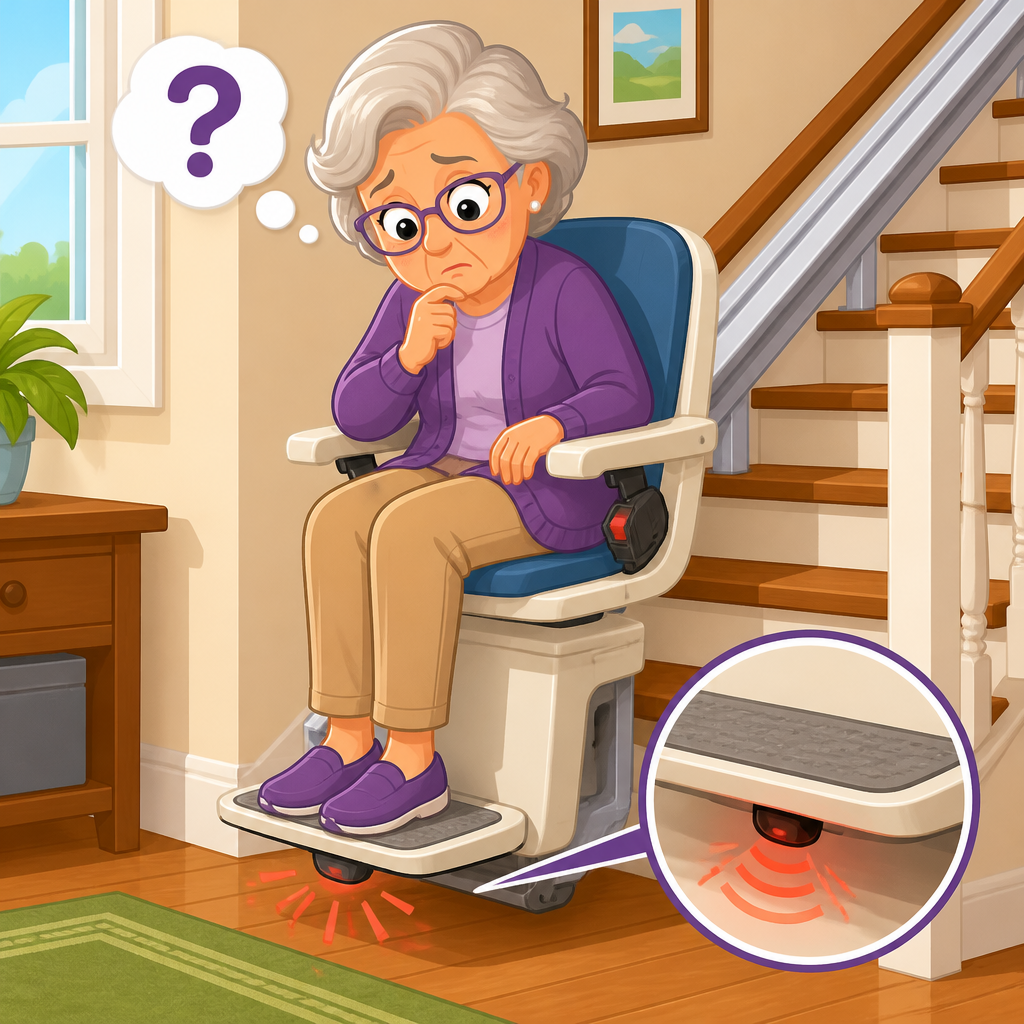
A stair lift footrest sensor that keeps triggering usually points to one of four problems: obstruction, misalignment, wiring faults, or a failing safety component. The sensor is designed to stop the lift the moment the footrest touches an object, protecting users, pets, and items left on the stairs. When it activates constantly, the lift may stop mid-travel, refuse to move, beep, or display a fault code even when the staircase is clear. This issue matters because it affects both safety and reliability. A stair lift that will not run consistently can leave a user stranded upstairs or downstairs, and repeated false trips often signal wear that should not be ignored.
In service calls, I have found that footrest sensor faults are rarely random. They are usually caused by something practical: carpet pile rubbing the edge of the footplate, a loose hinge after years of folding, a crushed cable in the moving carriage, oxidized connector pins, or a microswitch that no longer returns cleanly to its normal position. Different manufacturers use different sensor designs, including pressure edges, mechanical switches, optical detection, and monitored safety circuits, but the symptom pattern is similar. The lift interprets the footrest as having hit an obstacle, so it stops to prevent entrapment.
This article serves as a hub for common issues and fixes within stair lift maintenance, troubleshooting, and safety. It explains what the footrest sensor does, why it keeps triggering, how to narrow down the cause, and which repairs are safe for an owner versus which ones belong to a trained technician. It also connects this symptom to related problems such as intermittent stopping, seat swivel lock faults, battery weakness, charging issues, and track obstructions. If you want a clear diagnosis path before booking service, start here. If you maintain stair lifts professionally, this overview will also help you classify faults faster and communicate likely repairs more accurately.
What the footrest sensor does and how false triggers happen
The footrest sensor is part of the stair lift safety circuit. Its job is simple: if the footplate meets resistance, the lift must stop immediately. On many models, the footrest edge contains pressure-sensitive strips or hinged safety paddles that operate microswitches. On others, the system is monitored electronically so the controller can detect not only activation, but also open circuits, short circuits, and implausible readings. This is why a damaged wire can mimic an obstruction. To the control board, a broken connection may look exactly like a pressed safety edge.
False triggering happens when the sensor is activated without a real obstacle. That can occur mechanically if the footrest is bent, if the folding linkage binds, or if debris lodges around the moving edge. It can occur electrically if vibration interrupts continuity through the traveling cable loom. It can also occur environmentally. Thick carpet, stair nosing, pet hair, and sticky residue from cleaning products commonly interfere with the edge movement. I have also seen lifts trigger because the footrest was tightened unevenly after other repairs, changing the gap enough to preload the switch.
Users often describe the problem in predictable ways. The lift starts, moves a short distance, then stops and beeps. It only fails going down, where carpet contact is greater. It works with no rider but stops with weight on the chair because the chassis settles slightly. It resets after folding and unfolding the footrest. These details are useful because they point to whether the cause is alignment, load-related flex, intermittent wiring, or an input fault on the controller.
Most common causes of a footrest sensor that keeps triggering
Start with the obvious and move toward the technical. The most common cause is a genuine obstruction. Check for slippers, pet toys, dropped mail, clothing, and buildup along the stair edge. Even a loose carpet transition strip can touch the underside of the footrest during travel. Next, inspect the footplate itself. If it is loose, twisted, or rubbing, the safety edge may stay partially depressed. Folding footrests are especially vulnerable because repeated use wears pivots and allows extra play.
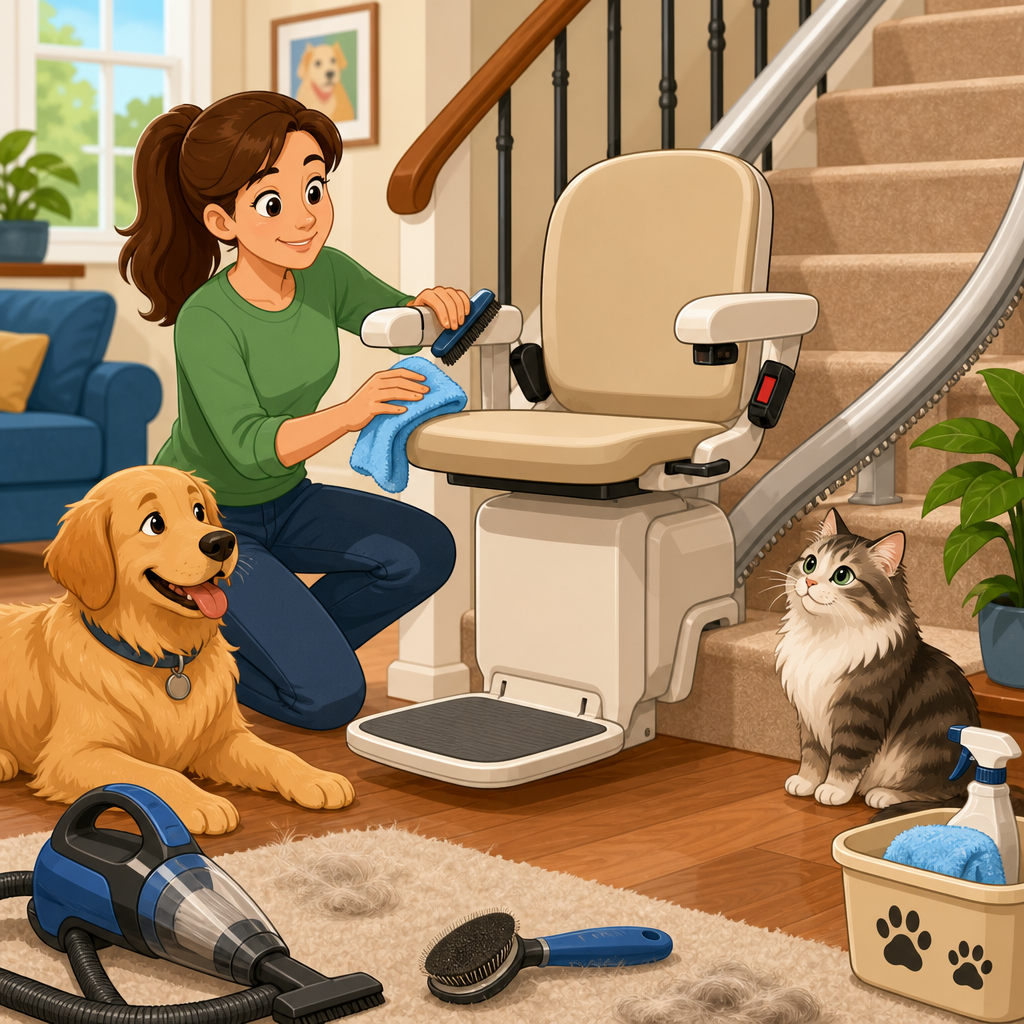
After that, look at contamination and mechanical drag. Dust, pet hair, and hardened grime can prevent a pressure edge from returning fully. Some users spray household cleaner directly onto the footrest, which can wick into switch housings and attract more debris. Cable issues are also common. The wiring to the footrest flexes whenever the carriage moves, and over time conductors can fracture internally while the insulation still looks intact. This produces intermittent stops that are hard to reproduce at rest but easy to trigger in motion.
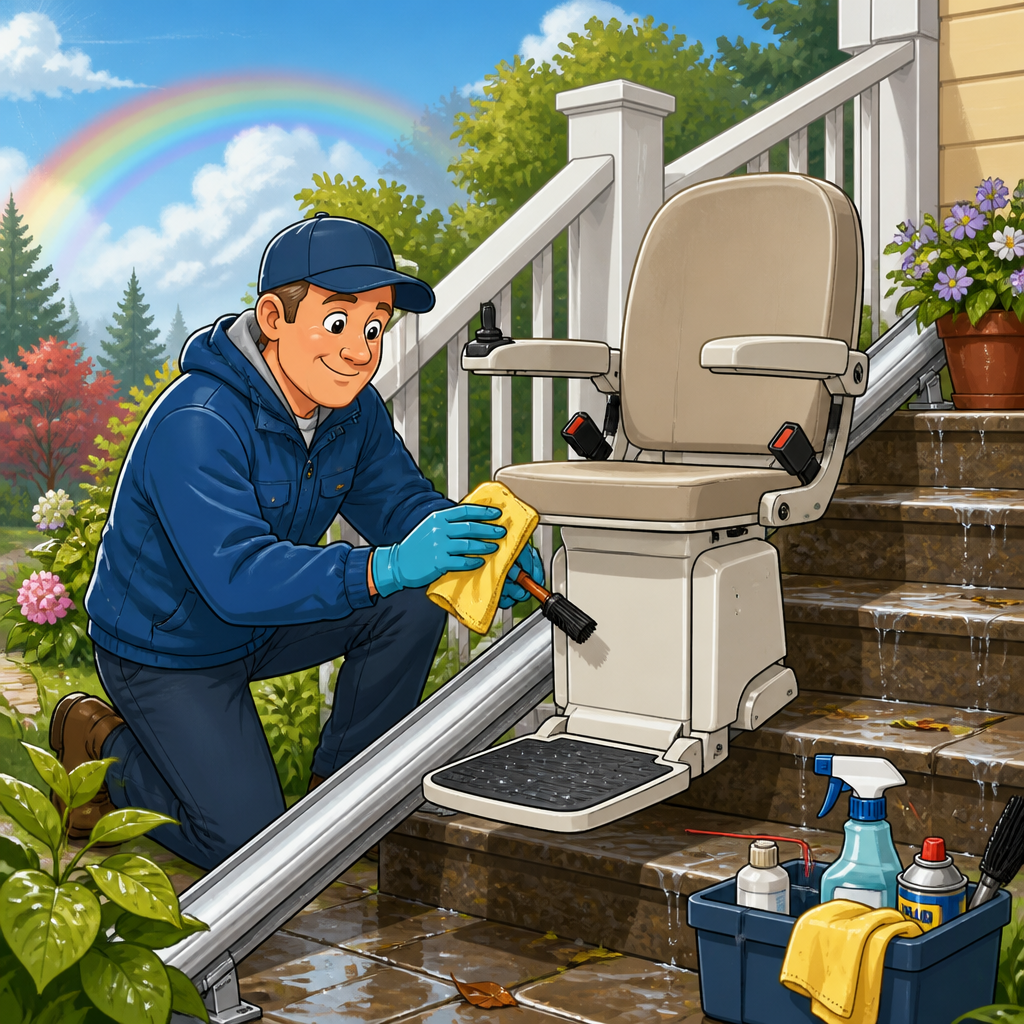
Less common but important causes include failed microswitches, water ingress near outdoor units, and control-board input faults. Battery voltage can contribute too. On some stair lifts, weak batteries do not directly trip the footrest sensor, but low system voltage can cause erratic safety readings or make relay logic unstable under load. That is why a complete diagnosis includes battery condition, charger output, and connector integrity, not just the footrest assembly itself.
| Likely cause | Typical symptoms | Practical fix |
|---|---|---|
| Obstacle or carpet contact | Stops at same spot on stairs, often only one direction | Clear staircase, trim interference, adjust footrest clearance |
| Dirty or sticking safety edge | Sensor resets after tapping or folding footrest | Clean edges carefully, remove debris, inspect return movement |
| Loose or bent footrest | Visible misalignment, rubbing, false trips under rider weight | Tighten hardware, realign or replace damaged parts |
| Broken wire or bad connector | Intermittent stopping during travel, fault appears with vibration | Continuity test loom, reseat connectors, replace cable |
| Failed microswitch or sensor | Constant fault even on clear stairs | Replace switch or sensor assembly, verify calibration |
| Low battery or charging fault | Erratic faults, sluggish operation, poor parking charge | Test batteries and charger, correct charging contacts |
How to troubleshoot safely before calling for service
If the lift is stuck, begin with safety. Help the user off only if it can be done without risk. Use the manual lowering procedure only if the manufacturer allows it and you know the exact method. Then switch the unit off at the isolator or key, depending on the model, before inspecting the footrest. Never bypass the safety edge to keep the lift running. That may seem tempting during an emergency, but it defeats a core protective function and can create serious liability.
With power isolated, unfold the footrest and press each safety edge gently. It should move freely and spring back cleanly. Look underneath with a flashlight for hair, thread, carpet fibers, or impact damage. Check whether the footrest sits level and whether any screws are missing. Run your hand along the cable path, if visible, for crushed insulation or sharp bends. Then restore power and test whether the fault occurs in one location or throughout travel. A location-specific stop usually means track-side interference or cable movement. A constant stop from startup points more toward a stuck switch or circuit fault.
If your model has a diagnostic display, note the exact code before resetting anything. Brands such as Bruno, Handicare, Harmar, and Stannah use different code systems, but the code can immediately narrow the fault to a safety edge, limit, charge problem, or seat circuit. Also observe charging behavior at the top and bottom parks. If the lift is not charging consistently, resolve that first, because voltage instability can complicate everything else.
Common fixes owners can handle and repairs that need a technician
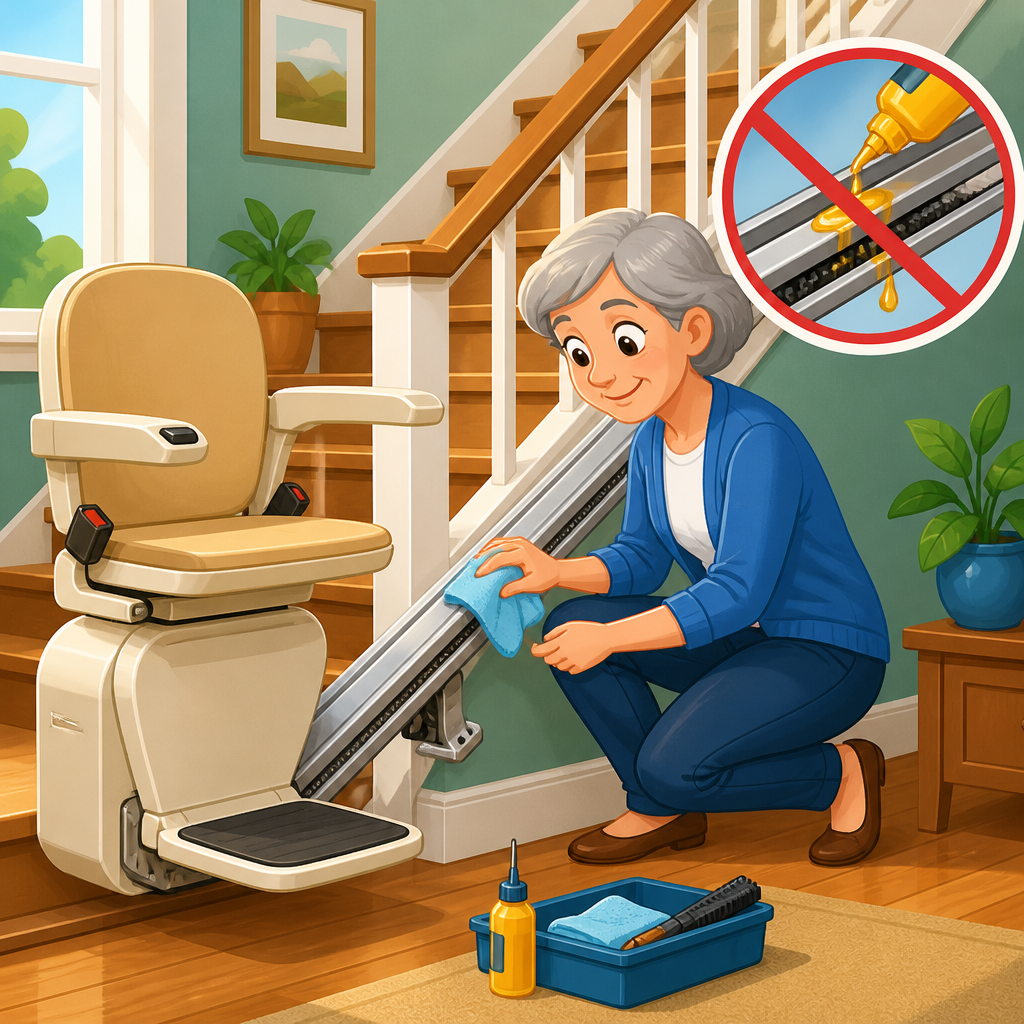
There are several owner-level fixes that are reasonable and low risk. Remove obstructions, vacuum debris from the footrest edges, wipe surfaces with a barely damp cloth, and confirm the footrest opens fully without rubbing. If the staircase has a loose runner, frayed carpet edge, or protruding trim, correcting that interference may solve the problem completely. Some lifts also benefit from simple hardware tightening on accessible, non-electrical footrest brackets, provided you follow the manual and do not alter alignment points marked by the manufacturer.
Anything involving wiring, covers over electrical compartments, switch replacement, diagnostic menus, or controller settings should be left to a qualified stair lift technician. The reason is not just personal safety. Many modern lifts supervise their safety circuits, and a repair that seems straightforward can create a new fault if resistance values, connector orientation, or cable routing are wrong. Replacing a microswitch without confirming actuator travel, for example, may leave the edge permanently preloaded. Likewise, a generic battery swap can cause charging problems if the chemistry, terminal layout, or capacity is incorrect.
In practice, the dividing line is simple. Cleaning, visual inspection, and obstacle removal are owner tasks. Electrical testing with a multimeter, continuity checks during carriage travel, disassembly of the footrest edge, and any component replacement belong to service professionals. If the lift is still under warranty or covered by a maintenance contract, report the symptoms exactly rather than experimenting. Specific details save time and prevent repeat visits.
When the footrest sensor points to bigger maintenance or safety problems
A repeatedly triggered footrest sensor is sometimes the first visible symptom of a broader maintenance issue. For example, a lift with worn carriage rollers can develop extra vibration, which then exposes a marginal connector in the footrest loom. A unit with weak batteries may stop near the bottom not because the sensor sees an obstacle, but because voltage sags enough to confuse the control logic. I have also seen track contamination increase rolling resistance, causing slight carriage pitch that changes footrest clearance on tighter stair geometries.
That is why this symptom belongs within a wider maintenance and troubleshooting framework. Related articles in this subtopic should include stair lift stopping halfway, stair lift beeping with no movement, battery not charging, seat not swiveling or locking, remote not responding, track cleaning best practices, and outdoor stair lift weatherproofing issues. These problems overlap. A good technician does not treat the footrest sensor in isolation; they verify charging, travel quality, hinge wear, switch operation, and error history together.
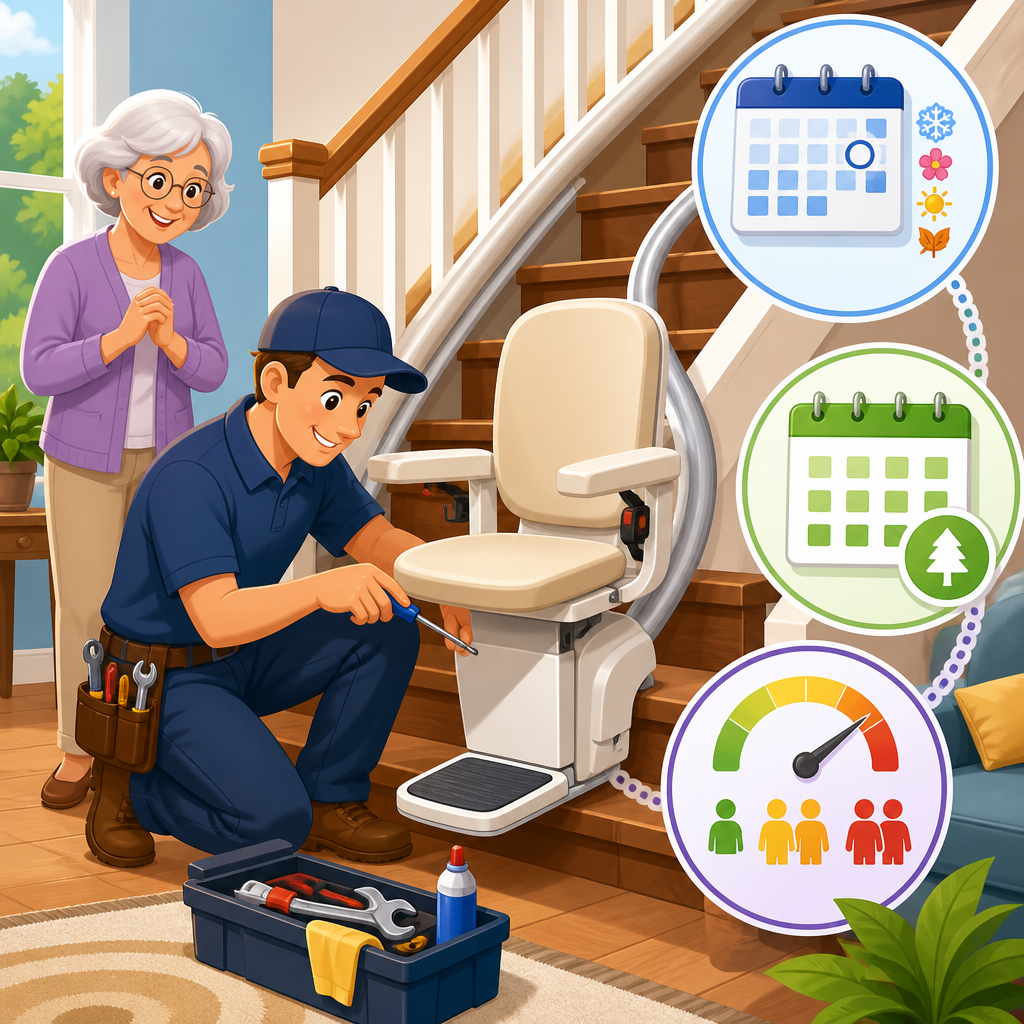
Preventive service is the best long-term fix. Annual maintenance should include cleaning safety edges, checking hinge free play, testing obstacle stop response, inspecting traveling cables, verifying charge voltage, and confirming that all safety circuits open and reset correctly. For heavy-use lifts, especially in homes with pets or thick carpet, twice-yearly inspection is justified. If your lift has started false-triggering more than once, schedule a proper service visit and use this hub to review the related issues that often sit behind the symptom. A systematic approach restores reliability, protects the user, and keeps the safety systems doing exactly what they were designed to do.
Frequently Asked Questions
Why does my stair lift footrest sensor keep triggering when nothing is on the stairs?
If the stair lift footrest sensor keeps activating even when the staircase looks completely clear, the most common causes are a hidden obstruction, a misaligned footrest or sensor edge, a wiring problem, or a failing safety switch. The footrest sensor is designed to stop the lift immediately when it touches an object, so even a small issue can make the system behave as if something is blocking its path. Dirt buildup, carpet edges, pet hair, a loose threshold strip, or an item brushing the underside of the footrest can be enough to trigger it repeatedly. In other cases, the footrest may not be sitting squarely, which can place constant pressure on the safety edge and make the lift think it has made contact with an obstacle.
Electrical issues are also very common. A pinched wire, loose connection, or worn cable near the footrest hinge can send false signals to the control board. If the lift has recently been serviced, moved, folded up and down heavily, or exposed to moisture, those details can point toward a sensor or wiring fault rather than an actual obstruction. Some models will also beep, stop midway, or show a diagnostic code when the circuit sees the sensor as permanently activated. If basic cleaning and a careful visual inspection do not solve the problem, the issue usually needs professional diagnosis because the fault may involve safety circuitry that should not be bypassed.
What should I check first if the footrest safety sensor is constantly stopping the stair lift?
Start with the simplest and safest checks. Make sure the staircase is fully clear from top to bottom, then inspect the footrest closely, including the front edge, underside, and both sides. Look for dust clumps, small objects, rug fibers, toy pieces, pet hair, or anything lightly pressing against the safety edge. If your lift folds, unfold the footrest completely and confirm it locks into its normal position without resistance. A partially folded or crooked footrest can keep the sensor engaged. Also check that nothing attached to the chair, such as a loose seat cover, strap, or dangling clothing, is brushing the footrest while the lift moves.
Next, gently clean the footrest area with a dry or slightly damp cloth, depending on the manufacturer’s care instructions. Avoid spraying cleaners directly onto electrical parts. After cleaning, power the lift off and back on if the manufacturer allows it, then test it again. If the unit displays an error code, note it down because that code can help identify whether the problem is mechanical or electrical. Do not try to force, bend, or disable the sensor. Since the footrest edge is part of the lift’s safety system, tampering with it can create a serious hazard. If the lift still stops or refuses to move after these checks, service is usually the next step.
Can a misaligned footrest really cause false sensor activation?
Yes, absolutely. A misaligned footrest is one of the most overlooked reasons a stair lift footrest sensor keeps triggering. The sensor is often built into a pressure-sensitive edge or switch assembly around the footrest. If the footrest is slightly twisted, mounted unevenly, sitting too low, or not folding into place correctly, the safety edge can remain under constant pressure. That means the lift interprets the condition exactly the same way it would if the footrest had bumped into an obstacle on the stairs. Even a small shift in alignment can be enough to stop travel, create intermittent beeping, or cause repeated fault messages.
Misalignment can happen gradually from normal wear, repeated folding, loose hardware, accidental bumps, or strain on the chair during transfers. You may notice the footrest looks uneven, rubs against nearby trim, feels stiff, or does not sit flush compared with how it used to. In some cases, the lift may work in one direction but not the other because the misalignment only loads the safety edge at certain points on the rail. While a visual check may reveal an obvious tilt or loose bracket, proper correction usually requires adjustment by a technician. That is important because the footrest must be positioned accurately for both safe riding and correct sensor operation.
Could faulty wiring or a bad safety component be the reason the stair lift keeps beeping or showing a fault code?
Yes. If the footrest sensor keeps triggering along with beeping, flashing lights, or a fault code, the problem may be electrical rather than mechanical. Stair lifts rely on a closed safety circuit made up of sensors, wiring, connectors, and the main control system. If a wire becomes loose, frayed, pinched, or corroded, the signal from the footrest sensor can become unstable or appear permanently tripped. This is especially common around moving joints where the footrest folds, since repeated motion can stress the wiring over time. Moisture, age, vibration, or previous repairs can also contribute to poor electrical contact.
A failing safety edge, microswitch, or sensor assembly can create the same symptoms. The component may still work intermittently, which is why the lift might function normally one moment and then stop the next. Fault codes can be helpful, but they do not always identify the exact failed part; sometimes they only indicate that the footrest safety circuit is open or active. Because these parts are tied directly to user protection, diagnosis should be handled carefully and according to the manufacturer’s procedures. A qualified stair lift technician can test continuity, inspect connectors, verify sensor operation, and confirm whether the issue is the wiring, the switch itself, or the control board reading the input incorrectly.
Is it safe to keep using a stair lift if the footrest sensor is triggering constantly?
No, it is generally not a good idea to continue using a stair lift that has a footrest sensor problem. The sensor exists to prevent the lift from traveling into objects, pets, or people on the stairs, so when it is malfunctioning, either safety or reliability is already compromised. If the sensor keeps activating falsely, the lift may stop abruptly mid-travel, leaving the user stranded on the staircase. Just as importantly, a constantly triggered sensor can make it harder to tell whether the system would respond properly to a real obstruction. In other words, a nuisance fault can also signal a genuine safety-system issue.
The safest approach is to stop using the lift until the cause is identified, especially if the unit repeatedly stalls, beeps, or displays an error. Basic visual checks and cleaning are reasonable, but bypassing the sensor, taping it down, forcing the footrest into position, or continuing to ride it despite repeated faults is not recommended. If mobility in the home depends on the stair lift, contact a qualified stair lift service provider as soon as possible and explain exactly what the lift is doing, including any sounds, direction-specific problems, or fault codes. Prompt repair helps restore both safe operation and dependable daily use.