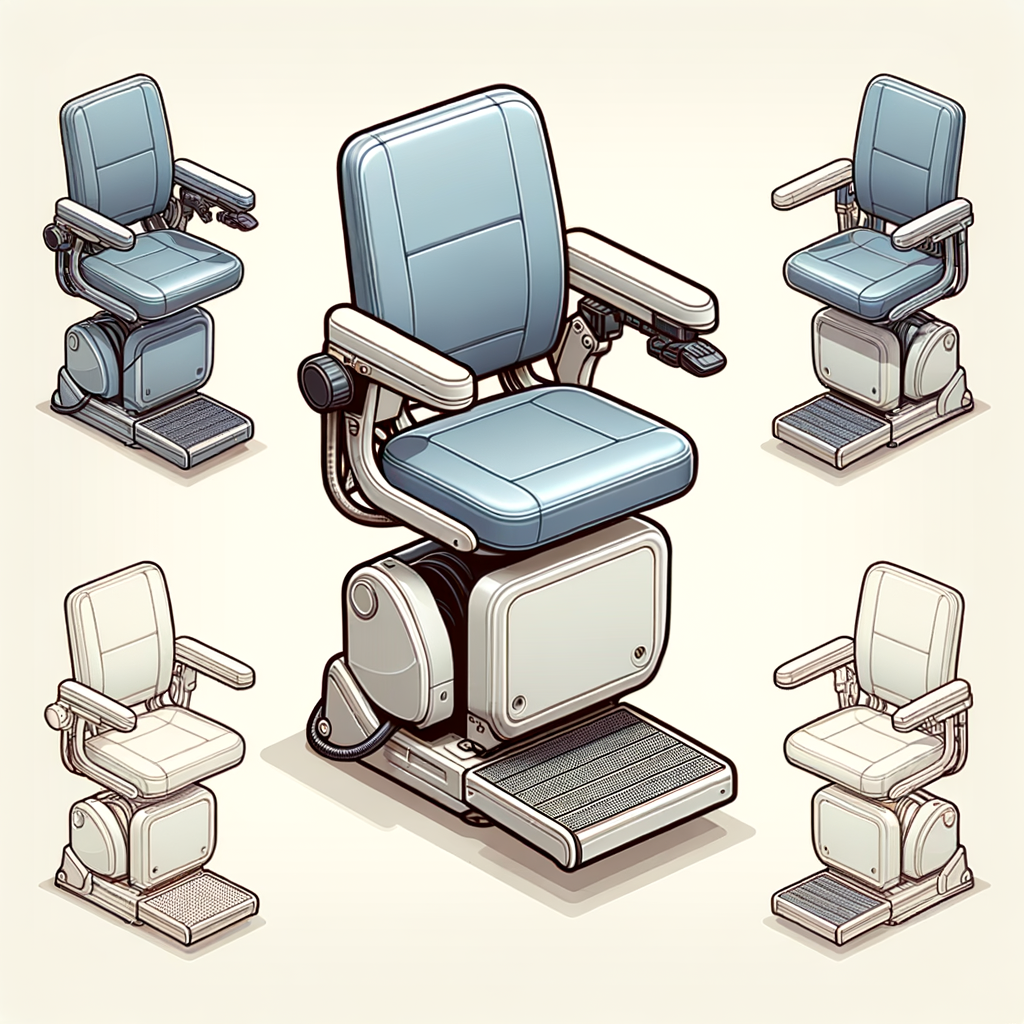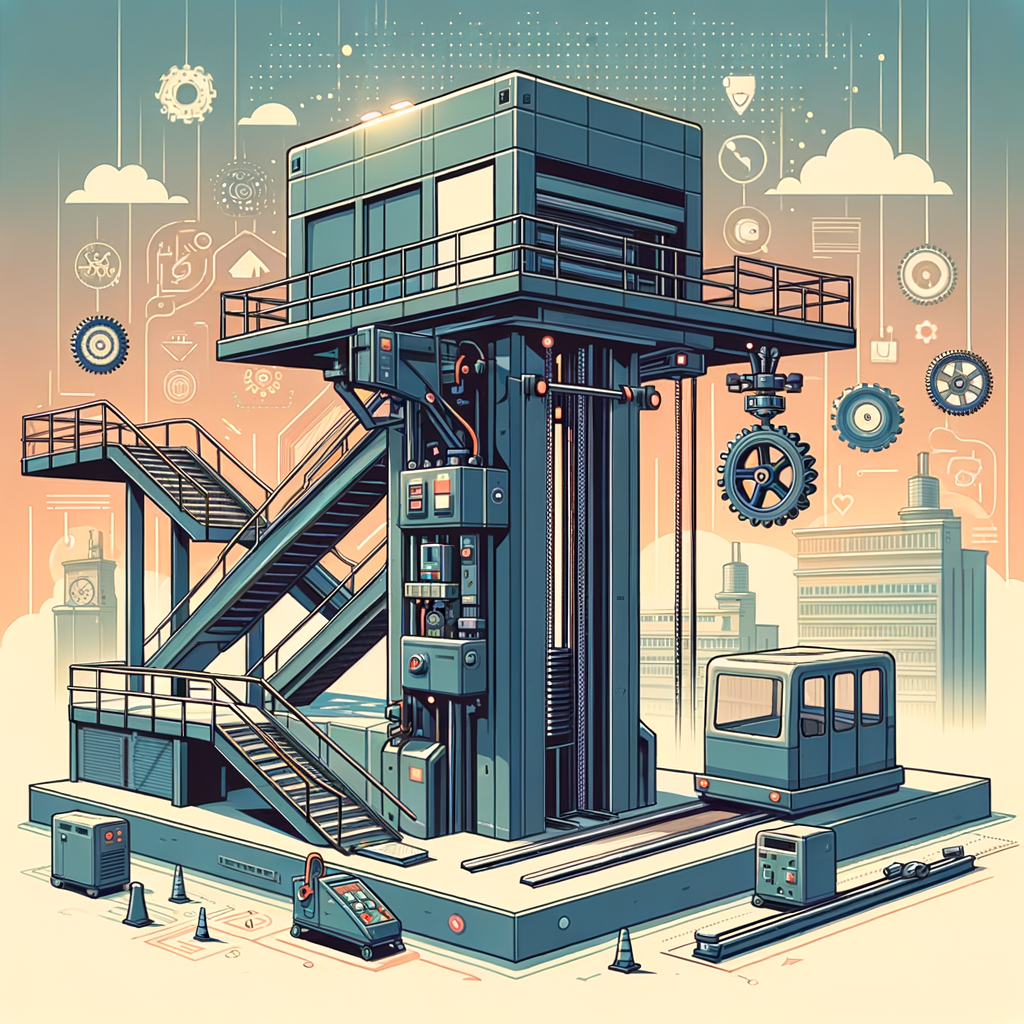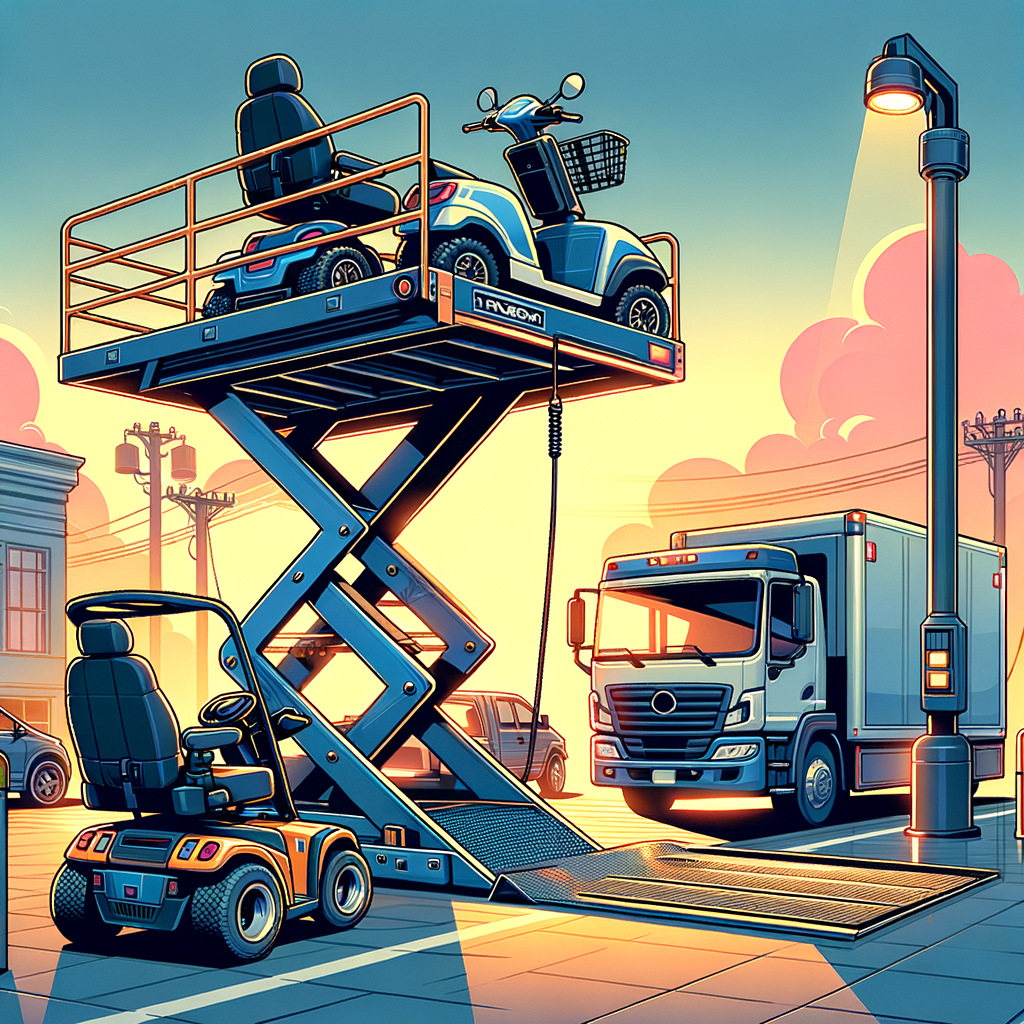
Vertical Platform Lifts (VPLs) offer a crucial solution for enhancing accessibility, particularly for individuals using mobility scooters or those needing to transport heavy equipment across different levels. These lifts are designed to provide a seamless transition from one height to another, effectively removing barriers within buildings, homes, or outdoor environments. They serve a vital role in increasing mobility freedom for individuals and facilitating the movement of heavy equipment without necessitating structural changes or excessive physical exertion. As societies increasingly recognize the importance of accessibility, the demand for VPLs has surged. With a variety of models offering distinct features tailored to specific needs, selecting the best VPL demands careful consideration.
In this article, we will delve into the best VPLs available for mobility scooters and heavy equipment. We will examine what makes these lifts superior, ensuring that they are both practical and reliable for the users. Each section will address different aspects, from capacity and installation requirements to safety features and technological advancements. Our goal is to equip you with the knowledge needed to make an informed decision when considering a VPL for your mobility or equipment needs. By understanding the intricate details of top VPLs, you can select a lift that enhances accessibility and integrates seamlessly into your environment.
Understanding VPLs and Their Benefits
VPLs offer benefits that significantly enhance accessibility. They are designed to transport individuals and equipment vertically, making them suitable for environments with restricted horizontal space. Unlike ramps, which require substantial space to accommodate mobility scooters or heavy equipment, VPLs provide a vertical transit solution, often with a smaller footprint. This ability is especially beneficial in urban settings where space is at a premium.
The primary function of VPLs is to bridge the gap between different levels, such as from ground level to a porch, stage, or elevated entryway. This capability is vital in ensuring compliance with Americans with Disabilities Act (ADA) standards, promoting inclusivity in public and private spaces. For individuals using mobility scooters, VPLs offer a dignified and independent means of moving across heights without external help, thereby enhancing personal freedom and accessibility.
For those dealing with heavy equipment, VPLs minimize the physical effort required to transport machinery, reducing the risk of injury and optimizing efficiency. This aspect is crucial in both commercial and residential settings, where time and safety are paramount. Additionally, as the workforce ages or becomes more diverse in needs, ensuring ease of movement for heavy equipment aligns with best practices for workplace safety and accessibility.
VPLs also offer a range of features such as weather-resistant designs for outdoor installations, ensuring long-term durability against the elements. These lifts can also be customized with enclosures, gates, and other safety devices, providing flexibility and peace of mind to users and operators.
Key Features to Consider When Choosing a VPL
When selecting a VPL for mobility scooters or heavy equipment, several key features can enhance user experience and safety. Understanding these features ensures that you invest in a lift that aligns with your specific requirements.
The first consideration is weight capacity. Depending on the intended use, whether for personal mobility devices or commercial-grade equipment, the lift must support the necessary load. VPLs typically have weight capacities ranging from 600 pounds to over 1,000 pounds, with some industrial models supporting even more. It’s crucial to account for both the weight of the equipment or scooter and any additional load that may be part of its regular use.
Another essential feature is the lift’s travel height. It’s vital to match the VPL’s maximum travel distance with the elevation difference you’re tackling. Most VPLs cater to differences between a few feet to over 14 feet, accommodating various architectural needs, from homes with small steps to buildings with several levels.
The operation speed of a VPL is also important. While faster speeds might seem advantageous, a balanced approach that considers safety and stability should be prioritized. Too rapid movement might destabilize carried loads, whereas extremely slow lifts could be inefficient in dynamic environments.
Control accessibility and ease of use are critical. VPLs that provide user-friendly controls, including remote operation or simple onboard buttons, offer enhanced convenience. Accessibility features such as Braille control panels and audible floor indicators can serve diverse user groups, ensuring inclusivity.
Safety features are paramount. These can include emergency stop buttons, soft start and stop mechanisms, and non-skid platforms. Enclosed lift designs or models with half-height gates additionally prevent falls and ensure user safety during transit.
Top VPL Models for Mobility Scooters
Several VPL models stand out for their reliability and user-friendly design, particularly for those using mobility scooters.
The Bruno Vertical Platform Lift is renowned for its robust construction and extensive safety features. Offering a range of weight capacities, it incorporates a quiet operation and smooth ride technology to ensure user comfort. Its self-lubricating systems reduce maintenance needs, making it a preferred choice among frequent users.
Another notable model is the Harmar Highlander, which combines sleek design with powerful functionality. Its all-weather platform and optional battery backup ensure reliable performance even during power outages. This VPL is particularly favored in residential installations owing to its adaptability and aesthetic appeal.
For outdoor use, the Savaria Multilift is highly rated. Its durable construction withstands harsh weather, and its easy installation process minimizes setup complications. The Multilift’s platform is energy-efficient and supports a variety of operational controls, making it a versatile choice for different environments.
Top VPL Models for Heavy Equipment
Transporting heavy equipment requires lifts with increased capacity and durability. Several models excel in these categories, providing reliable and robust solutions.
The Ascension Protégé is highly popular in industrial settings. Its exceptional weight capacity, exceeding 1,000 pounds, ensures it can handle heavy machinery and materials with ease. This lift is particularly beneficial in factories or warehouses where moving equipment between levels is a daily requirement.
For outdoor environments, the National Wheel-O-Vator Hybrid Vertical Platform Lift stands out. Built to endure challenging conditions, it features a corrosion-resistant finish and optional waterproof covers. This model accommodates several customization options, allowing operators to tailor features based on specific operational demands.
The Garaventa Genesis OPAL stands out for its exceptional build quality and customization capabilities. It can be designed to meet particular site requirements, incorporating advanced technology for precise control. With optional features such as integrated power doors or automated call stations, it optimizes heavy equipment operations while maintaining safety standards.
Installation Considerations and Professional Guidance
Installations of VPLs, whether for mobility scooters or heavy equipment, should consider several factors to ensure optimal performance and user safety. The initial decision involves choosing between an enclosed or unenclosed lift based on the desired application environment.
Space availability is another critical factor. VPLs require a firm base and sufficient vertical clearance to operate efficiently. Engaging professionals to assess the site and recommend configurations can prevent future complications and enhance lift performance.
Electrical requirements also merit attention, as VPLs may necessitate dedicated circuits to ensure consistent operation. Coordination with electricians during installation sets the foundation for ongoing reliability.
Professional installation is advisable, particularly for complex VPL models. Certified installers not only ensure compliance with safety standards but can also provide valuable insights into maximizing the lift’s lifespan and performance. Their expertise is crucial in aligning the lift seamlessly with existing structural elements while optimizing for ergonomics and user-friendliness.
Conclusion
Vertical Platform Lifts represent an essential component in creating accessible environments for mobility users and in facilitating the effective movement of heavy equipment. As we’ve explored, a variety of models accommodate different needs based on weight capacity, environmental conditions, and operational focus. By understanding these distinctions, consumers and businesses can identify the best lift tailored to their requirements.
Ultimately, the selection of the best VPL involves assessing specific needs, preferences, and the particular environment in which the lift will operate. Weighing factors such as safety features, control accessibility, installation considerations, and the credibility of manufacturers or models can significantly impact overall satisfaction and utility. With advances in technology continually refining VPL designs, the future for accessible and efficient transitions between elevations is promising.
As you embark on the journey to enhance accessibility or improve operational efficiency with a VPL, be sure to engage with knowledgeable professionals and consider the comprehensive array of features and options available. This informed approach will not only increase the likelihood of selecting an ideal model but will also contribute to a supportive and integrative mobility experience for all users involved.
Your pathway to seamless access, whether for personal mobility or streamlined equipment handling, is bolstered by choosing the right VPL, fostering inclusivity and operational excellence.
Frequently Asked Questions
1. What are Vertical Platform Lifts (VPLs) and how do they work for mobility scooters and heavy equipment?
Vertical Platform Lifts (VPLs) are specialized lifts designed to transport individuals in mobility scooters and heavy equipment vertically from one level to another. These lifts typically feature a platform with safety rails, a control panel for easy operation, and safety mechanisms to ensure a smooth and secure ride. They work by utilizing a motorized system that moves the platform vertically along a guide rail through hydraulic or mechanical methods. VPLs are essential in providing accessibility in both residential settings and public facilities, effectively eliminating stairs as a barrier for individuals with mobility challenges or for the movement of bulky equipment.
2. What makes a VPL different from an elevator and why is it preferred for mobility scooters and heavy equipment?
While both VPLs and elevators serve the purpose of vertical transportation, there are key differences that make VPLs uniquely suited for mobility scooters and heavy equipment. VPLs are generally more compact and require less structural modification during installation compared to traditional elevators, making them a more cost-effective solution. They are specifically designed with larger platforms to accommodate mobility scooters and heavy machinery, whereas elevators often prioritize passenger travel. The open design of VPLs is ideal for quick and easy access, without the need to enter a closed cabin, which is particularly beneficial for users who need to maneuver in and out of the lift with bulky or heavy items.
3. Are there different types of VPLs available for residential and commercial use?
Yes, there are various types of VPLs tailored to meet different needs and settings. Residential VPLs are typically more compact and are designed for home use, offering features like quiet operation, aesthetic design to blend with residential environments, and straightforward installation processes. Commercial VPLs, on the other hand, are built to withstand heavier use and often come with additional safety features and larger platforms to accommodate a greater volume of users and equipment. Both types can be customized with features such as battery backup for power outages, remote controls, and specific lift heights to suit the location’s requirements.
4. What are the safety features incorporated into VPLs to ensure user security during operation?
VPLs come equipped with a variety of safety features designed to protect users and ensure smooth operation. Key safety elements include emergency stop buttons, automatic stopping mechanisms that engage if any obstruction is detected, non-slip surfaces, and safety rails or guardrails to prevent accidental falls. Most VPLs are also designed with a backup power source to allow operation during power outages, key lock systems to prevent unauthorized use, and overload protection to prevent the lift from operating with excess weight. Regular maintenance and inspections are recommended to ensure all safety components function optimally at all times.
5. How do I choose the best VPL for my specific needs?
Selecting the best VPL requires a detailed assessment of your specific needs, including the intended usage, environment, and budget. Consider the maximum lift height and weight capacity required for your mobility scooter or heavy equipment. The installation space available will also be a critical factor, influencing whether you choose a straight or a custom-configured VPL. Look into additional features like manual lowering options, platform size variations, and environmental resistance if the lift will be exposed to severe weather. It’s wise to consult with a specialist who can provide insights into product specifications, durable materials, and compliance with local accessibility regulations. This guidance ensures the chosen VPL enhances mobility optimally within your environment.