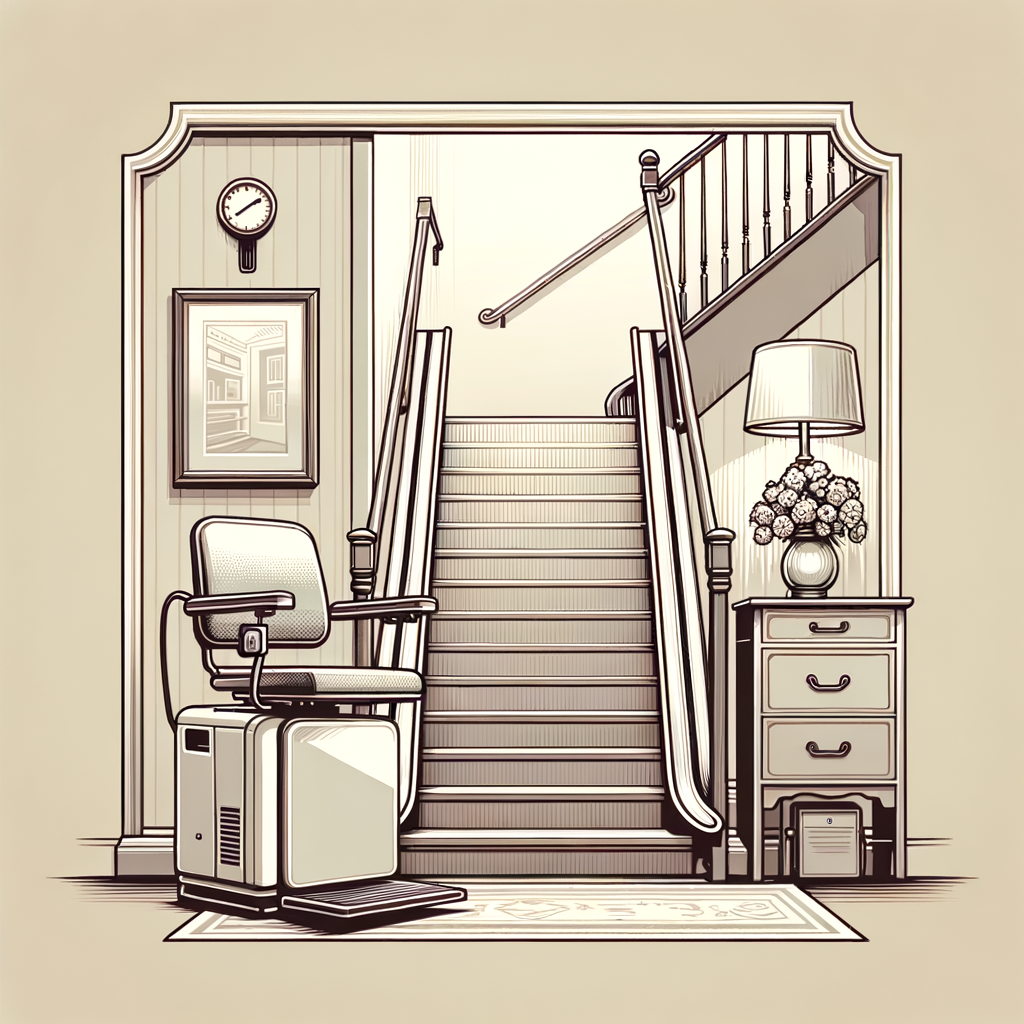
Can a stair lift be installed on tile, stone, or concrete steps? In most homes, yes. The short answer is that a stair lift is usually fixed to the stair treads, not the wall, and professional installers can mount rails safely on masonry, natural stone, ceramic tile, porcelain tile, terrazzo, and poured concrete when the staircase is structurally sound. The real question is not whether the surface is “too hard,” but whether the substrate beneath that surface can hold the required fasteners, the stair geometry meets the manufacturer’s tolerances, and the installation method protects both safety and finish quality.
As a practical guide within Chair Lift Types & Designs, this article explains what homeowners, caregivers, and facility managers need to know before scheduling an estimate. “Stair lift” refers to a motorized chair that travels on a rail attached along a staircase. “Tile, stone, or concrete steps” includes interior and exterior stairs with finishes such as ceramic tile, slate, marble, granite, limestone, quarry tile, pavers, terrazzo, and cast or precast concrete. Each material behaves differently under drilling and anchoring, so the installation details matter.
This topic matters because people often assume hard-surface stairs are a deal-breaker. I have seen that hesitation many times during site assessments. Families worry about cracked tile, chipped bullnoses, visible anchors, or the belief that only wood stairs can accept a stair lift. In reality, reputable brands such as Bruno, Harmar, Access BDD, Handicare, and Stannah routinely address non-wood staircases. The determining factors are load path, bracket spacing, tread depth, riser height consistency, clearance, power supply, and the condition of the underlying structure.
It also matters because the wrong assumptions can delay a mobility solution. A stair lift is often requested after a fall, joint replacement, progressive arthritis, stroke, or a balance decline. Waiting weeks because someone thinks tile or concrete makes installation impossible can keep a user from moving safely between floors. On the other hand, rushing into a poorly planned installation can damage expensive finishes or create a rail position that pinches walkway space. Good guidance helps you ask the right questions, compare proposals intelligently, and understand when a standard straight stair lift will work and when a custom curved rail is required.
How stair lifts attach to hard-surface stairs
Most residential stair lifts use a rail supported by brackets. Those brackets are anchored into the stair treads at intervals determined by the rail design and load calculations. The chair, transmission, batteries, and carriage ride on that rail. Because the system transfers weight into the steps, the wall usually does not carry the primary load. That is why many lifts can be installed even when there is no adjacent wall, when the wall is plaster, or when the staircase is open on one side.
On tile, stone, or concrete steps, installers first identify the finish layer and the substrate below it. A porcelain tile tread over a concrete staircase is different from a marble cap over a steel-framed stair, and both differ from slate set over a wood underlayment. The anchor choice depends on what is actually bearing the load. Installers may use masonry anchors, sleeve anchors, expansion anchors, threaded inserts, or specialty fasteners specified by the stair lift manufacturer. The drilling sequence, bit type, hole depth, and torque setting are chosen to avoid blowout, edge cracking, or spalling.
In plain terms, the rail is not simply “screwed into tile.” The tile or stone finish is penetrated carefully so the anchor can engage competent substrate. On concrete, that often means drilling with a hammer drill and carbide or diamond bits. On natural stone or brittle porcelain, it may require a slower drilling approach, water cooling in some cases, masking to reduce bit wander, and strategic bracket placement away from vulnerable edges. A qualified installer should explain where each bracket lands and why.
Which stair materials work best and what can go wrong
Concrete steps are usually the most straightforward because the substrate is often uniform and strong. Sound poured concrete typically accepts anchors well, making it a common candidate for both indoor and outdoor lifts. The main concerns are surface cracks, moisture intrusion, and whether the concrete is deteriorating from age, salts, or freeze-thaw cycles. If the nose of a step is broken or the tread is patchy and friable, repairs may be needed before installation.
Ceramic and porcelain tile can also work well, but installers must respect brittleness. Porcelain is dense and hard, which is good for wear but more difficult to drill cleanly. Large-format tile may crack if unsupported voids exist beneath it. Quarry tile and commercial tile are generally durable, yet old adhesive failures can create hollow areas. During surveys, a tap test sometimes reveals whether a tile is well bonded. Loose tile should be reset or replaced before anchors are installed.
Natural stone ranges from very forgiving to very delicate. Granite and slate often perform better than softer limestone or brittle marble, but every staircase is different. Stone thickness, veining, backing, and existing microcracks all influence risk. Polished finishes also show chips more readily than textured surfaces. A careful installer can usually place brackets where any unavoidable edge chipping is concealed under hardware, but that should be discussed in advance, especially on premium stone stairs.
| Surface | Typical installation outlook | Main risks | Common precautions |
|---|---|---|---|
| Poured concrete | Usually favorable | Cracking, weak patches, moisture | Anchor testing, crack review, patch repair |
| Ceramic tile | Often workable | Tile cracking, debonding | Slow drilling, hole placement, replace loose tiles |
| Porcelain tile | Workable with proper tools | Bit wander, edge chips | Diamond or carbide bits, masking, controlled torque |
| Granite or slate | Generally workable | Visible chips, hidden fissures | Bracket spacing, edge clearance, finish protection |
| Marble or limestone | Possible but higher caution | Spalls, stains, finish damage | Careful drilling, substrate review, dust control |
Key site conditions that determine whether installation is possible
The best predictor of success is not the visible finish; it is the condition and geometry of the staircase. Installers measure tread depth, riser height, total run, total rise, nose profile, width, and landing space at top and bottom. A straight stair lift generally needs a consistent straight run. Curved lifts are custom built for turns, intermediate landings, or spiral-like geometry. If a staircase is too narrow, the folded seat and footrest must still leave reasonable passage for other users.
Structural integrity matters more than appearance. Hairline surface cracking in grout may be cosmetic, but a tread that moves under load is not. I always look for hollow-sounding tile, broken nosings, crumbling concrete edges, moisture staining, and previous patch repairs. Exterior stairs deserve extra scrutiny because water can undermine tile bonds and corrode embedded metal. If the stairs are unsafe without a lift, they are not magically safe with one attached.
Electrical planning also affects feasibility. Most modern residential lifts are battery powered and charge at one or both ends of the rail from a standard household circuit. That reduces the need for a dedicated branch circuit on the stairs themselves. However, the charger location, outlet accessibility, and weather protection for outdoor units still need review. Outdoor lifts require rails, covers, and electronics rated for environmental exposure; not every indoor model can be adapted safely.
What homeowners usually ask before approving the job
Will drilling damage my steps? It can if done badly, but competent installation minimizes risk through proper bits, anchor selection, and bracket placement. Ask whether the installer has worked on your exact finish type and whether photos from similar jobs are available. For premium stone, ask how edge breakout is prevented and whether spare matching tiles or stone pieces should be kept on hand.
Can the lift be removed later? Usually yes. Rails and brackets can be removed, leaving anchor holes that are patched, plugged, or filled depending on the surface. On tile or stone, the repair may remain visible on close inspection, especially on patterned or polished finishes. If reversibility is a top concern, discuss it before the contract is signed so bracket locations can be chosen with future repairs in mind.
Will the rail block the stairs? Every stair lift reduces usable width to some degree, but folded seats, arms, and footrests are designed to preserve passage. The exact remaining clearance varies by model and staircase width. This is one reason in-home measurements matter. A brochure dimension does not account for wall projections, handrails, trim, or irregular nosings that affect real-world clearance.
How long does installation take? A straight lift on a suitable staircase often installs within a few hours after the rail arrives. Curved lifts take longer because the rail is custom fabricated from a site survey, often with digital photo measurement systems. Hard-surface stairs do not necessarily add days, but they can add care time for drilling, cleanup, and finish protection.
Best practices for getting an accurate quote and avoiding bad installs
Start with a site visit, not a phone estimate. A serious provider should inspect the stairs, identify the finish and substrate, measure the staircase completely, and discuss the user’s height, weight, transfer ability, and whether a perch seat, power swivel, folding rail, or oversized seat is needed. If the salesperson says “all stair lifts fit all stairs,” treat that as a warning sign. They do not.
Ask specific technical questions. What anchor system will be used on this surface? Where will the charging points sit? How much clear walking space remains when the lift is folded? Does the proposed model meet the user’s weight requirement with margin? Is the rail powder-coated or otherwise protected for exterior use if these are outdoor concrete steps? Precise answers show the company understands the project rather than selling a generic package.
It is also wise to ask about service support and code awareness. In many markets, stair lifts in private homes are not handled the same way as commercial platform lifts, but installers should still follow manufacturer instructions, electrical safety rules, and accessibility best practices. Reliable dealers document the survey, provide a clear scope of work, and explain warranty terms for both equipment and installation. That clarity matters more than finding the lowest headline price.
Finally, prepare the staircase before installation day. Repair loose tiles, resolve active leaks, remove runners if needed, and confirm that everyone agrees on rail side and parking positions. Small decisions at this stage prevent frustration later. If you are comparing chair lift types and designs across your home, use this article as the hub: it gives the practical screening criteria that help you move from broad product interest to a staircase-specific decision.
Conclusion: the practical answer for most homes
A stair lift can often be installed on tile, stone, or concrete steps safely and cleanly. The deciding issues are structural soundness, accurate measurement, proper anchors, correct drilling technique, and a model suited to the staircase layout and user needs. Hard-surface stairs are not automatically a problem, and many are excellent candidates when evaluated by an experienced installer.
The most useful takeaway is simple: focus less on the visible finish and more on the staircase as a system. Ask what lies beneath the surface, how the brackets will be anchored, what clearance remains, and how removal would be handled later. Those questions lead to better proposals and fewer surprises. If you are planning a mobility upgrade under Chair Lift Types & Designs, schedule an in-home assessment and use this hub as your checklist for the next conversation.
Frequently Asked Questions
Can a stair lift really be installed on tile, stone, or concrete steps?
Yes—in most cases, a stair lift can be installed on tile, natural stone, ceramic tile, porcelain tile, terrazzo, or poured concrete steps. A common misconception is that stair lifts must be attached to a wall, but most residential stair lifts are actually mounted to the stair treads through a rail system. That means the key issue is usually not the visible finish material itself, but the condition and strength of the structure underneath it.
Professional installers routinely work with hard, brittle, and dense materials by using specialized drilling equipment, the correct anchors, and installation methods designed for masonry-based staircases. If the staircase is structurally sound and can accept the required fasteners, the rail can typically be mounted safely and securely. Before any work begins, a qualified installer should inspect the stairs to confirm the substrate, check for cracking or loose finishes, verify tread dimensions, and determine whether the staircase can support both the lift system and the user’s weight during regular operation.
Does the stair lift attach to the wall or directly to the steps?
In most home installations, the stair lift rail is fastened directly to the stair treads, not the wall. This surprises many homeowners, especially when they are concerned about drilling into tile, stone, or concrete. The wall may be nearby, but it generally does not carry the main load of the lift. Instead, the rail is supported by brackets that are anchored into the stairs at measured intervals.
This tread-mounted design is one reason stair lifts can often be installed on a wide range of staircase types, including those with finished masonry surfaces. It also means wall condition is usually less important than stair condition. Even if the walls are plaster, drywall, paneling, or otherwise unsuitable for structural mounting, the lift may still be installable as long as the steps themselves are solid and correctly sized. During the site evaluation, the installer will determine rail placement, confirm clearances, and make sure the mounted system allows safe travel without creating unnecessary obstruction on the staircase.
Will drilling into tile or stone crack or damage the staircase?
There is always some risk any time a finished surface is drilled, but experienced stair lift installers know how to minimize that risk significantly. Hard surfaces such as ceramic tile, porcelain, stone, and terrazzo require the correct drill bits, proper drilling speed, and careful pressure to avoid chipping, cracking, or loosening the material. In many installations, the visible surface can be drilled cleanly when the underlying substrate is stable and the material is in good condition.
That said, pre-existing problems matter. Loose tiles, hollow spots, crumbling grout, spalled concrete, or cracked stone can affect whether the staircase is a good candidate for installation without repair. If a tread finish is decorative but poorly bonded, the installer may recommend reinforcement, repair, or another mounting approach before proceeding. A reputable company should discuss these issues upfront, explain where anchors will go, and be candid about any cosmetic or structural concerns. If preserving a high-end finish is especially important, it is worth asking about placement options, bracket spacing, and whether any visible drilling points can be minimized while still maintaining safety and code-appropriate installation practices.
What do installers check before approving a stair lift on concrete, tile, or stone stairs?
Installers look at much more than just the top surface. Their evaluation typically includes the overall structural integrity of the staircase, tread depth, stair width, rise and run consistency, landing space at the top and bottom, and whether the underlying material can securely hold the required fasteners. They also assess the condition of the finish—looking for cracks, movement, delamination, damaged grout, or uneven areas that could interfere with bracket placement.
In addition, they verify that the staircase provides enough clearance for safe use by the rider and by others walking on the stairs. They may measure folding seat clearance, footrest position, swivel space at the landing, and any obstructions such as trim, radiators, doors, handrails, or thresholds. For curved staircases or staircases with unusual geometry, detailed measurements are even more important because the rail must be custom-configured to the exact path of the stairs. The goal of this assessment is to confirm not only that the lift can be mounted, but that it will operate safely, reliably, and comfortably over the long term.
Are there cases where a stair lift should not be installed on these types of steps?
Yes. Even though many tile, stone, and concrete staircases can accept a stair lift, not every staircase is automatically suitable. Installation may be delayed or ruled out if the treads are cracked, the substrate is weak, the finish material is loose, the stairs are too narrow for safe clearance, or the landing areas do not provide enough room for safe boarding and exiting. Extremely brittle finishes, hidden voids under tile or stone, and deteriorated concrete can also create anchoring problems that need to be addressed first.
There are also situations where an alternative lift model, a different rail layout, or even another accessibility solution may be the better choice. For example, a very narrow staircase may call for a compact unit, a hinged rail, or a different boarding arrangement. If the staircase has severe structural issues, repairs should come before installation. The safest approach is to have the site reviewed by a qualified stair lift professional who has experience with masonry and finished hard-surface stairs. A proper evaluation ensures the recommendation is based on structural reality—not guesswork—and helps protect both the staircase and the long-term performance of the lift.