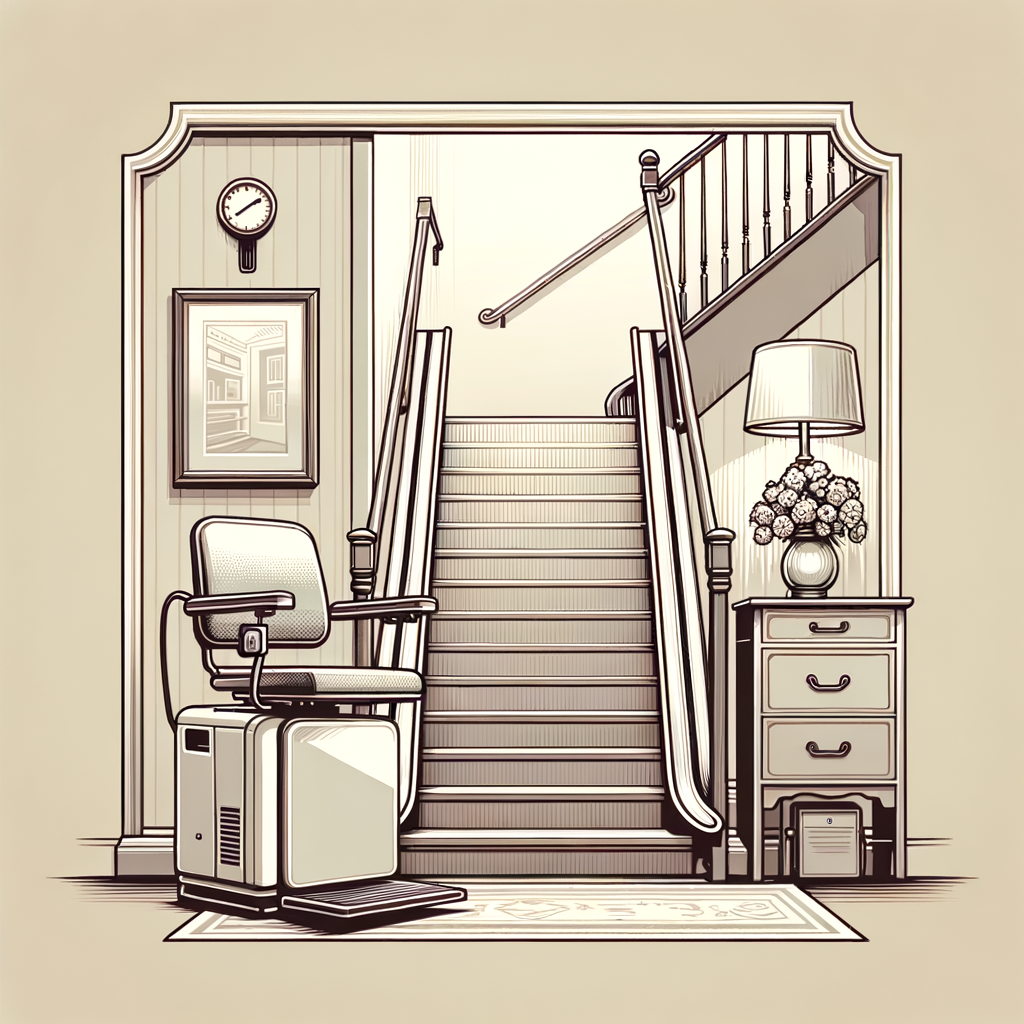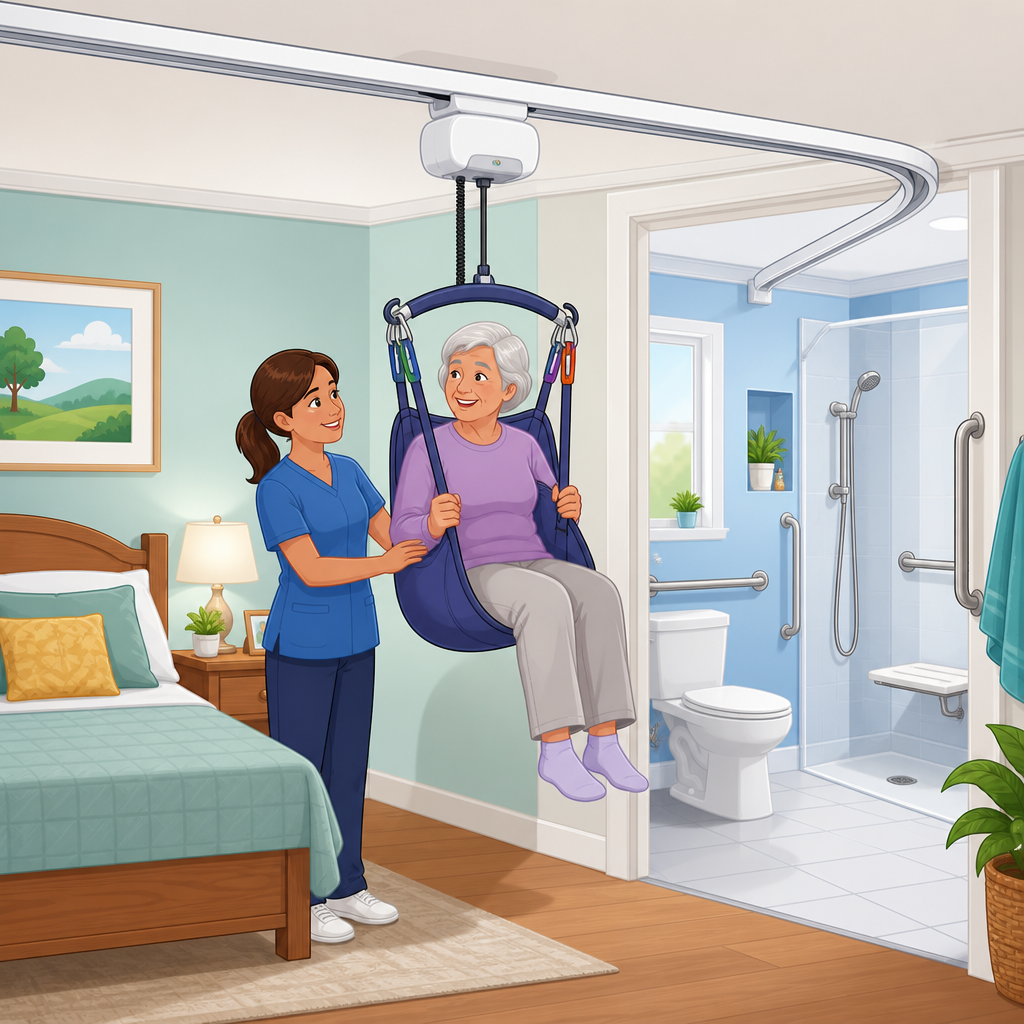
Ceiling track lift systems for bed-to-bathroom transfers are among the most effective mobility solutions for moving a person safely, comfortably, and consistently between a bedroom and a bathroom without repeated manual lifting. A ceiling track lift uses an overhead rail, a motor unit, and a sling to lift and transport a user along a fixed path, reducing caregiver strain while supporting dignity and predictable daily routines. In practice, I have seen these systems make the biggest difference in homes where transfers happen several times a day, especially when a person has limited weight-bearing ability, progressive neurological disease, spinal cord injury, or advanced frailty. Unlike portable floor lifts, which require storage space, turning radius, and careful positioning around furniture, ceiling-mounted systems keep the lifting mechanism off the floor and ready for use. That design matters in tight bedrooms, narrow ensuite bathrooms, and spaces with thresholds, rugs, or medical equipment. For families comparing chair lift types and designs, ceiling track lifts occupy a distinct category: they are not stair lifts, recliner lift chairs, or bath lifts, but overhead transfer systems built for repeated point-to-point movement. Understanding how they work, what they cost, where they fit, and when they outperform other options is essential before investing in any home accessibility upgrade.
The core terms are straightforward. The track is the fixed rail mounted to the ceiling or to a structural gantry. The motor, sometimes called the lift unit, travels on the rail and raises or lowers the sling through a spreader bar. The sling supports the user in either a seated, toileting, repositioning, or full-body configuration depending on clinical need. Bed-to-bathroom transfer means the route typically starts over the bed, passes through a doorway or hall section, and ends over a toilet, commode, shower chair, or bathing area. Some installations are straight tracks, while others use curved rails, switches, turntables, or room-covering XY systems that span larger spaces. This topic matters because transfers are one of the highest-risk tasks in home caregiving. According to safety guidance widely used across healthcare settings, manual handling is a leading cause of musculoskeletal injury for caregivers, and poorly supported transfers increase the risk of falls, skin shear, and anxiety for the person being moved. A well-designed ceiling track lift system addresses all three problems at once: injury prevention, transfer efficiency, and user comfort. As a hub topic within chair lift types and designs, it also connects to broader decisions about accessibility, home remodeling, and long-term care planning.
How ceiling track lifts work for bed-to-bathroom transfers
A ceiling track lift system follows a simple sequence, but the quality of the transfer depends on detailed planning. The caregiver positions the sling under or around the user, attaches the sling loops or clips to the spreader bar, uses the handheld control to raise the user just enough to clear the bed, then moves the motor along the track route toward the bathroom destination. The user is lowered onto a toilet, shower chair, commode, or bathing surface, and the sling is either left in place temporarily or removed depending on the transfer type and sling design. In the best installations, the route is continuous from bedside to bathroom fixture, with no need to disconnect and reconnect. That continuity is what makes overhead systems faster and less physically demanding than floor lifts during routine hygiene care.
Most residential systems use either fixed-point tracks, which serve one transfer area, or transit tracks, which move a user along a corridor path. For bed-to-bathroom transfers, a transit track is usually the better fit because it connects at least two functional zones. Some homes need a “through-door” or “wall-pass” arrangement to maintain movement between rooms. Others benefit from an H-frame or XY room coverage setup in the bedroom paired with a separate bathroom track if precise positioning is required in both spaces. I have found that families often underestimate how much alignment matters over the toilet and in front of the shower. A system that reaches the bathroom but does not position the user squarely over the final destination can still create difficult manual handling at the end of the transfer.
Key components, configurations, and weight capacities
Every ceiling track lift system includes structural supports, a powered lift motor, a charging method, a hand control, emergency lowering capability, and at least one sling. The track may be aluminum or steel depending on load requirements and manufacturer design. Motors are commonly battery-powered, with charging handled through in-rail charging strips or dedicated charging stations. A battery-powered unit is practical because it continues to function during a local power interruption as long as batteries are maintained. Reputable manufacturers also include emergency stop buttons and manual emergency lowering procedures, which are essential for risk management.
Weight capacity varies widely. Standard residential units often support approximately 440 to 600 pounds, while bariatric systems can exceed that range and require additional structural review. Capacity alone is not the full story. The installer must verify the structure above the ceiling, the span between supports, and any reinforcement needed to meet engineering requirements. Brands commonly discussed in the market include Arjo, Handicare, Prism Medical, Savaria, and Guldmann, though availability differs by region and dealer network. The best choice is usually the model with the right track geometry, service support, sling ecosystem, and documentation for the user’s clinical profile rather than simply the strongest motor.
| Component or Option | What It Does | Best Use Case | Main Limitation |
|---|---|---|---|
| Straight fixed track | Moves user along a single linear path | Bed to nearby toilet or chair | Limited coverage and positioning flexibility |
| Curved transit track | Follows turns between rooms | Bedroom to ensuite bathroom routes | Higher design and installation cost |
| XY room coverage system | Covers wide area with perpendicular rails | Precise positioning over bed and bath area | Requires more ceiling support and planning |
| Toileting sling | Allows access for hygiene and clothing management | Toilet transfers and personal care | Not ideal for every user’s trunk support needs |
| Full-body sling with head support | Provides maximum support during lift | Users with low trunk or head control | Less convenient for toileting access |
Why ceiling track lifts outperform floor lifts in many homes
Families often ask whether a portable floor lift can accomplish the same job at a lower upfront cost. Sometimes it can, but bed-to-bathroom transfers expose the floor lift’s practical limits quickly. A floor lift needs open floor space under the bed, around furniture, and inside the bathroom. Its legs must fit beneath or around the base of the receiving equipment, and the caregiver must steer the lift while maintaining safe clearance around walls, door jambs, and fixtures. In older homes with narrow bathrooms, pedestal sinks, or offset toilets, that can be difficult or impossible. I have watched otherwise sturdy floor lifts become frustrating because the environment, not the lift rating, prevents safe approach.
Ceiling track lifts remove those clearance issues because the load is borne overhead. That makes transfers smoother and often less intimidating for the user. The caregiver performs fewer pushing and pivoting movements, which is a major advantage when the caregiver is an older spouse or a single aide working alone. The time savings also matter. Over many months, shaving even a few minutes off each transfer can reduce fatigue, preserve routine, and improve compliance with bathing schedules. The tradeoff is permanence. A ceiling lift requires installation, structural assessment, and commitment to a defined route. If the user’s needs change or the family moves, the system is less flexible than a portable unit, though some components can be relocated.
Clinical and practical indications for bed-to-bathroom use
Ceiling track lifts are especially appropriate when a person cannot safely stand-pivot, requires assistance from more than one caregiver, fatigues quickly during transfers, or has a condition that makes falls likely. Common indications include multiple sclerosis, ALS, muscular dystrophy, stroke, Parkinson’s disease with advanced mobility impairment, spinal cord injury, severe arthritis, post-hospital deconditioning, and dementia when guided routines reduce distress. They are also useful after orthopedic injury when temporary non-weight-bearing restrictions make routine bathroom access difficult. In many cases, the lift is not just a convenience product; it becomes the enabling technology that allows home care to continue.
Still, not every user is a candidate for the same setup. Sling tolerance varies. Some people feel secure in a full-body sling, while others become anxious unless the transfer is explained step by step and the sling style is carefully selected. Toileting slings can simplify hygiene, but they are not suitable for everyone, particularly users with poor trunk control or pressure-sensitive skin in the wrong contact areas. Occupational therapists and physical therapists often guide these decisions, and their input is valuable because they consider seat height, joint range, posture, head control, and the exact tasks completed in the bathroom. The best transfer system matches the person, the room, and the caregiving routine.
Installation planning, home assessment, and safety standards
A proper home assessment should come before product selection. The installer or clinical assessor should measure bed location, ceiling type, joist direction, bathroom fixture placement, door widths, turning constraints, and transfer endpoints. They should also document who will operate the lift, how often it will be used, whether a shower or toilet transfer is the primary goal, and whether the user’s condition is stable or progressive. In my experience, poor outcomes usually begin with skipped measurements or vague assumptions like “the bathroom is close enough.” Precision matters because small placement errors become repeated workflow problems.
Structural review is equally important. Not all ceilings can accept direct mounting without reinforcement. Wood joists, concrete slabs, suspended ceilings, and multi-story framing assemblies each require different attachment methods. Reputable vendors work from manufacturer specifications and engineering guidance rather than improvising in the field. Safety expectations should include load testing, battery maintenance instructions, sling compatibility checks, infection-control cleaning guidance, and formal caregiver training. Standards referenced in healthcare and accessibility work vary by jurisdiction, but the principle is constant: the installed system must support the rated load, provide emergency operation, and be used only with approved slings and accessories. A cheap installation is expensive if it creates even one unsafe transfer.
Costs, funding options, and long-term value
The cost of a ceiling track lift system for bed-to-bathroom transfers depends on route complexity, structural reinforcement, sling needs, and local labor rates. A simple straight-track residential installation may start in the low thousands, while a curved or multi-room setup can rise substantially beyond that once engineering, carpentry, and finishing work are included. Ongoing costs include sling replacement, battery replacement, annual inspection, and occasional service calls. Those expenses should be planned from the beginning, not treated as surprises.
Funding is highly variable. Private pay remains common, but some long-term care insurance policies, workers’ compensation claims, veteran programs, Medicaid waiver pathways, or regional disability support schemes may help. Traditional health insurance and Medicare coverage can be limited or inconsistent for residential overhead lifts, so documentation matters. Families should ask for a detailed written quote that separates equipment, installation, structural work, and accessories. The long-term value becomes clear when compared with caregiver injury risk, agency staffing costs, or the expense of a preventable fall. In many homes, the ceiling track lift is the modification that delays or avoids institutional care, which makes its economics stronger than the sticker price suggests.
Best practices for daily use, maintenance, and article planning across this hub
Daily success depends on consistent technique. Keep the charging routine simple, inspect slings for wear, confirm clip or loop attachment before lifting, and move slowly enough to reassure the user throughout the transfer. Staff and family caregivers should practice emergency lowering procedures before they ever need them. Cleaning protocols should follow manufacturer guidance, especially in bathroom environments where moisture and hygiene demands are higher. I recommend documenting the transfer method in plain language near the bedside: which sling to use, which loops to choose, where the final position should land, and what physical cues help the user stay calm. That kind of standardization reduces error when multiple caregivers are involved.
As the hub page for ceiling track lifts within the broader chair lift types and designs topic, this article should lead readers toward deeper comparisons such as straight versus curved tracks, ceiling lifts versus floor lifts, sling selection, bariatric overhead systems, and bathroom accessibility design. The central takeaway is clear: if repeated bed-to-bathroom transfers are physically demanding, spatially awkward, or increasingly unsafe, a ceiling track lift system is often the most reliable home solution. It protects caregivers, improves user comfort, and creates a repeatable transfer path tailored to the room layout. The next step is practical: schedule a home assessment with a qualified accessibility provider or therapist, map the exact transfer route, and compare system designs based on structure, clinical need, and daily routine.
Frequently Asked Questions
What is a ceiling track lift system, and how does it help with bed-to-bathroom transfers?
A ceiling track lift system is an overhead patient transfer solution designed to move a person safely from one location to another along a fixed rail path, most commonly from a bed to a toilet, shower area, or wheelchair. The system typically includes a ceiling-mounted track, a motor unit that travels along that track, and a sling that supports the user during lifting and transport. For bed-to-bathroom transfers, the main advantage is consistency. Instead of relying on repeated manual lifting, awkward pivot transfers, or multiple pieces of mobile equipment, the caregiver can follow the same controlled transfer route each time.
In real-world use, these systems are especially valuable because they reduce physical strain on caregivers while making the transfer experience more predictable and comfortable for the person being moved. A well-designed ceiling lift can support proper positioning, minimize sudden movements, and help maintain dignity during private routines like toileting and bathing. For individuals with limited mobility, paralysis, progressive neurological conditions, or recovery needs after surgery or injury, this can be one of the most effective ways to create a safer daily care routine at home or in a care setting.
Who is a good candidate for a ceiling track lift between the bedroom and bathroom?
A ceiling track lift is often a strong fit for anyone who cannot safely complete a bed-to-bathroom transfer independently or with a simple assist. This may include people with spinal cord injuries, multiple sclerosis, muscular dystrophy, Parkinson’s disease, stroke-related weakness, advanced arthritis, traumatic injuries, or age-related mobility decline. It can also be a valuable option for bariatric users or for individuals whose balance, endurance, or ability to bear weight changes from day to day. The best candidates are usually those who need frequent transfers and would benefit from a repeatable, lower-risk method of movement.
Caregiver needs matter just as much as user needs. If a spouse, family member, or professional aide is struggling with manual transfers, experiencing back strain, or feeling uncertain about bathroom routines, a ceiling track lift can dramatically improve safety and confidence for everyone involved. In many cases, the system is not just about convenience; it is about preventing injuries, preserving independence where possible, and making hygiene and toileting tasks realistic on a daily basis. A professional assessment can help determine whether the user’s physical condition, room layout, and transfer goals are a good match for this type of installation.
How is a ceiling track lift installed for bedroom-to-bathroom use, and what should homeowners consider?
Installation begins with evaluating the bedroom and bathroom layout, the transfer path between them, and the structural support available in the ceiling. A specialist typically determines whether the rail can be mounted directly to ceiling joists, whether reinforcement is needed, and whether a straight track, curved track, or room-covering configuration makes the most sense. For bed-to-bathroom transfers, the track is planned around the user’s daily routine, including where the bed is positioned, how the bathroom door opens, the location of the toilet or shower, and any space limitations that could affect sling clearance or caregiver access.
Homeowners should also think beyond basic installation. Important considerations include weight capacity, motor type, charging method, sling compatibility, emergency lowering features, and whether the system may need to adapt to future care needs. Bathroom moisture exposure, privacy concerns, and the practicality of transferring onto a toilet or commode should all be discussed during planning. In many homes, the biggest benefit comes from customizing the system so that it fits both the user and the environment rather than trying to force a one-size-fits-all setup. A qualified installer or accessibility professional can help ensure the system is safe, code-aware, and designed for reliable long-term use.
Are ceiling track lifts safer and easier than manual lifting or floor lifts for bathroom transfers?
In many situations, yes. Ceiling track lifts are widely considered safer and easier than repeated manual lifting because they reduce the physical demands placed on caregivers and create a more controlled transfer process. Manual transfers can involve twisting, sudden weight shifts, uneven footing, and rushed repositioning, all of which increase the risk of injury for both the caregiver and the person being transferred. By contrast, a ceiling-mounted system supports the user’s weight mechanically and follows a predefined path, which can make each transfer smoother and more predictable.
Compared with floor lifts, ceiling track lifts often offer practical advantages in tight bedroom and bathroom spaces. Floor lifts require enough room to maneuver a base around beds, toilets, and doorways, and that can be difficult in smaller homes or bathrooms. They may also be harder to position precisely, especially on carpet, thresholds, or uneven surfaces. A ceiling system keeps the floor clear, improves access in confined areas, and can speed up routine transfers once the caregiver is properly trained. That said, safety still depends on correct sling selection, proper use, routine maintenance, and professional guidance. The equipment does not replace good technique; it supports it.
What maintenance, training, and day-to-day use should families expect with a ceiling track lift system?
Families should expect a ceiling track lift to be easy to use once everyone is trained, but like any mobility equipment, it requires regular attention. Day-to-day use typically involves placing the correct sling under or around the user, attaching it securely to the lift, raising the person gradually, and guiding the motor unit along the track to the bathroom destination. Caregivers need to understand how to position the user properly, how to monitor comfort during movement, and how to complete transfers to a toilet, shower chair, or commode safely. Good training is essential because confidence and consistency are what make the system work well over time.
Maintenance usually includes checking the sling for wear, confirming that straps and clips are intact, keeping the motor charged if it uses a rechargeable battery, and scheduling periodic inspections according to the manufacturer’s recommendations. Professional servicing may be needed to inspect the track, mounting hardware, motor performance, and safety features such as emergency stop or emergency lowering functions. It is also important to revisit the setup if the user’s condition changes, since a different sling style, transfer technique, or bathroom endpoint may become more appropriate. When properly maintained and used as intended, a ceiling track lift can become one of the most dependable and impactful systems in a home care environment.