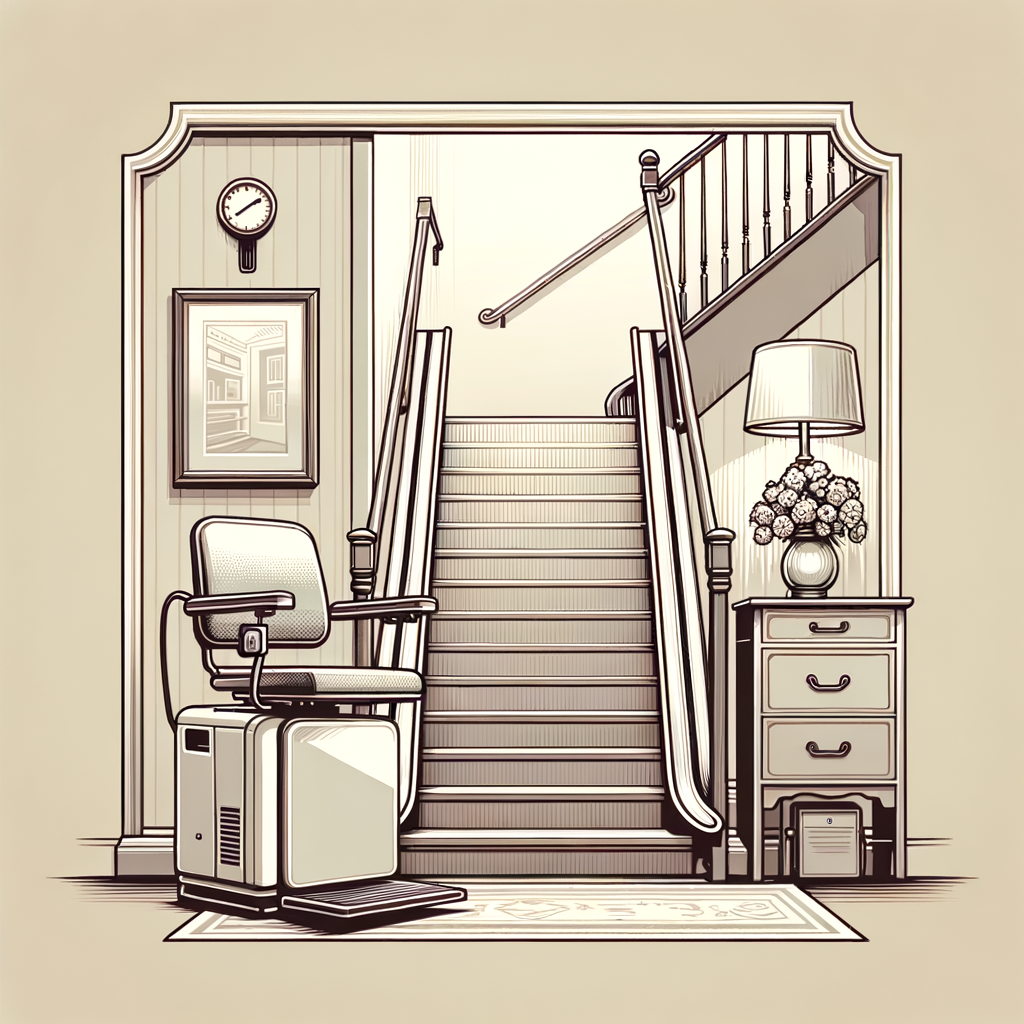
Outdoor stair lift covers protect exterior chair lifts from rain, sun, dirt, pollen, and temperature swings, but whether you truly need one depends on climate, lift design, usage habits, and how well you want to preserve performance over time. An outdoor chair lift is a motorized seat that travels along a rail mounted to exterior stairs, giving users safe access to porches, decks, garages, garden paths, and entryways when steps become difficult or unsafe. A cover is the fitted weather shield placed over the parked chair, armrests, footrest, and controls when the lift is not in use. I have worked with homeowners comparing models, reviewing installation specs, and troubleshooting weather-related wear, and the pattern is consistent: factory-rated outdoor lifts are built for exterior exposure, yet covers still reduce avoidable aging. That distinction matters. Many buyers assume weatherproof means maintenance-free, while others think a cover is mandatory in every situation. Neither view is accurate. This article serves as a hub for outdoor chair lifts within the broader chair lift types and designs category, explaining how outdoor models differ, when a cover adds real value, what features matter, and how covers fit into long-term ownership costs, safety, upkeep, and product lifespan.
What makes an outdoor chair lift different from an indoor model
An outdoor chair lift is not simply an indoor stair lift placed outside. Exterior units use weather-resistant materials, sealed electronics, corrosion-resistant fasteners, UV-stable plastics, and upholstery designed to handle moisture and sunlight. Leading manufacturers typically specify anodized aluminum or treated rails, marine-grade or exterior-rated seat materials, and call/send controls engineered for outdoor operation. Most also include covers as standard or optional accessories because exposure remains the biggest variable in reliability. If you are evaluating outdoor chair lifts, start with the ingress protection of controls, battery location, charging points, and the manufacturer’s approved operating temperature range. Those specifications determine whether the lift can handle your site year-round.
In practice, exterior stairs create harsher conditions than many buyers expect. Morning dew settles into seat seams. Wind carries grit into hinge points. Pollen cakes onto armrests. UV radiation fades plastics and can embrittle rubber components over time. Freeze-thaw cycles stress coatings and increase corrosion risk where protective layers are nicked. Salt air in coastal regions accelerates oxidation. Even when the drive system is enclosed, the seat assembly and user-touch surfaces take constant punishment. That is why outdoor chair lift installation always involves more than mounting a rail. Good installers also consider drainage, stair geometry, rail parking position, power access, and whether the folded chair sits in direct sun or driving rain.
Do you really need an outdoor stair lift cover
For most households, yes, an outdoor stair lift cover is strongly recommended even when the lift is specifically rated for outdoor use. The clearest answer is this: the lift can survive without a cover in some conditions, but it will usually stay cleaner, look better, and age more slowly with one. A cover is especially worthwhile if the lift sits unused for part of the day, overnight, seasonally, or during storms. It is also valuable if the chair parks at the lower landing, where splashback from rain and lawn debris is common. Users in dry, mild climates may see less dramatic benefit, but even there, sun exposure alone can justify covering the unit.
There are exceptions. If the stair lift is used many times daily, remains under a fully roofed enclosure, and the site sees little wind-driven rain or debris, the practical benefit of covering between every trip may be limited. Some owners with covered verandas or enclosed exterior stair towers choose to cover only during extended nonuse. That approach can work, but it should be a deliberate decision based on environment rather than convenience. When homeowners skip the cover because they assume outdoor equals invulnerable, service calls usually follow for sticky controls, stained seats, or premature cosmetic deterioration rather than total system failure. The cover is not about panic; it is about reducing exposure that serves no purpose.
What a cover actually protects against
The most obvious threat is water, but moisture is only part of the story. Rain can collect on the seat, pool in the footrest area, and leave residue after evaporation. Wind-driven moisture reaches seams and joints differently than vertical rainfall. A well-fitted cover limits direct wetting and reduces how often users must wipe surfaces before riding. It also keeps leaves, bird droppings, spider webs, grass clippings, and airborne dust off user-contact areas. Those contaminants are not just unsightly. They can affect hygiene, stain materials, and interfere with folding mechanisms or safety edges if allowed to build up.
Sun exposure is equally important. Ultraviolet radiation degrades vinyl, plastics, labels, and some rubberized components. I have seen outdoor controls lose legibility, seats fade unevenly, and covers themselves crack after years of constant UV without replacement. Heat matters too. Dark upholstery in direct summer sun can become uncomfortably hot, while repeated heating and cooling cycles stress adhesives and surface finishes. In winter climates, a cover can keep frost, sleet, and light snow off the seat and controls, reducing the cleanup required before use. It will not replace proper winterization practices, but it lowers day-to-day inconvenience.
| Condition | Risk to outdoor chair lift | How a cover helps |
|---|---|---|
| Heavy rain | Wet seat, residue, moisture in folds | Shields user surfaces and reduces direct saturation |
| Intense sun | Fading, heat buildup, material aging | Blocks UV and keeps surfaces cooler |
| Wind and debris | Dust, pollen, leaves, insects, dirt in joints | Limits buildup on controls and hinges |
| Coastal air | Accelerated corrosion from salt exposure | Reduces surface deposition between cleanings |
| Winter frost | Icy seat, frozen moisture on touchpoints | Cuts frost accumulation on exposed surfaces |
When a cover is essential and when it is optional
A cover is essential in open-air installations with no roof protection, in coastal environments, in wooded lots where organic debris falls regularly, and in climates with frequent storms or strong seasonal sun. It is also essential when the user cannot safely spend time cleaning or drying the seat before each ride. If a rider has limited balance, dexterity, or stamina, even a simple wipe-down can become a barrier to safe use. In those cases, the cover supports accessibility itself by making the lift ready when needed. That is a practical consideration often missed during purchase decisions.
A cover may be more optional in sheltered settings such as covered exterior stairways, screened porches, or entries with deep overhangs that prevent both rain and direct sun. Even then, optional does not mean pointless. It means the urgency is lower. Many owners use a situational approach: cover the lift overnight, during vacations, during pollen season, or whenever storms are forecast. That is reasonable, provided the cover is easy to handle and actually gets used. A heavy or awkward cover that discourages regular use is less effective than a simpler fitted model that goes on in seconds.
How to choose the right outdoor stair lift cover
The best outdoor stair lift cover is the one designed for the exact make and model of your unit. A tailored cover fits around the folded chair properly, avoids snagging on armrests or joystick housings, and stays in place in wind. Universal covers can work, but only if dimensions match closely and the fabric is truly weather-resistant. Look for water-resistant or waterproof exterior fabric, UV resistance, reinforced seams, secure fastening points, and breathable construction that limits trapped condensation. Breathability matters because a sealed cover over a damp chair can hold moisture against surfaces instead of helping them dry.
Check how the cover interacts with the rail parking position. Some outdoor chair lifts park at the top landing, others at the bottom, and hinged rail designs may affect the shape required. Ask whether the cover protects only the seat assembly or includes the carriage controls and charging points. Also verify whether using a nonapproved third-party cover could affect warranty claims. Manufacturers rarely void warranties simply because a cover brand differs, but if a poorly fitting cover traps water or abrades finishes, support disputes become more likely. The safest choice is a cover sold or approved by the lift manufacturer or dealer.
Outdoor chair lift maintenance goes beyond the cover
A cover is one layer of protection, not the whole maintenance plan. Outdoor chair lifts still need regular inspection, cleaning, and professional service. Follow the manufacturer’s manual for wipe-down methods, charging practices, and service intervals. Most battery-powered lifts charge at designated points on the rail, so correct parking matters. If the chair is left off charge for extended periods, battery performance suffers regardless of how well it is covered. Keep the rail free of heavy debris, never lubricate components unless the manufacturer directs it, and report unusual noises, jerky travel, or intermittent controls promptly.
In my experience, the best-performing outdoor lifts belong to owners who pair simple daily habits with scheduled service. They fold the seat and footrest when not in use, place the cover consistently, wipe surfaces with approved cleaners, and arrange annual or semiannual checkups depending on local conditions. Dealers often inspect batteries, safety sensors, seat swivels, call stations, gear racks, and rail alignment during service visits. For households in snow country or coastal zones, more frequent checks can be justified. Good maintenance does not eliminate wear, but it prevents small issues from becoming outages at the exact moment reliable access matters most.
Cost, lifespan, and the value calculation
Outdoor stair lift covers are inexpensive compared with the cost of the lift itself. Outdoor chair lifts commonly cost more than indoor units because of weatherproofing, installation complexity, and site preparation. Against that backdrop, a cover is a low-cost accessory that protects a much larger investment. The value is not only in avoiding repairs. It is also in preserving comfort, appearance, and readiness. A seat that stays cleaner and drier is more likely to be used confidently, especially by older adults who depend on predictable equipment every day.
Lifespan depends on brand, duty cycle, environment, and maintenance, but exterior exposure nearly always increases cosmetic wear. A cover slows that process. It may not add years to every component, yet it commonly reduces the frequency of cleaning and the intensity of weather-related deterioration. If you later sell the home or transfer the lift to another user, condition matters. Faded upholstery, brittle trim, and stained surfaces reduce perceived value even when mechanics remain sound. Viewed practically, the cover is a small recurring discipline that supports better ownership economics over the life of the system.
Common buyer questions about outdoor chair lifts and covers
Can you leave an outdoor stair lift outside all year? Yes, if it is specifically manufactured for outdoor use and installed according to the manufacturer’s requirements. Can you use an indoor stair lift outdoors with a cover? No. A cover does not convert an indoor model into an exterior-rated product. Will a cover stop all weather damage? No. It reduces exposure but cannot eliminate aging, condensation, or wear from temperature extremes. Should you cover the rail too? Usually the main need is the chair and controls, though some systems offer additional rail protection in harsh environments. Is a cover difficult to use for older adults? It should not be. If it is, ask for a lighter fitted cover with easy-grip handles or get caregiver support built into the routine.
As the hub page for outdoor chair lifts, the central takeaway is straightforward: buy a true outdoor-rated stair lift, install it correctly, maintain it consistently, and use the cover as part of normal operation. If you are comparing straight versus curved rails, battery systems, folding seats, hinged rails, perch seats, or platform alternatives, keep the environment in the discussion from the beginning. Exterior accessibility equipment succeeds when design, placement, weather protection, and service planning are considered together rather than as afterthoughts.
Outdoor stair lift covers are not hype accessories; they are practical protection for a mobility device that lives in a demanding environment. The right cover keeps rain, sun, debris, and residue off the parts people touch every day, helps the lift stay cleaner between service visits, and supports comfort and reliability. You may not need to obsess over covering the unit after every single trip in a sheltered setting, but most outdoor chair lift owners benefit from having and using one regularly. The bigger lesson is that outdoor chair lifts should be evaluated as complete systems, including weather resistance, installation quality, maintenance routines, and usability for the rider. If you are building out your knowledge of chair lift types and designs, use this outdoor chair lifts hub to guide your next steps: compare models, review site conditions, and ask your dealer which cover and care plan fit your climate best.
Frequently Asked Questions
Do you really need a cover for an outdoor stair lift?
In many cases, yes. While outdoor stair lifts are built with weather-resistant materials and sealed components, that does not mean they are immune to the effects of constant exposure. Rain, snow, UV rays, dust, pollen, falling leaves, and temperature swings can all take a toll over time. A properly fitted cover acts as an extra layer of protection for the seat, armrests, controls, and other exposed surfaces when the lift is parked and not in use.
Whether you truly need one depends on your environment and how often the lift is used. If your lift is installed in a mild, sheltered location and used multiple times a day, the benefit may be less dramatic than it would be for a unit sitting idle for long stretches in direct sun or frequent bad weather. Still, even in moderate climates, a cover can help reduce moisture buildup, keep debris off the chair, and limit fading or cracking caused by sunlight. For most homeowners, it is a simple, low-effort way to help preserve comfort, appearance, and long-term reliability.
What kind of damage can happen if an outdoor stair lift is left uncovered?
Leaving an outdoor stair lift uncovered does not guarantee immediate problems, but it can increase wear in several ways. Moisture is one of the biggest concerns. Rain, morning dew, and humidity can settle on exposed parts and contribute to corrosion, mildew on upholstery, or deterioration of finishes and plastics. Even when the core mechanical and electrical components are designed for outdoor use, repeated surface exposure can still affect how the lift looks and feels over time.
Sun exposure is another major factor. UV rays can cause seats, covers, and control surfaces to fade, become brittle, or crack prematurely. Wind-blown dirt, pollen, and debris can collect in seams, around switches, and on the rail area near the parked chair, making the lift dirtier and potentially more difficult to keep in good condition. In colder regions, frost and temperature fluctuations may make surfaces stiff, damp, or uncomfortable to use. A cover helps limit these issues by shielding the lift during the many hours each day it is not in operation.
Are outdoor stair lifts not already designed to handle the weather?
Yes, outdoor stair lifts are specifically engineered for exterior installation, and that is an important distinction. They typically feature weather-resistant seats, sealed electronics, durable finishes, and materials selected to tolerate outdoor conditions better than indoor models. However, “weather-resistant” does not mean “maintenance-free” or “unaffected by exposure.” Just like outdoor furniture, grills, vehicles, and other exterior equipment, an outdoor stair lift lasts best when it is protected as much as possible between uses.
Think of the cover as preventative care rather than a sign that the lift is not truly outdoor-rated. Manufacturers design these lifts to function safely outside, but added protection can help reduce cosmetic wear and lessen the day-to-day impact of the elements. In practical terms, a cover may help the seat stay cleaner, drier, and more comfortable to sit on, while also supporting better long-term condition. Using one is less about questioning the quality of the lift and more about getting the most out of your investment.
When is a stair lift cover especially important?
A cover becomes especially valuable when the lift is exposed to harsher conditions or inconsistent use. Homes in coastal areas, for example, may deal with salt air and higher humidity, which can be hard on outdoor equipment. Properties surrounded by trees often see constant leaf litter, sap, seeds, and pollen. Regions with intense sun, heavy rain, snow, or large temperature swings can also put more strain on exposed surfaces. In these environments, using a cover regularly can make a noticeable difference in cleanliness and wear.
It is also particularly helpful if the lift is not used every day or if it remains parked outdoors for long periods. A chair left idle on an exterior staircase for days at a time has more opportunity to collect moisture and debris than one in near-constant use. Likewise, if the stair lift serves a second entrance, garden path, deck, or seasonal access point, a cover is a smart safeguard. The less frequently the lift is in motion, the more sense it makes to shield it while it sits.
What should you look for in an outdoor stair lift cover, and how should it be used?
The best cover is one made specifically for your stair lift model or one recommended by the manufacturer. Fit matters because a loose or poorly sized cover may not fully protect the seat and controls, while an overly tight one can be inconvenient to put on and remove. A good cover should be durable, weather-resistant, easy to handle, and shaped to cover the chair securely when folded and parked. It should also allow moisture to escape or avoid trapping condensation, since protection works best when the cover keeps the lift dry rather than sealing dampness in.
For everyday use, place the cover on the lift whenever it is parked outside and not needed for a while, especially before rain, overnight dew, or prolonged sun exposure. Make sure the chair is dry before covering it whenever possible, and periodically remove the cover to inspect and clean the lift. Even with a cover, routine maintenance, rail cleaning, and manufacturer-recommended service remain important. In short, the right cover should be easy enough to use consistently, because the real benefit comes from making it part of your normal stair lift care routine.