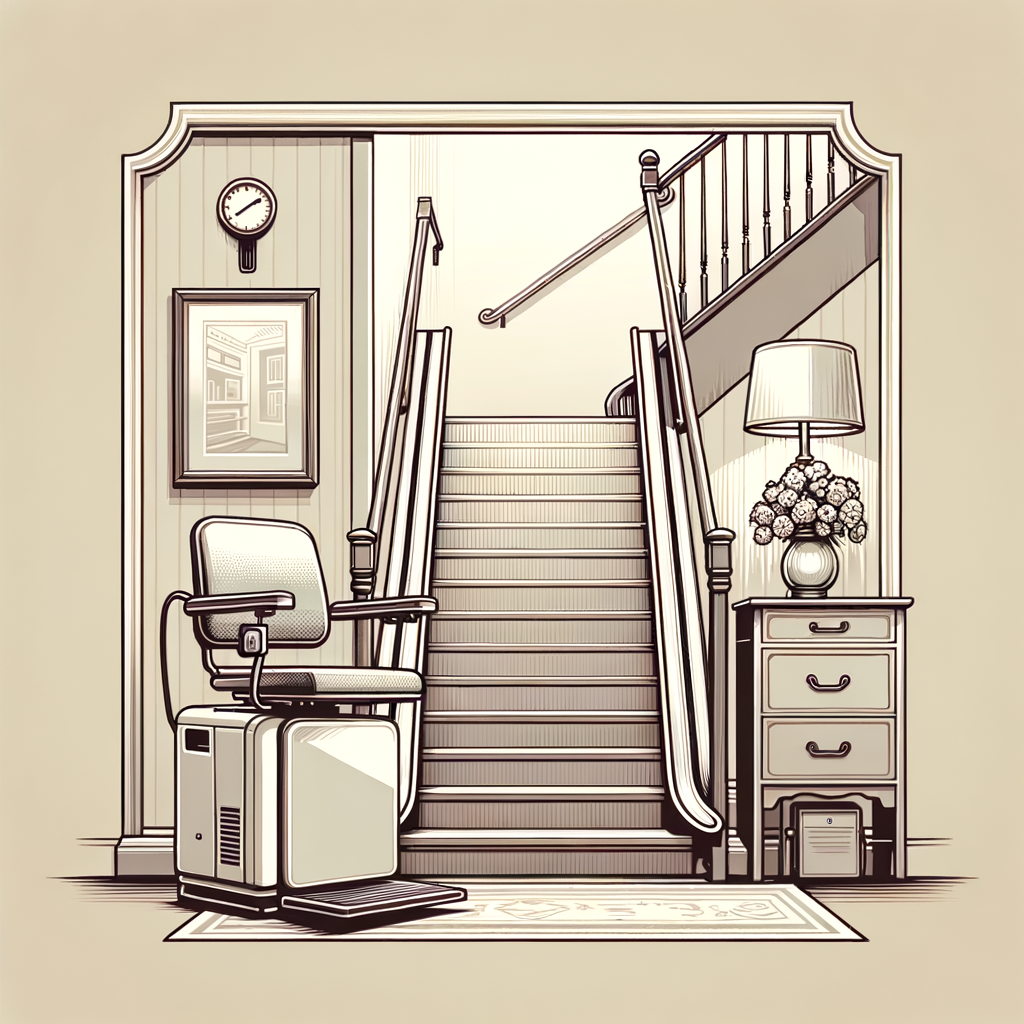
Outdoor stair lifts extend safe home access beyond the front door, giving people with limited mobility a reliable way to navigate exterior steps, porches, decks, garden paths, and split-level entrances in every season. In the accessibility industry, outdoor chair lifts are stair lift systems engineered specifically for exterior exposure, with weather-resistant rails, sealed electronics, UV-stable seats, corrosion-protected hardware, and covers that defend critical components from rain, snow, heat, and debris. They differ from indoor models in materials, coatings, drainage design, temperature tolerance, and installation methods, and those differences matter more than many buyers realize. I have walked properties where an indoor unit had been installed outside as a shortcut; within a year, rust, switch failure, and battery issues turned a safety solution into a service problem. A true outdoor stair lift is built for that environment from the first bracket to the last charging contact.
This matters because exterior stairs are often the hardest barrier on a property. Front entries may have six to twelve steps, side doors can be steep and narrow, and backyard access commonly includes exposed runs with wind, ice, or direct sun. For older adults aging in place, wheelchair users who transfer independently, and families supporting someone after surgery or injury, those stairs can limit daily routines, emergency egress, and social participation. The right outdoor chair lift restores access to mailboxes, driveways, patios, and secondary entrances without forcing a costly move or immediate ramp construction. It also broadens home design options. On many houses, especially in hilly areas or older neighborhoods, a vertical platform lift or long ramp is impractical because of setback rules, drainage, slope, or available footprint.
As a hub topic under chair lift types and designs, outdoor stair lifts deserve a comprehensive look because buyers usually start with one basic question: can a stair lift really live outside year-round? The answer is yes, when the lift is purpose-built, correctly installed, and maintained according to manufacturer guidance. Leading brands such as Bruno, Harmar, and Access BDD offer outdoor-rated models designed for straight staircases, and some configurations can serve curved exterior stairs through custom engineering. However, weather readiness is only one piece of the decision. Buyers also need to understand power systems, seating options, rail layout, code considerations, service intervals, transfer safety, and long-term ownership costs. This guide explains how outdoor stair lifts work, which features matter most, where they fit best, and how to choose a system that stays dependable through sun, rain, freezing temperatures, and everyday use.
What Makes an Outdoor Stair Lift Different
An outdoor stair lift uses the same basic operating principle as an indoor stair lift: a motorized chair travels on a rail mounted to stair treads, carrying a seated rider up or down at a controlled speed. The engineering details, though, are significantly different. Exterior units use powder-coated or anodized rails, marine-grade or similarly corrosion-resistant fasteners, sealed gearboxes, weather-protected call stations, and components designed to shed water rather than trap it. Seats and armrests are commonly made from molded materials that resist cracking, fading, and moisture absorption. Wiring paths are protected, charging points are shielded, and the footrest and carriage include safety edges or sensors that stop travel if they contact an obstruction.
In practical terms, these protections address the environmental stressors that destroy ordinary equipment outside: thermal expansion, freeze-thaw cycles, airborne salt, pollen buildup, ultraviolet radiation, standing water, and wind-driven debris. Manufacturers also specify operating temperature ranges, battery types, and storage practices for severe climates. Most residential outdoor stair lifts are battery-powered DC systems that charge when parked at designated points on the rail. That design keeps the lift running during a household power outage, which is important after storms. AC-powered systems are less common in modern residential use because battery drive offers smoother starts and stops, quieter operation, and resilience when utility service is interrupted.
Another key difference is fit. Outdoor staircases often have uneven landings, open risers, paver bases nearby, drainage slopes, and railings that complicate installation. A seasoned installer measures not only rise, run, and width, but also cross-slope, nosing projection, door swing clearance, and safe transfer space at both ends. In my experience, transfer geometry causes more problems than rail length. A lift can physically fit the stairs yet still feel awkward or unsafe if the user steps off into a tight gate area, a downhill landing, or a surface that ices over. Good exterior design always considers the path beyond the chair.
Where Outdoor Chair Lifts Work Best
Outdoor chair lifts are most commonly installed on straight exterior staircases serving front porches, garage-to-side-yard access, lake homes, decks, and terraced backyards. Straight lifts are the most available, the fastest to install, and usually the most cost-effective because they use modular rails cut to length rather than a fully custom track. If the stairs are at least about 36 inches wide, structurally sound, and provide safe landing space, a straight outdoor unit is often an excellent solution. Many homeowners choose this route when they need immediate improvement without major construction.
Curved or multi-landing exterior stairs are more complex. Custom curved stair lifts exist, but exterior applications are less common because fabrication is specialized, weatherproofing needs are higher, and cost rises sharply. For long, winding stairs or spaces exposed to coastal conditions, a vertical platform lift, inclined platform lift, or ramp may be better. The right choice depends on who will use the system. A person who can transfer and sit securely may do well with an outdoor stair lift, while a full-time wheelchair user often benefits more from a platform-based solution that avoids transfer altogether.
Property layout also matters. On homes with limited setback from the street, a ramp meeting accessible slope guidance may consume too much yard. On steep lots, a platform lift may require retaining work, concrete pads, and permits that exceed the budget. In those cases, an outdoor stair lift can solve a precise access problem with less site disruption. I have seen families preserve a historic front elevation by installing a carefully matched outdoor chair lift along an existing stair run, avoiding the visual and structural impact of rebuilding the entry.
Key Features to Compare Before You Buy
Not all outdoor stair lifts are equal, and comparison should go beyond brand reputation. Capacity is a primary specification. Many residential units support around 300 to 400 pounds, but seat size, arm spacing, and footrest dimensions affect usability just as much as the rated load. Swivel seats, folding rails, key locks, retractable seat belts, diagnostic displays, and larger footrests can make a major difference for a specific user. Safety sensors should be standard, and the control design should be easy to use with limited hand strength or arthritis.
Weather protection deserves especially close scrutiny. Ask what exactly is weather-sealed, whether the charger contacts are exposed when parked, what material the cover uses, and how the manufacturer defines outdoor duty. Look at the warranty language for finish, electronics, batteries, and labor, because coverage terms vary widely. Some brands have stronger dealer networks than others, and dealer quality is often the deciding factor in long-term satisfaction. A premium unit installed badly will underperform a mid-range unit installed carefully.
| Feature | Why It Matters Outdoors | What to Ask |
|---|---|---|
| Battery backup | Keeps lift operating during storms and outages | How many trips will it provide when power is out? |
| Corrosion resistance | Protects rail, fasteners, and carriage in wet or coastal air | Are hardware and rail finishes rated for exterior exposure? |
| Cover quality | Reduces water, UV, pollen, and debris damage | Is a fitted cover included, and when should it be used? |
| Seat and transfer design | Improves comfort and safe entry and exit on landings | Does the seat swivel and lock securely at the top? |
| Dealer service access | Determines repair speed when the lift is down | Who handles service locally, and what is response time? |
Noise and ride quality are often overlooked. Gear rack design, motor tuning, and seat stability all influence how secure the ride feels. Users with vestibular sensitivity or fear of heights may prefer slower, smoother travel and a firm seat with supportive armrests. If possible, test a similar model before purchase. The emotional comfort of the user is not a minor issue; a technically suitable lift that feels unstable may go unused.
Installation, Power, and Site Preparation
Professional installation is essential for outdoor stair lifts because exterior conditions amplify small errors. The rail is typically mounted to stair treads, not the wall, so tread integrity matters. Cracked concrete, rotted wood, loose stone caps, or inconsistent riser anchoring should be addressed before installation. Installers need a clear electrical plan as well. Although the drive is usually battery powered, the charger still needs a dedicated, weather-appropriate power source positioned according to the manufacturer’s requirements and local electrical code.
Drainage should be evaluated before any hardware is set. If the lower landing collects water, the carriage and rail end may sit in a damp microclimate that shortens component life. Snow shedding from roofs, irrigation overspray, and direct runoff can create chronic exposure that no cover fully solves. In cold climates, think carefully about winter maintenance. A stair lift does not replace the need to clear snow and treat ice on landings. The user still must approach, board, and exit safely.
Permitting varies by jurisdiction. Some localities treat stair lifts as low-impact residential accessibility equipment with limited permit requirements, while others require electrical permits or inspections. Homeowners associations may also regulate visibility, color, or placement. A reputable dealer should explain these factors upfront, provide site drawings when needed, and document the final installation, including model number, serial number, warranty terms, and emergency contact information.
Maintenance and All-Season Reliability
Outdoor stair lifts are durable, but they are not maintenance-free. In routine service visits, technicians inspect charging contacts, clean the rail, test safety circuits, verify seat swivel locks, check battery health, and confirm that mounting points remain tight. For owners, the daily habits are simple and important: keep the rail reasonably clear, use the fitted cover when the lift is parked, avoid pressure washing the unit, and report unusual noises or fault codes early. Neglected minor issues become major downtime in bad weather.
Batteries are consumable parts. Depending on usage, temperature extremes, and charging consistency, replacement may be needed every few years. Cold weather can reduce battery performance temporarily, while sustained heat can shorten life over time. Coastal environments also demand closer attention because salt accelerates corrosion even on protected finishes. In those settings, more frequent cleaning and inspection are prudent.
Reliability also depends on realistic use. Outdoor chair lifts are excellent for residential passenger travel on stairs, but they are not freight systems and should not be treated like one. Carrying heavy items on the lap, operating with packed snow on the footrest, or leaving the unit uncovered for long periods will reduce service life. When owners understand those limits, most modern systems perform very well over the long term.
Cost, Alternatives, and Choosing the Right Hub Path
Outdoor stair lift pricing varies by stair length, site complexity, electrical work, and local labor rates. Straight outdoor models typically cost more than comparable indoor units because of weatherproof materials and installation demands, and custom exterior curves can climb dramatically. Buyers should request an itemized quote that separates equipment, installation, electrical work, warranty coverage, and future maintenance expectations. That makes comparison honest and prevents surprises.
Cost should also be evaluated against alternatives. A ramp may have lower mechanical maintenance but higher construction cost and a much larger footprint. A vertical platform lift can preserve wheelchair access without transfer, but usually requires more substantial site work and permitting. An indoor stair lift with an entry remodel may solve a different access route more economically. The best decision comes from matching the device to the user, staircase, climate, and budget rather than starting with a preferred product.
As the hub for outdoor chair lifts, this topic connects naturally to deeper guides on straight stair lifts, curved stair lifts, stair lift installation, stair lift maintenance, stair lift batteries, and accessibility options such as ramps and platform lifts. If you are evaluating an exterior mobility solution, start with a professional site assessment, ask detailed questions about weather rating and service support, and choose an outdoor stair lift designed to stay safe and dependable in every season.
Frequently Asked Questions
What makes an outdoor stair lift different from a standard indoor stair lift?
An outdoor stair lift is purpose-built to operate safely and reliably in exterior environments, which is a major difference from a standard indoor model. While both types are designed to help people move up and down stairs with greater safety and independence, outdoor chair lifts use materials and components that can stand up to weather exposure over time. That typically includes weather-resistant rails, sealed electrical systems, corrosion-protected hardware, UV-stable plastics and upholstery, and protective covers that help shield the seat, controls, and drive components when the lift is not in use.
Outdoor stair lifts are also engineered with seasonal performance in mind. Rain, humidity, snow, direct sun, wind-driven debris, and changing temperatures can all affect equipment installed outside, so manufacturers design these systems to handle those conditions more effectively than indoor lifts. In many cases, the switches, wiring, and charging contacts are better protected, and the finishes on metal components are selected to resist rust and surface degradation.
Just as important, an outdoor installation is tailored to the layout and demands of exterior steps. That can include front porch stairs, deck access, garden or patio approaches, garage entry stairs, and split-level entrances. A professional dealer will evaluate the location, staircase width, exposure to the elements, and user needs to recommend a lift that is specifically rated for outdoor use. In short, an indoor stair lift should not be used outside, because it is not built for environmental exposure, while an outdoor stair lift is designed from the ground up to deliver dependable access in all seasons.
Can an outdoor stair lift really be used year-round in rain, snow, heat, and cold?
Yes, a properly selected and professionally installed outdoor stair lift is designed for year-round use, including in challenging weather conditions. These systems are built to tolerate moisture, temperature swings, sun exposure, and general outdoor wear. That said, “all-season” performance does not mean “zero maintenance” or “completely unaffected by weather.” It means the lift has been engineered to function dependably outdoors when used and cared for according to the manufacturer’s guidelines.
In wet weather, outdoor stair lifts rely on sealed or protected electronics and weather-resistant finishes to reduce the risk of damage. In sunny climates, UV-resistant seat materials and covers help prevent cracking, fading, and deterioration. In colder regions, the lift may continue to operate well, but snow and ice should be cleared from the stairs, rail, and landing areas before use. That is important not only for the lift itself, but also for overall user safety when getting on and off the seat. Leaves, dirt, and debris should also be removed regularly so the track and footrest area stay clear.
Battery-powered systems are especially common because they can continue working during a household power outage as long as the batteries are charged. This can be a major advantage in storms or winter conditions when exterior access matters most. Still, performance in extreme temperatures can vary by model, so it is wise to ask about the manufacturer’s recommended operating range and any climate-specific considerations. With the right product, routine upkeep, and safe seasonal practices, an outdoor stair lift can be a very reliable mobility solution throughout the year.
How much maintenance does an outdoor stair lift need to stay reliable?
Outdoor stair lifts are designed to be durable, but regular maintenance plays an important role in preserving safety, smooth operation, and long-term value. In general, maintenance needs are straightforward: keep the unit clean, keep it covered when not in use, and schedule professional service at the intervals recommended by the manufacturer or dealer. Because the lift is exposed to the elements, outdoor models benefit from a little more attention than indoor systems.
Homeowners should routinely check for dirt, pollen, leaves, salt residue, or other buildup on and around the rail, seat, and footrest. The staircase itself should also be kept clear to prevent slipping hazards and to ensure safe boarding and exiting. After storms, inspect the rail and landing areas for branches, pooled water, snow, or ice. If the unit includes a protective cover, use it consistently. That cover is one of the simplest and most effective ways to defend the lift against unnecessary weather exposure between uses.
Professional maintenance typically includes inspection of the batteries, charger, controls, safety sensors, seat belt, drive system, mounting points, and rail condition. A trained technician can also identify wear before it becomes a larger issue and confirm that the lift is operating within specifications. Homeowners should avoid using harsh chemicals, pressure washing the lift, or attempting repairs without guidance, since improper cleaning or service can damage components. With basic care and scheduled professional attention, an outdoor stair lift can remain dependable for many years.
Are outdoor stair lifts safe for older adults and people with limited mobility?
Yes, outdoor stair lifts are specifically designed to improve safety for people who have difficulty navigating exterior stairs. For older adults, people recovering from surgery, individuals with arthritis or balance issues, and anyone with limited lower-body strength, outdoor steps can be one of the most hazardous parts of the home. Weather, uneven landings, and the need to carry items in or out only increase the risk. An outdoor stair lift helps reduce that risk by providing a stable seated ride along the staircase instead of requiring the user to climb the steps.
Modern outdoor chair lifts typically include several built-in safety features. These often include a seat belt, swivel seat for easier and safer dismounting at the top landing, obstruction sensors that stop the lift if something is blocking the path, armrests for support, a footrest to keep feet positioned securely, and call/send controls so the lift can be moved when needed. Many models also start and stop smoothly to minimize jerking, which can be especially helpful for users with pain, weakness, or balance concerns.
That said, the safest results depend on proper selection and installation. The staircase should be evaluated carefully to ensure it can accommodate the rail system and provide safe access at both the top and bottom. The user’s physical abilities, transfer needs, body size, and hand strength should also be considered when choosing features and seat configuration. A professional assessment is the best way to determine fit and usability. When matched to the user and installed correctly, an outdoor stair lift can significantly increase independence while making daily entry and exit far safer and less stressful.
Where can an outdoor stair lift be installed, and is it a good option for porches, decks, and split-level entrances?
Outdoor stair lifts are highly versatile and can be installed in many types of exterior locations, making them an excellent option for porches, decks, patios, garden access points, side entrances, garage steps, and split-level home entryways. If there is a staircase that creates a barrier to safe access, there is a good chance an outdoor stair lift can help. Straight staircases are often the simplest to fit, but curved and more customized layouts may also be possible depending on the design of the stairs and the manufacturer’s offerings.
For porches and decks, an outdoor stair lift can make it much easier to enjoy the home’s outdoor living space instead of avoiding it because of mobility limitations. For split-level entrances, it can provide a practical way to navigate short but difficult sets of stairs that otherwise interfere with day-to-day independence. In some homes, an outdoor lift is also a smart alternative when interior remodeling would be more disruptive or expensive. Because these systems are mounted to the stair structure rather than typically attached directly to the wall, they can often be adapted to a range of entry configurations.
The best way to know what is possible is to schedule a site evaluation. A qualified stair lift professional will measure the staircase, assess the slope, width, landing space, drainage, and exposure to weather, and identify any installation challenges. They can also explain whether a standard outdoor model will work or whether a custom solution is needed. For many homeowners, an outdoor stair lift is one of the most effective ways to extend safe home access beyond the front door and make the entire property more usable in every season.