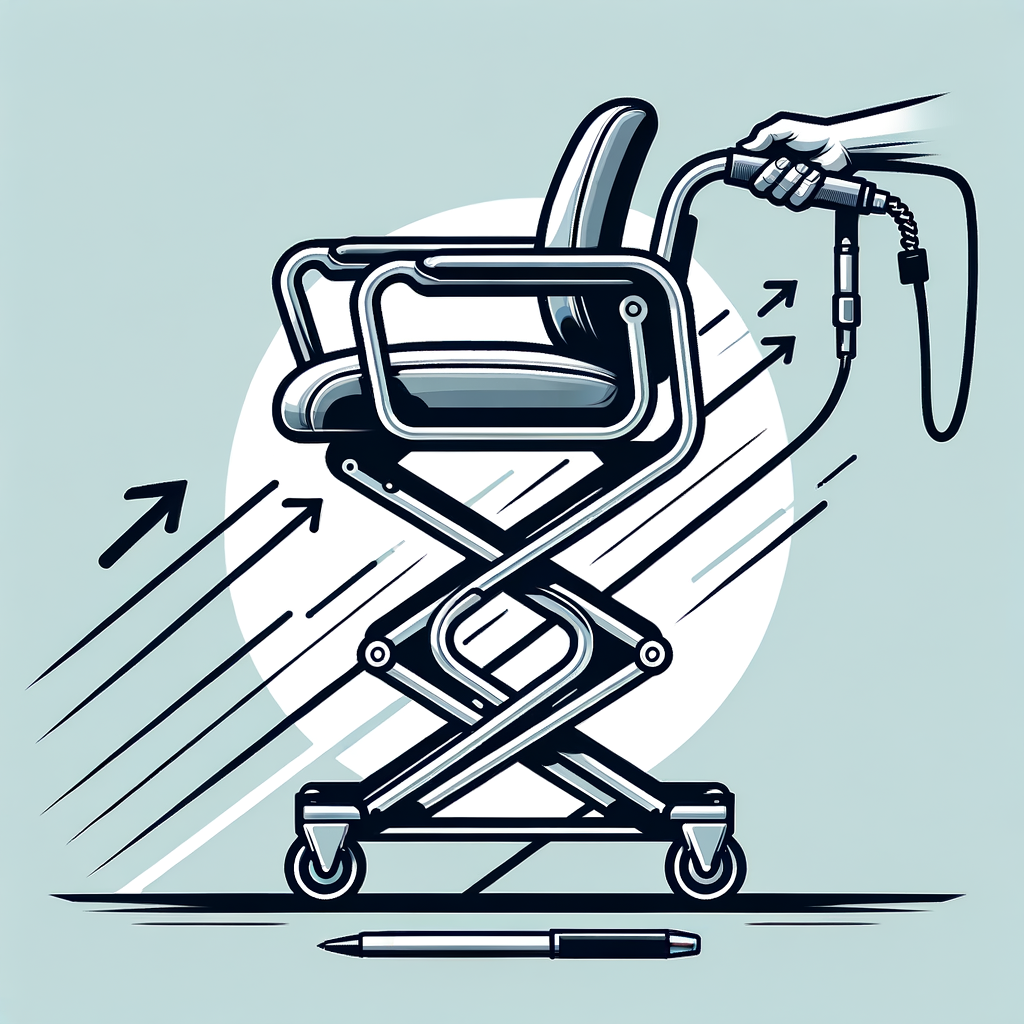
Portability and accessibility are two important aspects that have a profound impact on the quality of life for individuals with mobility challenges. Portable chair lifts represent a significant advancement in this field, offering a solution that not only promotes independence but also ensures safety and convenience. These devices redefine mobility by accommodating the needs of users in both residential and commercial settings. They provide ease of use and adaptability, making them an essential tool for daily living. The evolution of portable chair lifts from cumbersome and limited-use devices to sleek, versatile solutions has been remarkable. Their design and functionality cater to various environments and individual requirements, embodying a perfect blend of engineering and user-centric design.
The necessity for such mobility devices stems from a greater understanding of inclusivity and the importance of enabling individuals to move freely within their homes and communities. By providing a mechanism that allows seamless movement across different levels, portable chair lifts empower users, mitigate the risk of falls, and enhance the overall living experience. As more people age or face mobility challenges due to disability or injury, the demand for flexible and efficient mobility solutions has become increasingly prominent. Consequently, portable chair lifts have become an essential device in the toolkit for achieving accessibility and independence in various settings.
In this article, we will explore the attributes, benefits, and applications of portable chair lifts, delving into their versatility and practicality. We will look at how these devices are transforming mobility solutions, thereby bridging the accessibility gap in private homes and public spaces. This comprehensive guide aims to shed light on why portable chair lifts are not just a convenient accessory but a necessity for many, encompassing their role in day-to-day living while maintaining safety, dignity, and autonomy.
Understanding Portable Chair Lifts
Portable chair lifts are engineered devices designed to assist individuals in moving from one level to another, primarily addressing the challenges posed by stairs or uneven surfaces. Unlike traditional stairlifts, portable chair lifts offer flexibility, as they are not permanently installed or mounted onto staircases or walls. This feature allows them to be used in various locations, be it in a home with multiple levels, a split-level office, or even outdoor environments such as patios and gardens.
The primary components of a portable chair lift include a seat, which is attached to a mechanized platform, and a set of wheels or a track system for movement. They are typically battery-operated or can be charged using a standard outlet, ensuring that the device is ready for use whenever needed. The lift mechanisms are designed to carry an individual safely and smoothly, providing a reliable method of transport that eliminates the physical stress associated with traversing stairs.
These devices come in various models and capacities to meet different user needs. For example, there are lightweight, foldable models suitable for travel and more robust versions that cater to heavier weight capacities. Some models feature swivel seats for easier transfers, adjustable armrests, and safety straps or harnesses for added security. Moreover, many portable chair lifts incorporate intuitive controls, enabling effortless operation, even for those with limited dexterity.
Technological advancements have also led to the development of portable chair lifts equipped with smart features. Some of these include automated settings that allow the user to program the device to remember specific actions, motion sensor technology to navigate obstacles, and even smartphone app connectivity for remote operation. This integration of technology enhances the user experience, offering a blend of functionality, safety, and convenience.
Benefits of Portable Chair Lifts
Portable chair lifts offer numerous benefits that extend beyond mere transportation. They encompass safety, independence, and versatility, making them a crucial mobility aid for many individuals. Understanding these benefits can help users appreciate the full potential of portable chair lifts in enhancing daily life.
One of the most significant advantages of portable chair lifts is the increased safety they provide. For individuals with mobility challenges, stairs can pose a considerable risk. The use of a portable chair lift mitigates the risk of falls, one of the leading causes of injury among older adults and those with disabilities. These chair lifts provide a stable and secure ride, allowing users to negotiate stairs without the strain or danger associated with manual stair climbing.
Another key benefit is the promotion of independence. Many individuals face limited options when it comes to navigating between floors, often relying on assistance from family members or caregivers. Portable chair lifts facilitate independent living by enabling users to move freely and independently within their environment. This autonomy can significantly enhance one’s self-esteem and overall sense of well-being.
The versatility of portable chair lifts is also noteworthy. Since they are not permanently affixed to any particular location, these lifts can be used in various settings, from homes to public buildings. They can be transported and set up in different areas as needed, making them ideal for temporary situations or for those who frequently move locations. This flexibility ensures that users can maintain their mobility regardless of changes in their living circumstances.
Moreover, portable chair lifts contribute to peace of mind, not only for users but also for family members and caregivers. Knowing that loved ones can move safely and independently within a home or any setting reduces the anxiety associated with potential accidents. Additionally, these devices can be a cost-effective solution compared to major renovations required to make a building fully accessible. They avoid the need for costly stair lift installations or the construction of ramps that might not be feasible in all settings.
Applications in Different Settings
Portable chair lifts have extensive applications, ranging from residential use to commercial settings, making them invaluable tools in promoting accessibility and mobility across various environments.
In residential settings, portable chair lifts are a practical solution for individuals who live in multi-story homes but find it challenging to navigate stairs. They allow users to maintain access to all areas of their home without the need for invasive architectural modifications. For those living in rental properties or shared residences, the temporary nature of portable chair lifts makes them particularly appealing, as they can be moved without altering the property.
In commercial environments, portable chair lifts enhance accessibility for employees, customers, and visitors who may have mobility challenges. Businesses such as hotels, restaurants, and offices can benefit from these devices, ensuring compliance with accessibility regulations and promoting an inclusive environment. Event venues, for instance, can also offer portable chair lifts to accommodate guests with special mobility needs, thereby enhancing the inclusivity of events.
Moreover, portable chair lifts are beneficial in public spaces like museums and libraries, where they can be used to navigate multi-level exhibits or expansive shelving areas. They provide a practical solution to ensure that such spaces remain accessible to all, encouraging participation and attendance by individuals of all mobility levels.
Portable chair lifts are also a valuable asset in educational settings. Schools and universities, which often comprise multiple floors and buildings, can utilize these devices to ensure that students with mobility challenges can access all areas of the campus. This application underlines the commitment to inclusivity and allows all students to participate fully in academic and extracurricular activities.
Choosing the Right Portable Chair Lift
Selecting the right portable chair lift depends on a variety of factors, including the specific needs of the user, the environment in which the lift will be used, and personal preferences regarding design and functionality.
One critical consideration is the weight capacity of the lift. It is vital to choose a model that can safely support the user while allowing room for movement and comfort. Examining the design of the chair, including seat width, padding, and the availability of adjustable features, ensures that the lift provides a comfortable experience. When selecting models, prospective users should assess their ability to accommodate any required medical devices, like oxygen tanks or walkers, which might need to accompany them.
Additionally, evaluating the ease of operation is essential. Features such as intuitive controls, the ability to operate the lift independently, and the availability of remote operation can significantly affect the user’s comfort and ability to use the device without assistance. A portable chair lift that offers multiple speed settings or automated transitions can provide a smoother ride and enhance user confidence.
Another important factor is the lift’s portability, which includes evaluating its weight, the ease of assembly and disassembly, and how easily it can be transported from one location to another. A model that is lightweight and foldable is particularly advantageous for frequent travelers or those needing a device that can be transferred easily between different locations.
Conclusion
In conclusion, portable chair lifts represent a formidable advancement in the realm of mobility solutions, addressing accessibility challenges with versatility and efficiency. These devices are redefining what it means to be mobile, offering individuals the ability to move independently and safely, irrespective of age or physical limitations. Through thoughtful design and the integration of advanced technology, portable chair lifts have become more than just a convenience—they are crucial for promoting independence and dignity.
Their applications across residential, commercial, and public settings underscore their importance in fostering inclusivity and ensuring that every individual has the opportunity to navigate their environments freely. This extends to educational institutions and event venues, which can significantly benefit from the enhanced accessibility these lifts provide.
Moreover, the broad range of models available means that there is a portable chair lift suitable for virtually every need, making it easier than ever for individuals to take charge of their mobility. With convenience and ease, these devices continue to bridge the accessibility gap, ensuring that mobility can truly move with each user. By doing so, portable chair lifts are not just enhancing movement but are enriching lives, helping individuals achieve a sense of freedom and participation in their communities that might otherwise be beyond reach.
Frequently Asked Questions
1. What are portable chair lifts, and how do they enhance mobility?
Portable chair lifts are innovative devices designed to assist individuals with mobility challenges in navigating different levels of a home or public space. These lifts are engineered with portability in mind, meaning they can be easily transported and installed without the need for permanent fixtures. They enhance mobility by providing users with the independence to move freely between floors or over obstacles like stairs, promoting an active and inclusive lifestyle. The beauty of portable chair lifts lies in their ability to be tailored to the specific needs of the user, contributing significantly to their quality of life by combining ease of use with safety features. Whether it is for accessing an upper floor in a house or navigating public buildings, portable chair lifts offer a solution that addresses both everyday challenges and occasional needs.
2. How safe are portable chair lifts for individuals with mobility issues?
Safety is a paramount concern when it comes to mobility aids, and portable chair lifts are no exception. These devices are designed with numerous safety features to ensure user confidence and protection. Most portable chair lifts are equipped with robust seat belts, padded seats, and armrests that provide a secure and comfortable ride. They also come with emergency stop switches, which can halt the lift immediately in case of any issues, adding an extra layer of security. Additionally, modern portable chair lifts often incorporate sensors and automatic braking systems to prevent falls or slips. Their capacity to handle different weights and sizes of users without compromising on stability underscores their reliability and the emphasis manufacturers place on safety. Regular maintenance and proper usage are also key to ensuring that these devices remain safe and functional over time.
3. Can portable chair lifts be used in both residential and commercial settings?
Absolutely, the versatility of portable chair lifts makes them suitable for both residential and commercial environments. In homes, they can be a game-changer for individuals who have difficulty climbing stairs, effectively eliminating the need for stair renovations or relocations. They are perfect for older adults, individuals recovering from surgery, or those with permanent disabilities, enabling them to move freely and maintain dignity and independence. In commercial settings, portable chair lifts comply with accessibility standards, making locations such as offices, museums, and libraries more accessible to everyone. Their ease of installation and uninstallation means they do not require significant building alterations, which is particularly advantageous for businesses or public spaces. Furthermore, their unobtrusive design ensures they blend seamlessly into various environments without detracting from the aesthetic appeal or operational flow of the space.
4. How easy is it to transport and install a portable chair lift?
One of the defining features of portable chair lifts is the simplicity of transportation and installation. Unlike traditional, fixed chair lifts that require complex modifications to the structure of a building, portable chair lifts are designed for hassle-free setup. They often come in modular components, allowing for easy assembly and disassembly, which means they can be packed into a relatively compact form for transport. This portability is particularly helpful for users who travel frequently or need to use the lift in multiple locations. Most units are lightweight enough for one or two people to handle without professional movers. Installation typically involves setting the chair lift on the appropriate track system, and they don’t require specialized tools or extensive technical knowledge, turning what could be a daunting process into a straightforward task.
5. What should I consider when choosing a portable chair lift?
Choosing the right portable chair lift involves considering several factors to ensure it meets your specific needs. Firstly, assess the weight capacity of the lift to ensure it can safely accommodate the intended user. Consider the design and size of the chair lift to ensure it fits comfortably in the space where it will be used, and verify that the lift’s dimensions align with the path it will travel. Evaluate the ease of use, including how the controls operate – some come with joystick controls, while others have simple push-button interfaces. It’s also crucial to research the available safety features, like seat belts, brake systems, and emergency stops. Additionally, you should review the lift’s speed and how quietly it operates, as these can impact the user’s experience. Lastly, consult reviews and ratings from other users and consider the warranty and support services offered by the manufacturer, as these aspects will affect the long-term reliability and service of the chair lift. These considerations will guide you in making a choice that ensures both satisfaction and safety.