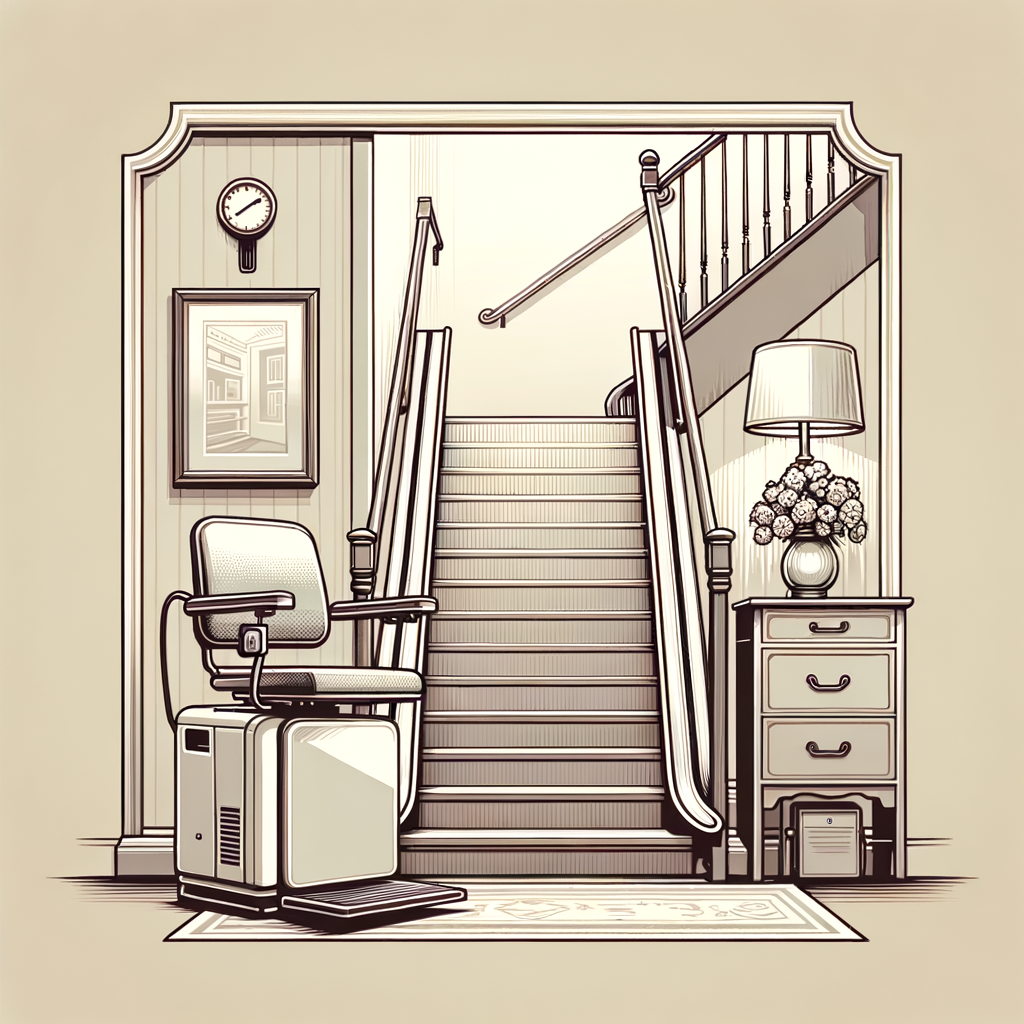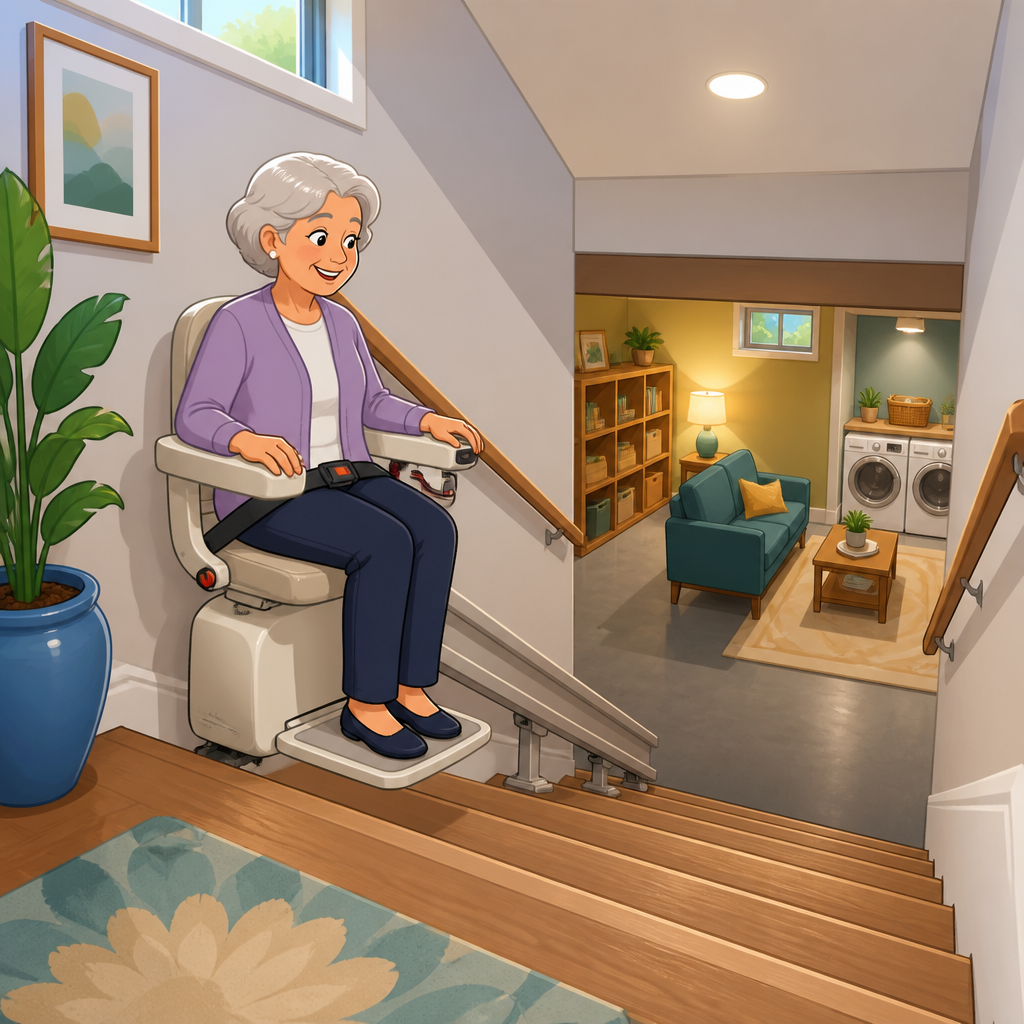
Stair lifts for basement stairs solve a specific mobility challenge: helping people move safely between a main floor and a lower level that often has steeper grades, tighter landings, lower headroom, and more moisture exposure than the primary staircase in a home. A stair lift is a motorized chair or perch mounted to a rail fixed to the stair treads, designed to carry one rider up and down while reducing fall risk and preserving access to laundry rooms, recreation spaces, workshops, bedrooms, and storage areas below grade. In practice, basement applications require more design scrutiny than many homeowners expect because the environment is less forgiving. I have walked through enough installations to know that the wrong rail configuration, an undersized seat, or poor planning at the bottom landing can turn a helpful device into an awkward obstruction. Getting the details right matters for safety, code awareness, usability, and long-term reliability.
Basement stair lifts matter because basement stairs are frequently the least accessible route in the house. They may be narrower than code minimums in older homes, interrupted by intermediate landings, or finished with open risers, worn carpet, or painted wood that becomes slick in humid conditions. Some descend directly toward a concrete wall or utility door, leaving little room to dismount. Others begin beside a kitchen passage where a folded chair still blocks circulation. A good design process starts with definitions. Straight stair lifts fit a single uninterrupted run. Curved stair lifts are custom-built for turns, intermediate landings, or parking the chair around a corner. Outdoor-rated units exist, but most basement projects use indoor lifts with corrosion-conscious component choices. Key terms include rail overrun, swivel seat, call/send controls, footrest obstruction sensors, charging points, and weight capacity. Understanding these terms makes product comparisons much easier and helps homeowners ask better questions before signing a proposal.
This page serves as a hub within the broader topic of chair lift types and designs, so the goal is not only to explain what a basement stair lift is, but also to show how design, measurement, installation, and maintenance fit together. Homeowners usually ask the same core questions: Will it fit on my stairs? Will people still be able to walk past it? Can it handle damp basement conditions? How much electrical work is needed? Is a straight unit enough, or is a custom rail required? The answer depends on staircase geometry, user needs, and the condition of the home. The most successful projects begin with a full site assessment, not a brochure. Measurements, photos, user transfer ability, and traffic patterns all influence the final recommendation. When basement access is critical to daily living, a well-matched stair lift improves independence immediately; when chosen poorly, it creates frustration and expensive rework.
How basement stair geometry affects stair lift design
The first design consideration is the staircase itself. Basement stairs often differ from the main staircase in pitch, width, and landing shape. Installers measure overall run length, tread depth, riser height, nosing profile, clear width, top and bottom landing depth, headroom, and any obstructions such as handrails, doors, trim, radiators, or utility piping. For a straight stair lift, the rail mounts to the treads, not the wall, so weak plaster or paneling is usually irrelevant; however, damaged treads or loose stringers are a serious concern and should be repaired before installation. Most manufacturers publish a minimum staircase width in the 28- to 30-inch range for basic units, but practical usability often improves once there is more space for knees, folded footrests, and standing pedestrians.
Pitch matters more than many buyers realize. A steeper staircase can change seat-to-footrest geometry and affect how secure a rider feels during travel. On basement stairs with short treads and high risers, installers may specify a model with a more compact carriage or adjustable seat height. Low headroom near the basement ceiling can also influence whether a user can remain seated comfortably through the full ride. If the bottom landing is shallow, a rail overrun may be added so the chair stops away from the stair edge, allowing a safer dismount onto level flooring. In homes where the chair would otherwise park in front of a door or walkway, hinged rail sections are commonly used to keep access clear when the lift is not in use.
Curved and multi-landing basement staircases present a different level of complexity. Custom rails are fabricated to exact dimensions and can route the chair around a ninety-degree turn, onto a mid-landing, or away from the staircase to a safer parking point. They cost more and take longer to manufacture, but they solve circulation and safety problems that a straight model cannot. I generally advise homeowners not to force a straight-lift mindset onto a staircase that clearly needs a custom approach. The apparent savings disappear quickly if the user cannot transfer safely at the top or bottom.
User needs, seat configuration, and daily usability
The second major consideration is the rider. Basement stair lifts are not one-size-fits-all products, even when the staircase is simple. User height, weight, hip width, balance, transfer ability, grip strength, and vision all affect model selection. Standard residential units often support 250 to 350 pounds, while heavy-duty models can exceed 400 pounds but may require more staircase width. Seat size, arm width, footrest depth, and seat-to-footrest distance should be checked carefully, especially for users with limited knee flexion, arthritis, or neuropathy. A powered swivel seat can reduce twisting during dismount at the upper landing, and powered folding footrests help users who cannot bend easily.
Controls should match physical and cognitive ability. Most units use a constant-pressure rocker or toggle on the armrest, plus wall-mounted call/send controls at each landing. For a basement used by multiple family members, remote call/send controls are more than a convenience; they let one person send the chair back upstairs to keep the staircase open. If a user has tremors or reduced hand function, a larger paddle control is usually easier than a small switch. Some people need a perch-style lift rather than a fully seated model because limited hip flexion or severe joint stiffness makes sitting and standing difficult. Perch units can work on narrow stairs, but they demand strong balance and are not appropriate for every user.
Daily usability also depends on parking, charging, and traffic flow. The chair should be parked where it does not collect dust from a workshop, block a freezer door, or interfere with carrying laundry baskets. Battery-powered stair lifts charge at set points on the rail, typically at one or both ends. If the chair is left away from the charge point, batteries discharge over time and service calls follow. Good installers teach users exactly where the charge contacts engage and label the best parking position if needed.
| Design factor | Why it matters on basement stairs | Typical solution |
|---|---|---|
| Shallow bottom landing | Unsafe dismount near stair edge | Rail overrun or custom stop position |
| Doorway at stair base | Chair or rail blocks access | Hinged rail or alternate parking point |
| Narrow stair width | Limits walking clearance and seat size | Compact carriage or perch configuration |
| Intermediate landing | Straight rail cannot follow path | Custom curved rail |
| Humidity or dampness | Can affect finishes and electronics over time | Moisture control and corrosion-aware product choice |
Installation requirements, power, and safety features
Most modern residential stair lifts for basement stairs are battery powered, which means the motor runs from onboard batteries and a standard household outlet powers the charger. That arrangement is valuable during outages because the lift usually continues to operate for multiple trips, depending on battery age and load. A dedicated circuit is not always required, but a nearby reliable outlet is. Extension cords should never be part of a permanent installation. Before install day, the staircase should be structurally sound, clear of loose carpet edges, and free from stored items. If basement humidity is persistent, solve the moisture problem first with drainage, dehumidification, or air sealing rather than expecting the lift to tolerate poor conditions indefinitely.
Installation itself is typically fast for straight units, often completed in a few hours, while curved lifts take longer because the rail arrives custom-fabricated and must be aligned precisely. The best crews verify measurements twice: once during the sales survey and again before drilling. They confirm seat height, test charge points, and run the chair under load. Safety systems should include a seat belt, swivel-seat lock, overspeed governor, obstruction sensors on the footrest and carriage, final limit switches, and a manual lowering or troubleshooting procedure documented for the homeowner. Recognized manufacturers commonly follow established product safety standards for stairway chairlifts, and buyers should ask exactly which standard the model meets rather than accepting vague assurances.
Professional installation matters because basement conditions reveal shortcuts quickly. Uneven tread surfaces can cause rail alignment issues. Loose newel posts or trim can interfere with travel. Doors at the stair bottom may need to be re-swung or trimmed to avoid conflicts. In some homes, the handrail remains; in others, its position creates pinch points and must be modified. None of these decisions should be improvised on install day without discussing how they affect emergency egress and normal stair use. A reputable contractor documents the final layout, demonstrates operation to every regular user, and explains what to do if the lift stops unexpectedly.
Basement-specific challenges: moisture, maintenance, and long-term value
Basements introduce environmental stresses that are easy to underestimate. Even a finished lower level can have seasonal humidity swings, concrete dust, and cooler temperatures that affect comfort and equipment longevity. Moisture does not usually demand a fully outdoor-rated stair lift, but it does call for realistic maintenance planning. Metal components, charging contacts, and seat hardware should be kept clean. Batteries age faster when lifts are left uncharged, and some basements encourage exactly that if the chair is parked away from the contact points. Annual service is a sensible baseline, with more frequent checks in dusty workshop settings or households with heavy daily use.
Cost and value deserve a balanced discussion. Straight basement stair lifts generally cost less than curved units because the rail is standardized, while custom curved systems can be several times more expensive due to surveying, engineering, and fabrication. Added features such as powered swivel seats, folding rails, larger seats, or heavy-duty capacity raise the price but may be justified if they solve a real transfer or clearance problem. Used or reconditioned straight lifts can be a practical option when sourced from an established dealer who replaces wear components and supports the product locally. Reconditioned curved lifts are less straightforward because the rail geometry is unique to the original staircase, so major savings are less common.
The long-term benefit is straightforward: safe basement access preserves usable living space and reduces dependence on others. For some households, that means keeping a laundry area in service rather than relocating appliances upstairs. For others, it means reaching a bedroom, bathroom, or family room that would otherwise be off limits. The best results come from treating the stair lift as part of the home’s access strategy, not as an isolated purchase. Review the staircase, the user, the environment, and the service plan together. If you are comparing options, schedule an in-home assessment, ask for exact measurements and safety standard documentation, and insist on a design that fits both the basement stairs and the person who will ride it every day.
Choosing stair lifts for basement stairs is ultimately a design decision as much as a mobility purchase. The right unit matches staircase geometry, user ability, and the environmental realities of a lower level. Straight lifts work well on uninterrupted runs with adequate landings, while curved systems earn their cost when turns, door conflicts, or awkward parking areas would compromise safety. Details such as rail overruns, hinged sections, seat size, charging position, and moisture control are not upgrades to think about later; they are central to whether the lift feels natural to use from the first week onward.
For homeowners and caregivers, the clearest takeaway is simple: begin with an on-site evaluation, not a catalog. Measure carefully, identify transfer risks, review power and service requirements, and choose a model supported by a reputable local installer. When those steps are handled well, a basement stair lift restores access to valuable space, reduces fall risk, and supports independent living without major remodeling. Use this page as your starting point within the wider stair lift topic, then compare straight, curved, heavy-duty, and seat-configuration options in more detail before making a final decision.
Frequently Asked Questions
What makes basement stairs different from other staircases when choosing a stair lift?
Basement stairs often present a more complex installation environment than the main staircase in a home. In many houses, the stairway to a lower level is steeper, narrower, or built with tighter turns and shorter landings than the stairs between primary living areas. Basement access may also involve lower ceiling clearance, exposed walls, utility lines, concrete surfaces, or doors located close to the top or bottom of the staircase. All of these factors influence the type of stair lift that can be installed, how the rail is designed, and what safety features are most important.
Unlike an upper-floor stairway, a basement staircase may also be more vulnerable to moisture, temperature swings, and dust. That matters because the lift’s rail, motor housing, charging points, and seat materials should be selected and positioned with durability in mind. A professional installer will evaluate stair width, tread depth, landing space, headroom, obstructions, and the overall approach to the stairs before recommending a model. The goal is not just to fit a lift onto the staircase, but to ensure the rider can get on and off safely at both levels without feeling cramped or unstable.
Can a stair lift be installed on steep or narrow basement stairs?
In many cases, yes, but the answer depends on exact measurements and how the staircase is used by everyone in the home. A stair lift is typically mounted to the stair treads rather than the wall, which allows it to work on many basement staircases that at first seem difficult. However, steep pitch, limited width, and compact landings can affect whether a standard seated model will work or whether a perch-style lift, folding components, or a custom rail is the better solution. The installer will look closely at how much clearance remains when the seat, footrest, and armrests are folded up, as well as whether other household members can still use the stairs comfortably.
For narrow stairs, the focus is often on preserving as much walking space as possible while still providing secure travel for the rider. For steep stairs, proper seat positioning, footrest design, and smooth start-and-stop operation become especially important. In some homes, a straight stair lift will be sufficient; in others, a curved or customized setup may be needed to handle a turn, offset landing, or doorway at the bottom. What matters most is that the lift is matched to the staircase geometry and the user’s mobility needs, rather than relying on a one-size-fits-all assumption.
What design features are most important for a basement stair lift installation?
Several design details can make a major difference in comfort, safety, and long-term performance. One of the most important is the rail layout. Basement stairs may require a rail that stops short of a doorway, includes a folding section to prevent blocking a passage, or extends slightly beyond the top or bottom step to create a safer transfer point. Seat height, swivel function, folding footrest, and easy-to-reach controls are also key, especially when a rider has limited balance, reduced leg strength, or difficulty turning their body in a tight space.
Safety systems are equally critical. Quality basement stair lifts typically include a seat belt, obstruction sensors, lockable controls, battery backup, and a smooth braking system. Because lower-level stairs may be dimmer or more enclosed, clear visibility and predictable operation are especially valuable. Material selection also matters. If the basement is prone to humidity or occasional dampness, the installer may recommend finishes and components that are better suited to that environment, along with proper charger placement away from moisture exposure. In practical terms, the best design is one that respects the physical limitations of the user, the unusual geometry of basement stairs, and the day-to-day traffic patterns in the home.
How does the installation process work for a basement stair lift?
Installation usually starts with an in-home assessment, where a technician measures the staircase and evaluates the surrounding area in detail. This includes the length and angle of the stairs, the size of the landings, headroom, nearby doors, handrails, and any obstructions such as pipes, trim, or storage items. The installer will also ask about the intended user’s mobility, height, weight capacity needs, and whether a seated or perched riding position is more appropriate. These details help determine the right lift model and any custom rail requirements.
Once the system is selected, the rail is typically secured to the stair treads, not the wall, which minimizes structural disruption. The chair, power system, charging points, and safety features are then installed and tested. Basement jobs can sometimes require extra planning if there is limited landing space, a door that swings toward the stairs, or environmental issues such as dampness or uneven surfaces at the lower level. After installation, the user should receive a full demonstration covering how to operate the lift, fold it when not in use, use the seat belt, charge the system, and respond to any alerts. A properly completed installation does more than make the lift run; it ensures the rider can use it confidently and safely every day.
Are there special maintenance or safety considerations for stair lifts used on basement stairs?
Yes. Because basement environments can be more humid, dusty, or cool than the main floor, routine maintenance becomes especially important. Dust and debris should be kept off the rail, and the lift should be inspected regularly to make sure sensors, batteries, and charging contacts are functioning correctly. If the basement has a history of moisture problems, those conditions should be addressed as part of the broader safety plan, since excessive dampness can affect both the equipment and the user’s ability to transfer safely at the bottom landing. Keeping the lower landing dry, well-lit, and free of clutter is just as important as maintaining the lift itself.
From a safety standpoint, homeowners should also think beyond the equipment. The rider needs enough room to get on and off the seat without twisting awkwardly, and the staircase should remain clear at all times. Family members should understand how the folded lift sits on the stairs and how to use call/send controls if the chair is needed on another level. Scheduling periodic professional service is a smart step, particularly for heavily used lifts or installations in harsher basement conditions. With the right maintenance and attention to the surrounding space, a basement stair lift can provide reliable, long-term access while significantly reducing the risk of falls.