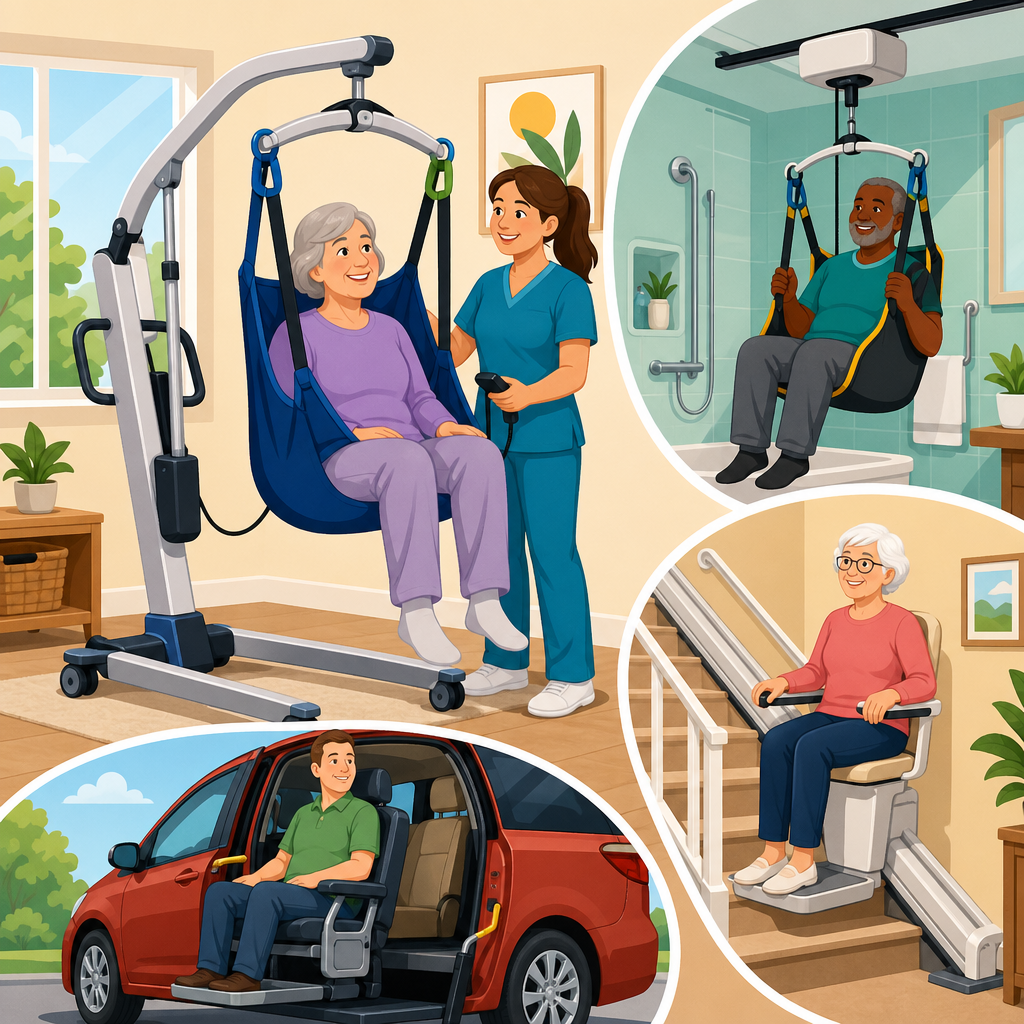
Cheap chair lifts can still offer great safety when you know which features matter, which costs are worth paying, and where budget models cut corners without increasing risk. In practical terms, a cheap chair lift is not a flimsy product; it is a stair lift, vertical platform lift, or seat lift sold at a lower total installed price because of simpler rail designs, standard seat packages, refurbished components, or fewer cosmetic upgrades. I have helped families compare quotes, inspect used units, and review maintenance records, and the pattern is consistent: the safest low-cost option is rarely the lowest sticker price. It is the model with certified safety systems, proper installation, and a service plan that keeps the lift reliable over time. For buyers using this page as a hub for budget-friendly options, the goal is clear. You need to understand what makes chair lifts safe, what drives price, and which categories deliver the best value for straight stairs, curved stairs, outdoor steps, and wheelchair access. That foundation lets you evaluate cheaper chair lifts confidently instead of guessing.
Safety in this market has a concrete meaning. A quality chair lift should have a seat belt, obstruction sensors, swivel-lock seat, battery backup, overspeed governor or equivalent braking protection, secure footrest, armrests, and call/send controls. Reputable manufacturers also build to recognized standards and use trained installers who anchor rails correctly, test charging points, and verify travel clearances. Price matters because chair lifts are often an urgent purchase after a fall, surgery, or mobility decline. Families may be balancing hospital bills, home modifications, and caregiving costs, so finding affordable stair lift options without sacrificing safety is essential. This article explains where cheap chair lifts make sense, how to compare budget stair lifts, and what questions to ask before you buy. It also points toward the broader subtopic of budget-friendly mobility equipment, so you can use it as a central guide when exploring refurbished units, rental programs, financing, warranty terms, and installation choices.
What safety features every budget chair lift should include
If you remember only one rule, remember this: never buy a chair lift because it is cheap; buy it because it meets a minimum safety checklist at a lower cost. On every budget comparison I do, the nonnegotiable items are a retractable seat belt, pressure-sensitive obstruction sensors on the footrest and carriage, a manual or powered swivel seat with a positive lock at the landing, and battery operation during power loss. Battery backup is especially important because many users rely on the lift during storms or local outages, and a stalled unit on the stairs creates immediate risk. Good systems also include a braking mechanism that engages automatically if speed exceeds safe limits, plus a folding footrest to reduce trip hazards when the unit is parked.
Call/send controls are easy to overlook, but they matter for both safety and convenience. They let one user summon the lift without climbing partway up the stairs, and they allow a caregiver to send the chair away so it does not block a hallway. In homes with multiple users, lockable controls can prevent unsupervised use by children. Another practical feature is a diagnostic display or status indicator. Budget lifts with simple onboard diagnostics save money later because service technicians can identify charging faults, seat position errors, or sensor interruptions quickly. The safest inexpensive chair lifts are therefore not stripped-down machines. They are standard models with essential protections intact and luxury extras removed. Upholstery color, powered folding rails, and designer seats can raise price, but they do not improve core safety nearly as much as correct rail alignment, landing clearance, and preventive maintenance.
Where the savings come from in low-cost stair lifts
Cheap chair lifts are cheaper for understandable reasons, and buyers should know which reasons are acceptable. The biggest driver is stair shape. Straight stair lifts are far less expensive than curved models because the rail is standardized, easier to ship, and faster to install. In many markets, a straight stair lift with installation costs a fraction of a curved unit because curved rails are custom fabricated to match turns, intermediate landings, and parking positions. A second source of savings is refurbishment. Dealers often remove straight lifts from previous homes, replace wear components, fit new batteries, test the carriage, and reinstall the unit on another straight staircase. When handled by a reputable dealer, refurbished stair lifts can be one of the best budget-friendly options available.
Another source of lower price is feature selection. Manual swivel seats, manual folding footrests, and basic wall-mounted call stations cost less than powered options. Standard weight capacity also lowers cost compared with heavy-duty chair lifts designed for larger users or extra-wide seats. Finally, dealer network and service territory affect pricing. Local dealers with stocked inventory and trained technicians can offer better installed prices than companies shipping uncommon models long distances. The tradeoff is that cheap pricing can also come from weak support, short warranties, or uncertified installers. I have seen families save a few hundred dollars upfront only to spend more on service calls because parts were hard to source or the installer failed to level the rail correctly. Low purchase price is useful only when the dealer can support the lift for years, not just for delivery day.
Best budget-friendly options by lift type
For most buyers, the best cheap chair lift is a straight indoor stair lift. It offers the lowest installed cost, the widest refurbished inventory, and the simplest maintenance profile. Brands commonly sold through established dealers often provide compact seats, battery-powered travel, and standard obstruction sensors without forcing buyers into premium packages. If the staircase is narrow, look for a model with a slim rail and tightly folding seat arms. If the user has trouble standing from seated positions, prioritize seat height, armrest stability, and swivel ease over decorative upgrades. A basic straight unit that fits the user well is safer than a premium model with awkward transfers.
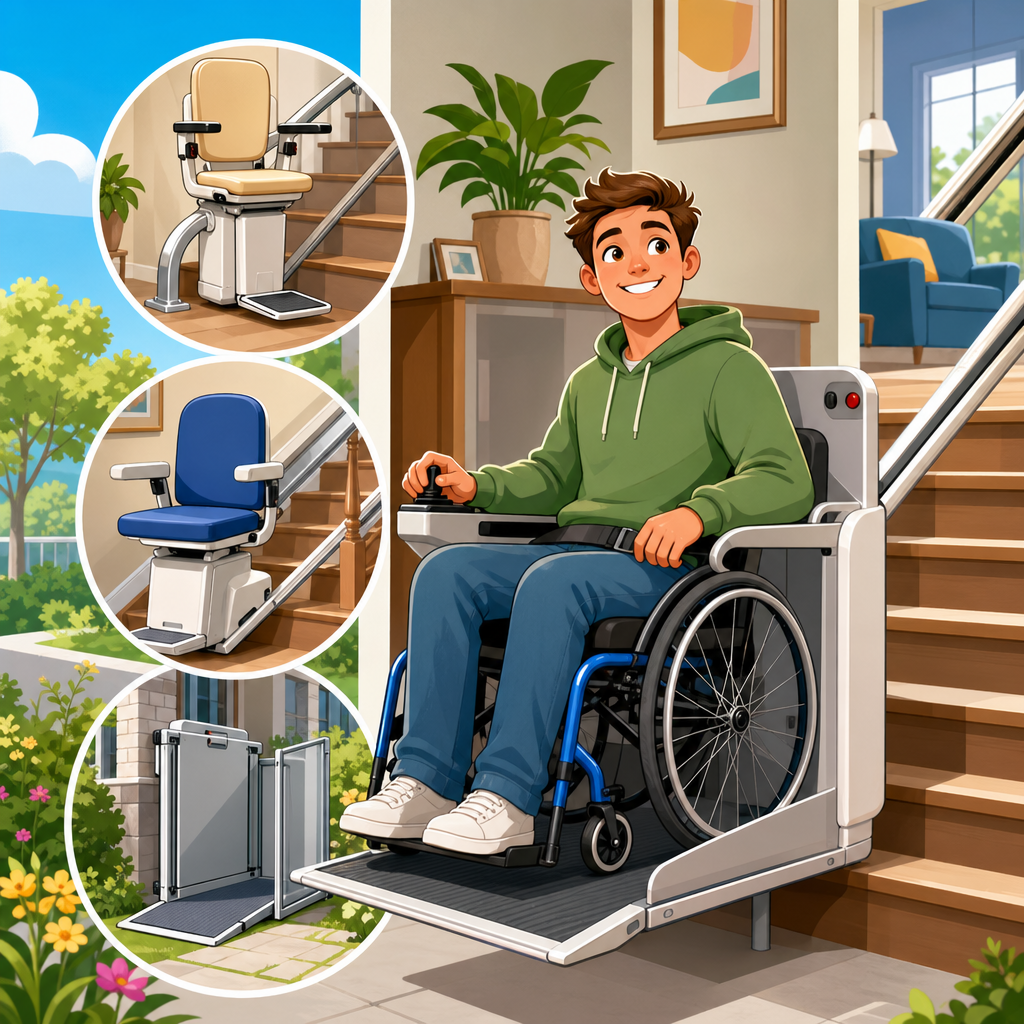
Curved stair lifts are the hardest category for bargain hunters, but there are still ways to control cost safely. Some manufacturers offer modular curved systems that reduce fabrication expense compared with fully custom one-piece rails. Others provide reconditioned chairs paired with newly made rails, which can cut the total price while preserving safety. Outdoor chair lifts can also be affordable if the staircase is straight. The key is weather resistance: sealed controls, covered rails, corrosion-resistant hardware, and UV-stable seat materials are not luxury items outdoors. For wheelchair users, a vertical platform lift may be safer than transferring into a seat, but this category is usually more expensive than a standard chair lift. Budget shoppers should compare the full cost of a platform lift against alternatives such as a ramp, especially when rise height and local code requirements are modest.
| Lift type | Typical budget advantage | Main safety priority | Best fit |
|---|---|---|---|
| Straight indoor stair lift | Lowest purchase and installation cost | Battery backup, swivel lock, obstruction sensors | Single straight staircase |
| Refurbished straight stair lift | Lower upfront price than new | Dealer inspection, new batteries, service support | Value-focused buyers |
| Curved stair lift | Limited savings through modular or mixed new/refurbished setups | Precise rail fit and landing clearance | Stairs with turns or landings |
| Outdoor stair lift | Affordable if straight and standard length | Weatherproofing and corrosion resistance | Porch, deck, or garden access |
| Vertical platform lift | Costly, but avoids transfer risk | Code compliance, gates, platform sensors | Wheelchair access |
How to compare cheap chair lift quotes without missing hidden costs
A low quote is meaningful only when you know what it includes. Ask every dealer to break out equipment, rail, installation, electrical work if needed, permit fees if applicable, warranty coverage, and future maintenance costs. Many straight stair lifts plug into a standard outlet and charge continuously or at designated points, but not every home has a convenient outlet near the staircase. If an electrician must add one, that changes the real budget. Ask whether the quoted price includes a folding rail at the bottom landing if a standard rail would create a trip hazard. Also confirm whether the seat width, rail length, and weight capacity shown on the quote match the actual user.
Service response time is another hidden cost. A cheaper dealer who takes a week to schedule repairs may be a poor value if the lift is essential for bedroom or bathroom access. Ask how many technicians the dealer has, which brands they are authorized to service, and whether they stock batteries, charge strips, and common carriage components locally. Warranty details matter too. Some low-cost offers include only parts coverage, leaving labor as an expensive surprise. Others provide short labor terms but longer drivetrain coverage. I advise buyers to calculate the three-year ownership cost rather than fixating on the invoice total. Add likely battery replacement, annual service, and any modifications needed for safety. That broader comparison usually exposes which quote is truly affordable and which one only looks cheap at first glance.
Refurbished, rental, and financing choices that keep costs manageable
Refurbished chair lifts are often the strongest answer for shoppers who need safe mobility on a tight budget. A well-reconditioned straight stair lift should include inspected rails, tested controls, fresh batteries, replaced wear items where needed, and a written warranty. Ask who performed the refurbishment and whether the model is still supported by the manufacturer or dealer for parts. In my experience, older unsupported units are false bargains. They may work on installation day, but one failed board or charger can make them useless if parts are unavailable. Newer refurbished models from active product lines are much safer bets.
Rental programs are useful when mobility needs are temporary, such as post-surgery recovery or rehabilitation after injury. They reduce upfront cost and may include removal, which matters if the lift is needed for only a few months. Read the terms carefully because monthly fees, minimum rental periods, and installation charges vary widely. Financing can also make a safer model affordable, particularly when the alternative is delaying access to bedrooms or bathrooms. Some buyers may qualify for assistance through veterans programs, state waiver services, nonprofit grants, or local aging agencies, though availability differs by location. A practical budget strategy is to combine funding sources: use a grant for installation, purchase a refurbished straight unit, and add a service plan. That approach often delivers better long-term reliability than choosing the absolute cheapest product with no support.
Installation, maintenance, and user fit determine real safety
Even the best cheap chair lifts become unsafe when installed badly or matched to the wrong user. The rail must be anchored according to manufacturer specifications, typically to stair treads rather than the wall, with correct spacing, level transitions, and clear stopping points at top and bottom landings. The seat should allow the user to sit fully back, keep feet on the footrest, and stand up without twisting awkwardly. If the user has limited trunk control, reduced hand strength, or significant arthritis, test the seat belt buckle, swivel lever, and armrest grip before purchase. A bargain model that the user struggles to operate independently is not a bargain.
Maintenance is equally important. Stair lifts generally rely on rechargeable batteries that need replacement every few years depending on use, charging habits, and environment. Dust on the rail, pet hair near the carriage, or items left on the stairs can interfere with operation. A dealer should show the owner how to park the lift correctly on its charging point, fold the seat safely, and recognize fault indicators. Annual service is a sensible baseline for most households, and heavy-use homes may need more frequent checks. When buyers ask me what separates safe affordable stair lifts from risky ones, my answer is simple: correct installation, user training, and consistent maintenance. Those three factors matter more than luxury options, and they are the reason some low-cost units perform reliably for years while others fail early.
Cheap chair lifts that still offer great safety do exist, but the safest budget choice is a well-supported one, not merely the least expensive line item on a quote. Start with the essential safety features: seat belt, obstruction sensors, battery backup, secure swivel seat, reliable braking, and easy call/send controls. Then focus on value drivers that genuinely lower cost, such as straight-rail designs, refurbished units from reputable dealers, rentals for short-term needs, and financing or assistance programs that let you avoid unsafe compromises. Compare quotes by total ownership cost, not sticker price alone, and confirm who will service the lift after installation. That is where many supposedly cheap stair lifts become expensive.
As the hub for budget-friendly options in buying guides and product reviews, this page should help you narrow your next step. If you need the best value for a straight staircase, explore refurbished and standard straight models first. If you need help with turns, outdoor steps, or wheelchair access, compare specialized options carefully and ask harder questions about fit, weather protection, and code compliance. In every case, put user fit and installer quality ahead of cosmetic upgrades. A modestly priced lift that is certified, properly installed, and maintained on schedule will do more for independence and fall prevention than a premium model chosen poorly. Use this guide to build your checklist, gather quotes, and move forward with confidence.
Frequently Asked Questions
Are cheap chair lifts actually safe, or do lower prices usually mean lower safety?
Cheap chair lifts can absolutely be safe, but the key is understanding why the lift is less expensive. A lower price does not automatically mean the lift is poorly made or risky. In many cases, budget-friendly stair lifts, seat lifts, and vertical platform lifts cost less because they use straight rail systems instead of custom curved rails, come with standard seat packages, include fewer cosmetic upgrades, or use refurbished components that have been tested and reconditioned. Those factors can reduce total installed cost without removing the core safety systems that matter most in daily use.
The most important thing to check is whether the lift includes the essential safety features that protect the rider during travel and transfer. These usually include a seat belt, obstruction sensors, a secure braking system, swivel seat locks where applicable, battery backup, and a stable rail or platform system designed for the user’s weight and stair layout. A cheap chair lift becomes a problem only when corners are cut on installation quality, maintenance, proper fit, or the mechanical condition of the unit. In other words, safety problems are more often tied to poor assessment and poor installation than to price alone.
It also helps to separate “budget model” from “unknown seller special.” A lower-cost lift from a reputable manufacturer or dealer is very different from a unit with unclear service history, missing parts, or no support after installation. Families should ask who inspected the lift, whether the installer is experienced, what warranty is included, and what ongoing service is available. If the lift is correctly matched to the home and rider, professionally installed, and equipped with standard modern safety protections, a cheap chair lift can still offer excellent everyday safety.
Which safety features matter most when buying an affordable chair lift?
If you are comparing lower-priced chair lifts, focus first on the features that directly reduce the risk of falls, collisions, and mechanical failure. The seat belt is one of the most basic and most important items because it keeps the rider secure throughout the trip, especially for users with balance issues or involuntary movement. Obstruction sensors are equally critical. These sensors stop the lift if something is on the stairs, on the rail, or under the footrest, helping prevent injury to both the rider and others in the home.
A reliable braking system is another non-negotiable feature. A quality lift should stop smoothly, hold its position securely, and avoid sudden jerking during operation. For stair lifts, a swivel seat with a locking mechanism matters because it allows safer entry and exit at the top landing. Without a secure swivel-and-lock function, transfers can become much less stable. The footrest should be sturdy and ideally foldable, and many good budget models also include safety edges or pressure sensors on the footrest itself.
Battery backup is also worth paying for, even on an affordable unit. In a power outage, the user may still need to travel up or down the stairs safely. A battery-powered system that charges while parked is often a better safety investment than cosmetic seat upgrades or premium trim packages. For vertical platform lifts, look for platform edge barriers, emergency stop controls, non-slip surfaces, and dependable gate interlocks. These are the features that directly contribute to rider protection.
Finally, remember that no feature can compensate for a bad installation. Even the safest design on paper becomes less safe if the rail is poorly mounted, the platform is misaligned, or the unit is not adjusted for the user’s body size and mobility level. When shopping affordably, put your money into structural reliability, installation quality, and service support first. Those are the areas where budget-conscious buyers should never compromise.
Is a refurbished or used chair lift a safe option for saving money?
A refurbished chair lift can be a very safe way to reduce cost, but only when it has been properly evaluated, rebuilt where needed, and installed by a qualified professional. Many families save significantly by choosing a reconditioned straight stair lift because these units are easier to remove, inspect, and reuse than highly customized curved systems. A good refurbished lift is typically cleaned, tested, fitted with replacement wear parts where necessary, and checked to confirm that its controls, sensors, batteries, seat functions, and drive system are working correctly.
The biggest safety difference is not simply whether the unit is new or used; it is whether there is a verified service history and a trustworthy company standing behind it. Ask whether the batteries are new, whether the seat belt and safety sensors were tested, whether any damaged components were replaced, and whether the rail and carriage were inspected for wear. You should also ask whether the lift meets current manufacturer guidelines for the intended application and whether the installer has confirmed that the stairway dimensions, landing space, and power setup are suitable.
Used lifts become risky when people buy them privately without inspection, attempt self-installation, or install a lift that was designed for a different stair configuration. Missing hardware, outdated electronics, worn rollers, weak batteries, or improperly mounted rails can all create safety issues. A professionally refurbished chair lift, on the other hand, can provide dependable performance for many users at a lower price point. The smarter approach is to save money on the equipment source while staying strict about inspection, installation, and support.
If the seller cannot explain what was refurbished, cannot provide any warranty, or cannot arrange service after installation, that is a red flag. A safe budget purchase should still come with clear condition documentation, a defined installation plan, and someone to call if adjustments or repairs are needed. In short, refurbished can be a practical and safe option, but only when the cost savings come from reuse and reconditioning, not from skipped testing or unsupported sales.
Where do budget chair lifts usually cut costs without increasing risk?
Budget chair lifts often save money in areas that do not directly affect the rider’s safety. One of the most common cost reductions is a straight rail design. Straight stair lifts are much less expensive than custom curved systems because they are simpler to manufacture and faster to install. That lower cost does not inherently reduce safety; it just reflects a less complex setup. Likewise, many affordable models come with standard seat sizes, simpler upholstery, and fewer style choices. These cosmetic differences may affect comfort or appearance, but not core protection when the unit is properly built and installed.
Another area where costs are lowered is in optional convenience features rather than essential safety systems. For example, a budget model may not include powered swivel seats, powered folding footrests, upgraded call/send controls, premium fabrics, or designer finishes. Those extras can be helpful, but they are not the foundation of a safe lift. A lower-priced unit may also have a more basic control panel or fewer customization options while still retaining seat belts, obstruction sensors, battery operation, and secure rail mounting.
Refurbished components are another major source of savings. A reputable dealer can reuse rails, carriage assemblies, or seat frames after inspection and restoration, which lowers cost while preserving safe function. Installation can also be more affordable when the home layout is straightforward and does not require structural modifications, special electrical work, or extensive custom fabrication. In those situations, the lower total price reflects a simpler project rather than a less safe lift.
The real warning signs appear when savings come from skipped assessment, unqualified installation, lack of service support, or omission of basic safety hardware. Those are not smart budget cuts. Safe cost-cutting happens in rail simplicity, aesthetics, and nonessential upgrades. Unsafe cost-cutting happens when the lift is not properly matched to the rider, not maintained, or sold without accountability. That distinction matters more than the sticker price itself.
How can families compare cheap chair lift quotes and still make the safest choice?
The safest way to compare cheap chair lift quotes is to look beyond the base price and evaluate what is actually included. Two quotes may look similar at first, but one may include professional assessment, installation, warranty coverage, battery replacement, service calls, and safety testing, while the other may only cover the unit itself. Start by asking whether the quote includes installation, rail mounting, electrical setup if needed, user instruction, and post-installation testing. A lower price is only a good value if the lift is fully installed and ready to operate safely.
Next, compare the safety-related specifications. Ask about weight capacity, seat belt design, swivel seat lock, obstruction sensors, battery backup, emergency stop functions, and any applicable certifications or manufacturer testing standards. If the lift is refurbished, ask exactly what was reconditioned and whether critical wear parts were replaced. You should also ask who will service the lift if it needs adjustment, repair, or battery replacement later. A cheap quote without reliable follow-up support can become expensive and risky very quickly.
It is also wise to have the dealer assess the actual user, not just the staircase. A safe lift must match the rider’s mobility level, transfer ability, body size, and daily routine. For example, a user with weak trunk balance may need a different seat design or transfer setup than someone who is simply avoiding stair fatigue. The safest quote is the one that accounts for both the home and the person using the equipment. Families should be wary of any seller who offers a price without asking detailed questions about stair dimensions, landing space, medical needs, and who else uses the stairs.
Finally, compare company credibility as carefully as you compare price. Look