Finding the best chair lifts for wheelchair users starts with understanding that no single lift fits every home, body, or mobility need. In practice, the right system depends on staircase shape, transfer ability, wheelchair type, caregiver support, and long-term plans for aging in place. A chair lift is a motorized seat that travels along a rail fixed to the stairs, while a platform lift carries a wheelchair directly without requiring a standing transfer. Many buyers use “chair lift” broadly, but that distinction matters because it affects safety, installation, cost, and daily convenience. I have worked with families comparing both options, and the most common mistake is shopping by price alone before measuring the staircase, clarifying weight capacity, and asking how the user will get on and off at each landing. This guide serves as a hub for the topic, explaining the main lift categories, the best use cases, the limits you need to know, and the buying criteria that separate a reliable accessibility upgrade from an expensive frustration.
Chair lifts matter because stairs are one of the biggest barriers inside otherwise livable homes. According to the CDC, falls remain a leading cause of injury for older adults, and for disabled users the risk rises further when balance, strength, or endurance is limited. A properly selected stair lift or wheelchair lift reduces strain, extends independence, and can delay or eliminate a forced move. It also affects the wider household: spouses avoid unsafe assisting, caregivers save time, and family members gain predictable access between floors. For buyers searching for the best chair lifts for disabled users, the goal is not simply movement up and down stairs. The goal is safe, repeatable access that matches real life: medication schedules, laundry, bedrooms on the second floor, narrow hallways, power outages, and changing mobility over time. That is why the strongest buying decision always begins with user needs, staircase constraints, and product support in your area, not with an online list of generic “top picks.”
Types of chair lifts and which users they serve best
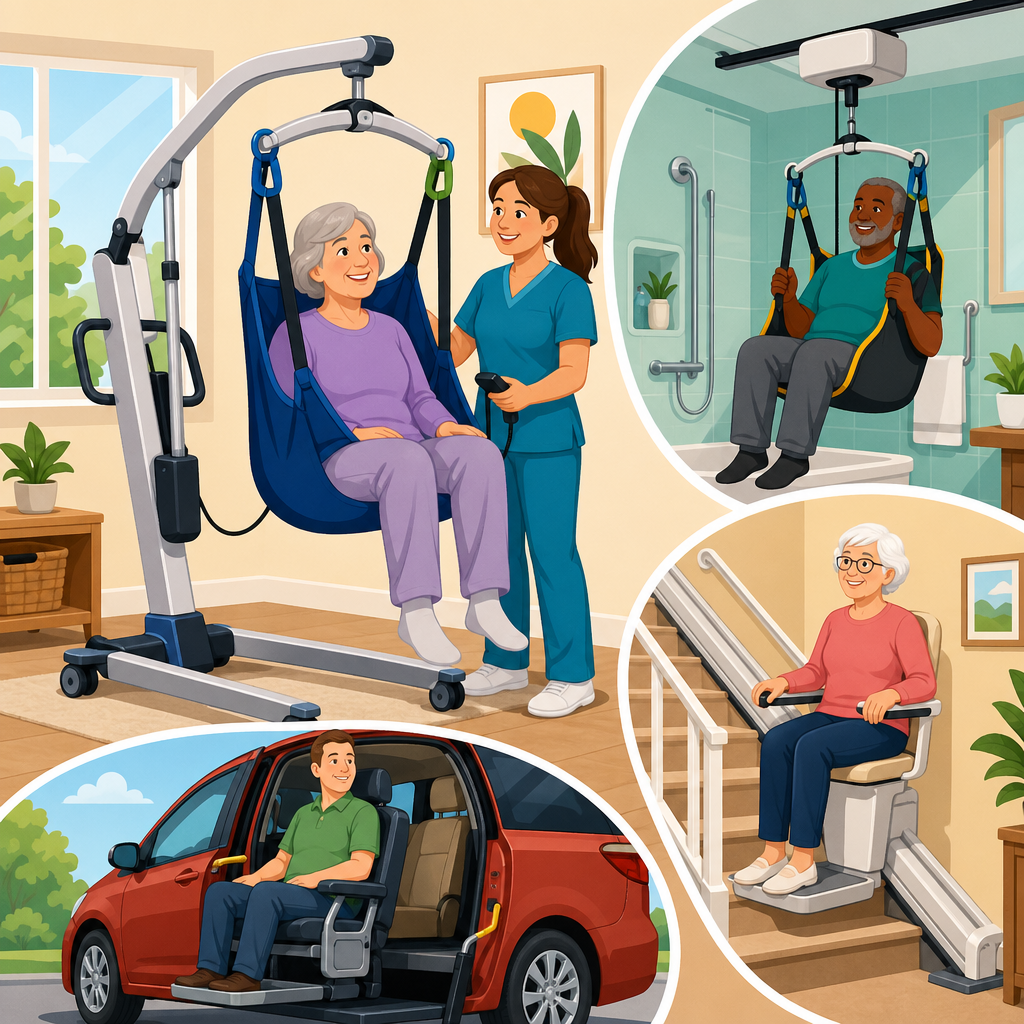
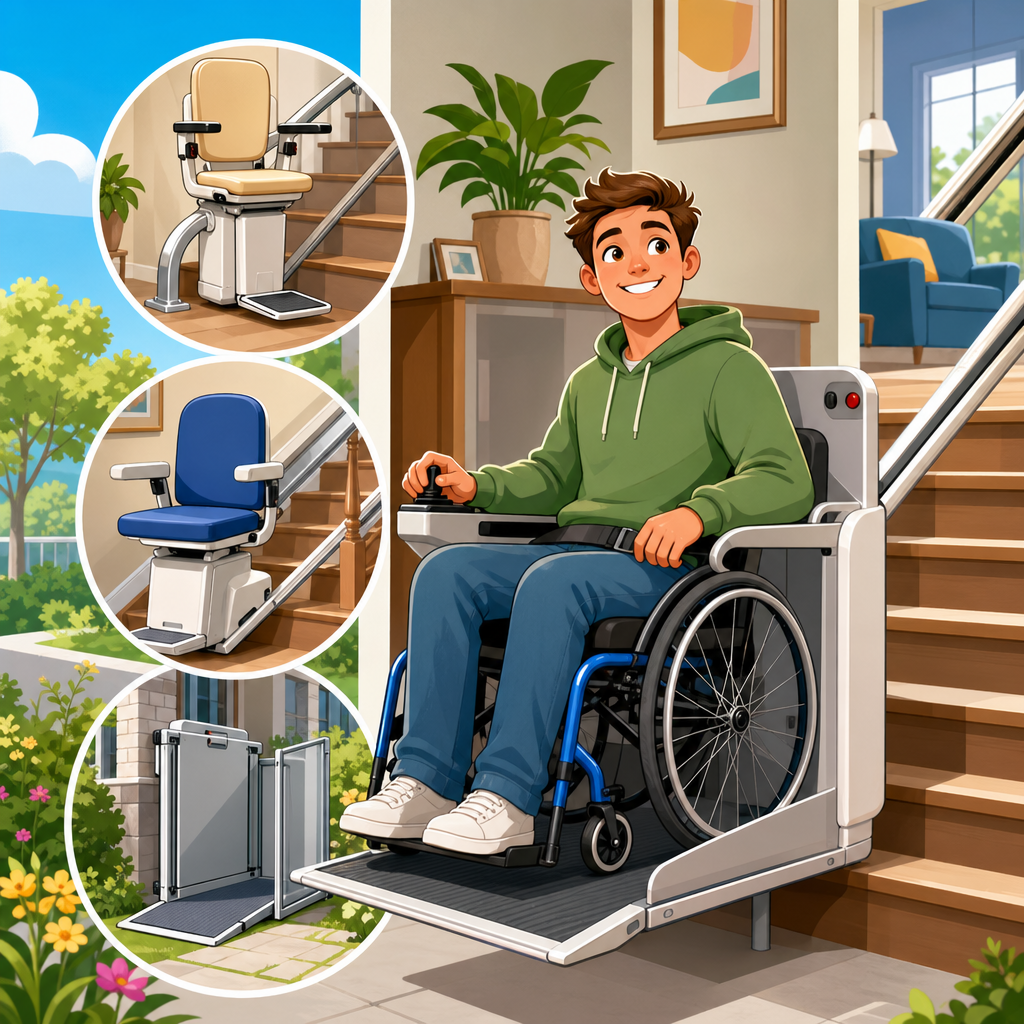
The first decision is whether you need a seated stair lift, a perch lift, or a vertical or inclined platform lift for a wheelchair. A standard seated stair lift is best for users who can safely transfer from a wheelchair to a chair at both ends of the staircase. It typically includes a swivel seat, foldable footrest, seat belt, call/send controls, obstruction sensors, and battery backup. These lifts work well for many people with arthritis, limited stamina, multiple sclerosis, or partial lower-limb weakness. They do not solve the transfer problem, however, and I regularly advise buyers to think hard about whether a standing pivot will still be safe two years from now, not just today.
Perch lifts are less common but valuable for users who struggle to bend their knees fully or cannot sit in a standard stair lift seat. The user rides in a near-standing or perched posture. They require good trunk control and enough balance to remain stable with support. For narrow staircases, perch lifts sometimes fit where a standard seat would create too much obstruction, but they are a niche solution and should be assessed carefully with a qualified dealer.
For many wheelchair users, the best answer is not a seat at all but a platform lift. An inclined platform lift travels along the staircase and carries the wheelchair on a fold-down platform. A vertical platform lift functions more like a small open elevator, raising the wheelchair between levels over a short vertical distance. These options preserve wheelchair use throughout the trip and reduce risky transfers. They also require more space, carry higher installation costs, and may involve stricter code review. When clients ask for the best chair lifts for wheelchair users, I usually explain that platform lifts are often the true wheelchair solution, while seated stair lifts are transfer solutions.
| Lift type | Best for | Main advantage | Main limitation |
|---|---|---|---|
| Seated stair lift | Users who can transfer safely | Lower cost and faster installation | Requires getting in and out of wheelchair |
| Perch lift | Users with limited knee flexion | Works in some tighter stairways | Not suitable for poor balance |
| Inclined platform lift | Wheelchair users on stair runs | No transfer needed | Takes more stair space |
| Vertical platform lift | Short rises such as porch to entry | Direct wheelchair access | Higher project complexity |
How to choose the best chair lift for wheelchair users at home
Start with the user, not the staircase brochure. Can the person transfer independently? Is there enough upper-body strength to reposition on the seat? Is the wheelchair manual or powered, and how much turning radius does it need on the landings? Does the user have progressive conditions such as Parkinson’s disease, muscular dystrophy, or ALS that may make transfers harder over time? A lift that works only under ideal conditions is not a good accessibility investment.
Next, assess the staircase. Dealers measure overall run, rise, width, landing depth, headroom, and any intermediate turns. Straight stair lifts are the simplest and usually the least expensive because the rail is standardized. Curved stair lifts use custom rails built to the exact geometry of the staircase, including landings and bends. They cost more because the rail is engineered and fabricated for one home. Outdoor lifts add weather-resistant materials, sealed controls, and covers, but exposure still increases maintenance demands.
Weight capacity is a critical filter. Many residential seated stair lifts support roughly 250 to 350 pounds, while heavy-duty models can reach about 400 to 600 pounds depending on brand and rail design. Platform lifts often carry more, but the wheelchair’s own weight must be included, especially with power chairs. I have seen buyers overlook this and discover that their combined user-plus-chair weight exceeds the platform rating. That is a nonstarter and a safety issue.
Power and reliability deserve equal attention. Most modern stair lifts run on batteries that charge continuously when parked, allowing several trips during a power outage. This is better than older direct-powered designs because operation remains smoother and quieter. Ask how many trips the unit can make without house power, what the battery replacement interval is, and whether the rail has charge points at one or both ends. Also ask about warranty coverage for motor, gearbox, electronics, and rail, since these are not always covered equally.
Best chair lift brands and product categories buyers should know
Several established manufacturers dominate the residential market. Bruno is widely respected in the United States for sturdy build quality, a strong dealer network, and reliable straight and curved stair lifts. Harmar is another major name, known for both stair lifts and vertical platform lifts, with models that cover standard and heavy-duty needs. Stannah has a long history and a reputation for refined curved-lift engineering and smooth ride quality. Savaria is especially relevant when the discussion shifts toward wheelchair lifts, platform lifts, and broader accessibility systems. Access BDD and Handicare are also well known in many markets for residential stair lift solutions.
There is no universal “best brand” in a vacuum. The best brand is the one with the right model for your staircase and dependable local service after installation. Stair lifts are durable machines, but service responsiveness matters because a breakdown can effectively trap a user on one floor. In my experience, dealer quality often matters as much as factory quality. A precise survey, clean installation, and fast follow-up turn a good product into a good ownership experience.
Buyers comparing the best chair lifts for disabled users should split products into categories rather than chasing a single top model. For a straight indoor staircase, focus on straightforward battery-driven units from Bruno, Harmar, Stannah, or Handicare. For a curved staircase, compare custom-rail expertise, turnaround time, and seat fit. For outdoor stairs, look for corrosion resistance and proven dealer support in your climate. For wheelchair access without transfers, move the comparison toward Savaria, Harmar, and other platform-lift specialists that understand code requirements and landing design. This category-based approach is more practical than generalized review lists because it matches the way accessibility projects succeed in the real world.
Installation, safety standards, and home fit considerations
A stair lift rail mounts to the stair treads, not usually to the wall, which surprises many first-time buyers. That means wall construction is less important than staircase integrity and landing space. Installation on a straight staircase can often be completed in a few hours, while curved systems take longer because of custom fitting and adjustment. Platform lifts and vertical platform lifts may require electrical work, concrete pads, gates, enclosures, or permit review depending on local rules.
Safety features should never be treated as optional extras. At minimum, look for a seat belt, overspeed governor, obstruction sensors on carriage and footrest, swivel-and-lock seat at the top landing, battery backup, and clear call/send controls. Platform lifts should include non-slip surfaces, roll-stop barriers or ramp protection, emergency stop controls, and gate interlocks. Reputable manufacturers design to recognized safety standards such as ASME A18.1 in North America, which governs platform lifts and stairway chairlifts. Ask the dealer directly which standard applies and whether the installation will be inspected where required.
Home fit goes beyond rail dimensions. Consider whether the folded chair leaves enough clear stair width for other household members and emergency egress. Some homes with very narrow stairs may not be suitable for a standard seated lift while maintaining practical access. At the top and bottom landings, users need enough room to transfer safely, turn a walker or wheelchair, and avoid backing into a drop. This is where many online estimates fail: they assume the staircase alone determines fit, when the safe use zone at both ends is equally important.
Costs, maintenance, and the tradeoffs buyers often miss
Price ranges vary widely by type and complexity. Straight residential stair lifts often start in the low thousands of dollars, while curved lifts can climb significantly because of custom rails. Platform lifts and vertical platform lifts usually cost more than seated lifts, and total project price can increase further with construction changes, electrical upgrades, permits, or outdoor weather protection. Used or reconditioned straight stair lifts can reduce cost when sourced from a reputable dealer, but curved lifts are harder to reuse because the rail is custom made for a specific staircase.
Maintenance is not heavy, but it is real. Batteries wear out, seat swivels need adjustment, sensors can misalign, and tracks must stay clean. Annual service is a sensible baseline, especially in homes where the lift is used several times a day. Outdoor units need closer inspection because moisture, temperature swings, pollen, and debris shorten component life. Ask what preventive maintenance schedule the dealer recommends and what same-day or next-day service options exist in your zip code.
The most overlooked tradeoff is future mobility change. A seated stair lift may be perfect today if the user transfers independently, but a platform lift may be the better long-range choice if transfers are becoming slower, painful, or unsafe. Another tradeoff is space. Platform lifts preserve wheelchair use but consume more room and may make a staircase impractical for others when deployed. Cost, convenience, and durability all matter, yet the best chair lifts for wheelchair users are the ones that remain safe under everyday conditions, not just during a showroom demonstration.
How this hub helps you compare related buying guides
Because this page is the hub for the topic, use it as the starting point for narrower product comparisons. From here, buyers should branch into straight stair lift reviews, curved stair lift guides, outdoor stair lift recommendations, vertical platform lift comparisons, and articles focused on heavy-duty models or compact lifts for narrow stairs. The right path depends on your staircase shape and whether wheelchair transfers are realistic. If you are buying for a parent, spouse, or client, add another layer: evaluate who will maintain the device, who will call for service, and whether the user needs training sessions after installation.
The practical takeaway is simple. Define the user’s transfer ability, measure the staircase and landings, verify weight capacity with the wheelchair included, compare local dealers before comparing logos, and ask how the solution will perform if mobility declines. Do that, and you will narrow the field quickly. If you are ready to move forward, use this hub to identify the lift category that matches your home, then request in-home assessments from qualified accessibility dealers and compare written proposals line by line before you buy.
Frequently Asked Questions
What is the difference between a chair lift and a platform lift for wheelchair users?
A chair lift is a motorized seat that travels along a rail attached to the staircase. The user typically transfers from a wheelchair onto the seat, rides up or down the stairs, and then transfers back into a wheelchair at the other level. A platform lift, sometimes called a vertical platform lift or inclined platform lift depending on the layout, is designed to carry the wheelchair and rider together, which can eliminate the need for a standing or seated transfer. That distinction is extremely important for wheelchair users because the safest and most practical option depends on transfer ability, upper-body strength, balance, and whether a caregiver is available to assist.
For some people, a chair lift works very well if they can transfer independently or with minimal help. It may also take up less visual space on the staircase when folded. However, if transferring is difficult, painful, or unsafe, a platform lift is often the more appropriate accessibility solution. Platform lifts are especially useful for power wheelchair users, people with limited trunk control, and households planning for progressive mobility changes over time. In short, many shoppers say “chair lift” when they really mean any stair mobility device, but for wheelchair users, the transfer requirement is usually the deciding factor between a true chair lift and a wheelchair platform lift.
How do I know whether a chair lift is safe and practical for my wheelchair needs?
The first question is not whether a chair lift can fit on the stairs, but whether you can safely transfer on and off the seat every day. A chair lift may be practical if you can move from your wheelchair to the lift seat without a high fall risk, and if you can repeat that transfer reliably when tired, in pain, or navigating daily routines such as carrying medications, using oxygen equipment, or moving at night. Safety is not just about the lift’s seat belt, swivel seat, and obstruction sensors. It is also about your real-world ability to use the system consistently without strain or injury.
You should also consider the type of wheelchair you use and your long-term mobility outlook. If you use a manual wheelchair and can self-transfer, a chair lift may be a cost-effective way to access another floor. If you use a heavy power chair, rely on specialized seating, or expect your mobility to decline, a platform lift or another accessibility modification may be the better investment. It is wise to ask for an in-home assessment that looks at stair width, landing space, transfer setup, folded lift dimensions, caregiver access, and emergency use. The best system is the one that is both usable today and realistic for the next several years, especially if aging in place is part of the plan.
Can chair lifts be installed on curved, narrow, or unusual staircases?
Yes, many lifts can be installed on curved, narrow, or otherwise complex staircases, but the type of system and the available space matter a great deal. Straight stair lifts are generally simpler and more affordable because they run on a standard rail for stairs without turns, intermediate landings, or spiral sections. Curved stair lifts are custom-built to follow the exact shape of the staircase, which allows them to navigate bends and landings. For wheelchair users, however, the fact that a lift can technically be installed does not automatically mean it will be the right accessibility choice.
On narrow stairs, the key issue is often clearance. A folded chair lift may still allow some foot traffic, but a platform lift usually requires more room because it must accommodate the wheelchair itself. The installer should evaluate whether the staircase remains safe for other household members, whether there is enough landing area to approach and exit the lift comfortably, and whether doorways at the top or bottom create awkward angles. In older homes or tight floor plans, a vertical platform lift, home elevator, or relocation of essential living space to one level may be more practical than forcing a stair-based solution into a layout that does not support safe wheelchair use. A professional site survey is essential because measurements, turning radius, rail placement, and code considerations all influence whether installation is feasible and worthwhile.
What features should wheelchair users look for when comparing the best chair lifts?
Wheelchair users should focus first on usability and transfer safety, then on convenience features. Important considerations include seat height, seat width, armrest design, swivel function at the landing, footrest size, weight capacity, and the stability of the seat during boarding and exiting. A powered swivel seat and powered footrest can make a major difference for users with limited flexibility or strength. If the lift folds when not in use, check how much stair space it actually frees up and whether the controls are easy to reach from a seated position in a wheelchair.
It is also important to evaluate reliability and support. Look for battery backup for power outages, safety sensors that stop the lift if there is an obstruction, smooth start-and-stop motion, and simple call/send controls at both ends of the stairs. Ask about maintenance requirements, warranty coverage, service response times, and whether local technicians are available. For wheelchair users specifically, the best “chair lift” may actually turn out to be a platform lift because it avoids transfers altogether. That is why feature comparison should always begin with the user’s physical needs, not just product brochures. A lower-priced model is not a better value if it becomes hard to use as mobility changes. The most successful purchase is one that supports independence, reduces caregiver strain, and remains practical over the long term.
Is a chair lift or platform lift better for aging in place?
It depends on both current ability and future needs. If a wheelchair user can transfer safely now and is likely to remain stable in strength, balance, and mobility, a chair lift may be an effective aging-in-place solution. It can provide dependable access between floors, reduce the danger of stair falls, and often cost less than more complex accessibility equipment. For households where space is limited and the user does not need to stay in the wheelchair during travel, a chair lift can be a sensible and efficient option.
However, if there is any concern about declining function, increasing caregiver reliance, or the possibility of transitioning from walking or assisted transfers to full-time wheelchair use, a platform lift is often the better long-term choice. Aging in place is not just about solving today’s problem. It is about reducing the chance that the home will need another major modification in a year or two. A platform lift can offer more continuity because it accommodates the wheelchair directly, which is especially valuable for users with progressive conditions or complex seating needs. When planning for the future, it helps to think beyond price alone and consider fatigue, pain, caregiver workload, emergency access, and whether the system will still work if mobility changes. The best option for aging in place is the one that remains safe, realistic, and supportive over time rather than simply meeting the minimum need right now.