Buying a stair chair lift online can save time and widen your choices, but trust is the central question. When people ask, “Can you trust online chair lift vendors?” they are usually asking three things at once: will the product be safe, will the seller be honest, and will support still exist after installation. Those questions matter because a chair lift is not a casual consumer purchase. It is a mobility device tied directly to safety, independence, and the daily routines of older adults, disabled users, and family caregivers.
In practice, online chair lift vendors range from highly capable national dealers to thin lead-generation sites that do not install or service anything themselves. I have reviewed mobility retailers, compared dealer agreements, and spoken with installers who inherit problem jobs from weak online sellers. The pattern is consistent: the internet itself is not the risk; opaque business practices are. A trustworthy vendor clearly states what brands it sells, whether it uses factory-trained installers, what warranty applies to parts and labor, how site assessments are handled, and who provides service in your ZIP code. An untrustworthy seller hides these basics behind “request a quote” forms and vague claims.
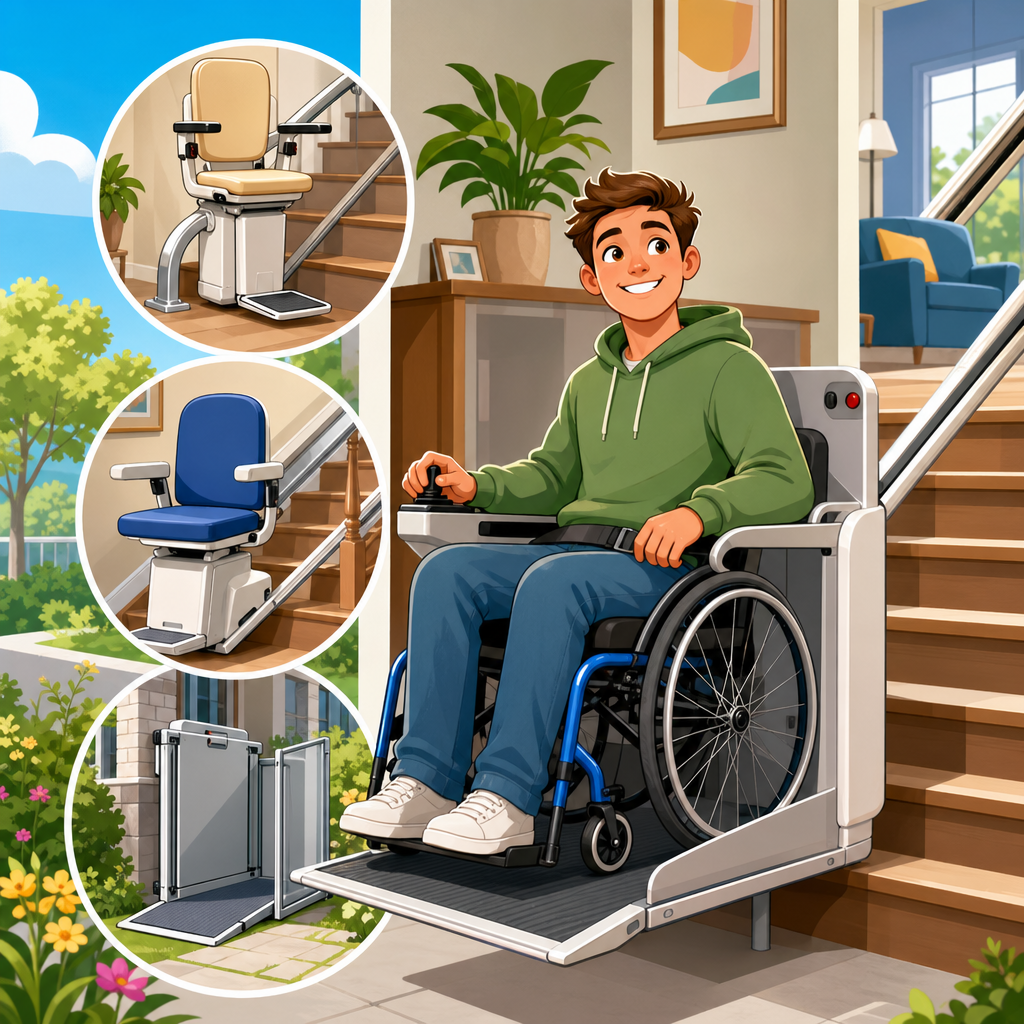
It helps to define terms before evaluating retailers and online stores. An online chair lift vendor may be a manufacturer selling direct, an authorized dealer with e-commerce capability, an independent mobility retailer, a marketplace listing agent, or a lead broker that forwards your details to local companies. A stair lift, sometimes called a chair lift for stairs, is a motorized seat traveling on a rail attached to stair treads, not the wall. Straight stair lifts fit a single uninterrupted flight. Curved stair lifts are custom-built for turns, landings, and intermediate bends. Outdoor models use weather-resistant materials and covers. Those distinctions affect price, lead time, returns, and service complexity.
This topic matters within buying guides because shoppers often compare online convenience against local accountability. The right answer is not “always buy local” or “always buy online.” The smarter approach is to vet the business model, confirm the service network, and evaluate the total ownership experience, not just the listed price. If you know what evidence to request and which warning signs to avoid, online chair lift vendors can be trustworthy and cost-effective. If you skip that diligence, the cheapest quote can become the most expensive mistake.
What a Trustworthy Online Chair Lift Vendor Looks Like
A trustworthy online chair lift vendor makes verification easy. It identifies the legal business name, physical address, phone number, and service territory. It names the chair lift brands it sells, such as Bruno, Harmar, Stannah, Acorn, or Savaria, instead of using generic stock photos and broad promises. It also explains whether installation is performed by employees, subcontractors, or local dealer partners. That distinction matters because accountability becomes blurry when a website only brokers the sale and another company handles measurements, delivery, and setup.
The most reliable retailers and online stores also provide specifics on compliance and product scope. In the United States, stair lifts are generally treated as home accessibility equipment rather than hospital-grade durable medical equipment, but reputable sellers still reference applicable safety standards, manufacturer installation requirements, and battery backup operation during power loss. They explain weight capacity, seat height, rail overruns, call-send controls, obstruction sensors, and whether the unit is appropriate for the user’s body size and transfer ability. Good vendors ask questions about stair width, user mobility, and home layout before recommending a model. That consultative behavior is a trust signal because not every lift fits every staircase or every person.
Another marker is transparent after-sale support. A solid seller outlines what happens if the lift stops working on a weekend, how quickly service calls are scheduled, whether parts are stocked locally, and how preventive maintenance is handled. In my experience, companies that can answer those questions directly are usually the same ones that maintain real service operations. Companies that cannot often depend on ad spend more than infrastructure.
How to Verify a Vendor Before You Buy
Start with the simplest check: confirm the business exists beyond the website. Search the company name through state business registries, Better Business Bureau profiles, Google Business listings, and independent reviews. One or two complaints are not decisive; patterns are. Repeated issues involving missed installation dates, surprise fees, unanswered warranty claims, or failure to remove unsafe old equipment should carry weight. Look at how the company responds. A professional response that explains the resolution is more meaningful than a perfect star score built from thin review volume.
Next, verify manufacturer authorization. If a site claims to sell Bruno or Harmar, contact the manufacturer and ask whether that seller is an authorized dealer for your area. This is one of the most useful steps because authorized status often determines access to genuine parts, technical support, and warranty pathways. Ask who performs the home assessment, who measures the staircase, and who signs off on installation. For curved stair lifts, measurement errors can delay the job for weeks because the rail is custom manufactured. A trustworthy vendor will describe the survey process in detail, often using digital photo measurement tools or template systems.
Then assess the paper trail. Before paying a deposit, request a written quote listing model number, rail configuration, seat options, power supply needs, warranty terms, labor coverage, cancellation terms, lead time, and any building modifications. If the vendor cannot provide a formal proposal, stop there. Mobility equipment purchases need documentation. Families frequently compare quotes under stress after a fall or hospital discharge, and that urgency can cloud judgment. Written detail slows the process down just enough to expose weak sellers.
| Checkpoint | What to Ask | Why It Matters |
|---|---|---|
| Business identity | What is your legal business name and service address? | Confirms the seller is more than a lead form. |
| Brand authorization | Are you an authorized dealer for this manufacturer in my ZIP code? | Protects warranty access and parts support. |
| Installation | Do employees or subcontractors install the lift? | Clarifies accountability for workmanship. |
| Service coverage | Who handles repairs and emergency calls locally? | Determines whether help is actually available after sale. |
| Written quote | Can you itemize equipment, labor, options, and fees? | Prevents surprise charges and vague promises. |
| Returns and cancellations | What is refundable, especially on curved lifts? | Custom rails often have limited cancellation rights. |
Red Flags Common to Weak Retailers and Online Stores
The clearest red flag is price without context. If one seller is dramatically cheaper than every authorized dealer, something is missing. It may exclude installation, electrical work, rail overrun sections, service activation, or labor warranty. It may involve a used or reconditioned unit presented ambiguously. Reconditioned stair lifts can be a sensible option for straight stairs, but only if the vendor discloses the refurbishing process, battery age, replaced wear parts, and warranty length. When sellers use terms like “factory certified” without naming the factory or the specific refurbishment checklist, skepticism is warranted.
Another red flag is instant quoting for complex layouts. A straight stair lift can sometimes be estimated from photos and a few measurements, but a curved stair lift should not be finalized without a professional survey. If a website promises exact curved pricing in minutes, it is usually collecting leads, not engineering a safe installation. Be cautious with marketplaces that aggregate mobility products alongside unrelated home goods. Those platforms can be useful for accessories, but a stair lift sale needs consultation, fit verification, and service planning.
Watch for weak warranty language. Some sites advertise “lifetime warranty” in large type and then limit it to major drivetrain components while excluding batteries, remotes, seat swivels, labor, and travel charges. Batteries are consumables, but honest vendors say so upfront. Finally, avoid companies that pressure you to pay in full before the site assessment or that resist card payments. Strong businesses generally accept traceable payment methods and stage deposits around milestones.
Price, Financing, and the Real Cost of Ownership
Trust is closely tied to pricing transparency. For most buyers, a new straight stair lift typically falls in the low-thousands installed, while a curved unit often costs several times more because the rail is custom manufactured to the staircase. Outdoor lifts add weatherproofing and can cost more than comparable indoor straight models. Those broad ranges vary by brand, seat style, weight capacity, and local labor rates, but they show why vague online prices are not enough. A vendor earns trust by explaining what drives the total, not by promising the lowest figure.
Financing also deserves scrutiny. Some online stores partner with medical or home-improvement financing providers, which can be legitimate and useful. The key is full disclosure of the annual percentage rate, promotional period, deferred-interest clauses, and penalties for missed payments. I have seen families focus on “zero down” offers and overlook deferred-interest terms that retroactively add substantial cost. Reliable retailers walk through the financing math clearly and provide alternatives, including rental programs for temporary recovery needs where available.
The real cost of ownership includes batteries every few years, possible service calls, and eventual removal if the home is sold. Ask whether the rail can be shortened or reinstalled elsewhere, whether buyback options exist, and how used equipment is handled. A cheap online purchase becomes expensive if no one local will service it or remove it safely later.
Installation, Service, and Warranty Reality
Installation quality is where trust becomes tangible. A properly installed chair lift should run smoothly, park predictably, charge correctly at designated points, and leave sufficient stair clearance for other users. Installers should anchor the rail to stair treads according to manufacturer instructions, test obstruction sensors, confirm swivel seat locks, and train the user on seat belt use, call-send controls, folding arms and footrest, and emergency procedures. Any seller that treats installation as a simple drop-off service misunderstands the product or expects someone else to carry the risk.
Service capacity matters even more over time. Stair lifts commonly use battery-powered drives so they can operate during an outage, but batteries age. Charge strips can wear. Footrest and seat switches can go out of adjustment. None of this is unusual, but it means support infrastructure matters. Ask what average response times look like, whether the company keeps technicians in your county, and whether routine maintenance is recommended annually. Some premium brands maintain stronger dealer networks and parts logistics, which partly explains price differences.
Warranty evaluation should separate manufacturer coverage from dealer labor coverage. A vendor may sell a product with strong parts protection but offer only thirty days of labor, leaving the homeowner to pay for diagnostic visits later. The best retailers present warranty terms in plain language and explain common exclusions before the sale.
When Online Buying Makes Sense and When It Does Not
Buying online makes sense when the vendor has a proven local or regional service footprint, the product is a straightforward fit, and the quote is documented. It can be especially effective for straight stair lifts in common residential layouts, for replacement remotes or seats, and for shoppers in areas where local showroom options are limited. Some manufacturer-direct or authorized online channels are efficient because they pair digital intake with local installation teams and consistent service standards.
It makes less sense when the staircase is curved, unusually narrow, or shared by multiple users with different needs. It also makes less sense when the buyer needs rapid post-hospital installation and cannot tolerate scheduling uncertainty. In those cases, a local dealer with in-house technicians may provide better reliability even if the upfront quote is higher. The best decision is not online versus local in theory; it is documented capability versus marketing.
If you are comparing retailers and online stores as part of a broader mobility purchase, build a shortlist, verify authorization, insist on a written quote, and call the service department before you buy. That one phone call often reveals more than the website. Can you trust online chair lift vendors? Yes, but only the ones that prove who they are, how they install, and how they will support you after the sale. Treat the purchase like a safety project, not a commodity order, and you will make a far better decision.
Frequently Asked Questions
Can you really trust an online chair lift vendor, or is buying locally always safer?
You can trust an online chair lift vendor, but only if the company gives you clear evidence that it is legitimate, knowledgeable, and prepared to support you before and after the sale. Buying locally is not automatically safer, and buying online is not automatically risky. The real issue is whether the seller follows safe sales practices for mobility equipment. A trustworthy online vendor should provide detailed product specifications, explain who manufactures the lift, disclose warranty terms, outline installation requirements, and make it easy to speak with a knowledgeable representative. If a site is vague about pricing, avoids technical questions, or pressures you to buy immediately, that is a warning sign.
Because a stair chair lift directly affects daily mobility and personal safety, trust should be built on verifiable facts rather than marketing claims. Look for a real business address, working phone support, customer reviews across independent platforms, and clear policies on returns, service, and parts availability. It also helps if the vendor discusses whether your staircase needs a straight or curved model, whether there are weight limits, and whether professional installation is required. An honest seller will talk openly about limitations instead of pretending one model fits every home. In many cases, online vendors can offer broader selection and competitive pricing, but the safest choice is the company that combines transparency, product expertise, and dependable post-purchase support.
How can you tell if an online chair lift seller is honest and reputable?
Start by examining how much useful, specific information the company provides. Reputable online chair lift vendors usually identify the brands they carry, explain key safety features, publish accurate measurements, and describe the installation process in practical terms. They should also be willing to answer questions about battery backup, seat size, rail length, folding features, obstruction sensors, and maintenance needs. If every answer sounds generic or sales-driven, that may suggest the company is more focused on closing a deal than helping you make the right decision.
You should also verify the business outside its own website. Check third-party review sites, search for complaints, confirm how long the company has been operating, and see whether it has a documented track record selling accessibility or mobility products. A reputable vendor should have consistent contact information, responsive customer service, and a clear explanation of what happens if something arrives damaged or does not fit the staircase as expected. It is also a good sign if the company asks questions about the user’s mobility needs, the staircase layout, and home conditions. That kind of careful screening shows the seller understands that a chair lift is a safety device, not just another online product. Honesty often shows up in the details: realistic timelines, transparent pricing, and no attempt to hide important conditions in fine print.
What safety details should you check before buying a stair chair lift online?
The most important safety step is making sure the lift itself matches the staircase and the user. Before purchasing, confirm whether the lift is designed for a straight staircase or a curved one, what the maximum weight capacity is, and whether the seat, footrest, and armrests are appropriate for the person who will use it. Ask about seat belts, swivel seat locks, obstruction sensors, battery backup, track overruns, and emergency stop functions. These features are not minor extras. They are directly related to secure boarding, stable travel, and safe exit at the top or bottom of the stairs.
You should also pay close attention to installation and service standards. Even a high-quality chair lift can become unsafe if it is measured incorrectly or installed improperly. A trustworthy online vendor should explain how staircase measurements are collected, whether a remote assessment is sufficient, and when in-person installation by a trained technician is necessary. It is wise to ask who performs the installation, whether the installer is experienced with that specific model, and what testing is done before the lift is put into use. In addition, review the maintenance recommendations and ask how future repairs will be handled. Safety is not just about the day the lift arrives. It depends on proper setup, correct use, and continued support over time.
Will support still be available after installation if you buy from an online vendor?
Post-installation support is one of the biggest trust concerns, and it is a fair one. A chair lift is not a one-time purchase that you can ignore after delivery. It may eventually need troubleshooting, replacement parts, battery service, or routine maintenance. That is why a trustworthy online vendor should explain exactly what kind of support is available after installation, how service requests are handled, and whether technicians in your area can work on the model being sold. If the company becomes difficult to reach once you start asking about repairs or warranty claims, that is a strong signal to keep looking.
The best vendors have a service plan that is easy to understand. They should be able to tell you who to call if the lift stops working, how quickly support is typically available, and whether replacement parts are stocked or ordered from the manufacturer. Ask whether the lift is covered by a manufacturer warranty, a labor warranty, or both. Also ask whether local technicians are authorized to perform repairs without voiding coverage. Reliable support matters because the user may depend on the chair lift every single day. If the lift goes down and no one responds, the problem becomes more than an inconvenience. It can disrupt independence, safety, and access within the home. Trustworthy vendors understand that and prepare for it.
What are the biggest red flags to avoid when shopping for a chair lift online?
One major red flag is a company that treats the sale as simple when it clearly is not. If a vendor does not ask for staircase details, user needs, or installation conditions, that suggests a lack of care or expertise. Another warning sign is unusually low pricing with little explanation of what is included. In the chair lift market, a very cheap offer may leave out essential services such as professional installation, warranty support, or customization. You should also be cautious if the website has thin product descriptions, no real photos, no manufacturer information, or no clear mention of service coverage after the sale.
Other red flags include aggressive pressure tactics, unclear return policies, hidden fees, and poor communication. If a representative avoids direct answers about safety certifications, maintenance, delivery times, or service availability, trust should drop immediately. Be wary of sellers that cannot explain who makes the lift, where replacement parts come from, or who will fix problems after installation. It is also wise to avoid companies that only provide a web form and no reliable phone number or business address. Since a stair chair lift supports mobility and daily living, buyers should expect a high level of professionalism. A trustworthy vendor welcomes careful questions, offers clear documentation, and understands that confidence must be earned through transparency, not promises alone.