Regional chains that offer chair lifts and accessories can make the buying process faster, safer, and more personal for households that need mobility support without navigating a national big-box maze. In this context, chair lifts usually refers to stair lifts, lift chairs, patient lifts, porch lifts, and related accessibility products, while accessories includes items such as swivel seats, folding rails, replacement remotes, harnesses, backup batteries, transfer slings, weather covers, and maintenance kits. I have helped families compare these products across local and regional dealers, and the pattern is consistent: buyers often get better installation timelines, clearer home assessments, and more practical service options when they start with a strong regional retailer network. That matters because accessibility equipment is not a casual purchase. It affects fall risk, caregiver strain, aging in place, and whether a home remains usable after surgery, stroke, arthritis progression, or a new diagnosis. A good regional chain can bridge product selection, in-home measurement, financing, delivery, setup, warranty support, and long-term repairs in a way purely online stores rarely match. For shoppers building a shortlist under buying guides and product reviews, understanding which retailers specialize, what brands they carry, how accessories are bundled, and where online ordering makes sense is the foundation of a better purchase.
What regional chair lift retailers actually sell
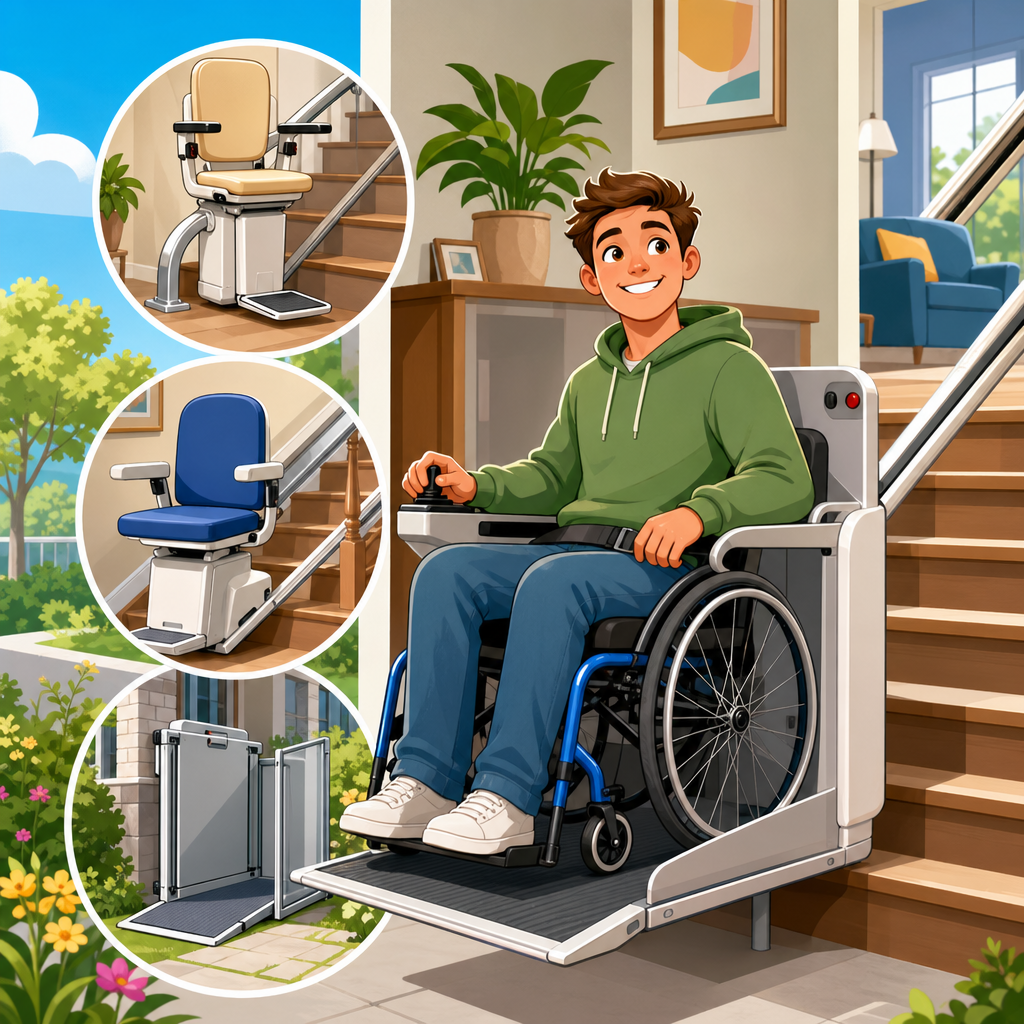
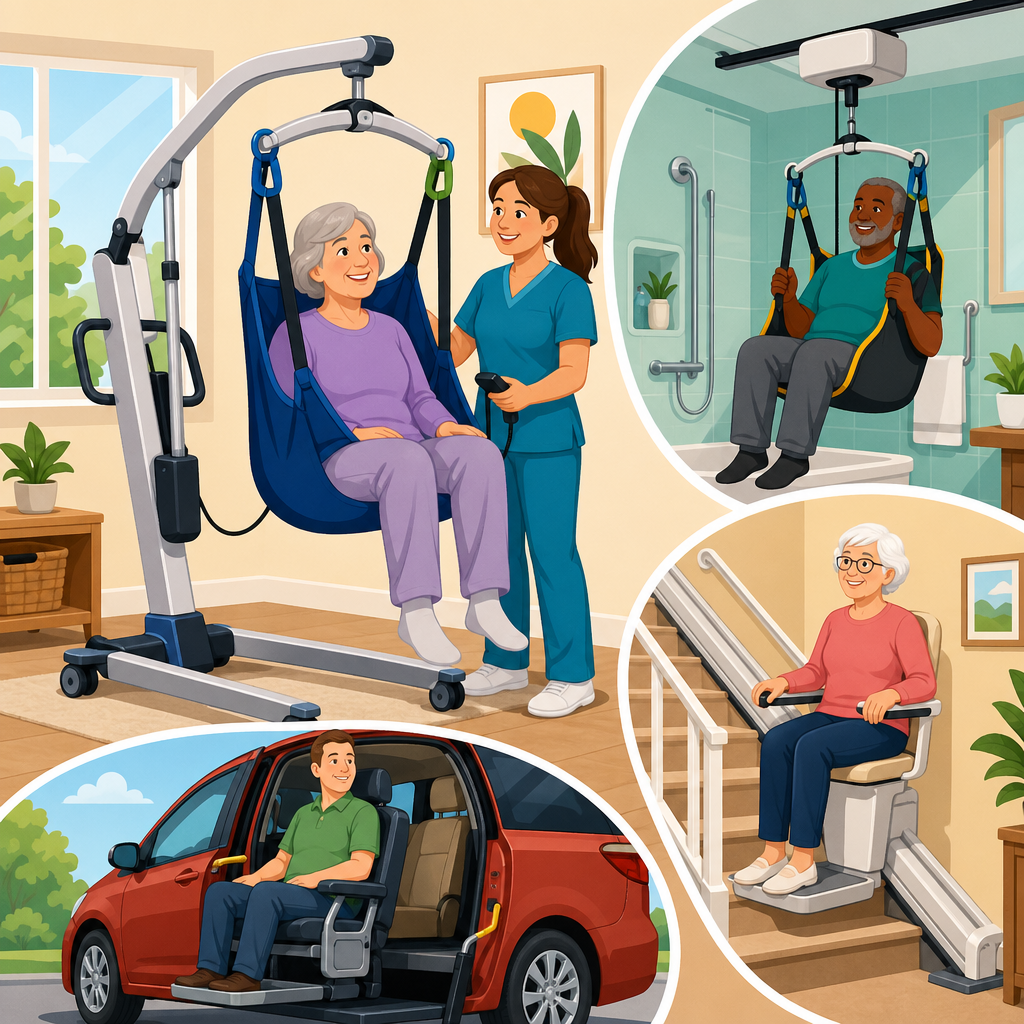
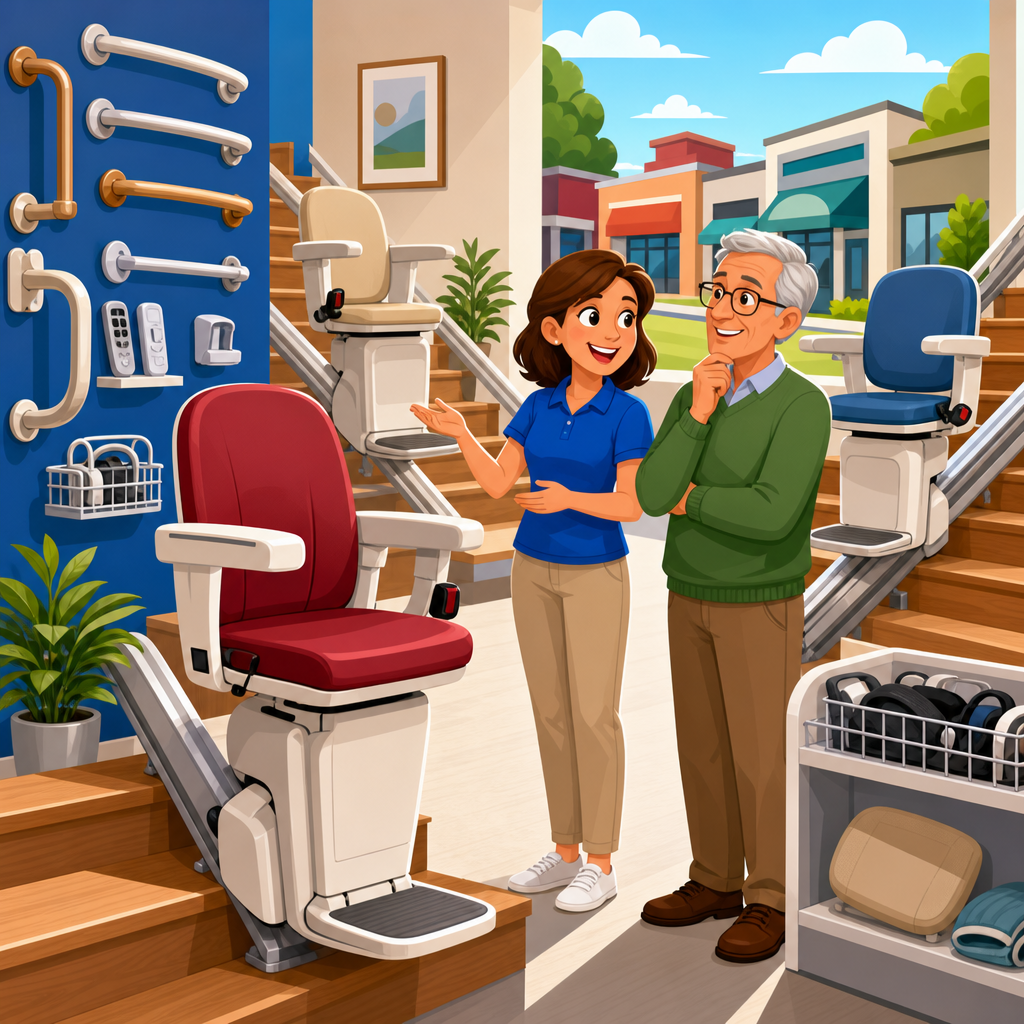
Regional chains in the mobility category rarely limit themselves to one product type. Most operate as home accessibility dealers and carry stair lifts for straight and curved staircases, lift recliners for seated transfers, vertical platform lifts for wheelchairs, ceiling or portable patient lifts, ramps, grab bars, bath safety products, and power mobility devices. This wider mix matters because chair lift buyers often discover adjacent needs during the assessment. A customer shopping for a stair lift may also need a transfer bench, a second remote, a folding hinge rail to protect a doorway, or a perch seat for narrow stairs. In practice, the better regional retailers train sales and installation teams to identify these issues before a unit is ordered.
Brand portfolios vary by territory, but recognized manufacturers commonly seen through regional dealers include Bruno, Harmar, Stannah, Savaria, Golden Technologies, Pride Mobility, and Human Care. Dealers do not always stock every model; many use a showroom sample plus warehouse inventory and then order configuration-specific components after measuring the home. Accessories may be brand-specific, especially for track sections, keyed controls, and charger systems, so buyers should verify compatibility before purchasing online. One mistake I see often is assuming a generic remote or battery will work across lines. It may not, and installing the wrong part can void support.
Another important distinction is between retail sales and dealer service coverage. A regional chain may sell across several states but only install within defined service zones. Ask where technicians are based, whether subcontractors are used, and how emergency service is handled. For medically necessary equipment, response time is not a minor detail. If a stair lift stops working and the user cannot climb stairs safely, the product becomes mission-critical overnight.
How regional chains differ from national retailers and marketplaces
Regional retailers sit between two extremes: local single-location dealers and national online marketplaces. Compared with a single local store, a regional chain usually has more showroom depth, stronger purchasing power, broader technician coverage, and established relationships with major manufacturers. Compared with a marketplace, it usually offers in-home evaluation, installation accountability, and product matching based on code requirements and real staircase dimensions. That combination is why many buyers start regionally even if they later purchase online accessories.
National marketplaces can be useful for price discovery, especially for universal items like chair lift covers, extra transmitters, or replacement seat belts. However, marketplaces are weaker when configuration errors carry high consequences. Straight stair lifts require precise track length, power placement review, seat orientation planning, and obstruction analysis. Curved stair lifts are more complex, often involving custom rails built from exact measurements or digital scans. A regional chain with an experienced survey process will reduce ordering mistakes and clarify what happens if the home changes after quoting, such as new flooring or trim work.
There is also a compliance and safety angle. Accessibility equipment intersects with manufacturer installation standards, electrical requirements, and in some cases local permitting. Platform lifts and porch lifts may trigger more extensive site review than a simple stair lift. Regional dealers that work repeatedly with local inspectors, occupational therapists, discharge planners, and home remodelers typically navigate these issues more smoothly than a distant seller shipping parts to a general handyman.
What to evaluate when comparing retailers and online stores
The best way to compare chair lift retailers is to treat the purchase as both a product decision and a service contract. Price matters, but so do site assessment quality, installation competency, warranty administration, and parts availability. In my experience, families who focus only on the base quote often end up paying more later through add-ons, delayed service, or a model that no longer fits the user’s changing needs. A useful shortlist should compare product scope, service geography, accessory availability, financing, and after-sale support side by side.
| Evaluation point | What to ask | Why it matters |
|---|---|---|
| Product range | Do you sell straight, curved, outdoor, and heavy-duty models? | A broader lineup improves fit for unusual stairs and future needs. |
| Assessment method | Is there an in-home measurement by a trained specialist? | Accurate measurements prevent costly rail or seat errors. |
| Installation team | Are installers employees, certified dealers, or subcontractors? | Direct accountability usually improves quality control and service response. |
| Accessories | Can you supply remotes, folding rails, batteries, covers, and slings quickly? | Accessory access affects usability, maintenance, and downtime. |
| Warranty support | Who handles labor, parts, and manufacturer claims? | A strong retailer simplifies repairs and reduces administrative friction. |
| Used and rental options | Do you offer reconditioned units or temporary rentals? | Short-term recovery cases may not justify a new custom installation. |
| Service area | How far from each branch do technicians travel? | Coverage determines installation speed and emergency visit availability. |
Online stores deserve a separate check. Look for published compatibility charts, clear return terms for opened electrical parts, serial-number-based support, and transparent shipping timelines. If the store sells OEM parts for Bruno or Harmar, for example, that should be stated plainly. If it is offering “fits most models” accessories, read carefully. Universal language is where many buyers get tripped up.
Leading types of regional chains and how they operate
Across the United States, most regional chains fall into several operating models. The first is the dedicated accessibility dealership group, often with multiple branches across one region. These companies typically handle stair lifts, ramps, patient lifts, and bathroom safety equipment under one roof. They tend to perform the strongest in-home evaluations because accessibility is their core business. The second model is the medical supply chain with a home accessibility division. These retailers may have strong relationships with hospitals and rehab centers, making them useful for post-discharge purchases, though their showroom depth for curved stair lifts can be lighter. The third model is the home remodeling accessibility specialist, where lifts are part of a broader aging-in-place offering alongside stair remodeling, doorway widening, and bathroom conversions.
Each model has tradeoffs. Accessibility specialists usually know product nuance best. Medical supply chains may be better for lift recliners, slings, walkers, and caregiver accessories purchased together. Remodeling firms can coordinate structural changes when a platform lift or porch lift needs concrete work, electrical upgrades, or enclosure planning. Buyers should match the retailer model to the complexity of the project rather than assuming all chains are equivalent.
Regional reach also changes inventory strategy. A chain serving dense metro areas can keep more common straight stair lift parts on hand, reducing repair time. A chain serving rural territory may lean harder on manufacturer drop-ship logistics and route technicians on scheduled days. Neither setup is automatically bad, but the customer should know what it means for installation dates and emergency calls.
Accessories, replacement parts, and the online buying question
Accessories are where many chair lift purchases shift from in-store advice to online convenience. After installation, buyers often need replacement batteries, extra remotes, power swivel controls, larger footrests, weather-resistant covers for outdoor units, armrest pads, transfer slings, charging contacts, and keyed lock switches. Regional chains usually sell these items through their parts departments, but many also maintain web catalogs or invoice by phone for repeat customers. That hybrid model works well because the dealer can verify model numbers before shipping a part.
Online-only stores become more attractive when the item is low risk and easy to identify. A manufacturer-approved cover, a standard replacement charger, or a duplicate transmitter with confirmed compatibility can often be purchased online without much downside. High-risk parts are different. Seat assemblies, rail sections, carriage electronics, and safety sensor components should usually go through the installing dealer or an authorized regional chain. These components are not just expensive; they affect operational safety.
Refurbished accessories and aftermarket batteries deserve caution. A discounted battery may have been stored poorly, and sealed lead-acid units lose performance over time even before use. For frequently used stair lifts, weak batteries show up as slower travel, beeping faults, or failure during a power outage. Regional dealers that perform maintenance visits can test charging systems and replace batteries proactively, which is often cheaper than a no-start service call.
Real-world buying scenarios that show the value of regional retailers
Consider a common short-term need: a knee replacement patient returning to a two-story home. A pure online purchase may look cheapest, but a regional chain can assess whether a rental stair lift, a lift recliner on the main level, or temporary bedroom relocation is the smarter option. I have seen families order a permanent unit online for recovery, only to realize the user could manage with a rental for eight weeks. Good regional dealers present that choice upfront.
Now consider a more complex case: a curved staircase in an older home with a narrow landing. This is where dealer quality becomes decisive. A specialist will evaluate seat height, rail overrun options, folding footrest clearance, and whether the user transfers safely at the top landing. The cheapest quote may omit details that make everyday use difficult. In one installation I reviewed, the chosen chair blocked a hallway door when parked because no one had discussed a hinged section or alternate park position. That is not a product failure; it is a planning failure.
For caregivers, accessory advice can be equally important. A family may initially ask for a patient lift and later learn they need the right sling type for toileting, amputee support, or full-body transfers. Regional chains with rehab-focused staff often ask better follow-up questions than generic online carts. Those questions prevent returns and reduce caregiver injury risk.
How to use this hub when researching retailers and online stores
This page works best as the starting point for a deeper retailer review process. Build a shortlist of regional chains that serve your ZIP code, then compare brand lineup, evaluation process, service radius, and accessory support. From there, drill into specific guides on stair lift brands, lift chair reviews, patient lift accessories, used versus new equipment, rental policies, and financing. If you maintain your own buying guide library, link those detailed reviews from this hub so readers can move from broad retailer research to product-level decisions without restarting the search.
Before requesting quotes, gather staircase photos, rough dimensions, user height and weight, mobility limitations, and information about who will operate the equipment. Ask every retailer the same core questions so comparisons stay fair. Confirm installation timelines, cancellation terms for custom curved rails, labor warranty length, preventive maintenance options, and whether accessories can be ordered online after purchase. This last point is underrated. A retailer that makes future parts ordering easy often delivers a better ownership experience than one that wins on initial price alone.
Regional chains that offer chair lifts and accessories are valuable because they combine local service knowledge with enough scale to support inventory, installation, and long-term maintenance. For most buyers, especially those navigating aging in place or recovery after illness, that combination reduces risk more than a marketplace discount ever will. Start with retailers that can assess the home properly, explain brand differences clearly, and supply accessories without guesswork. Then use detailed buying guides and product reviews to narrow the exact model. A careful first shortlist leads to safer installs, fewer compatibility mistakes, and better support over the life of the equipment. If you are comparing retailers and online stores now, use this hub to map your options, ask sharper questions, and move confidently toward the right regional provider.
Frequently Asked Questions
What types of chair lifts and accessories do regional chains usually carry?
Most regional chains that specialize in mobility and accessibility products carry a broader mix of equipment than many shoppers expect. In addition to traditional stair lifts for straight and curved staircases, they often offer lift chairs for seated standing support, patient lifts for transfers between beds and chairs, porch lifts for entry access, and platform-style solutions for certain exterior applications. Because these businesses typically serve local households with very specific mobility needs, their product selection is often built around practical, everyday use rather than a one-size-fits-all catalog.
Accessories are also an important part of what regional chains provide. Common options include swivel seats that make stair lift transfers easier at the top landing, folding rails that reduce obstruction at the bottom of the staircase, replacement remotes for multiple users, seat belts and harnesses for added stability, backup batteries for power outages, transfer slings for patient lifts, weather covers for outdoor equipment, and replacement chargers or control components. Some chains also stock maintenance-related items such as footrest switches, armrest controls, replacement upholstery parts, and batteries for lift chairs or mobility devices. The biggest advantage is that regional providers often help match accessories to the exact model being installed, which can reduce compatibility issues and improve safety.
Why choose a regional chain instead of a national big-box retailer for chair lifts and mobility accessories?
Regional chains often stand out because they combine local service with enough scale to offer multiple brands, installation support, and ongoing maintenance. Unlike a national big-box environment, where customers may need to sort through products with limited guidance, a regional chain usually has staff who understand home access needs, mobility limitations, and the importance of proper fit. That can make the shopping process feel more personal and much less overwhelming, especially for families making a decision under time pressure after surgery, injury, or a change in long-term health.
Another major benefit is speed and accountability. Regional chains may be able to schedule an in-home assessment more quickly, recommend equipment based on local building conditions, and provide nearby technicians for installation or repairs. If something needs adjustment, replacement, or troubleshooting, it is often easier to reach a real person who knows the equipment and the territory. This local presence can be especially valuable for accessories and replacement parts, since compatibility and timing matter. In many cases, regional chains also build long-term relationships with occupational therapists, discharge planners, home health professionals, and senior care communities, which can lead to more informed product recommendations and safer outcomes overall.
How do regional chains determine which stair lift or lift accessory is right for a home?
Reputable regional chains typically begin with an assessment of the user’s mobility, the home’s layout, and the goals of the household. For a stair lift, that means looking at whether the staircase is straight, curved, narrow, indoor, or outdoor; measuring dimensions carefully; and identifying any features that could affect installation, such as doorways, landings, rail clearance, or traffic flow. For lift chairs, patient lifts, and porch lifts, the evaluation may also include weight capacity needs, transfer patterns, seating preferences, caregiver involvement, and available space. This is where regional providers often add value, because they are more likely to consider daily routines and home-specific limitations instead of simply offering a generic model.
Accessory recommendations are usually based on comfort, safety, and usability. For example, a folding rail may be suggested if the bottom of a stairway opens into a doorway or walkway, while a swivel seat can make getting on and off the lift easier at the upper landing. Backup batteries may be emphasized in areas with frequent power interruptions, and weather covers become important for outdoor lifts exposed to rain, heat, or debris. If a patient lift is involved, the right sling size and style is critical for safe transfers. A strong regional chain should explain why each accessory matters, how it works with the chosen equipment, and whether it is optional, recommended, or essential for safe operation.
Do regional chains usually provide installation, repairs, and replacement parts for chair lifts?
Yes, many regional chains offer full-service support that goes well beyond the initial sale. That often includes in-home consultations, professional installation, user instruction, maintenance visits, troubleshooting, and repair services. For stair lifts and porch lifts in particular, professional installation is important because the equipment must be secured correctly, tested thoroughly, and adjusted for the user’s comfort and safety. Regional chains commonly handle this through trained technicians who are familiar with the specific products they sell, which can help reduce delays and installation errors.
Replacement parts and accessories are another area where regional chains can be especially helpful. If a remote is lost, a battery stops holding a charge, a sling wears out, or a control component needs replacement, a local or regional provider may be able to identify the correct part faster than a general retailer. Some keep common accessories and service items in stock, while others can order directly from the manufacturer with less confusion about model matching. It is still wise for shoppers to ask clear questions before buying: whether service is in-house or subcontracted, how quickly repair calls are handled, what warranty support looks like, and whether parts for older models are still available. Those details can make a big difference in long-term reliability.
What should shoppers ask before buying from a regional chain that sells chair lifts and accessories?
Before making a purchase, shoppers should ask about product fit, safety, service coverage, and total cost. Start with the basics: which brands and models the chain carries, whether the equipment is new or refurbished, what weight capacities apply, and which accessories are included versus sold separately. For stair lifts, ask whether the home requires a straight or curved rail system, whether folding rails or powered swivel seats are available, and how the unit performs during a power outage. For patient lifts and lift chairs, ask about sling compatibility, seat dimensions, battery systems, and whether the product is intended for temporary recovery or long-term daily use.
It is also smart to ask operational and support questions that affect ownership after installation. Find out who installs the equipment, who handles repairs, how quickly service calls are scheduled, and whether preventive maintenance is available. Ask about warranty terms for both the equipment and the labor, return policies, trial options if any, and whether replacement parts such as remotes, batteries, harnesses, and weather covers are easy to obtain. Finally, ask for a written estimate that clearly breaks down equipment, accessories, installation, delivery, and ongoing service costs. A trustworthy regional chain should be comfortable answering detailed questions and explaining why a particular setup is appropriate for the user and the home.