Choosing a chair lift that is easy to maintain starts with understanding how design affects reliability, service intervals, cleaning time, parts availability, and long-term ownership cost. In accessibility projects, I have seen buyers focus on seat comfort or purchase price, then discover that the real difference between models appears after installation, when batteries age, tracks collect dust, sensors drift out of alignment, and upholstery begins to wear. The easiest chair lift designs to maintain are usually the simplest ones: straight-track systems with rack-and-pinion drives, folding seats and footrests, sealed controls, and widely available replacement parts. By contrast, highly customized curved lifts, outdoor units exposed to weather, and designs with more moving joints generally require more attention.
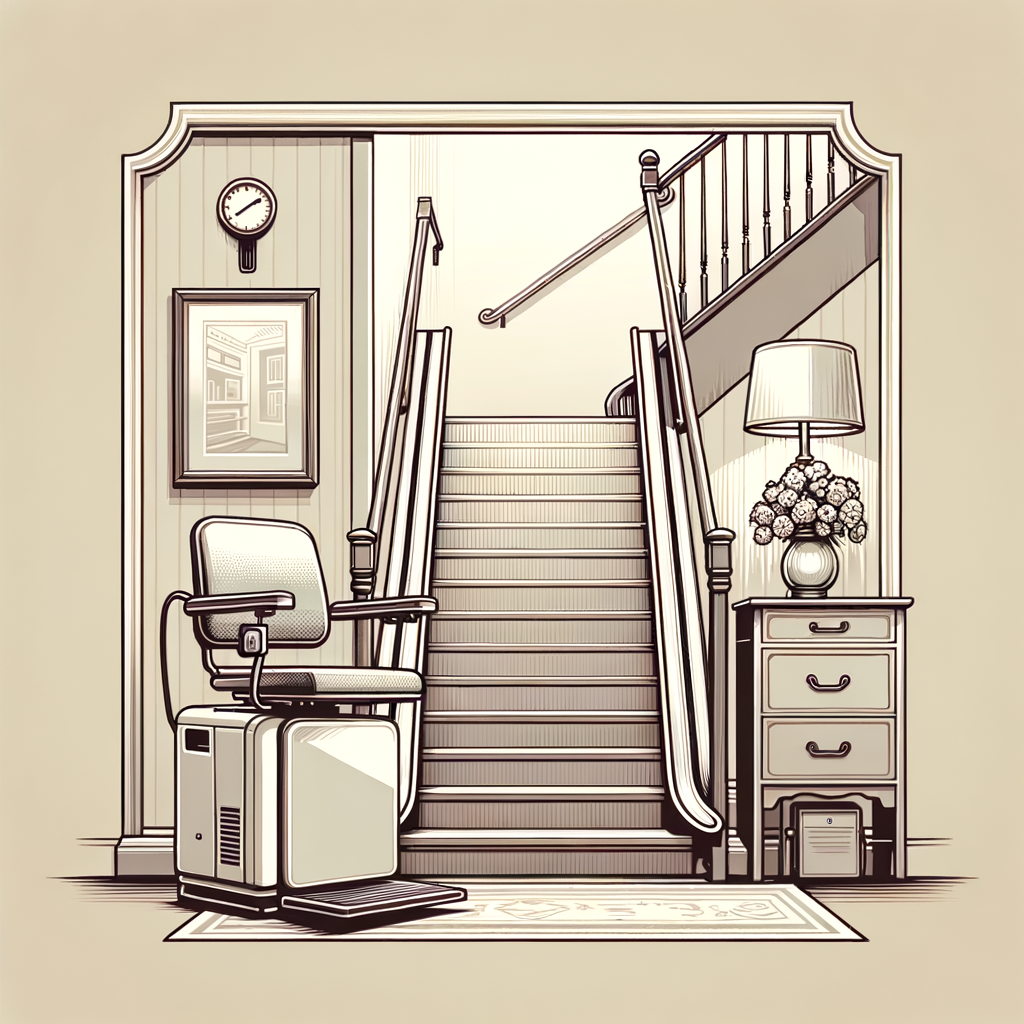
A chair lift, sometimes called a stair lift, is a motorized seat that travels along a rail mounted to stairs. Core components include the track, carriage, drive system, motor, batteries or power supply, call-send controls, safety sensors, seat assembly, and footrest. Maintenance means more than repairs. It includes routine cleaning, battery checks, lubrication where specified, fastener inspection, diagnostic testing, software or control calibration on some advanced models, and replacing wear items before failure. Good maintenance is practical, predictable, and affordable. For homeowners, facility managers, and dealers comparing chair lift types and designs, maintainability matters because it influences downtime, user safety, annual service cost, and whether a product remains supportable ten years after purchase.
This hub article covers the general design and comparison topics that matter most when judging maintenance. It explains which chair lift designs are easiest to keep running, why certain engineering choices reduce service calls, and where tradeoffs appear between convenience, customization, and upkeep. Use it as the central reference point for evaluating straight versus curved systems, indoor versus outdoor models, powered options, rail layouts, and component choices. If you are building out a broader chair lift buying checklist, this page should anchor that research because maintenance is not a minor feature; it is a design outcome that affects the entire ownership experience.
Straight Chair Lift Designs Usually Require the Least Maintenance
If the goal is low maintenance, straight chair lift designs are the clear first choice. A straight lift uses a standardized rail on a staircase without turns, intermediate landings, or changing angles. Because the rail geometry is simple, manufacturing tolerances are easier to control, installation is faster, and the carriage travels along a uniform path. That means fewer custom brackets, fewer transition points, and fewer opportunities for misalignment. In service work, straight lifts consistently take less time to inspect, clean, and repair than curved systems.
The reason is straightforward: every custom element adds maintenance complexity. A curved chair lift has a made-to-measure rail fabricated to match the staircase. That custom rail often includes bends, varying pitch, overrun sections, parking curves, and more specialized mounting arrangements. Even when curved models are engineered well, service parts may be model-specific and lead times can be longer. If a carriage wheel, gear interface, or charging contact needs adjustment, the technician is working in a more complex physical environment. Straight lifts avoid much of that complexity, which is why they dominate low-maintenance recommendations for standard residential stairs.
Straight systems also benefit from a stronger replacement-parts ecosystem. Many established manufacturers keep standardized rails, carriage components, armrest switches, seat pads, and battery kits in regular inventory. That matters years later, when a homeowner needs a quick repair. In practical terms, a simple straight unit from a major brand is easier to maintain not only because it breaks less often, but because service is easier when it does need attention.
Drive Systems: Rack-and-Pinion Designs Are the Service-Friendly Standard
Among drive systems, rack-and-pinion designs are generally the easiest to maintain. In this setup, a motor turns a gear that engages a toothed rack attached to the rail. The mechanism is durable, predictable, and familiar to most stair lift technicians. It handles normal household loads well and provides controlled movement without excessive complexity. When owners ask which design gives the fewest service surprises, this is usually the one I point to first.
Rack-and-pinion systems are maintenance-friendly for several reasons. First, wear patterns are easier to inspect visually. Second, debris on the rail can be identified and removed quickly. Third, replacement parts are common across many product lines. By comparison, cable-driven or more specialized traction arrangements can work well, but they may involve tension adjustment, pulley wear, or model-specific service procedures that are less forgiving. Simpler mechanical systems age more predictably.
That does not mean rack-and-pinion lifts are maintenance-free. Dust, pet hair, and carpet fibers still accumulate near the rail and carriage. The gear path must remain clean, and lubrication should only follow manufacturer guidance. Over-lubricating can attract debris and create more problems than it solves. Still, as a general design rule, a well-built rack-and-pinion chair lift is the easiest combination of reliability, inspectability, and repairability on the market.
Battery-Powered Models Are Easier to Keep Running Than Direct-Power Designs
Most modern chair lifts use onboard batteries charged through a household outlet connected to the rail or charger points. This design is usually easier to maintain in daily use than direct-power systems because the lift can continue operating during a brief power outage and because the electrical architecture is well proven. Two sealed lead-acid batteries are common, though some newer systems use updated battery technologies. In either case, battery-powered lifts reduce stress on the home electrical supply and simplify operation.
From a maintenance perspective, battery systems have one routine requirement: battery replacement every few years, often around three to five depending on use, temperature, charging behavior, and product design. That is a predictable service event, not a defect. In exchange, owners gain smoother operation and less dependence on uninterrupted mains power. The key is consistent charging. Many service calls come from lifts parked away from the charge point, leaving batteries partially depleted for extended periods.
Direct-power designs remove battery replacement from the checklist, but they are less common and can be more vulnerable to outages or electrical installation constraints. For most homeowners, a battery-powered chair lift from a reputable manufacturer is easier to live with and easier to keep functional over time.
Seat, Footrest, and Swivel Features: Fewer Powered Functions Mean Less Upkeep
The easiest chair lift designs to maintain usually have manual folding seats, manual footrests, and simple mechanical swivel functions rather than multiple powered accessories. Every powered hinge, actuator, linkage, and switch adds another possible failure point. Power swivel seats are useful for users with limited mobility, and powered footrests can be important where bending is difficult, but these convenience features increase maintenance demands.
In real homes, the most common wear appears in the user-contact components. Armrest controls loosen, seat padding compresses, swivel locks need adjustment, and footrest edges collect scuffs or impacts. A manual mechanism is often easier to inspect and cheaper to repair. If a powered swivel develops an issue, diagnosis may involve the motor, gearbox, position sensor, wiring harness, or control board. If a manual swivel sticks, the fix is often simpler.
This is where maintainability and accessibility must be balanced honestly. The easiest design to maintain is not automatically the best design for every user. If a powered seat or footrest is necessary for safe transfers, it is worth the added maintenance. But when comparing otherwise similar lifts, fewer powered seat functions generally mean lower long-term upkeep.
Indoor, Outdoor, and Heavy-Duty Designs Have Very Different Maintenance Profiles
Environment matters as much as mechanism. Indoor chair lifts installed in climate-controlled spaces are easier to maintain than outdoor models, full stop. Weather is hard on rails, charging contacts, seat materials, and protective covers. Even outdoor lifts with powder-coated components, weather-resistant upholstery, and sealed electronics need more frequent cleaning and inspection. Pollen, moisture, salt air, freezing temperatures, and ultraviolet exposure all accelerate wear.
Heavy-duty chair lifts designed for higher weight capacities can also increase maintenance needs, though not necessarily because they are poorly built. They often use reinforced structures, larger seats, and more robust drive components, but the higher operational loads can increase wear on drivetrain parts and seat hardware over time. They may also occupy more stair width, making cleaning around the rail slightly more difficult.
| Design Type | Maintenance Difficulty | Main Reason | Best Use Case |
|---|---|---|---|
| Straight indoor lift | Low | Standard rail, common parts, protected environment | Typical residential staircase |
| Curved indoor lift | Medium to high | Custom rail, complex alignment, model-specific components | Stairs with turns or landings |
| Straight outdoor lift | Medium | Simple rail but constant exposure to weather | Exterior entry steps |
| Heavy-duty lift | Medium | Higher loads, larger assemblies, more robust but harder-working parts | Users needing higher capacity or larger seats |
For maintainability alone, an indoor straight lift remains the strongest choice. Outdoor and heavy-duty designs serve important needs, but owners should expect more regular inspection and a stricter preventive maintenance schedule.
Rail Layout, Charging Design, and Parts Access Determine Service Time
One of the most overlooked maintenance factors is service access. A chair lift can use excellent components yet still be frustrating to maintain if covers are difficult to remove, charging contacts are awkwardly placed, or diagnostic indicators are buried inside the carriage. The easiest designs to maintain have accessible panels, clearly labeled status lights, straightforward reset procedures, and enough physical clearance for technicians to work safely on the stairs.
Rail layout matters too. Hinged rails, often used near doorways or hall paths at the bottom of the staircase, improve household circulation but add another motorized or mechanical assembly. A folding hinge solves one problem while creating another maintenance point. If the home layout does not require a hinged rail, a fixed rail is easier to maintain. Similarly, charge points placed at common parking positions reduce battery neglect. Good design anticipates how people actually use the lift, not just how it works in a showroom.
Manufacturers that publish clear service manuals, maintain dealer networks, and support older models usually deliver better maintenance outcomes than brands that rely on proprietary black-box parts with limited field documentation. That support structure is part of design quality. Maintainability is never only about hardware; it also depends on whether the product can be understood, serviced, and supported over its full lifespan.
How to Compare Chair Lift Designs Before You Buy
When comparing chair lift designs, ask questions that reveal future maintenance realities. Is the rail straight or custom curved? Is the drive system rack-and-pinion? Are batteries standard sealed units available through multiple suppliers? Which functions are powered, and which are manual? How often does the manufacturer recommend service? Is there a local dealer with trained technicians and stocked parts? What is the typical battery replacement interval? Can the seat upholstery, footrest switches, or remote controls be replaced individually, or only as full assemblies?
Look for evidence, not sales language. Reputable brands often align with recognized stair lift safety expectations such as ASME A18.1 in applicable markets, and they build around established components from known motor, control, and battery suppliers. A good maintenance record usually shows up in boring, practical details: consistent charging contact design, durable seat vinyl, stable armrest controls, and rails that stay clean with ordinary housekeeping.
The best hub-level conclusion is simple. If maintenance is your priority, choose the least complex design that still meets the user’s mobility needs: preferably an indoor straight chair lift with a rack-and-pinion drive, battery backup, manual folding components, fixed rail, and strong manufacturer support. Curved, outdoor, and heavily powered designs can be excellent solutions when the staircase or user requires them, but they bring more upkeep by design. Before you buy, compare not just features, but service access, parts availability, and the realism of long-term support. That approach leads to fewer breakdowns, lower ownership cost, and a chair lift that remains dependable when it matters most. If you are exploring the wider Chair Lift Types & Designs category, use this page as your starting point and build every comparison around maintainability.
Frequently Asked Questions
Which chair lift designs are generally the easiest to maintain?
The easiest chair lift designs to maintain are usually straight-rail models with simple mechanical layouts, enclosed drive systems, and widely available replacement parts. In practical terms, a straight stair lift has fewer custom components than a curved model, which means there are fewer alignment variables, less track complexity, and typically a faster service process if something needs attention. A straightforward rail design also tends to collect less debris in hard-to-reach areas, making routine cleaning easier for homeowners and caregivers.
Maintenance-friendly designs often include sealed or protected gear systems, clear diagnostic indicators, and modular components that can be replaced individually instead of requiring major disassembly. Units with fold-up seats, armrests, and footrests that move smoothly without excessive hinges or decorative trim are also easier to wipe down and inspect. In many accessibility installations, the lifts that prove least troublesome over time are not necessarily the most feature-heavy. They are the ones designed with service access in mind: easy-to-remove covers, batteries in accessible locations, dependable charging contacts, and controls that do not require constant recalibration.
If long-term ownership cost matters, simplicity usually wins. A well-built straight chair lift from an established manufacturer is often easier to maintain than a highly customized system with complex curves, advanced powered options, or proprietary electronic assemblies. That does not mean more sophisticated lifts are unreliable, but simpler designs generally reduce both preventive maintenance effort and the chance of unexpected service delays.
Are straight chair lifts easier to maintain than curved chair lifts?
Yes, in most cases straight chair lifts are easier to maintain than curved chair lifts. The main reason is design complexity. A straight lift uses a standard rail and a more predictable travel path, so there are fewer specialized parts, fewer installation variables, and less opportunity for wear caused by complicated movement. Service technicians can usually diagnose issues more quickly on straight models because the system is mechanically simpler and more standardized from one home to another.
Curved chair lifts, by contrast, are custom-built to match the shape of the staircase. That customization is valuable when the home requires turns, landings, or multiple levels, but it also means the track is more specialized and may include more transitions, mounting considerations, and calibration points. If a problem develops with ride quality, charging position, or sensor alignment, troubleshooting may take longer because the rail geometry is unique. Replacement parts can also involve longer lead times if they are tied to a custom-built track or specific carriage configuration.
Cleaning and general upkeep can be more involved on curved systems as well. Dust, pet hair, and household debris may gather around bends, charge points, or track edges that are less accessible than on a straight rail. For homeowners prioritizing ease of maintenance above all else, a straight chair lift is usually the more practical option when the staircase layout allows it. If the home requires a curved unit, the best way to improve maintainability is to choose a brand with strong service support, proven parts availability, and a design known for straightforward diagnostics.
What chair lift features help reduce maintenance needs over time?
Several design features can make a major difference in how much maintenance a chair lift needs over its life. One of the most important is a reliable battery-powered system with stable charging contacts. Most modern stair lifts run on batteries that charge when the unit is parked, and the easiest models to maintain are the ones with dependable charging points that consistently connect without frequent adjustment. If charging contacts are finicky or poorly positioned, battery issues tend to appear earlier and more often.
Another helpful feature is an enclosed rail or protected drive mechanism that limits exposure to dust and debris. Open systems can work well, but any design that better shields moving parts often reduces cleaning frequency and wear. Simple, durable upholstery materials also matter more than many buyers expect. Seats covered in high-quality vinyl or other easy-clean surfaces are faster to maintain and less likely to trap dirt, moisture, or odors than heavily textured or premium-looking materials that are harder to wipe down.
Diagnostic displays, status lights, and clear fault codes are also extremely valuable. They do not eliminate maintenance, but they make it easier to identify whether the issue is battery-related, a footrest obstruction, a seat swivel lock problem, or something more technical. In addition, maintenance-friendly lifts often use modular parts such as replaceable armrest switches, seat components, and battery packs. That means a technician can swap a worn part quickly rather than spending hours taking apart the entire system. Finally, a design with fewer powered accessories can reduce service needs. Powered swivel seats and powered folding footrests can be useful, but every motorized add-on introduces another component that may eventually need adjustment or replacement.
How do parts availability and brand support affect chair lift maintenance?
Parts availability and manufacturer support have a direct impact on how easy a chair lift is to maintain. Even a well-designed lift becomes frustrating and expensive to own if basic replacement parts are hard to source. Batteries, seat switches, charging contacts, rollers, sensors, and control boards are wear-related or service-related items that may eventually need attention. When those parts are commonly stocked and used across multiple models, service tends to be faster, less expensive, and less disruptive to the household.
This is one reason established brands often have an advantage in maintenance. They typically have larger service networks, better technical documentation, and more consistent supply chains for replacement components. In real ownership terms, that means shorter downtime and less guesswork when a repair is needed. By contrast, highly specialized or discontinued models can be more difficult to maintain even if they perform well initially, simply because technicians may have limited access to parts or product-specific expertise.
Good support also matters for preventive maintenance. Brands that provide clear maintenance schedules, troubleshooting guidance, and responsive dealer networks make it easier to keep the lift operating reliably. Before buying, it is worth asking how long parts are typically supported, whether batteries and common components are proprietary, and how quickly a local dealer can respond to service calls. The easiest chair lift to maintain is not just the one with a simple design. It is the one backed by a support system that keeps that design serviceable for years.
What should buyers look for if they want the lowest long-term maintenance costs?
Buyers who want the lowest long-term maintenance costs should focus on design simplicity, serviceability, and realistic ownership factors rather than just the purchase price. A lower upfront cost does not always translate into lower total cost if the unit requires more frequent service, uses hard-to-find parts, or has components that wear quickly under normal use. In most cases, the best value comes from a chair lift with a proven track record, a straightforward rail design, accessible batteries, durable seat materials, and strong local service support.
It is also smart to evaluate how easy the lift is to clean and inspect. Dust buildup on the rail, pet hair near moving components, and everyday grime on upholstery can all affect how the lift looks and performs over time. Designs with smooth surfaces, fewer crevices, and easy-access covers generally reduce cleaning time and make it easier to spot wear before it becomes a larger repair. Buyers should also ask how often the manufacturer recommends maintenance visits and what those visits typically include.
Another important point is to avoid paying for complexity that is not truly needed. Premium features can improve comfort and convenience, but if maintenance is the top priority, it may be better to choose a model with only the functions the user will actually benefit from. Fewer powered mechanisms usually mean fewer opportunities for failure. Finally, buyers should consider the installer as much as the equipment. A properly installed chair lift with correct rail alignment, secure mounting, and well-positioned charging stations will usually be easier to maintain than a premium model installed poorly. Long-term maintenance costs are shaped by both product design and installation quality, so the best outcome comes from choosing a simple, proven lift and a reputable local provider.