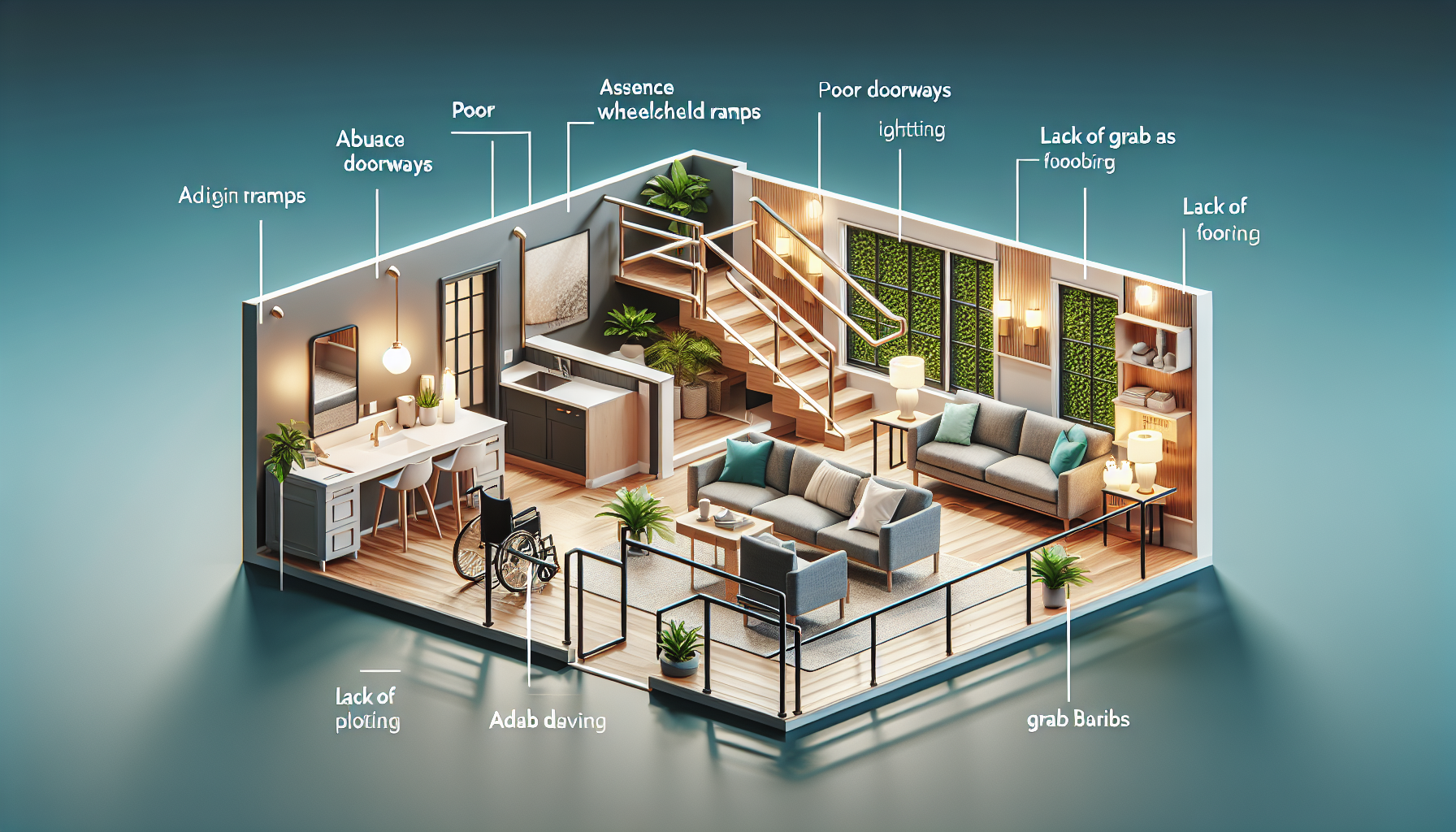
ADA-compliant residential ramps make homes safer, more usable, and more future-ready for wheelchair users, people with walkers, and anyone whose mobility changes over time. In practice, this topic sits at the intersection of accessibility law, building geometry, safety engineering, and day-to-day living. When homeowners search for guidance, they usually want straight answers to three questions: what makes a ramp compliant, when do ADA rules actually apply to a private home, and how can a ramp be designed so it works well instead of merely passing inspection. Those are not the same question. I have worked on accessibility planning for home entries, porch retrofits, and aging-in-place renovations, and the most common mistake I see is treating a ramp as a simple board-and-rail project. A well-designed ramp is a circulation route with exact slope limits, landing requirements, edge protection, handrail criteria, and surface standards. Understanding those requirements matters because poor ramp design increases fall risk, creates drainage problems, and often forces expensive rebuilds. This guide explains the core standards, how they are interpreted in residential settings, and what homeowners should evaluate before construction begins.
What ADA-compliant residential ramps mean in real life
ADA stands for the Americans with Disabilities Act, the federal civil rights law that sets accessibility expectations for public accommodations, commercial facilities, state and local government spaces, and certain housing-related environments. A private single-family home is usually not directly regulated by ADA design standards in the same way a clinic, restaurant, or leasing office is. However, ADA guidelines remain the most widely used benchmark for residential ramp design because they are specific, proven, and familiar to contractors, occupational therapists, inspectors, and durable medical equipment providers. In many residential projects, the practical goal is not legal ADA coverage alone but building a ramp to ADA-based dimensions so the route is safe, predictable, and comfortable.
For homes, designers also look at local building codes, the International Residential Code where adopted, fair housing rules for multifamily settings, and occasionally Veterans Affairs or Medicaid waiver program requirements when funding is involved. This is why homeowners should think in layers. The first layer is usability: can a person independently move up and down the ramp without overexertion or tipping risk. The second layer is code: does the project satisfy local permit and guardrail requirements. The third layer is program or legal compliance: if the ramp is part of a subsidized housing modification, rental property common area, or public-facing residential facility, additional standards may apply. Calling a ramp ADA-compliant in residential marketing should therefore mean it follows ADA technical criteria where relevant and does not ignore stricter local rules.
Core ramp dimensions and technical requirements
The most important ADA ramp rule is slope. The maximum running slope for a ramp is 1:12, meaning one inch of rise for every twelve inches of run. If a porch entry is 24 inches above grade, the ramp run must be at least 24 feet long, not counting landings. That dimension surprises homeowners more than any other, especially on compact lots. Cross slope, the side-to-side tilt, should not exceed 1:48 because a ramp that drains too aggressively can pull a wheelchair off line. Clear width between handrails must be at least 36 inches, though I recommend designing wider when possible because 42 inches to 48 inches feels significantly better for larger wheelchairs, scooters, or caregivers walking alongside.
Landings are essential, not optional. A landing is required at the top and bottom of each ramp run, and each landing must be at least 60 inches long. If the ramp changes direction, the landing must provide enough clear space for turning, typically 60 by 60 inches minimum. Rise per run is limited to 30 inches before a level landing is required. Handrails are generally required on both sides when the rise exceeds 6 inches or the horizontal projection exceeds 72 inches. The gripping surface should be continuous, easy to grasp, and mounted 34 to 38 inches above the ramp surface. Edge protection is also required so wheelchair wheels, walker tips, or canes do not slip off the side; this can be a curb, barrier, or rail design that prevents drop-off.
| Requirement | Common ADA-based benchmark | Why it matters |
|---|---|---|
| Running slope | 1:12 maximum | Reduces pushing force and tipping risk |
| Cross slope | 1:48 maximum | Keeps users tracking straight |
| Clear width | 36 inches minimum | Allows wheelchair passage between handrails |
| Landing length | 60 inches minimum | Provides rest and maneuvering space |
| Rise per run | 30 inches maximum | Prevents long, exhausting climbs |
| Handrail height | 34 to 38 inches | Supports balance and controlled travel |
Site planning, layout choices, and space constraints
Most residential ramp problems are solved before materials are chosen. Start by measuring total rise from finished grade to finished floor or threshold, then map the available footprint. A straight ramp is simplest, but on small lots an L-shaped or switchback layout is more realistic. Switchbacks use intermediate landings to reverse direction and fit longer runs into tighter spaces. They also create rest points, which matter for manual wheelchair users and people with limited stamina. The tradeoff is complexity. Every turn introduces railing transitions, additional footings, and more exact drainage planning.
Threshold design deserves close attention. A compliant ramp can still fail in use if the door swing conflicts with the top landing or if the threshold creates a vertical bump. At the top landing, there must be adequate clear maneuvering space to approach the door, operate hardware, and move through without rolling backward. Outward-swinging doors often require deeper landings. I have seen many retrofits where the ramp dimensions were correct but the user still could not open the storm door safely. The fix usually involved reworking the landing, adjusting hardware, or replacing the threshold transition with a lower-profile solution.
Drainage and frost movement are equally important. Water should be directed away from the house and away from the ramp walking surface. In cold climates, heaving footings can change slope over time, turning a compliant ramp into a hazardous one after a single winter. That is why professionally built ramps rely on proper footing depth, joist spacing suited to the material, and regular checks with a digital level during installation. On sloped sites, retaining walls or grading may be necessary to avoid creating steep side drop-offs that increase edge and guard requirements.
Materials, surface performance, and weather durability
Residential ramps are commonly built from pressure-treated lumber, aluminum systems, concrete, or steel-framed assemblies with composite decking. Each material has strengths and limitations. Wood is widely available and can be cost-effective, but it requires ongoing sealing, inspection for rot, and careful selection of slip-resistant finishes. Aluminum modular ramps are popular for temporary or quickly deployed access because they are durable, adjustable, and relatively easy to reconfigure. Concrete offers excellent longevity and a stable surface, but it demands more site work and is harder to modify if the layout changes. Composite boards reduce maintenance compared with wood, yet not every composite product provides enough traction when wet, so manufacturers’ slip-resistance data matters.
Surface texture is not a minor detail. The ramp must be firm, stable, and slip-resistant. That means avoiding glossy coatings, loose outdoor carpet, or deck boards with gaps and warping that catch small front casters. In rainy regions, a broom-finished concrete surface performs well. On wood ramps, anti-slip strips or textured coatings can improve traction, but they must be applied consistently and maintained. Snow and ice management should also influence design. Covered ramps, radiant heat in premium builds, and thoughtful gutter placement often do more to preserve safe access than any after-the-fact deicing product.
Handrails, guards, and edge barriers should match the expected user population. Someone using a cane needs a graspable, continuous rail; a child using a mobility aid may need additional consideration for reach and visibility. For homes where aesthetics matter, custom fabrication can blend accessibility with the architecture, but appearance should never override geometry. The ramp is successful when it disappears into normal daily use, not when it looks attractive in photos while performing poorly during bad weather.
Permits, inspections, and where ADA intersects with residential code
Homeowners often assume that if a ramp is on private property, permits are optional. That is risky. Many municipalities require permits for ramps because they alter egress paths, structural loads, guard conditions, and setbacks. Local code officials may review footing depth, lumber spans, connector corrosion resistance, and rail details in addition to accessibility dimensions. Some jurisdictions follow the International Residential Code closely; others amend it heavily. Historic districts and homeowner associations can add another layer of review, especially for front-entry ramps visible from the street.
The legal question is narrower than the design question. A ramp at a detached single-family home usually is not subject to ADA in the same manner as a public building. But if the property includes a public leasing office, a community clubhouse, a group home with covered status, or shared common areas in multifamily housing, accessibility obligations change. Fair Housing Act design rules, Section 504 requirements for federally funded housing, and local accessibility ordinances may become relevant. The practical lesson is simple: confirm the governing standard before design starts. Contractors who casually say a ramp is “to ADA” without documenting slope, landing size, and handrail criteria are not giving enough protection to the homeowner.
Documentation helps. Good plans show existing and proposed grades, ramp lengths, landing dimensions, guardrail heights where required, door swings, and material specifications. During inspections, field measurements should verify actual finished slope rather than nominal design slope, because settlement and framing variation can push a ramp out of tolerance. For complex projects, bringing in a certified aging-in-place specialist, accessibility consultant, or occupational therapist can prevent expensive revisions.
Cost drivers, maintenance, and how to choose the right professional
Ramp cost depends less on the entry height alone than on total length, number of turns, site preparation, and finish level. A short straight modular aluminum ramp can be far less expensive than a custom wood switchback with multiple landings and guards. Concrete ramps often have higher upfront costs because of excavation, forms, reinforcement, and finish work, but they can offer lower long-term maintenance. The smartest budgeting approach is to price lifecycle cost, not only installation. I advise homeowners to compare projected maintenance over five to ten years, including sealing, fastener replacement, slip-treatment renewal, and snow management.
Maintenance should be planned from day one. Wood ramps need regular checks for splinters, soft spots, loose boards, and rail movement. Aluminum systems should be inspected for fastener integrity and any shifting at adjustable supports. Concrete should be reviewed for cracking, spalling, or settlement that affects slope and edge transitions. Leaves, moss, and algae can make any ramp dangerously slick, especially in shaded areas. A monthly visual inspection and seasonal deep check are realistic minimums.
Choosing the right installer matters as much as choosing the right material. Ask for projects with similar rise and site conditions, not just general decking experience. Request dimensioned drawings, slope calculations, permit responsibility in writing, and product data for decking and handrail components. If the user has a power wheelchair, bariatric equipment, or caregiver assistance needs, tell the designer early. Those details affect turning space, structural load, and preferred width. The best ramps are built around the actual user, the actual site, and the actual climate.
An ADA-compliant residential ramp is not just a convenience feature; it is a carefully engineered access route that protects independence and reduces risk. The key rules are straightforward: keep the slope at or below 1:12, limit cross slope, provide full landings, add proper handrails and edge protection, and use a firm, slip-resistant surface. The harder part is applying those rules to real homes with tight lots, porch steps, drainage issues, door conflicts, and budget limits. That is why successful projects start with measurement, layout planning, and verification of local code before any lumber is cut or any modular system is ordered.
For homeowners, the biggest benefit of using ADA-based ramp guidelines is confidence. A ramp designed to proven accessibility dimensions is easier to use, safer in bad weather, and more adaptable if mobility needs change. It also tends to hold up better under inspection, funding review, and resale scrutiny because the logic behind the design is documented and defensible. Whether the project is for aging in place, post-injury recovery, or permanent wheelchair access, the right ramp can turn an unsafe entrance into a reliable daily route.
If you are planning a ramp, start by measuring total rise, mapping available space, and speaking with a qualified contractor or accessibility specialist who can document compliance criteria clearly. That upfront work prevents mistakes and helps you build an entrance that truly supports long-term mobility.
Frequently Asked Questions
What makes a residential ramp ADA-compliant?
An ADA-compliant ramp is defined by a set of design standards intended to make the route safe, stable, and usable for people with limited mobility. The most talked-about requirement is slope. In general, the ADA standard for a ramp is a 1:12 slope, which means every 1 inch of vertical rise requires at least 12 inches of ramp run. So if an entry is 24 inches above grade, the ramp would typically need at least 24 feet of run, not counting landings. This ratio helps keep the ramp from becoming too steep for wheelchair users, people using walkers, and caregivers assisting someone up or down.
Width matters too. A ramp should provide enough clear width for comfortable travel, with ADA guidance commonly pointing to a minimum clear width of 36 inches between handrails. Landings are also essential. A level landing is usually required at the top and bottom of the ramp, and additional landings are needed where the ramp changes direction or where a long run needs a resting point. These landings should be large enough for a wheelchair to stop, maneuver, and turn safely.
Other compliance features include handrails on longer or steeper accessible ramps, edge protection to help prevent wheels from slipping off the side, a firm and slip-resistant surface, and cross slopes that do not create a tipping hazard. The transition at the top and bottom should be smooth rather than abrupt, and the ramp should connect to an accessible route without steps or unstable surfaces. For outdoor residential ramps, drainage, weather exposure, and surface traction are especially important. In short, compliance is not just about one measurement. It is about how all the dimensions and safety details work together to create a reliable accessible path.
Do ADA rules actually apply to private homes?
This is one of the most misunderstood parts of residential accessibility. In most cases, the ADA does not regulate a single-family private residence in the same way it regulates a business, government building, or public accommodation. That means a homeowner adding a ramp to a private home is often not legally required to follow the ADA in the exact same way a commercial property owner would be. However, that does not mean ADA standards are irrelevant. They are still widely used as the best-practice benchmark for safe and functional accessible design.
Where things become more nuanced is in housing connected to public programs, multifamily development, community associations, publicly funded projects, or situations involving landlords and tenants. In those cases, other laws may come into play, including the Fair Housing Act, Section 504 of the Rehabilitation Act, state accessibility codes, or local building requirements. A city or county building department may also enforce its own residential ramp rules through permitting and inspection, even when the ADA itself is not the controlling law for that property.
For homeowners, the practical takeaway is simple: even if the ADA does not technically govern your front porch ramp, using ADA-style standards is often the smartest approach because those standards are built around real-world usability and safety. Before building, it is wise to check with the local building department, homeowners association if applicable, and a qualified contractor or accessibility specialist. That step can help you avoid a ramp that passes a casual visual check but still ends up too steep, too narrow, or unsafe in everyday use.
How long does a residential ramp need to be?
The length of a residential ramp depends primarily on the total rise, which is the vertical height from the ground or lower landing to the threshold, porch, or entry landing being served. A common rule of thumb based on ADA design guidance is 12 inches of ramp length for every 1 inch of rise. This 1:12 ratio means a 6-inch rise needs at least 6 feet of ramp, a 12-inch rise needs about 12 feet, and a 30-inch rise needs about 30 feet. That can surprise homeowners who expect a much shorter structure.
What many people miss is that total ramp length is not the whole story. You also need level landings at the top and bottom, and you may need intermediate landings if the ramp run becomes too long or if the layout requires a turn. On a tight lot, the ramp may need to be configured in an L-shape, U-shape, or switchback design to fit the required run without extending too far into the yard or driveway. Those turns must happen on properly sized level landings, not in the middle of a sloped section.
Site conditions also affect the final design. Existing stairs, door swing clearance, drainage patterns, landscaping, property lines, and garage or sidewalk access can all change the layout. In some homes, raising or reworking the landing at the door may improve the overall geometry. In others, a vertical platform lift may be worth considering if the rise is significant and the available space is limited. The key is to calculate rise carefully and design the ramp as a complete accessible route, rather than treating ramp length as a single standalone number.
What safety features should a well-designed residential ramp include?
A safe residential ramp should do more than meet minimum slope targets. It should feel secure for the person using it every day, including in rain, cold, darkness, or while carrying bags or being assisted by a caregiver. One of the first safety priorities is a stable, slip-resistant surface. Materials should provide traction when wet and should not create trip hazards through warping, loose boards, uneven joints, or surface deterioration. Good drainage is critical so water does not pool and turn the ramp into a slipping risk.
Handrails are another major safety feature, especially on ramps with significant rise or longer runs. Well-positioned handrails can improve balance for ambulatory users and provide guidance and confidence for anyone transitioning on or off the ramp. Edge protection, such as curbs, wheel guards, or raised barriers, helps prevent a wheelchair caster or walker tip from slipping off the side. Landings should be level and spacious enough for rest and controlled maneuvering, particularly at the top entry where a user may need to stop, manage a door, and reposition safely.
Lighting is often overlooked but extremely important. A ramp used in the early morning, evening, or winter should be well lit from top to bottom. Visual contrast at edges and transitions can also help users with low vision. If the ramp is outdoors, weather durability matters: fasteners, decking, coatings, and support systems should be selected for the climate and maintained over time. Finally, the best safety feature is good planning. A ramp that is technically installed but awkwardly aligned with the doorway, too steep at the threshold, or difficult to navigate in bad weather may still fail the people who depend on it.
Can I build an ADA-style ramp myself, or should I hire a professional?
A homeowner can sometimes build a residential ramp, but whether that is a good idea depends on the complexity of the project, local code requirements, and how critical the ramp is to daily mobility. Small, temporary solutions may be straightforward, but a permanent exterior ramp serving a main entrance usually involves more than basic carpentry. You have to get the rise, slope, width, landings, structural support, handrail details, surface traction, and drainage right. If any of those are off, the result may be inconvenient at best and dangerous at worst.
There is also the permitting side. Many jurisdictions require permits for permanent ramps, particularly when they are attached to the home, alter egress, affect structural elements, or change site grading. A professional contractor familiar with accessibility work can help navigate local code, inspection requirements, and practical design choices. In more challenging situations, an occupational therapist, certified aging-in-place specialist, architect, or accessibility consultant may offer valuable input about how the user will actually approach, turn, transfer, and operate the door on a day-to-day basis.
If you do pursue a do-it-yourself project, it is essential to treat ADA standards and local building code as your starting point, not an optional reference. Measure carefully, plan for future needs, and think through maintenance as well as initial construction. Ask whether the ramp will still work if the user’s mobility changes, if a caregiver needs to assist, or if a different mobility device is introduced later. For many households, hiring a professional is the better investment because a well-built ramp is not just an add-on. It is part of the home’s accessibility, safety, and long-term livability.