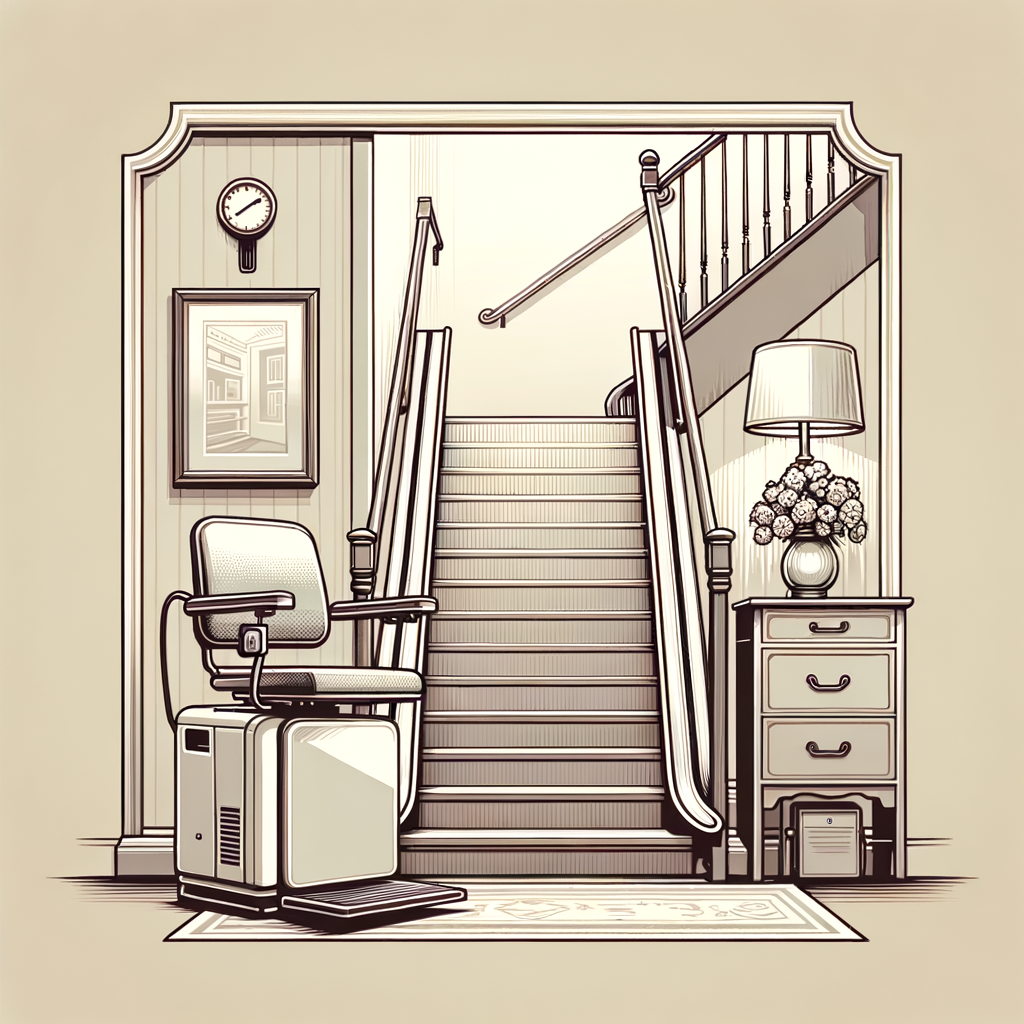
Aesthetic customizations shape how a chair lift looks, feels, and fits into a home, and they matter far more than many buyers expect. In the “Chair Lift Types & Designs” category, custom and hybrid designs sit at the point where mobility equipment becomes part of the interior environment rather than an obvious afterthought. Upholstery choices affect comfort, cleanability, and visual warmth. Color selection determines whether the system blends into surrounding trim, flooring, and wall paint or stands out as a deliberate feature. Rail design influences both engineering performance and the visual line running through the staircase. Together, these elements decide whether a lift feels clinical, discreet, traditional, or contemporary.
When I have worked with homeowners comparing models, the first question is often about fit on the staircase, but the second is usually about appearance. People want safe access between floors without making the foyer or living room look institutional. That concern is practical, not cosmetic vanity. A stair lift is installed in one of the most visible circulation zones in a house. Guests see it. Family members use the space every day. In heritage homes, condos, and architect-designed interiors, the wrong finish can feel jarring even if the lift performs perfectly. The right customization reduces resistance to installation because the product feels integrated into the home rather than imposed on it.
Custom and hybrid chair lift designs refer to systems that go beyond standard stock combinations. A custom design may involve made-to-order upholstery, powder-coated rails in nonstandard colors, wood-trimmed arm caps, or bespoke parking positions. A hybrid design usually combines a standard drive unit and seat platform with optional aesthetic packages, modular rail sections, powered folding components, or upgraded materials. This approach is common because it controls cost while still allowing visual personalization. Most major manufacturers and dealers structure their premium offerings this way: the mechanical platform remains proven and certified, while the visible surfaces and layout details become configurable.
For homeowners, designers, occupational therapists, and dealers, understanding these options is important because aesthetics influence long-term satisfaction. An unattractive lift may be used reluctantly or become the source of endless compromise during renovation planning. A carefully customized lift can preserve accessibility while respecting resale concerns, household style, and the user’s personal preferences. The best results come from treating upholstery, colors, and rails as a coordinated system. Each choice should be assessed through four filters: durability, maintenance, code and safety constraints, and visual compatibility with the home’s architecture. That is the foundation of a strong custom chair lift design strategy.
How custom and hybrid chair lift designs are typically configured
Most chair lift customization begins with the manufacturer’s core platform. The carriage, motor, transmission, footrest geometry, charging points, and safety circuits usually stay fixed because they are tied to testing and reliability. What changes are the visible and user-touch surfaces: seat shell finish, cushion material, stitching pattern, armrest texture, rail color, parking orientation, and in some cases call/send control style. Hybrid designs exist because fully bespoke mobility equipment is expensive, slow to produce, and harder to service. By contrast, a configurable platform can still support curved rails, heavy-duty seats, perch seats, or power swivel options while keeping spare parts and maintenance straightforward.
In practice, I have seen three common tiers. Entry-level customization offers one or two neutral seat colors and a standard rail finish. Mid-tier packages add several upholstery materials, upgraded seat silhouettes, and color-matched rails. Premium packages allow curved rail layouts with tighter aesthetic control, including hidden gear racks, reduced-profile tubes, parking points around corners, and finish coordination with balustrades or wall tones. Some suppliers also offer hinge rails or drop noses at the bottom landing to prevent the rail from obstructing a doorway. Those functional adjustments also affect appearance because they change how much metal remains visible when the lift is parked.
The key point is that customization does not mean sacrificing proven engineering. A well-designed hybrid system uses standardized mechanics with flexible exterior treatments. That balance is usually the smartest route for homeowners who want a lift that looks intentional without venturing into one-off fabrication that may complicate servicing later.
Upholstery options: comfort, maintenance, and visual character
Upholstery is the part of the chair lift that users notice first because it affects touch, support, and perceived quality. The most common materials are vinyl, polyurethane-coated fabrics, woven textiles, and leather or leather-look coverings. In mobility equipment, vinyl remains widely used because it is durable, easy to disinfect, and resistant to spills. That makes it practical for households where the lift user may transfer from a wheelchair, carry food, or need occasional caregiver assistance. Higher-grade vinyl can look far better than older institutional versions, especially when paired with contoured foam and stitched paneling.
Textile upholstery creates a warmer residential look and can reduce the “medical device” impression. It may also feel less sticky in hot weather and more comfortable against bare skin. However, woven fabrics can trap dust, absorb odors, and stain more easily than coated surfaces. For homes with pets, textured fabrics may catch hair. For users with reduced dexterity, wiping down a smooth surface is usually simpler than managing fabric care. That tradeoff matters. A chair lift is not a lounge chair; it must withstand frequent hand contact, friction at transfer points, and occasional cleaning with approved products.
Padding density and seam design are just as important as the surface material. A seat that looks plush can still feel unstable if the foam compresses too deeply. In specification reviews, I look for firm, supportive cushioning that distributes pressure without making transfers harder. Waterfall seat edges can reduce pressure behind the knees. Contrasting piping or stitching can sharpen the visual profile, but deep seams may collect dust. For users with vision limitations, subtle contrast between seat, armrests, and footrest edges can improve usability without making the unit visually loud.
Color also changes how upholstery performs aesthetically. Mid-tone grays, taupes, and warm charcoals hide everyday marks better than pure cream or black. Beige works in many traditional interiors but can yellow over time if exposed to direct sunlight. Deep navy and forest green can look refined, yet they may make the chair appear bulkier on narrow stairs. Dealers sometimes understate this point: dark upholstery recedes in some rooms but dominates in others depending on wall color and available light. Sampling the material inside the actual stairwell is always better than choosing from a catalog under showroom lighting.
Choosing colors that work with the staircase and the room
Color selection for a chair lift should begin with the staircase, not the seat brochure. The lift sits across several visual layers: treads, risers, skirting, balusters, wall paint, adjacent flooring, and often front-door sightlines. A successful color strategy either blends with the dominant architectural elements or creates controlled contrast with a deliberate reason. In period homes with stained oak rails and cream walls, warm neutrals and brown-toned metals often integrate best. In newer homes with white trim and pale walls, soft gray, matte silver, and muted graphite usually appear cleaner and lighter.
There are two reliable approaches. The first is tonal matching, where the seat and rail sit within the same broad family as surrounding finishes. This minimizes visual interruption and works well when the homeowner wants discretion. The second is anchored contrast, where one element references an existing accent in the space, such as black balusters, bronze door hardware, or navy hallway runners. Done well, this makes the lift look intentional. Done poorly, it feels random. The mistake I see most often is selecting a “safe” beige seat with a bright white rail in a stairwell filled with warm wood and off-white paint. The result is neither blended nor crisp.
Surface sheen matters as much as hue. Glossy finishes draw attention to every curve and can look more commercial. Matte and satin coatings generally photograph better, show fewer fingerprints, and integrate with residential trim more gracefully. Powder coating is preferred for rails because it provides a durable, even finish with stronger scratch resistance than simple paint. Manufacturers with broad color programs may offer RAL-matched finishes, though availability varies by region and production volume.
| Customization element | Best use case | Design advantage | Main limitation |
|---|---|---|---|
| Neutral vinyl upholstery | High-use family homes | Easy cleaning and broad compatibility | Can look generic if seat shape is basic |
| Textured fabric upholstery | Formal living spaces | Softer residential appearance | More difficult stain management |
| Color-matched powder-coated rail | Visible entry staircases | Improves integration with trim or metalwork | Longer lead times on custom colors |
| Hidden or reduced-visibility rail profile | Contemporary interiors | Cleaner visual line along stairs | Usually higher cost |
| Hinged rail section | Doorways at bottom landing | Prevents obstruction when parked | Adds moving parts and service needs |
For households supporting a user with low vision, contrast may be functional rather than decorative. A slightly darker seat against pale walls or a clearly defined footrest edge can improve orientation. Accessibility and aesthetics do not conflict here; they simply need coordination.
Rail design: straight, curved, modular, and visually discreet options
Rails are the structural and visual spine of the chair lift. Straight rails are simpler, lower in cost, and usually have a cleaner appearance because they follow one direct path. Curved rails are fabricated to match turns, intermediate landings, and complex stair geometry. They are often the defining element in custom and hybrid designs because the rail determines where the chair parks, how much space it occupies, and how noticeable it is from nearby rooms. A precisely designed curved rail can tuck the chair away around a corner, preserving the main stair view and improving household circulation.
Older systems often had visibly bulky rails and exposed mechanical profiles. Newer premium models reduce that visual mass through slimmer extrusions, refined tube shapes, and carriage housings that conceal drive components more effectively. Some systems place the gear rack under or within the rail profile, reducing the industrial look. This is not just cosmetic. Less exposed mechanical detail often means less dust accumulation and easier cleaning, though service access must remain practical for technicians.
Rail finish, mounting method, and parking position all contribute to aesthetics. Stair lifts are typically mounted to stair treads rather than the wall, which means the rail’s support posts become part of the visual composition. On open-tread stairs or decorative timber staircases, support spacing and post profile matter. Slimmer posts can help, but they must still meet structural requirements. Top and bottom overruns allow the chair to park away from the edge of the staircase, improving safety and reducing the lift’s visual presence in the main walking path. In some layouts, a powered hinge rail is the best answer because it clears a doorway while keeping the lift accessible. It is a functional feature with a clear visual payoff.
For custom and hybrid design hubs, this is the central lesson: rails are not merely tracks. They define usability, serviceability, and the entire visual rhythm of the installation.
Coordinating aesthetic choices with architecture, users, and long-term ownership
The best chair lift customization aligns with the house style and the user’s daily routine. In a Victorian or Craftsman home, warm upholstery tones, bronze or brown rail finishes, and softer seat contours usually sit more comfortably with detailed woodwork. In minimalist interiors, monochrome upholstery, simple stitching, and low-profile rails tend to perform better. In coastal or bright transitional interiors, light gray, sand, and muted blue accents can connect the lift to the broader palette without calling excessive attention to it.
User needs must stay ahead of decoration. If arthritis limits grip strength, a smooth, easy-clean armrest may be more important than premium stitched leather. If transfers are difficult, seat height and cushion firmness matter more than silhouette. If the lift is near the main entrance, parking the chair around a corner may be worth paying for because it protects both circulation and appearance. I have repeatedly found that homeowners are happiest when design decisions are made from actual use patterns: who rides the lift, how often, with what assistance, and in which lighting conditions.
Long-term ownership also matters. Custom colors can increase lead times and, in rare cases, complicate touch-up or part replacement years later. Premium fabrics may age differently than standard vinyl under sunlight. Matte black rails can look sophisticated but may show dust more clearly in bright stairwells. A balanced specification is usually better than chasing a dramatic showroom effect. The ideal result is a chair lift that feels quietly appropriate every day, remains serviceable, and supports the user without making the home feel compromised.
As the hub page for custom and hybrid designs, this topic connects directly to detailed guides on curved systems, heavy-duty seats, perch models, powered features, and space-saving layouts. The visual decisions covered here tie all of those subtopics together because every advanced configuration still has to live successfully inside a real home.
Aesthetic customizations are not superficial upgrades added at the end of a stair lift purchase. They are part of how the product succeeds in daily life. Upholstery determines comfort, hygiene, and the emotional tone of the seat. Color choices decide whether the installation blends with trim, flooring, and wall finishes or competes with them. Rail design shapes both the engineering path and the visual line through the staircase. When these elements are selected together, a chair lift can look integrated, feel dignified to use, and preserve the character of the home.
The strongest custom and hybrid designs rely on practical judgment. Start with proven mechanics, then tailor the visible surfaces and layout details to the house and the user. Favor durable upholstery that matches cleaning needs. Choose colors under real lighting conditions in the actual stairwell. Treat the rail as both a structural component and a design feature, especially on curved stairs or highly visible entry routes. A good installer or dealer should be able to explain these tradeoffs clearly, show finish samples, and map parking positions that reduce visual clutter.
For anyone researching chair lift types and designs, this hub provides the framework for making smart aesthetic decisions before moving into narrower product comparisons. Use it to evaluate samples, ask better questions, and connect appearance with function. Then explore the linked subtopic guides on custom layouts, specialty seats, and advanced rail configurations to build a lift solution that works beautifully and reliably for years.
Frequently Asked Questions
Why do aesthetic customizations matter so much on a chair lift?
Aesthetic customizations matter because a chair lift is not just a mobility device—it becomes a visible part of the home’s architecture and daily living space. When buyers focus only on mechanics and safety, they can miss how strongly the final look affects satisfaction over time. A well-chosen upholstery material, coordinated color palette, and thoughtfully finished rail can help the lift feel integrated into the home rather than added as an obvious medical appliance. That difference is especially important in main living areas, foyers, and staircases that guests and family members see every day.
Custom design choices also influence comfort and usability. Upholstery affects how warm or supportive the seat feels, how easy it is to wipe clean, and how well it holds up to frequent use. Color choices can either soften the lift’s presence or make it a clear design feature, depending on the homeowner’s goals. Rail shape and finish can visually reduce bulk, complement stair trim, or align with modern or traditional interiors. In custom and hybrid chair lift designs, these decisions help bridge the gap between accessibility and interior design, allowing the system to support mobility without disrupting the home’s style.
What upholstery options are typically available, and how should homeowners choose the right one?
Most chair lifts offer several upholstery categories, often including vinyl, fabric, and upgraded padded finishes designed for enhanced comfort and appearance. Vinyl is one of the most common options because it is durable, easy to sanitize, and resistant to spills, making it a practical choice for households that prioritize simple maintenance. Fabric upholstery can provide a softer, more residential look and feel, which may appeal to homeowners who want the lift to resemble traditional seating rather than specialized equipment. Some premium models also offer more refined textures, stitched detailing, or extra cushioning to create a more polished furniture-like appearance.
The best choice depends on how the lift will be used and where it is installed. In a busy household, a low-maintenance material with strong wear resistance may be ideal. In a quieter setting where visual warmth matters most, a softer fabric or upgraded finish may better suit the space. Homeowners should also consider temperature sensitivity, ease of cleaning, pet hair, long-term fading, and whether the seat color will coordinate with nearby carpet, hardwood, wall paint, and trim. Because the chair is used repeatedly, comfort should never be treated as secondary. The upholstery should support both the physical experience of riding and the overall appearance of the staircase area.
How important is color matching when selecting a chair lift?
Color matching is more important than many buyers initially realize because the chair lift often sits in one of the most visually prominent areas of the home. Staircases naturally draw attention, so a lift that clashes with surrounding finishes can feel far more noticeable than expected. Selecting colors that work with the home’s trim, flooring, wall paint, and stair materials can help the installation look intentional and refined. Even subtle coordination—such as choosing neutral upholstery, a seat tone that echoes nearby wood, or a rail finish that complements existing hardware—can make a major difference in how discreet and attractive the system appears.
That said, the goal is not always to make the lift invisible. Some homeowners prefer a clean, contrasting look that feels modern and purposeful. The key is to make a conscious design decision rather than accepting a default finish that may not suit the room. In custom and hybrid designs, color selection can soften the visual impact of the equipment, reinforce the home’s style, and improve long-term satisfaction. A lift that harmonizes with its surroundings often feels less intrusive, which can help homeowners feel more comfortable using it every day.
Can the rail be customized to look less industrial or bulky?
Yes, in many cases the rail can be customized or selected in a way that reduces its visual impact. While the rail is a structural component and must meet performance requirements, manufacturers often provide choices in finish, profile, and configuration that affect how prominent it looks on the staircase. Straight and curved rails may be available in different colors or coatings, and some systems are designed with slimmer profiles that appear cleaner and more architectural. A rail that closely matches stair trim, balusters, or wall tones can recede visually, while a contrasting finish can create a more contemporary, intentional statement.
Customization also extends to how the rail follows the staircase and where parking or folding positions are located. In some homes, a tailored rail layout can reduce visual congestion at the bottom landing or keep the chair out of immediate sight when not in use. For homeowners concerned about preserving the character of the staircase, these details are extremely valuable. The rail may never disappear entirely, but careful design choices can make it look more integrated, less mechanical, and more respectful of the home’s overall interior style.
How can homeowners balance appearance, comfort, and practicality when choosing custom design features?
The most successful chair lift selections balance aesthetics with daily function rather than treating them as competing priorities. Homeowners should begin by identifying where the lift will be most visible, how often it will be used, and what visual concerns matter most. For example, in a formal entry or main staircase, blending with the interior may be the top priority. In a high-use household, durable upholstery and easy-clean finishes may deserve greater emphasis. Comfort should always remain central, since an attractive lift that feels awkward or unsupportive will not deliver a good long-term experience.
A practical approach is to evaluate each design element through three lenses: appearance, maintenance, and user comfort. Upholstery should feel supportive and clean easily. Colors should coordinate with surrounding finishes without being so trend-specific that they quickly feel dated. Rail finishes and configurations should minimize visual disruption while still supporting safe operation. Working with an experienced provider can help homeowners compare samples in their own lighting, assess how materials will wear over time, and determine which upgrades are truly worthwhile. The goal is a chair lift that supports mobility, feels comfortable to use, and looks like it belongs in the home from day one.