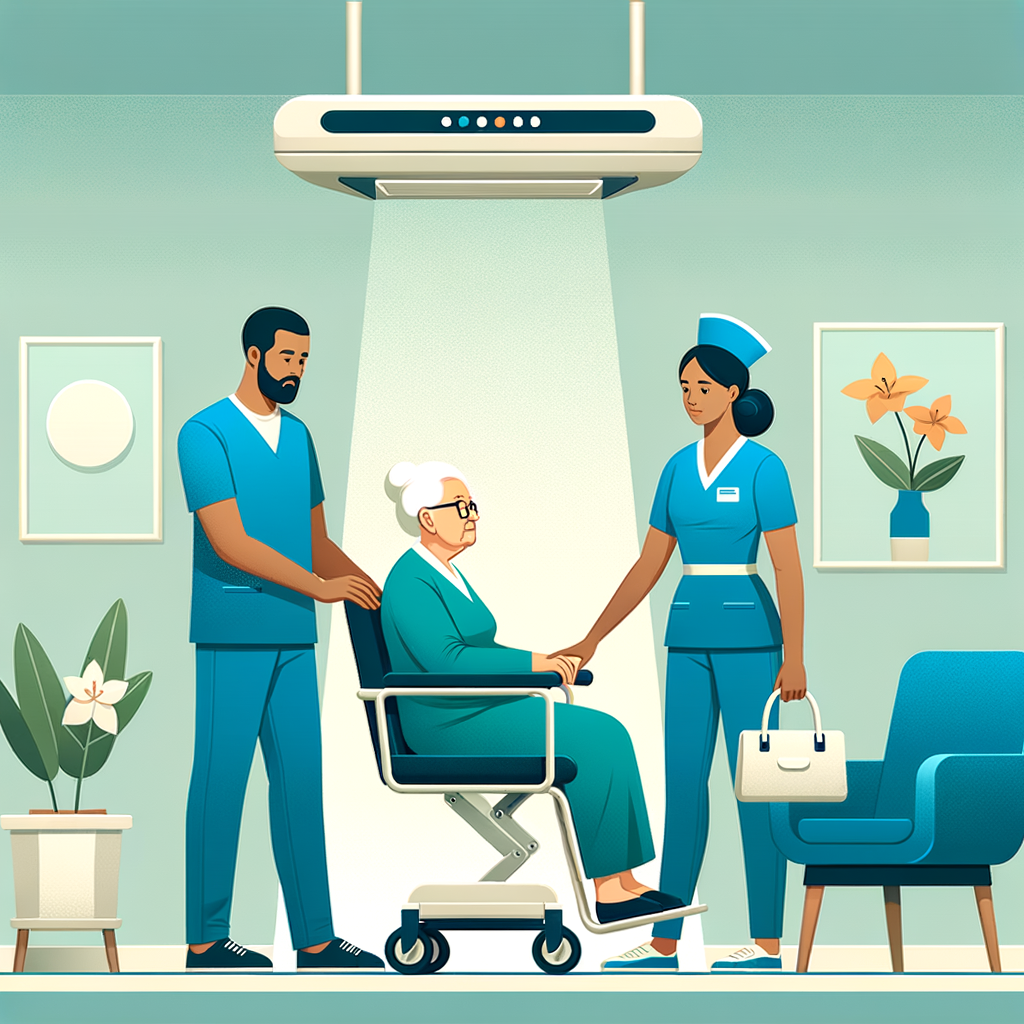
When it comes to assisting individuals with mobility challenges, ceiling lifts are an indispensable tool for caregivers. These mechanical devices provide a safer, more dignified way to transfer patients between furniture, such as from a bed to a chair. By reducing the physical strain on both the patient and the caregiver, ceiling lifts play a vital role in preventing injuries and promoting independence. This article will explore some of the best ceiling lifts available on the market for transferring between a bed and a chair. By understanding the features and benefits each offers, caregivers can make more informed decisions tailored to their specific needs and circumstances. Whether you are a healthcare professional, a family caregiver, or someone who requires a ceiling lift, understanding the options available can profoundly impact the quality of care provided and help achieve greater ease and efficiency in daily routines. Let’s delve into the features, usability, and considerations to keep in mind when selecting the most suitable ceiling lift for seamless and safe transfers.
Best Ceiling Lifts for Seamless Transfers
Prism Medical P-440 Ceiling Lift
The Prism Medical P-440 is highly reputed for its compact design and reliable performance. Weighing just 10.5 pounds, this lift is one of the lightest in its category, making it easy to handle and install. It offers a maximum lift capacity of 440 pounds, ensuring it can accommodate a wide range of users. The lift features a built-in pneumatic hand control, which provides smooth and quiet operational transitions. Additionally, the ergonomic, handheld remote control simplifies the lifting process, ensuring that transfers are smooth and operator-friendly. Safety features include an emergency stop and a built-in overload sensor, which enhance the user’s security and hadicap safety.
Liko Likorall 200 Ceiling Lift
The Liko Likorall 200 is a versatile piece of equipment, outstanding for its flexibility and user-friendly operation. With a maximum lifting capacity of 440 pounds, it supports various users with comfort and reliability. Known for its speed, the Likorall 200 provides rapid lifting processes, significantly minimizing transit time, which is essential for the comfort of the person being assisted. This ceiling lift encompasses a clever design, which includes interchangeable accessories and enhancements for specific lifter or statistical needs. It is equipped with advanced features, including a quick-release mechanism for the lift belt to facilitate easy installation or change in positioning.
Guldmann GH3 Ceiling Lift
The Guldmann GH3 Ceiling Lift is acclaimed for its powerful capabilities and cutting-edge technology. It can manage weights up to a remarkable 825 pounds, making it suitable for bariatric care. It features advanced smart technology with an intuitive user interface that provides precise and frictionless movements. The built-in diagnostics system is a unique feature that ensures optimal functioning and maintenance reminders, thereby enhancing the lift’s longevity. It operates smoothly with minimal noise, providing a peaceful environment for patients during transfers. Battery life is significant, with automatic charging when the lift is not in use. Its maintenance is streamlined, due to its precise diagnostics and easy accessibility to parts.
SureHands Body Support System
The SureHands Body Support System is exceptionally designed to cater to a wide range of user needs with flexibility and assurance. This lift is perfect for individuals looking for a less cumbersome, strap-free transfer experience. It gently grasps the patient under the arms and behind the thighs, providing excellent support and balance. With adjustable settings, caregivers can customize the lifting process for personalized comfort. Its weight capacity stands at 440 pounds, and it is particularly noted for facilitating self-transfer, promoting maximum independence for those who can operate it unaided. Small and compact, it’s ideal for home use while maintaining high professional standards.
Handicare C-450 Ceiling Lift
The Handicare C-450 is renowned for its robust design and ease of use. This device tackles different lifts seamlessly, offering a sturdy solution for regular tasks. It supports up to 450 pounds, utilizing its reliable power while ensuring safety and balance during lifts. Innovative features, such as the dangle-free return system, keep cords and controls neatly stowed, reducing clutter and hazards. Its modular design allows for efficient maintenance and denies unnecessary complications in potential replacement or modification. Furthermore, the user interface is straightforward, facilitating effortless operator training and orientation.
Invacare Robin Overhead Ceiling Lift
The Invacare Robin offers a novel approach to safe patient transfers, providing comfort and smooth operation. One of its signature features is the dual strap technology, which negates the need for a spreader bar, maximizing comfort for patients. This design is increasingly considered safer as it avoids contact points that could cause injuries. Supporting up to 450 pounds, the Robin is exceptionally suited for individual homes or professional settings alike, providing tactile switch controls to perfect seamless operation for caregivers. Quiet operation ensures minimal disturbance, fostering a calming transfer environment. Its straightforward setup process and support options supplant it as a favorable option for a broad audience.
ArjoHuntleigh Maxi Sky 440
The ArjoHuntleigh Maxi Sky 440 is frequently favored for its simplicity and reliability in patient handling. It’s especially lauded for its ability to be demounted easily, which is essential for multi-location adaptability, such as in both home and institutional use. The lift supports up to 440 pounds and is designed for single-caregiver actions in mind, encouraging light-touch operation that reduces staff injury risks. Features like the retractable strap make it one of the neatest solutions available today, with easy-to-engage functions reducing operational stress. Its compatibility with different slings allows a customization level that’s conducive to numerous care needs and environments.
Conclusion
Care requirements significantly affect one’s choice of ceiling lifts for moving between bed and chair. With factors such as patient weight, lift capacity, and operational simplicity at play, choosing a suitable lift becomes imperative for efficiency in care settings. In a diverse market, options like the Prism Medical P-440 or the SureHands Body Support System offer compact and user-friendly designs. Conversely, installations like the Guldmann GH3 bring advanced technological prowess to bear for complex care environments, supporting higher weight ranges effectively. For home and professional settings alike, evaluating features like lift speed, strap or strapless variants, maintenance needs, and noise emission can significantly guide the decision process. The ultimate aim remains consistent: providing a secure, dignified, and practical transfer method that respects patient independence while enhancing care delivery. With numerous considerations to balance, understanding the distinct features and capabilities of each model is essential for caregivers to make well-informed choices that enhance both user experience and safety.
Frequently Asked Questions
1. What are the benefits of using a ceiling lift for transferring between a bed and a chair?
Ceiling lifts offer a host of advantages, making them an essential tool for facilitating safe and efficient transfers. Firstly, they significantly reduce the risk of injury for both the caregiver and the patient, by eliminating the need for manual lifting which can strain the back and muscles. Ceiling lifts also help to uphold a patient’s dignity by providing a smooth, secure transfer process that avoids the awkwardness and potential embarrassment of being manually hoisted or dragged. An additional benefit is the promotion of patient independence; by safely assisting in their own transfers, individuals can experience a greater sense of autonomy. Moreover, ceiling lifts are space-efficient, often mounted on tracks attached to the ceiling, which means they don’t consume valuable floor space – a particularly crucial factor in small or crowded rooms.
2. How do ceiling lifts compare to other types of mobility aids, like floor-based lifts?
Ceiling lifts and floor-based lifts each have unique features and benefits, but ceiling lifts offer distinct advantages in specific scenarios. While floor-based lifts can be mobile and do not require installation, they can be cumbersome to maneuver and take up considerable floor space, leading to clutter and potential tripping hazards. In contrast, ceiling lifts are track-based, providing seamless movement along the ceiling without interfering with floor space. Installation of a ceiling lift may require an initial setup cost, but it often results in a more streamlined and efficient transfer process. Additionally, ceiling lifts typically have a higher weight capacity, making them suitable for heavier patients and adaptable for a variety of transfer needs with different slings and attachments.
3. What features should I look for in the best ceiling lifts for transferring between a bed and a chair?
When selecting a ceiling lift, it’s crucial to ensure the chosen model aligns with both the patient’s needs and the caregiver’s capabilities. Look for a lift with a sturdy track system that is compatible with multiple types of slings, as this will offer versatility in transfers. Consider lifts with a user-friendly interface that allows caregivers to operate them without extensive training. Safety features, such as backup power sources and emergency lowering mechanisms, are vital in ensuring that lifts continue to function properly even if there is an unexpected power outage or mechanical failure. Additionally, opt for models that feature smooth and quiet operation, as minimizing noise can significantly enhance comfort for the patient.
4. Are ceiling lifts easy to use for individuals who need frequent transfers?
Ceiling lifts are designed to be user-friendly, making them suitable for frequent transfers throughout the day. The ease of use hinges on well-engineered controls and responsive systems, which ensure that transferring tasks can be completed swiftly and without fuss. For caregivers, ceiling lifts often include remote controls or wall units that are intuitive, allowing adjustments to lift positions smoothly with minimal effort. Furthermore, many ceiling lifts offer automatic or semi-automatic features which can further streamline the transfer process. Once installed, ceiling lifts require minimal manual handling, reducing physical effort and the time taken for transfers, particularly beneficial for caregivers with packed schedules or high patient volumes.
5. How can I determine the compatibility of a ceiling lift with my living space and needs?
When considering a ceiling lift, assessing spatial compatibility is essential. Begin by evaluating the layout of the room and determining if the ceiling’s height and structure can accommodate the installation of tracks. It’s also important to consider the potential path a lift would traverse from the bed to the chair; ensure there are no obstructions and that the design of the track allows for such movement. Consulting with a professional installer is advisable, as they can provide specific recommendations tailored to the space, respecting both functional practicality and any architectural constraints. Additionally, dialogue with healthcare professionals to understand the specific needs of the patient might provide insight into what features are needed most, such as mobility range or special sling requirements, ensuring the chosen system enhances safety and efficiency