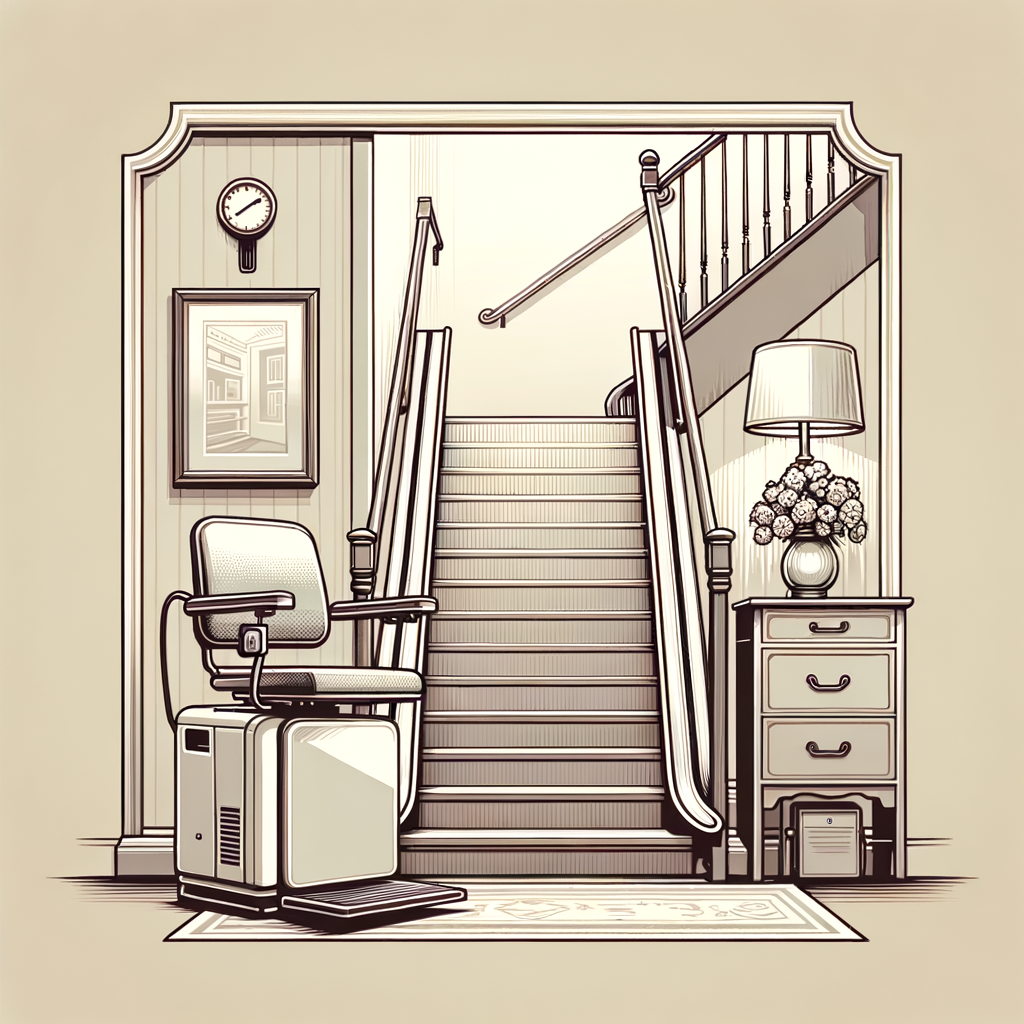
The ability for disabled individuals to move seamlessly within their homes and healthcare settings can drastically improve their quality of life. In recent years, ceiling lifts have emerged as vital tools within this domain, offering a sense of autonomy and safety for many who find mobility challenging. Ceiling lifts, fundamentally designed to aid in the secure and efficient transfer of individuals, are mounted to the roof structures, providing significant movement without needing additional floor space. These devices have gained popularity not only in clinical settings like hospitals and rehabilitation centers but also in private residences. Their purpose is to simplify the transfer movements for caregivers and the disabled, minimizing physical exertion while enhancing user comfort and dignity. Yet, like any technological solution, ceiling lifts come with their own set of advantages and drawbacks. Understanding both the pros and cons is critical for caregivers, disabled individuals, and decision-makers who contemplate incorporating these lifts into daily care routines or institutional protocols.
This article comprehensively explores the benefits and potential setbacks of utilizing ceiling lifts for disabled users. It aims to provide in-depth analysis and insights for those considering ceiling lifts, whether for personal use or within healthcare facilities. By delving into various aspects of these devices, from operational mechanics to user experience, we hope to offer a balanced view that can assist in making informed decisions. Additionally, this exploration intends to highlight considerations such as cost, maintenance, installation, and suitability for various types of disabilities, thus offering a holistic perspective on the integration of ceiling lifts into the daily lives of disabled individuals.
Advantages of Ceiling Lifts for Disabled Users
Ceiling lifts offer numerous benefits that can positively impact both users and caregivers. One of the most notable advantages is their ability to significantly enhance accessibility within a living space or medical environment. Since these lifts are mounted on the ceiling, they require no floor space, unlike traditional lifts or mobile hoists. This not only optimizes space usage but also reduces clutter, which can be particularly beneficial in smaller rooms or crowded hospital areas. Furthermore, ceiling lifts can facilitate smooth transfers across different areas, such as from the bed to the bathroom, without the need to reconfigure or move the device each time.
Safety is another significant benefit of ceiling lifts. By minimizing the manual lifting demands on caregivers, these devices reduce the risk of musculoskeletal injuries associated with patient transfers. For the users, the lifts increase confidence and security, providing smooth and controlled movement. This assurance can be particularly valuable during transfers that might otherwise be awkward or stressful. Many ceiling lift systems incorporate advanced features, such as automated functions and stop-start mechanisms, ensuring that movements are both precise and safe.
Furthermore, ceiling lifts are highly customizable. Modern systems often offer a range of options and add-ons to cater to the specific needs of users. For example, tracks can be designed to navigate complex room layouts, and sling attachments can be adjusted for various body types and conditions. This level of customization ensures that a ceiling lift system can be specifically tailored to meet the needs of the individual or institution, thereby maximizing its utility and efficiency.
Ceiling lifts also contribute positively to the user’s psychological well-being. With such systems in place, individuals with mobility challenges experience a greater sense of independence and control over their surroundings. This autonomy is crucial for improving self-esteem and promoting mental health. Additionally, the ease of use of ceiling lifts encourages more frequent and spontaneous movement, which can lead to improved physical health outcomes over time.
In healthcare settings, ceiling lifts can also enhance operational efficiency. They can facilitate quicker, less labor-intensive transfers, enabling staff to manage their time more effectively and devote more attention to other critical tasks. This improvement in workflow can increase overall patient care quality and reduce fatigue and burnout among caregivers, creating a more supportive and productive environment within healthcare facilities.
Challenges and Disadvantages of Ceiling Lifts
Despite their advantages, there are several challenges and disadvantages associated with ceiling lifts that users and facility managers must consider. One of the primary concerns is the cost associated with purchasing and installing these systems. Ceiling lifts can be quite expensive, particularly when factoring in the costs of installing tracks and other necessary infrastructure. For many individuals and organizations, this initial investment can be prohibitive, limiting access to such valuable technology. Additionally, ongoing maintenance costs, while typically lower than initial setup costs, can still add up, requiring periodic inspections and potential repairs to ensure long-term functionality.
Another drawback of ceiling lifts is the complexity of installation. Unlike portable lifts or other mobility aids, ceiling lifts require a permanent, structural change in the environment. Installation must be conducted by professionals and often involves significant modifications, which can be both intrusive and time-consuming. Moreover, such installations may not be feasible in all buildings, particularly those with structural limitations or strict regulations regarding modifications, like some rented properties or historic buildings.
The fixed nature of ceiling lifts can also be a disadvantage in certain situations. While their permanence is beneficial in dedicated spaces, it limits the lift’s portability. Users do not have the flexibility to move them from room to room or take them to different locations. This characteristic can restrict their utility in larger homes or when transporting a user to various care settings.
The dependency on electrical power is another issue to be mindful of. Since ceiling lifts are typically electrically operated, any power outage can render them inoperative, potentially leaving users stranded until power is restored. While battery backups are available for some systems, they add to the cost and complexity and don’t fully negate the concerns associated with power dependency.
From the user’s and the caregiver’s perspectives, operating a ceiling lift might require some degree of training. Although many systems are designed to be user-friendly, they still necessitate understanding of specific functions and safety features. Lack of adequate training can lead to improper usage or even accidents. This aspect means that both users and caregivers may need to dedicate time to learn the ropes, which could be seen as a drawback, particularly in environments with high staff turnover rates.
In addition to physical constraints, psychological challenges might also arise. Some users may feel uncomfortable or self-conscious using a ceiling lift, perceiving it as a symbol of their dependency. Such feelings can impact self-esteem and deter them from making the most of the mobility aid, counteracting the potential psychological benefits the lift could provide.
Conclusion
Ceiling lifts for disabled users offer significant advantages, enhancing mobility, safety, and quality of life, while aiding caregivers in efficiently managing their efforts. These devices remove spacials constraints and provide a sense of autonomy, making them an invaluable investment in many contexts. The ability to customize and tailor ceiling lifts to meet individual needs further underscores their potential to improve living conditions and care settings for those with mobility challenges.
However, awareness of the associated drawbacks—such as high costs, installation complexities, and the reliance on a stable power supply—is crucial. These challenges present important considerations for those assessing the suitability of ceiling lifts. Balancing the benefits against these limitations requires careful evaluation of individual needs, structural capabilities of living spaces, and financial resources.
Ultimately, the decision to adopt ceiling lifts should factor in both current and future circumstances. As technology advances, we can anticipate improvements in design and accessibility, perhaps addressing some of the existing limitations. Until then, individuals and institutions must weigh the pros and cons, considering how ceiling lifts fit into the broader context of improving mobility and care for disabled users.
Whether used in private homes or healthcare facilities, the careful integration of ceiling lifts can lead to a safer, more efficient, and more empowering environment for all involved. Through informed choices, we can ensure that these technological aids truly enhance the lives of those they are intended to serve, maximizing their potential advantages while mitigating disadvantages as effectively as possible.
The journey toward improved mobility with ceiling lifts involves responsibility, foresight, and adaptability. As society evolves toward inclusivity and accessibility, ceiling lifts point towards a future where limitations are continually challenged, ultimately contributing to enhanced living standards and dignity for the disabled population.
Frequently Asked Questions
1. What are the primary benefits of using ceiling lifts for disabled users?
Ceiling lifts offer numerous advantages for disabled individuals and their caregivers. Firstly, these systems provide greater safety by significantly reducing the risk of falls and injuries during transfers compared to manual lifting techniques. This is not only critical for the user’s comfort but also for the health and wellbeing of caregivers, preventing strain and injury. Additionally, ceiling lifts can improve accessibility within various environments, allowing users to move seamlessly from one room to another without obstruction from furniture or flooring barriers. The ability to facilitate transfers independently or with minimal assistance enhances the user’s autonomy, boosting their confidence and quality of life. From a practical standpoint, ceiling lifts save space, as they do not require floor tracks or additional equipment once installed, resulting in less clutter and a more organized space.
2. Are there any drawbacks to installing ceiling lifts in a home or healthcare setting?
While ceiling lifts offer considerable benefits, there are also some challenges to consider. The most notable concern is the initial cost of installation and the potential need for structural alterations to the property, especially in older buildings. Installation might require professional advice to ensure safe and effective implementation, potentially leading to additional expenses. Moreover, the system needs regular maintenance checks to ensure its continued safe operation, which could be seen as a downside compared to more temporary, floor-based lifting aids. There’s also the dependency on power, as most modern ceiling lifts require electricity, which could be an issue during power outages without a backup option. Finally, users and caregivers must be adequately trained to use ceiling lifts safely, which could necessitate time and resources dedicated to instruction and practice.
3. How does a ceiling lift improve the autonomy of a disabled user?
Ceiling lifts are instrumental in enhancing the autonomy of disabled users by supporting independent movements and transfers. This system empowers individuals to perform daily activities with minimized need for direct assistance, such as moving from bed to wheelchair or from one room to another. With the simple operation of a ceiling lift’s controls, users can maneuver themselves with precision and ease, aligning their position according to their comfort and need. This sense of control over their movement not only boosts their confidence but also lessens the emotional and physical dependency on caregivers, fostering a greater sense of self-sufficiency and dignity. In essence, ceiling lifts help bridge the gap between assisted living and independent living, providing more freedom to the user.
4. Who should consider installing a ceiling lift, and how can they get started?
Ceiling lifts are an excellent option for those with limited mobility due to age, disability, or injury, who require frequent transfers but wish to do so safely and efficiently with less dependence on caregivers. Caregivers who are looking to reduce the physical strain of assisting individuals with limited mobility may also consider this technology to enhance safety and efficiency in their duties. To get started, individuals or organizations interested in ceiling lifts should begin by assessing their specific needs and constraints, such as the weight capacity required, the number of transfers per day, and the structural setup of the building. Consulting with healthcare professionals, occupational therapists, or mobility specialists is advisable to ensure the selection of an appropriate model. Once decisions are made, engaging with a reputable supplier or contractor for installation and training on operation and maintenance is the next step.
5. How does the use of ceiling lifts compare with other mobility aids in terms of ease of use and effectiveness?
Compared to other mobility aids like floor-based patient lifts or transfer boards, ceiling lifts generally offer greater ease of use and effectiveness for a broad range of movements. The overhead design means there’s no interference from furniture or fixtures, providing a clear path from one area to another, which many floor-based systems cannot due to their bulkier, ground-level presence. Ceiling lifts can be operated with straightforward controls, often via remote or easy-to-reach manual options, providing intuitive and effortless use for both caregivers and users. Their effectiveness is reflected in their ability to handle complex transfer scenarios that would otherwise be risky or physically demanding using manual techniques. However, when comparing with mobility aids like wheelchairs or stair climbers, ceiling lifts should be part of a comprehensive solution, focusing specifically on improving transfer safety and efficiency rather than full mobility, which other aids cater to. Overall, ceiling lifts are unmatched in their specialization for safe transfers, offering a unique balance of safety, efficiency, and ease that complements other mobility solutions well.