Comfort features in heavy-duty mobility lifts determine whether a device merely moves a user from one level to another or supports safe, sustainable daily living. In the chair lift industry, heavy-duty lifts are built for higher weight capacities, wider seats, stronger drive systems, and more robust rail or platform structures than standard models. They are designed for users who need extra stability, more generous dimensions, or a stronger duty cycle in homes, public buildings, and commercial settings. I have worked with families comparing standard and bariatric stair lifts, vertical platform lifts, and heavy-duty incline systems, and the same pattern appears every time: comfort affects usage as much as capacity does.
Comfort in this context is not a soft extra. It includes seat dimensions, cushioning, arm support, posture alignment, ride smoothness, entry and exit geometry, noise level, control accessibility, and environmental fit. A lift may technically meet capacity requirements, yet still feel insecure if the seat is too shallow, the armrests are narrow, the foot platform is cramped, or the motion profile starts and stops abruptly. For users with arthritis, limited trunk control, edema, neuropathy, or joint pain, these details directly shape whether transfers are manageable and whether the lift gets used consistently.
This matters because heavy-duty mobility lifts often serve people with complex mobility needs for many years. A poor comfort match can lead to transfer strain, caregiver burden, reduced independence, and avoidable safety risks. A well-designed system does the opposite: it supports posture, reduces pressure points, allows easier boarding, and inspires confidence on every trip. As the hub for heavy-duty lifts under chair lift types and designs, this guide explains which comfort features matter most, how they differ across lift categories, and what buyers should evaluate before installation.
What makes a heavy-duty mobility lift comfortable
A comfortable heavy-duty mobility lift starts with fit. Manufacturers typically define heavy-duty models by higher weight ratings, commonly from 350 to 600 pounds or more depending on the design, but capacity alone is not the full story. The seat width, seat depth, back height, armrest spacing, platform dimensions, and entry clearance must also match the user’s body and movement pattern. In real assessments, I look first at hip width, knee bend angle, shoulder mobility, and whether the user can maintain an upright seated position during travel. These practical measurements reveal more than brochures do.
Ride quality is the next major factor. Heavy-duty units should use controlled acceleration and deceleration so the lift does not jolt at startup or rock at the landing. Better systems include soft-start and soft-stop programming, geared transmission tuning, and stable rail engagement to minimize sway. For stair lifts, a wider rail and heavier chassis improve rigidity. For vertical platform lifts, a robust mast, enclosed drive components, and smooth gate interlocks help reduce vibration. If the user feels every mechanical movement, comfort drops and anxiety rises.
Transfer ergonomics also define comfort. Users need room to approach the seat or platform, place mobility aids, and reposition without twisting awkwardly. Swivel seats at the upper landing, powered footrests, offset arms, and folding rails can make a major difference in narrow stairways. In platform lifts, non-slip flooring, level stops, and sufficient turning radius matter more than decorative features. The most comfortable lift is the one that allows a controlled, repeatable transfer with minimal physical effort and minimal caregiver intervention.
Seat design, posture support, and pressure management
For seated heavy-duty lifts, the seat is the primary comfort interface, so dimensions and structure deserve close scrutiny. A wider seat should not sacrifice lateral stability. Good heavy-duty seats combine extra width with dense foam, reinforced pans, and shaped edges that reduce thigh pressure. If the cushion is too soft, the user sinks and has trouble standing. If it is too firm, pressure builds at the ischial tuberosities and along the backs of the thighs. Medium-firm, high-resilience foam generally performs best for repeated daily use.
Backrests should support the pelvis and trunk without forcing the shoulders forward. Taller users often need higher backrests, while users with reduced core strength may benefit from fuller contouring. Armrests are equally important. Wide, rigid armrests help with push-off during transfers and give users a stable resting position during travel. On heavy-duty models, I prefer armrests with enough length to support the forearm fully and enough clearance to avoid pinching at the hips. Some premium systems offer adjustable arm width, which can meaningfully improve comfort for shared household use.
Pressure management is often overlooked in mobility lift discussions, yet it is essential for users with diabetes, neuropathy, circulation issues, or a history of skin breakdown. Long travel paths, multiple daily trips, and waiting time at landings can turn a short ride into extended seated loading. Breathable upholstery, easy-clean medical-grade vinyl, and cushions that distribute weight evenly are practical advantages. On outdoor units, water-resistant covers and UV-stable materials preserve cushion integrity, which prevents the seat from becoming hard, cracked, or uneven over time.
Ride smoothness, noise control, and motion confidence
Users often describe comfort in emotional terms: steady, quiet, secure, and predictable. Those qualities come from engineering choices. Heavy-duty mobility lifts carry more load, so they need motors and transmissions sized for torque without harsh operation. Rack-and-pinion stair lifts, cable-driven vertical lifts, and hydraulic or screw-drive platforms can all be comfortable when properly matched to the application, but each has a distinct ride feel. Hydraulic systems tend to provide smooth vertical travel, while well-built geared stair lifts usually offer precise control on inclines. What matters is not the drive label alone but the quality of installation and tuning.
Noise control matters more than many buyers expect. Repetitive mechanical noise can make a lift feel industrial, especially in a home. Better heavy-duty units limit rattling through rigid rail mounting, quality bearings, and tightly fitted seat assemblies. Battery-powered stair lifts also reduce dependence on constant mains drive during travel and often maintain more consistent operation during power interruptions. I have seen confidence improve immediately when a hesitant user hears a lift move quietly and stop cleanly at each landing. Reduced noise signals reliability to the user, even before technical specifications are discussed.
Confidence also comes from visual stability. A broad footrest, secure seatbelt, unobstructed sightline, and minimal side-to-side movement reassure users who fear heights or motion. On long staircases or open-sided landings, these features are especially valuable. Heavy-duty lifts should feel planted, not flimsy. That perception is not cosmetic; it influences whether a user rides independently or waits for assistance every time.
Controls, access, and usability for daily operation
Comfort includes how easy the lift is to operate with limited hand strength, impaired vision, or cognitive fatigue. The best heavy-duty mobility lifts use large, responsive controls with clear directional feedback. Joystick-style arm controls, paddle switches, constant-pressure buttons, and remote call stations each have benefits, but the right choice depends on the user’s dexterity and comprehension. For someone with arthritis, a broad paddle may be easier than a small toggle. For a user with tremor, a clearly labeled constant-pressure control may prevent accidental activation better than a sensitive joystick.
Entry and exit usability is just as important. Powered swivel seats reduce trunk twisting at upper landings, where falls are most dangerous. Folding footrests remove one more bending motion for users who cannot safely lean down. On platform lifts, automatic gates, obstruction sensors, and low-threshold entries reduce the stress of lining up a wheelchair or scooter. If a heavy-duty lift requires several awkward steps before travel even begins, it will never feel comfortable regardless of the seat padding or finish quality.
| Comfort feature | Why it matters | Best fit example |
|---|---|---|
| Wide reinforced seat | Improves stability and hip clearance | User needing 23-inch seat width and firm transfer surface |
| Soft-start and soft-stop | Reduces jolts and motion anxiety | Older adult with back pain using a long stair lift daily |
| Powered swivel seat | Supports safer upper landing exit | User with limited trunk rotation after spinal surgery |
| Low-threshold platform | Eases wheelchair entry and exit | Scooter user on a vertical platform lift at home |
| Large tactile controls | Improves operation with weak grip or vision loss | User with arthritis and diabetic neuropathy |
Remote controls and smart diagnostics are useful, but they should never replace basic accessibility. Every essential function should remain simple and obvious. In homes with multiple users, parked position, seat folding, and call-send controls also affect comfort because they determine how much setup work is required before each trip.
Heavy-duty stair lifts, platform lifts, and outdoor models
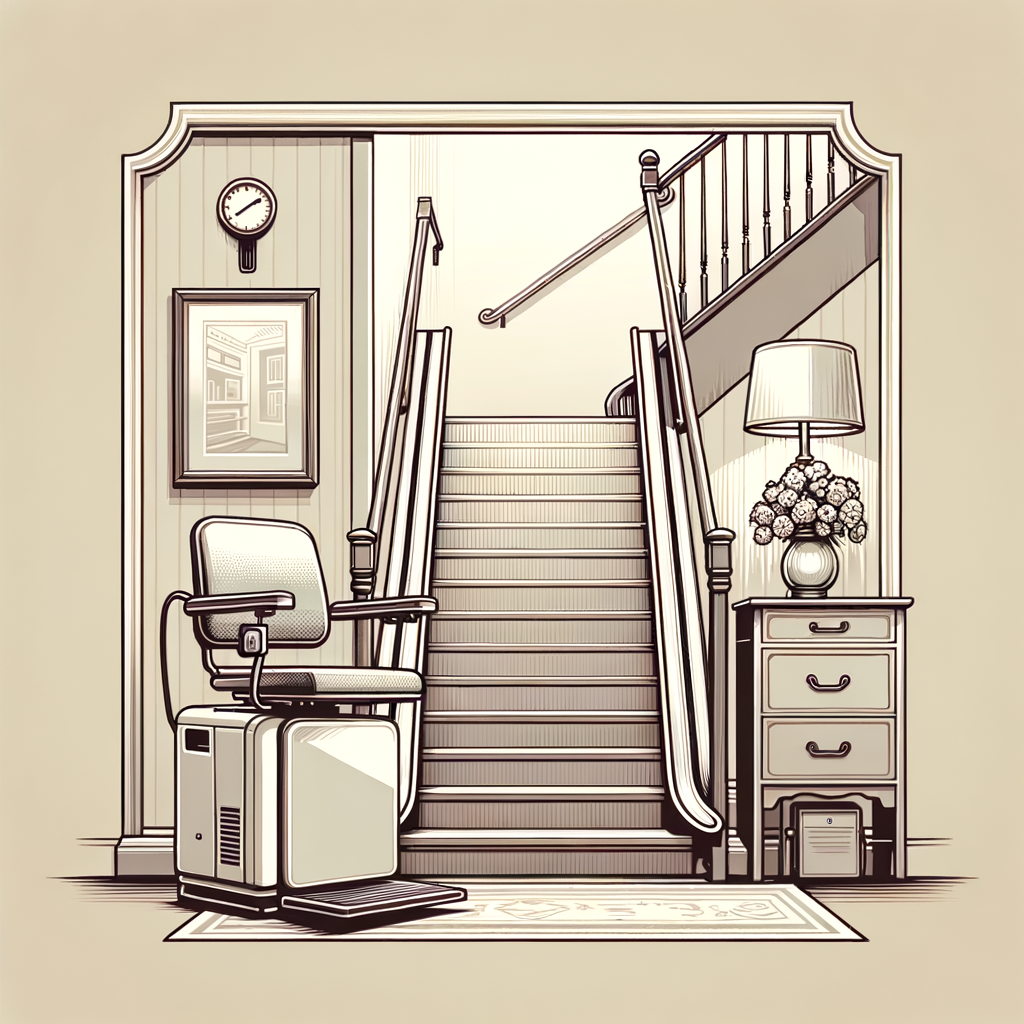
Heavy-duty stair lifts and heavy-duty vertical platform lifts solve different problems, so their comfort features should be judged differently. A heavy-duty stair lift is usually best for users who can transfer into a seat and maintain seated balance during travel. Comfort depends on seat support, rail stability, legroom, and landing access. Curved heavy-duty stair lifts can be especially comfortable in multilevel homes because they allow continuous travel around turns, but custom rails increase cost and installation complexity. Straight heavy-duty stair lifts are simpler and often faster to install.
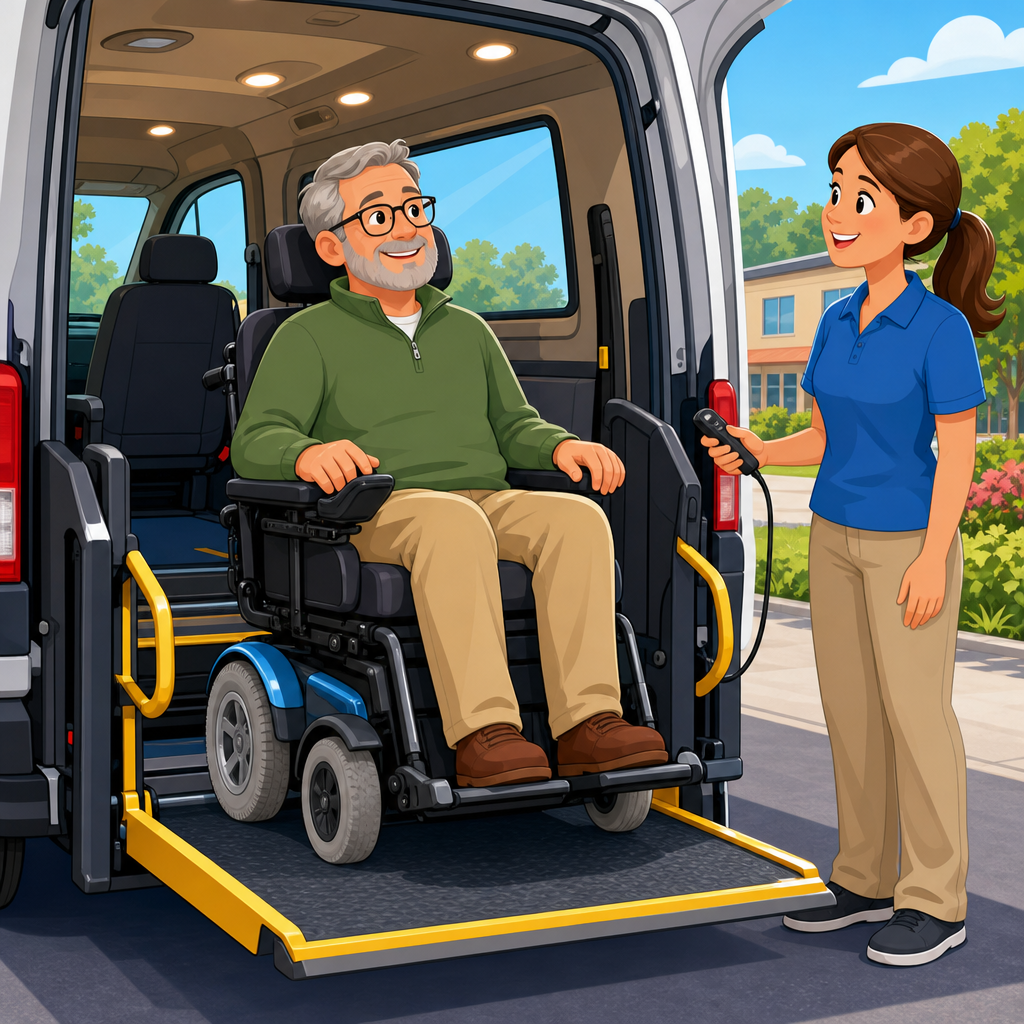
A heavy-duty vertical platform lift is usually the better option for wheelchair and scooter users who want to remain in their mobility device. In that case, comfort means enough platform size, smooth level stopping, quiet travel, and weather or enclosure protection where needed. Residential units often serve porches, garage entries, or short rises up to a deck. Commercial models may need compliance with ADA-related access expectations, local code review, and higher cycle use. A platform that feels roomy and stable is more comfortable than one that technically fits a chair but leaves no margin for alignment.
Outdoor heavy-duty lifts add another layer of comfort requirements. Weatherproof controls, marine-grade vinyl, sealed electronics, corrosion-resistant finishes, and durable covers all preserve the user experience. Rain, heat, and freezing temperatures can make a standard indoor seat hard, slippery, or unreliable. Outdoor comfort is really comfort plus resilience. If the lift works smoothly in January and August, the user can trust it as part of daily life rather than as a seasonal compromise.
Installation, standards, and long-term comfort value
Even the best heavy-duty mobility lift will feel uncomfortable if installation is rushed or poorly planned. Stair geometry, landing depth, door swing, electrical supply, transfer space, and caregiver positioning all affect day-to-day use. During site evaluations, I check not only whether the lift fits but whether the user can approach it naturally with a cane, walker, wheelchair, or scooter. A technically compliant installation can still be awkward if it forces sharp turns or leaves insufficient clearance at the top landing. Good installers account for real movement patterns, not just dimensional minimums.
Buyers should also look for products aligned with recognized safety and performance standards. In the United States, stair lifts and platform lifts are commonly evaluated against ASME and accessibility-related requirements, while reputable manufacturers document testing, safety circuits, battery backup, load limits, and maintenance intervals clearly. Brands with established dealer networks tend to deliver better comfort over time because service availability affects ride quality, noise, and reliability after years of use. A lift that waits months for parts quickly becomes uncomfortable in the most practical sense.
Long-term value comes from matching comfort features to the user’s likely progression, not just today’s needs. If a user already requires a wider seat, weaker push-off strength, or more caregiver assistance, choose the model that leaves room for change. That may mean a powered swivel, larger platform, or upgraded seat geometry now rather than later. Comfort features are not indulgences. In heavy-duty lifts, they are the design elements that protect independence, reduce strain, and keep the lift useful for the long term.
Comfort features in heavy-duty mobility lifts are the difference between basic access and dependable everyday usability. The right lift combines capacity with fit, posture support, smooth motion, quiet operation, intuitive controls, and transfer-friendly design. Whether you are comparing a heavy-duty stair lift, a vertical platform lift, or an outdoor model, focus on how the user will sit, enter, ride, and exit on a typical day, not just on the maximum weight rating listed in a brochure.
The strongest buying decisions come from seeing comfort as a system. Seat dimensions, cushioning, arm support, rail stability, platform clearance, landing space, and service support all work together. When those details are aligned, users feel safer, caregivers do less physical lifting, and the equipment is far more likely to be used consistently. That is the main benefit of choosing comfort features carefully: they turn a mobility device into a practical source of independence.
If you are building out your research on chair lift types and designs, use this heavy-duty lifts hub as the starting point, then compare specific models, site requirements, and user needs with a qualified accessibility professional or dealer. A hands-on assessment will confirm which comfort features matter most in your space and help you choose a lift that remains supportive for years.
Frequently Asked Questions
What comfort features matter most in a heavy-duty mobility lift?
The most important comfort features in a heavy-duty mobility lift are the ones that improve stability, body support, ease of use, and confidence during every trip. A wider, well-cushioned seat is usually at the top of the list because it gives the user more room to sit naturally without feeling squeezed or unsupported. High-back seating, padded armrests, and a properly positioned footrest also make a major difference, especially for users who spend more time transferring in and out of the lift or who need added postural support. In many models, a swivel seat at the landing helps the user exit more safely by reducing twisting and awkward movement.
Ride quality is another major comfort factor. Heavy-duty lifts are typically built with stronger motors, reinforced frames, and more robust drive systems, but the best models pair that strength with smooth starts and stops so the ride does not feel abrupt or jarring. Features such as soft-start technology, steady travel speed, and reduced vibration can make everyday use much more comfortable, particularly for people with joint pain, balance concerns, or back issues. When evaluating comfort, it is helpful to look beyond weight capacity alone and focus on how the lift supports the body throughout the entire ride, from seated posture to boarding and dismounting.
How are heavy-duty mobility lifts more comfortable than standard lift models?
Heavy-duty mobility lifts are generally more comfortable than standard models because they are designed to serve users who need more space, more support, and more structural stability. Standard lifts may work well for basic transportation, but heavy-duty versions typically offer wider seats, higher weight capacities, stronger rails or platforms, and reinforced components that create a more secure and less cramped experience. That extra room can be especially important for users who need a more natural sitting position, wear supportive braces, or simply do not feel stable in narrower seating.
Comfort also improves because heavy-duty lifts are often engineered for a higher duty cycle and more demanding use environments. In homes with frequent daily travel or in public and commercial settings, the lift must perform consistently without sacrificing ride quality. A stronger chassis and drive system can help reduce flexing, swaying, and strain under load, which translates into a steadier and more reassuring trip. Many heavy-duty models also include upgraded seating materials, larger arm supports, and easier-to-reach controls. Taken together, these features help the lift feel less like a minimal transport device and more like a dependable mobility solution designed for long-term daily living.
Are seat size and padding really that important for daily comfort?
Yes, seat size and padding are extremely important because they directly affect how secure, relaxed, and supported a user feels every time the lift is used. A seat that is too narrow can create pressure points at the hips and thighs, while a seat that is too shallow or poorly shaped may not provide enough support for the legs and lower back. In heavy-duty mobility lifts, wider and deeper seats are often a core comfort feature, not just a size upgrade. They help accommodate a broader range of body types and allow users to sit with better posture, which can reduce fatigue and discomfort over time.
Padding quality matters just as much as seat dimensions. Good cushioning should provide support without feeling overly soft or unstable. If a seat compresses too much, it can make transfers harder and reduce the user’s sense of balance. Properly contoured padding, durable upholstery, and supportive backrests help distribute weight more evenly and improve comfort during repeated daily use. For many users, especially those with arthritis, reduced core strength, or sensitivity in the lower back and hips, the right seat design can significantly improve the overall experience and make the lift easier to use consistently and safely.
Which safety features also improve comfort in a heavy-duty mobility lift?
Many of the best safety features in a heavy-duty mobility lift also improve comfort because they reduce strain, uncertainty, and awkward movement. A swivel seat with a locking mechanism is a great example. It is primarily a safety feature because it allows the user to get on and off at the landing without turning toward the stairs or platform edge, but it also makes the transfer feel far more natural and controlled. Seat belts, armrests, and secure footrests also contribute to comfort by helping the user feel stable and supported throughout the ride.
Other features such as obstruction sensors, smooth braking systems, and soft-start and soft-stop technology protect the user while also creating a calmer ride. If a lift starts too quickly or stops too suddenly, it can be uncomfortable and even intimidating, especially for users with limited balance or pain-related mobility issues. Backup battery systems can also improve peace of mind, which is an overlooked aspect of comfort. Knowing the lift can still operate during a power outage reduces anxiety and supports more confident daily use. In practice, true comfort comes from a combination of physical support and a feeling of safety that allows the user to ride without stress.
How can buyers choose a heavy-duty mobility lift that stays comfortable over the long term?
To choose a heavy-duty mobility lift that remains comfortable over time, buyers should think beyond initial specifications and focus on fit, adjustability, durability, and real-world usage patterns. The best starting point is a professional assessment of the user’s mobility needs, body dimensions, transfer ability, and home or building layout. A lift may have an impressive weight rating, but if the seat height, armrest spacing, footrest position, or control placement does not suit the user, comfort can suffer quickly. Long-term comfort usually depends on how well the lift is matched to the individual rather than how many features appear in a brochure.
It is also important to evaluate build quality and service support. Heavy-duty lifts are expected to perform under greater loads and often more frequent use, so durable upholstery, strong seat construction, reliable motors, and reinforced rails or platforms all matter. Buyers should ask about maintenance requirements, replacement parts, battery performance, and warranty coverage because a lift that runs poorly or develops vibration over time will not remain comfortable. If possible, testing the seat, controls, and ride quality before purchase is ideal. A comfortable heavy-duty mobility lift should feel stable, supportive, and easy to use not just on day one, but through years of daily operation.