Making shared bathrooms accessible for all family members starts with a simple truth: the room everyone uses most often is also one of the hardest spaces to use safely when needs differ by age, size, strength, balance, vision, and mobility. In practice, a shared bathroom may serve a toddler learning handwashing, a teenager rushing through a morning routine, a parent carrying laundry, a pregnant family member needing extra stability, and an older adult managing arthritis or reduced balance. When one room must support all of them, accessibility is not a niche upgrade. It is basic household planning.
In accessibility work, I treat a bathroom as a sequence of tasks rather than a collection of fixtures. People approach the door, enter, turn, transfer, wash, bathe, use storage, and leave. Any point in that sequence can create friction or risk. Bathroom accessibility means reducing that friction so each task can be completed with dignity, safety, and as much independence as possible. Bedroom accessibility connects directly because toileting, dressing, nighttime transfers, and personal care often happen between the bedroom and bathroom as one continuous routine.
Shared bathrooms matter because they are statistically high-risk spaces. Falls commonly happen in bathrooms due to wet floors, tight clearances, fast transitions from sitting to standing, and awkward reaching. The Centers for Disease Control and Prevention identifies falls as a leading cause of injury among older adults, and bathrooms are frequent sites of both slips and transfer-related accidents. Yet accessible design benefits far more than seniors or wheelchair users. Lever-style handles help when hands are full. Better lighting helps aging eyes and tired teenagers alike. A curbless shower is easier for a walker user, a parent bathing a child, and anyone recovering from surgery.
This hub article covers bathroom and bedroom accessibility as an integrated topic. It explains the design principles, product choices, measurements, and planning decisions that make a shared bathroom usable for more people without making it feel institutional. It also points toward related subtopics you should consider next, including showers and tubs, toilets and bidets, vanities and sinks, flooring, lighting, grab bars, door hardware, storage, bedside safety, and transfer paths. If you are updating one bathroom for a multigenerational family, planning to age in place, or adapting a home after illness or injury, this guide will help you prioritize improvements that deliver the biggest daily benefit.
Start with access, circulation, and the link between bedroom and bathroom
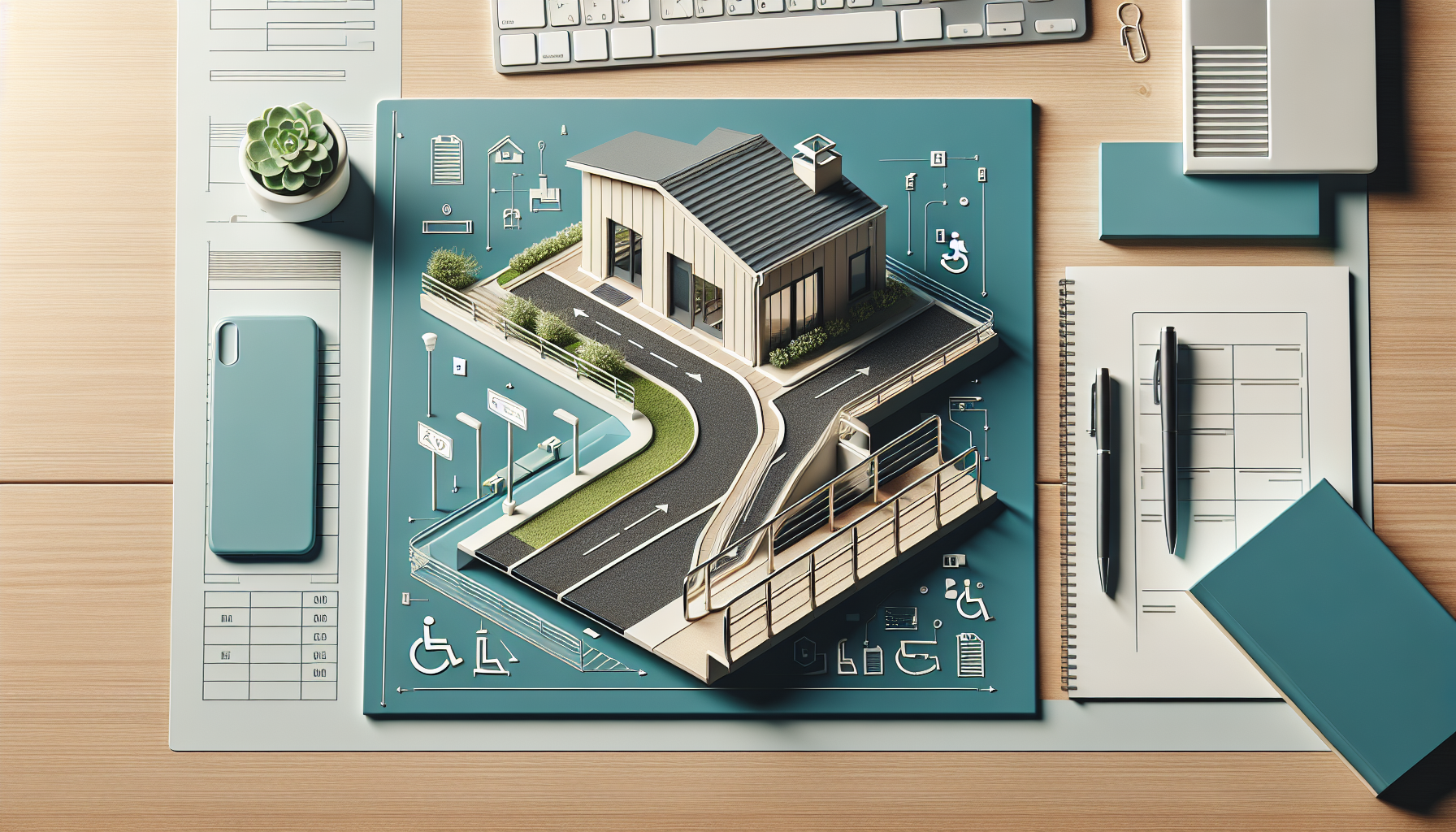
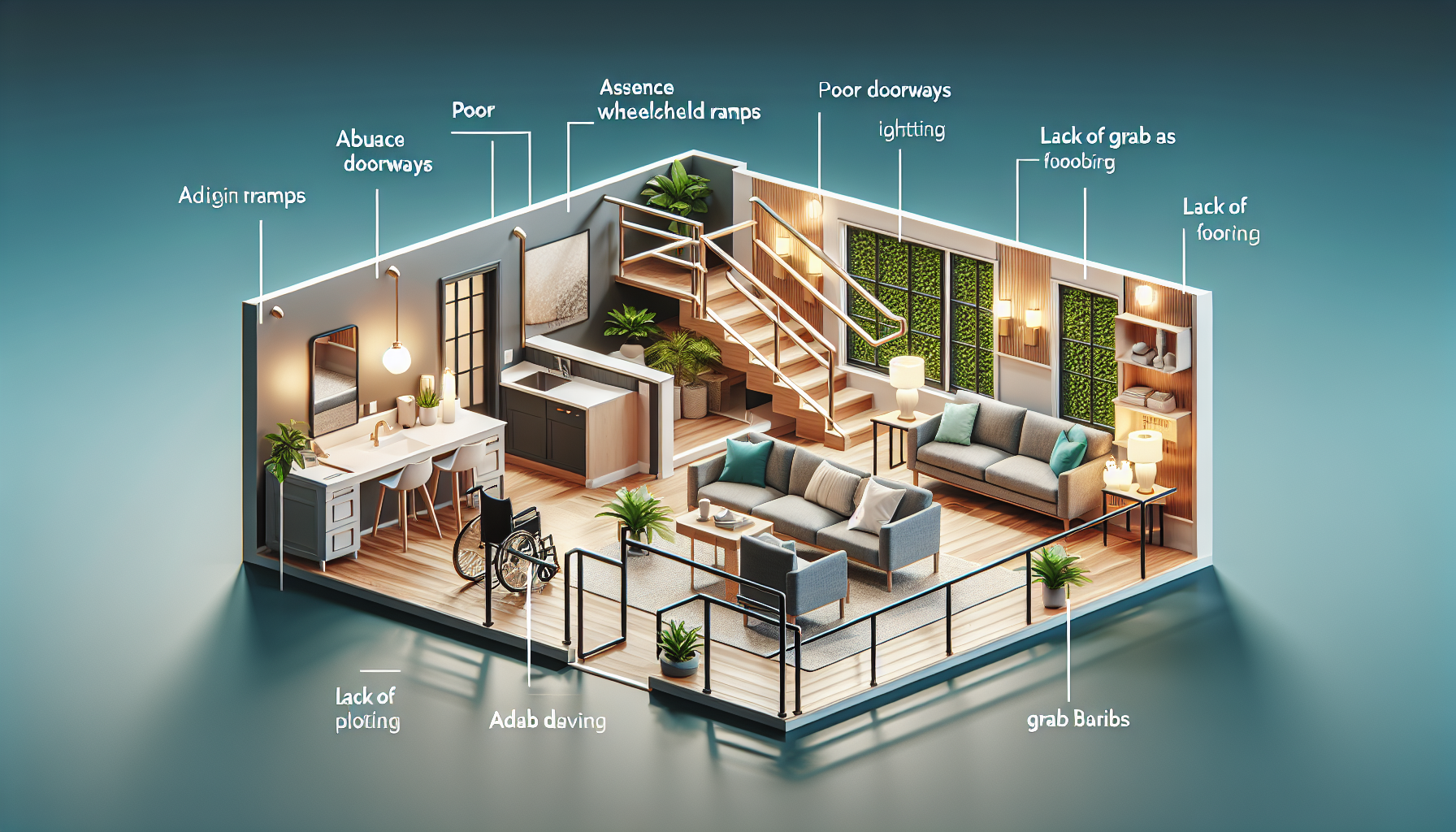
The best accessible bathroom begins outside the room. In many homes, the real barrier is not the shower or toilet but the route from the bedroom to the bathroom, especially at night. I always assess this path first: hallway width, thresholds, carpet transitions, lighting levels, door swing, and whether mobility aids can turn without clipping furniture or trim. A safe route should have even flooring, predictable lighting, and clear space on both ends of the bathroom door. Pocket doors can improve circulation in tight plans, but they must be easy to grip and slide. In other cases, a wider hinged door with lever hardware is simpler and more reliable.
Clear floor space is the foundation of shared usability. For wheelchair users, a five-foot turning circle is a common target, but even households without wheelchairs benefit from more maneuvering space around the toilet, vanity, and tub or shower. Walkers need room to pivot. Caregivers need side access. Children need stable footing without crowding. If a full remodel is not possible, removing bulky cabinetry, relocating towel bars, swapping swing bins for wall-mounted waste baskets, and reworking the door can recover valuable inches. In bedrooms, the same principle applies near the bed: leave transfer space on at least one side, create a direct route to the bathroom, and avoid placing dressers where they narrow the path during low-light hours.
Design the shower and tub area for safe transfers and easy supervision
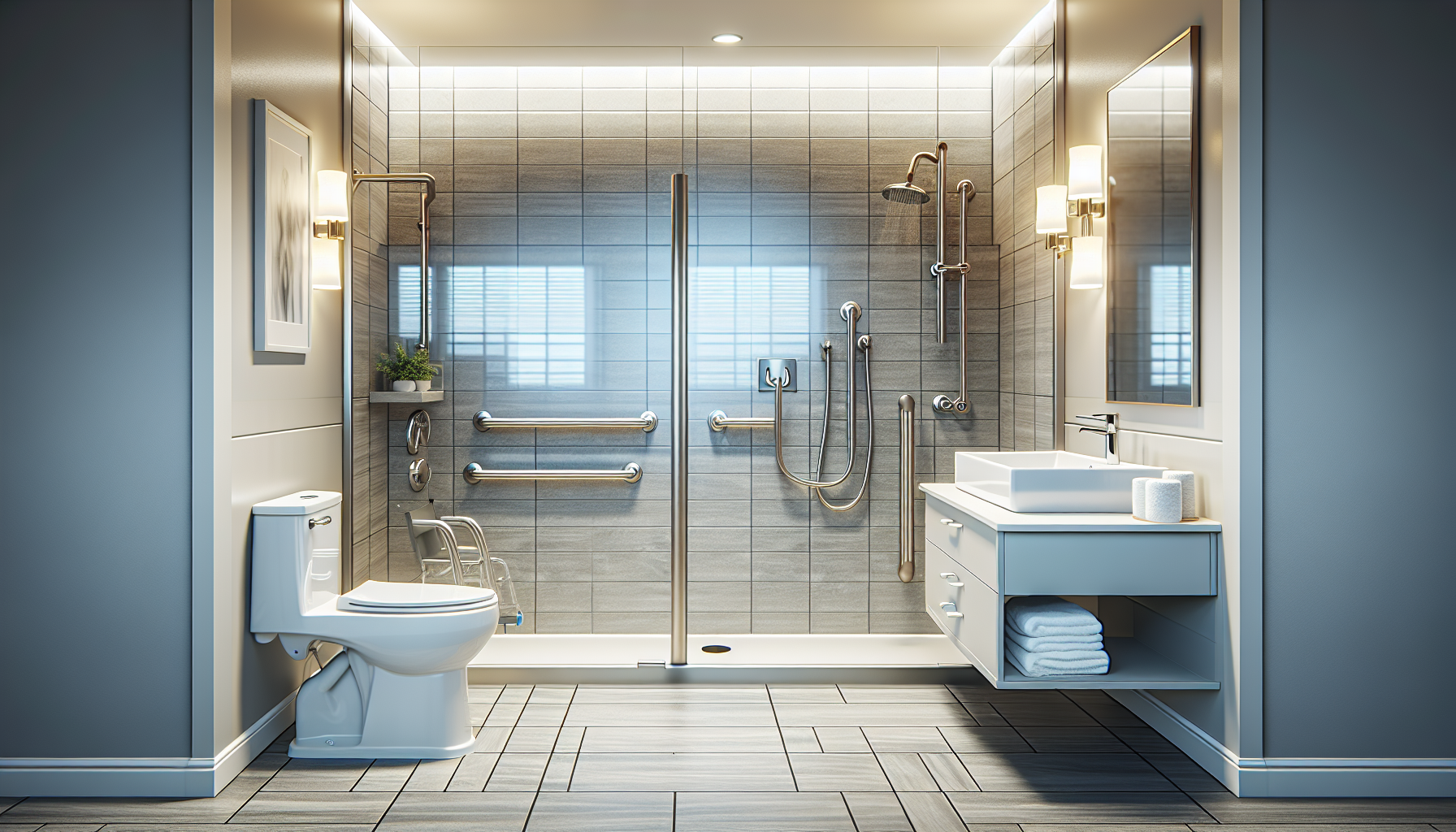
The bathing zone usually deserves the biggest accessibility investment because it combines water, balance changes, and awkward body positions. A curbless or low-threshold shower is the most versatile solution for a shared family bathroom. It reduces trip risk, allows rolling access if needed later, and makes bathing children easier because adults can step in and out without climbing over a tub wall. The floor should slope correctly to the drain without creating a steep pitch that destabilizes users. Linear drains can help maintain a flatter entry plane, especially in larger shower footprints.
Built-in benches, handheld showerheads on slide bars, pressure-balanced or thermostatic valves, and clearly marked controls make showers easier for almost everyone. A bench supports seated bathing, shaving, or supervision of children. A handheld spray lets users direct water where needed instead of twisting their bodies. Thermostatic controls reduce scald risk by holding a set temperature, which matters in homes with children, older adults, or people with reduced sensation. If a tub must remain, choose one with a wide deck for support, anti-slip treatment underfoot, and nearby grab bars installed into proper blocking or structural backing, not only into drywall anchors.
Privacy also matters in shared bathing spaces. Frosted glass, partial wet-room screens, and zoning features can let one person use the sink while another bathes without compromising modesty. In family homes, I often separate the wet area from the vanity area with a half wall or moisture-resistant partition, improving both accessibility and scheduling. The goal is not only independent bathing, but smoother household flow during busy mornings and evenings.
Choose toilets, sinks, and fixtures that serve different bodies and abilities
Toilet accessibility depends on seat height, side clearance, flushing method, and approach space. Comfort-height toilets, typically around 17 to 19 inches from floor to seat, are often easier for adults with knee or hip limitations, though they may be less suitable for very small children. In a shared bathroom, the best answer may be a standard-height toilet paired with a stable step stool for children, or a comfort-height model if aging-in-place is the primary priority. Wall-hung toilets can be set at custom heights and make floor cleaning easier, but they require proper in-wall carriers and careful planning.
Sinks should allow close approach without forcing users into wrist strain or excessive bending. A vanity with knee clearance supports seated use, while rounded countertop edges reduce impact risk in tight rooms. Lever faucets are the default recommendation because they work with weak grip strength, limited dexterity, or soapy hands. Touchless faucets can improve hygiene but sometimes frustrate users when sensors are poorly positioned or water shutoff is too fast. Mirror placement should serve both seated and standing users; a tilted mirror or a taller vertical mirror often works better than a single standard-height wall mirror.
| Bathroom element | Best accessible choice | Why it helps a shared household |
|---|---|---|
| Door hardware | Lever handle | Works with limited grip, full hands, and child supervision |
| Shower entry | Curbless or low-threshold | Reduces trips and supports future mobility aid use |
| Toilet support | Reinforced grab bars | Improves sit-to-stand safety for many users |
| Faucet | Single-lever control | Simplifies operation for all ages |
| Flooring | Slip-resistant porcelain tile | Balances traction, durability, and cleanability |
Bidet seats are increasingly worth considering in accessible bathrooms and adjacent bedroom suites. For users with arthritis, limited trunk rotation, postpartum pain, or reduced stamina, a bidet seat can improve hygiene independence and reduce caregiver burden. Models vary widely: some offer warm water, warm air drying, deodorization, night lights, and remote controls, while basic non-electric units provide simple wash functions. The right choice depends on dexterity, cognition, and maintenance tolerance as much as budget.
Improve safety with flooring, lighting, support bars, and smart storage
Slip resistance is not a marketing extra; it is a core performance requirement. In shared bathrooms, polished stone and glossy tile often look attractive but underperform when wet. I prefer matte porcelain tile with a suitable dynamic coefficient of friction rating, paired with smaller tile formats or mosaic patterns in shower areas for additional grout-line traction. Bath mats should have reliable backing and low edges, or be omitted if they bunch and create trip hazards. Heated floors can add comfort and help surfaces dry faster, but they do not replace slip-resistant materials.
Lighting should be layered, not left to one ceiling fixture. Ambient light supports safe movement, task lighting improves shaving and grooming, and nighttime guidance lighting helps prevent disorientation. Motion-activated toe-kick lights or low-level night lights are especially useful on the bedroom-to-bathroom route. Older adults often need significantly more light than younger people to see contrasts and edges clearly, yet glare from exposed bulbs or shiny surfaces can make visibility worse. Use diffused fixtures, high color-rendering lamps, and switches placed at predictable heights and locations.
Grab bars are one of the most misunderstood bathroom features because homeowners often install them too late, in the wrong place, or with decorative products that cannot bear real load. Effective bars should be anchored to framing or approved backing, sized for a secure grip, and positioned based on actual movement patterns: entering the shower, stepping over a threshold, lowering to the toilet, or rising from a seated position. Towel bars are not substitutes. In bedrooms, similar support may include bed rails used appropriately, wall-mounted handholds near dressing areas, and sturdy seating for putting on shoes or managing compression garments.
Storage affects accessibility more than many remodels acknowledge. Everyday items should sit between knee and shoulder height where they can be reached without climbing, kneeling, or overreaching. Drawers are often better than deep cabinets because contents come toward the user. Open shelving can help if clutter is controlled, but in humid bathrooms, closed storage protects supplies from moisture. Shared family bathrooms benefit from zoning: one drawer for children, one shelf for medications secured as needed, one caddy for bathing supplies, one easy-access linen zone. In bedrooms, reachable nightstands, charging access, and space for glasses, medication, water, and a phone reduce risky nighttime trips.
Plan for changing needs, codes, and practical renovation choices
Accessibility planning works best when it anticipates change. A family may begin with a child on a step stool and later need a shower seat after injury, or a first-floor bedroom may become essential after surgery or during aging in place. Future-ready design means installing wall blocking for grab bars before tile goes up, choosing a shower large enough for seated use even if no chair is needed now, wiring near the toilet for a future bidet seat, and selecting flooring that can continue seamlessly from bedroom to bathroom. These decisions add modest cost during renovation and prevent expensive rework later.
Building codes set minimums, not ideal usability. For example, code may permit clearances that technically pass inspection but still feel cramped for a walker user or caregiver assist. When possible, look beyond minimum residential code and borrow from better-access principles informed by universal design and established accessibility guidance. Product standards from reputable manufacturers, plumbing safety rules, anti-scald requirements, and electrical protections such as GFCI outlets all matter. If a family member uses a wheelchair full time or a complex medical device, consult an occupational therapist, certified aging-in-place specialist, or accessibility-focused contractor before finalizing the plan.
Budget matters, so prioritize high-impact upgrades first. In my experience, the best first investments are improved lighting, slip-resistant flooring, lever hardware, handheld showerheads, properly installed grab bars or blocking, and layout changes that clear the route between bedroom and bathroom. Full gut renovations deliver the best outcomes when plumbing locations can move, but many households can make meaningful progress with staged updates. Walk through your current routine, identify every point where someone hesitates, braces, reaches unsafely, or asks for help, and use that list to guide your next project. That is how accessible bathrooms and bedrooms become truly usable for all family members.
An accessible shared bathroom succeeds when it supports real routines, not idealized floor plans. The best designs make entry easier, movement safer, bathing simpler, toileting more dignified, and storage more reachable for people with very different abilities. They also recognize that bathroom and bedroom accessibility are connected systems: the nighttime path, transfer space near the bed, lighting, door hardware, and fixture choices all influence whether a person can care for themselves confidently. Small details, from lever handles to mirror height, often have outsized daily impact.
For most families, the goal is not a clinical-looking remodel. It is a comfortable room that works better for children, adults, guests, caregivers, and future versions of the same household. Curbless showers, slip-resistant floors, layered lighting, reinforced grab bars, accessible vanities, and thoughtful toilet choices all increase safety while improving convenience for everyone. Planning ahead also protects your budget. When you add backing, electrical capacity, and flexible clearances now, you avoid expensive emergency modifications later.
Use this hub as your starting point for every bathroom and bedroom accessibility decision. Review your current layout, note where family members struggle, and prioritize the upgrades that remove the biggest barriers first. Then build out the details room by room so your home remains safer, more independent, and easier to live in every day.
Frequently Asked Questions
1. What does it really mean to make a shared family bathroom accessible for everyone?
Making a shared family bathroom accessible means designing and organizing the space so people with different physical needs, ages, heights, and abilities can use it safely, comfortably, and with as much independence as possible. In a typical household, one bathroom may need to work for young children, busy adults, pregnant family members, older adults, and anyone dealing with short-term injuries or long-term mobility challenges. Accessibility in that setting is not only about wheelchair access, although that may be part of it. It also includes slip resistance, easy-to-reach storage, stable support while standing or sitting, clear lighting, simple controls, and enough room to move without strain or risk.
In practical terms, an accessible bathroom reduces common hazards and daily frustrations. That might mean installing grab bars near the toilet and tub, choosing a comfort-height toilet, improving task lighting at the mirror, using a handheld showerhead, lowering or varying storage heights, and selecting flooring that provides traction when wet. It may also mean thinking through how different family members actually use the room at different times of day. A child may need a secure step stool and easy faucet handles, while an older adult may need a walk-in shower and less bending. The goal is a bathroom that supports everyone without feeling institutional, and that adapts as needs change over time.
2. Which bathroom upgrades improve safety the most for a multi-generational household?
The most effective safety upgrades are the ones that address slips, falls, difficult transfers, and poor visibility. For many households, the top priority is improving stability around wet surfaces. Slip-resistant flooring is one of the best investments because the bathroom floor is one of the most common places for accidents. Inside the shower or tub, textured surfaces, anti-slip treatments, or high-traction mats can help reduce risk. Grab bars installed at key locations, especially near the toilet and in the shower or tub area, add another major layer of protection. Unlike towel bars, properly anchored grab bars are designed to support body weight and help users steady themselves during transfers and movement.
Another high-impact upgrade is replacing a traditional tub setup with a curbless or low-threshold shower. Stepping over a tub wall can be difficult for older adults, pregnant family members, or anyone with balance limitations. Adding a built-in bench or a fold-down seat makes bathing safer and more comfortable. A handheld showerhead also helps because it allows more control for seated users, caregivers assisting others, and children who are not ready for a full standing shower experience. Comfort-height toilets can reduce strain on knees and hips, while lever-style faucets and door handles are easier to use for people with arthritis or limited grip strength. Better lighting, including bright overhead light and focused mirror lighting, improves visibility and helps prevent missteps, especially for family members with reduced vision.
3. How can we make a shared bathroom accessible without doing a full renovation?
You can make meaningful accessibility improvements without tearing the room apart. Many of the most useful changes are modest, affordable, and relatively quick to install. For example, adding securely mounted grab bars, improving lighting with brighter bulbs or layered fixtures, placing frequently used items within easy reach, and using non-slip bath mats with strong backing can all improve daily safety. A stable step stool with non-slip feet can help children reach the sink, while a shower chair or transfer bench can support family members who need seated bathing. If faucet knobs are difficult to turn, swapping them for lever handles is often a straightforward update that improves usability immediately.
Organization also plays a major role. Shared bathrooms become less accessible when counters are cluttered, cabinets are overfilled, and essentials are stored too high or too low. Grouping daily-use items by user and keeping them in labeled, easy-access bins can reduce reaching, bending, and rushing. Adjustable shelving, pull-out organizers, and wall hooks at varied heights can make the room work better for more than one body size and ability level. Even visual contrast can help; for instance, choosing towels, accessories, or toilet seats that stand out from wall or floor colors can improve visibility for users with low vision. These smaller changes may not alter the layout, but they can significantly improve independence, confidence, and safety for everyone using the bathroom.
4. What layout and design features make a shared bathroom easier for children, adults, and older family members to use?
The best shared bathroom layouts prioritize clear movement, flexibility, and ease of use. Wide, open floor space helps everyone, from a parent helping a child brush teeth to an older adult who needs more stable footing and room to turn comfortably. If possible, maintaining unobstructed pathways between the door, sink, toilet, and bathing area is essential. Pocket doors or outward-swinging doors can sometimes improve access by freeing up interior space and making it easier to assist someone in an emergency. At the vanity, single-lever faucets are often easier for all ages to operate, and rounded counter edges can reduce the chance of injury in a crowded space.
Thoughtful design choices can also make the room more intuitive. A vanity with some knee clearance can be helpful for seated users, while layered storage at multiple heights allows children and adults to reach what they need without climbing or overreaching. In the shower, a low or no-threshold entry supports safer access, and controls placed near the entrance allow water temperature to be adjusted before stepping in. Good contrast between walls, fixtures, and flooring can help users identify edges and surfaces more clearly. Mirrors, lighting, and ventilation should also be considered part of accessibility. A fog-resistant mirror, strong ventilation, and evenly distributed light make grooming tasks easier and help maintain a safer, more comfortable environment during busy family routines.
5. How do we plan a bathroom that works now and will still meet our family’s needs in the future?
The smartest approach is to plan for changing needs before they become urgent. Families evolve quickly, and a bathroom that works for school-age children today may need to support aging parents, injury recovery, pregnancy, or temporary mobility limitations later on. Future-friendly bathroom planning often starts with universal design principles. These are design choices that make a space easier for everyone to use without calling attention to any one person’s limitations. Examples include blocking behind walls for future grab bar installation, selecting a shower layout that could later accommodate a bench, leaving enough clearance around fixtures for easier movement, and choosing durable materials that are simple to clean and maintain.
It also helps to separate must-have improvements from nice-to-have upgrades. Start with the features that protect safety and daily function, such as traction, support, lighting, and accessible fixture controls. Then think about flexibility: adjustable showerheads, removable storage systems, handheld sprayers, and adaptable seating can serve many different users over time. If a remodel is on the horizon, work with a qualified contractor or designer who understands aging in place and accessible design standards. They can help identify dimensions, product types, and layout strategies that support long-term usability without sacrificing style. The goal is not to predict every future need perfectly, but to create a bathroom that is easier to adapt, safer to use, and more comfortable for every family member at every stage of life.