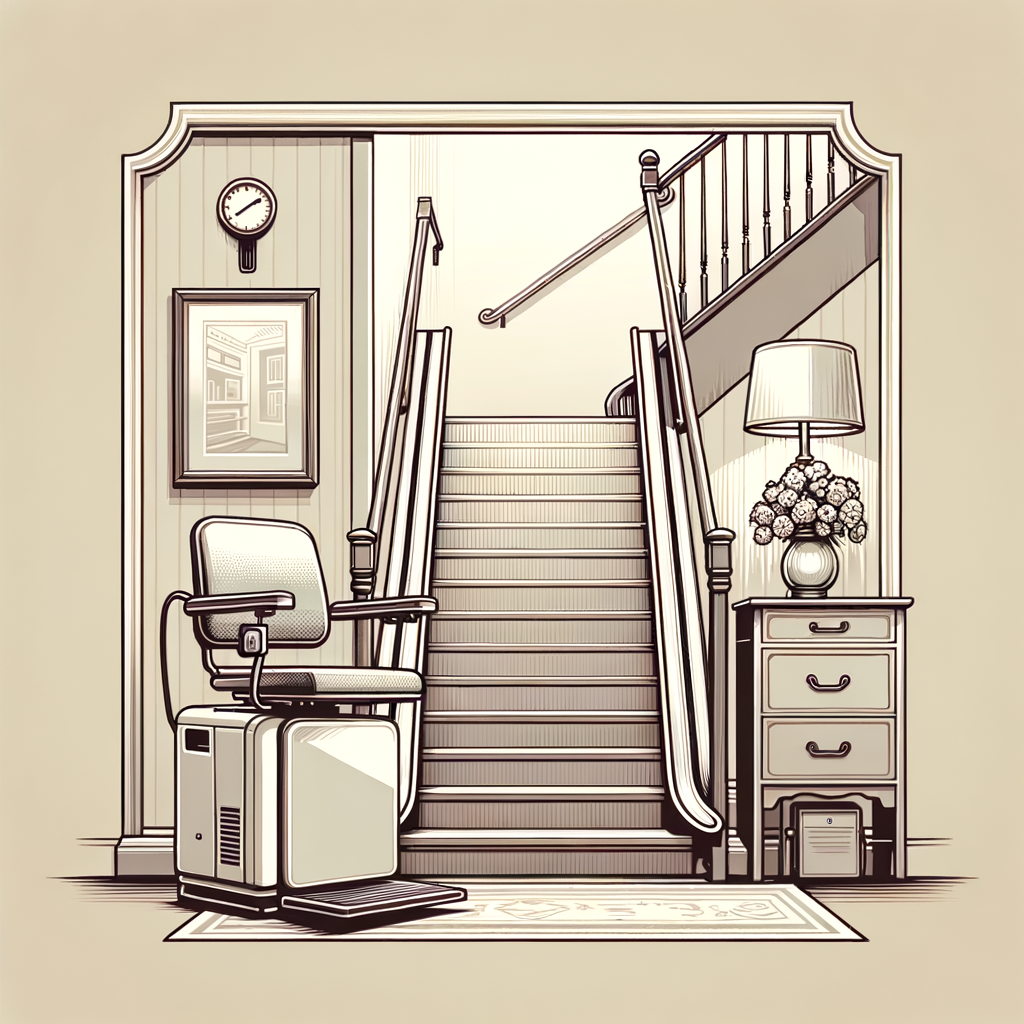
Choosing the right chair lift drive system determines how smoothly the lift starts, how much maintenance it needs, how noisy it sounds in daily use, and how reliable it remains after years of service. In the chair lift industry, the drive system is the mechanism that converts electrical power from the charger and batteries into controlled motion along the rail. When homeowners compare chair lift types and designs, they often focus on seat style, weight capacity, or whether the rail is straight or curved. In practice, the drive system deserves equal attention because it affects ride quality, repair frequency, energy use, lifespan, and total ownership cost.
I have worked with chair lift evaluations where two models looked nearly identical in the showroom yet performed very differently after installation because one used a rack-and-pinion setup and the other relied on a cable or drum arrangement. Those differences matter most in real homes, where stair geometry, user mobility, humidity, pet hair, and power interruptions expose strengths and weaknesses quickly. This comparative hub explains the main chair lift drive systems, the pros and cons of each, and the situations where one design is a better fit than another. It also helps readers understand how drive systems relate to safety standards, battery backup, and service planning.
For most residential stair lifts sold in North America and Europe, the leading drive categories are rack-and-pinion, cable-driven, chain-driven, and screw or worm-drive systems, with some platform and commercial units using hydraulic or traction-based engineering principles. Each system moves the carriage differently. Rack-and-pinion lifts use a toothed gear meshing with a fixed rack on the rail. Cable-driven lifts pull the carriage with a steel cable and winding drum. Chain-driven units use a motorized chain loop, while screw-drive designs move along a threaded rod or enclosed helical mechanism. None is universally best. The right choice depends on staircase length, user weight, maintenance tolerance, installation constraints, and budget.
As a hub page for comparative and ranking content under chair lift types and designs, this article gives you the framework needed to judge every later comparison more accurately. If you want the short answer, rack-and-pinion systems dominate the residential market because they balance reliability, smoothness, and serviceability well. However, older homes, long stair runs, heavy-duty applications, and budget-sensitive projects can make another drive system more practical. Understanding those tradeoffs helps buyers ask better questions, avoid mismatched equipment, and choose a lift that performs safely over time rather than only sounding impressive at the point of sale.
How Chair Lift Drive Systems Work and Why the Difference Matters
A chair lift drive system includes the electric motor, transmission or gearbox, braking components, carriage, and the motion mechanism attached to the rail. Most modern residential units are battery powered even though the rail plugs into household current. That means the batteries deliver power during travel, while charging contacts or continuous charging strips replenish energy when the lift is parked. The drive system must therefore manage torque, braking, acceleration, and stop accuracy with limited onboard power. Good engineering delivers a controlled start and stop, low rollback, and dependable operation even when line power fails.
The reason drive system choice matters is simple: the mechanism determines wear patterns. A rack-and-pinion system spreads movement across machined teeth. A cable system concentrates stress on the drum, cable, and pulleys. A chain system introduces lubrication and tensioning needs. A screw-drive can provide precise movement but may be slower and mechanically noisier. In field service, these distinctions show up as different maintenance intervals, parts costs, and failure modes. A homeowner who expects minimal upkeep often values a design with fewer adjustment points, while a commercial setting may prioritize load handling and duty cycle over quietness.
Another key factor is staircase configuration. Straight stair lifts generally allow simpler, lower-cost engineering. Curved stair lifts require custom rails and highly accurate travel control through bends, parking points, and optional powered hinges. Some drive systems adapt to curves more easily than others. Installers also consider rail footprint, clearance on narrow stairs, and whether the gear mechanism is exposed to dust or debris. If a user relies on the lift multiple times a day, a small difference in seat vibration or stopping precision can become a major quality-of-life issue within weeks.
Rack-and-Pinion Drive Systems: The Residential Standard
Rack-and-pinion is the most common chair lift drive system for good reason. The rail contains a fixed toothed strip, and a pinion gear in the carriage engages that strip to move the chair up or down. Major manufacturers have favored this arrangement for years because it offers strong traction, consistent positioning, and straightforward service access. In homes with standard straight staircases, it is usually the benchmark against which all other systems are measured.
The primary advantage is reliability under normal residential use. Because the gear directly engages the rack, there is little risk of slippage during travel. The system also handles start-stop cycles well, which is important for users who frequently send the chair between floors using call stations. In my experience, rack-and-pinion lifts also tend to inspire user confidence because the ride feels controlled and predictable, especially on inclines common in split-level homes or tall entry stairways.
Another major benefit is serviceability. Technicians can inspect tooth wear, gearbox performance, limit switches, and carriage rollers without disassembling an elaborate cable routing system. Replacement parts are widely available on established brands, and many installers already stock the common components. For homeowners planning to keep a stair lift for years, this broad support network matters as much as the initial purchase price.
The drawbacks are real, though. Rack-and-pinion systems can be louder than premium enclosed alternatives, especially if rail teeth are exposed and lubrication is overdue. Lower-end models may transmit slight vibration through the seat, particularly on long runs. They can also cost more than simpler legacy cable designs, and if the rail is poorly installed, gear engagement noise becomes very noticeable. Still, for most homes, the advantages outweigh the limitations.
Cable-Driven Chair Lifts: Compact but More Maintenance Sensitive
Cable-driven chair lifts use a steel cable wound around a drum or routed through pulleys to pull the carriage. This design appeared in many earlier stair lifts and still has niche relevance where compact packaging or specific retrofit conditions make it attractive. A properly engineered cable system can be smooth and space-efficient, and some users appreciate that it may operate with less gear noise than an exposed rack setup.
The biggest advantage is packaging flexibility. Cable systems can sometimes fit into slimmer rail profiles, which helps on narrow staircases where every inch of clearance matters. They may also have fewer visibly mechanical elements, which some homeowners prefer for aesthetic reasons. In a quiet home where appearance is a major consideration, that cleaner look can influence the buying decision.
The downside is maintenance sensitivity. Cables stretch over time, even when made from durable stranded steel, and they must remain correctly tensioned to maintain travel accuracy and safe braking behavior. Drums, pulleys, and cable anchors become wear points. If the lift sees heavy daily use, small misalignments can create uneven winding or accelerated cable fatigue. That means inspections are more critical, and deferred maintenance has larger consequences than on many rack-and-pinion systems.
There is also the issue of long-term parts support. Some cable-driven units are tied to older product lines, and sourcing exact replacement components can become difficult if the manufacturer changes ownership or discontinues the design. For budget buyers considering a used or reconditioned lift, this is an important risk. Cable systems are not inherently unsafe, but they demand disciplined service planning and are rarely the first recommendation for buyers seeking the lowest-lift ownership effort.
Chain-Driven Systems: Strong Pulling Power with Added Complexity
Chain-driven chair lifts use a motor to move a chain loop that pulls the carriage along the rail. This approach is familiar from industrial conveying equipment and some mobility devices because chains transmit force effectively and handle load well. In stair lift applications, chain systems can offer durable performance, particularly in heavy-duty settings or where designers want a robust pulling mechanism rather than direct gear engagement with the rail.
The main benefit is strength. A chain can handle repeated loading without the same stretch profile seen in cable systems, and it can be a good fit for higher-capacity lifts or applications where usage is frequent. Some installers also like the predictable mechanical behavior of chain assemblies when properly tensioned and lubricated. For users near the upper end of a lift’s rated capacity, that sense of mechanical solidity can be valuable.
However, chain systems introduce their own service demands. Chains need lubrication, tension adjustment, and periodic inspection for elongation, link wear, and sprocket wear. If maintenance is neglected, operation becomes noisy and less smooth. Dirt, pet hair, and household debris can also affect exposed chain components more than homeowners expect. In residential spaces, the resulting noise and upkeep can feel out of place compared with quieter premium lifts.
The other limitation is complexity relative to consumer benefit. In many homes, chain drive offers no meaningful everyday advantage over a modern rack-and-pinion system, yet it may come with a less refined ride. For that reason, chain-driven lifts are more often evaluated case by case rather than broadly ranked near the top for typical residential buyers.
Screw-Drive and Worm-Drive Systems: Precise Motion, Different Tradeoffs
Screw-drive and worm-drive chair lift systems move the carriage along a threaded rod or through a gear reduction mechanism designed for high torque and controlled motion. These systems are often associated with precision, strong self-locking characteristics, and dependable movement under load. In specialized accessibility equipment, that precise motion control can be a real advantage, particularly where stopping accuracy is important.
One of the strongest benefits is controlled travel. These systems can deliver very stable starts and stops, and the drive arrangement may reduce the chance of unwanted back-driving when power is lost. For users who feel anxious about movement on stairs, that firm sense of control is meaningful. In some installations, screw-drive designs also perform well in enclosed rails that protect the mechanism from dust and accidental contact.
The tradeoffs usually involve speed, sound, and wear management. Screw-drive lifts can be slower than other systems, and depending on design, they may generate a characteristic mechanical hum that some users notice immediately. The threaded components also require proper lubrication and careful alignment. If neglected, wear can become expensive because the core drive elements are specialized rather than generic service parts.
| Drive system | Best strengths | Main drawbacks | Best fit |
|---|---|---|---|
| Rack-and-pinion | Reliable traction, strong parts support, common residential choice | Can be noisy if poorly maintained | Most straight and many custom home lifts |
| Cable-driven | Compact profile, potentially cleaner appearance | Cable stretch, higher maintenance sensitivity | Niche retrofits, older designs |
| Chain-driven | Strong load handling, durable pull mechanism | Lubrication needs, more noise | Heavy-duty or frequent-use settings |
| Screw or worm drive | Precise motion, controlled stopping | Slower travel, specialized service | Precision-focused or enclosed-drive designs |
From a ranking perspective, screw-drive systems are rarely the default winner for mainstream residential use, but they can be excellent in the right context. Buyers should focus less on labels and more on how the manufacturer has executed the design, what the service network looks like locally, and whether replacement parts will remain available for the expected life of the lift.
How to Compare Drive Systems by Noise, Safety, Cost, and Lifespan
When buyers ask which chair lift drive system is best, the practical answer is to compare four factors: ride quality, maintenance burden, total cost, and supportability. Noise varies more by build quality than by drive category alone, but exposed chain and poorly adjusted rack systems are usually louder than premium enclosed drives. Safety is governed by the full system, including overspeed protection, seat interlocks, obstruction sensors, final limits, and compliance with recognized codes such as ASME A18.1 for platform and stairway chairlifts. No drive system should be judged only by how powerful it feels.
Cost also needs careful framing. The lowest purchase price is not always the lowest ownership cost. A cable-driven lift bought cheaply may require more frequent adjustment, while a higher-priced rack-and-pinion model from a major brand may cost less over ten years because service visits are simpler and parts are stocked locally. Battery replacement intervals, usually around two to five years depending on charging behavior and usage, apply across many drive types, so they should be included in comparisons but not confused with the drive mechanism itself.
Lifespan depends on usage, environment, and maintenance discipline. In dry indoor settings with annual service, a quality residential lift can last many years. Problems escalate faster in homes with temperature swings, airborne dust, or inconsistent charging. I have seen lifts blamed on the wrong component when the real issue was an outlet tied to a wall switch, causing chronic battery undercharging that made the drive seem weak. A good comparison therefore looks at the full operating system, not only the rail mechanism.
For most homeowners building a shortlist, the best approach is simple: ask what drive system the lift uses, how many units the dealer services locally, what the common failure points are, and whether the brand still supports rails and carriage parts ten years out. Then request a demonstration on an installed unit, not just a showroom sample. That one step reveals more about noise, smoothness, and stop accuracy than any brochure can. Use this hub as your starting point, then compare models within each design category before you buy.
Frequently Asked Questions
1. What is a chair lift drive system, and why does it matter so much?
A chair lift drive system is the part of the lift that turns stored electrical energy into controlled movement along the rail. In practical terms, it is the combination of motor, gearbox or transmission components, and related controls that determine how the unit starts, stops, climbs, and descends. While many homeowners first look at visible features such as seat comfort, folding design, or weight capacity, the drive system is what largely shapes the everyday user experience.
It matters because it affects four issues people notice immediately: ride smoothness, noise level, maintenance demands, and long-term reliability. A well-designed drive system helps the chair start gently instead of jerking forward, travel at a consistent speed, and stop in a way that feels secure rather than abrupt. That is especially important for older adults or users with balance concerns, because even small jolts can feel unsettling.
The drive system also influences how much wear the lift experiences over time. Some systems are built with more moving parts, more friction points, or components that need regular adjustment and lubrication. Others are engineered for lower maintenance and quieter operation. Over years of use, these differences can affect service frequency, repair costs, and owner satisfaction. So when comparing chair lifts, the drive system is not just a technical detail—it is one of the most important factors in how dependable and comfortable the lift will be day after day.
2. What are the main types of chair lift drive systems, and what are their pros and cons?
The most common chair lift drive systems generally fall into a few categories, including rack-and-pinion systems, cable-driven systems, and drum or winding systems. Some manufacturers also use variations in gearbox design, motor placement, and transmission style, but these broader categories help homeowners understand the basic tradeoffs.
Rack-and-pinion systems are among the most widely used in modern residential stair lifts. In this design, a geared motor drives a pinion gear that moves along a toothed rack mounted to the rail. The biggest advantages are reliability, predictable performance, and strong control on inclines. These systems are often valued for precise starts and stops, and they tend to perform well over long periods when properly maintained. On the downside, they can produce some mechanical noise, especially as the gear engages the rack, and depending on design quality, they may require periodic lubrication or adjustment.
Cable-driven systems use a cable mechanism to move the chair along the staircase. Their main appeal can be smooth motion and, in some cases, a more compact appearance. However, cables can be subject to wear, stretching, and tension-related maintenance. Over time, that may mean more frequent inspections or adjustments compared with some geared systems. Homeowners considering a cable-driven unit should pay close attention to service requirements and how the manufacturer addresses long-term cable durability.
Drum or winding systems work by wrapping and unwinding a cable or similar mechanism around a drum to move the lift. These systems can be effective, but they may involve more components that need monitoring, and performance can depend heavily on installation quality and proper calibration. In some applications, they may be less common than rack-and-pinion systems for exactly that reason.
In short, the pros and cons usually come down to this: some systems are chosen for proven durability and controlled traction, while others may offer design flexibility or a different ride feel but require closer attention to maintenance. The best choice depends on staircase layout, frequency of use, desired noise level, and the strength of the manufacturer’s service network.
3. Which chair lift drive system is usually the smoothest and quietest in daily use?
Smoothness and quietness depend on more than just the basic drive type, but in many cases, modern rack-and-pinion systems with high-quality gearing and well-engineered motor controls offer an excellent balance of ride comfort and dependable operation. The key phrase is “well-engineered.” Two lifts may use the same general drive concept and still feel very different because of differences in motor tuning, gear quality, rail construction, and installation precision.
For smooth operation, what matters most is how the system manages acceleration and braking. A lift that starts gradually and stops softly will feel much more refined than one that engages abruptly, even if both use similar components. Good electronic controls can reduce jerking, limit sudden shifts, and keep travel steady. For users who are sensitive to motion, this can make a noticeable difference in comfort and confidence.
For quiet operation, gear engagement, vibration isolation, and overall build quality are major factors. Some drive systems naturally create more audible mechanical contact, while others are designed to minimize sound through better materials, enclosed gearing, or improved rail construction. Noise can also increase over time if the lift is not serviced properly, so long-term quiet performance often depends on maintenance as much as initial design.
If quietness is a top priority, homeowners should not rely only on brochure descriptions. It is smart to ask for a demonstration, watch videos of the specific model in operation, and ask the dealer how noise levels typically change after years of use. In many homes, a slightly more expensive lift with better drive engineering ends up being the better value because it feels smoother and less intrusive every single day.
4. Which drive systems require the most maintenance, and which tend to be the most reliable long term?
In general, drive systems with more tension-dependent or wear-sensitive components, such as cables or winding mechanisms, may require more regular inspection and adjustment than geared systems designed for steady traction along a fixed rail. That does not mean those systems are inherently poor choices, but it does mean maintenance planning becomes more important. Any part that can stretch, loosen, fray, or shift calibration over time deserves close attention.
Rack-and-pinion systems often have a strong reputation for long-term reliability because they use a direct, mechanically predictable method of movement. When built well and serviced according to manufacturer recommendations, they can remain consistent for many years. Their maintenance usually centers on lubrication, gear inspection, battery health, and general mechanical checks rather than constant tension adjustments. For many homeowners, that translates into easier ownership and fewer surprises.
That said, reliability is not determined by drive type alone. Installation quality is just as important. A premium drive system installed poorly may create noise, wear, or alignment issues long before it should. Likewise, a lift from a manufacturer with limited parts availability can become frustrating to own even if the drive design itself is sound. This is why experienced dealers often emphasize brand support, technician training, and local service response times along with the mechanical design.
For long-term dependability, homeowners should ask practical questions: How often does this system need service? What parts wear out first? Is lubrication required? How easy is it to get replacement components? What kind of warranty covers the drive train? The most reliable system is usually the one that combines proven engineering, solid local support, and realistic maintenance requirements that fit the household’s needs.
5. How should homeowners choose the best chair lift drive system for their stairs and mobility needs?
The best approach is to match the drive system to real-world use, not just to product specifications. Start by considering the staircase itself. A straight staircase may allow more drive system options, while curved or complex stair layouts can narrow the field and make engineering quality even more important. The length of the rail, number of trips per day, user weight, and whether multiple household members will rely on the lift should all influence the decision.
Next, think about comfort and confidence. For a user with limited trunk stability, joint pain, or anxiety about motion, smooth starting and stopping may be more important than almost any other feature. In that case, the drive system’s control quality should be a top priority. If the lift will be installed near a bedroom or living area, operating noise may matter more than homeowners initially expect. A quieter, more refined system can significantly improve satisfaction over time.
Maintenance and support should also weigh heavily in the decision. A technically impressive drive system is only as good as the company standing behind it. Homeowners should compare service intervals, battery replacement expectations, warranty coverage, and local dealer reputation. It is also wise to ask which drive systems technicians in the area service most often and which ones they consider most dependable over the long term.
Finally, choose based on overall ownership experience rather than a single feature. The right chair lift drive system is the one that delivers safe, controlled travel, acceptable noise, manageable maintenance, and reliable performance year after year. A thorough in-home assessment, product demonstration, and honest discussion with a qualified stair lift professional will usually reveal which system offers the best balance of pros and cons for that specific home.