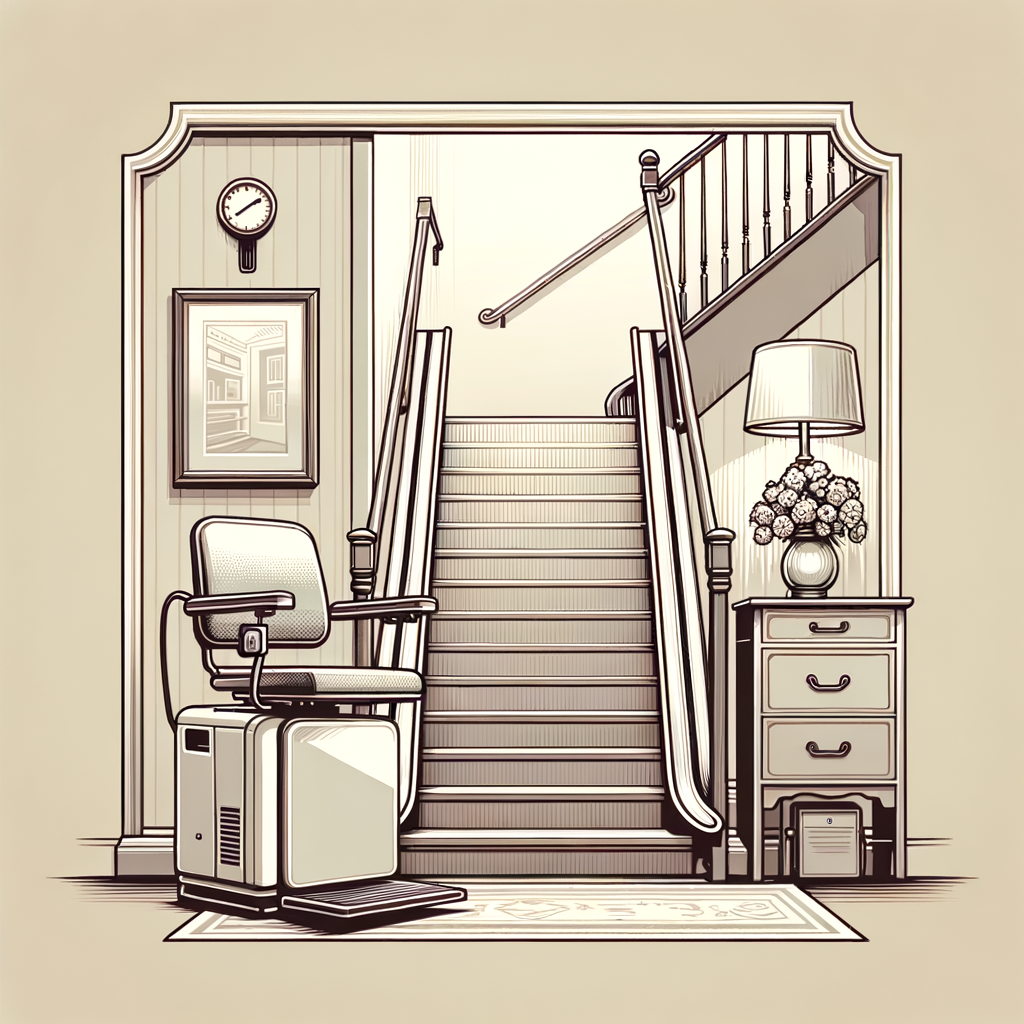
Choosing the best chair lifts by home type starts with understanding that stairlift performance depends as much on the layout of the property as on the motor, rail, or seat design. In my work evaluating mobility equipment for homeowners, adult children, and property managers, I have seen the same model succeed brilliantly in one house and become an awkward compromise in another. An apartment with a narrow shared stairwell, a duplex with split entries and tenant considerations, and a ranch home with garage steps or basement access all demand different priorities. That is why a home-specific approach matters more than brand marketing.
A chair lift, often called a stair lift or stairlift, is a motorized seat that travels along a rail mounted to the stair treads. It helps people with limited mobility move safely between levels without climbing stairs. Core components usually include the rail, carriage, seat, footrest, armrests, battery, charger, safety sensors, and call-send controls. Some systems serve straight staircases, while others use custom curved rails for landings, turns, or intermediate stops. Outdoor chair lifts add weather-resistant materials and sealed electronics. Standing and perch models address very narrow stairs when a full seated profile will not fit.
This topic matters because the wrong stairlift can create clearance issues, code conflicts, poor usability, or unnecessary expense. The right one can extend independent living for years, reduce fall risk, and preserve access to essential rooms such as bedrooms, laundry areas, garages, and basements. According to the Centers for Disease Control and Prevention, falls remain a leading cause of injury for older adults, and stairs are a common site of incidents. For many households, moving is more disruptive and expensive than adapting the current home. A well-matched chair lift is often the most practical middle path.
This hub article compares the best chair lifts by home type and explains how to evaluate fit, installation complexity, safety, cost, and long-term value. It also serves as the central guide for comparative and ranking content within the broader chair lift types and designs category. If you are deciding between straight versus curved rails, indoor versus outdoor units, standard versus heavy-duty seats, or premium versus budget brands, this page gives you the framework. The goal is simple: match the lift to the architecture, the user, and the daily routine so the final choice works in real life, not just in a brochure.
How Home Type Changes the Best Chair Lift Choice
The best chair lift is not a universal product category. It is a fit decision shaped by stair geometry, ownership structure, traffic patterns, and how many people use the staircase every day. In apartments, the key questions are usually permission, footprint, folded width, and whether the staircase is private or shared. In duplexes, you also need to think about separate entrances, landlord-tenant responsibilities, and whether one installation could affect another household. In ranch homes, the main challenge is often that the “important stairs” are short secondary runs to a garage, porch, or basement rather than a dramatic main staircase.
When I assess a home, I start with five measurements and usage factors: stair width, total run length, top and bottom clearance, number of turns or landings, and the rider’s transfer ability. Most manufacturers recommend at least about 28 to 30 inches of staircase width for many seated models, though narrow-profile and perch options can work in tighter spaces. Weight capacity matters too. Standard lifts frequently support around 300 to 350 pounds, while heavy-duty models may reach 400 to 600 pounds but require more width. Battery-powered systems are now the norm because they continue operating during a power outage and offer smoother starts and stops than older AC-only designs.
Installation also varies by home type. A straight stair lift can often be installed in a few hours because the rail is cut to length and mounted directly to stair treads. Curved systems take longer because the rail must be custom manufactured after a detailed survey, often using photogrammetry or precise digital measurements. Brands such as Bruno, Stannah, Harmar, and Acorn all offer strong products, but their best fit depends on the staircase and service network in your region. Local dealer quality is not a minor detail. The best brand on paper becomes a poor choice if the nearest qualified technician is two states away.
The evaluation should also include user behavior. Does the rider carry laundry? Need a powered swivel seat? Have limited knee bend that makes a perch seat easier? Use a walker at both ends of the stairs? Need diagnostic readouts for easier service? These factors often decide the ranking more than cosmetic features. A chair lift should reduce effort from start to finish, not merely transport someone along the rail.
Best Chair Lifts for Apartments
Apartments present the tightest constraints, so the best chair lifts for apartments are usually compact straight models with slim folded profiles, quiet operation, and minimal obstruction of the stairway. Many apartment stairs are private internal stairs in duplex-style units or lofts, but some are shared common-area staircases where landlord approval, condo association rules, fire egress, and insurance requirements matter. In those settings, a low-profile rail and a seat that folds tightly are essential. I have found that buyers often focus first on price, then discover too late that clearance is the real gatekeeper.
For a typical apartment with a straight indoor staircase, a narrow straight stair lift from a major brand is usually the top recommendation. Bruno’s Elan, Stannah’s straight models, and Acorn’s 130 line are common examples because they are designed for compact spaces and straightforward installation. Features worth prioritizing include a manual or powered folding footrest, retractable seat belt, lockable key switch, and call-send controls so the lift can be parked away from the main living area. If the staircase opens directly into a living room, parking the seat at the top landing can reduce visual clutter and preserve the apartment’s usable space.
Curved chair lifts for apartments are possible but less common because they are expensive and the economics of a custom rail can be hard to justify in a rental or short-term ownership situation. If the apartment has a turn or winding staircase, first compare the curved-lift cost with other options such as relocating a bedroom, using a first-floor bathroom adaptation, or moving to a more accessible unit. For renters, ask about reversibility. Property owners often approve installations more readily when tread-mounted hardware can be removed with minimal repair to the staircase. Documentation from the dealer should specify mounting points, electrical needs, and restoration expectations.
Noise level is another apartment-specific issue. Quality battery-driven stair lifts tend to be relatively quiet, but gear train design and rail joints still affect sound. In stacked housing, neighbors may notice vibration or repeated travel near shared walls. A local showroom demonstration can be useful. Also verify service access, because apartment move-in rules, elevator reservations, or restricted contractor hours can delay repairs if the dealer is unfamiliar with multi-unit properties.
Best Chair Lifts for Duplex Homes
Duplex homes sit between private single-family houses and multi-unit properties, which makes stairlift planning more nuanced. Some duplexes have mirror-image units with separate interior stairs. Others have one owner-occupied floor and one rental floor, or a shared entry stair that affects both households. The best chair lifts for duplex homes balance private accessibility with property management realities. In practice, that means durability, clear installation rights, and careful attention to how the rail influences access for other occupants, guests, deliveries, and emergency responders.
If the duplex has a private interior staircase inside one unit, selection looks similar to a townhouse or apartment decision: choose the smallest model that meets the rider’s physical needs and the stair dimensions. If the duplex has a common entry stair, however, the project becomes more sensitive. You may need written approval from a co-owner, landlord, insurer, or homeowners association. Shared stairs must remain passable when the seat, armrests, and footrest are folded. This is where premium rail design matters. A hinged rail or folding rail section can prevent the track from blocking a doorway or walkway at the bottom landing, which is especially important in compact duplex foyers.
Brands with strong custom options often perform well in duplexes because these properties produce edge cases. Bruno’s manual and power folding rail systems, Harmar’s heavy-duty and outdoor options, and Stannah’s custom curved configurations frequently solve problems that lower-cost commodity models cannot. I have seen a folding rail make the difference between a project being approved or rejected because it protected access to a shared front door. In side-by-side duplexes with exterior entry steps, an outdoor chair lift may be the better choice if the rider mainly needs access from driveway to living level and the interior remains manageable.
For landlords and owner-investors, reliability and transferable value matter. A straight stair lift with a strong local dealer is often easier to service and easier to reuse for a future resident than a highly customized curved unit. It is also easier to remove and reinstall elsewhere. Keep records of serial numbers, service dates, battery replacements, and warranty terms. These records help with budgeting and can support accommodation discussions. In many cases, the best duplex stairlift is not the fanciest model; it is the one that keeps the property functional for everyone while giving one resident safe, dignified access.
Best Chair Lifts for Ranch Homes
Ranch homes are widely viewed as accessible because main living spaces are often on one level, but they still create frequent stairlift needs. The most common trouble spots are garage entry stairs, basement steps for laundry or storage, short porch runs, and split transitions caused by additions or sunken rooms. The best chair lifts for ranch homes are therefore often straight models designed for shorter staircases, dependable daily use, and easy transfers while carrying routine tasks from one level to another. In many ranch houses, the lift is used several times a day rather than only at bedtime, so convenience features matter more than buyers expect.
A straight battery-powered chair lift is usually the best match for ranch homes because most of these stair runs are simple and enclosed. Bruno, Harmar, and Stannah all offer strong solutions here. What separates a good ranch installation from a mediocre one is landing design. A powered swivel seat at the top can make transfer safer when the rider exits near a door to the garage or at a narrow basement landing. If the bottom rail projects into a traffic path, a folding rail is worth serious consideration. I often recommend one for garage entry stairs because parked cars, trash bins, and stored tools can make that space more congested than the homeowner realizes.
Outdoor chair lifts are particularly relevant for ranch homes with front porch or deck access. In northern climates, choose a model with marine-grade vinyl, sealed controls, weather cover, and an appropriate operating temperature range. Snow, wind-driven rain, and pollen all increase maintenance demands. Stainless or corrosion-resistant hardware helps, but regular cleaning still matters. An outdoor lift should also be installed where water does not pool at the lower landing. Drainage problems shorten component life and create slip hazards during boarding and exit.
Ranch homes also make a strong case for heavy-duty models when a rider needs a wider seat or higher capacity. Because the stair runs are often short and straightforward, homeowners can sometimes accommodate a larger lift more easily than in an apartment. That said, larger seats are not automatically better. If the rider is petite, a standard seat with proper armrest spacing may provide a more stable, secure transfer. Fit should be tested in person whenever possible.
Comparing Chair Lift Options by Home Type
The ranking below summarizes which chair lift setups typically perform best in each property type. These are practical patterns based on installation experience, not rigid rules. Final suitability always depends on exact measurements, user mobility, and local service support.
| Home type | Best lift style | Why it ranks highest | Common upgrade |
|---|---|---|---|
| Apartment | Compact straight indoor lift | Fits narrow stairs, folds tightly, easier approval and removal | Powered footrest or slim perch seat |
| Duplex | Straight lift with folding rail | Protects shared access, works well in tight foyers and entry stairs | Custom curved rail for split landings |
| Ranch | Straight battery-powered lift | Ideal for garage, basement, and porch runs with frequent daily use | Outdoor package or heavy-duty seat |
When comparing options, start with rail type. Straight rails are faster to install, simpler to service, and less expensive than curved rails. Curved lifts excel only when the staircase geometry requires them or when a custom park position significantly improves safety at the landing. Next, compare seat size, weight capacity, and folded width. A higher-capacity model is beneficial only if the staircase still provides adequate walking clearance. Then evaluate controls: powered swivel, powered footrest, and powered folding rail can be meaningful accessibility upgrades for riders with limited bending or trunk rotation.
Cost is another ranking factor. In most markets, straight indoor chair lifts often start in the low thousands installed, while custom curved lifts can cost several times more because the rail is fabricated for one staircase. Outdoor models usually add weatherproofing costs. Used and rental stair lifts may reduce expense, especially for temporary recovery, but supply is strongest for straight rails. Curved used systems are harder to match because the rail shape is unique. Always weigh purchase price against service availability, parts support, and the risk of buying an older discontinued model.
How to Choose the Right Model and What to Read Next
To choose the right chair lift, measure first, shortlist second, and buy last. Confirm staircase width, landing space, power source, and whether the rider transfers independently. Ask each dealer who performs the installation, who handles warranty service, what response times look like, and whether annual maintenance is recommended. Request a written quote that lists rail type, seat features, weight capacity, battery type, warranty coverage, and any carpentry or electrical work. If two quotes are similar, choose the provider with better local service history rather than the flashier brochure.
As the hub for comparative and ranking posts within chair lift types and designs, this guide points you toward the next questions that usually follow: best straight stair lifts, best curved stair lifts, top outdoor chair lifts, best narrow stair solutions, heavy-duty stairlift comparisons, and rental versus used chair lift decisions. Those deeper comparisons help narrow the shortlist after you decide which category fits your home type. Start with your property layout, then compare features within that category.
The main takeaway is clear: apartments usually benefit from compact low-profile lifts, duplexes often need access-preserving designs such as folding rails, and ranch homes usually perform best with dependable straight lifts for garage, basement, or porch stairs. Matching the chair lift to the home prevents clearance problems, controls cost, and improves daily usability. If you are ready to move forward, schedule an in-home assessment with a reputable local dealer and compare at least two models before making the final decision.
Frequently Asked Questions
1. How does home type affect which chair lift is the best choice?
Home type plays a major role because stairlift fit is never just about weight capacity, upholstery, or brand reputation. The real question is how the lift will interact with the staircase, entry points, traffic flow, and day-to-day use in that specific property. In an apartment, for example, the biggest concern is often limited stair width, shared access, and whether the folded chair and rail leave enough room for other residents to pass safely. In a duplex, the staircase may serve one unit, both units, or a split-level entry, which means privacy, landlord approval, and the impact on resale or rental use all have to be considered. In a ranch home, many people assume a stairlift is unnecessary because the main living area is on one floor, but ranch properties often include garage steps, basement access, porch entries, or sunken rooms that still create mobility barriers.
The best chair lift by home type is the one that matches both the physical layout and the practical realities of the property. Straight staircases usually allow for the most affordable and fastest-to-install solutions, while curved, multi-landing, or narrow stairs require more customized rails and planning. A strong installation in one house can feel seamless, but the same unit in a different property may create clearance issues, obstruct a doorway, or be harder to use safely. That is why a good recommendation starts with measurements, user needs, and property constraints rather than a one-size-fits-all product list.
2. What should apartment residents or owners look for in a chair lift?
In apartments, the top priorities are usually stair width, building rules, and preserving safe passage in shared areas. Many apartment staircases are narrower than those in detached homes, so the folded width of the seat, armrests, and footrest matters a great deal. A compact stairlift with a slim rail is often the best starting point, especially if neighbors, maintenance staff, or emergency responders still need reliable access. If the staircase is part of a common area, management or the condo board may also require formal approval before installation, and local fire or building codes may dictate minimum clearance on the stairs.
Another important factor is whether the apartment is owner-occupied or rented. Renters should confirm not only whether installation is permitted, but also what happens at move-out, whether the rail can be removed cleanly, and who is responsible for patching or restoring any altered areas. Since most stairlifts mount to the stair treads rather than the wall, they are often less invasive than people expect, but they still change the use of the stairway and may need written permission. In smaller apartment settings, features like a folding seat, folding footrest, swivel seat at the top landing, and call/send controls become especially useful because they help keep the staircase usable for everyone. For apartment residents, the best chair lift is usually one that is compact, code-conscious, easy to fold away, and approved by the property decision-makers before any installation begins.
3. Are chair lifts a good solution for duplex homes?
Yes, chair lifts can work very well in duplex homes, but duplex layouts require more planning than many buyers expect. The first issue is identifying exactly which staircase needs the lift and who uses it. Some duplexes have fully separate interior entries, while others have shared vestibules, split foyers, or exterior stair access to one unit. If the lift is being installed for one household but affects a stair area visible or accessible to another, then convenience, aesthetics, and liability all come into play. A chair lift that feels ideal for one resident may be seen as intrusive if it changes a shared path or narrows a common staircase.
That is why the best chair lift for a duplex often depends on ownership structure and traffic patterns as much as stair design. Owner-occupied duplexes usually offer more flexibility, especially if one family controls the whole property and can choose a customized solution without negotiating with multiple parties. In landlord-tenant situations, however, it is wise to think through maintenance responsibilities, insurance considerations, and whether the installation is intended as a long-term accessibility upgrade or a temporary accommodation. Features like a hinged rail can be helpful if the lower end of the track would otherwise block a doorway or hallway, which is common in duplex entry areas. A thorough site assessment is essential because duplex stairs are often tighter, more segmented, or more visible than standard single-family layouts. When chosen carefully, a chair lift can make a duplex much safer and more livable without compromising function for everyone else in the building.
4. If a ranch home is mostly single-story, when would a chair lift still be necessary?
A ranch home may be single-level for core living spaces, but that does not automatically eliminate mobility obstacles. In practice, many ranch houses still have short but difficult sets of steps at the front porch, garage entry, back patio, or down to a basement, laundry area, or finished lower level. For someone with knee pain, balance issues, limited stamina, or recovery needs after surgery, even three to six steps can become a serious daily hazard. This is especially common when the “main level” is accessible only after climbing exterior stairs from the driveway or sidewalk.
In these cases, the best chair lift is often selected based on the one staircase that most affects independence. A straight stairlift is frequently an excellent fit in ranch homes because the stairs involved are often simple runs from the garage to the kitchen level or from the main floor to the basement. If the problem area is outdoors, then a weather-resistant outdoor stairlift may be the right choice instead of an indoor model. The key is to evaluate where the user struggles most, not just whether the house is technically one story. Ranch homes can be very accessible overall, but a single recurring stair barrier can still limit safe entry, laundry access, storage use, or access to family rooms. In that setting, a well-matched chair lift can preserve independence without the disruption of major remodeling.
5. What features matter most when comparing chair lifts across apartments, duplexes, and ranch homes?
Across all three home types, the most important features are the ones that improve fit, safety, and usability in the actual staircase environment. Rail type is one of the first things to evaluate: straight rails are simpler and more budget-friendly, while curved rails are custom-made for turns, landings, or unusual layouts. Seat size and folded profile matter greatly in apartments and duplexes where stair clearance is tight. Swivel seats help users get on and off more safely at the top landing, and seat belts, obstruction sensors, and smooth start-and-stop operation are important in every setting. Weight capacity should also be matched realistically to the user, not treated as a minor specification.
Beyond the basics, certain features become especially valuable depending on the property. In apartments and duplexes, a folding footrest and call/send controls can make shared or narrow stairs much easier to manage. A hinged rail is useful when the bottom of the staircase ends near a doorway, hallway, or high-traffic path. In ranch homes, outdoor-rated materials may matter if the lift serves a porch or garage entry, and battery backup is helpful in any home where power outages could interfere with safe use. The best approach is to focus less on marketing language and more on whether the lift supports the user’s transfers, preserves traffic flow, and fits the home without creating new hazards. A strong installer will evaluate all of these details during the home assessment and recommend features based on the property type, not just the product catalog.