Smart storage solutions for accessible homes make daily living safer, simpler, and more independent for people with mobility, vision, strength, or cognitive challenges. In practical terms, accessible storage means cabinets, closets, shelving, drawers, and organization systems designed so essential items can be reached, seen, opened, and returned without strain or risk. Smart storage adds another layer: thoughtful layouts, adaptive hardware, automation, labeling, and durable products that reduce bending, climbing, twisting, and overreaching. After working on home accessibility modifications with homeowners, occupational therapists, contractors, and aging-in-place specialists, I have seen one repeated truth: a beautifully remodeled home still fails if the storage forces someone onto a step stool, into a painful crouch, or into daily dependence on another person.
This matters because storage affects every room and every routine. The kitchen, bathroom, bedroom, laundry, garage, and entry all depend on how easily a person can access tools, medications, clothing, food, and safety supplies. Poor storage contributes to falls, shoulder injuries, fatigue, medication mistakes, and cluttered pathways that interfere with walkers and wheelchairs. Good storage supports universal design by making spaces usable for more people, across more ages and abilities, without calling attention to the adaptation itself. It also protects long-term home value because buyers increasingly want homes that are flexible, organized, and easier to live in. As a hub within home accessibility modifications, this guide explains what accessible storage includes, where it delivers the biggest gains, which products and measurements matter, and how to prioritize upgrades that improve independence immediately.
What Accessible Storage Really Means in Home Accessibility Modifications
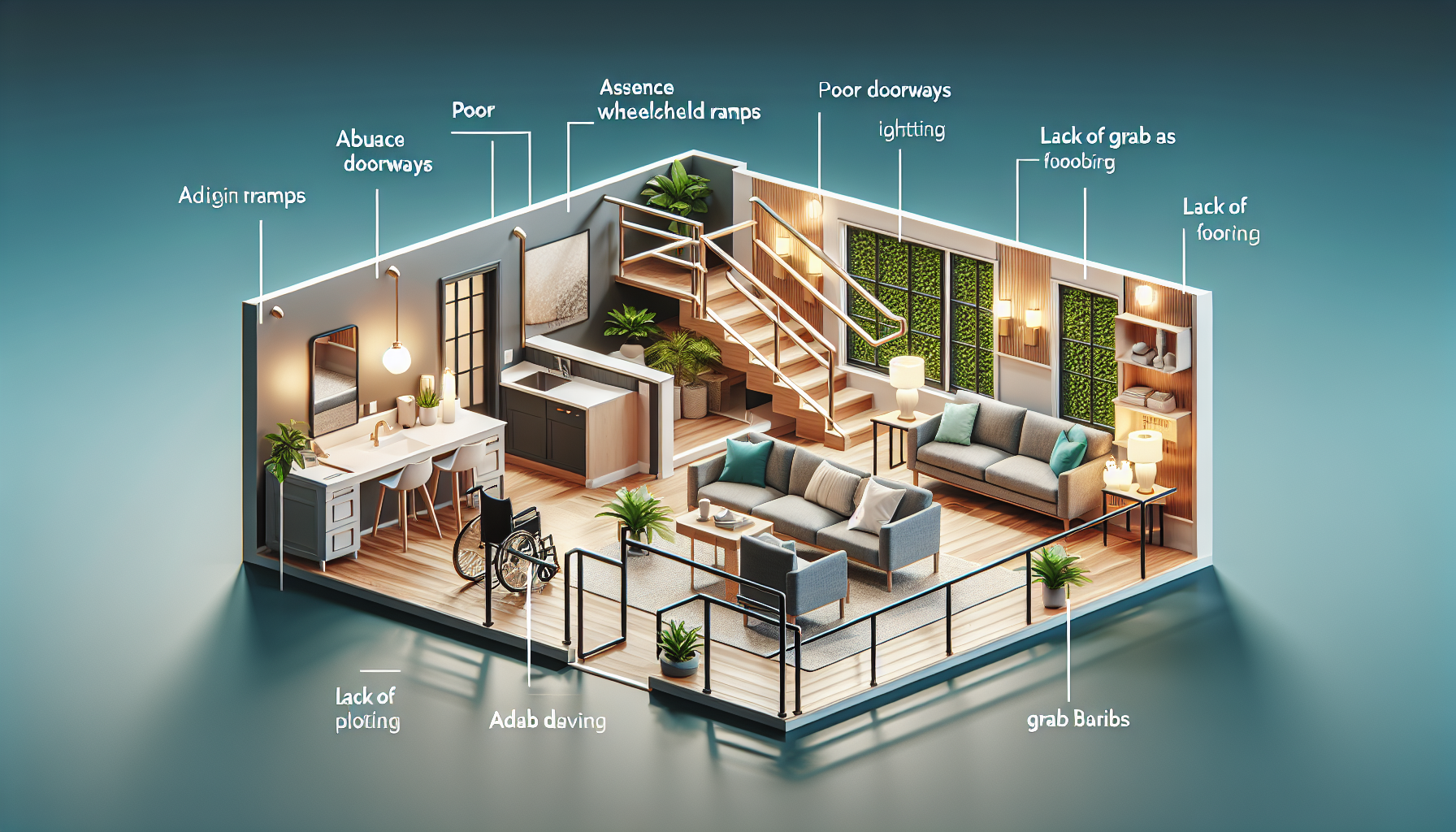
Accessible storage is not just lower shelves. It is a system that matches the user’s reach range, grip strength, balance, cognition, and mobility device clearance. In wheelchair-accessible homes, designers often begin with seated reach ranges informed by ADA-based planning principles, then adapt them for residential use. A commonly workable target is storing frequently used items between roughly 15 and 48 inches from the floor, while reserving higher or lower zones for occasional items or automated access. For ambulatory users with limited bending or arthritis, the priority may be full-extension drawers, D-shaped pulls, touch-latch doors, and pull-down shelving that minimizes hand force. For people with low vision, contrast, lighting, and predictable organization are just as important as cabinet height.
In real projects, I recommend evaluating storage by task instead of room alone. Ask: where is medication taken, where is food prepared, where are clothes selected, where are cleaning supplies used, and where do transfer aids or mobility devices need to be stored? This task-based method reveals hidden barriers. A pantry may look large yet be inaccessible because the cereal sits behind heavy hinged doors and deep fixed shelves. A bathroom vanity may be stylish but unusable because plumbing blocks knee space and every item is stored below hip level. Good home accessibility modifications solve these frictions by combining spatial planning, hardware, visibility, and maintenance. The best result is not more storage volume; it is more usable storage in the right place, for the right person, every day.
Kitchen Storage That Supports Safety, Reach, and Independence
The kitchen is usually the highest-impact room for accessible storage because it requires repeated access to cookware, dishes, pantry goods, utensils, and appliances. Deep base cabinets are one of the biggest barriers I encounter. Items drift to the back, forcing kneeling and blind reaching. Replacing those cabinets with full-extension drawers or roll-out trays immediately improves access. Drawers let users see contents from above, retrieve heavy pots without lifting from awkward angles, and organize by task zone. A prep drawer near the main work surface, for example, should hold knives, peelers, measuring tools, and mixing bowls, while a dish drawer near the dishwasher reduces carrying distance and turning.
Upper cabinets also need reconsideration. Standard wall cabinets often place daily items above safe shoulder height. Better options include pull-down shelf mechanisms from brands such as Rev-A-Shelf or Häfele, open shelving for lightweight frequently used items, or appliance garages with easy-slide doors. Where a seated user cooks, storing microwave-safe dishes, mugs, and dry goods in lower drawers is more functional than trying to preserve a conventional cabinet layout. Toe-kick drawers add hidden storage for flat items without stealing maneuvering space. Lazy Susans can help in corners, but kidney-shaped pull-outs generally outperform fixed turntables because they bring contents toward the user instead of requiring twisting. Labeling bins, using clear containers, and installing under-cabinet LED lighting further reduce searching time and cognitive load.
| Kitchen storage upgrade | Accessibility benefit | Best use case |
|---|---|---|
| Full-extension base drawers | Eliminates kneeling and improves visibility | Pots, pans, dishes, pantry items |
| Pull-down wall shelves | Brings upper storage into reachable zone | Lightweight daily-use goods |
| Roll-out trays | Reduces deep-cabinet reaching | Existing cabinet retrofits |
| Toe-kick drawers | Adds low-profile storage without clutter | Trays, mats, linens |
| Open shelving with task lighting | Improves identification and quick retrieval | Mugs, bowls, small containers |
Smart kitchen storage should also consider appliance access and fire safety. Heavy mixers and air fryers belong on lift-assist shelves or waist-height pull-outs rather than high shelves. Cleaning products should be separated from food storage and placed where they do not require floor-level crouching. If the homeowner has tremors or reduced grip, magnetic knife strips may be less safe than dedicated drawer inserts. If cognition is a concern, keep the system simple: same-category grouping, broad labels, and no duplicate storage zones. The kitchen works best when the user can complete a meal with minimal extra movement, minimal carrying, and no dangerous reaching.
Bathroom and Bedroom Storage for Daily Routines
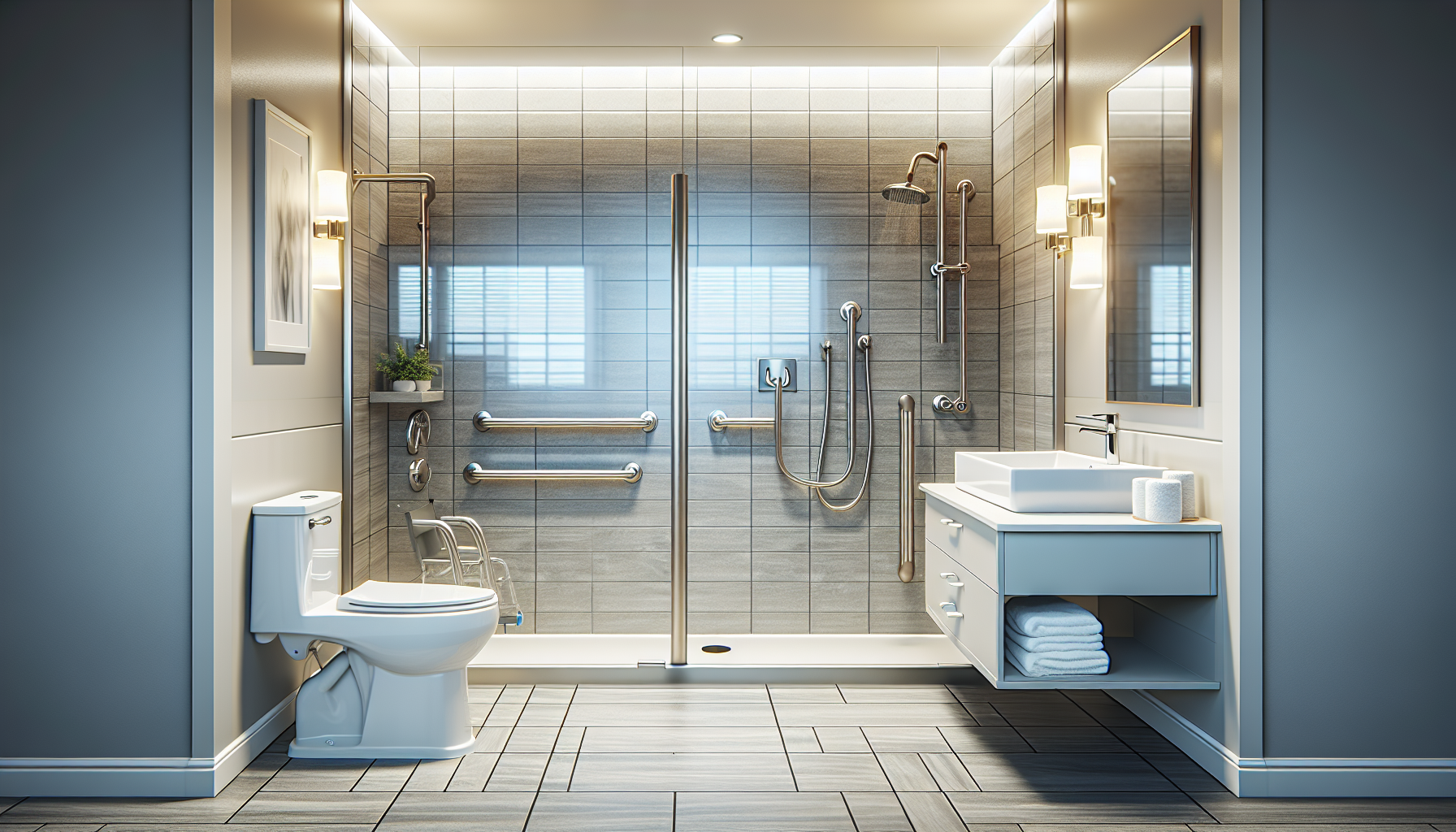
Bathrooms and bedrooms shape the beginning and end of every day, so storage here must support grooming, dressing, continence care, and medication management. In bathrooms, the classic sink base cabinet is often wasted space for accessibility. A better approach may be side storage towers, shallow drawers, recessed medicine cabinets, and wall-mounted organizers positioned within comfortable reach. Tilt-out bins can work for small items, but drawers with dividers are usually easier to manage because contents stay visible. If a user sits while grooming, the most important storage should sit beside, not below, the sink. Hair tools, oral care items, incontinence products, and skincare should be grouped by routine and proximity to where they are used.
Bedrooms benefit from closet systems that reduce vertical dependency. Adjustable rods, pull-down closet lifts, dresser drawers with smooth slides, and open-front bins for socks or undergarments all reduce effort. I have found that many falls happen not in hallways but during rushed dressing when shoes, belts, or seasonal items are hard to find. A seated dressing zone with nearby drawers, hooks, and a hamper keeps pathways clear. For people with memory concerns, transparent drawer fronts, photo labels, or simple category icons can outperform written labels alone. Bedside storage should be treated as a safety station: medications, glasses, hearing aids, chargers, and emergency call devices need a consistent, easy-to-reach home that can be used in low light or under stress.
Entry, Laundry, and Whole-Home Organization Systems
Accessible homes succeed when storage extends beyond the obvious rooms. Entry areas should support arrivals and departures without creating tripping hazards. A secure bench with cubbies, wall hooks at multiple heights, and a narrow console for keys, mail, and medical transport paperwork can turn a chaotic doorway into a controlled transfer zone. If a wheelchair or walker is used, provide dedicated parking space with nearby charging for powered devices and storage for rain covers, gloves, and repair tools. The best mudroom designs separate wet items from walking paths and keep floor surfaces open. Even one overloaded shoe rack can turn an accessible route into an obstacle course.
Laundry rooms often fail accessibility tests because detergents are stored overhead and sorting requires prolonged standing. Front-loading machines on pedestals may reduce bending for some users, but they can block wheelchair access for others, so the choice must match the household. Storage should include pull-out hampers, waist-height folding surfaces, and shelves for detergents placed where they can be reached with one hand. In the rest of the home, consistent organization is the hidden accessibility feature that saves the most energy. Use the same logic everywhere: high-frequency items in primary reach zones, heavy items between knee and shoulder level, rare-use items in secondary zones, and emergency supplies clearly marked. Consistency matters because it lowers both physical effort and decision fatigue.
Smart Features, Hardware, and Technology That Improve Access
Smart storage is not limited to motorized shelves, though powered systems can be useful in the right setting. Many of the best results come from simple hardware choices. Soft-close full-extension slides prevent drawers from slamming and require less control during closing. Oversized pulls are easier for arthritic hands than small knobs. Pocket doors can improve clearances in tight rooms, while touch-open hardware helps when grip is limited, though it should be used carefully in homes where accidental bumps are likely. Motion-activated lighting inside closets and pantries is one of the most cost-effective upgrades I recommend because it improves visibility immediately without relying on memory or fine motor control.
Technology becomes more valuable when it solves a defined barrier. Motorized wardrobe lifts help users who cannot reach upper rods. App-connected inventory systems can support medication or pantry management for caregivers, but they are only effective if the household will actually maintain them. Voice assistants can help create storage reminders, shopping lists, and item-location routines, yet they are not substitutes for physical access. When selecting products, look for load ratings, warranty terms, and service access. Hardware from established manufacturers such as Blum, Richelieu, Häfele, and Rev-A-Shelf generally performs better over time than low-cost generic kits. Reliability matters because a failed drawer slide or lift mechanism can instantly turn an accessible home back into a frustrating one.
Planning, Measurements, Budget, and Professional Guidance
The most successful accessible storage projects start with assessment, not shopping. Measure reach, aisle width, door swing, transfer space, and how the person actually moves through the room. A 36-inch passage may meet a minimum in some situations, but it can still feel tight once open drawers, walkers, or caregivers enter the picture. I usually map out daily routines for one week before specifying products. That process identifies which items are touched constantly, which are simply cluttering prime space, and where pain or delay happens. Budget should follow impact: kitchen base storage, bathroom routine storage, and bedroom dressing storage usually deliver greater independence than decorative closet accessories.
Professional input can prevent expensive mistakes. Occupational therapists can translate functional limits into design requirements. Certified Aging-in-Place Specialists and experienced universal design contractors can coordinate measurements, cabinetry, and hardware. Electricians may be needed for powered lifts or lighting, and cabinetmakers can customize drawer depth, pull placement, and knee clearance better than off-the-shelf systems in difficult rooms. Costs vary widely. Simple retrofits such as labeling, shelf risers, and pull-out trays may cost modestly, while custom cabinetry or motorized systems can be significant investments. The right question is not whether a product is advanced; it is whether it removes a daily barrier safely and reliably. That standard keeps home accessibility modifications practical, durable, and worth the money.
Smart storage solutions for accessible homes work because they turn accessibility into an everyday function instead of a special feature. The core principle is simple: store what people use most where they can reach it safely, see it clearly, and return it easily. In this hub on home accessibility modifications, the major themes stay consistent across every room: reduce bending and climbing, improve visibility, simplify routines, protect clear floor space, and choose hardware that matches real physical ability. Whether the goal is aging in place, supporting disability, recovering from injury, or making a multigenerational home easier to manage, accessible storage creates measurable gains in safety, energy conservation, and independence.
The strongest results come from targeted changes, not random products. Start with one high-friction routine, such as meal preparation, dressing, or bathroom setup, and redesign the storage around that task. Use drawers instead of deep cabinets, place essentials in primary reach zones, add lighting and labels, and reserve complex technology for barriers that simple hardware cannot solve. If you are planning broader accessibility and mobility solutions, use this page as your starting point and build room by room. Review your home, identify the daily reach problems that slow you down, and make the first storage upgrade that removes them for good.
Frequently Asked Questions
What makes storage “accessible” in a home?
Accessible storage is designed so everyday items can be reached, identified, opened, and put away with less physical effort and lower risk. In a practical sense, that means placing frequently used items within comfortable reach ranges, reducing the need to bend, climb, stretch, or lift heavy loads overhead. It also means choosing hardware and organization systems that work well for people with different needs, including limited mobility, reduced hand strength, low vision, balance concerns, or cognitive challenges.
Examples include pull-out shelves instead of deep lower cabinets, full-extension drawers that bring contents into view, D-shaped handles that are easier to grip than small knobs, adjustable closet rods, open shelving for high-use items, and clear labels that make it easier to find what is needed quickly. In accessible homes, storage should support safe movement through the room as well, so pathways stay clear and cabinet doors or drawers do not create obstacles.
Good accessible storage is not one-size-fits-all. The best design depends on the user’s height, range of motion, strength, vision, memory, and whether they use a wheelchair, walker, or other mobility aid. The goal is always the same: make daily routines safer, simpler, and more independent by reducing strain, confusion, and unnecessary reaching.
How can smart storage improve safety and independence at home?
Smart storage improves safety by reducing many of the common hazards that happen during routine tasks. When essential items are easy to reach and clearly organized, people are less likely to use step stools, overreach into high cabinets, bend into awkward positions, or carry heavy items across the room. These small changes can significantly lower the risk of falls, dropped objects, joint strain, and fatigue.
It also improves independence because it removes barriers that often make daily living frustrating or dependent on help from others. Soft-close drawers, motorized lift systems, pull-down shelving, touch-latch cabinet doors, and sensor lighting can make storage easier to use for someone with arthritis, limited upper-body strength, or low vision. Voice-controlled or app-connected storage features may also help some users access lighting, reminders, or automated components without needing fine motor control.
Beyond physical access, smart storage supports better routines. Clearly labeled bins, dedicated places for medications, adaptive kitchen organizers, and simple visual systems can help reduce forgetfulness and make it easier to keep the home orderly. In that way, smart storage is not just about convenience. It becomes part of a home’s overall accessibility strategy, helping residents manage daily tasks with more confidence, consistency, and control.
What are the best smart storage ideas for kitchens and bathrooms in accessible homes?
Kitchens and bathrooms usually benefit the most from smart storage upgrades because they are used constantly and involve many repetitive tasks. In kitchens, some of the most effective solutions include pull-out pantry shelves, lazy Susans in corner cabinets, full-extension drawers for pots and dishes, drawer dividers for utensils, toe-kick drawers for extra low storage, and pull-down shelving in upper cabinets. These features bring items forward and into view, so users do not have to crouch deeply or reach into hard-to-access spaces.
It also helps to store the most frequently used items between knee and shoulder height, where they can be reached comfortably from a seated or standing position. Heavy appliances should be placed on lift shelves or in easy-access lower drawers rather than high shelves. Lever-style handles, touch-open hardware, and under-cabinet lighting make the kitchen easier to use for people with limited hand strength or reduced vision. Labeling containers and using clear bins can further simplify meal prep and cleanup.
In bathrooms, accessible storage should keep essentials close to the sink, shower, and toilet without cluttering movement paths. Good options include vanity drawers with built-in organizers, shallow pull-out cabinets, wall-mounted shelves at reachable heights, recessed niches in showers, and labeled bins for personal care products. Non-slip drawer liners and moisture-resistant materials add durability and safety. Because bathrooms are often compact, every inch matters, so vertical storage, mirrored cabinets with easy-open doors, and simple organization zones can make the space much more usable without creating visual or physical barriers.
How do you choose storage solutions for someone with mobility, vision, strength, or cognitive challenges?
The best approach is to match the storage design to the person’s specific needs rather than relying on general accessibility features alone. For someone with mobility limitations, the focus should be on reachable placement, wide clearance, and storage that comes to the user instead of requiring the user to move into awkward positions. Pull-out trays, open-front bins, accessible closet systems, and lower-mounted shelves are especially helpful. If the person uses a wheelchair, careful attention should be paid to knee clearance, side reach, forward reach, and turning space around cabinets and closets.
For people with low vision, contrast and visibility matter as much as physical access. Strong lighting inside closets and cabinets, large-print or tactile labels, transparent containers, and consistent placement of items can make a major difference. For someone with limited hand strength or arthritis, easy-grip handles, smooth-glide drawers, lightweight bins, and touch-activated or automated hardware are often better than tight latches or heavy doors.
For cognitive challenges, storage should be intuitive and predictable. That usually means fewer steps, fewer categories, and more visual cues. Clear labels, picture labels, open storage for daily-use items, and consistent routines around where things belong can reduce confusion and make tasks easier to complete independently. In all cases, it helps to prioritize the items the person uses every day and redesign around those first. The most successful accessible storage systems are simple, reliable, and tailored to how the resident actually lives.
Can accessible smart storage be added to an existing home without a full remodel?
Yes, many of the most effective accessible storage improvements can be added to an existing home without a major renovation. In fact, some of the best upgrades are retrofit-friendly and relatively straightforward. Homeowners can often start by replacing hard-to-use knobs with easy-grip pulls, adding pull-out organizers to lower cabinets, installing brighter lighting inside closets and pantries, using labeled bins and drawer inserts, and lowering or reorganizing shelves so the most important items are easier to access.
Closets can often be improved with adjustable rods, modular shelving, and slide-out baskets. Kitchens can be upgraded with roll-out trays, appliance lifts, drawer organizers, and under-cabinet task lighting. Bathrooms may benefit from vanity organizers, wall-mounted storage placed at reachable heights, and better product grouping to reduce clutter. Even simple changes such as moving heavy cookware, medications, towels, or cleaning supplies to safer locations can have an immediate impact on comfort and independence.
More advanced retrofits are possible too, including motorized shelving, touch-open cabinetry, smart lighting, and custom drawer systems. The key is to begin with the daily pain points: what is hard to reach, hard to see, hard to open, or easy to forget. From there, improvements can be phased in over time based on budget and need. A full remodel may be helpful in some homes, but it is not required to create storage that is safer, more usable, and more supportive of long-term accessibility.