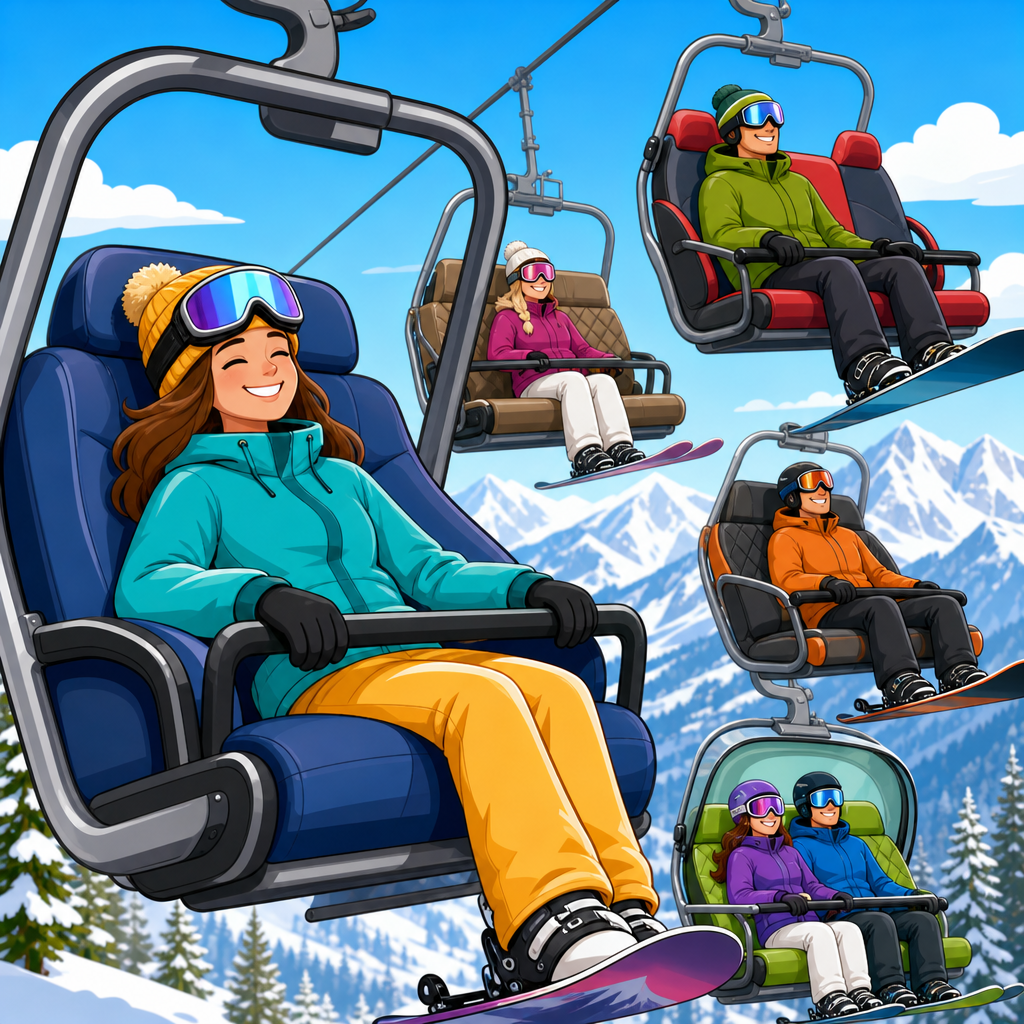
The most comfortable chair lift seats ranked starts with a simple reality: comfort on snow is not a luxury, but a design outcome shaped by ergonomics, weather protection, ride time, capacity, and maintenance discipline. In ski lift design, a seat is the padded or contoured surface riders sit on, while comfort also includes back support, leg position, bar placement, vibration control, ease of loading, and how well the carrier shields people from wind, snow, and spray. I have spent years reviewing lift installations, riding detachable quads and six-packs in harsh conditions, and talking with operators about what guests praise or complain about after long days on the mountain. Across those conversations, the same lesson returns: a technically fast lift can still feel mediocre if the seat pan is narrow, the restraining bar crowds knees, or the upholstery traps water and freezes.
This matters because modern resorts compete on experience as much as uphill capacity. A chair that feels stable and supportive reduces rider fatigue, makes families less anxious, and improves perceived value on premium passes. Comfort also influences circulation. Guests often choose one side of a mountain over another based on which lifts are pleasant in cold wind or on long vertical climbs. That behavior affects line distribution, skier flow, and even food and beverage revenue at adjacent lodges. For this reason, the best chair lift seats are not defined by padding alone. The full system includes seat geometry, footrests, bubbles, suspension, carrier spacing, loading conveyor timing, and climate features such as heated upholstery. Ranking chair lift seats, then, requires comparing manufacturers, carrier styles, and the practical tradeoffs between plushness, durability, weather resistance, and operational simplicity.
How chair lift seat comfort should be judged
The most useful ranking criteria combine rider perception with measurable design features. First is seat shape. A lightly contoured pan supports hips better than a flat bench and helps riders stay centered through tower crossings. Second is back angle. If the seatback is too upright, adults feel perched; too reclined, and loading becomes clumsy because riders struggle to slide fully back. Third is width per passenger. Many nominal six-person chairs feel effectively smaller because divider geometry and arm placement narrow usable space, especially for snowboarders in bulky clothing. Fourth is surface temperature and moisture management. Upholstery that resists water absorption stays warmer and avoids the miserable feeling of sitting on slush after a storm cycle.
Ride dynamics matter just as much as padding. A detachable lift with excellent terminal deceleration and smooth grip passage often feels more comfortable than a fixed-grip chair with thicker foam, because fewer jolts reach the rider. Footrests are another dividing line. Well-positioned footrests reduce thigh pressure on long rides and are especially valuable for children whose legs would otherwise dangle. Bubble canopies transform comfort in exposed alpine zones by cutting windchill dramatically, but they add weight, maintenance needs, and occasional visibility complaints in humid conditions. Heated seats can be outstanding in subfreezing climates, yet they only deliver value when the electrical system, charging interfaces, and cleaning routines are reliable. A ranking that ignores these details is marketing, not analysis.
The most comfortable chair lift seats ranked
After comparing common carrier designs used across major mountain regions, this ranking reflects all-around rider comfort rather than raw technical sophistication. The top positions favor carriers that consistently feel supportive in real resort use, not just in showroom demonstrations.
| Rank | Chair lift seat type | Why it ranks here | Best fit |
|---|---|---|---|
| 1 | Detachable six or eight-passenger chair with contoured heated seats, footrests, and bubble | Best warmth, weather protection, leg support, and smooth ride quality on long exposures | High-volume destination resorts and cold, windy terrain |
| 2 | Detachable six-passenger chair with deep contouring and footrests, no bubble | Excellent ergonomics and easier visibility, with fewer weather-seal maintenance demands | Resorts in drier climates or protected tree zones |
| 3 | Detachable quad with padded seat and footrest | More personal space per rider and calmer boarding for families and cautious guests | Mixed-ability mountains and moderate ride lengths |
| 4 | Bubble chair without heat | Strong wind protection but less cold-weather luxury than heated carriers | Storm-prone ridgelines with variable temperatures |
| 5 | Standard detachable chair with molded or lightly padded seat | Smooth line speed and decent comfort, though less plush on longer rides | General-purpose resort networks |
| 6 | Fixed-grip quad with ergonomic seat pan | Good durability and simplicity, but slower speed and more vibration reduce comfort | Smaller ski areas and secondary terrain pods |
| 7 | Classic fixed-grip triple or double with flat bench | Roomy for some riders, yet limited support, more swing, and little weather protection | Short lifts and nostalgic local hills |
The first-place configuration wins because it solves the full comfort equation. Heated contoured upholstery keeps the initial contact warm, the bubble cuts convective heat loss, and detachable operation reduces jerkiness in terminals. Resorts using premium carriers from manufacturers such as Doppelmayr, Leitner, or Bartholet often pair these seats with loading carpets that make boarding smoother, which further improves perceived comfort. Second place is close behind because many riders actually prefer an open ride on bluebird days. Without a bubble, there is less glare, less fogging risk, and fewer moving parts to service. Third place, the detachable quad, deserves more respect than it usually gets. On paper it sounds less luxurious than a six-pack, but extra elbow room and calmer loading can make it more comfortable for adults in bulky outerwear and for parents riding with children.
Why heated bubble chairs dominate premium comfort
Heated bubble chairs sit at the top because they address the conditions that make chairlift rides unpleasant: cold surfaces, wind exposure, and muscular tension from unsupported legs. In practical terms, a heated seat reduces the immediate shock of sitting on a frozen carrier after the chair has circulated through low temperatures. That sounds minor until you ride a ten-minute alpine line at 10 degrees Fahrenheit with a crosswind. When the seat is warm and the bubble comes down cleanly, riders relax instead of hunching their shoulders against the cold. Less tension means the ride feels shorter and smoother.
The bubble itself offers a measurable advantage by reducing windchill. Resorts in Austria, France, and high-elevation North American terrain have leaned into this feature because comfort gains are obvious on exposed ridges. I have seen guests choose a bubbled express repeatedly over an adjacent non-bubble alignment serving similar terrain simply because the ride was calmer. The limitation is complexity. Bubble hinges, latches, gas struts, and weather seals need regular inspection. Snowmaking residue and rime buildup can affect visibility, and some guests dislike enclosed canopies in spring because solar heat builds quickly on bright afternoons. Even so, in genuinely cold climates, no other chair lift seat package matches a heated bubble for all-weather comfort.
Detachable quads versus six-packs: which feels better to ride
Many buyers assume a six-passenger chair is automatically more comfortable than a quad, but comfort depends on passenger density and carrier dimensions. A well-designed six-pack can be excellent, especially with deep contouring and a supportive footrest bar. Yet in day-to-day resort operation, detachable quads often feel roomier because four adults can spread out naturally, align skis more easily, and avoid shoulder compression from bulky jackets and backpacks. Families loading with children also tend to find quads less stressful. The timing window feels forgiving, and the seat does not crowd smaller riders toward the center.
Six-packs win when uphill demand is high and the carrier geometry is generous. Modern premium sixes usually have shaped dividers, anti-slip surfaces, and bars that come down cleanly without banging helmets. On longer lines, they can still beat quads because the latest detachable systems deliver smoother passage over sheaves and lower oscillation. But if the seats are narrow or the resort routinely fills every spot, the ride can feel tighter than a spacious quad. This is why comfort rankings should never rely on capacity alone. More passengers per carrier improve throughput, but only excellent ergonomics preserve comfort.
Materials, padding, and ergonomics that actually matter
The best chair lift seats use materials that balance softness with resilience. Overly soft foam compresses quickly in cold weather and loses support after repeated freeze-thaw cycles. Dense molded padding or engineered elastomer inserts usually perform better because they hold shape, shed moisture, and recover after thousands of loading impacts. Surface texture matters too. A slightly grippy finish helps riders stay positioned without sliding inward when the carrier sways. That is especially useful on high-line spans where subtle movement would otherwise force riders to brace constantly.
Back support is frequently underestimated. The most comfortable carriers have a seatback high enough to support the lower shoulder blades without forcing helmets against a hard upper edge. Seat depth also matters. Too shallow, and thighs carry too much load; too deep, and shorter riders cannot sit back comfortably. Good footrest design solves part of this by reducing pressure under the thighs and improving posture. I also rate divider placement carefully. Some old chairs feel wide until the restraining bar comes down, at which point knee and boot conflicts appear. Better modern designs shape the bar and footrest so each rider has a defined space without feeling boxed in.
Comfort tradeoffs operators and skiers should understand
No chair lift seat design is perfect for every resort. Premium heated bubbles deliver the best experience, but they cost more to buy, weigh more, and increase maintenance workloads. That affects lifecycle budgeting, spare parts planning, and technician training. Resorts in milder regions may get better value from open detachable carriers with excellent contouring rather than paying for heat systems rarely needed. Similarly, fixed-grip chairs remain sensible where ride times are short, wind exposure is moderate, and simplicity is a priority. Their seats can still be comfortable enough if the carrier is stable and the footrest geometry is thoughtful.
Guest expectations also matter. Destination resorts charging premium ticket prices are judged harshly when a flagship lift feels bare-bones. Local hills can often succeed with simpler seating because riders prioritize reliability, low wait times, and familiar terrain. Accessibility is another consideration. Wider openings, predictable deceleration in terminals, and loading carpets can improve the ride for older guests or people with limited mobility more than extra padding alone. The right choice is the one that matches climate, traffic, terrain pod role, and maintenance capacity. If you are evaluating the most comfortable chair lift seats ranked across a whole network, compare actual ride duration, exposure, and rider mix before assuming the most expensive carrier is automatically the best fit.
The clearest takeaway from this hub is that chair lift seat comfort comes from system design, not a single feature. Heated bubbles rank first because they combine warmth, wind protection, leg support, and smooth detachable ride quality in one package. Close behind are open detachable sixes and roomy quads that deliver excellent ergonomics with fewer enclosure-related drawbacks. Standard detachable chairs remain solid all-around performers, while fixed-grip lifts can still feel acceptable on shorter routes when the seat pan, back angle, and footrest are well designed.
For resorts planning upgrades, the smartest approach is to match seat design to climate, exposure, passenger mix, and maintenance resources. For skiers comparing mountains, look beyond marketing labels and pay attention to contouring, footrests, bubbles, loading carpets, and how crowded each carrier feels in normal operation. Those details determine whether a ride is restorative or draining by the fourth lap. Use this page as your starting point for the broader Chair Lift Types & Designs topic, then review related comparisons on detachable versus fixed-grip layouts, bubble canopies, heated seats, and carrier capacity so you can judge comfort with the same criteria industry professionals use.
Frequently Asked Questions
What actually makes a chair lift seat comfortable?
A comfortable chair lift seat is the result of several design choices working together, not just extra padding. The seat itself matters, of course, but true comfort also depends on seat width, contouring, back support, leg position, footrest usability, restraint bar geometry, carrier stability, and protection from wind and precipitation. A well-designed chair allows riders to settle naturally into the seat without feeling like they are sliding forward, perching on a hard edge, or twisting their back to fit the carrier. Good ergonomics keep hips and knees in a relaxed position, while a supportive backrest reduces fatigue on longer rides.
Weather protection is equally important. Some of the most comfortable chair lift seats are attached to carriers with bubbles or weather hoods that block wind, blowing snow, and freezing rain. Heated seats can improve perceived comfort dramatically, especially in cold and humid conditions, but they are only one part of the equation. If a chair has poor vibration control, a cramped seating layout, or an awkward loading profile, heat alone will not make it truly comfortable. In real-world rankings, the best seats are the ones that remain supportive, stable, easy to load, and pleasant over repeated rides throughout a long ski day.
Are heated chair lift seats always more comfortable than non-heated ones?
Not always, although they often feel more luxurious at first contact. Heated chair lift seats are especially valuable on very cold days because they reduce the initial shock of sitting on a frozen surface and help riders maintain warmth during the ascent. That can make a big difference in comfort, particularly at high-elevation resorts or in regions known for wind exposure. However, heating is only one feature, and it cannot fully compensate for poor seat shape, inadequate back support, or a carrier that transmits a lot of vibration.
In practice, some non-heated seats rank higher for all-around comfort because they offer better ergonomics, more generous spacing, smoother ride dynamics, and stronger weather shielding. A well-contoured seat with supportive cushioning and a calm, stable carrier can feel better over the full ride than a heated seat that is overly firm, narrow, or paired with a badly positioned safety bar. Maintenance also plays a role. Heated systems must remain reliable and evenly functioning to preserve their advantage. If heating elements fail, produce inconsistent warmth, or are turned off during certain conditions, the comfort gap narrows quickly. So while heated seats are often a premium feature, the most comfortable chair is usually the one that gets the entire rider experience right, not just the temperature of the cushion.
How do bubble chairs affect comfort compared with open chair lifts?
Bubble chairs can significantly improve comfort because they provide a physical barrier against wind, blowing snow, and wet weather. On exposed mountain terrain, the difference can be substantial. Riders are less likely to lose body heat, less likely to be pelted by icy precipitation, and generally more able to relax during the ride. That weather protection is especially valuable on longer ascents, where even a few extra minutes of exposure can make a chair feel harsh and fatiguing. When a bubble is paired with a supportive seat, adequate legroom, and a usable footrest, the overall comfort level tends to rise meaningfully.
That said, not every bubble chair automatically feels better than every open chair. The carrier still needs good ventilation, smooth operation, and an easy loading experience. A bubble that closes awkwardly, rattles in motion, or feels cramped can reduce comfort rather than improve it. Visibility and rider preference also matter. Some skiers and riders enjoy the openness and airflow of a traditional chair, particularly on mild, sunny days. In rankings focused strictly on comfort, bubble-equipped lifts often perform very well because they reduce environmental stress, but the best examples succeed because they combine weather protection with strong seat ergonomics, stable suspension behavior, and thoughtful rider space.
Why do some high-speed lifts feel smoother and more comfortable than others?
The difference usually comes down to engineering quality, carrier design, line maintenance, and operational tuning. Two lifts may both be high-speed detachable chairlifts, yet feel very different once you are seated. A smoother, more comfortable lift generally benefits from well-balanced carriers, effective damping, careful tower alignment, and grip and terminal systems that minimize abrupt movement during acceleration and deceleration. Seats that remain stable through the line, without excessive sway or chatter, allow riders to relax rather than brace themselves.
Maintenance discipline is a major factor here. Worn components, inconsistent spacing, neglected padding, and poorly adjusted loading or unloading speeds can all make a chair feel harsher than it should. Even small details matter, including how securely the seat assembly is mounted, how the suspension handles wind, and whether footrests and restraint bars fit the body naturally. Resorts with strong maintenance programs and a clear focus on guest experience tend to deliver more consistently comfortable rides. In other words, comfort is not just designed into a lift at installation; it is preserved over time through inspection, upkeep, replacement schedules, and day-to-day operational attention.
When ranking the most comfortable chair lift seats, should capacity and ride time be considered?
Absolutely. Capacity and ride time both influence comfort in ways that are easy to overlook. Capacity affects how much personal space each rider has, how naturally people can sit, and how easy it is to load without bumping or twisting awkwardly. A six-pack or eight-passenger chair can be very comfortable when seat width per rider is generous and the carrier is designed intelligently, but it can feel cramped if spacing is tight or if bulky winter gear causes passengers to press into one another. By contrast, a smaller chair may feel more relaxed simply because riders have more elbow room and a cleaner loading rhythm.
Ride time matters just as much because shortcomings become more noticeable the longer you sit. A seat that feels acceptable for a short ascent may feel hard, unsupportive, windy, or fatiguing over a long ride. This is why serious comfort rankings cannot rely on first impressions alone. They should consider how the seat performs over repeated laps, in different weather, and across varying line lengths. Longer rides reward chairs with better back support, better leg positioning, less vibration, and stronger weather protection. In a meaningful ranking, the most comfortable seats are not just the ones that feel plush for thirty seconds, but the ones that remain supportive and pleasant from loading to unloading, lap after lap.