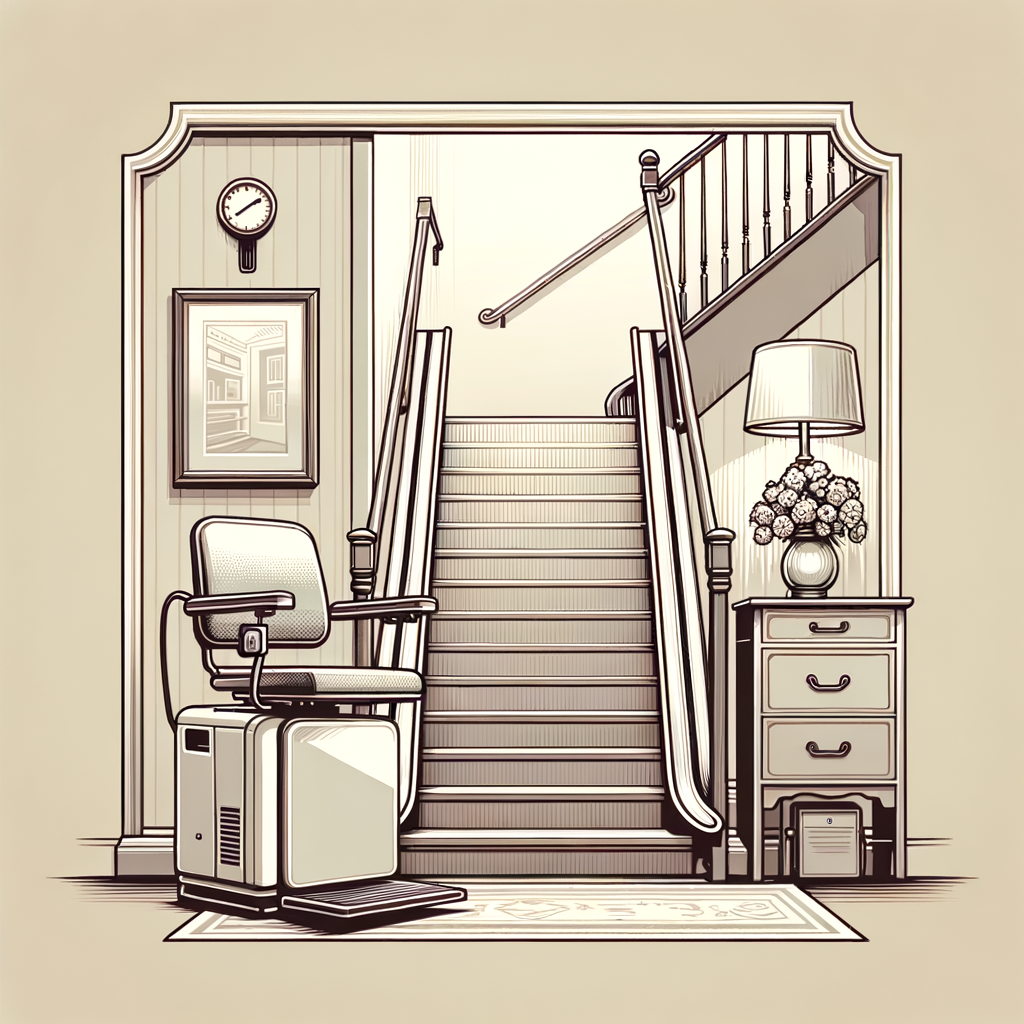
Widened seat options for larger individuals are a defining feature of heavy-duty stair lifts, a category designed for users who need more space, higher weight capacity, and better stability than standard models provide. In accessibility work, I have seen this distinction matter immediately: a lift that technically fits a staircase can still fail the person who needs it if the seat is too narrow, the armrests pinch at the hips, or the footrest does not support a wider stance. A heavy-duty lift solves those problems by combining reinforced engineering with broader seating dimensions, sturdier drive systems, and layouts that preserve comfort during daily use.
Within the broader world of chair lift types and designs, heavy-duty lifts serve a specific purpose. They accommodate larger body frames, users with bariatric needs, and households where multiple riders of different sizes may share one unit. Key terms are important here. A widened seat usually means a seat pan and backrest that exceed standard width, often paired with increased distance between armrests. Weight capacity refers to the maximum safe operating load established by the manufacturer through testing and certification. Track width, seat-to-wall offset, and landing clearance determine whether a larger lift can be installed without blocking safe passage on the stairs.
This topic matters because poor fit is not a minor inconvenience. It affects transfer safety, posture, pressure distribution, and confidence. A person who feels unstable while sitting down or rotating at the top landing is less likely to use the lift consistently. Families also need clear guidance because heavier-capacity stair lifts are not interchangeable. Some are built for straight staircases only, some require custom curved rails, and some widen the seat but still demand substantial staircase clearance. Choosing correctly means understanding dimensions, standards, tradeoffs, and installation constraints before purchase, not after.
What Heavy-Duty Stair Lifts Are and Who Needs Them
A heavy-duty stair lift is a motorized chair lift engineered beyond the limits of a standard residential unit. Standard lifts commonly support around 250 to 350 pounds, while heavy-duty models often start near 400 pounds and may extend to 600 pounds or more, depending on the rail design and application. The widened seat is central, but it is only one part of the system. Manufacturers typically reinforce the carriage, use a stronger transmission or rack-and-pinion drive, and specify larger seat frames, longer seat belts, and more substantial swivel mechanisms.
These lifts are used by larger individuals, by riders who need extra room because of body shape or winter clothing, and by people with limited trunk control who benefit from a broader, more supportive sitting position. In practice, I have also recommended widened-seat units for users who are not near the maximum weight limit but feel cramped in standard seats. Comfort is not a luxury in mobility equipment; it directly affects safe transfers and daily adherence.
Heavy-duty does not always mean medicalized or institutional. Many residential models are designed to look like conventional stair lifts while offering more generous dimensions. Bruno, Harmar, and Platinum Stairlifts are examples of brands known in this segment, though model availability varies by market and staircase type. The right choice depends on user measurements, stair geometry, and whether the lift will be installed in a private home, a multigenerational residence, or a public-facing setting subject to stricter access requirements.
How Widened Seat Options Improve Safety, Comfort, and Daily Use
The primary benefit of a widened seat is better body support. When the seat pan is too narrow, pressure concentrates at the thighs and hips, and the user may perch rather than sit fully back. That reduces stability during travel and increases the risk of awkward transfers. A wider seat allows the pelvis to settle properly, keeps the spine aligned with the backrest, and gives the user room to position hands safely on the armrests before sitting or standing.
Armrest spacing is just as important as seat width. Many larger users tell installers the seat “feels small” when the actual problem is that the armrests are too tight. Good heavy-duty designs increase usable width between armrests, provide firm locking positions, and avoid flex under load. Footrests also matter. A broad or longer footrest helps users place both feet naturally, reducing twisting at the knees and hips.
Another advantage is psychological security. People use lifts more confidently when they do not feel squeezed, unstable, or at risk of clipping knees and elbows against walls. That confidence often determines whether someone remains independent at home. In stair lift assessments, I have found that a few inches of extra width can change the conversation from reluctant acceptance to daily reliance.
| Feature | Standard Stair Lift | Heavy-Duty Stair Lift |
|---|---|---|
| Typical weight capacity | 250 to 350 pounds | 400 to 600+ pounds |
| Seat width | Narrower, compact footprint | Wider seat pan and backrest |
| Armrest spacing | Limited adjustment | More usable width, stronger support |
| Staircase requirement | Fits more staircases | Needs greater clearance |
| Best fit | Average-size riders | Larger individuals and shared-use homes |
Key Specifications to Evaluate Before Buying
The most important specification is not the headline capacity; it is the combination of user fit and staircase fit. Start with actual seated width needed, hip breadth, thigh support, and transfer style. Then compare that with published seat dimensions, not marketing language like “extra wide.” Ask for the width between armrests, overall folded width, seat height from footrest, and whether the seat swivels manually or automatically at the landing.
Staircase measurements are equally critical. Heavy-duty stair lifts usually require more clear stair width than standard models. A common benchmark is at least 36 inches for many larger-capacity straight lifts, though some installations need more depending on overrun, hinge rail, and wall projections. Curved staircases are more complex because turns, intermediate landings, and narrowing at the bend can limit what size seat can travel safely.
Look closely at drive type, power supply, and battery backup. Most modern units use battery-powered operation with a charging strip or charge points, allowing the lift to run during a power outage. For heavier loads, smooth start-and-stop control is essential because abrupt motion feels magnified on a larger frame. Safety sensors, overspeed governors, seat-belt design, and diagnostic displays are not optional details; they indicate how thoughtfully the lift was engineered.
Warranty terms and service network matter more with heavy-duty lifts than many buyers expect. Higher loads place greater stress on moving components, so preventive maintenance is important. Ask who performs service locally, what response times look like, and whether replacement parts are stocked domestically. A strong lift with weak after-sales support is not a strong purchase.
Straight vs Curved Heavy-Duty Lifts and Installation Tradeoffs
Straight heavy-duty lifts are the most common and usually the most practical widened-seat option. They run on a rail fixed to a single, uninterrupted staircase. Because the rail is standardized and installation is simpler, straight models are usually less expensive, quicker to fit, and easier to service. This is where many high-capacity models are concentrated. If a home has a straight main staircase and enough width, this route often delivers the best value.
Curved heavy-duty lifts are more specialized. They use a custom rail manufactured to the exact geometry of the staircase, including turns and intermediate landings. The challenge is that wider seats and larger carriages need more room to navigate corners. In some homes, a standard curved lift fits where a widened-seat version does not. This is why detailed surveying, often with digital photo measurement or 3D stair mapping, is essential before any recommendation is made.
There are tradeoffs beyond fit. A wider seat may improve rider comfort while reducing passable stair width for everyone else when the unit is parked. Solutions such as folding arms, folding footrests, hinged rails, and parking points at the top or bottom landing can help, but they do not remove the physical realities of a larger system. The right decision balances user comfort, emergency egress, household traffic, and long-term usability.
Standards, Safety, and Real-World Accessibility Considerations
Heavy-duty stair lifts should be evaluated against recognized safety and performance standards, not just brochure claims. In many markets, reputable products align with standards such as ASME A18.1 for platform lifts and stairway chairlifts in North America, while European products may be assessed under EN 81 series requirements and related machinery or medical device expectations depending on classification. The exact regulatory pathway varies by region, but buyers should expect test data, rated load information, and installation guidance grounded in formal standards.
Safety in real homes goes beyond the machine. The transfer area at the top and bottom landing must allow a larger person to approach, sit, swivel, and stand without twisting into a wall or door frame. I often see buyers focus entirely on staircase width and overlook landing depth. That is a mistake. The safest widened-seat lift can still be hazardous if the rider has to step sideways around a newel post or stand into a narrow hallway.
Another practical issue is who else uses the stairs. In family homes, a heavy-duty stair lift should leave enough room for other occupants to walk the staircase safely when the seat is folded. Local building expectations, landlord rules, and fire-safety policies may affect what is acceptable, especially in shared residential buildings. An installer who discusses only the chair and not the circulation path is not assessing the job properly.
Choosing the Right Model for Long-Term Value
The best widened seat option is the one that remains safe and comfortable as needs evolve. Start with a professional assessment that includes user measurements, stair survey, transfer observation, and discussion of future changes in mobility. If the user is likely to need more trunk support, powered swivel, or easier controls later, build that into the decision now. Replacing an underspecified lift is usually more expensive than choosing the correct heavy-duty model from the start.
Compare dealers as carefully as you compare products. Ask whether they handle permits if required, remove and dispose of old lifts, train users after installation, and provide maintenance plans. Request a demonstration on an actual unit if possible. Sitting in a stair lift for even two minutes reveals issues that spec sheets miss, including armrest pressure, knee angle, and confidence during the swivel at the landing.
As the hub page for heavy-duty lifts within chair lift types and designs, this topic connects directly to related decisions: straight stair lifts, curved stair lifts, outdoor models, folding rail options, seat ergonomics, and stair width requirements. The central lesson is simple. Widened seat options for larger individuals are not cosmetic upgrades; they are core safety features within properly engineered heavy-duty lifts. Match the seat to the rider, the rail to the staircase, and the service plan to the reality of daily use. If you are comparing models now, schedule a measured home assessment and use it to shortlist only lifts that meet both fit and clearance requirements with no compromise on safety.
Frequently Asked Questions
What makes a widened seat on a heavy-duty stair lift different from a standard stair lift seat?
A widened seat is not simply a standard chair made a few inches larger. On a heavy-duty stair lift, the entire seating system is designed to better accommodate larger body types with more room through the seat base, more supportive armrest spacing, and a layout that allows the user to sit naturally without feeling squeezed at the hips or thighs. In many cases, the footrest is also broader or positioned to support a wider stance, which can make a major difference in comfort and confidence during travel.
Just as important, widened seat options usually go hand in hand with a higher weight capacity and a stronger overall lift design. That means the seat, carriage, rail system, and motor are engineered to work together for stability, rather than relying on a larger chair attached to a standard-duty platform. For larger individuals, this distinction matters because a lift can fit the staircase and still be a poor choice if the seat feels restrictive, the armrests press inward, or the riding position feels unsteady. A true heavy-duty model is built to address comfort, safety, and long-term usability as a complete package.
How do I know if I need a widened seat stair lift instead of a standard model?
The best indicator is whether a standard stair lift allows the user to sit fully and comfortably with proper support. If the person feels cramped in the seat, has difficulty fitting between the armrests, cannot place both feet securely on the footrest, or needs to twist or perch rather than sit squarely, a widened seat option should be strongly considered. Even if a standard model technically supports the user’s weight, it may still be the wrong fit if it does not provide enough room for a safe, natural seating position.
In practice, this decision should also account for transfer ability, body proportions, and day-to-day comfort. Some users need extra seat width because of hip width, thigh placement, or the need for additional winter clothing, braces, or supportive garments. Others benefit from the extra room because it reduces pressure points and makes getting on and off the lift easier. A professional assessment is especially valuable here, because the right choice is not based on weight rating alone. Seat width, armrest clearance, footrest dimensions, and staircase layout all need to be matched to the individual user to ensure the lift works well in real-life use, not just on paper.
Are widened seat stair lifts safe for larger individuals?
Yes, when properly selected and professionally installed, widened seat stair lifts are specifically intended to provide a safer solution for larger individuals than a standard model that may be undersized. Safety comes from a combination of factors: a seat that allows proper positioning, a lift rated for the user’s weight, a stable carriage and rail system, secure armrests, a reliable seat belt, and enough foot support to keep the rider balanced throughout travel. These features help reduce shifting, leaning, and awkward posture, all of which can affect confidence and stability on the stairs.
It is important to understand, however, that safety depends on fit as much as capacity. A larger user may technically fall within a standard lift’s weight limit but still be less safe if the seat is narrow or the footrest does not accommodate their stance. That can make transfers more difficult and the ride feel less secure. A heavy-duty lift with widened seating is designed to address those issues directly. The most reliable outcome comes from choosing a model based on both the person and the staircase, then having it installed according to manufacturer specifications so the lift performs as intended over time.
Will a heavy-duty stair lift with a widened seat fit on any staircase?
No, and this is one of the most important points for homeowners to understand. Heavy-duty stair lifts with widened seats generally require more staircase width than standard units because the seat, carriage, and user footprint are larger. While many straight staircases can accommodate them, not every staircase has enough clear width to allow safe travel while still leaving adequate space for the user to get on and off the chair comfortably. Curved stairs, narrow landings, hallway obstructions, or nearby doorways can also affect whether a wider lift is practical.
That said, the answer should never be guessed. A proper in-home assessment measures the staircase, checks clearances at the top and bottom landings, and evaluates how the user will approach, transfer onto, and exit the seat. Sometimes a staircase that seems large enough has a pinch point that creates a problem. In other situations, a home may be a good candidate even when space is somewhat tight, depending on the model selected and the user’s specific needs. The right approach is to look at the entire travel path and seating geometry, not just the width of the stairs at a glance.
What features should I look for besides seat width when choosing a stair lift for a larger individual?
Seat width is essential, but it should never be the only factor. A well-matched heavy-duty stair lift should also offer an appropriate weight capacity, generous armrest spacing, a supportive backrest, and a footrest that gives the user enough room to place both feet securely without feeling crowded. The seat height and depth matter too, especially for users who need an easier standing transfer or who have knee, hip, or balance limitations. Swivel seat function at the landing can also be extremely valuable because it helps the user exit onto the floor rather than toward the stairs.
Beyond seating dimensions, pay close attention to ride stability, ease of controls, battery backup, and the overall durability of the lift. Larger individuals often benefit from a model with a sturdier feel and smoother start-and-stop performance, because those details improve comfort and confidence. It is also worth considering whether the folded lift leaves enough stairway clearance for other household members. The strongest choice is one that balances user fit, structural support, staircase compatibility, and everyday practicality. In other words, the best lift is not just wider; it is appropriately engineered for the person who will rely on it every day.