Choosing flooring options that prevent slips and improve safety is one of the most important decisions in home accessibility modifications, because the floor affects every step, transfer, turn, and recovery movement a person makes indoors. In accessible design, flooring is not simply a finish material. It is a mobility surface that must support traction, stability, cleaning, impact absorption, wheelchair movement, walker glide, and safe transitions between rooms. I have seen many homes where a beautifully renovated kitchen or bathroom still created daily risk because the floor became slick when wet, caught wheelchair casters at thresholds, or increased fatigue for someone using a cane. Safe flooring matters for older adults aging in place, people recovering from surgery, wheelchair users, children, and anyone managing reduced balance, low vision, neuropathy, arthritis, or limited strength. The best flooring for accessibility balances slip resistance, firmness, durability, and ease of maintenance while matching the needs of each room.
Home accessibility modifications include structural and finish changes that help people move through a home safely and independently. Flooring is a central part of that work, alongside ramps, grab bars, curbless showers, better lighting, wider doorways, stair supports, lever hardware, and smart home controls. Slip-resistant flooring reduces fall risk, but the term can be misunderstood. A floor is not safer simply because it feels rough. Safety depends on measurable traction, the presence of moisture or contaminants, the user’s footwear or mobility device, and whether transitions are flush and predictable. Standards and guidance from groups such as the Americans with Disabilities Act, the U.S. Access Board, the National Floor Safety Institute, and manufacturers’ coefficient of friction testing all help inform good choices. As a practical rule, accessible flooring should be stable, firm, low-glare, and as seamless as possible. It should also be selected room by room, because the safest bathroom flooring is not always the best choice for a bedroom or family room.
What makes flooring safer in an accessible home
Safe flooring combines traction with mobility support. For ambulatory users, traction helps prevent the foot from sliding forward or sideways during gait. For wheelchair and walker users, the floor must stay firm enough for efficient rolling and predictable turns. Excessively soft surfaces can increase push force, strain shoulders, and create trip hazards at edges. In my experience, the biggest mistakes are prioritizing style over transition height, installing polished surfaces in wet zones, and using plush carpet where mobility devices are common. Good safety flooring has a slip-resistant wear layer, a matte or low-sheen finish that reduces glare, and a texture that still allows cleaning. It also performs consistently when wet, because many falls happen in bathrooms, kitchens, laundry rooms, and entryways where water is expected.
Subfloor preparation is just as important as the visible flooring. An uneven substrate can create lippage between planks or tile edges, which catches toes and small casters. Moisture issues can break down adhesives and create curling or buckling. Every accessible flooring project should include a plan for flush transitions, especially at bathrooms, exterior doors, and room-to-room changes. Thresholds should be minimized, and where changes in height are unavoidable they should be beveled. Good underlayment can reduce noise and improve comfort, but it must not undermine stability. The goal is simple: a person using a cane, rollator, wheelchair, or prosthetic should be able to move across the surface without unexpected resistance or sliding.
Best slip-resistant flooring materials for different rooms
Luxury vinyl tile and luxury vinyl plank are among the most practical flooring options that prevent slips and improve safety in many homes. Quality products offer textured wear layers, water resistance, good durability, and a relatively forgiving feel underfoot. They also work well in kitchens, hallways, bedrooms, and finished basements. Sheet vinyl is another strong option, especially where minimizing seams matters. In bathrooms and laundry rooms, textured porcelain tile can be excellent when chosen carefully. The key is selecting tile rated for wet areas with an appropriate slip resistance profile and avoiding highly polished finishes. Rubber flooring is often used in clinics and gyms, but it can also perform well in home exercise rooms, entry areas, and some bathrooms because it provides grip and shock absorption.
Laminate has improved, but it is not my first choice for high-risk wet areas unless the product is specifically designed for moisture exposure and textured for traction. Hardwood can be used in accessible homes, but glossy finishes should be avoided because they reduce grip and create visual glare that makes navigation harder for people with low vision. Cork offers cushioning and warmth, yet it must be sealed and maintained carefully to protect against moisture and wear. Low-pile commercial-grade carpet tile can work in bedrooms or living spaces where warmth and acoustic control matter, but it should be dense, thin, and securely installed. Thick padding and plush carpet may feel comfortable at first, yet they often increase fall risk and make wheelchair propulsion far more difficult.
| Area | Recommended flooring | Why it works | Watch-outs |
|---|---|---|---|
| Bathroom | Textured porcelain tile, sheet vinyl, slip-resistant vinyl plank | Handles water, offers traction, supports cleaning | Avoid polished tile and raised thresholds |
| Kitchen | Luxury vinyl plank, sheet vinyl, matte tile | Good grip, durable, easier maintenance | Manage grease and spills quickly |
| Bedroom | Low-pile carpet tile, vinyl plank, cork | Comfort with stable movement surface | Avoid plush carpet and loose rugs |
| Hallway | Vinyl plank, rubber, hardwood with matte finish | Smooth travel path and clear transitions | Glare and doorway height changes |
| Entryway | Textured tile, rubber, sheet vinyl | Performs well with rain, dirt, and snow | Use walk-off mats secured flat |
How wet areas, transitions, and maintenance affect slip risk
The most common fall locations in homes are not random. Bathrooms, kitchens, garages, porches, and front entries have predictable hazards because they combine hard surfaces with moisture, soap, oils, or outdoor debris. That is why wet-area flooring deserves a higher standard of scrutiny. In bathrooms, a curbless shower should use small-format tile or another surface that maintains grip and allows proper slope to the drain. Larger tile can become slippery and may not conform to the pitch as effectively. In kitchens, the floor should resist both water and grease, and the cleaning routine should remove residue instead of leaving a shiny film. I often recommend pH-neutral cleaners approved by the manufacturer because generic cleaners can degrade traction over time.
Transitions matter more than many homeowners expect. A slip-resistant floor loses much of its value if the edge between materials creates a lip. People often catch a toe at bedroom thresholds or stall a walker at the entrance to a bathroom. Wheelchair users feel these inconsistencies immediately. A safe home accessibility modification plan should map every transition, from exterior entry to shower area, and specify where surfaces meet. This is also where internal planning across the wider accessibility project becomes important. Flooring decisions should coordinate with ramp slopes, door clearances, stair nosings, lighting placement, and bathroom layouts rather than being made in isolation. Even the best material becomes unsafe if poor installation creates uneven seams, loose boards, or curling corners.
Flooring choices for seniors, wheelchair users, and people with limited balance
The right flooring depends on the user profile, not just the room. For seniors aging in place, the priority is usually reducing slip risk while preserving comfort and minimizing fatigue. Many older adults do well with textured vinyl, matte-finish hardwood, or low-pile carpet tile in dry rooms, plus dedicated wet-area surfaces in bathrooms and kitchens. For wheelchair users, firmness and smooth rollability become critical. The ADA and rehabilitation design guidance consistently favor surfaces that are stable, firm, and slip resistant. In practical terms, that usually means avoiding deep carpet, thick grout joints, and abrupt transitions. Vinyl plank, sheet vinyl, rubber, and carefully selected tile often perform best because they support turning and propulsion with less force.
People with Parkinson’s disease, vestibular disorders, neuropathy, or post-stroke deficits may need a different balance between traction and ease of movement. Too little grip increases slipping; too much texture can interfere with pivots or create a “stuck” feeling during shuffling gait. Low vision adds another layer, because glare and poor contrast make edges harder to detect. Matte finishes, consistent color transitions, and clearly visible step edges reduce confusion. For households with mixed needs, I usually recommend establishing one continuous primary flooring material through major pathways, then using room-specific materials only where function demands it. This supports safer navigation and a more predictable walking surface. It also simplifies future modifications such as threshold ramps, transfer equipment, and mobility device upgrades.
Installation standards, testing, and common mistakes to avoid
Product labels and showroom impressions are not enough when selecting safety flooring. Ask for technical data sheets that include wear layer thickness, wet and dry slip testing information, maintenance requirements, and compatibility with radiant heat or existing subfloors. Manufacturers may reference dynamic coefficient of friction testing under standards such as ANSI A326.3 for hard surface flooring materials. While no single number guarantees safety in every condition, objective testing is better than relying on touch alone. For tile, grout choice also matters. Narrow joints may look sleek, but the overall assembly must still provide traction and be sealed or maintained appropriately. For resilient flooring, confirm whether a textured finish is integral or just a temporary surface treatment that can wear down.
Installation errors cause many avoidable hazards. Common problems include uneven subfloors, poor adhesive coverage, insufficient acclimation of planks, overuse of transition strips, and failure to honor expansion requirements. Another frequent mistake is introducing loose rugs after a safe floor has been installed. If a mat is needed, it should have a beveled edge, non-slip backing, and minimal thickness. In accessible bathrooms, avoid bath mats that slide or bunch up. Instead, choose built-in traction underfoot and use washable low-profile mats only where necessary. Maintenance mistakes are just as serious. Wax, polish, and residue-forming cleaners can turn a properly rated floor into a slick one. A flooring plan should therefore include written cleaning instructions, inspection intervals, and a replacement schedule for worn finishes or damaged areas.
Building a whole-home flooring strategy within accessibility modifications
The smartest approach is to treat flooring as part of a whole-home accessibility strategy instead of a room-by-room cosmetic update. Start with an assessment of who uses the home today, what conditions may change over the next five to ten years, and which circulation routes matter most. Main entries, bedroom-to-bathroom paths, kitchens, and laundry areas usually come first. Then coordinate flooring with lighting, handrails, grab bars, stair safety improvements, shower design, and doorway width. This hub approach is useful because homeowners rarely stop at one modification. A new safer bathroom floor often leads to a curbless shower, brighter vanity lighting, and better toilet clearance. Safer hall flooring may connect to entry ramps, non-slip porch surfaces, and improved exterior drainage.
Budget should be considered over lifecycle cost, not just purchase price. A cheap floor that chips, curls, or becomes slippery after aggressive cleaning is more expensive than a durable product that maintains traction for years. When possible, request large samples and test them with the footwear and mobility aids actually used in the home. Roll a walker over the sample, pivot on it in socks and rubber-soled shoes, and evaluate glare at night with the installed light levels. The best flooring options that prevent slips and improve safety are the ones that perform reliably under real conditions, not merely in a catalog. If you are planning home accessibility modifications, start with the floor plan under your feet, then build the rest of the safety strategy from there. Evaluate each room, choose tested materials, insist on flush transitions, and work with installers who understand accessible design.
Frequently Asked Questions
What types of flooring are best for preventing slips in an accessible home?
The best flooring for slip prevention usually combines consistent traction, firmness, low glare, and smooth transitions from one room to another. In many accessible homes, slip-resistant luxury vinyl, textured sheet vinyl, rubber flooring, low-pile commercial-grade carpet, and certain matte-finish porcelain tiles are strong options. Each material performs differently, so the right choice depends on who will use the space and how they move through it. A person using a walker, cane, wheelchair, or standing transfer technique may need a different surface than someone focused mainly on fall prevention in a bathroom or kitchen.
In general, flooring that is too slick when wet, too soft under mobility devices, or too uneven between rooms creates safety problems. For example, highly polished stone may look attractive, but it can become hazardous when moisture, socks, or smooth-soled shoes are involved. On the other hand, a floor with a lightly textured, matte surface often offers better grip without becoming difficult to clean. Rubber flooring is especially valued in some accessibility applications because it provides traction and some shock absorption, which can help reduce fatigue and improve confidence while walking. Sheet vinyl is also popular because it minimizes seams, is easier to maintain, and can be selected in slip-resistant finishes.
The safest flooring is not just the material itself. It is the complete system: the texture, underlayment, moisture resistance, transition strips, installation quality, and maintenance routine. A flooring product that tests well in a showroom may still underperform if it is installed over uneven subflooring or joined with raised thresholds. For that reason, the most effective approach is to evaluate flooring based on real movement patterns inside the home, especially in entryways, bathrooms, kitchens, hallways, and anywhere a person turns, pivots, or transfers.
Is carpet a safe flooring option for people who are older or have mobility challenges?
Carpet can be safe in some situations, but it has to be the right kind. Thick, plush carpet with deep padding is usually not a good choice for accessibility because it increases rolling resistance for wheelchairs and walkers, can catch toes or mobility device tips, and may make transfers more difficult. However, low-pile, dense, commercial-grade carpet can work well in certain bedrooms, living areas, or hallways when comfort, sound reduction, and traction are important.
From a slip-prevention standpoint, carpet can provide more grip than hard, smooth surfaces, which may help reduce sudden slipping. That said, it can also introduce different hazards if it is loose, wrinkled, frayed, or installed with thick padding. These conditions can create instability underfoot and increase the risk of tripping. For people using walkers or wheelchairs, too much softness in the floor can make forward movement harder and more tiring, especially over longer distances. This is why carpet is often safest when it is tightly installed, low in profile, and paired with a firm cushion or no cushion at all, depending on the mobility needs of the user.
Another important consideration is maintenance. Carpet can hold dust, moisture, and spills longer than hard-surface flooring, which may affect hygiene and cleaning routines in an accessible home. If carpet is chosen, it should be stain-resistant, easy to clean, and free of edge curling at doorways and transitions. In many homes, carpet works best as part of a larger flooring strategy rather than a whole-house solution. It may be useful in spaces where warmth and softness matter, while slip-resistant hard flooring may be better for kitchens, bathrooms, laundry rooms, and entry areas.
What flooring works best in bathrooms and kitchens where water increases the risk of slipping?
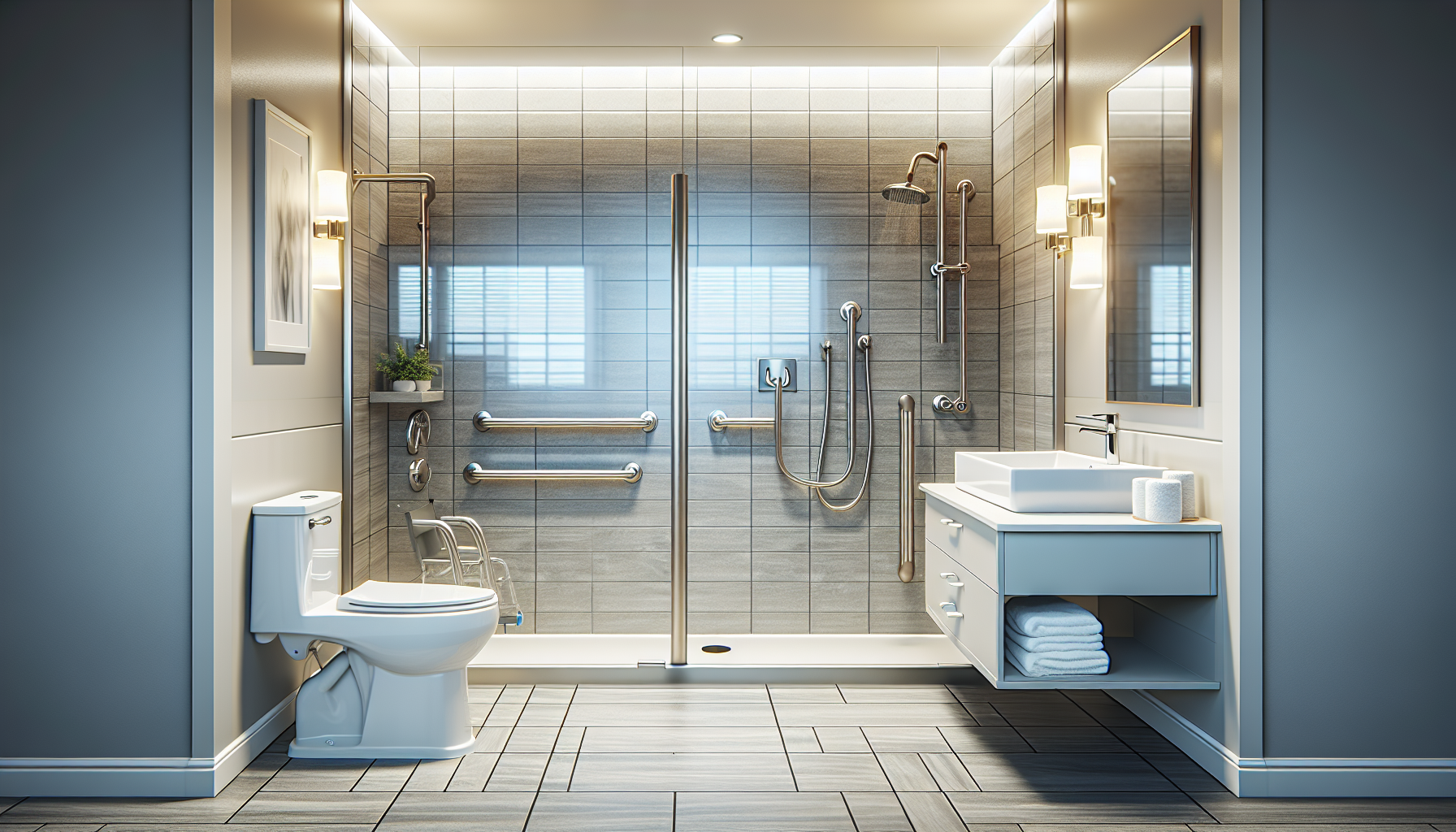
Bathrooms and kitchens need flooring that maintains traction even when exposed to water, spills, or humidity. In these rooms, the safest options are usually slip-resistant sheet vinyl, textured luxury vinyl, rubber flooring, or properly selected matte porcelain tile designed for wet-area performance. The key is choosing a surface that does not become slick when wet and that can be cleaned thoroughly without requiring waxes or coatings that reduce grip over time.
Sheet vinyl is often a practical choice because it provides a relatively continuous surface with fewer seams, which can help reduce trip hazards and make cleanup easier. Rubber flooring also performs very well in wet zones because of its natural traction and cushioning. Tile can work, but only if it is chosen carefully. Many tiles are marketed for bathrooms but still become dangerously slippery depending on the finish. A matte, textured tile with appropriate slip-resistance properties is typically safer than glossy ceramic or polished stone. Smaller tiles with more grout lines can also improve traction, though grout maintenance must be considered.
Beyond the material itself, drainage, slope, and transitions are critical. Inaccessible bathroom floors often become unsafe because water leaves the shower area, puddles near a toilet, or collects beside a vanity. Even excellent flooring cannot compensate for poor layout or maintenance. In kitchens, grease, food spills, and frequent turning movements increase fall risk, so the floor must support both traction and steady footing during reaching and carrying tasks. For best results, wet-area flooring should be paired with good lighting, zero-threshold transitions where possible, and a cleaning routine that removes residue instead of leaving behind slippery product buildup.
How do flooring transitions and thresholds affect slip and fall safety?
Transitions are one of the most overlooked parts of safe flooring design, yet they play a major role in preventing falls. A flooring material may perform very well on its own, but if it meets another surface with a height difference, abrupt edge, curling seam, or poorly installed threshold, that transition can become a serious hazard. This is especially true for older adults, people with reduced foot clearance, individuals recovering from injury, and anyone using a wheelchair, cane, walker, or rollator.
Safe transitions should be as flush and smooth as possible. Even small height changes can interrupt gait, catch a mobility device wheel, or cause a person to stumble during a turn or transfer. When two flooring types must meet, the transition strip should be low-profile, firmly secured, and shaped to reduce edge contact. Wide, gradual transition pieces are generally safer than sharp raised dividers. In accessible design, reducing or eliminating thresholds at bathrooms, bedrooms, patios, and room entries often improves both mobility and safety.
Transitions also matter because they affect confidence and movement rhythm. Many falls happen not in the middle of a room, but where someone changes direction, changes speed, or crosses into another space. If the flooring changes suddenly from high traction to low traction, or from firm to soft, the body has to adapt in an instant. That can be difficult for someone with balance limitations or slower reaction time. For that reason, one of the best safety strategies is to select flooring that performs consistently across the home, or at least ensure that any unavoidable transitions are visually clear, physically smooth, and professionally installed.
What should homeowners consider besides slip resistance when choosing safer flooring?
Slip resistance is essential, but it is only one part of flooring safety. Homeowners should also think about firmness, rolling resistance, underfoot stability, maintenance needs, moisture behavior, impact absorption, visual contrast, and how the flooring supports everyday mobility tasks. A floor that grips well but feels unstable under a walker is not truly safe. Likewise, a cushioned surface that reduces impact may still create problems if it is too soft for wheelchair travel or if it increases fatigue during standing transfers.
Cleaning and long-term maintenance are major factors. Some floors lose traction when coated with the wrong cleaner, wax, polish, or residue-producing product. Others become hazardous when seams open, edges wear, or moisture penetrates the surface. A safe floor should be easy to keep clean without complicated maintenance that changes its performance. It should also hold up well in the specific rooms where it will be used, especially if the household includes pets, caregivers, frequent visitors, or mobility equipment.
Visual performance matters too. High-gloss finishes, busy patterns, and dramatic color changes can interfere with depth perception and make navigation harder for some people. Flooring should help users clearly see room boundaries, edges, and pathways without creating visual confusion. Noise, comfort, and temperature can also affect how confidently a person moves through a home. Ultimately, the best flooring choice balances traction with overall usability. It should support safe walking, smooth wheelchair or walker movement, easy transfers, reliable cleaning, and predictable performance day after day, not just when the floor is brand new.