Budget stair lifts with warranties can make the difference between staying safely at home and facing a costly move, but only if buyers understand exactly what “budget” and “covered” really mean. In this market, a budget stair lift usually refers to an entry-level or value-priced model, often with fewer custom finishes, standard seat features, and a shorter rail configuration, while a warranty is the written promise that the manufacturer or dealer will repair or replace certain parts for a stated period. I have worked with families comparing quotes, reading warranty booklets, and sorting out installation invoices, and the biggest surprise is how often the least expensive advertised price excludes critical items. That is why this topic matters: a lower sticker price does not always mean a lower total cost of ownership, especially when batteries, service visits, or rail modifications are handled differently from one provider to the next. For buyers researching budget-friendly options, this page serves as a practical hub, explaining the common stair lift warranty terms, the real differences between economy models and premium units, and the questions that should be answered before signing a contract. If you want a safe, dependable lift without overpaying, you need to know what is typically included, what is commonly excluded, and how to compare value rather than just the headline number.
What budget stair lifts usually include at the base price
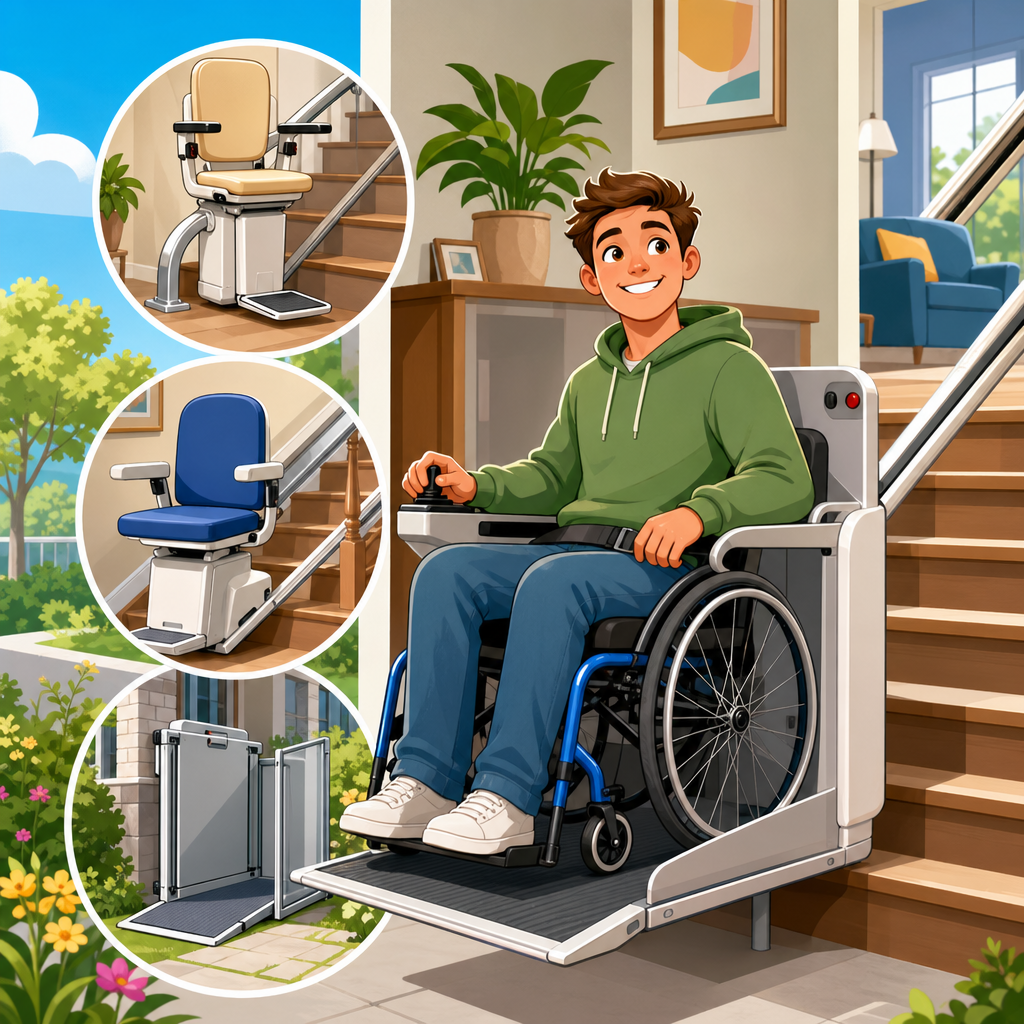
A budget stair lift is not necessarily a low-quality stair lift. In many cases, it is a standard straight stair lift built around a proven drive system, a simple folding seat, and a rail cut to fit a single uninterrupted staircase. Straight stair lifts are less expensive because they do not require the custom engineering, curved rail fabrication, or complex installation planning that curved lifts do. In practice, most lower-cost models from recognized brands such as Bruno, Harmar, Stannah, Access BDD, and Handicare include the chair, rail, call-send controls, seat belt, battery backup, and basic installation. Many also include safety sensors that stop the unit if it touches an obstruction on the stairs.
The phrase “with installation” needs scrutiny. Some dealers include only standard installation, which assumes a structurally sound staircase, nearby power access for the charger, and no carpentry or electrical changes. If your home needs a power outlet added at the rail end, reinforcement at a weak tread, or a hinged rail to prevent blocking a doorway, those items may increase the price quickly. Budget-friendly options also tend to come in fixed upholstery colors, narrower seat widths, and fewer powered features. That is not automatically a drawback. For many users, a manual swivel seat and manual footrest are perfectly acceptable and reduce both purchase cost and the chance of future repair expense.
When buyers compare entry-level offers, they should separate “included for safe operation” from “optional comfort upgrades.” A safe operating package should include at minimum a seat belt, armrests, obstruction sensors, lockable controls, battery operation during a power outage, and a charger. Upgrades commonly sold separately include powered swivel seats, power folding rails, upgraded fabric or vinyl, larger seats, and heavy-duty weight capacities. Knowing this distinction helps buyers avoid paying premium prices for features they may never use.
What stair lift warranties typically cover
The best way to read a stair lift warranty is to break it into parts coverage, drivetrain coverage, battery coverage, and labor coverage. Manufacturers often provide different durations for each. A budget stair lift may carry a lifetime warranty on the motor or gearbox, a multi-year warranty on major components, and a much shorter warranty on batteries. Batteries are consumable items. In most modern stair lifts, sealed batteries power the lift itself while the unit charges continuously when parked at charging points. Because batteries degrade over time, many warranties cover them for only one year, sometimes less, even when other components are protected for longer.
Labor is where many buyers get caught off guard. A manufacturer may warrant parts for several years while the dealer covers labor for only twelve months. After that, the replacement part may be free, but the service call and technician time are billable. On a budget purchase, this matters. Depending on location and dealer rates, a single service visit can cost a meaningful amount, especially in rural areas where travel fees apply. Some dealers bundle an extended labor warranty or service plan into the sale, while others price it separately. Neither approach is inherently better; the key is to know which you are buying.
Warranties also define what counts as a defect. They generally cover failures caused by manufacturing issues or component malfunction under normal residential use. They usually do not cover misuse, accidental damage, neglect, water exposure, pet damage to charging cables, corrosion from outdoor conditions unless the model is rated for exterior use, or modifications made by unauthorized technicians. If the stair lift is reinstalled in a different home, some warranties become void or limited. That is especially relevant for used and reconditioned stair lifts, which can be excellent budget-friendly options but often come with dealer-backed warranties rather than full factory coverage.
Common exclusions hidden in the fine print
The most important exclusions are rarely dramatic; they are ordinary costs that buyers assume are included. Batteries top the list. Because every battery-powered stair lift will eventually need replacement, short battery coverage should be treated as a normal ownership expense, not a sign of poor quality. The practical question is replacement cost and expected life. In many homes, batteries last around three to five years, but frequent use, improper parking away from the charge point, heat, or infrequent maintenance can shorten that timeline.
Another common exclusion is upholstery and cosmetic wear. Scratches on side panels, tears in vinyl, fading from sunlight, and noise that does not affect function may fall outside warranty terms. Track cleaning, annual tune-ups, rail realignment caused by structural movement in older homes, and user education visits are also often excluded. If an owner forgets to leave the chair on a charging point and the batteries discharge deeply, resulting service may not be fully covered. I have seen warranty disputes arise over issues that were really maintenance problems: dirty charge contacts, loose seat connections after repeated folding, or stair clutter triggering safety edges.
Transferability is another overlooked detail. Some homeowners buy a stair lift with the expectation that it will improve resale appeal for another mobility-limited buyer. In reality, many warranties apply only to the original purchaser at the original address. This does not reduce the value of the lift for the first owner, but it changes expectations about resale or family transfer. Finally, outdoor stair lifts almost always carry stricter conditions. Even when rated for exterior use, weather covers must be used consistently, and exposure-related deterioration may be limited in scope compared with indoor models.
Comparing warranty terms on budget-friendly options
When comparing budget stair lifts, buyers should evaluate the complete ownership package rather than just the duration printed in large type on a brochure. A “lifetime warranty” sounds stronger than a three-year warranty, but it may apply only to the drivetrain while batteries, electronics, and labor have much shorter terms. By contrast, a dealer offering two years of full parts and labor on a value model may provide better real-world protection than a competitor advertising lifetime drivetrain coverage with only ninety days of labor.
| Warranty element | Often included on budget models | What to verify |
|---|---|---|
| Motor/gearbox | Multi-year or lifetime limited coverage | Is coverage through the manufacturer, dealer, or both? |
| Electronics and major parts | 1 to 3 years commonly offered | Are circuit boards, controls, and charger included? |
| Batteries | 30 days to 1 year in many plans | What is the replacement cost and expected lifespan? |
| Labor | 90 days to 1 year is common | Are travel fees or emergency visits extra? |
| Rail and installation | Covered against installation defects | Does repositioning or home movement count as covered work? |
Ask for the written warranty before paying a deposit. If a salesperson summarizes it verbally, treat that as incomplete until the actual document confirms the promise. Look for exact time periods, exclusions, procedures for filing a claim, and whether service must be performed by an authorized technician. Reputable stair lift dealers should be able to explain these points clearly. If they cannot, that is not a minor communication issue; it is a warning sign about support after the sale.
New, used, and rental stair lifts: which offers the best value
For buyers focused on budget-friendly options, new is only one path. Used and reconditioned straight stair lifts can offer substantial savings because the rail can often be cut to length and the chair refurbished, tested, and reinstalled. The critical issue is warranty structure. A factory-new lift typically has the strongest manufacturer backing, while a reconditioned lift usually depends more heavily on the dealer’s own parts and labor promise. That can still be a good deal if the dealer has experienced technicians, local inventory, and a documented refurbishment process that includes batteries, rollers, charger checks, and safety testing.
Rentals are often the most sensible option for temporary needs after surgery, injury recovery, or hospice care. In rental arrangements, the upfront cost may be lower, but monthly fees, removal charges, and damage provisions affect the total. Warranty language in rentals tends to be replaced by service terms: if the lift fails, the provider repairs or swaps it under the rental agreement. For short-term use, this can outperform a purchase economically. For long-term use, buying may cost less over time, especially for a straight staircase where equipment can remain in service for many years.
Curved stair lifts are the exception. Because curved rails are custom-made for a specific staircase with turns, landings, or intermediate bends, used and rental options are much more limited. Buyers seeking the lowest-cost solution on a curved stairway often need to compare new custom systems, platform alternatives, or home modification options such as creating a bedroom on the main floor. Budget planning should be realistic here; a curved stair lift is not simply a straight lift with extra rail.
How to judge reliability beyond the warranty
A warranty matters, but reliability starts with product design, installation quality, and dealer support. In my experience, the most dependable budget stair lifts come from established manufacturers with mature straight-lift platforms, not from unknown imports with sparse parts networks. A straightforward rack-and-pinion or cable drum system from a recognized brand, installed by a trained technician, is usually a better value than a cheaper unit with uncertain service support. Ask who performs the installation, how many stair lifts the company installs each month, and whether technicians are employees or subcontractors. Subcontracting is not automatically bad, but accountability should be clear.
Standards and assessments also matter. Stair lifts sold in the United States are commonly evaluated under applicable safety requirements, and dealers should perform a home assessment covering staircase width, user weight, transfer ability, seat height needs, and parking location. A proper assessment reduces avoidable warranty claims because the lift is matched to the user from the start. For example, a buyer with limited hip mobility may struggle with a manual swivel seat, increasing the risk of awkward transfers and accidental damage. Spending slightly more on the right feature can lower both safety risk and long-term service costs.
Reviews should be read carefully. A one-star complaint about delayed service during a snowstorm is different from repeated reports of battery charger failure across multiple regions. Look for patterns. Better yet, ask the dealer for local references or examples of how they handled out-of-warranty repairs. A good service department will explain typical battery replacement intervals, preventive maintenance recommendations, and parts availability without dodging the question.
Questions every buyer should ask before signing
Every stair lift quote should answer a short list of direct questions. What is included in the installed price? Which parts are covered, and for how long? Is labor included, and are travel charges extra? Are batteries covered separately? Who provides service after installation, and what is the normal response time? Is annual maintenance required to keep the warranty valid? Can the warranty transfer to a new owner? What happens if the lift must be removed temporarily for remodeling or flooring replacement?
These questions are not administrative details; they determine the real affordability of the purchase. If one dealer quotes a lower price but excludes a hinged rail required to keep a doorway clear, that quote is not truly cheaper. If another includes two years of labor and annual preventive maintenance, the higher initial number may be the stronger budget choice. This hub page sits within a broader buying-guides framework for that reason: budget shopping works best when it is systematic. Buyers should compare total installed cost, expected maintenance, warranty depth, and local service capability together, not in isolation.
For households managing fixed incomes, financing and assistance may also matter. Some dealers offer payment plans, and some nonprofit or veterans’ programs may help eligible applicants, though availability varies by region. Those options do not change the warranty itself, but they can make a better-supported model accessible. A cheaper stair lift that becomes unaffordable to repair is not a true savings.
Budget stair lifts with warranties are worth considering because the market includes many safe, dependable value options, especially for straight staircases in standard residential settings. The key lesson is simple: look past the advertised price and read the warranty as a map of future costs. A strong budget purchase usually includes the lift, rail, charger, batteries, safety sensors, call-send controls, and standard installation, while the warranty clearly explains parts, labor, battery limits, and service procedures. Buyers should pay close attention to exclusions involving batteries, cosmetic wear, maintenance, travel fees, unauthorized repairs, and transferability. They should also compare new, used, reconditioned, and rental options according to the length of need and the complexity of the staircase.
The main benefit of taking this careful approach is confidence. Instead of guessing whether a bargain price is genuine, you can judge value based on total ownership cost, reliability, and local support. That is how budget-friendly options become practical long-term solutions rather than short-term compromises. Use this hub as your starting point, gather written quotes, request the full warranty document, and compare each offer line by line before you choose a stair lift for your home.
Frequently Asked Questions
What does “budget stair lift” usually mean, and what features are typically included?
A budget stair lift usually refers to an entry-level model designed to provide safe, dependable mobility without many of the premium upgrades found on higher-priced units. In most cases, these lifts are built for straight staircases, which are much less expensive to fit than curved systems because they use standard rail sections instead of custom-made track. Buyers can generally expect core safety and usability features such as a swivel seat for easier exiting, a seat belt, obstruction sensors, call/send controls, fold-up arms and footrest, and battery backup so the lift can still operate during a power outage.
What makes the lift “budget” is usually not poor quality, but fewer cosmetic options and less customization. For example, the chair may come in one standard upholstery color, the seat size may be standard rather than oversized, and the rail length may be intended for a typical staircase rather than a highly specialized layout. Some lower-cost models also have fewer advanced features such as power folding rails, powered swivel seats, or heavy-duty weight capacities. In other words, a budget stair lift is often best understood as a practical, functional mobility solution that focuses on the essentials.
That said, buyers should not assume that every low-cost stair lift offers the same value. The final price can vary depending on installation complexity, staircase length, local labor rates, and whether the unit is new, reconditioned, or rented. A truly worthwhile budget stair lift should still meet current safety standards, come from a reputable brand or dealer, and include clear written warranty protection. The key is to separate necessary features from optional extras so you know exactly what you are paying for.
What is usually covered under a warranty for a budget stair lift?
A stair lift warranty is a written commitment from the manufacturer, dealer, or both that certain parts or systems will be repaired or replaced for a specific period of time if they fail due to defects in materials or workmanship. On a budget stair lift, warranty coverage often includes major mechanical and electrical components such as the motor, gearbox, rail, control board, and sometimes the chair assembly itself. Batteries may be included, but often for a shorter period than the main components because they are considered consumable parts that naturally wear down over time.
Many stair lift warranties are divided into categories. You may see separate coverage periods for parts, major components, and labor. For example, a lift may come with a multi-year parts warranty but only a limited labor warranty, meaning the replacement part itself is covered while the cost of the technician’s visit or installation work may not be covered after an initial period. This distinction is extremely important because service labor can be a meaningful expense, especially for older homeowners who expect occasional maintenance calls over time.
Warranty terms can also vary depending on whether the lift is new or reconditioned. New budget models may offer broader and longer protection, while used or refurbished lifts often come with shorter coverage windows. Reputable dealers should provide a written breakdown showing exactly what is covered, who honors the coverage, how service requests are handled, and whether in-home repairs are included. If a seller uses vague wording such as “full warranty” without details, that is a sign to ask more questions before buying.
What is usually not included in a stair lift warranty, even if the lift is advertised as covered?
Even a good stair lift warranty has limits, and understanding those exclusions is one of the smartest ways to avoid surprise costs. Most warranties do not cover damage caused by misuse, accidental impact, improper installation by an unauthorized party, neglect, or failure to follow maintenance instructions. Normal wear items are also commonly excluded or covered for a shorter term. Batteries, seat upholstery, cosmetic trim pieces, remote-control batteries, and issues related to everyday wear may fall outside standard long-term coverage.
Another frequent exclusion is labor after an initial introductory period. A company may advertise that the stair lift is under warranty, but the fine print may reveal that only the replacement part is included after the first year, while the homeowner must pay for technician travel, diagnostics, and repair time. Shipping charges for parts can also be excluded in some plans. In practical terms, a warranty that looks generous on paper may still leave the buyer responsible for meaningful out-of-pocket service costs.
Staircase modifications, electrical work, or home repairs are usually not part of the warranty either. If a railing has to be moved, a dedicated outlet is needed, or the stair structure requires adjustment, those are generally installation-related expenses rather than warranty items. In addition, many warranties become void if the unit is moved to another home, altered without approval, or serviced by someone outside the authorized network. That is why buyers should always request the full written warranty document and review the exclusions section carefully instead of relying only on a sales summary.
How can buyers compare warranty value when shopping for affordable stair lifts?
The best way to compare warranty value is to look beyond the headline and examine the structure of the coverage. Start by asking how long the parts warranty lasts, how long labor is covered, whether the motor and transmission have separate protection, and what happens if a service call is needed in your area. A stair lift with a slightly higher purchase price may be the better value if it includes longer labor coverage, faster service response, or fewer exclusions. In contrast, a very cheap lift can become expensive quickly if every repair visit comes with additional charges.
It also helps to ask who actually backs the warranty. Some warranties are supported directly by a major manufacturer with established service systems, while others depend entirely on the local dealer. If the dealer goes out of business or stops serving your area, the practical value of the warranty may decline. Buyers should ask whether there is factory support, whether replacement parts are readily available, and whether trained technicians are local. A written warranty is only as useful as the company’s ability and willingness to honor it promptly.
Another smart comparison point is transferability and service transparency. Ask whether the warranty applies only to the original purchaser, whether reconditioned units receive separate terms, and whether annual maintenance is required to keep the coverage valid. Reading online reviews can also help identify patterns in how companies handle warranty claims. In short, the strongest budget stair lift warranty is not necessarily the longest one advertised, but the one that clearly explains coverage, includes meaningful labor protection, and comes from a dealer with a solid reputation for after-sale support.
Is a budget stair lift with a warranty a good long-term solution for aging in place?
For many households, yes. A budget stair lift with a solid warranty can be an excellent long-term solution for aging in place, especially when the main goal is safe, reliable access between floors without the much higher cost of remodeling or moving. Compared with the financial and emotional burden of relocating, a value-priced stair lift can be a practical investment that supports independence, reduces fall risk, and allows a person to remain in a familiar home environment. The warranty adds another layer of security by helping protect against certain repair costs during the covered period.
However, the long-term value depends on choosing the right lift for the user’s current and future needs. A standard budget model may work very well for someone with mild to moderate mobility challenges on a straight staircase, but it may be less suitable if the user needs a higher weight capacity, a powered swivel seat, or a custom curved rail. If a buyer selects the cheapest unit without considering long-term comfort, ease of use, and service access, the lift may not be the most economical solution over time. Matching the product to the person is just as important as finding a low initial price.
To make a confident decision, buyers should think in terms of total ownership rather than sticker price alone. That includes installation, warranty length, labor coverage, maintenance expectations, battery replacement, and dealer support. When those pieces are clearly explained and documented, a budget stair lift can absolutely provide lasting value. The most successful purchases usually come from buyers who ask detailed questions up front, get all promises in writing, and choose a dealer that treats warranty service as part of the product rather than an afterthought.