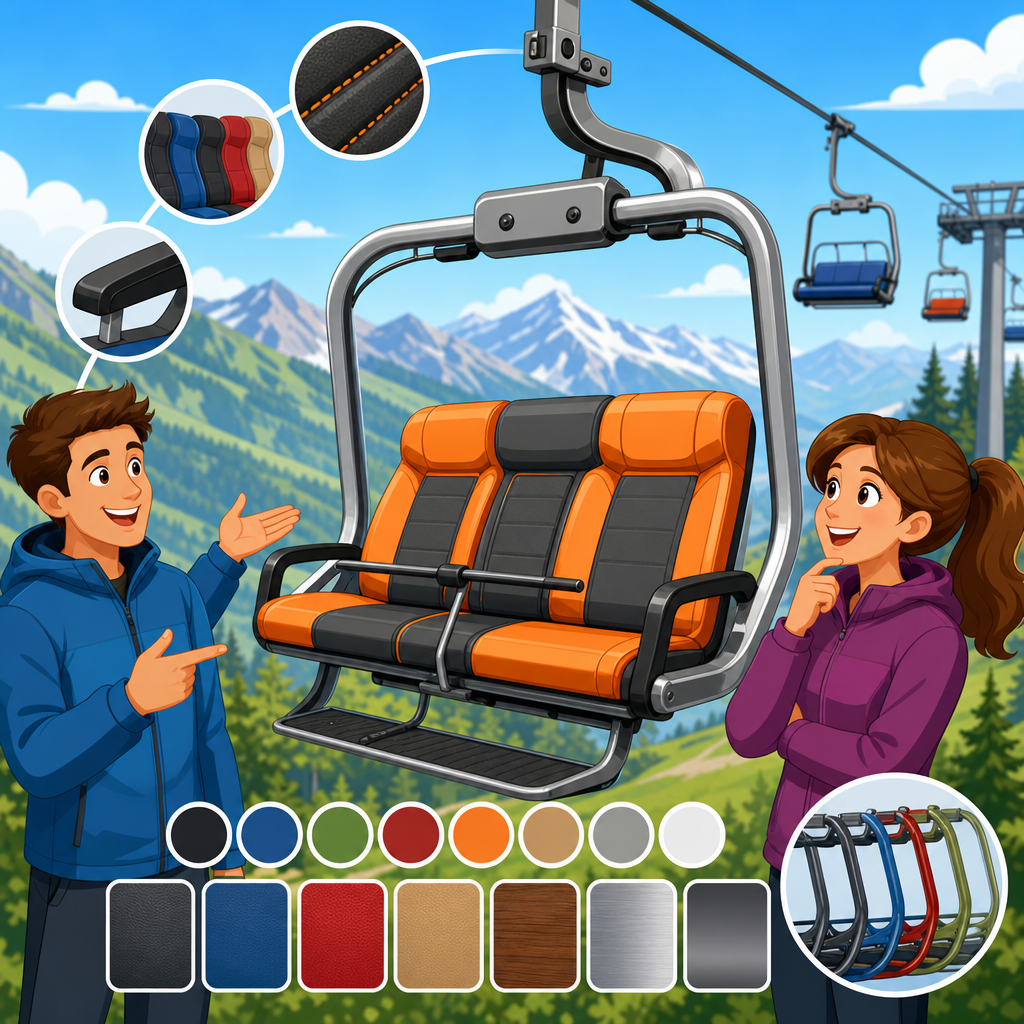
Premium customization options for chair lift buyers matter because the best stairlift is rarely the cheapest standard model; it is the one that fits the user, the staircase, and the home with precision. In practice, “premium” does not simply mean a higher price tag. It refers to advanced features, better materials, refined ride quality, stronger engineering, and tailored installation choices that improve safety, comfort, aesthetics, and long-term usability. For buyers comparing luxury stairlifts, custom chair lift features can make the difference between a device that feels clinical and one that becomes an integrated part of daily living.
When I evaluate premium stairlift packages, I look at five core variables first: rail design, seat and body ergonomics, drive system performance, safety technology, and finish options. Those fundamentals determine whether a chair lift serves a narrow practical purpose or delivers a genuinely elevated ownership experience. This matters especially in larger homes, architect-designed interiors, historic properties, and multigenerational households where visual impact and flexible use are just as important as mobility support.
Chair lifts are often purchased during stressful life stages, after a fall, a new diagnosis, or a difficult recovery. Buyers therefore need direct answers to common questions: What makes a luxury model different from a standard unit? Which premium options are worth paying for? Can a stairlift be customized without compromising safety? How do top brands approach curved stairs, heavy-duty needs, or upscale interiors? This guide answers those questions in clear terms and serves as the main overview for luxury and premium models within a broader buying guides and product reviews category.
At the premium end of the market, customization is not cosmetic. It is a structured process that begins with a survey, often using digital photo measurement, laser mapping, or CAD-assisted rail design, and ends with a chair lift built around exact stair geometry and user requirements. Leading manufacturers such as Stannah, Bruno, Handicare, Access BDD, and Harmar each offer different high-end configurations, but the best results come from matching the option set to the household rather than chasing the longest feature list.
What premium customization means in a chair lift
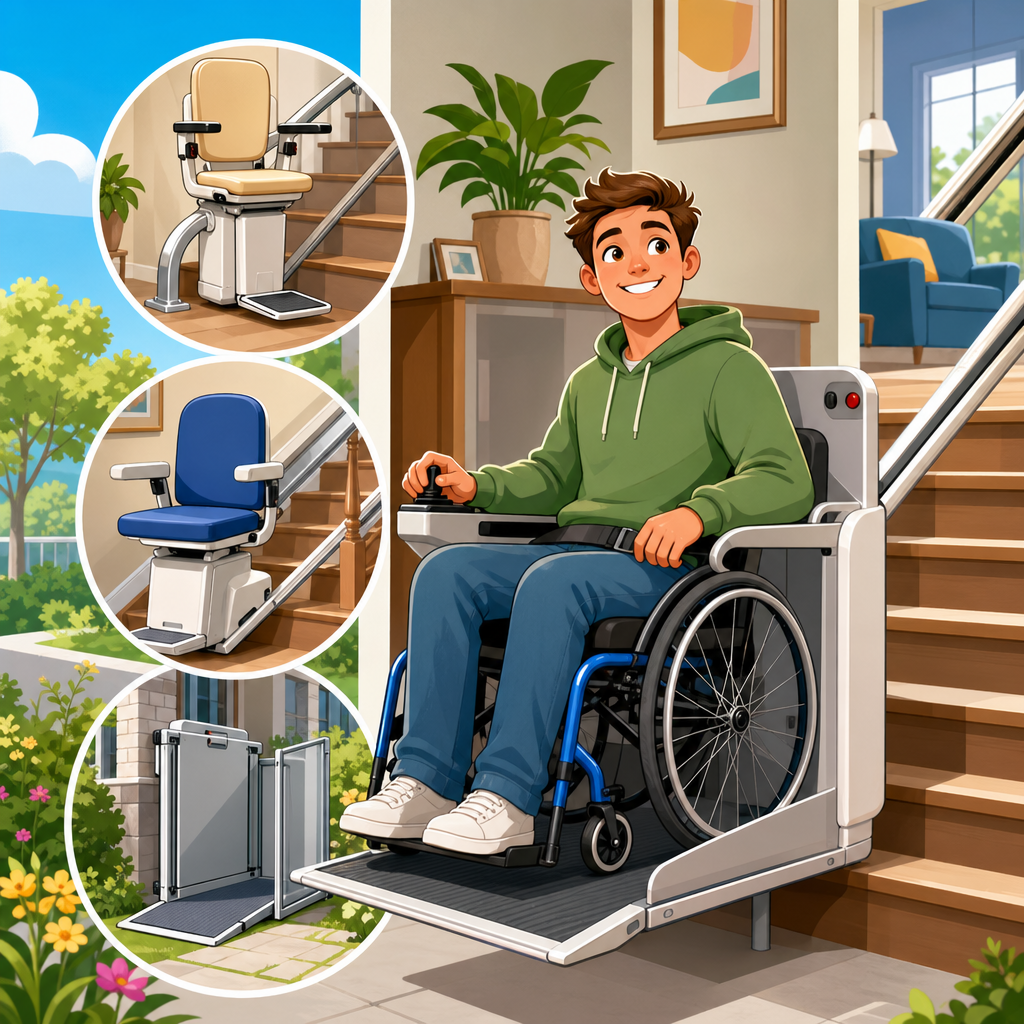
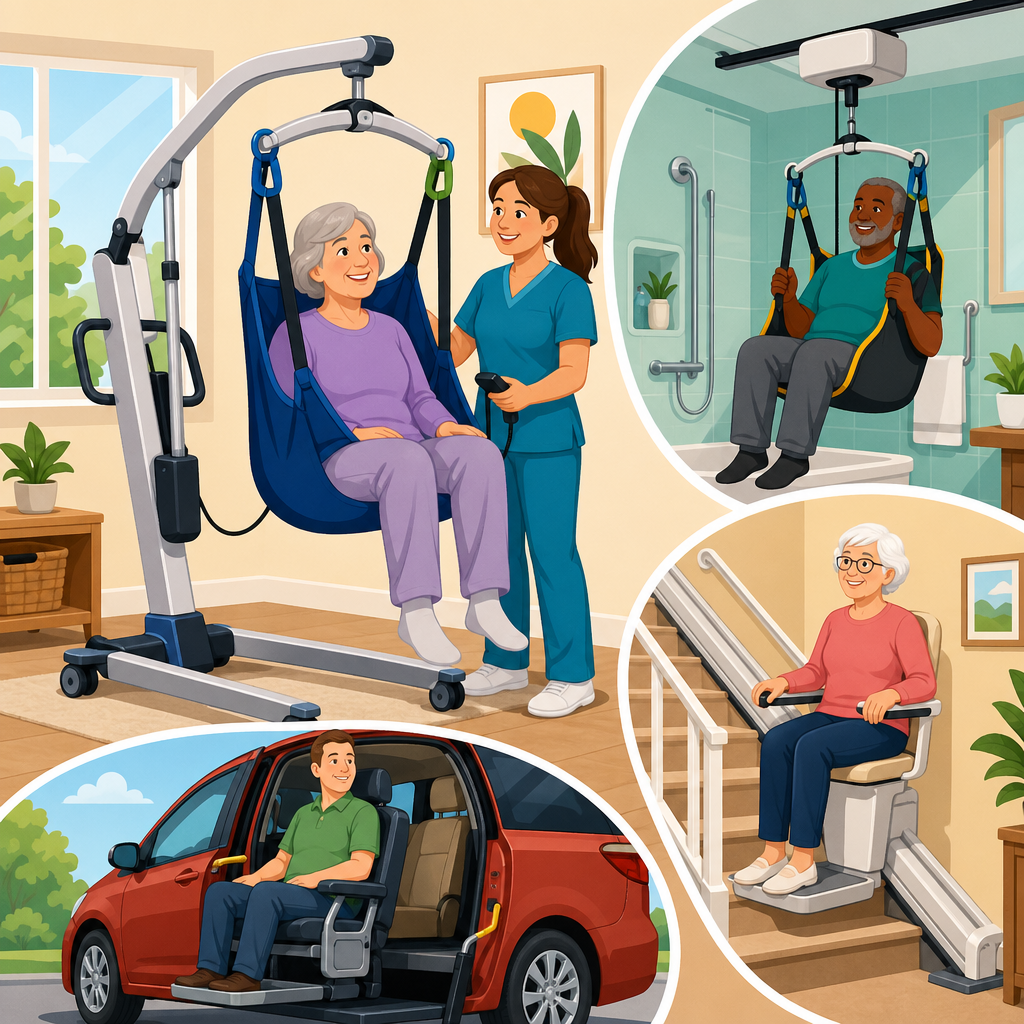
A premium chair lift is defined by made-to-measure engineering and higher-spec components. Standard straight stairlifts are typically modular products installed quickly on simple runs. Premium units, by contrast, often include bespoke curved rails, power swivel seats, powered footrests, upgraded upholstery, integrated diagnostics, and slim-profile parking solutions designed for traffic flow. They may also support outdoor use, high weight capacities, or complex transfer positions at top and bottom landings.
The highest-value customization starts with user fit. Seat height, arm width, backrest shape, footrest spacing, and swivel direction all affect transfer safety. For a buyer with reduced hip flexion, a perch-style or higher seat can make standing easier. For someone with limited hand strength, powered folding and one-touch controls reduce strain. For a taller user, additional seat-to-footrest distance is not a luxury feature; it is essential for posture and knee comfort during travel.
Staircase fit is equally important. Curved, spiral, split-level, or intermediate-landing staircases require precision rail fabrication. In premium installations, rail overruns can move the chair away from the stair edge to create a safer boarding point. Hinged rails, drop noses, and zero-intrusion parking positions help avoid blocking hallways or doorways. In homes where every inch matters, those details are often worth more than decorative upgrades.
Rail design, ride quality, and engineering upgrades
The rail is the foundation of every stairlift, and premium buyers should study it closely. Straight rails are simpler and less expensive, but luxury models often distinguish themselves through slimmer extrusion profiles, cleaner mount placement, and quieter travel. On curved staircases, custom rails are usually manufactured from measured templates or digital scans, then finished to follow the staircase as tightly as possible. A well-designed rail preserves walking space and reduces the visual bulk that makes some stairlifts look institutional.
Ride quality comes from more than motor power. Premium stairlifts use improved transmission design, soft-start and soft-stop programming, tighter tolerance engineering, and more effective chassis balancing. The result is less jerk at launch, smoother negotiation through bends, and lower perceived vibration. Buyers sensitive to motion, including many older users, notice this immediately. In side-by-side demonstrations, rough starts often undermine confidence more than speed ever helps it.
Battery systems are another area where premium models justify their cost. Most modern stairlifts are battery powered and charge continuously at designated points. Higher-end units tend to manage charging more intelligently, maintain steadier performance during power outages, and provide clearer diagnostics when battery health declines. That matters because weak batteries are one of the most common service issues, and premium systems often make faults easier to identify before the lift stops mid-use.
Outdoor engineering also deserves special mention. Premium outdoor stairlifts use weather-resistant seats, sealed controls, anodized or treated rails, and fitted covers. In coastal or freeze-thaw environments, material specification matters. Powder coating, corrosion-resistant hardware, and proper drainage design significantly affect lifespan. Buyers in these climates should ask for explicit environmental ratings, not general assurances that the unit is “suitable outdoors.”
Comfort, seating, and accessibility-focused options
Comfort upgrades are the most visible part of premium customization, but they should be evaluated functionally. Better padding, contoured seatbacks, and supportive armrests improve comfort during short rides, yet the bigger issue is transfer security. A powered swivel seat can reduce twisting at the top landing, where many falls occur. A powered footrest prevents the user from bending down. Retractable seatbelts, larger controls, and ergonomic joystick or toggle designs improve use for people with arthritis or limited dexterity.
Upholstery and finish choices now extend well beyond basic vinyl. High-end models may offer woven fabrics, marine-grade outdoor materials, stitched faux leather, and coordinated color packages that blend with wall paint, trim, or carpeting. In luxury homes, that visual integration matters. A stairlift installed in a central foyer should not feel like a temporary medical device if the owner expects to use it for years.
Buyers with more complex mobility needs should also consider specialized seating geometry. Perch seats support users who struggle to bend fully at the knee. Wider seats and heavy-duty frames can accommodate higher weight capacities, often 350 to 600 pounds depending on the model. Seat depth, arm spacing, and footplate dimensions should all be tested in person whenever possible. Catalog photos cannot tell you whether a seat edge presses under the thigh or whether the armrests support a confident push to stand.
| Customization area | Premium option | Main benefit | Best fit for |
|---|---|---|---|
| Transfer safety | Power swivel seat | Reduces twisting at landing | Users with balance or hip limitations |
| Lower-body comfort | Power footrest | Avoids bending to fold plate | Users with back pain or limited reach |
| Space efficiency | Hinged rail | Keeps doorway or hallway clear | Homes with obstructed bottom landings |
| User fit | Heavy-duty or wide seat package | Improves support and stability | Larger body types or bariatric needs |
| Interior design | Custom upholstery and rail finish | Blends with décor | High-visibility living spaces |
Smart controls, diagnostics, and safety systems
Safety technology in premium chair lifts has advanced meaningfully in the last decade. Core protections such as overspeed governors, obstruction sensors, seatbelt interlocks, limit switches, and battery backup are now standard on many reputable models. What sets luxury versions apart is refinement. Sensors are more responsive, controls are easier to interpret, and onboard diagnostics shorten service visits by helping technicians isolate faults quickly.
Call-send controls are a good example. Basic wireless remotes simply move the chair from one end of the rail to the other. Premium systems may offer improved range, wall-mounted and handheld options, and better integration with multiple parking points on complex curved rails. In shared households, this reduces friction because one user can summon the lift without shouting upstairs or leaving the chair parked in a visually intrusive location.
Diagnostic capability is often overlooked during shopping, but it matters for uptime. Premium lifts commonly store error codes, cycle counts, and charging status, which helps service teams resolve issues faster. Some dealers can interpret these readings during maintenance visits to replace wear items before failure. While stairlifts are generally reliable, downtime is serious when the lift is the primary way to access a bedroom or bathroom.
Do not confuse convenience features with medical monitoring. A stairlift is a mobility device, not a fall-detection system or a substitute for home care planning. Buyers should prioritize proven mechanical safety, dealer service response, and code-compliant installation over novelty features that sound impressive in brochures but provide limited daily value.
Aesthetic integration for luxury homes and historic properties
In premium projects, appearance is not secondary. I have seen buyers reject technically excellent stairlifts because the rail color clashed with iron balusters or the parked chair dominated a formal entry. Manufacturers have responded with slimmer seats, cleaner lines, hidden fasteners, and broader finish selections. Some curved rail systems can be mounted to hug the inside or outside of the staircase depending on visual impact, user transfer needs, and available walking space.
Historic properties require extra care. Original woodwork, stone treads, and narrow turns can limit installation choices, yet premium customization often makes these jobs possible. Detailed surveys allow fabricators to design rails around bannisters, radiator projections, and difficult intermediate landings. Installers may recommend parking the chair around a corner, using a manual or powered hinge, or selecting a compact seat base to protect clearance. The goal is to preserve both function and character.
For upscale interiors, ask to see actual finish samples rather than brochure swatches. Lighting changes perception, and a beige vinyl that looks neutral in a catalog may read yellow against cool-toned millwork. Rail color, seat material, and folded profile should all be considered from the main sightlines of the home. Good dealers understand this and treat the stairlift as part of the interior environment, not just an appliance.
Costs, tradeoffs, and how to choose the right premium package
Premium customization increases cost, but not every upgrade delivers equal value. Straight stairlifts often start in the lower thousands, while fully customized curved models with powered options and design upgrades can move well into five figures. The biggest cost drivers are usually rail complexity, installation difficulty, and powered features. Upholstery upgrades and color changes typically add less than bespoke engineering or a heavy-duty chassis.
The smart way to buy is to separate needs from preferences. If the user struggles to twist, a powered swivel is a need. If the bottom of the stairs opens into a doorway, a hinged rail may be a need. If the lift sits in a formal room, upgraded finishes may be a justified preference because visual acceptance affects whether the buyer feels comfortable keeping and using the equipment long term. A good dealer will document these priorities during assessment rather than pushing a preset premium bundle.
Brand support and local service should carry as much weight as the feature list. Even an excellent chair lift depends on proper installation, maintenance, and parts availability. Ask who performs the survey, who installs the unit, whether the dealer uses factory-trained technicians, what the warranty covers, and how quickly emergency service is available. Also ask whether the rail is manufactured specifically for your stairs and whether revisions are possible if site conditions change during installation.
For most buyers, the best premium chair lift combines three things: a custom rail that fits the staircase cleanly, ergonomic options that match the user’s body and mobility, and a finish package that suits the home. That combination improves safety, confidence, and satisfaction far more than chasing every available add-on. Use this hub as your starting point for deeper model comparisons, curved stairlift reviews, and brand-specific buying advice, then book an in-home assessment with a reputable dealer to identify the premium customization options that truly matter for your space.
Frequently Asked Questions
What does “premium customization” actually mean when buying a chair lift?
Premium customization means the chair lift is tailored to the user, the staircase, and the home rather than chosen as a one-size-fits-all product. For most buyers, the best stairlift is not simply the least expensive standard model. It is the one designed around how the person moves, how the staircase is built, and how the lift will look and perform over many years of daily use. A premium chair lift may include a custom-fabricated rail for unusual stair layouts, upgraded seat dimensions for better body support, smoother start-and-stop technology, quieter drive systems, power swivel and power footrest functions, and higher-end upholstery or finish options that blend more naturally into the home.
It also includes installation details that improve safety and convenience. Examples include folding rails to keep hallways clear, overrun sections that move the rider farther away from the stairs at the top or bottom landing, and call/send controls placed where they are easiest to use. In many cases, premium customization also means engineering upgrades, such as increased weight capacity, reinforced seats, advanced sensors, and battery backup systems that maintain operation during a power outage. In short, premium customization is not just about luxury for its own sake. It is about fit, comfort, appearance, reliability, and a better ownership experience.
Which premium features make the biggest difference in comfort and ride quality?
The features that most noticeably improve comfort and ride quality are usually the ones that affect how the rider sits, how the lift moves, and how easy it is to get on and off safely. A well-designed premium seat with better contouring, supportive armrests, and high-quality padding can make a major difference, especially for users with back pain, reduced balance, hip limitations, or joint stiffness. Adjustable seat height, seat depth, and arm positioning can help create a much more secure and natural sitting posture than a standard chair configuration.
Ride quality is also heavily influenced by the drive system and rail design. Premium stairlifts often provide smoother acceleration and deceleration, reducing the jerky feeling some riders dislike. This matters greatly for users who are nervous about using the stairs, sensitive to motion, or recovering from injury. Quiet operation is another underrated advantage. Better motors, improved transmission design, and more refined engineering can significantly reduce vibration and noise, making the lift feel more stable and less intrusive in the home.
Features that support easier transfers are equally important. Power swivel seats allow the user to rotate away from the staircase at the landing with minimal effort. Power footrests reduce the need to bend down, which is especially valuable for users with arthritis or limited flexibility. Folding arms, folding seats, and compact profiles improve access for other household members while keeping the lift easier to manage. For many buyers, the most meaningful premium upgrade is not one dramatic feature, but a combination of comfort, motion control, and transfer support that makes the chair lift feel intuitive and confidence-building every day.
How can a premium chair lift be customized for curved, narrow, or otherwise challenging staircases?
One of the clearest reasons buyers choose premium options is the need to accommodate complex staircase designs. Straight staircases are generally the simplest and least expensive to serve, but many homes have curves, intermediate landings, narrow passages, steep angles, or layout constraints near doors and hallways. In these situations, premium customization typically begins with a detailed site assessment and precise measurements so the rail can be engineered specifically for that staircase. A custom curved rail is often manufactured to follow the exact shape of the stairs, allowing the lift to travel smoothly around turns and landings without compromising safety or space planning.
For narrow staircases, premium solutions may include slimmer rail profiles, compact seat designs, folding components, and parking positions that move the chair out of the main pathway when not in use. A hinged or folding rail at the bottom can be especially useful if the staircase ends near a doorway, entry hall, or circulation area where a fixed rail would create an obstacle. On multi-landing staircases, the overrun can be configured so the rider dismounts in a safer, more open location rather than directly above the steps.
In difficult installations, the value of premium customization is not only that the lift can be made to fit, but that it can be made to fit well. A tailored solution can preserve more walking space, reduce visual clutter, improve boarding and exit positions, and create a more natural integration with the architecture of the home. Buyers with challenging staircases should pay close attention to the manufacturer’s design process, installation experience, and willingness to recommend layout-specific options rather than forcing a standard system into a space where it is not ideal.
Are aesthetic upgrades and material choices worth considering, or are they mostly cosmetic?
Aesthetic upgrades are absolutely worth considering because a chair lift becomes a visible and frequently used part of the home. While safety and function come first, appearance affects long-term satisfaction more than many buyers expect. A premium stairlift may offer a wider selection of upholstery colors, fabric or vinyl finishes, slimmer seat styling, rail color choices, and more refined overall design. These options can help the lift blend into the surrounding decor instead of standing out as a purely medical-looking device.
Material quality also goes beyond cosmetics. Better upholstery can be easier to clean, more durable, and more comfortable over time. Higher-grade plastics, metals, and finish coatings may resist wear, scratches, and discoloration better than basic components. Premium build quality often contributes to a quieter, more solid feel during operation, which reinforces both comfort and confidence. In homes where the chair lift is installed in a main entryway or prominent staircase, these upgrades can be particularly valuable because they reduce the visual impact of the equipment on the living space.
There is also a practical ownership consideration. A chair lift that looks more integrated and feels more thoughtfully designed is often more acceptable to both the user and the rest of the household. That can improve day-to-day willingness to use it and reduce the sense that the home has been overtaken by assistive equipment. So while some upgrades are certainly cosmetic, many aesthetic and material choices support durability, usability, and emotional comfort as much as visual appeal.
How should buyers decide which premium customization options are truly worth the investment?
The best way to evaluate premium options is to rank them by their impact on safety, daily usability, physical comfort, and long-term fit. Buyers should start by considering the user’s current mobility needs, but they should also think ahead. If the rider has arthritis, limited balance, difficulty bending, or a progressive condition, features like a power swivel seat, power footrest, easier-to-grip controls, and smoother ride programming may be more than convenient extras; they may be essential for continued independent use. If the staircase is narrow or curved, custom rail engineering and space-saving folding components may also be necessary rather than optional.
It is wise to ask whether a feature solves a real problem the user will face every day. A higher weight capacity, better seat support, upgraded safety sensors, and battery backup usually provide tangible value. Quiet operation and improved upholstery may also be worthwhile if the lift will be used frequently in a shared living space. On the other hand, some upgrades may be less important if they do not match the user’s needs or the home’s layout. The goal is not to buy every premium feature available. It is to choose the options that measurably improve safety, comfort, accessibility, and confidence.
Buyers should also consider service support, warranty coverage, and installer expertise as part of the premium equation. A beautifully customized chair lift is only as good as its installation quality and long-term reliability. Reputable providers will explain why specific options are being recommended, show how those features relate to the staircase and the user’s mobility, and outline the maintenance expectations clearly. The most worthwhile investment is a system that feels secure, fits the home properly, and continues to meet the user’s needs well into the future.