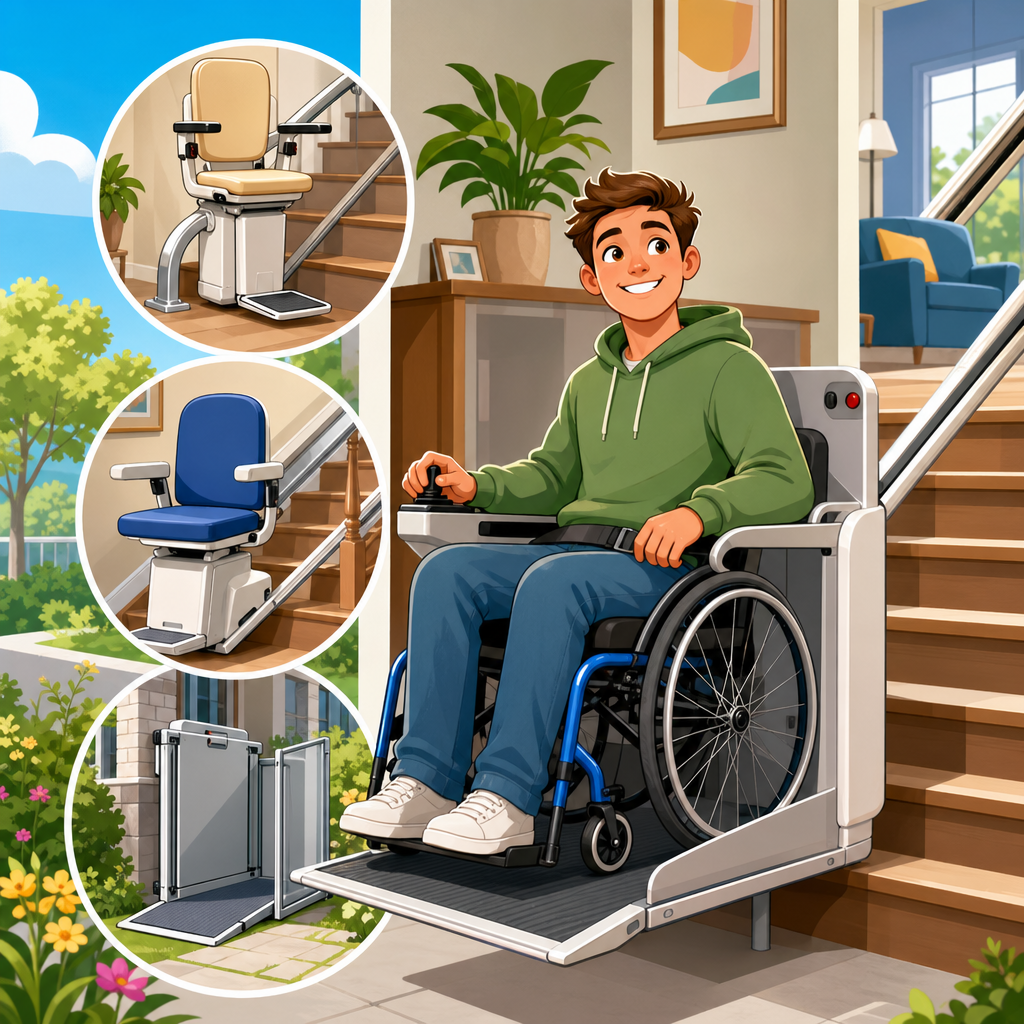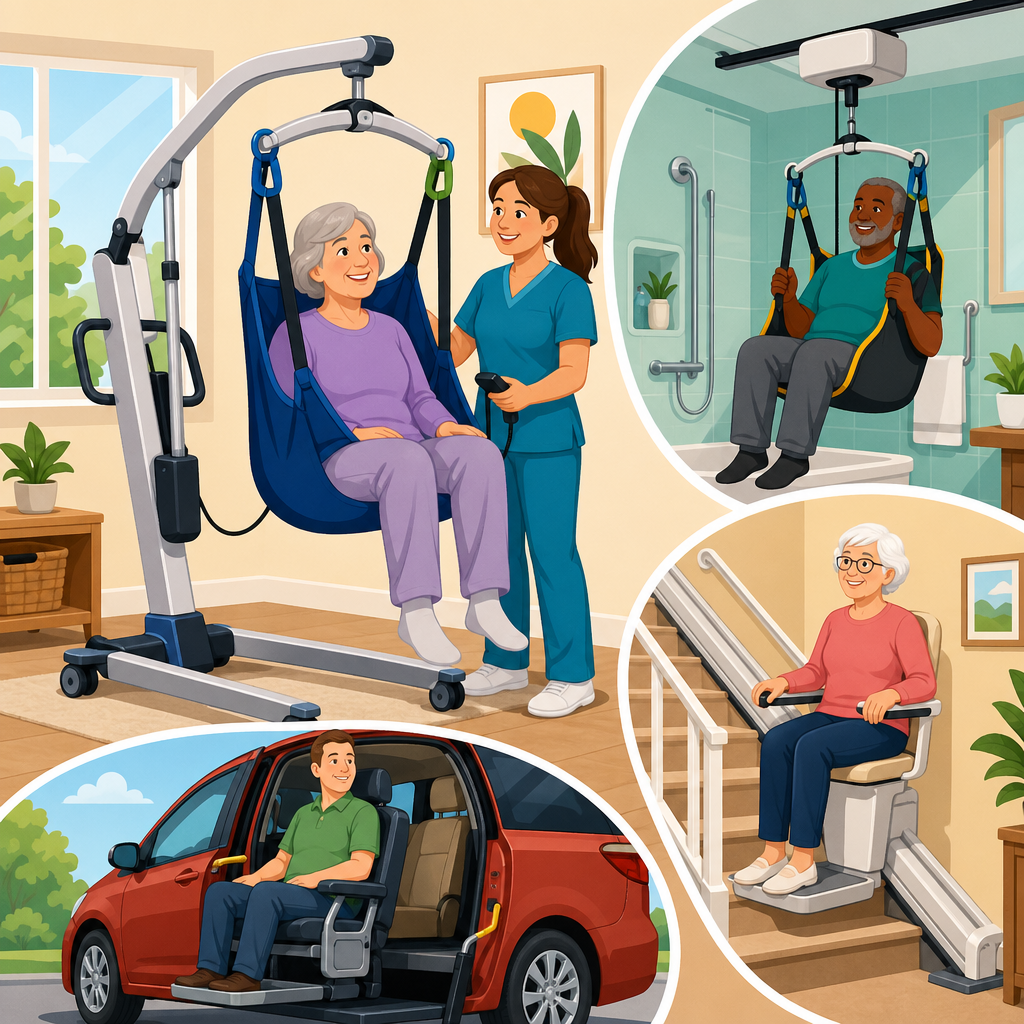
Luxury chair lifts sit at the intersection of mobility support, interior design, and long-term home planning. Unlike entry-level stair lifts that focus almost entirely on basic transport, premium models are built to improve comfort, reduce physical strain, blend into finished interiors, and serve users whose needs may change over time. When buyers compare luxury chair lifts by design and comfort, they are usually weighing more than upholstery color or a smoother ride. They are comparing rail engineering, seat ergonomics, motor behavior, folding geometry, controls, safety systems, warranty terms, and the quality of installation support.
In projects I have worked on, the biggest mistake buyers make is treating all premium stair lifts as upgraded versions of the same product. They are not. Some are compact, design-led models created for narrow staircases and visually sensitive homes. Others are heavier-duty, highly adjustable systems meant for daily therapeutic use, larger users, or houses where multiple family members depend on the lift. A true luxury model typically adds better materials, quieter travel, improved custom fitting, and more refined seating, but those benefits only matter if the lift matches the staircase, the user, and the home.
For this luxury and premium models hub, the goal is simple: help you compare chair lifts in a way that leads to a better buying decision. Key terms matter. A straight stair lift runs on a standard rail for a staircase without turns. A curved stair lift is built to a custom rail that follows bends, landings, or intermediate turns. Perch seats support riders who struggle to bend fully at the hip or knee. Powered swivel seats rotate at the top landing to improve exit safety. Folding rails, often called hinged rails, lift the lower section of track to clear a doorway or walkway. Understanding these distinctions makes premium comparisons much more useful.
Why does this matter? Because a chair lift is not just a purchase; it becomes part of the user’s daily movement pattern. Good design lowers fatigue, reduces transfer risk, and preserves dignity. Good comfort increases consistent use. Premium chair lifts also tend to hold up better under frequent cycling, and many offer cleaner installation details that preserve property value. If you are evaluating luxury stair lifts for yourself, a parent, or a client, the right comparison framework can save money, avoid fit problems, and point you toward the premium model that genuinely earns its price.
What Defines a Luxury Chair Lift
A luxury chair lift is defined less by branding than by execution. Premium models usually deliver tighter ride quality, better seat cushioning, more precise rail fabrication, stronger finish options, and a wider set of powered features. In practical terms, that means less vibration over rail joints, quieter starts and stops, more supportive armrests, and upholstery that feels closer to high-end seating than medical equipment. The best models also integrate controls cleanly, with intuitive armrest toggles, slimline charging contacts, and call stations that do not look like afterthoughts.
Design quality begins with the rail. Extruded aluminum and well-finished steel systems are common, but the difference is in manufacturing tolerances and custom mapping. Curved premium lifts are often measured using photo surveys or digital stair templates, then fabricated to fit the exact geometry of the staircase. This matters because poor fit creates abrupt transitions, unnecessary rail projection, and awkward seat positioning at landings. High-end systems from names such as Handicare, Stannah, Bruno, Savaria, Harmar, and Access BDD vary by market, but the strongest premium offerings all emphasize fit accuracy and predictable ride behavior.
Comfort is equally technical. Seat width, back angle, lumbar support, armrest height, footrest depth, and swivel action all affect how secure the ride feels. I have seen buyers choose a visually beautiful model and regret it because the seat pan was too short for a taller user, forcing pressure onto the thighs. On the other hand, a slightly bulkier chair with better contouring can dramatically improve daily comfort. Premium does not always mean softer. It means support that matches the rider’s body mechanics and transfer needs.
Design Features That Matter in Premium Models
When buyers ask what design features matter most, the short answer is compactness, finish quality, and integration with the home. A luxury chair lift should look intentional on the staircase. Slim rails reduce visual bulk. Folded seat, arm, and footrest dimensions matter because they determine how much walking clearance remains for others. Premium manufacturers often shape their carriages and seat bases to look cleaner from the side, avoiding the industrial appearance seen on some budget units.
Finish options are another dividing line. Better lifts offer upholstery choices beyond basic vinyl, including woven textiles, upgraded faux leather, or easy-clean performance materials. Rail colors may include white, beige, gray, or custom powder-coated options to coordinate with trim and wall paint. Some premium curved lifts hide wiring and charge points more elegantly, which makes a visible difference in formal entry halls and open staircases.
Advanced design also improves usability. Automatic folding footrests reduce the need to bend. Powered swivel seats can be essential for riders with weak trunk control or painful knees. Retractable seat belts, joystick-style arm controls, and remote call/send stations all sound minor until they are used every day. In one renovation project, the deciding factor was a powered hinge rail that lifted clear of a foyer door. Without that feature, no model would have felt premium because the track would have blocked circulation.
| Feature | Why It Matters | Best For |
|---|---|---|
| Custom curved rail | Follows turns precisely and improves boarding position | Homes with landings, bends, or split staircases |
| Powered swivel seat | Helps riders exit facing away from stairs | Users with balance or hip mobility issues |
| Automatic footrest fold | Reduces bending during setup and storage | Users with back pain or limited reach |
| Hinged rail | Keeps doorways and walkways clear | Entry halls and tight ground-floor layouts |
| Low-profile carriage | Improves staircase appearance and clearance | Design-conscious homes and shared stairs |
Comfort Comparison: Seat Geometry, Ride Quality, and Ease of Transfer
Comfort in a luxury stair lift starts before the ride begins. The rider must be able to approach the seat, turn, sit, secure the belt, rest both feet, and stand up again without strain. That sequence is where premium models distinguish themselves. Seat height should allow stable transfers without dropping too low or perching too high. Armrests should support weight during sitting and standing. If they wobble, the chair never feels premium, no matter how nice the upholstery looks.
Ride quality depends on motor tuning, transmission design, and rail shape. Better systems accelerate and decelerate smoothly rather than lurching at the start. They also maintain a consistent speed through curves. Most residential stair lifts travel slowly for safety, but luxury models feel calmer because the carriage tracks cleanly and the seat remains stable. Noise matters too. A quieter drive train is not just a comfort issue; it makes early morning and nighttime use less disruptive in family homes.
Transfer comfort is often the deciding factor for older adults and users with arthritis, spinal stiffness, or neurological conditions. Swivel seats should lock positively at the landing. Footrests should sit at an angle that supports the ankles without forcing knee flexion. Some premium chairs offer perch configurations, which I have recommended successfully for users who cannot tolerate a full seated bend. These are niche solutions, but in the right case they are the difference between a lift that works and one that is abandoned.
Straight vs Curved Luxury Chair Lifts
Straight luxury chair lifts are usually faster to install, less expensive, and easier to service because the rail is standardized. If your staircase has no turns and the top and bottom landings are clear, a premium straight model can deliver excellent comfort without the cost of custom fabrication. This category is ideal for buyers who want refined seating, quiet operation, and powered options but do not need a bespoke rail.
Curved luxury chair lifts justify their higher price through customization. The rail is built specifically for the staircase, allowing the chair to park around corners, avoid blocking hallways, and stop exactly where boarding is safest. In higher-end homes, this matters because the lift can be designed to minimize visual intrusion. A well-executed curved installation often looks surprisingly integrated, especially on hardwood, wrought iron, or open-tread stairs where a generic solution would appear intrusive.
There are tradeoffs. Curved lifts cost more, require detailed surveying, and usually involve longer lead times. If the staircase changes later, the rail may not be reusable. Straight lifts are simpler, but they can become awkward if a bottom rail overruns into a doorway or leaves the rider in a poor transfer position. The best buying decision comes from prioritizing staircase geometry and user transfer safety first, then layering design preferences and comfort features on top of that foundation.
Brand Positioning and What Premium Buyers Should Compare
Shoppers often start by comparing brands, but model-level analysis is more useful. Still, certain manufacturers have recognizable strengths. Stannah is known for polished curved solutions and strong fit-and-finish. Bruno has a reputation in North America for robust engineering and dependable outdoor and straight-lift options. Savaria covers both accessibility and home-elevator markets, which can benefit buyers planning broader aging-in-place upgrades. Handicare and Harmar offer multiple residential configurations, including heavy-duty and specialty seating in some markets. Access BDD is frequently noted in bespoke curved installations.
The right comparison points are specific. Check weight capacity, seat dimensions, folded width, upholstery durability, available power options, battery backup behavior, and parking positions. Ask whether service parts are widely stocked in your region. Confirm who actually installs and services the lift: a factory branch, an authorized dealer, or a subcontractor. In luxury purchasing, support quality matters as much as product specification. A beautifully designed lift is not premium if repairs take weeks.
Also compare warranties with precision. Some cover major components for years but exclude labor after a shorter period. Others separate motor, gearbox, electronics, and rail. I always advise buyers to request a written breakdown of what is covered, for how long, and under what maintenance conditions. Premium pricing should buy predictable ownership, not ambiguity.
Installation, Safety Standards, and Long-Term Value
Installation quality determines whether a luxury chair lift feels refined or problematic. Stair lifts are generally mounted to stair treads, not the wall, so the staircase structure must be assessed for secure anchoring and safe clearances. A skilled installer checks landing space, seat-to-hallway orientation, charge points, and any conflict with doors, radiators, trim, or handrails. On curved systems, precise surveying is critical because small errors can affect ride smoothness and final stop positions.
Safety should be non-negotiable. Reputable residential stair lifts are designed around established code and performance expectations, including obstruction sensors, overspeed controls, seat belts, battery operation during power outages, and secure swivel locking at landings. Depending on market, you may see reference to standards such as ASME A18.1 or applicable CE and machinery compliance requirements. Buyers do not need to become code experts, but they should ask installers which standards the lift meets and how the installation will be documented.
Long-term value comes from reliability, parts access, and suitability over time. If a user’s mobility is likely to decline, choose a chair and control setup that can still work six or twelve months later. A cheaper premium-looking model that lacks transfer support may need replacement sooner. By contrast, a well-fitted lift with powered features, durable upholstery, and responsive service can deliver years of safe daily use while preserving comfort and independence throughout the home.
Comparing luxury chair lifts by design and comfort comes down to fit, function, and finish. The best premium model is not simply the most expensive or the most visually elegant. It is the one that matches the staircase exactly, supports safe transfers, provides consistent ride comfort, and integrates cleanly with the home. Buyers should focus on rail configuration, seat geometry, powered features, folded footprint, service support, and warranty clarity before making a decision.
As the hub page for luxury and premium models, this guide should help you narrow the field and ask better questions. Start with the staircase type, then assess the rider’s mobility needs, and only after that compare upholstery, styling, and optional upgrades. That sequence leads to better outcomes and fewer compromises. If you are actively shopping, use this framework to shortlist models, request in-home assessments, and compare written quotations line by line before choosing your chair lift.
Frequently Asked Questions
What makes a luxury chair lift different from a standard stair lift?
A luxury chair lift goes well beyond basic point-to-point transportation. Standard models are typically designed to solve a straightforward mobility issue at the lowest practical cost, which usually means simpler seating, more limited customization, and fewer features aimed at long-term comfort or visual integration. Luxury chair lifts, by contrast, are engineered for a more refined experience. That often includes higher-grade upholstery, better seat ergonomics, smoother start-and-stop operation, quieter drive systems, and rail designs that feel less intrusive in a finished home.
Another major difference is how premium models approach user comfort over time. Buyers are not just looking for a chair that moves up and down the stairs; they are looking for support that reduces strain on the hips, knees, and back during transfers and while seated. Luxury units may include features such as adjustable seat height, powered swivel seats, larger footrests, improved armrest shaping, and cushioning designed for longer-term daily use. These details can make a meaningful difference for users with arthritis, balance limitations, joint pain, or fluctuating mobility needs.
Design is also a defining factor. In many homes, especially those with carefully finished interiors, a chair lift is not viewed as a temporary medical device but as a permanent part of the environment. Premium models are more likely to offer tailored finishes, sleeker profiles, rail colors that coordinate with trim or staircase materials, and fold-away components that preserve the look and function of the stairs when the lift is not in use. In short, a luxury chair lift is distinguished by the quality of the ride, the sophistication of the design, and the degree to which it supports both comfort and home aesthetics.
Which comfort features matter most when comparing premium chair lifts?
The most important comfort features are the ones that improve safety, reduce physical effort, and make daily use feel natural rather than tiring. Seat design is usually at the top of the list. A well-contoured seat with supportive cushioning can improve posture and reduce pressure points, especially for users who rely on the lift multiple times per day. Backrest shape, seat width, and armrest placement all affect whether the rider feels stable and relaxed or cramped and unsupported.
Transfer comfort is equally important. Many buyers focus on the ride itself, but getting on and off the chair is often where strain occurs. Powered swivel seats can make a major difference by turning the user toward the landing, reducing awkward twisting and lowering the risk of losing balance. A footrest that is appropriately sized and easy to fold, whether manually or automatically, can also improve comfort and convenience, particularly for users with limited flexibility. Armrests that provide a secure grip without forcing the shoulders into an uncomfortable position are another practical detail that should not be overlooked.
Ride quality is the other key category. Premium chair lifts often emphasize smoother acceleration and deceleration, which reduces the jarring feeling some riders experience on simpler systems. A quieter motor and refined rail system can make the lift feel more reassuring and less mechanical. For some households, especially where the lift will be used frequently, that smoother and quieter performance contributes significantly to perceived luxury. Ultimately, the best comfort package is one that supports the user’s body during sitting, minimizes effort during transfers, and delivers a stable, calm ride every time.
How important is design and appearance when choosing a luxury chair lift?
Design and appearance are extremely important in the luxury category because the lift becomes part of the home’s visual environment, not just a piece of mobility equipment. In a well-designed interior, a bulky or obviously clinical stair lift can feel disruptive, even if it functions well. Premium buyers often want a solution that respects the architecture of the staircase, the finish level of the home, and the overall atmosphere of the space. That means comparing not only fabrics and colors, but also the profile of the rail, the way the chair folds, and how visible the system is when parked.
A better-designed luxury chair lift can preserve openness on the staircase and reduce the sense that the home has been overtaken by assistive equipment. Slimmer rails, compact carriage designs, and neatly folding seats, arms, and footrests can all help maintain both usability and appearance. Some premium models also offer parking options that move the chair away from the main living area, helping keep entryways and landings uncluttered. This is especially valuable in homes where first impressions matter or where the staircase is a central design feature.
Appearance also influences user satisfaction in a deeper way. Many people are more willing to adopt and consistently use mobility equipment if it feels dignified and thoughtfully integrated into their surroundings. A lift that complements the home instead of fighting against it can reduce emotional resistance to installation. For families planning for long-term aging in place, that balance between elegance and practicality is often one of the strongest arguments for choosing a premium model over a basic one.
Should buyers prioritize rail engineering and ride performance over upholstery and styling?
In most cases, yes. Upholstery and styling matter, especially in the luxury segment, but rail engineering and ride performance should generally come first because they affect safety, reliability, and everyday comfort. The rail is the structural and functional backbone of the system. Its design influences how smoothly the chair travels, how much space it occupies on the staircase, and how well it handles straight runs, turns, intermediate landings, or narrow sections. A beautifully finished chair will not feel luxurious for long if the ride is noisy, abrupt, or mechanically awkward.
Ride performance is especially important for users with pain, stiffness, or sensitivity to movement. Smooth starts and stops reduce jolting. Stable travel reduces anxiety. A well-engineered system can also improve confidence for users who may already feel uncertain about navigating stairs. In premium models, the best luxury experience usually comes from the combination of refined mechanics and thoughtful seating, not from surface aesthetics alone. When comparing products, it is wise to ask how the lift behaves in real-world use: how quiet it is, how stable it feels, how the chair handles curves, and how easy it is to park and operate.
That said, the ideal purchase is not an either-or decision. True luxury combines performance with design. Once buyers confirm that a model has strong engineering, dependable safety features, and a ride quality that suits the user’s physical needs, then upholstery, finish choices, and styling become meaningful differentiators. The smartest comparison process starts with function and comfort, then moves to aesthetics and personalization.
How can a luxury chair lift support long-term home planning and changing mobility needs?
A luxury chair lift can be a strong long-term investment because premium models are often chosen not just for present mobility challenges, but for how well they can continue serving the user as needs evolve. Many households install a chair lift during a transitional stage, when stairs are becoming more difficult but independence is still highly valued. In that situation, it makes sense to choose a system built for frequent use, easy operation, and consistent comfort rather than a bare-bones model that may feel limiting within a few years.
Features that support long-term planning include more accommodating seat dimensions, easier transfer options, intuitive controls, dependable battery backup, and sturdy construction intended for sustained daily use. If the user’s mobility decreases over time, details such as a powered swivel seat, automatic footrest, or enhanced seat support can become increasingly important. A premium unit may also be better suited for a home where multiple family members could use the lift, or where the goal is to make the property more livable without moving to a single-story residence or assisted setting.
Luxury models can also add value by protecting the feel of the home while making it more age-friendly. That matters in long-term planning because accessibility decisions are easier to live with when they do not make the home feel institutional. For homeowners committed to aging in place, the best luxury chair lift is one that meets current comfort expectations, anticipates future physical needs, and fits so naturally into the home that it remains a practical and dignified solution for years.