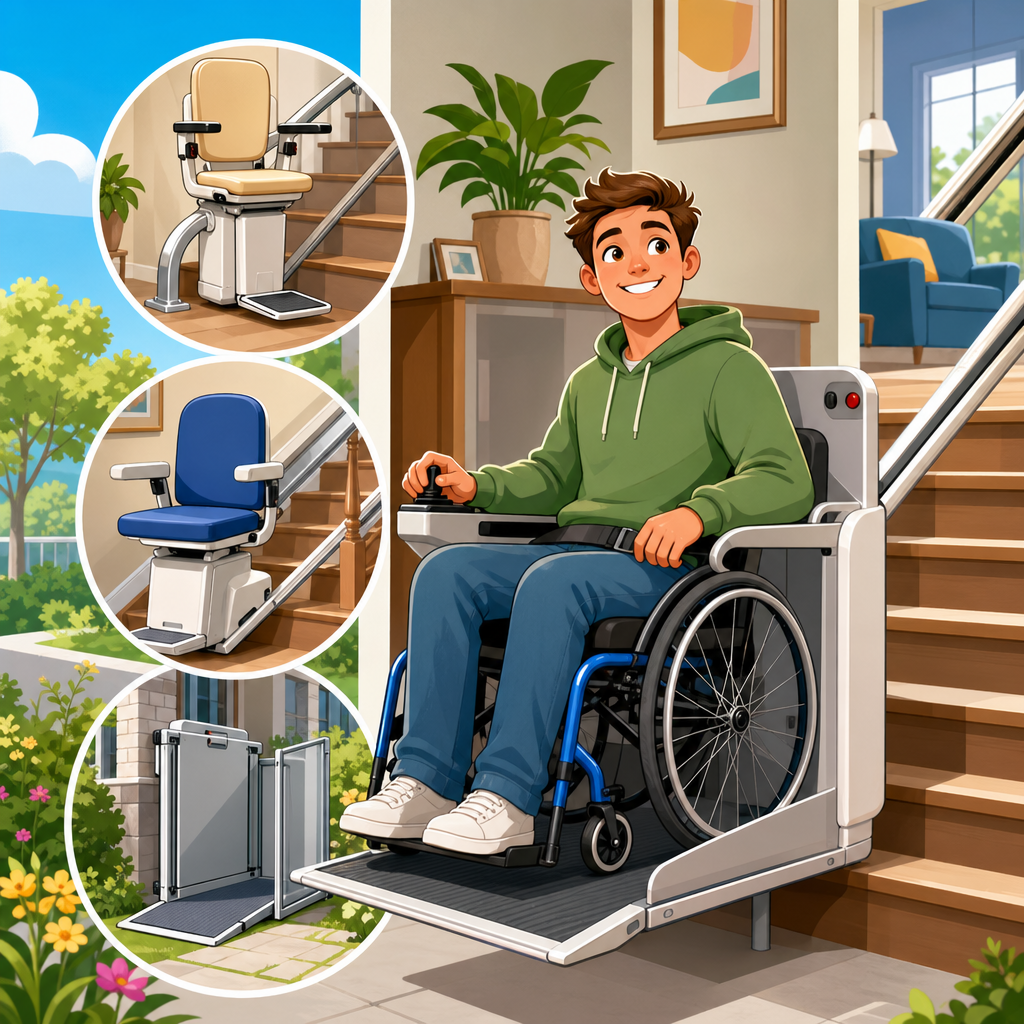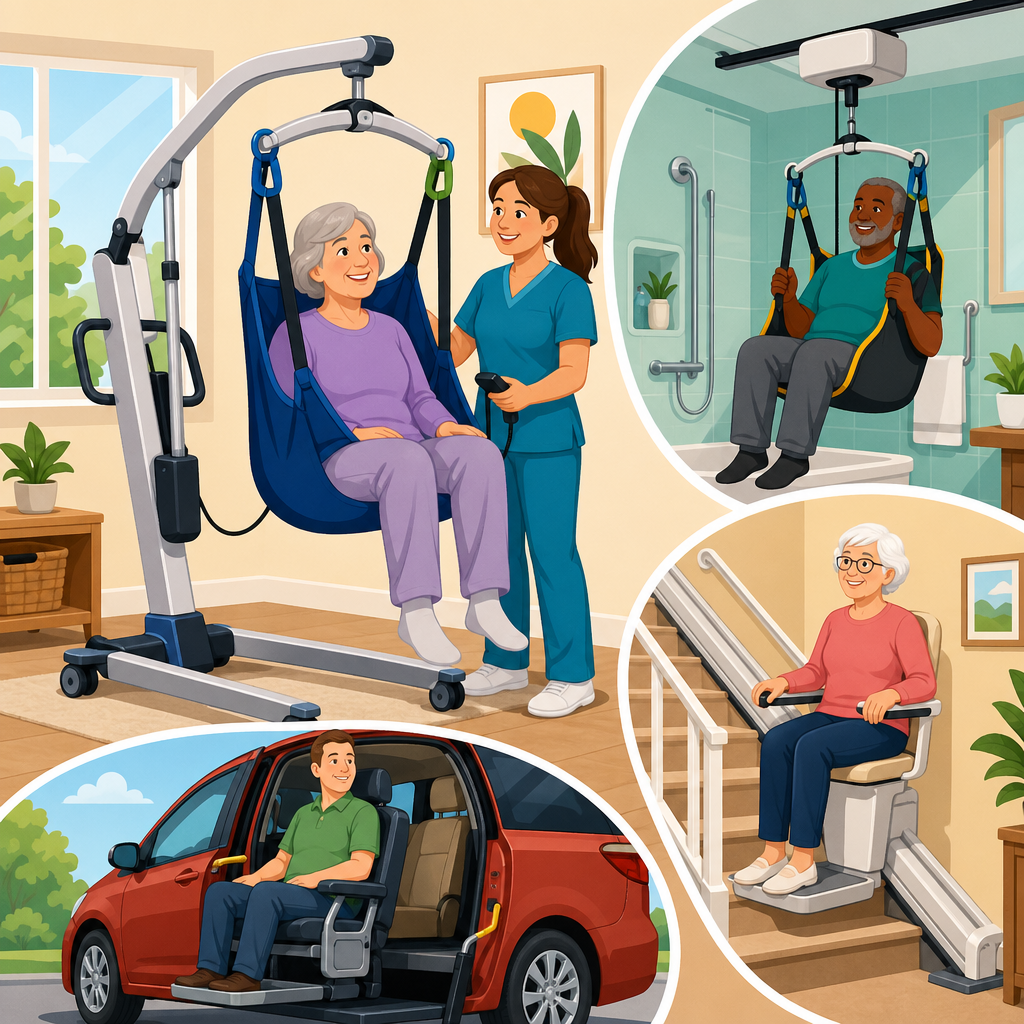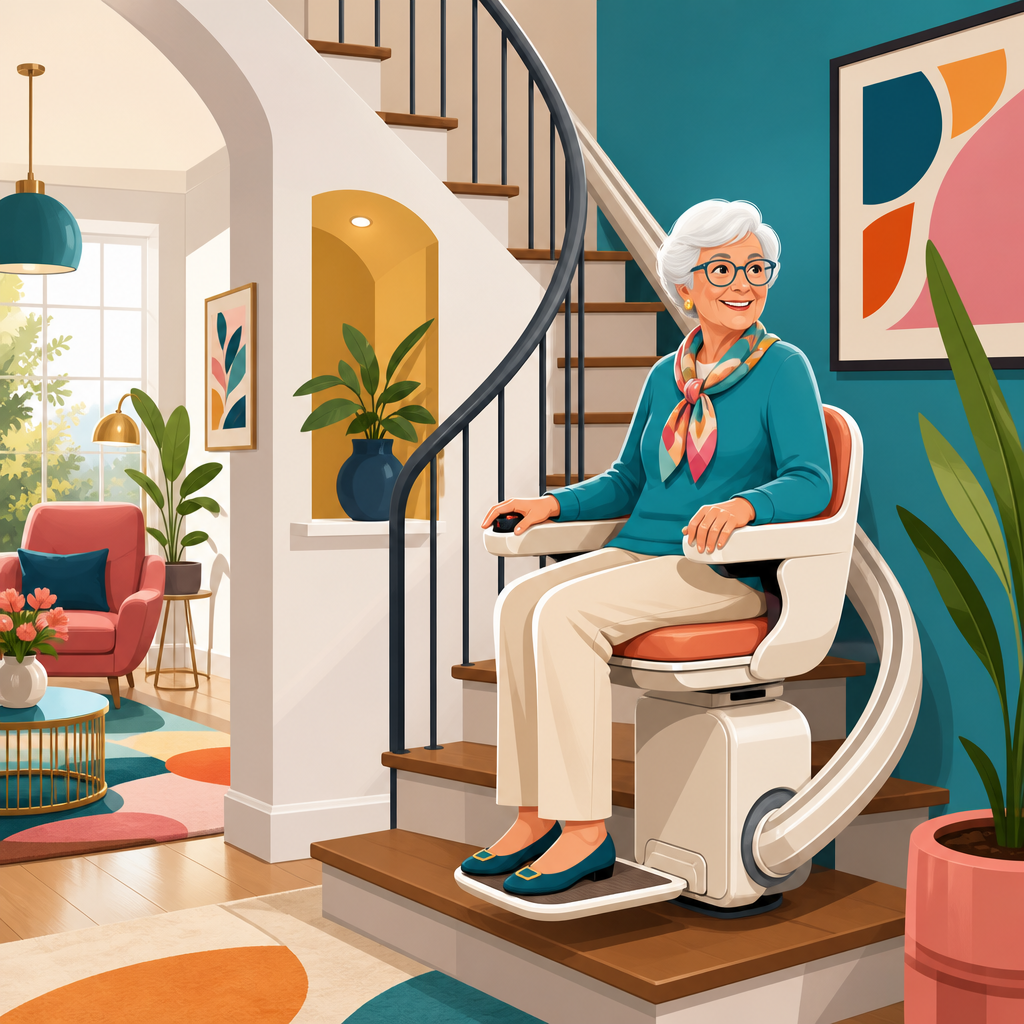
Designer stair lifts prove that mobility equipment no longer has to look clinical, bulky, or out of place in a carefully planned home. In the luxury and premium segment, a stair lift combines accessibility engineering with interior design, custom upholstery, quieter motors, slimmer rails, and high-end finishes that complement architecture rather than compete with it. For homeowners, adult children, architects, and occupational therapists, that shift matters because the buying decision is not only about safe movement between floors. It is also about preserving dignity, protecting property value, and maintaining a home’s visual identity. I have worked with families comparing standard lifts against premium models, and the pattern is consistent: people delay a purchase when they fear the product will make their hallway look medical. Designer stair lifts address that hesitation directly. They offer tailored rail colors, compact fold profiles, powered swivel seats, upgraded safety sensors, and installation approaches designed to minimize visual clutter. This article serves as a hub for luxury and premium models, explaining what defines a designer stair lift, which features truly justify higher pricing, how leading brands differ, and what buyers should evaluate before requesting quotes.
What Makes a Stair Lift “Designer”
A designer stair lift is a premium mobility system engineered to blend functional accessibility with elevated aesthetics, custom options, and refined user experience. The term does not simply mean expensive. In practice, it refers to products that improve on the three areas where standard units often feel compromised: appearance, space efficiency, and comfort. A true designer model usually includes a slim rail, discreet charging points, high-quality seat materials, hidden wiring, soft-start and soft-stop travel, and a color palette selected to match trim, flooring, or wall tones. Premium manufacturers also pay close attention to seat geometry. Better back support, easier transfer positions, and smoother footrest operation make daily use less tiring, especially for people with arthritis, reduced trunk stability, or limited knee flexion.
Another distinction is customization. On straight staircases, many midrange products can be fitted neatly, but premium lifts allow more finish choices and more thoughtful parking positions. On curved staircases, the designer category becomes clearer because the rail is built specifically for the home. Brands such as Handicare, Stannah, Bruno, and Access BDD all offer upper-tier options, yet the luxury end stands out through tighter tolerances, cleaner fabrication, and upholstery that looks closer to bespoke furniture than medical equipment. In homes with open-plan entryways, exposed stair halls, or heritage detailing, that difference is immediately visible.
Why does this matter beyond appearance? Because acceptance is a safety issue. When users dislike the look or feel of a lift, they postpone installation and keep attempting stairs that have become unsafe. Falls on stairs remain one of the most serious hazards for older adults, and the Centers for Disease Control and Prevention consistently identifies falls as a leading cause of injury in aging populations. A designer stair lift can remove the emotional barrier that often delays action. The best premium models solve a practical problem without making the user feel that the home has been surrendered to institutional equipment.
Core Features That Define Luxury and Premium Models
Luxury stair lifts earn their price through a combination of engineering upgrades and finish quality, not through branding alone. The first feature buyers notice is usually the rail. Premium rails are narrower, more precisely contoured, and often mounted to keep the staircase feeling open. On curved stairs, advanced rail fabrication produces smoother directional changes and fewer awkward transitions. That matters because ride quality is not cosmetic. Jerky starts or abrupt bends can feel unstable for users with balance concerns, vestibular sensitivity, or chronic pain.
Seats are the second major differentiator. Better models offer sculpted cushions, wider arm spacing options, adjustable seat height, and fabrics or vinyls selected for durability without a plastic look. Some luxury versions use woven textiles, leather-look finishes, or custom upholstery tones that coordinate with interior schemes. A powered swivel seat is especially valuable at the top landing, where safe exit is non-negotiable. When the seat turns automatically and locks in place, the user can stand onto the landing instead of twisting over the staircase.
Noise control is another premium marker. In real homes, excessive motor noise becomes annoying fast, particularly when the stair hall sits near bedrooms or a formal living room. Higher-end systems typically use refined transmission assemblies, better insulation, and smoother charging contacts to reduce operating noise. Battery backup is standard in most modern lifts, but premium units tend to perform better during power outages because charging systems are more reliable and ride calibration remains consistent.
Finally, luxury models focus on fold-away dimensions. A narrow folded profile preserves walking space for other household members and reduces the visual mass of the installation. This is crucial in townhouses, brownstones, and detached homes with statement staircases where every inch counts.
Leading Premium Brands and How They Compare
No single brand is best for every staircase, and that is especially true in the premium market. I advise buyers to compare brands by staircase type, service coverage, customization depth, and ride feel rather than by brochure photography alone. Stannah is widely respected for build quality, dealer support, and polished curved-lift engineering. Its premium models are often selected for homes where reliability and refined design need equal weight. Bruno is a strong contender in North America, known for robust construction, high weight capacities on some models, and excellent outdoor product options, though its visual language can look more utilitarian depending on configuration. Handicare offers solid customization and compact solutions, including some models well suited to tighter staircases. Access BDD, particularly with the Flow range, has earned attention for advanced seat rotation and perch-style travel on narrow curved stairs.
| Brand | Premium Strength | Best Fit | Potential Limitation |
|---|---|---|---|
| Stannah | Refined ride quality, strong curved systems, polished finish options | High-visibility interior staircases and buyers prioritizing long-term reliability | Pricing can be high, and some upgrades depend on dealer offerings |
| Bruno | Durable construction, strong dealer network, high-capacity options | Users needing sturdy performance and dependable North American support | Design may feel less furniture-like than some European premium models |
| Handicare | Compact installations, useful customization, broad staircase compatibility | Homes where space efficiency matters as much as appearance | Fit and finish vary more by dealer specification |
| Access BDD Flow | Advanced seat rotation, narrow stair capability, sophisticated curved travel | Challenging curved stairs and design-conscious buyers with limited width | Configuration complexity can increase cost and lead time |
The most important lesson from these comparisons is simple: premium stair lifts should be tested, not just viewed. A showroom ride reveals more than a specification sheet. Buyers often discover that one model feels more secure during swivel, another folds tighter, and another has armrests that better support transfers. That lived difference is worth more than a long feature list.
Design Integration in High-End Homes
In luxury properties, design integration is often the deciding factor. A stair lift installed in a formal foyer, a restored Victorian, or a modern architect-designed home needs to respect materials, sightlines, and circulation. Premium dealers approach this with a design mindset. They evaluate where the rail parks, whether the chair can be sent away from the main hall using call stations, and how upholstery, rail color, and trim details will read against the staircase. In some homes, a beige or parchment seat softens the visual impact against warm wood. In others, a charcoal or black finish makes the unit recede against dark iron balustrades.
Heritage homes create additional challenges. Original banisters, carved newel posts, and tight curves can limit equipment choices. Here, custom rail fabrication and precise installation matter more than ever. A poorly planned installation can block handrails, interrupt period detailing, or create awkward protrusions at landings. The best premium installers laser-measure the staircase, model parking points, and discuss daily traffic patterns before ordering the rail. That process is slower than a basic quote, but it reduces expensive surprises.
Modern homes present a different issue: minimalism leaves nowhere to hide visual clutter. On open-tread stairs or glass-adjacent stairwells, a standard lift can look intrusive. A slimmer rail, cleaner color matching, and a carefully selected park position can make the difference between acceptance and rejection. Designer stair lifts do not disappear, but they can be integrated so successfully that visitors register them as part of the home rather than as an afterthought.
Comfort, Ergonomics, and Everyday Usability
Good looks only matter if the chair is comfortable and easy to use every day. Premium stair lifts generally outperform standard models in ergonomics because they are designed around transfer safety and repeated use. Seat height, armrest length, back angle, and footrest clearance all affect whether a user can sit and stand confidently. For someone with hip stiffness, a slightly higher seat reduces effort during standing. For a user with limited ankle motion, a powered footrest prevents the dangerous habit of bending down on the stairs to fold the plate manually.
Controls are another area where premium products often justify their cost. Toggle controls, joystick-style operation, and large tactile buttons are easier for users with tremor, neuropathy, or reduced grip strength. Remote call/send controls allow the lift to be parked away from the main living area, which improves aesthetics and supports multi-user households. If one spouse uses the lift and the other walks the stairs, smooth parking logic matters more than many buyers expect.
Safety systems are now sophisticated across the category, but premium units typically package them better. Standard features should include obstruction sensors on the footrest and carriage, seat belts, overspeed governors, battery backup, and swivel interlocks. However, in the field, I have found that the difference lies in how naturally these safety features work. Better models stop predictably, restart cleanly after minor obstructions, and make seat rotation intuitive rather than fiddly. A device can be safe on paper and still feel stressful in practice. Premium engineering reduces that gap.
Costs, Value, and How to Buy Wisely
Designer stair lift pricing varies by staircase shape, rail complexity, seat options, and installation conditions. Straight premium models often start in the mid-thousands, while curved designer stair lifts commonly move into five figures because every rail is made to order. Outdoor-rated premium units also command higher prices due to weatherproofing, sealed components, and UV-resistant materials. Buyers should expect the quote to include surveying, manufacturing, installation, and warranty terms. If a price seems unusually low for a curved luxury model, check whether it excludes electrical work, rail overruns, powered options, or aftercare.
The smartest way to judge value is not cost alone but cost against years of safe use, avoided remodeling, and delayed relocation. In many households, a stair lift preserves access to primary bedrooms and bathrooms, which can postpone or eliminate the need to move. Compared with major renovation, especially adding an elevator or reworking a ground-floor suite, a premium stair lift is often the more efficient solution. Even so, buyers should ask hard questions. What is the lead time for a custom rail? Who services the unit locally? Are replacement batteries proprietary? What happens if upholstery is damaged? How long are labor and parts covered?
This subtopic hub is the right starting point because premium models deserve model-specific research before purchase. The next step is to narrow by staircase type, desired finish level, body support needs, and local service quality. Request at least two detailed surveys, ride the shortlisted units if possible, and review the warranty in writing. A designer stair lift should do more than carry someone upstairs. It should fit the home, support independence, and feel good enough to use every single day. If you are comparing luxury and premium models now, use this guide as your foundation, then move on to brand reviews, curved-versus-straight comparisons, and installation planning resources to choose with confidence.
Frequently Asked Questions
What makes a designer stair lift different from a standard stair lift?
A designer stair lift does everything a conventional stair lift is meant to do, but with much more attention paid to appearance, integration, and the overall feel of the home. Standard models often prioritize pure function, which can result in a more clinical look, visible mechanical components, bulkier seats, and finishes that stand out against surrounding decor. Designer stair lifts, by contrast, are created for homeowners who want accessibility without compromising the aesthetic quality of their interiors.
In practical terms, that usually means slimmer rail profiles, more refined seat silhouettes, higher-quality upholstery, quieter drive systems, and premium finishes such as tailored fabrics, leather-look materials, wood accents, or color-matched components. Many are designed to fold neatly away when not in use, reducing visual clutter and helping preserve hallway and staircase space. The result is a product that feels like part of the home rather than an obvious medical addition.
There is also a difference in how these products are selected and specified. A designer stair lift is often chosen with input from more than just the user. Adult children, interior designers, architects, and occupational therapists may all be involved in evaluating safety, comfort, usability, and how well the lift complements surrounding architecture. That broader decision-making process is one reason the premium segment has grown: people increasingly want mobility solutions that respect both independence and design standards.
Can a designer stair lift really blend in with a luxury or carefully designed home?
Yes, in many cases it can blend in remarkably well, especially when the model is chosen specifically for the staircase, interior palette, and architectural style of the property. Today’s premium stair lifts are not limited to one-size-fits-all styling. Manufacturers in the luxury segment increasingly offer customization options that allow the chair, rail, seat fabric, trim, and parking position to be selected with the room in mind. That makes a major difference in homes where every material and finish has been intentionally chosen.
For example, a slimline stair lift with a neutral upholstered seat and a rail finished to complement the staircase can feel much less visually intrusive than older, more utilitarian models. In period homes, the goal may be subtlety and preservation of character. In contemporary homes, the priority may be clean lines and minimal visual mass. In either case, designer models aim to work with the architecture rather than competing with it.
Another important factor is how the lift looks when parked and folded. Features such as folding arms, footrests, swivel seats, and compact rail systems help reduce its presence when not in use. On some installations, the chair can be parked away from the main living area, which is helpful if homeowners want the staircase to remain the focal point. While no stair lift becomes completely invisible, a well-specified designer model can look intentional, elegant, and far more in keeping with a premium home environment than many people expect.
Are designer stair lifts as safe and practical as they are stylish?
Absolutely. Style should never come at the expense of safety, and reputable designer stair lift manufacturers build their premium models around the same core safety principles as any high-quality lift. Key features typically include seat belts, obstruction sensors, swivel seats for safer transfers at the top landing, secure armrests, battery backup systems, and easy-to-use controls. Many also include soft-start and soft-stop operation for smoother travel, which improves comfort and confidence for the user.
In fact, premium stair lifts often enhance practicality because they are engineered with both daily use and user experience in mind. Quieter motors, more supportive seating, ergonomic controls, and smoother ride quality can make a real difference for someone using the lift regularly. This is especially valuable for older adults, people recovering from surgery, or users with arthritis, reduced balance, or fatigue. A lift that feels comfortable and intuitive is more likely to be used consistently and confidently.
Professional assessment and installation are just as important as the product itself. A stair lift should be selected based on the user’s mobility needs, body support requirements, staircase configuration, and transfer ability at the top and bottom landings. Occupational therapists may also be involved where there are more complex physical needs. So while the visual design may be what initially attracts attention, the best designer stair lifts are successful because they combine appearance with dependable engineering, safety compliance, and everyday usability.
What customization options are usually available with a designer stair lift?
Customization is one of the biggest reasons homeowners choose a designer stair lift over a standard entry-level model. Depending on the manufacturer and staircase layout, options may include upholstery colors and materials, seat styles, rail colors, wood or metallic accents, and different parking positions. Some premium models also offer upgraded controls, powered folding footrests, automatic swivel functions, and tailored seat heights or arm configurations for added comfort and accessibility.
These details matter because the stair lift is often being introduced into a home where furnishings, flooring, wall colors, and architectural features have already been carefully coordinated. A basic stair lift may do the job mechanically, but it can feel visually disconnected from the space. With a designer model, homeowners can often specify a finish that ties into the staircase, nearby joinery, or overall design scheme, helping the installation feel more cohesive.
Customization can also improve the user experience, not just the look. A seat shape that offers better posture support, easier-to-operate controls, or a rail design that minimizes projection into the staircase can all influence comfort and convenience. In curved staircases, bespoke rail fabrication is particularly important, since the system needs to follow the exact geometry of the stairs while maintaining a smooth ride and a tidy visual profile. The most successful installations are the ones where function, fit, and finish have all been considered together.
Is a designer stair lift worth the higher price?
For many households, yes, especially when the buying decision involves more than short-term function alone. A designer stair lift generally costs more because it offers a higher level of refinement in materials, engineering, customization, and installation. That premium often reflects quieter operation, better aesthetics, more compact design, greater comfort, and the ability to integrate more gracefully into the home. For homeowners who have invested significantly in their property, those qualities can be well worth paying for.
The value also becomes clearer when you consider what the purchase is really solving. In many cases, the goal is not simply moving up and down the stairs. It is preserving independence, making the home safely usable, avoiding or delaying a disruptive move, supporting aging in place, and reducing anxiety for family members. When seen in that broader context, a stair lift that performs reliably and complements the home can feel like a lifestyle investment rather than just a piece of equipment.
That said, whether it is worth the cost depends on the user’s needs, expected length of use, the style of the home, and the importance of visual integration. If the staircase is highly visible, the home has a luxury interior, or the user will rely on the lift every day, investing in a better-designed model often makes strong sense. The best approach is to compare models based on safety, comfort, noise level, customization, warranty, servicing, and installation quality, not just the headline price. A cheaper option may save money upfront, but a premium stair lift can deliver better long-term satisfaction in both practical and aesthetic terms.