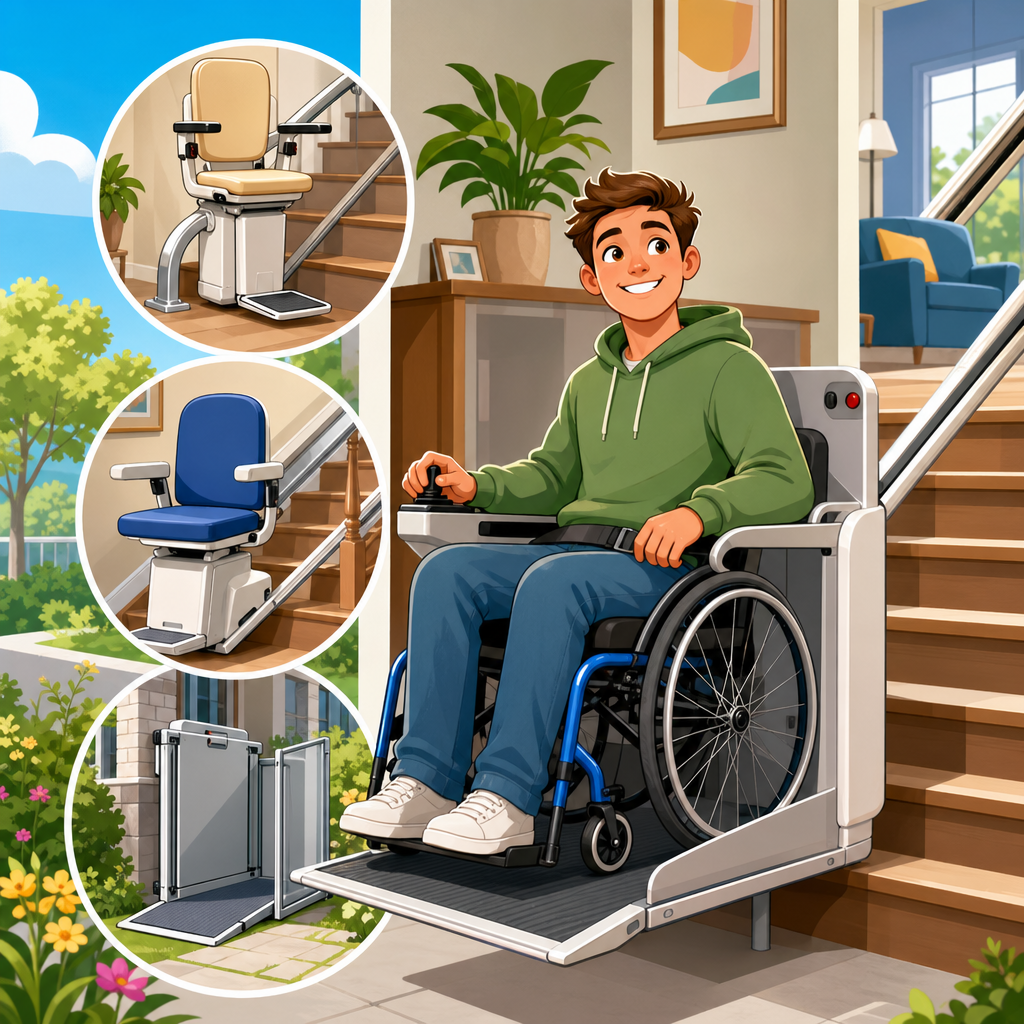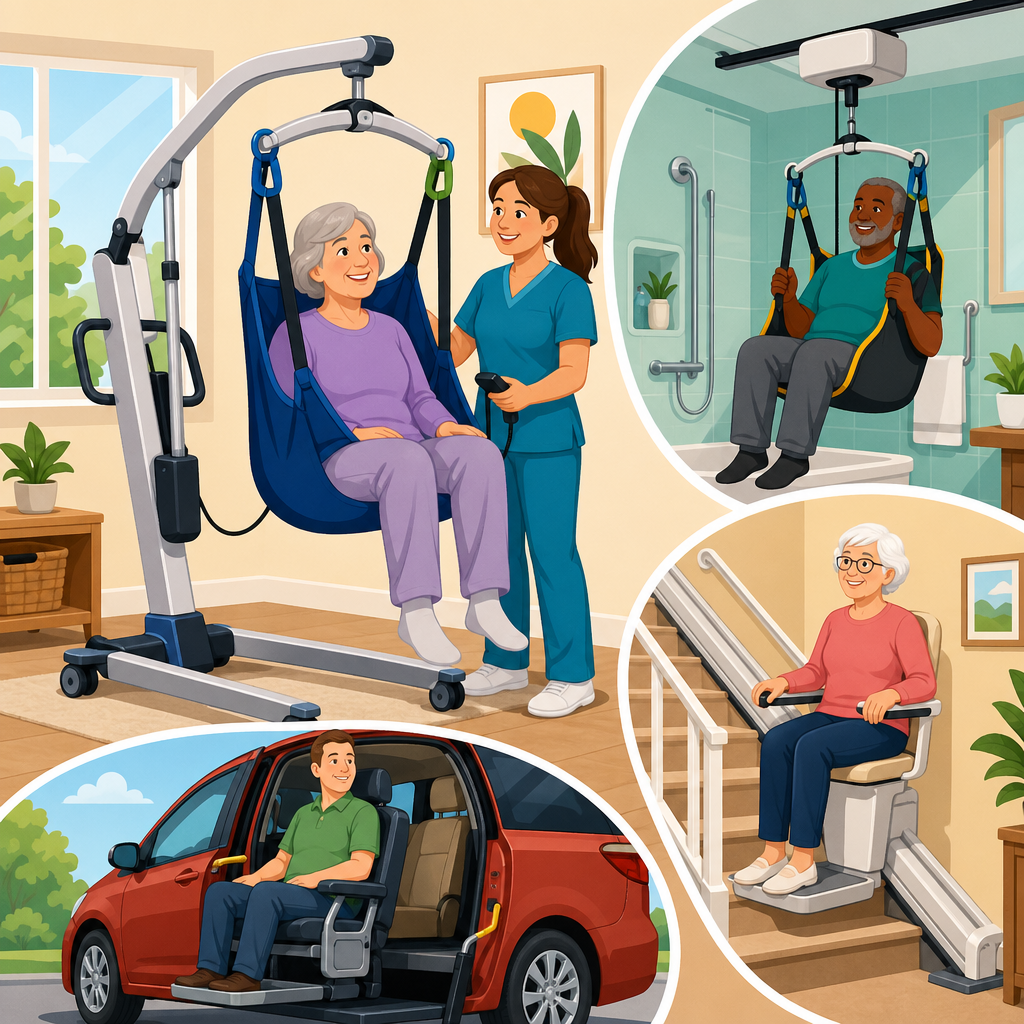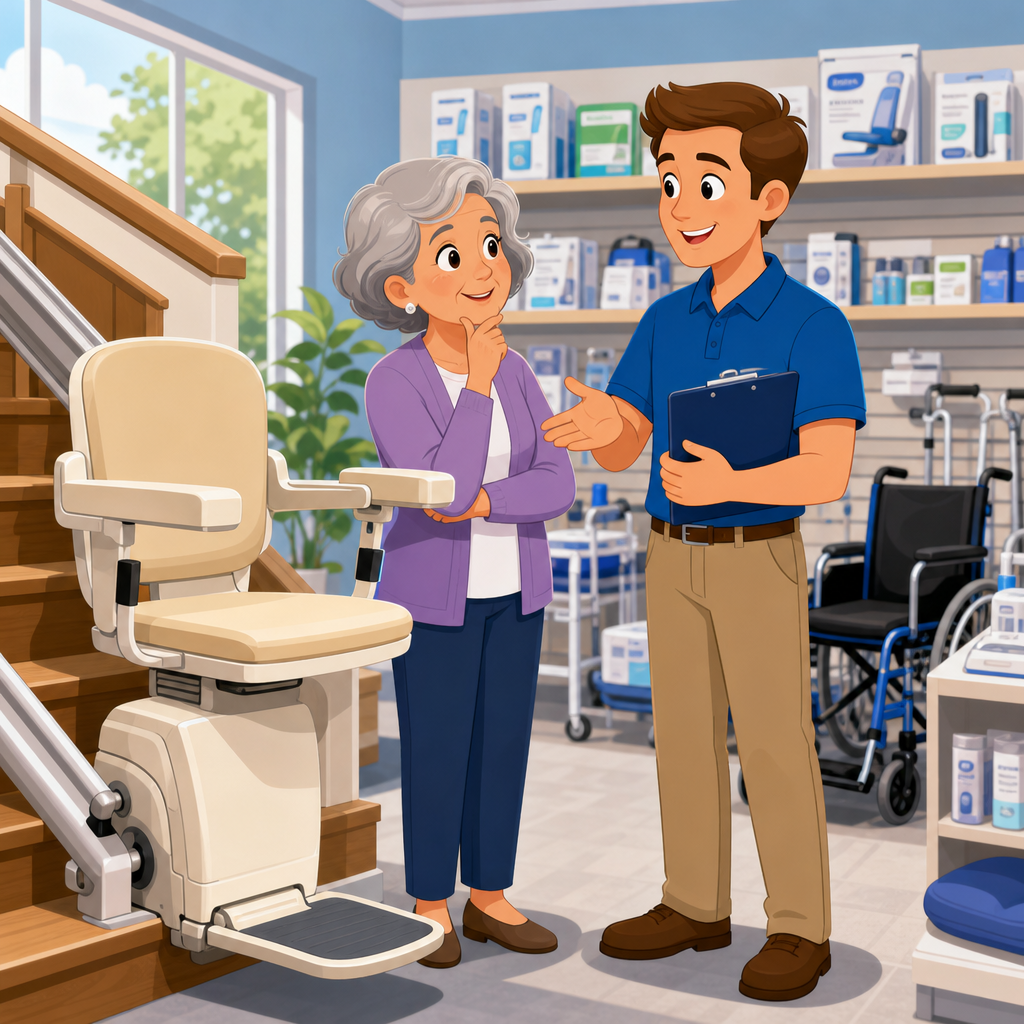
Buying a chair lift at a medical supply store can be a smart choice, but it is not automatically the best one for every home, budget, or mobility need. A chair lift, often called a stair lift, is a motorized seat that travels along a rail mounted to a staircase, helping people move safely between floors without climbing steps. Medical supply stores sell many mobility products, from walkers and power scooters to bathroom safety equipment, so they are often one of the first places families look when aging in place becomes urgent. The question is whether that retail channel offers the right mix of product selection, installation quality, pricing transparency, warranty support, and long term service.
This matters because a chair lift is not a simple off the shelf purchase. In my work reviewing mobility equipment retailers, the best outcomes came when buyers treated the process like a home access project rather than a quick store transaction. A straight stair lift may cost a few thousand dollars, while a curved model can climb far higher due to custom rail fabrication. Safety features, seat dimensions, folding clearance, battery backup, and service coverage all affect whether the lift is useful every day. A good seller must assess the staircase accurately, match the user to the seat and controls, arrange proper installation, and remain available if the unit stops mid travel or needs a battery replacement. Those factors make the store itself as important as the product brand.
Medical supply stores still deserve serious consideration. Many are local businesses with knowledgeable staff, established relationships with installers, and showrooms where you can try seat comfort and control layouts before buying. Others are thin resellers that collect leads, mark up equipment, and outsource everything. This guide explains when a medical supply store is the right place to buy a chair lift, when a specialty accessibility dealer or direct manufacturer may be better, and how to compare retailers and online stores with confidence. If you are researching the best place to buy a stair lift, this page will help you ask the right questions and avoid expensive mistakes.
What a Medical Supply Store Usually Offers
A medical supply store typically sells mobility and home safety products intended for recovery, disability support, or aging in place. In the chair lift category, some stores stock one or two straight stair lift models from brands such as Bruno, Harmar, Savaria, Acorn, or Stannah through dealer networks. A smaller number have working display units in store. Most do not keep complete lifts boxed in a back room because every staircase is measured to order, and many installations require rail sections, overruns, power options, or brackets selected after a site visit. That means the real value of the store is not inventory on shelves; it is product guidance, project coordination, and local support.
When a medical supply store is well run, it can be especially helpful for buyers who need in person assistance. Staff may already know the customer from purchases of walkers, lift chairs, hospital beds, or bathroom safety devices. That continuity matters. A retailer that understands the user’s transfer ability, weight capacity needs, arthritis limitations, or caregiver routine can recommend features that online product pages often bury. For example, I have seen buyers focus on maximum weight ratings while ignoring swivel seat lock positions, footrest obstruction sensors, and arm width that make daily use easier. An experienced store can bring those practical issues forward early.
However, the category is inconsistent. Some medical supply stores operate as true mobility specialists. Others treat chair lifts as a referral sale. The difference shows up in who performs measurements, whether installation is done by factory trained technicians, how quickly service calls are handled, and whether the quote includes permit requirements when applicable. Before assuming a local store offers more safety or convenience than online stores, confirm what part of the process the store truly controls.
Pros and Cons of Buying a Chair Lift at a Medical Supply Store
The biggest advantage is hands on buying support. You can often sit on a demo unit, test the seat height, operate the toggle or rocker controls, and understand how much folded clearance remains on the staircase. That is hard to judge online. Local stores may also provide home assessments, recommend related safety upgrades such as grab bars or ramp solutions, and coordinate financing. For families making a quick decision after a fall or hospital discharge, a nearby retailer can reduce stress because one company handles consultation, ordering, installation, and later service.
The drawbacks are usually pricing and selection. A medical supply store may carry only one manufacturer or only one installer partnership, which limits comparison. Some stores have higher overhead than online focused dealers and pass that cost into the quote. Others sell reconditioned lifts without explaining rail age, battery condition, cosmetic refurbishment standards, or future parts availability. Custom curved lifts are particularly sensitive to dealer competence because measurement errors can delay fabrication and create expensive corrections. If a store cannot clearly explain lead times, service territory, and warranty labor coverage, convenience at the point of sale may become frustration later.
| Buying Channel | Best For | Main Advantage | Main Risk |
|---|---|---|---|
| Medical supply store | Buyers wanting local guidance | In person support and possible showroom access | Limited brand choice and variable expertise |
| Specialty accessibility dealer | Complex stairs or heavy daily use | Deep installation and service knowledge | May cost more in some markets |
| Direct from manufacturer | Brand specific shoppers | Clear product line and factory processes | Service quality still depends on local dealer network |
| Online retailer | Price focused researchers | Easy comparison and broad information access | Weak local support if installation is outsourced poorly |
For straight stair lifts in standard homes, a strong medical supply store can be an excellent middle ground. For narrow stairs, unusual landings, outdoor exposure, or very high use, I generally advise comparing the store against at least one specialist accessibility company before signing.
How Medical Supply Stores Compare With Online Stores and Specialty Dealers
Retailers and online stores differ most in how they handle the last mile: measurement, installation, and support. Online stores often look cheaper at first because they separate product pricing from field work or advertise a base model without options. Once shipping, survey fees, and installer charges are added, the gap may narrow. More importantly, a stair lift is only as reliable as its installation. Track alignment, charging point setup, seat calibration, and final safety testing matter more than glossy product descriptions. That is why the best online retailers either maintain a vetted local installer network or operate as leads for established regional dealers.
Specialty accessibility dealers usually outperform general medical supply stores on technical stair lift work. They are more likely to handle curved systems regularly, understand code and clearance issues, and stock common service parts. They often sell vertical platform lifts, porch lifts, transfer aids, and home modifications, so their technicians work in access equipment every day. If your staircase has a mid landing, a hinge rail near a doorway, or a need for powered folding footrests due to limited bending, that specialization is valuable.
That said, some medical supply stores have evolved into full service accessibility providers. The best ones combine the customer care of local retail with the discipline of a specialist dealer. Look for signs such as certified or manufacturer trained installers, a service department with response time targets, transparent written proposals, and the ability to discuss alternatives rather than pushing a single brand. If a store can explain why a Harmar Pinnacle might fit a narrow staircase differently than a Bruno Elan, or why a custom Savaria curved rail affects lead time, you are talking to a serious retailer.
Questions to Ask Before You Buy
Start with the staircase and the user, not the brand. Ask whether the lift is for a straight, curved, or outdoor staircase, what the staircase width is when folded and unfolded, and how the user transfers on and off the seat. A buyer with limited trunk rotation may need a powered swivel. Someone with hand weakness may prefer larger controls or call send remotes placed in accessible locations. If multiple users share the stairs, folded width and parking positions become important. These questions affect safety more than brochure claims.
Then ask the retailer specific operational questions. Who performs the site survey? Is the quote based on an in home measurement or only a phone estimate? Is installation done by employees or subcontractors? What is included in the warranty for parts, batteries, labor, and service trips? How quickly are emergency repairs handled? Are maintenance visits recommended by the manufacturer? Can the store provide references for recent installations? A reputable seller answers directly and in writing.
Also ask about future ownership. Battery powered stair lifts typically charge at points on the rail and rely on sealed batteries that wear out over time. Replacement intervals vary with use, environment, and charging consistency, but buyers should expect eventual battery service. Upholstery, seat belts, diagnostic boards, and remotes may also need replacement over the years. If a store cannot explain how parts are sourced after the sale, that is a warning sign. The sale price matters, but uptime matters more.
Pricing, Insurance, and Used Chair Lifts
Cost is often the deciding factor. Straight stair lifts commonly start in the low thousands installed, while curved models can be several times higher because the rail is custom built for the staircase geometry. Outdoor versions add weather resistant materials, covers, and exposure related maintenance concerns. Prices vary by brand, seat package, power options, rail length, and region. A medical supply store may bundle survey, installation, and training into one quote, which can make comparison easier than online listings that separate charges.
Most buyers should not expect Medicare to cover a stair lift, because it is generally considered a home modification rather than durable medical equipment for standard reimbursement purposes. Medicaid waiver programs, Veterans Affairs benefits, state assistive technology programs, nonprofit grants, or long term care insurance may help in some cases, but eligibility varies. A good retailer should be realistic here. Be cautious with any seller implying guaranteed insurance reimbursement without reviewing your actual program documents.
Used and refurbished chair lifts deserve careful review. A straight stair lift can sometimes be reinstalled economically if the dealer provides a new rail cut to length, new batteries, inspected drive components, and a meaningful warranty. Curved stair lifts are different; custom rails are staircase specific, so “used curved” opportunities are limited and often involve reusing only some components while fabricating a new rail. Ask whether the lift is refurbished by the manufacturer, by the dealer, or simply cleaned and resold. The standard should be documented, not assumed.
How to Choose the Best Retailer for Your Home
The best retailer is the one that can prove fit, safety, and service. Begin by getting at least three quotes when possible: one medical supply store, one specialty accessibility dealer, and one online or manufacturer linked option. Compare not just bottom line price but model details, seat size, weight rating, rail type, install timeline, labor warranty, and service coverage area. Ask each seller to explain why their recommendation fits your staircase and user needs. Weak retailers talk about discounts first. Strong retailers talk about measurements, transfer safety, and long term support.
Check reputation with more than star ratings. Read reviews for installation cleanliness, follow up service, billing accuracy, and responsiveness when problems occur months later. Look at Better Business Bureau records where available, but also scan Google reviews and local community discussions because mobility equipment buyers often describe the service experience in detail. If possible, ask your physical therapist, occupational therapist, aging in place specialist, or discharge planner which dealers consistently resolve issues well.
Finally, trust the quality of the assessment. In the best installations I have evaluated, the technician measured stair dimensions carefully, observed how the user turned and sat, confirmed head and knee clearance, tested charge points, and reviewed emergency lowering and seat belt use before leaving. That level of care can come from a medical supply store, but only when the store treats chair lifts as a specialized access solution, not an add on sale. Buy from the retailer that demonstrates competence at every step, then schedule consultations and move forward with confidence.
A chair lift is one of the most important mobility purchases a household can make because it affects safety, independence, caregiving, and whether someone can continue living comfortably in a multilevel home. Medical supply stores can be an excellent place to buy one, especially when they offer local showroom access, careful in home assessments, trained installers, and dependable service after installation. They are often more approachable than national websites and more convenient than piecing together product research, measurement, and contractor coordination on your own.
Still, a medical supply store is not automatically the best retailer. Some stores are true accessibility experts, while others are general resellers with limited chair lift knowledge. The right buying decision depends on the complexity of your staircase, the user’s physical needs, the brands available locally, and the quality of installation and support behind the sale. That is why comparing retailers and online stores is essential. Look beyond the advertised model and ask who measures, who installs, who services, and what happens when the lift needs attention two years from now.
If you remember one principle, let it be this: buy the dealer, not just the chair lift. A strong retailer will recommend the correct model, explain tradeoffs honestly, price the project clearly, and stand behind the equipment when real life use begins. Use this hub as your starting point for evaluating retailers and online stores, then request detailed quotes from qualified local providers before choosing the chair lift that will serve your home safely for years.
Frequently Asked Questions
Is a medical supply store the best place to buy a chair lift?
A medical supply store can be a very good place to start, but it is not always the best place to buy a chair lift for every situation. These stores are familiar to many families because they already carry mobility and safety products such as walkers, wheelchairs, bathroom grab bars, and scooters. That makes them a convenient first stop when someone begins looking for ways to age in place or make a home safer. In some cases, a medical supply store may offer chair lift models directly, arrange installation through a partner, or help guide buyers toward an appropriate product.
That said, the best buying source depends on the type of staircase, the complexity of the installation, the level of customization needed, and the support available after the sale. A straight staircase is usually simpler and may be offered through more retail channels. A curved staircase, narrow stairs, multiple landings, or unusual home layout often requires a more specialized stair lift dealer with in-home measuring, custom rail design, and long-term service support. A store that sells general medical equipment may not always provide the same depth of expertise as a company focused specifically on stair lifts.
The smartest approach is to compare a medical supply store with dedicated stair lift dealers and local mobility specialists. Ask who performs the installation, whether the company handles service calls directly, what warranty is included, and how quickly repairs are scheduled if the lift stops working. A chair lift is not just a product on a shelf; it is a home accessibility system that needs correct fitting, safe installation, and dependable maintenance. So yes, a medical supply store can be a smart option, but it should be judged on product selection, installer qualifications, support, and total value rather than convenience alone.
What should I look for before buying a chair lift from a medical supply store?
Before buying a chair lift from a medical supply store, focus on more than price. Start with the staircase itself. Determine whether your stairs are straight or curved, how wide they are, whether there are landings or turns, and whether doorways or hallways at the top or bottom could affect safe entry and exit. Not every lift fits every staircase, and a store should be willing to arrange a proper in-home assessment instead of guessing based on a photo or rough measurement.
Next, review the lift’s core safety and comfort features. Important features often include a swivel seat for easier transfers, seat belts, obstruction sensors, battery backup during power outages, folding arms and footrests, and simple controls that are easy to use with limited hand strength. Weight capacity also matters. Some users need a heavy-duty model with a wider seat and higher capacity, while others may prioritize compact size to keep the staircase more open for other household members.
You should also ask detailed questions about installation and service. Find out whether the medical supply store uses trained, insured technicians and whether installation is included in the quoted price. Ask how service requests are handled, whether replacement batteries and parts are readily available, and what kind of maintenance the lift will need over time. If a store cannot clearly explain who supports the lift after purchase, that is an important warning sign.
Finally, look closely at warranty terms, return policies, and any possibility of rental, refurbished units, or financing. Some buyers only need a temporary solution after surgery, while others need a long-term accessibility upgrade. A good medical supply store should be able to explain all realistic options and help you match the lift to the user’s mobility level, home layout, and budget instead of pushing a one-size-fits-all product.
Are chair lifts sold at medical supply stores more affordable than buying from a specialty dealer?
Sometimes, but not always. It is easy to assume a medical supply store will offer lower prices because it sells a wide range of equipment, but chair lift pricing depends on several factors beyond the store type. The biggest cost drivers include whether the staircase is straight or curved, the rail length, the lift’s weight capacity, optional features, installation complexity, and ongoing service coverage. A straight stair lift may be relatively affordable and easier to compare across sellers. A curved lift is usually custom-made and significantly more expensive no matter where it is purchased.
A medical supply store may offer competitive pricing, especially if it sells a standard straight stair lift model or has relationships with regional installers. However, a specialty dealer may provide better overall value through expert assessment, more precise fitting, stronger manufacturer support, and faster repair service. In other words, the lowest upfront quote is not always the lowest long-term cost. If the wrong lift is installed, or if service is difficult to get when something goes wrong, a cheaper initial purchase can become more expensive over time.
When comparing prices, ask for a complete written estimate. That estimate should include the chair lift unit, rail, installation, electrical or charging requirements, warranty coverage, service expectations, and any fees for removal or relocation. Also ask whether used or refurbished lifts are available, especially for straight staircases. Some buyers can save money that way, but only if the equipment is inspected, properly fitted, and backed by a meaningful warranty.
The best way to judge affordability is to compare total ownership cost, not just sticker price. If one company costs a little more but offers stronger installation expertise, better warranty terms, and dependable local service, that option may be the wiser investment. For a device that affects safety, independence, and daily access to the home, value matters more than a simple low number on a quote.
Can a medical supply store help with installation, service, and maintenance after the sale?
Many can, but you should never assume they do. This is one of the most important questions to ask before buying a chair lift from a medical supply store. Some stores handle the entire process, including in-home evaluation, ordering, installation, and ongoing service. Others only sell the equipment and subcontract installation to third parties. Still others may simply refer you to a different company altogether. The quality of post-sale support can have a major impact on your satisfaction and safety.
Installation should always be performed by trained professionals who understand stair lift specifications, rail alignment, charging systems, safety testing, and proper mounting methods. Stair lifts are typically attached to the staircase, not the wall, and they must be installed accurately to ensure smooth travel and safe boarding. A reputable seller should be able to explain exactly who installs the lift, what their qualifications are, and what happens if adjustments are needed after installation.
Service and maintenance matter because a chair lift is a mechanical and electrical device that sees regular use. Batteries may need replacement, sensors may need inspection, and moving components benefit from periodic maintenance. If the lift stops working, especially for someone who depends on it every day, response time becomes critical. Ask whether the medical supply store provides local service, whether emergency calls are available, and whether parts are stocked locally or ordered from the manufacturer.
The best stores treat a chair lift as an ongoing mobility solution, not a one-time sale. They should be ready to discuss routine maintenance, troubleshooting, warranty repairs, and even future needs such as transferring the lift to another home or removing it if it is no longer needed. If a store is vague about support after the sale, it may be worth looking for a more specialized provider.
Who should consider buying a chair lift from a medical supply store, and who may want another option?
Buying from a medical supply store may make sense for people who want a familiar local business, need a standard straight stair lift, and prefer to work with a company that already provides other mobility products. It can be especially helpful for families who are just beginning to explore home accessibility options and want guidance in one place. If the store has strong reviews, offers in-home assessments, works with qualified installers, and stands behind its products with reliable service, it can be a practical and trustworthy path.
This route may also be a good fit for buyers who need to compare a chair lift with other solutions, such as walkers, transfer aids, or bathroom safety upgrades, because medical supply stores often take a broader view of mobility and home safety. In some cases, that can lead to better decision-making. A stair lift may be part of the answer, but not the only change needed for safe living at home.
On the other hand, buyers with complex staircases or highly specific needs may want to work directly with a specialty stair lift dealer. Curved stairs, extra-narrow staircases, outdoor stairs, heavy-duty requirements, or advanced custom features often call for deeper product specialization. A dedicated stair lift company may offer more models, more precise measuring, and more experienced installation teams for these situations.
Ultimately, the right choice depends on the match between the seller’s expertise and the user’s needs. If a medical supply store offers thorough consultation, proper installation, responsive service, and a lift that truly fits the home, it can be an excellent option. If it lacks depth, customization, or dependable follow-up, a specialized dealer may be the better investment. The goal is not simply to buy a chair lift somewhere convenient. The goal is to choose the safest, most reliable solution for the person who will depend on it every day.