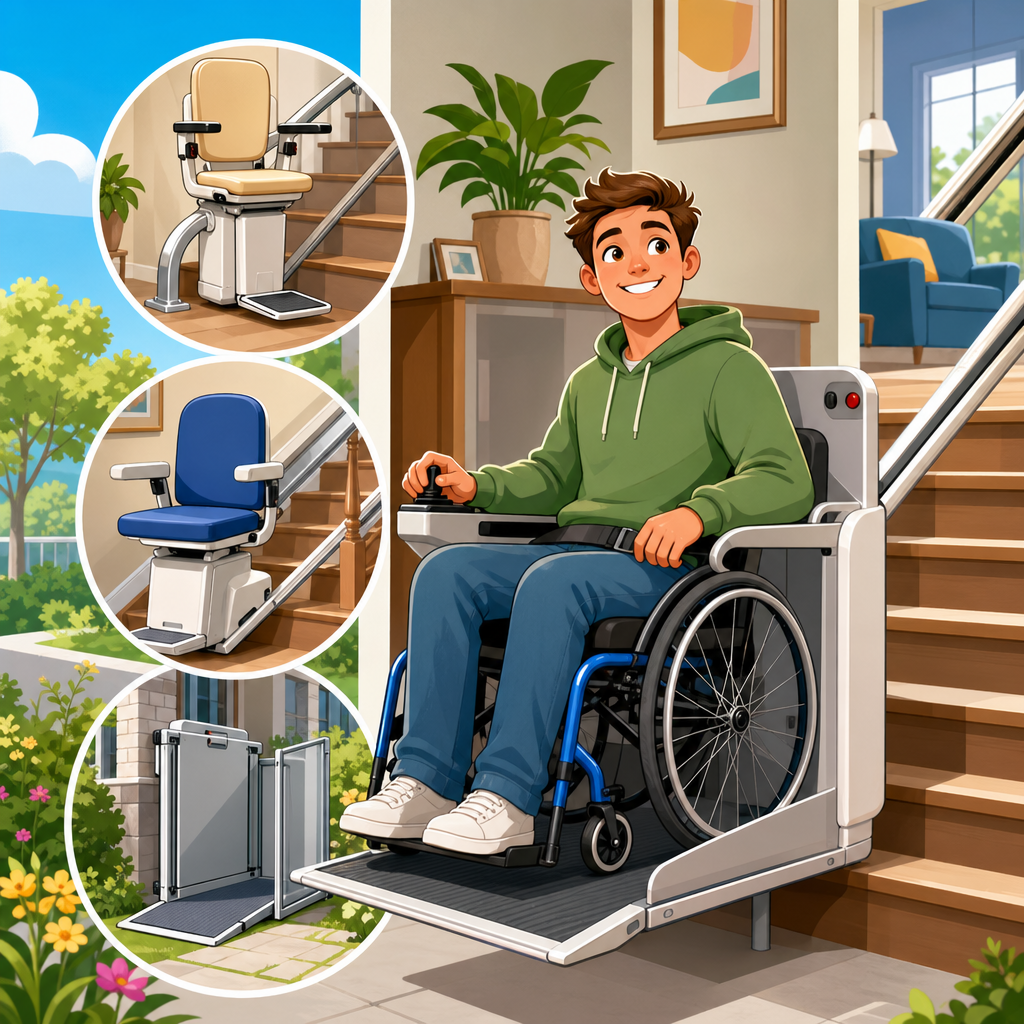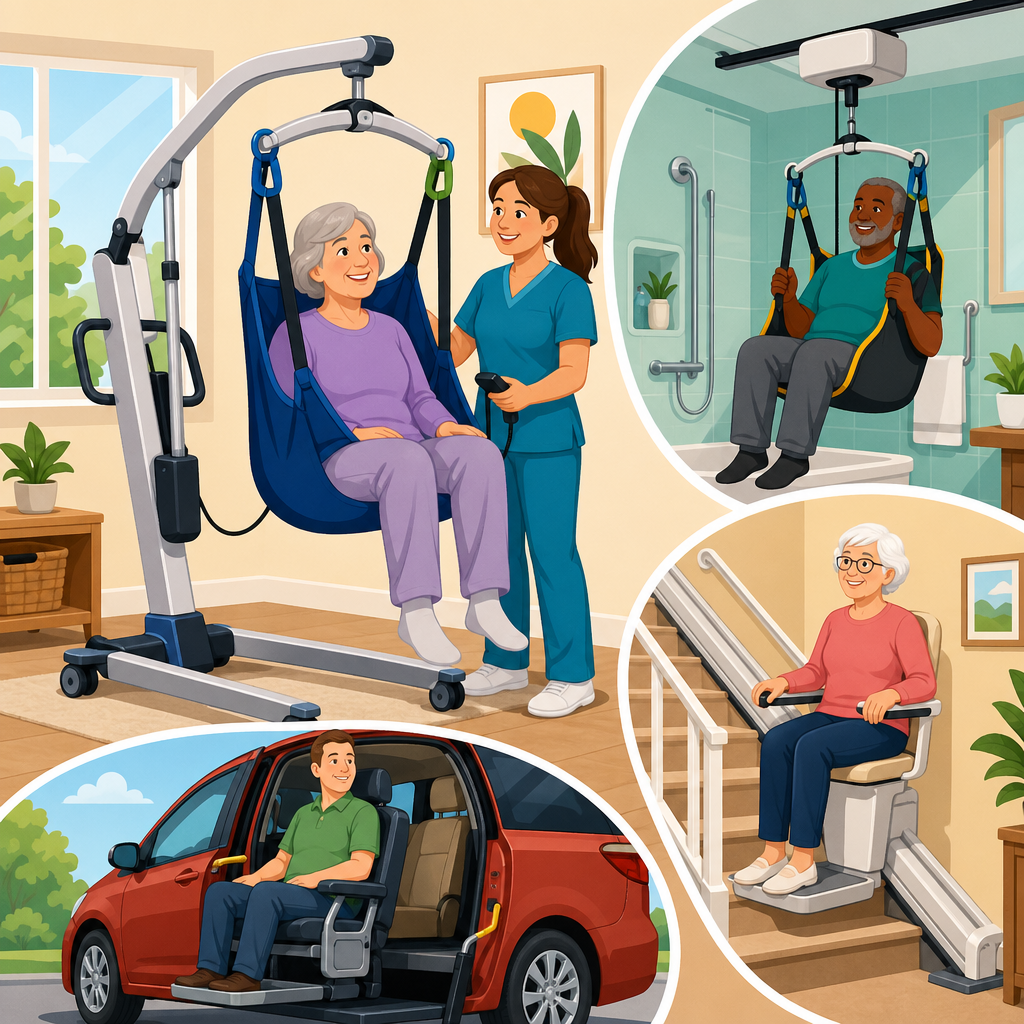
Buying a chair lift is rarely an impulse purchase. It is usually made after a fall, a difficult recovery, or the gradual realization that stairs have become a daily risk. In that context, the question “Should you buy a third-party warranty for chair lifts?” deserves a careful answer, because warranty and return policies can materially affect cost, service quality, downtime, and long-term safety. A chair lift warranty is a promise to repair or replace covered components for a defined period. A third-party warranty is a separate service contract sold by an outside company rather than the lift manufacturer or dealer. Return policies govern whether the lift can be sent back, removed, or refunded after purchase, often subject to installation status, custom rail fabrication, and accessibility regulations.
This topic matters because chair lifts combine mechanical, electrical, and safety systems, and they are often used by older adults who cannot tolerate long outages. In my experience reviewing mobility equipment contracts and dealer proposals, buyers often focus on monthly payments and overlook exclusions buried in warranty documents. That is where costly surprises happen. A low-priced lift with weak labor coverage can become more expensive than a premium model with stronger manufacturer backing. Likewise, a broad-looking third-party plan may require prior authorization, use distant service networks, or exclude wear items that fail most often. Buyers need a practical framework for comparing manufacturer warranties, dealer labor guarantees, extended protection plans, and return terms before signing. This guide explains how those pieces work together, when third-party coverage helps, when it does not, and what policy details should be checked on every quote.
What a chair lift warranty usually covers, and what it often excludes
Most chair lift warranties separate coverage into major buckets: parts, motor or drivetrain, electronics, batteries, and labor. That distinction matters. I often see manufacturer brochures advertise “lifetime warranty” language, but the lifetime promise is usually limited to the motor, gearbox, or rail on specific models and often only for the original owner at the original address. By contrast, electronics, switches, seat components, call stations, and diagnostic visits may be covered for a much shorter term. Batteries are commonly treated as consumables, frequently limited to one year, even though battery performance has a direct effect on reliability. If the chair lift has a powered swivel seat or folding rail, those powered features can carry their own limitations because they add extra actuators and control boards.
Exclusions are equally important. Normal wear and tear, cosmetic damage, misuse, improper cleaning, unauthorized repairs, water damage, insect intrusion, power surges, and service calls caused by household electrical issues are common carve-outs. Outdoor chair lifts may have stricter weather-related exclusions despite being marketed for exterior use. Another frequent issue is transferability. If a homeowner sells the property or moves the lift to a different staircase, the original warranty may not follow. In custom curved installations, the rail itself may be covered, but uninstalling and reinstalling it elsewhere is almost never included. Understanding these exclusions is the first step toward judging whether an outside protection plan fills real gaps or simply repackages what you already have.
How third-party warranties differ from manufacturer and dealer coverage
A third-party warranty, more accurately called a service contract or extended service plan, is not the same as the manufacturer’s written warranty. The manufacturer warranty addresses defects in materials or workmanship. A dealer guarantee may add local labor coverage, installation workmanship protection, or a short satisfaction period. A third-party contract sits on top of those promises and is administered by another company that pays for covered repairs according to its own rules. In practice, that means claim handling can be slower or more complex than calling the local dealer directly. You may need preapproval, use a specified service network, or wait for reimbursement rather than receiving seamless service at the time of repair.
That does not automatically make third-party coverage bad. It can be useful when the contract extends labor beyond the manufacturer term, covers travel charges in rural areas, or protects electronic components that fail after the standard warranty ends. It may also help if you expect to keep the chair lift for many years and your local dealer’s labor rates are high. Still, value depends on the claims process and service network. A policy is only as good as its ability to get a qualified technician to your home quickly. For mobility equipment, response time matters more than on many consumer products, because a broken stair lift can trap a user on one level of the house and create a genuine accessibility emergency.
When a third-party warranty makes sense
There are situations where buying a third-party warranty for a chair lift is reasonable. The strongest case is a buyer who wants predictable ownership costs after the original labor warranty expires. Many lifts are mechanically durable, but service bills can still add up from call-out fees, diagnostics, battery replacement, footrest switch repairs, seat swivel adjustments, and controller issues. If the chair lift is installed in a home where it will be used multiple times every day, usage intensity increases wear on batteries, charging contacts, hinges, and safety edges. For a primary user with limited mobility and no practical bedroom or bathroom on the main floor, avoiding large unplanned service costs may justify the extra contract expense.
Another valid case involves geography. In remote areas, dealer travel charges can be substantial. I have seen invoices where the trip charge represented a large share of the service cost. If a third-party plan explicitly covers travel and dispatch, and the service company can verify technician availability in your ZIP code, that coverage can be meaningful. The same is true when the manufacturer’s warranty is strong on parts but weak on labor. A three-year third-party labor plan may complement, rather than duplicate, manufacturer parts coverage. Buyers with advanced curved rail systems, powered hinges, or heavy-duty models may also see more value because those systems have more components and higher repair costs than a straightforward straight-rail lift.
| Scenario | Third-Party Warranty Usually Helps | Why |
|---|---|---|
| High daily use | Yes, if labor and diagnostics are included | Frequent cycling raises service likelihood after initial warranty ends |
| Rural location | Yes, if travel charges are covered in writing | Distance-based dispatch fees can be expensive |
| Strong local dealer labor warranty | Often no | Dealer support may already cover the most valuable repairs |
| Used or reconditioned lift | Sometimes | Useful only if the contract clearly covers pre-owned equipment |
| Custom curved lift | Possibly | Complex systems have higher parts and labor costs |
| Buyer planning to move soon | Usually no | Most plans are nontransferable and removal costs are separate |
When you should skip the extra warranty
Many buyers should decline third-party coverage. If you are purchasing from an established dealer with an excellent service department, fast local response, and a clear labor warranty, adding an outside contract can create overlap rather than protection. This is especially true on new straight stair lifts from major brands such as Bruno, Harmar, Stannah, Handicare, and Access BDD, where core component reliability is generally strong when the lift is properly installed and maintained. In these cases, the biggest practical risk is not catastrophic mechanical failure but smaller service events that a good dealer can address quickly at a manageable cost.
You should also be skeptical when the seller cannot produce the full service contract before purchase, cannot identify the administrator and obligor, or speaks vaguely about “bumper-to-bumper” coverage without showing exclusions. I recommend passing on any plan that lacks plain-language definitions for covered parts, labor caps, travel limits, emergency service, rental replacement, cancellation rights, and dispute procedures. Another poor-fit scenario is a short expected ownership period. If the lift is needed for a temporary recovery after surgery, rental equipment or a dealer-backed short-term plan often makes more sense than a long service contract. Likewise, if the home may be sold soon, custom installation and removal costs usually outweigh any leftover warranty value.
Return policies: the overlooked part of chair lift buying decisions
Return policies for chair lifts are far stricter than return policies for boxed consumer goods. Once a lift is installed, especially a curved model built to staircase measurements, returns are often limited or impossible. That is because the rail may be custom-fabricated, installation requires labor and site-specific setup, and the product may no longer be resalable as new. Buyers are sometimes surprised to learn that a dealer’s “trial period” does not mean a full refund. It may allow cancellation before manufacturing begins, or it may permit return only on stock straight lifts, with restocking, deinstallation, and shipping fees deducted. Those fees can be significant.
For that reason, the best time to review return terms is before the home assessment. Ask exactly when the order becomes noncancelable, whether the rail is custom, who owns removed equipment, and whether installation labor is refundable. Also ask whether the dealer offers a rental, buyback, or trade-in path if the user’s needs change. In real homes, needs do change. A user may transition to a wheelchair, move to assisted living, or need a different lift configuration after remodeling. A fair return or resale policy can reduce financial loss more effectively than an extended warranty. For many buyers, this is the most underappreciated part of the contract.
How to evaluate contract quality before you buy
Good warranty analysis starts with documents, not sales claims. Request the manufacturer warranty, dealer labor policy, and any third-party service contract in full. Read the coverage term, start date, deductibles, claim procedure, and the exact list of excluded conditions. Confirm whether annual maintenance is required to keep the policy valid. Some contracts require scheduled service and deny claims if maintenance records are missing. That is not unusual in mobility equipment, where charging systems, track cleanliness, and seat adjustment affect safe operation. Also check whether batteries, remotes, call-send stations, folding rails, and powered swivel features are named specifically. If they are not listed, ask whether they are covered or excluded.
Next, verify the people behind the promise. Identify the administrator, obligor, and local servicing company. Search complaint patterns with your state attorney general, insurance or consumer protection regulator if applicable, the Better Business Bureau, and public reviews that mention claim delays or denied labor reimbursement. Then ask the local dealer a direct question: “If the lift stops working, whom do I call, and how fast can someone come?” The answer should be concrete. If the plan depends on a reimbursement model, ask whether you must pay the technician upfront. That detail matters for older homeowners on fixed incomes. Finally, compare the contract price to realistic out-of-pocket repair costs. If the premium approaches the cost of several common service visits, self-funding may be the smarter choice.
Best-practice buying advice for this warranty and return policy hub
The simplest answer is this: buy a third-party warranty for a chair lift only when it closes a specific, documented gap in the manufacturer and dealer coverage. If it extends labor, travel, and diagnostics in your area at a reasonable price, it can be worthwhile. If it duplicates existing protection, relies on vague claims, or lacks a dependable service network, skip it. Return policies deserve equal scrutiny, because once a custom lift is built and installed, your refund options usually narrow sharply. Always review cancellation triggers, restocking rules, deinstallation charges, and resale or trade-in options before approving the order.
As the central guide for warranty and return policies, this page should inform every related buying decision: new versus used chair lifts, straight versus curved models, dealer comparisons, rental alternatives, and long-term ownership costs. A smart buyer separates parts coverage from labor, reads exclusions line by line, and judges service quality by local response, not brochure language. Ask for full documents, get promises in writing, and compare total protection cost against realistic repair exposure. If you are shopping now, use this framework to review your quotes and challenge any policy that is unclear. That step alone can save money, prevent downtime, and lead to a safer purchase.
Frequently Asked Questions
Should you buy a third-party warranty for a chair lift?
A third-party warranty can be worth considering, but it is not automatically the best choice for every chair lift buyer. The right answer depends on the lift brand, the original manufacturer warranty, how heavily the lift will be used, and how service is handled in your area. For many households, the biggest concern is not just the price of a repair, but how quickly the lift can be restored if it stops working. If the chair lift is essential for reaching a bedroom, bathroom, or main living area, downtime can create a serious safety and mobility problem. In those cases, coverage that improves access to repairs may be more valuable than coverage that simply looks inexpensive on paper.
Before buying any extended or third-party protection plan, compare it against the coverage already included by the manufacturer or dealer. Many chair lifts come with warranties on major components such as the motor, transmission, or rail, while labor coverage may last for a shorter period. That distinction matters. A repair may be technically covered, but if you still have to pay for a service call, diagnostics, labor, travel time, or expedited parts shipping, the total cost can still be significant. A third-party warranty may help fill those gaps, but only if its terms are clear and practical.
It is also important to recognize that some third-party warranties are stronger in marketing than in actual performance. A plan is only as good as its claims process, exclusions, and service network. If the warranty company does not have authorized chair lift technicians in your region, then the added coverage may not lead to faster or better repairs. In short, a third-party warranty can make sense when it meaningfully reduces your financial risk and service delays, but it should be chosen carefully rather than added automatically at checkout.
What should you look for in a third-party chair lift warranty?
The most important thing to look for is exactly what is covered and what is excluded. Start with the major operating components: motor, batteries, charger, gearbox, control board, seat swivel mechanism, safety sensors, footrest switches, remote controls, and rail-related parts where applicable. Ask whether the plan covers both parts and labor, because that is where many buyers misunderstand the value of a warranty. A plan that covers replacement parts but excludes labor may leave you with most of the repair bill anyway.
You should also review service-call rules very closely. Some warranty plans advertise broad protection but require deductibles, trip charges, or pre-authorization before repairs can begin. Others may only reimburse after you pay out of pocket. For a device as important as a chair lift, that can be frustrating and financially inconvenient. Ideally, the warranty should explain who to call, how quickly a technician is dispatched, whether emergency service is available, and whether you must use approved providers. If there is no clear path to getting the lift fixed, the warranty may not provide much real-world value.
Pay special attention to exclusions involving batteries, wear-and-tear items, upholstery, cosmetic damage, misuse, water exposure, power surges, improper installation, and maintenance neglect. Batteries are a common replacement item on chair lifts, and some plans exclude them entirely or limit coverage to a short period. You should also ask whether the warranty remains valid if the original installing dealer stops operating or if you move to another home. The best third-party warranties are transparent, easy to understand, backed by a reputable company, and designed around actual service delivery rather than just contract language.
How is a third-party warranty different from a manufacturer warranty on a chair lift?
A manufacturer warranty comes from the company that built the chair lift or from the authorized dealer that sold and installed it. It is usually the first layer of protection and often reflects the manufacturer’s confidence in the product. These warranties commonly cover defects in materials or workmanship for a defined period, though coverage may vary by component. For example, the drivetrain or motor may be covered longer than labor or batteries. Manufacturer warranties are often valuable because they are tied directly to the equipment, the approved parts, and the dealer network familiar with that specific model.
A third-party warranty, by contrast, is provided by an outside company that agrees to pay for certain repairs under contract terms. In some situations, that can be helpful because it extends coverage beyond the original warranty period or adds labor protection where the manufacturer does not. However, third-party plans can also introduce an extra layer between you and the repair itself. Instead of dealing directly with the installer or manufacturer, you may need to go through a claims administrator, obtain approvals, or work only with selected service providers. That can affect speed and convenience.
The practical difference often comes down to control and accountability. With a manufacturer-backed warranty, the brand and dealer usually have a direct interest in keeping the equipment functioning and preserving customer trust. With a third-party plan, the quality of support depends heavily on the contract and the company administering it. That is why buyers should not assume “more coverage” always means “better coverage.” In many cases, the strongest option is a reliable manufacturer warranty paired with a trusted local dealer. A third-party warranty becomes more attractive when it supplements weak original coverage, especially for labor, service calls, and post-warranty repairs.
Are third-party chair lift warranties worth the cost for older adults and caregivers?
They can be, especially when the chair lift is critical to daily living and the household needs predictable costs. For older adults aging in place, the real issue is often not just whether a repair bill might occur, but whether a malfunction could interrupt access to essential parts of the home. A broken chair lift can force someone to sleep in a recliner, avoid bathing, or take unsafe risks on stairs. Caregivers may also face added physical strain or the need to arrange temporary help. In that context, a warranty can provide value by reducing uncertainty and helping families plan for maintenance and repairs.
That said, the cost-benefit equation should be looked at realistically. If the chair lift is a high-quality model with strong original warranty terms, local service support, and a good reliability record, the added cost of a third-party plan may not always pay off. On the other hand, if the lift is used multiple times a day, installed in a home where stairs are the only route to key rooms, or purchased by someone on a fixed income who wants to avoid surprise repair expenses, an extended protection plan may offer peace of mind that feels well worth the price.
Caregivers should also think beyond repair costs and consider response times, provider availability, and claim friction. A less expensive warranty is not really a bargain if it takes days to authorize a needed repair. The most worthwhile plans are the ones that combine financial protection with practical service support. For families making a purchase during a stressful life transition, that combination can be extremely valuable. The key is to evaluate the warranty not as a generic add-on, but as part of a larger safety and mobility plan for the person relying on the lift.
Can warranty and return policies affect the total cost and long-term safety of a chair lift?
Yes, absolutely. Warranty and return policies can have a direct impact on both what you pay over time and how safely the chair lift performs. A chair lift is not just a consumer appliance; it is mobility equipment that people may rely on every day. If a component fails and repairs are delayed, the consequences can go beyond inconvenience. A user may try to walk the stairs despite instability, increasing the risk of another fall or injury. That is why strong coverage and clear service terms should be viewed as part of the overall safety profile of the purchase.
From a cost standpoint, the purchase price alone rarely tells the whole story. Buyers should account for installation, maintenance, battery replacement, service calls, labor charges, and potential out-of-warranty repairs. A solid warranty can reduce those expenses, but only if it covers the kinds of failures that are most likely to occur. Return policies matter too, especially because many chair lifts are custom fitted or installed on specific stair configurations. Some sales are final once the rail is cut or installation begins. Others may allow cancellations before installation but charge restocking or site-visit fees. Understanding those terms upfront helps prevent expensive surprises.
Long-term safety is also influenced by who services the lift and how quickly issues are addressed. A policy that directs you to qualified technicians using approved parts is generally more reassuring than one with vague promises and unclear procedures. Before buying, ask for all warranty and return documents in writing and read the fine print carefully. The best purchase decision is usually the one that balances equipment quality, dealer reputation, service responsiveness, and clear warranty protection. When the goal is safe access within the home, those details matter just as much as the upfront price.