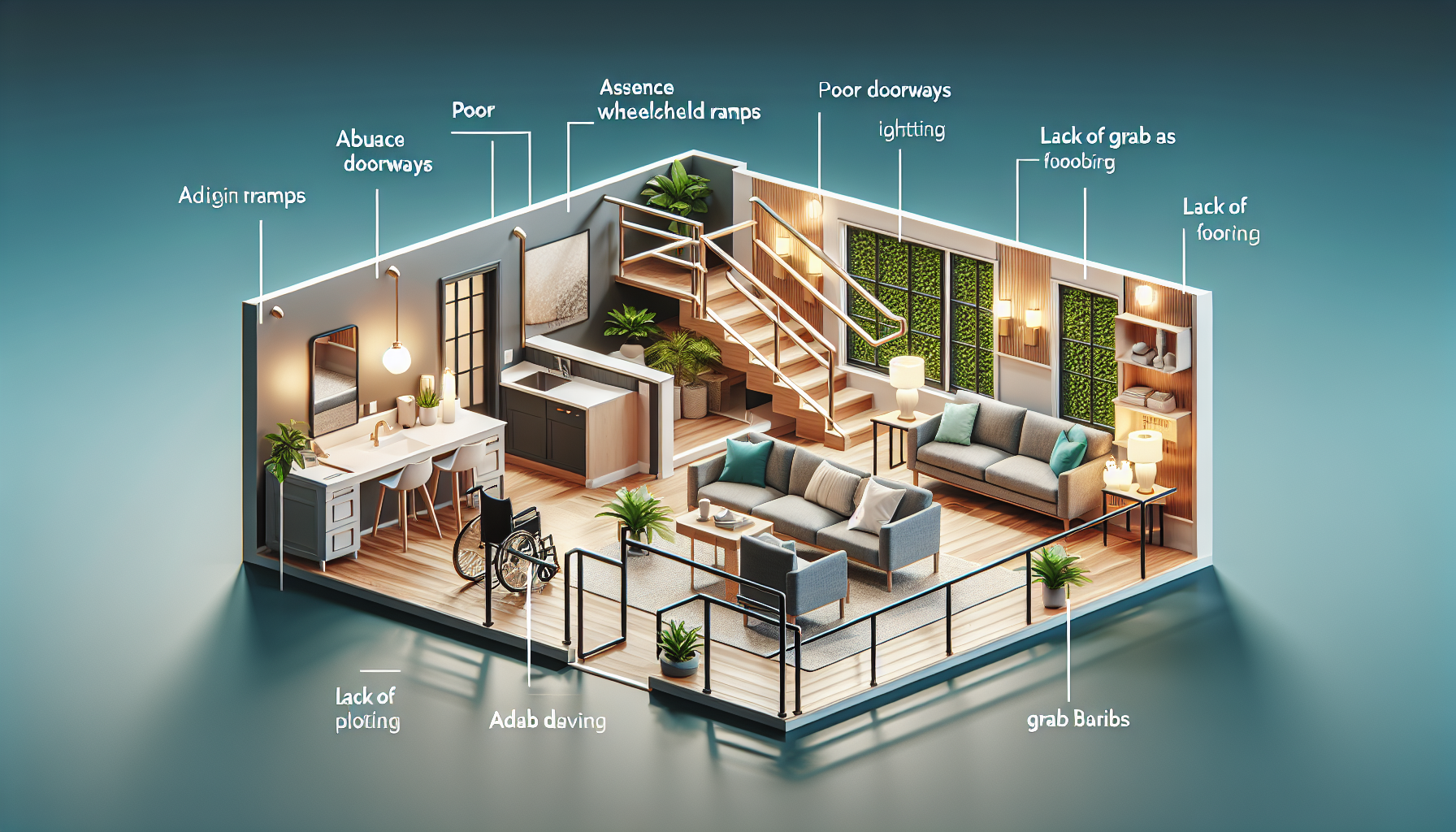
Partnering with occupational therapists for better aging in place gives older adults and their families a practical way to stay safe, independent, and confident at home as needs change. Aging in place means living in one’s own home and community, rather than moving to institutional care, while adapting routines, spaces, and supports to match physical, cognitive, and sensory changes. Occupational therapists, often called OTs, are licensed health professionals who evaluate how people perform everyday activities such as bathing, cooking, dressing, transferring, walking through the home, managing medications, and using technology. In my work with home modifications, caregivers, and clinical teams, the most successful aging in place strategies start with function, not products. That matters because falls, medication errors, social isolation, and unsafe home layouts often develop gradually, then suddenly create a crisis. A well-timed OT assessment can identify risks early, recommend modifications that fit the person instead of a generic checklist, and help families prioritize investments. This hub article explains how occupational therapists support aging in place, what a home assessment includes, which modifications matter most, how to coordinate with contractors and care partners, and when it makes sense to reassess as health conditions evolve.
Why Occupational Therapy Is Central to Aging in Place
Occupational therapy focuses on the interaction between a person, the tasks they need or want to do, and the environment where those tasks happen. That makes OTs uniquely effective in aging in place planning. A grab bar installed in the wrong location, a shower chair that is the wrong height, or a ramp with an unsafe slope can make a home less usable rather than more accessible. OTs begin by analyzing functional performance: Can the person stand long enough to prepare a meal? Do they lose balance during turns? Can they read prescription labels under current lighting? Are they avoiding stairs because of pain, weakness, visual contrast issues, or fear after a prior fall? Answers to those questions drive interventions.
This role is increasingly important as the older population grows. The U.S. Census Bureau projects a sharp rise in adults over sixty-five, and AARP surveys consistently show that most older adults want to remain in their homes as long as possible. Desire alone is not a plan. Effective aging in place strategies combine clinical judgment, environmental design, and behavior change. OTs often use structured frameworks such as activities of daily living, instrumental activities of daily living, fall risk screening, cognitive assessment, and durable medical equipment evaluation. They may also apply principles from universal design and visitability so the home works better for current limitations and future changes.
Families often assume aging in place is mainly about mobility equipment. In practice, it is broader. I have seen occupational therapists solve persistent problems by changing task sequencing, repositioning frequently used items, recommending higher-contrast stair nosing, adjusting chair heights, simplifying medication stations, or training a spouse on safer transfer techniques. Those interventions are usually less expensive than emergency hospital visits or premature relocation. They also preserve autonomy, because the goal is not merely preventing harm; it is enabling meaningful routines, roles, and participation.
What an OT Home Assessment Looks Like
An occupational therapy home assessment is a structured review of how a person functions inside the real environment where daily life occurs. It typically starts with an interview covering diagnoses, recent falls, pain, fatigue, medications, vision, hearing, bathroom routines, meal preparation, transportation, and caregiver support. The OT then observes task performance directly. Instead of asking whether someone can bathe safely, the therapist may watch them enter the shower, turn, reach for soap, and step out onto the bathroom floor. Observation often reveals compensations the person no longer notices, such as furniture walking, using towel bars for support, or twisting unsafely while carrying laundry.
The therapist assesses entrances, thresholds, flooring transitions, stairways, lighting, bathroom layouts, bed height, toilet height, kitchen workflow, and access to frequently used storage. They also evaluate endurance and cognition. A person with mild cognitive impairment may walk well but still face major risks from missed medications, stove use, poor wayfinding at night, or inability to respond during an emergency. For clients with stroke, Parkinson’s disease, arthritis, low vision, neuropathy, chronic obstructive pulmonary disease, or dementia, the OT tailors recommendations to condition-specific patterns. Parkinsonian freezing, for example, may call for clear pathways, visual cueing, and transfer practice, while arthritis may require lever handles, touch-control faucets, and strategies to reduce joint strain.
The best assessments produce a prioritized plan, not a vague list. Families need to know what must happen now, what can wait, and what should be considered if health status changes. Documentation may include measurements for equipment, sketches, product specifications, and referrals to physical therapists, certified aging-in-place specialists, low-vision specialists, or speech-language pathologists when needed.
High-Impact Aging in Place Strategies at Home
Not every modification delivers the same benefit. Occupational therapists typically focus first on interventions that reduce fall risk, improve bathroom safety, simplify transfers, and support essential daily tasks. Bathrooms are often the highest priority because wet surfaces, low toilets, and awkward stepping patterns create disproportionate risk. Properly anchored grab bars, curbless or low-threshold showers, non-slip flooring, handheld showerheads, and appropriately selected shower seating can dramatically improve safety. In bedrooms, bed height, pathway lighting, stable surfaces for dressing, and easy access to mobility aids matter more than decorative upgrades.
Entry access is another common breakpoint. A single exterior step can become a major barrier after hospitalization, joint replacement, or progressing weakness. OTs help determine whether a temporary threshold ramp, modular ramp, rail installation, or zero-step entrance project is the right solution. Kitchens often benefit from task-based redesign rather than full renovation. Frequently used cookware can be relocated to waist height, pull-out shelves can reduce bending, and seated work zones can conserve energy for people with cardiopulmonary limitations.
| Home area | Common risk | OT-guided solution | Why it works |
|---|---|---|---|
| Bathroom | Falls during transfers and bathing | Grab bars, shower seat, handheld shower, raised toilet | Improves leverage, reduces slipping, and shortens transfer distance |
| Entryway | Difficulty managing steps and thresholds | Railings, threshold ramp, improved lighting | Supports balance and safer foot clearance |
| Bedroom | Nighttime falls and unsafe bed transfers | Bed height adjustment, motion lighting, clear pathways | Reduces disorientation and improves sit-to-stand mechanics |
| Kitchen | Overreaching, fatigue, burns | Reorganized storage, seated prep area, adaptive tools | Lowers physical strain and supports safer meal preparation |
| Stairs | Loss of balance and poor visual contrast | Dual handrails, contrasting tread edges, stair lift when indicated | Provides support, visual cues, and safer vertical access |
Technology can support these strategies, but it should follow function. Video doorbells, smart lighting, medication dispensers, fall detection devices, and voice assistants can be valuable, especially for people with mild memory issues or limited reach. However, technology fails when setup is too complex, alerts are poorly configured, or internet access is unreliable. OTs help determine whether a person can learn and consistently use a device, and whether a simpler analog solution would be safer.
Working With Caregivers, Contractors, and Clinicians
Aging in place succeeds when recommendations are translated into daily routines and physical changes without losing sight of the older adult’s preferences. Occupational therapists often serve as the bridge between the household and the wider support team. Family caregivers may know that transfers are becoming difficult but struggle to explain the pattern. Contractors may understand construction but not the turning radius needed for a walker or why toilet placement affects side transfers. Primary care clinicians may recognize decline yet lack visibility into the home hazards driving it. OT input connects those pieces.
When a remodeling project is involved, details matter. The therapist may specify grab bar locations based on observed movement, recommend blocking in walls for future needs, or suggest a curbless shower entry wide enough for a shower chair and caregiver assistance. They can also flag mistakes I have repeatedly seen in the field: decorative bars mistaken for safety bars, area rugs left in transfer zones, door hardware that is hard to operate with arthritis, and ramps built steeper than Americans with Disabilities Act guidance. Private homes are not governed in the same way as public facilities, but ADA dimensions remain a useful benchmark for safer design decisions.
Caregiver training is another essential function. Many injuries occur not because equipment is absent but because it is used incorrectly. OTs teach body mechanics, cueing strategies, pacing, and transfer techniques for bed, toilet, shower, and car. They also help caregivers balance assistance with independence. Doing too much can accelerate deconditioning; doing too little can increase risk. The right plan preserves capability while reducing unnecessary strain on both parties.
Condition-Specific Planning and Reassessment Over Time
Good aging in place planning is dynamic. A home that works after a knee replacement may not work after a stroke, and a setup that supports early Parkinson’s disease may be inadequate when freezing, fatigue, or orthostatic hypotension worsen. Occupational therapists revisit the plan as function changes. For arthritis, joint protection, energy conservation, and easier grips may be central. For low vision, layered lighting, glare control, tactile marking, and high-contrast edges are often more important than larger rooms. For dementia, simplification, routine cueing, secure exits, and visual organization frequently matter more than mobility hardware alone.
Reassessment is especially important after sentinel events: a fall, hospitalization, new use of oxygen, medication changes causing dizziness, caregiver burnout, or repeated near misses in the bathroom or on stairs. Warning signs include bruising without clear explanation, missed meals, unopened mail, increasing fear of movement, or reliance on furniture for walking. These are not minor inconveniences. They indicate a mismatch between person, task, and environment, which is precisely what occupational therapy addresses.
Cost is a legitimate concern, and recommendations should be staged. Some improvements are low cost and high value, such as removing loose rugs, increasing bulb brightness, relocating daily items, or adding temporary equipment. Others, including bathroom renovation or stair lift installation, require larger budgets. An OT can help families avoid spending on the wrong solution by tying each recommendation to a clearly observed problem. That disciplined approach improves outcomes and makes future planning easier.
How to Build an Aging in Place Plan That Lasts
The strongest plans begin with goals the older adult actually values: sleeping in their own bedroom, bathing with privacy, cooking breakfast, attending religious services, gardening, or welcoming grandchildren. From there, the OT identifies the barriers to those goals and develops a phased strategy. Phase one usually addresses urgent safety risks and essential routines. Phase two improves efficiency, endurance, and confidence. Phase three anticipates future changes through adaptable design, documented procedures, and regular follow-up.
Families should ask practical questions at every step. What task is becoming hard, and why? Is the issue strength, balance, pain, memory, sensation, vision, or layout? What is the least disruptive intervention that meaningfully lowers risk? What training is required? Who will maintain the equipment? Which changes improve usability for everyone in the home, not only the current patient? Those questions produce better decisions than shopping from a catalog of accessibility products.
Partnering with occupational therapists for better aging in place leads to homes that support real life, not just medical necessity. The benefit is clear: safer routines, fewer preventable crises, and a longer stretch of independent living in a familiar environment. Start with a functional home assessment, prioritize the highest-risk areas, and revisit the plan as health and daily habits change. If you are building an accessibility and mobility roadmap for yourself, a parent, or a client, use this hub as your starting point and take the next step by arranging an occupational therapy home evaluation.
Frequently Asked Questions
What does an occupational therapist do to help older adults age in place safely?
An occupational therapist helps older adults continue living at home by looking closely at how they manage everyday activities and where barriers may be getting in the way. That includes personal care tasks such as bathing, dressing, grooming, and using the toilet, as well as household routines like preparing meals, doing laundry, managing medications, getting in and out of bed, and moving safely through the home. Rather than focusing only on a medical diagnosis, an OT looks at the whole picture: the person’s strength, balance, vision, memory, judgment, energy level, habits, home layout, and support system. This practical, real-life approach makes occupational therapy especially valuable for aging in place.
During an assessment, the OT may identify risks such as poor lighting, loose rugs, hard-to-reach storage, unsafe bathroom setups, or challenges with stairs and transfers. They can recommend solutions that fit the person’s needs and home environment, including grab bars, shower chairs, raised toilet seats, handrails, better furniture placement, adaptive kitchen tools, or changes in daily routines. OTs also teach strategies to conserve energy, reduce fall risk, simplify tasks, and improve confidence. For older adults with memory loss or sensory changes, they may recommend cues, routines, labeling systems, or environmental modifications that support safety and independence. The goal is not simply to make the home look safer, but to help the person function better in it every day.
How is occupational therapy different from physical therapy when planning for aging in place?
Occupational therapy and physical therapy often work well together, but they are not the same. Physical therapy generally focuses on strength, mobility, gait, balance, pain, and physical recovery. A physical therapist may help someone walk more safely, improve endurance, recover after surgery, or strengthen the muscles needed for transfers and stair use. Occupational therapy overlaps in some of these areas, but its main focus is on helping the person perform meaningful daily activities as independently and safely as possible within their real home environment.
For example, a physical therapist may work on lower-body strength and balance after a fall, while an occupational therapist may look at whether the person can safely step into the tub, reach clothing in the closet, prepare lunch without fatigue, remember medication schedules, or use adaptive tools to compensate for arthritis in the hands. An OT also pays close attention to cognition, home setup, habits, and task demands. In aging in place planning, that functional lens matters because success is not only about whether a person can move better, but whether they can live well at home. Many families benefit from both services, especially when an older adult is dealing with multiple changes at once, such as decreased mobility, vision changes, memory concerns, or recovery after illness or hospitalization.
When should a family consider bringing in an occupational therapist?
Families often wait until there has been a crisis, such as a fall, hospitalization, medication mistake, or noticeable decline in self-care, but it is often better to involve an occupational therapist earlier. Good times to seek an OT include after a new diagnosis, after surgery, when mobility becomes more difficult, when memory or judgment changes start affecting routines, or when a caregiver notices that everyday tasks are taking much longer or becoming less safe. Early intervention can help prevent accidents, reduce caregiver stress, and make small changes before larger problems develop.
There are also subtler signs that an OT assessment may be helpful. These include avoiding showers because they feel unsafe, holding onto walls or furniture while walking, skipping meals because cooking is tiring or confusing, sleeping in a chair because getting into bed is difficult, forgetting steps in familiar tasks, wearing the same clothes repeatedly because dressing is hard, or withdrawing from social activities due to fatigue or fear of falling. Even if the older adult is still technically managing, these warning signs can indicate that daily life is becoming less sustainable. An occupational therapist can identify what is driving the difficulty and create practical solutions tailored to the individual’s routines, priorities, and home. In many cases, that support can extend the amount of time a person can live safely and comfortably where they want to be.
What kinds of home modifications and daily routine changes might an occupational therapist recommend?
Occupational therapists recommend changes based on how the person actually lives, not on a one-size-fits-all checklist. In the bathroom, that may mean installing grab bars near the toilet and shower, adding a tub transfer bench, improving non-slip surfaces, or changing the setup so toiletries are easy to reach. In the bedroom, it might involve adjusting bed height, improving nighttime lighting, organizing clothing to reduce bending and reaching, or creating a safer path to the bathroom. In the kitchen, an OT may suggest storing frequently used items at waist level, using lightweight cookware, adding seating for meal prep, or introducing adaptive utensils for limited grip strength. Throughout the home, recommendations may include better lighting, removal of tripping hazards, improved contrast for low vision, clearer pathways for walkers, and safer stair navigation.
Just as important, OTs often recommend changes to routines and habits. That might include sitting rather than standing for parts of grooming or meal preparation, breaking bigger tasks into smaller steps, using pacing techniques to manage fatigue, setting up medication systems, establishing predictable routines, or using written and visual reminders for memory support. For individuals living with arthritis, stroke effects, Parkinson’s disease, dementia, low vision, or general frailty, these strategies can make a major difference in daily success. The OT’s recommendations are meant to support independence while also protecting safety and reducing unnecessary strain on both the older adult and the caregiver. The best plan is one that is realistic, respectful, and easy enough to maintain over time.
How can families work effectively with an occupational therapist to support long-term independence at home?
Families can get the most out of occupational therapy by treating the OT as a partner in problem-solving rather than waiting for quick fixes. It helps to be honest about what is happening day to day, including falls, near-misses, skipped medications, confusion, bathing difficulties, nighttime wandering, caregiver burnout, or resistance to help. These details give the OT a clearer picture of risk and allow for better recommendations. Families should also share the older adult’s priorities. For one person, the biggest goal may be staying able to cook independently; for another, it may be showering safely, gardening, attending church, or continuing to manage at home with minimal outside help. Occupational therapy works best when goals are meaningful and personal.
Long-term success also depends on follow-through. Families may need to help arrange home modifications, encourage use of adaptive equipment, reinforce safer routines, and watch for changes over time. Needs can shift as health conditions progress, so it is important to revisit the plan periodically rather than assuming one evaluation will cover everything forever. When possible, involving the older adult in decisions can improve acceptance and preserve dignity. A good occupational therapist will balance safety with autonomy, helping families avoid making the home feel restrictive or overly medical. With open communication, practical adjustments, and ongoing attention to changing needs, partnering with an OT can create a more supportive home environment and help older adults remain independent, comfortable, and confident for as long as possible.