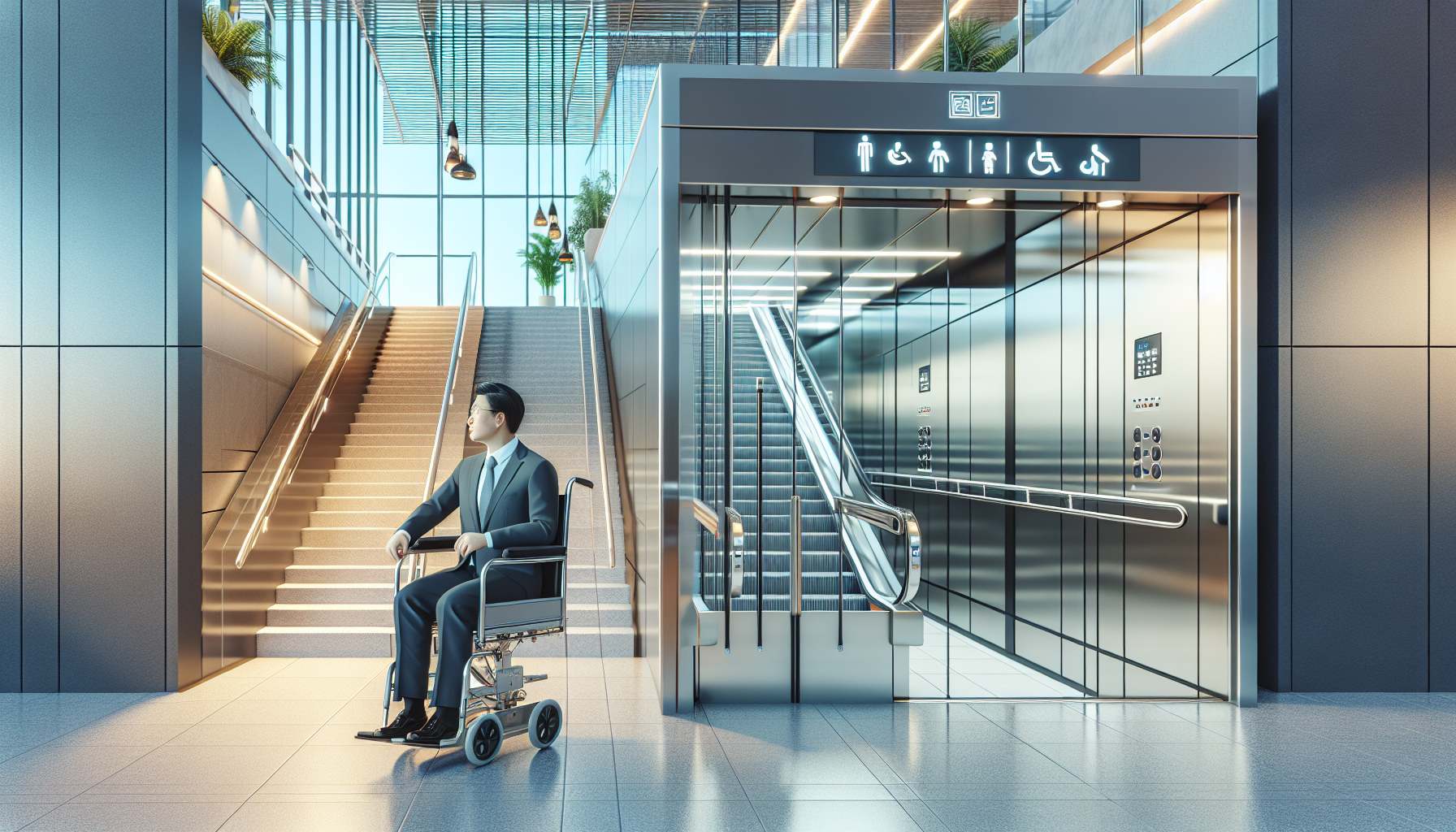
Mobility technology is reshaping aging in place by making homes safer, movement easier, and daily routines more manageable for older adults who want to remain independent. Aging in place means living in one’s own home and community safely, comfortably, and with as much autonomy as possible, regardless of age, income, or ability level. Mobility tech includes the devices, software, sensors, and home modifications that reduce fall risk, support transfers, extend walking endurance, and connect older adults with caregivers and clinicians. I have worked with families comparing stair lifts, remote monitoring platforms, transfer aids, and smart home systems, and the pattern is clear: the right combination of tools delays institutional care, improves confidence, and reduces caregiver strain.
This topic matters because demographic and clinical trends are converging. The U.S. Census Bureau projects that adults age sixty-five and older will outnumber children by the end of this decade, while the CDC continues to report falls as a leading cause of injury among older adults. At the same time, most older adults consistently say they prefer to stay in familiar homes rather than move to congregate settings. That preference has economic implications. Long-term care is expensive, home health staffing is constrained, and hospitals are under pressure to reduce preventable readmissions. Mobility-focused aging in place strategies help address all three issues by preventing injury, supporting daily function, and enabling earlier intervention when mobility declines begin to appear.
A strong hub page on aging in place strategies should connect the major categories that drive outcomes: home accessibility, walking and transfer support, monitoring and emergency response, transportation alternatives, and care coordination. It also needs to explain the tradeoffs. No device is a magic fix. A stair lift helps only on one staircase. A cane fitted at the wrong height can worsen gait mechanics. A smart sensor system may generate alerts, but families still need a response plan. The most effective approach is layered: assess functional ability, identify environmental barriers, match technology to specific tasks, and review the setup as health status changes. That practical framework turns mobility tech from a shopping list into a sustainable plan.
Smart home accessibility upgrades that prevent mobility breakdowns
The best mobility technology often starts with the home itself. Most falls do not happen because someone lacks determination; they happen because ordinary environments demand awkward movements, poor lighting, excessive reach, or unsafe transfers. For older adults, small barriers compound. A raised threshold can catch a toe. A dim hallway can hide a rug edge. A bathroom without grab bars turns a routine sit-to-stand into a hazardous maneuver. In practice, the highest-value aging in place upgrades are usually low-tech or hybrid-tech accessibility changes backed by sound ergonomics.
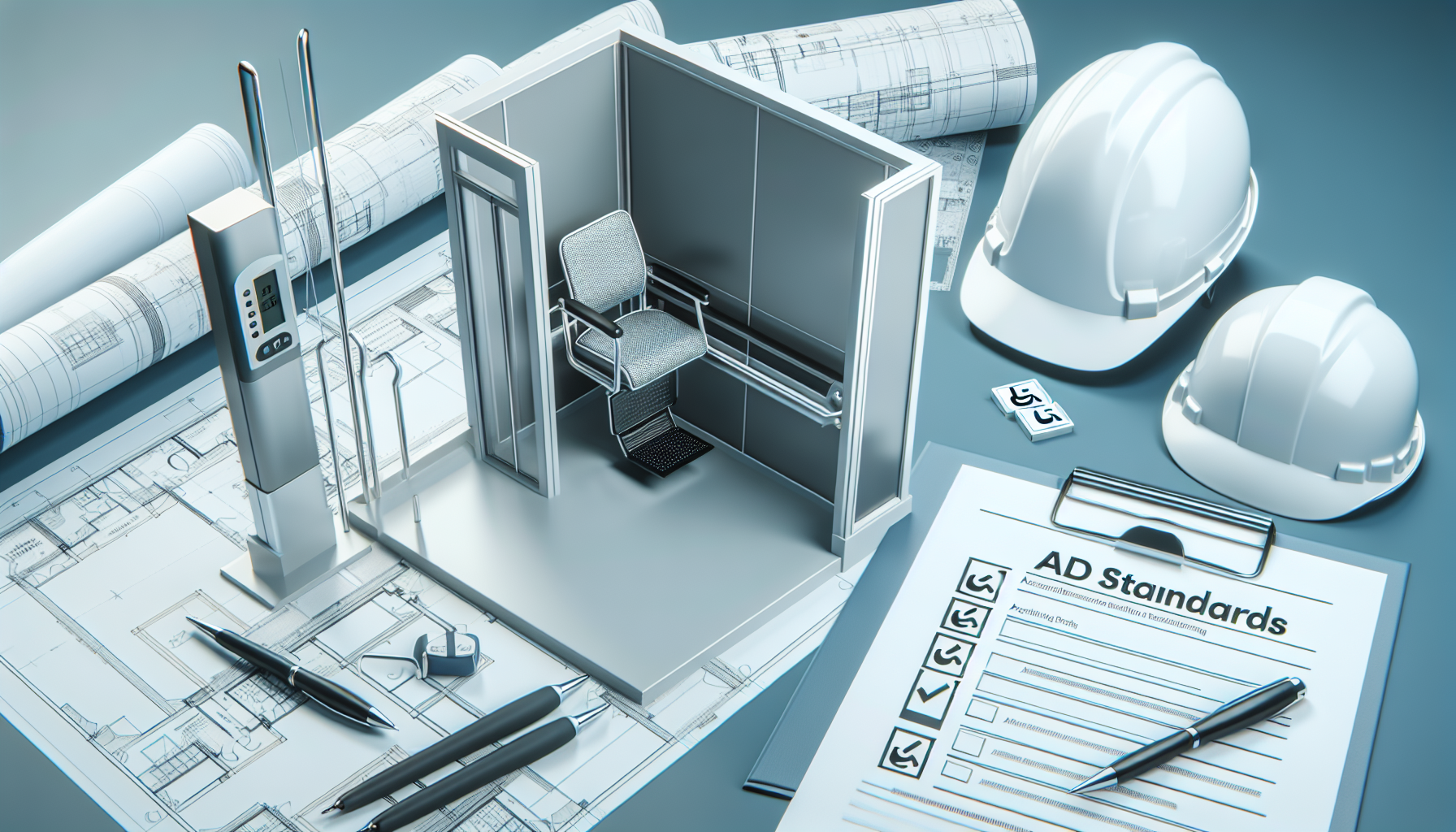
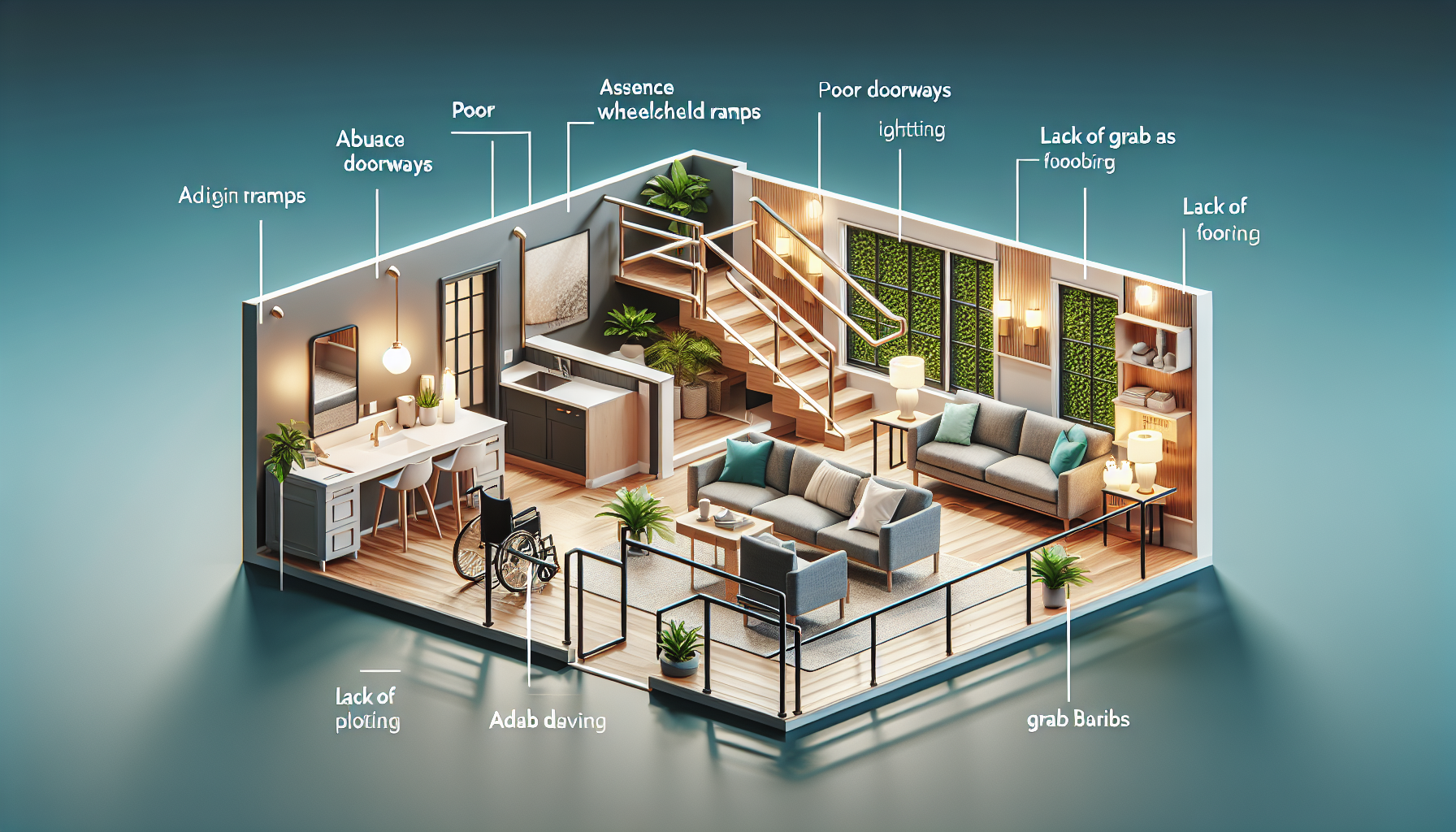
Core modifications include zero-step entries, widened doorways, lever handles, rocker light switches, anti-slip flooring, and improved illumination with motion-activated fixtures. In bathrooms, properly anchored grab bars, comfort-height toilets, roll-in showers, handheld shower heads, and shower chairs directly reduce transfer risk. In kitchens, pull-down shelving, drawer-style storage, and induction cooktops cut the need for reaching and lower burn risk. These changes support older adults with arthritis, Parkinsonian gait, post-stroke weakness, neuropathy, or general deconditioning. Certified Aging-in-Place Specialists and occupational therapists often use task-based home assessments to identify which barriers matter most for that individual, not just which products are popular.
Connected home features add another layer. Smart locks reduce the need to hurry to the door. Video doorbells let residents screen visitors without rushing. Voice assistants can control lights, thermostats, and reminders when dexterity or balance makes switches difficult. Smart plugs and appliance shutoff systems lower risk for users with mild cognitive impairment. The key is to choose systems with simple interfaces and reliable backup options. I have seen homes over-automated with disconnected apps that confused residents more than they helped. Good design keeps common tasks intuitive, visible, and consistent.
Walking, transfer, and stair technologies that extend independence
Mobility devices work best when they are matched to gait pattern, strength, endurance, and the spaces where they will be used. Canes, walkers, rollators, wheelchairs, transfer boards, lift recliners, sit-to-stand aids, and stair lifts each solve different problems. A single-point cane may help with mild unilateral weakness, but a rollator is usually better for users who need bilateral support and seated rest breaks. Standard walkers offer more stability than rollators, yet they can interrupt natural gait if the user lacks upper-body strength. Wheelchairs improve community mobility for some users, though they require adequate home turning radius and transport planning.
Transfers deserve special attention because they drive many injuries. Bed rails, if used improperly, can create entrapment risk, so assessment and product selection matter. Adjustable beds can reduce caregiver strain by improving positioning. Floor lifts and ceiling lifts are transformative for people with advanced neuromuscular conditions or after major orthopedic decline, but they require trained use and enough clearance. Stair lifts are valuable when the home layout is otherwise workable and the user can transfer on and off the seat safely. If transfers are already inconsistent, a stair lift may postpone rather than solve the problem, and a first-floor living arrangement may be the safer strategy.
| Technology | Best use case | Main benefit | Important limitation |
|---|---|---|---|
| Rollator | Reduced endurance with need for balance support | Improves walking confidence and provides a seat | Less stable than a standard walker on uneven surfaces |
| Stair lift | Multi-level home with safe seated transfers | Preserves access to upper floors | Does not help if the user cannot transfer independently |
| Lift recliner | Difficulty standing from low seating | Reduces strain during sit-to-stand | Can encourage prolonged sitting if overused |
| Power wheelchair | Limited walking capacity with community mobility needs | Expands range and conserves energy | Requires charging, training, and accessible space |
Proper fitting and training are nonnegotiable. The American Geriatrics Society and rehabilitation clinicians have long emphasized that assistive devices can reduce falls only when they are selected and adjusted correctly. I routinely see rollator brakes left too loose, walker heights set incorrectly, and canes carried on the wrong side. Those mistakes change posture, slow reaction time, and create a false sense of security. The hub topics tied to this section should therefore include device fitting, stair lift alternatives, wheelchair-accessible home design, and caregiver-safe transfer techniques.
Remote monitoring, fall detection, and emergency response systems
Many families begin exploring aging in place technology after a fall, a wandering episode, or a near miss. Remote monitoring tools help earlier by turning subtle changes into actionable signals. Personal emergency response systems remain a cornerstone. Modern versions include GPS pendants, automatic fall detection, two-way voice communication, and cellular connectivity rather than landline dependence. For active older adults who still shop, garden, or attend religious services, mobile systems provide broader coverage than home-only base stations.
Ambient sensors are becoming just as important. Motion sensors, door sensors, bed occupancy pads, and smart pressure mats can detect deviations from routine such as missed bathroom trips, extended time in bed, or reduced kitchen activity. Those shifts may indicate illness, medication side effects, worsening arthritis pain, depression, or an evolving infection. Camera-based systems can work in selected spaces, but privacy concerns are legitimate. In most cases, passive non-camera monitoring is easier to accept and sufficient for trend detection. The best platforms convert data into simple alerts and weekly summaries rather than flooding caregivers with noise.
Fall detection itself is improving, though it is not perfect. Wearables from Apple, Samsung, and dedicated medical alert providers use accelerometers and gyroscopes to identify hard falls, while some radar-based room sensors can identify sudden descent without requiring a wearable. False positives still occur, especially with abrupt sitting or device drops, and some real falls are missed if the event is slow or cushioned. That is why emergency response planning matters as much as the hardware. Families need updated contact lists, lockbox access for responders, medication lists, and clear escalation rules. A monitoring system without a response workflow is just a notification engine.
Connected health, rehabilitation, and data-driven mobility coaching
Another major trend supporting aging in place is the blending of mobility technology with clinical care. Remote patient monitoring can track blood pressure, weight, pulse oximetry, and activity while telehealth visits allow clinicians to review function without requiring difficult travel. For mobility specifically, wearables and rehab platforms can measure step count, gait speed proxies, sit-to-stand repetitions, and adherence to prescribed exercises. These metrics matter because mobility decline is often gradual. A ten percent drop in daily steps over several weeks may reveal pain, fear of falling, heart failure exacerbation, or poor medication tolerance before a crisis occurs.
Digital physical therapy platforms and home exercise apps are also improving. The useful ones are not generic video libraries; they provide condition-specific programs, reminders, progression logic, and in some cases motion feedback. For example, an older adult recovering from knee replacement may use an app connected to a clinician dashboard, while someone with balance impairment may follow a home program focused on tandem stance, weight shifting, and lower-extremity strengthening. The evidence base for exercise in fall prevention is strong, particularly for strength and balance training, but adherence is always the challenge. Technology helps when it reduces friction and supports accountability.
Medication management overlaps with mobility more than families often realize. Sedatives, anticholinergics, some antihypertensives, and polypharmacy in general can impair balance and reaction time. Smart pill dispensers, reminder systems, and pharmacist-led medication review reduce missed doses and may identify drugs contributing to dizziness or orthostatic hypotension. In real-world aging in place planning, mobility support is not just about a walker in the hallway. It is also about treatment adherence, symptom tracking, and timely clinical adjustment before function drops enough to require hospitalization or relocation.
Transportation, outdoor access, and community mobility
Aging in place succeeds only if it includes life beyond the front door. Community mobility affects health, social engagement, food access, and medical follow-up. When driving becomes unsafe or inconsistent, older adults are at higher risk for isolation, depression, and missed care. Mobility technology trends now address this gap through ride-booking tools, accessible vehicle adaptations, navigation aids, and local transportation coordination platforms. These solutions are especially important in suburban areas where basic services may not be within walking distance.
Ride services designed for older adults differ from standard consumer apps. Some allow family members or care managers to schedule trips, monitor pickup status, and store destination preferences without requiring the rider to manage a smartphone. Paratransit remains essential but often needs advance scheduling and may involve long windows. Nonemergency medical transportation fills part of the gap for appointments. For wheelchair users, vehicle lifts, ramps, swivel seats, and transfer steps can preserve personal transportation longer, but selection should be based on diagnosis, caregiver capacity, and future progression. Buying too little adaptation can force another expensive change within a year.
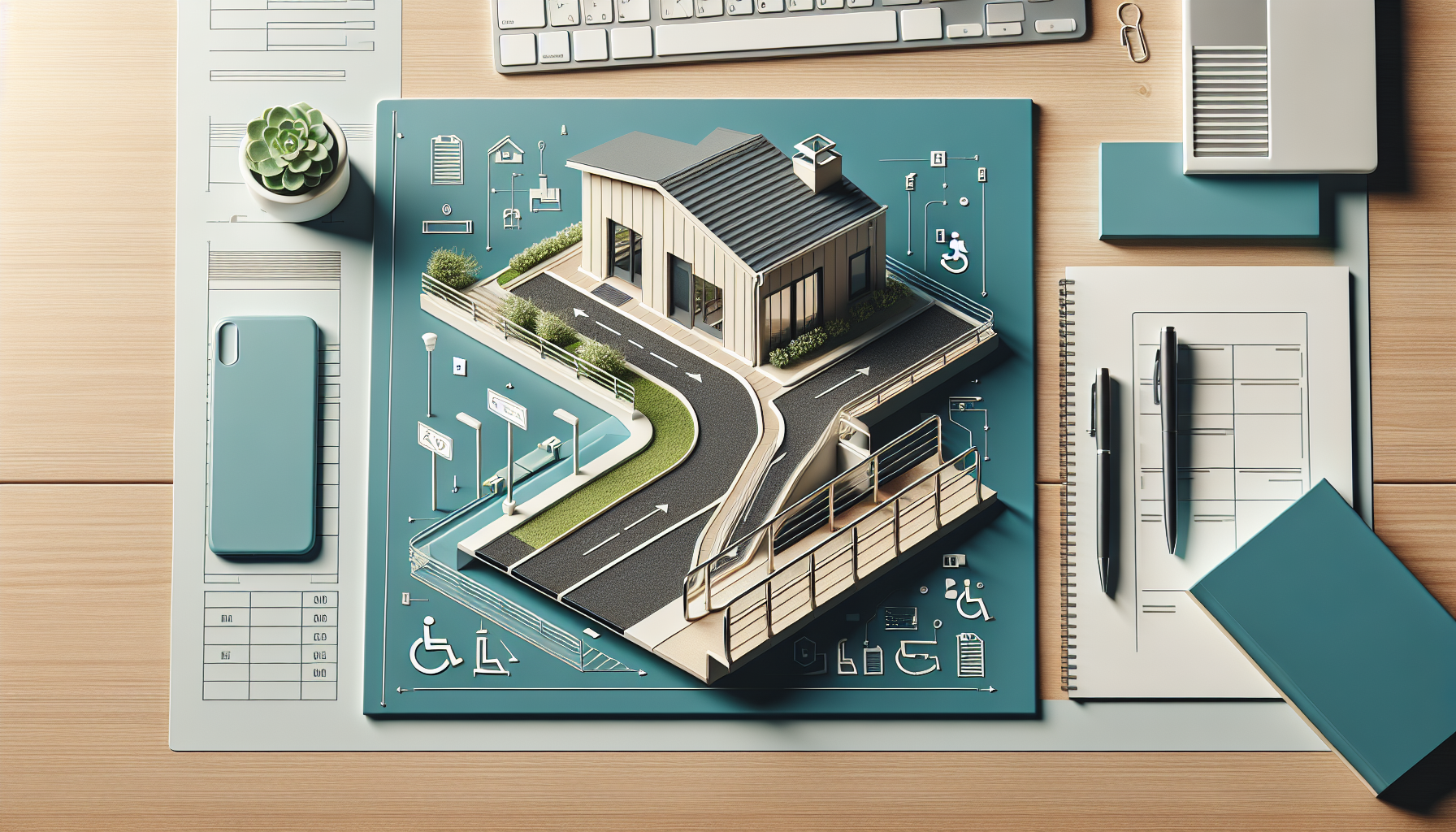
Outdoor access also depends on pathway design, not just vehicles. Stable handrails, even surfaces, weather-resistant lighting, and strategically placed resting points let older adults use porches, gardens, and sidewalks safely. In several home assessments I have seen residents stop going outside not because of indoor disability, but because two cracked pavers and a missing rail made the exit feel unpredictable. That withdrawal accelerates deconditioning. Community mobility topics linked from this hub should include driving transition planning, accessible travel tools, local transit options, and outdoor home access improvements.
How to build an aging in place strategy that lasts
The most effective aging in place plan begins with assessment, not product shopping. Start by mapping essential activities: entering the home, bathing, toileting, preparing meals, sleeping, taking medications, attending appointments, and responding to emergencies. Then identify where mobility breaks down in each activity. An occupational therapist can evaluate transfers and environmental barriers, while a physical therapist can assess gait, balance, endurance, and device needs. For complex conditions such as dementia, Parkinson’s disease, stroke, or heart failure, include the primary clinician and, when possible, a pharmacist and social worker. This multidisciplinary view prevents narrow fixes that ignore the full risk picture.
Budgeting and funding are part of strategy. Medicare generally covers medically necessary durable medical equipment under specific criteria, but it does not cover most home modifications. Medicaid waiver programs, Veterans Affairs benefits, state assistive technology programs, nonprofit grants, and local Area Agencies on Aging may help, depending on eligibility and geography. Reputable installers should provide written scope, warranty details, and maintenance expectations. For digital systems, ask about subscription fees, data privacy practices, battery replacement, and internet or cellular dependencies. A cheap device with poor support often becomes expensive through abandonment.
Finally, revisit the plan regularly. Aging in place is dynamic, not a one-time retrofit. After hospitalization, a new diagnosis, a medication change, or a caregiver transition, mobility needs can shift quickly. Review the setup every six to twelve months, track falls and near falls, and update emergency contacts and access instructions. The goal is not to add technology for its own sake. It is to preserve safe function, dignity, and connection in the place that feels like home. If you are building this strategy now, start with one professional assessment and one high-risk task, then expand systematically.
Frequently Asked Questions
What does “mobility tech” include when supporting aging in place?
Mobility tech is a broad category that includes the tools, systems, and home upgrades that help older adults move more safely and confidently at home and in the community. It can include physical devices such as walkers, rollators, power scooters, stair lifts, lift chairs, transfer aids, adjustable beds, and wheelchairs. It also includes smart home features like motion-activated lighting, voice-controlled assistants, fall detection sensors, pressure-sensitive floor systems, automated door openers, and remote monitoring tools that alert family members or caregivers to changes in routine or potential safety issues. In many homes, mobility tech also overlaps with accessibility modifications, such as grab bars, zero-threshold showers, ramps, widened doorways, non-slip flooring, and better bathroom layouts that reduce the strain of daily movement.
The most important point is that mobility tech is not limited to “high-tech” gadgets. Often, the best solutions combine practical equipment with digital support. For example, a rollator may help with endurance and stability, while a wearable device tracks activity levels and sends alerts after a fall. A stair lift may reduce risk on stairs, while smart lighting improves visibility at night. Together, these tools support safer transfers, reduce fall risk, conserve energy, and help older adults maintain independence longer. The best mobility technology is the technology that matches a person’s health needs, home layout, routines, and comfort level with using devices every day.
How is mobility technology making homes safer for older adults?
Mobility technology makes homes safer by addressing one of the biggest challenges to aging in place: the risk of falls, overexertion, and unsafe movement during everyday tasks. Many older adults are not limited by a single medical issue, but by a combination of balance changes, joint pain, muscle weakness, vision decline, slower reaction time, and fatigue. Mobility tools are designed to reduce the physical demands of moving through the home and to lower the chances of injury. For example, grab bars and transfer poles provide stable handholds during transitions, such as getting out of bed or stepping into the shower. Stair lifts can eliminate the need to climb stairs entirely. Lift chairs support safer sit-to-stand movement, which is especially helpful for people with arthritis, Parkinson’s disease, or post-surgical weakness.
Smart technology adds another layer of protection. Motion sensors can illuminate hallways automatically at night, reducing tripping hazards. Fall detection wearables and in-home monitoring systems can send immediate alerts if something goes wrong. Pressure sensors placed under mattresses or in chairs may detect unusual changes in activity that suggest a health concern. Some systems can even identify patterns, such as repeated nighttime bathroom trips or reduced movement during the day, which may signal medication issues, dehydration, infection, or worsening mobility. These technologies do not replace human care, but they can significantly improve early awareness and response. When combined with a home safety assessment and proper equipment training, mobility technology helps create an environment where daily routines are safer, more predictable, and less physically taxing.
Which mobility tech trends are having the biggest impact on independence at home?
Several mobility tech trends are making a meaningful difference for older adults who want to remain at home longer. One of the most important is the integration of smart sensors and remote monitoring into everyday living spaces. Instead of waiting for an emergency, these systems can detect changes in movement patterns, missed routines, or signs of instability and send updates to caregivers or clinicians. Another major trend is the growth of user-friendly wearable devices that combine fall detection, GPS location support, emergency calling, step tracking, and heart rate monitoring in a single tool. These devices are becoming more discreet, easier to charge, and simpler to use, which improves adoption among older adults.
Another impactful trend is the shift toward customizable, home-based mobility solutions rather than one-size-fits-all equipment. Today’s mobility products are more ergonomic, more attractive, and better designed for real home environments. Power-assist wheelchairs, compact scooters, advanced rollators with built-in seating and braking systems, and adjustable transfer aids all help people conserve energy and move with greater confidence. In addition, voice automation is becoming increasingly useful for people with limited strength or balance, allowing them to control lights, thermostats, doors, and communication devices without unnecessary walking or reaching. Telehealth and virtual rehabilitation are also playing a growing role by connecting older adults with physical therapists, occupational therapists, and medical providers who can recommend mobility strategies and adjust care plans without requiring frequent travel. Together, these trends support not just safety, but also autonomy, convenience, and quality of life.
How can families choose the right mobility technology for an older adult?
Choosing the right mobility technology starts with understanding the person, not just the product. Families should consider the older adult’s current mobility level, medical conditions, strength, balance, endurance, cognitive status, vision, hearing, and comfort with technology. It is also essential to evaluate the home itself. A device that works well in one home may be impractical in another due to narrow hallways, stairs, uneven entryways, small bathrooms, or cluttered floor plans. The safest and most effective approach is to identify the daily activities that are becoming difficult or risky, such as bathing, toileting, getting in and out of bed, climbing stairs, standing from a chair, or walking to the kitchen. Once those problem areas are clear, it becomes easier to match the right technology to the right task.
Professional guidance can make a major difference. Occupational therapists, physical therapists, aging-in-place specialists, and durable medical equipment providers can assess both the person and the home environment. They can recommend equipment that improves safety without creating new hazards. Families should also think beyond purchase price and ask practical questions: Is the device easy to use consistently? Does it require charging, internet access, or maintenance? Will the person accept it emotionally, or resist using it? Can it adapt if needs change over time? The most successful solutions are usually those that blend into daily life, support dignity, and reduce effort without feeling overly complicated. In many cases, a combination of simple modifications and targeted technology provides better results than relying on one expensive device alone.
Can mobility tech reduce caregiver stress while still preserving an older adult’s independence?
Yes, one of the strongest benefits of mobility technology is that it can support both the older adult and the caregiver at the same time. Family caregivers are often trying to balance safety concerns with a loved one’s desire to remain independent. Mobility technology can ease that tension by reducing physical strain, improving visibility into daily routines, and lowering the risk of emergencies. For example, transfer aids, lift devices, and adjustable seating can make it safer for caregivers to assist with movement without injuring themselves. Monitoring systems and fall alerts can provide reassurance when a caregiver cannot be physically present. Voice assistants, medication reminders, and automated lighting can also reduce the number of small but constant tasks that often add to caregiver fatigue.
Just as important, well-chosen mobility technology can preserve dignity and autonomy for the older adult. Instead of depending on another person for every transfer, hallway walk, or nighttime trip to the bathroom, someone may be able to complete more tasks independently with the right supports in place. That can improve confidence, reduce frustration, and strengthen the older adult’s sense of control. For caregivers, knowing that the home environment is safer and that alerts or support systems are in place often reduces anxiety and burnout. The goal is not to replace human connection or hands-on care, but to use technology thoughtfully so that care becomes more sustainable, respectful, and responsive to changing needs over time.